

- 10 Legendary Summer Anthems That Defined a Generation of Festival-Goers - August 31, 2026
- True Art Transcends Generations, Speaking to Every Soul That Encounters It. - August 31, 2026
- 10 Fashion Trends From the Past That Deserve a Dramatic Comeback - August 31, 2026
Writers rarely emerge fully formed. Their early efforts often capture raw energy or youthful experiments, while experience sharpens their voice into something more assured or ambitious.[1]
Over time, life events, feedback, and deliberate choices reshape their style, genre preferences, or thematic depth. This evolution can make debuts feel like distant cousins to the masterpieces that follow.
Ernest Hemingway
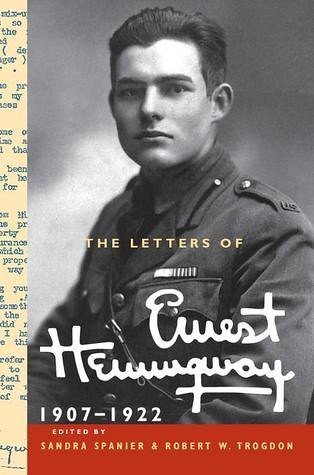
Hemingway’s first novel, The Torrents of Spring from 1926, stands out as a slim parody targeting a Chicago literary style he found pretentious. It skewers romantic clichés with biting humor, almost like a novella-length joke.[2]
Contrast that with his later major work, The Sun Also Rises in 1926 – wait, same year, but it launched his signature iceberg theory of sparse prose. The expatriate angst and bullfighting rituals there feel worlds apart from the parody’s playfulness, marking his shift to taut, evocative realism about loss and disillusionment.
George Orwell

Burmese Days, Orwell’s 1934 debut novel, draws from his imperial police days in Burma, exposing colonial bigotry through a jaded policeman’s downfall. It’s a straightforward narrative laced with sharp social critique.[2]
His later masterpiece, Nineteen Eighty-Four from 1949, plunges into dystopian allegory with Big Brother’s surveillance state. The shift from realistic imperialism to prophetic totalitarianism shows Orwell honing a darker, more symbolic edge, blending philosophy with nightmare visions.
That progression reflects how personal experience fueled broader warnings.
Ayn Rand
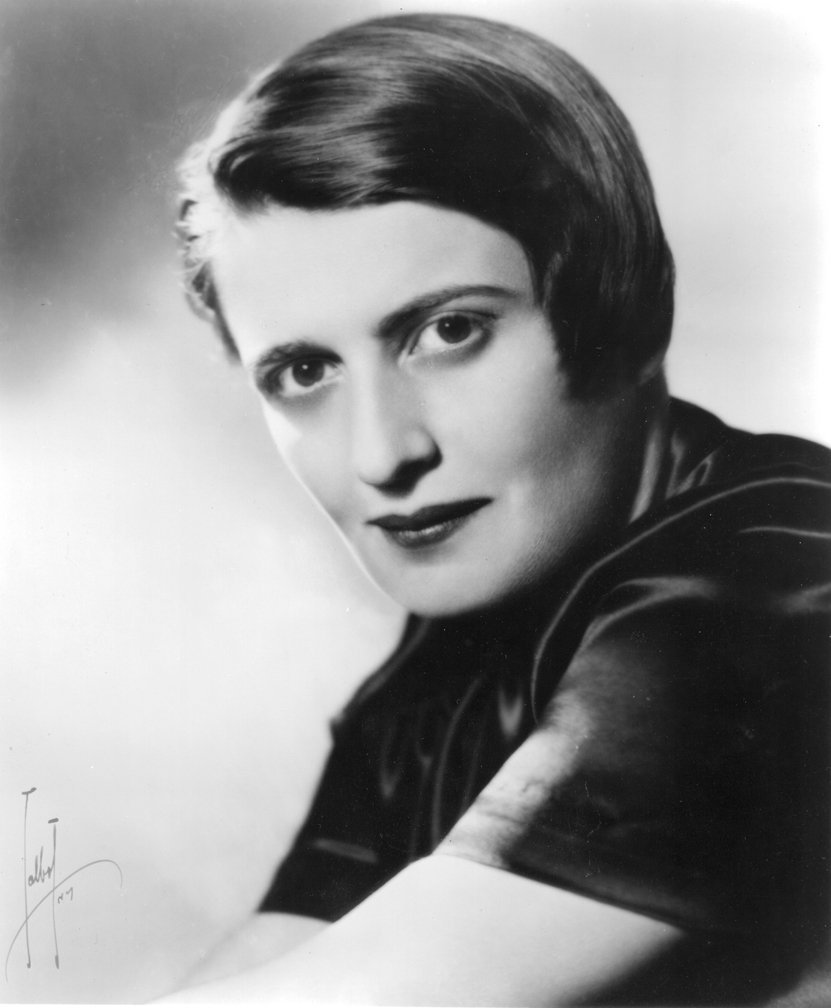
We the Living in 1936, Rand’s first novel, weaves a tragic romance amid Soviet oppression, rooted in her own escape from Russia. It’s intimate and character-driven, focusing on individual struggles against ideology.[2]
Atlas Shrugged, her 1957 epic, sprawls across philosophy, rail tycoons, and Objectivism in a collapsing America. The leap from concise realism to thousand-page manifesto highlights her growing zeal for heroic individualism versus collectivism.
Kurt Vonnegut
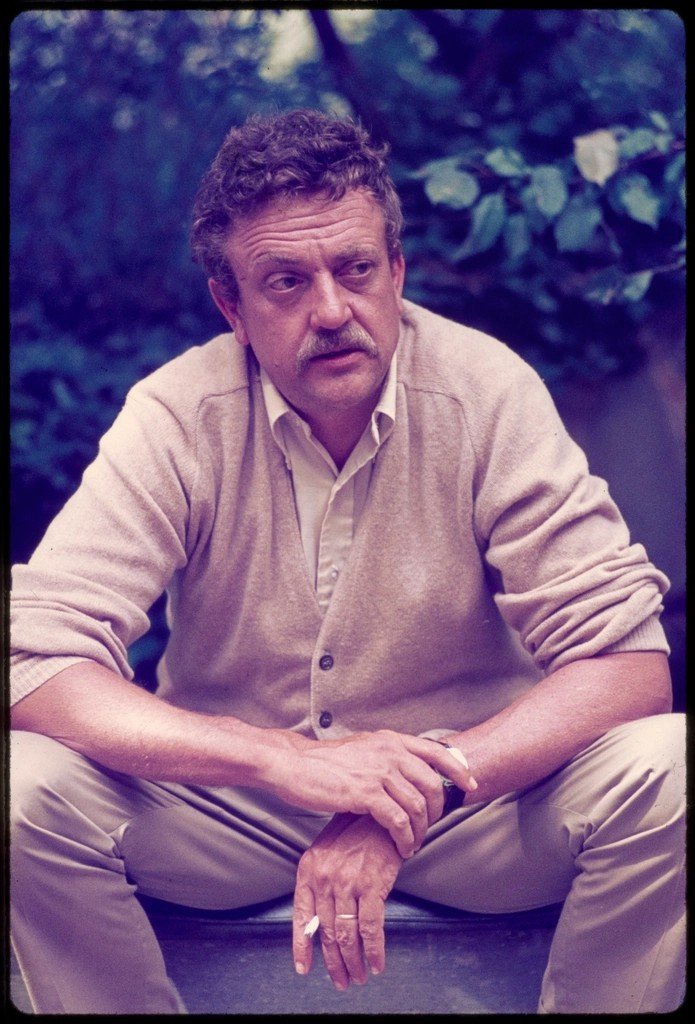
Player Piano from 1952 kicks off Vonnegut’s career with a dystopian tale of machines displacing workers in a stratified society. It’s classic mid-century sci-fi, linear and cautionary about automation.[2]
Slaughterhouse-Five in 1969 shatters expectations with non-linear time jumps, aliens, and Dresden bombing trauma. Billy Pilgrim’s “unstuck in time” plight turns war satire postmodern, far wilder than the debut’s straightforward futurism.[3]
Vonnegut’s humor darkened and fragmented along the way.
Hilary Mantel
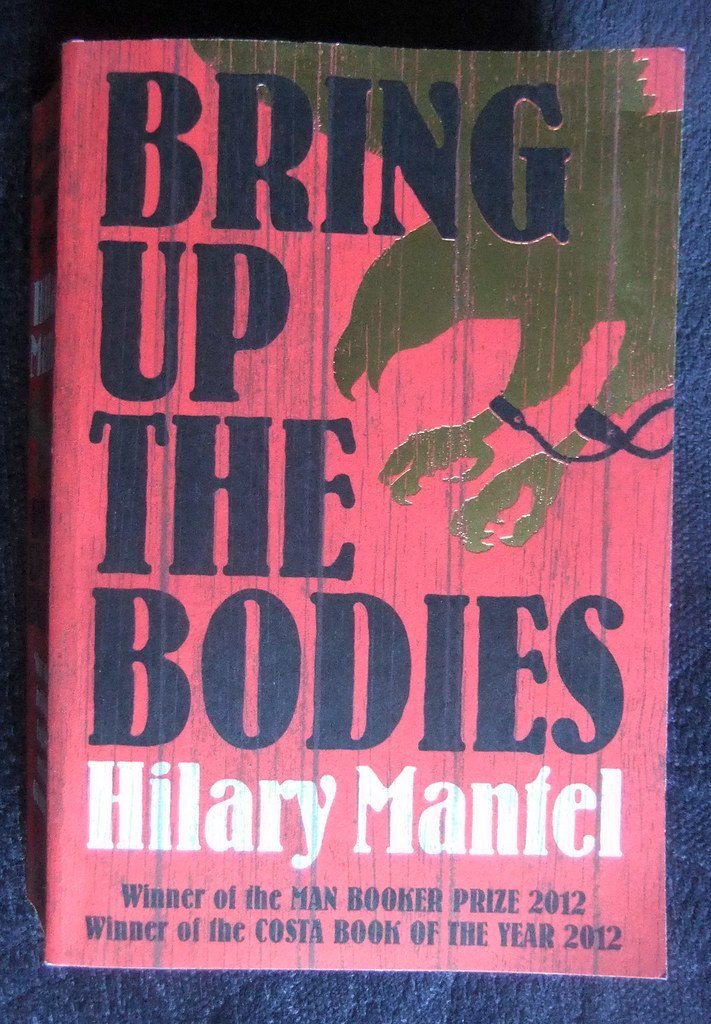
Every Day is Mother’s Day in 1985 introduces a psychic single mother and her handicapped daughter in chaotic domestic horror. It’s gritty psychological suspense with supernatural hints.[2]
Wolf Hall from 2009 reimagines Thomas Cromwell in lush Tudor intrigue. The pivot from modern-day eeriness to meticulous historical fiction underscores Mantel’s command of period voices and power plays.
Ian McEwan

The Cement Garden of 1978 shocks with siblings hiding their mother’s body in cement, spiraling into taboo isolation. Raw and grotesque, it probes family decay without mercy.[2]
Atonement in 2001 weaves WWII romance, mistaken accusations, and narrative tricks. McEwan traded visceral horror for elegant literary layers, exploring guilt across decades.
His early starkness evolved into refined emotional architecture.
Margaret Atwood

The Edible Woman from 1969 surrealistically tracks a woman’s alienation turning her against food and conformity. It’s quirky feminist satire on consumer culture.[2]
The Handmaid’s Tale in 1985 builds a chilling theocratic dystopia. Atwood amplified her wit into prophetic feminism, swapping personal absurdity for societal oppression.
Toni Morrison
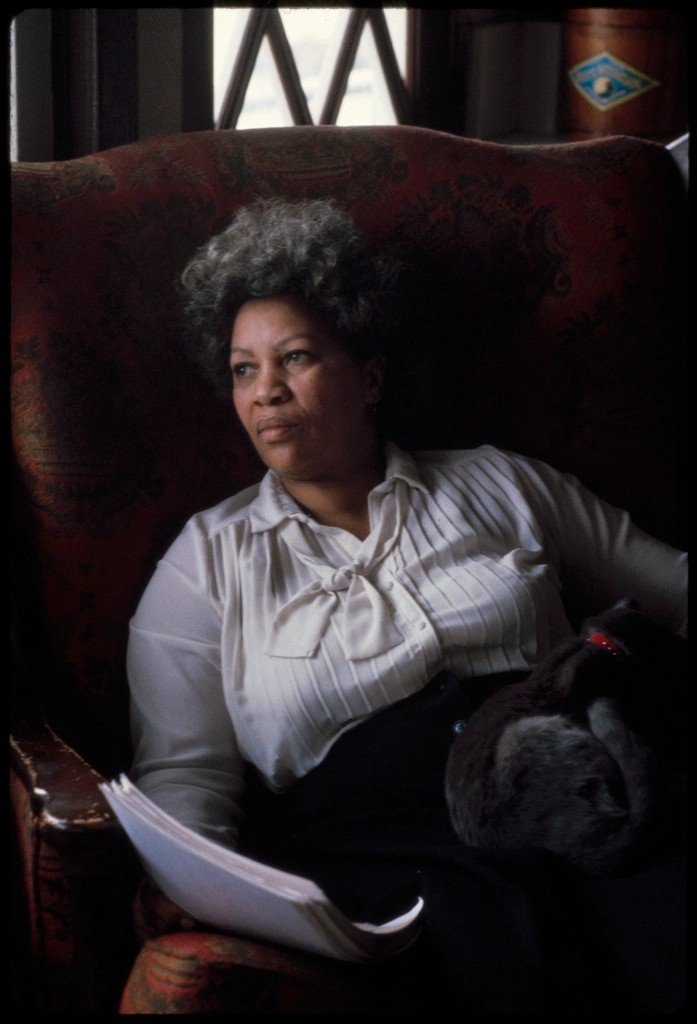
The Bluest Eye in 1970 follows a black girl’s self-loathing in Depression-era Ohio, raw with fragmented voices and incest themes. Morrison’s prose pulses with poetic intensity.[2]
Beloved from 1987 conjures slavery’s ghosts in a haunted epic. She expanded intimate trauma into mythic historical reckoning, her style blooming into Nobel-worthy grandeur.
D.H. Lawrence
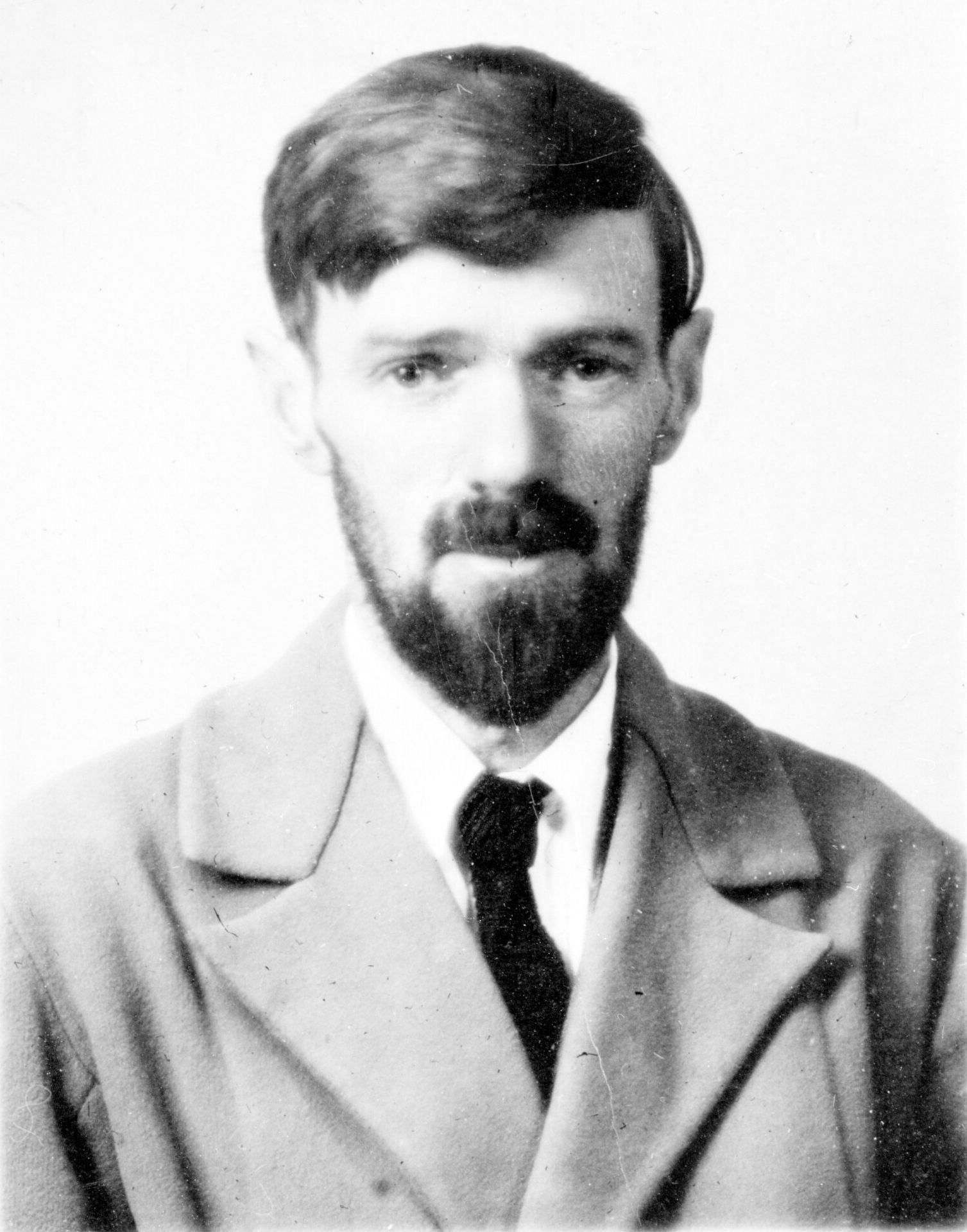
The White Peacock, his 1911 debut, mixes rural grit, erotic tensions, and industrial shadows in autobiographical sketches. It’s uneven, probing class and desire.[4]
Lady Chatterley’s Lover in 1928 boldly champions sensual liberation against mechanized society. Lawrence refined his sensualism into defiant modernism, scandalizing with explicit passion.
Charles Dickens
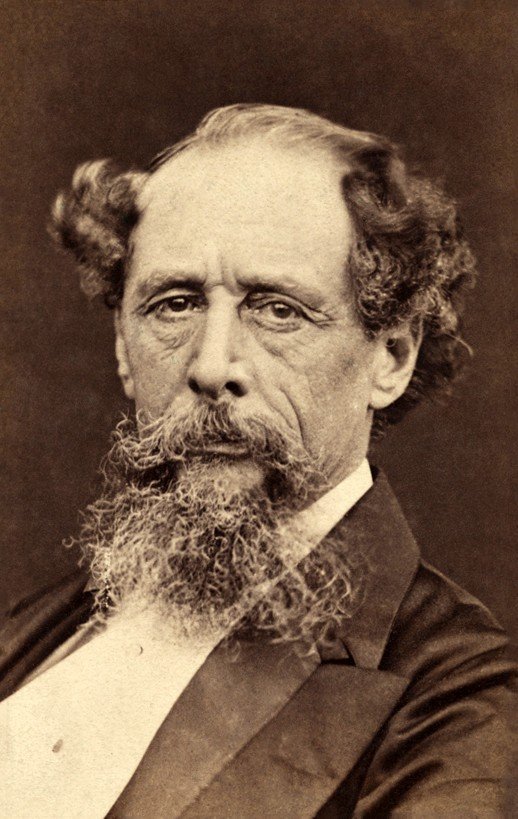
The Pickwick Papers in 1836 began as comic sketches of club adventures, snowballing into episodic hilarity. Youthful and loose, it skyrocketed his fame.[4]
David Copperfield in 1850 crafts a cohesive bildungsroman with social bite. Dickens tightened his sprawl into personal epic, blending humor with poignant growth.
Lionel Shriver
The Female of the Species in 1987 charts an anthropologist’s obsessive affair with her assistant. It’s probing midlife crisis fiction.[2]
We Need to Talk About Kevin from 2003 dissects motherhood and school massacre guilt. Shriver sharpened into taut psychological thriller territory.
Haruki Murakami

Hear the Wind Sing in 1979 launches a trilogy with nostalgic summer reflections and elusive friendships. Light, introspective jazz-infused prose.[2]
Kafka on the Shore in 2002 blends metaphysics, cats talking, and prophecy. Murakami’s surrealism exploded, fusing mystery with dreamlike quests.
The Evolution of Literary Voice

These shifts reveal how authors shed early skins – parodies, raw sketches, or personal tales – for bolder canvases. Life’s curveballs, revisions, and market pulls refine their craft.
Yet that first spark lingers, a reminder that mastery builds on bold beginnings. True voices emerge not overnight, but through persistent reinvention.
CEO-Co-Founder
