


For any feedback please reach out to info@festivalinside.com
- “The 16 Secret Meanings Behind America’s Most Famous Novels” - September 25, 2026
- 20 Music Legends Who Changed the Industry Forever - September 25, 2026
- Why Some Books Only Work in the First Person - September 24, 2026
“Beloved” by Toni Morrison (1987)
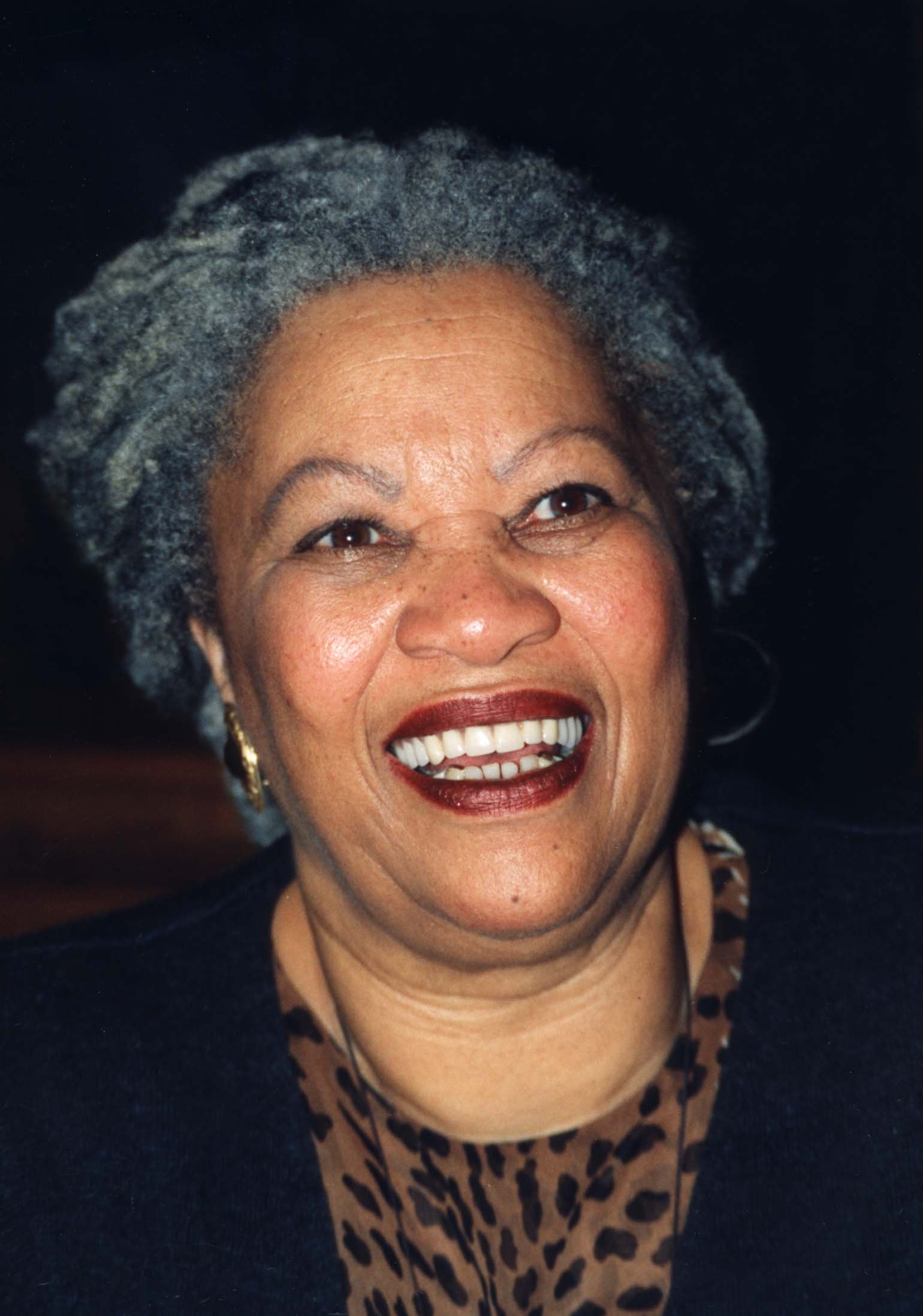
Few novels have left as searing an impression as Toni Morrison’s “Beloved.” This haunting work plunges readers into the psychological aftershocks of slavery, centering on Sethe, a formerly enslaved woman haunted by her daughter’s ghost. Morrison’s poetic, lush prose brings the traumas of America’s past into sharp, unforgettable focus. The novel’s unflinching depiction of the costs of survival and the fierce bonds of motherhood earned it the Pulitzer Prize for Fiction in 1988. “Beloved” routinely appears on lists of the greatest American novels, and its cultural significance has only grown as discussions about race and history intensify. Morrison’s storytelling merges historical fact with supernatural elements, creating a narrative that is both shocking and deeply human. The emotional weight and historical insight of “Beloved” ensure it will be discussed and analyzed for generations.
“The Road” by Cormac McCarthy (2006)
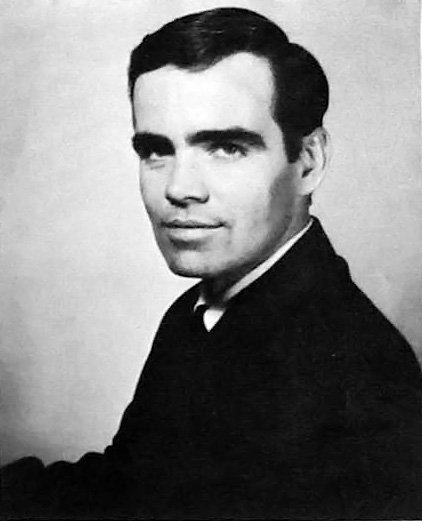
“The Road” by Cormac McCarthy strips the post-apocalyptic genre down to its bare essentials, focusing on the struggle of a father and son as they journey through a ravaged landscape. The novel’s sparse, almost biblical language makes each moment feel monumental, lending gravity to their fight for survival. Themes of love, sacrifice, and hope flicker through the darkness, offering rare moments of warmth amid bleakness. Upon its release, “The Road” was met with immediate critical acclaim and won the Pulitzer Prize for Fiction in 2007. Readers and critics alike have praised its emotional resonance and philosophical depth, which prompt profound questions about what it means to be human. The novel’s influence is evident in the numerous post-apocalyptic works that have followed, yet none have matched its haunting power. “The Road” stands as a testament to resilience and the enduring bond between parent and child.
“Middlesex” by Jeffrey Eugenides (2002)

Jeffrey Eugenides’ “Middlesex” is an ambitious, multi-generational saga that explores the intricacies of identity and the immigrant experience. At its heart is Cal Stephanides, an intersex narrator whose journey of self-discovery mirrors the broader story of a Greek-American family adapting to life in the United States. The novel, which won the Pulitzer Prize for Fiction in 2003, delves into genetics, gender, and culture with empathy and wit. Eugenides uses Cal’s unique perspective to examine what it means to belong, both within a family and in society at large. The narrative’s scope and complexity reflect the tapestry of modern American life, spanning continents and decades. “Middlesex” is acclaimed for its storytelling prowess and the way it challenges readers to rethink assumptions about identity. The novel’s relevance endures as conversations about gender and self-understanding continue to evolve.
“Atonement” by Ian McEwan (2001)

Ian McEwan’s “Atonement” unfolds as a mesmerizing meditation on guilt, storytelling, and the search for redemption. The novel traces the ripple effects of a single lie told by a young girl, changing the lives of everyone around her. McEwan’s intricate narrative structure moves across time and perspective, offering readers a rich tapestry of emotions and motivations. Set against the backdrop of World War II, the novel’s historical scope enhances its emotional power, making personal mistakes feel as consequential as historical events. “Atonement” was shortlisted for the Booker Prize and has been widely celebrated for its lyrical prose and psychological insight. Its analysis of how we construct narratives—both personal and historical—invites readers to question the very nature of truth. The emotional impact is heightened by McEwan’s careful attention to character and setting, ensuring the story lingers long after the final page.
“White Teeth” by Zadie Smith (2000)
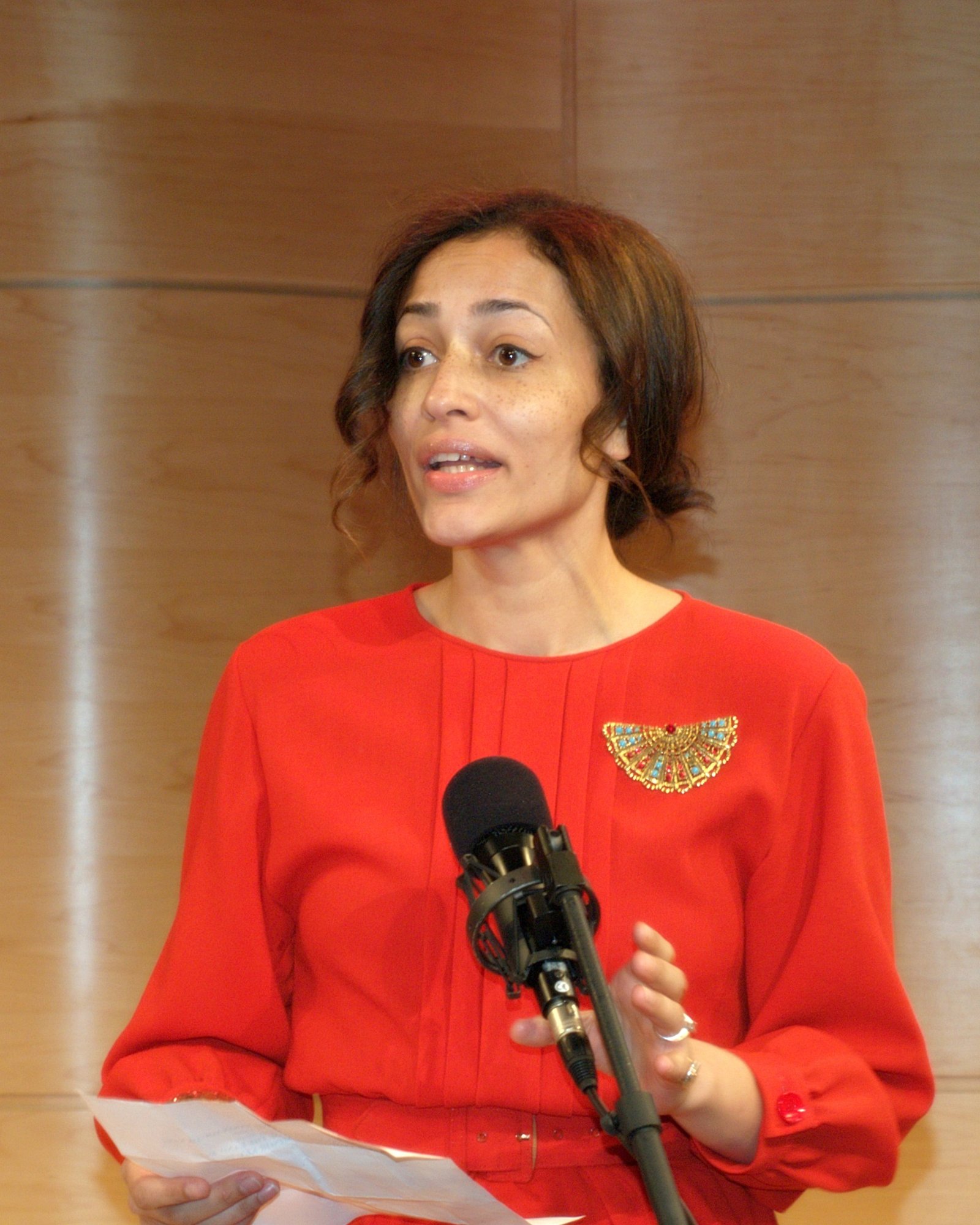
Zadie Smith’s “White Teeth” burst onto the literary scene with a vibrant depiction of multicultural London. The story follows the intersecting lives of two families over several decades, exploring questions of identity, race, and generational change. Smith’s wit and humor enliven the novel, even as it tackles weighty topics like immigration and colonial legacy. Critics lauded “White Teeth” upon its release, with the novel winning the Whitbread Book Award and the James Tait Black Memorial Prize. Smith’s ability to weave together numerous storylines and perspectives gives the book a sprawling, energetic feel, mirroring the diversity of modern urban life. The novel’s enduring popularity is a testament to its relevance and insight. Through its memorable characters and sharp social commentary, “White Teeth” captures the pulse of a city—and a world—in transition.
“The Brief Wondrous Life of Oscar Wao” by Junot Díaz (2007)

Junot Díaz’s “The Brief Wondrous Life of Oscar Wao” is a dazzling blend of magical realism, Dominican history, and pop culture references. The novel follows Oscar, a self-proclaimed nerd, as he navigates the complexities of family, love, and cultural expectation. Díaz’s innovative use of footnotes and his energetic narrative voice have set a new standard for contemporary storytelling. Awarded the Pulitzer Prize for Fiction in 2008, the novel has been praised for its raw honesty and unique style. Through Oscar’s journey, Díaz explores the lingering impact of dictatorship and diaspora on individual lives. The book’s cultural resonance is evident in its widespread popularity and the influence it has had on a new generation of writers. “Oscar Wao” stands out for its fearless approach to difficult subjects, all while maintaining humor and heart.
“Never Let Me Go” by Kazuo Ishiguro (2005)

Kazuo Ishiguro’s “Never Let Me Go” is a quietly unsettling novel that uses science fiction to explore the deepest questions of humanity. Set in an alternate England, the story follows Kathy, Tommy, and Ruth—clones raised for organ donation—through their formative years and into adulthood. Ishiguro’s understated prose creates a sense of quiet dread, making the novel’s revelations all the more shocking. The book’s meditation on memory, love, and loss has struck a chord with readers and critics alike, earning it a spot on the Booker Prize shortlist. “Never Let Me Go” was adapted into a successful film in 2010, further solidifying its place in popular culture. The novel’s ethical questions and emotional depth continue to inspire debate and reflection. Its subtle, melancholic power ensures it will remain relevant for years to come.
“Normal People” by Sally Rooney (2018)

Sally Rooney’s “Normal People” has captivated a generation with its raw, honest portrayal of love and connection in the twenty-first century. The novel traces the evolving relationship between Connell and Marianne, two young people whose lives intertwine from high school into adulthood. Rooney’s spare, incisive prose captures the awkwardness and intensity of modern romance, making the characters’ vulnerabilities feel universal. The book has received widespread acclaim, including the Costa Book Award and a Booker Prize nomination, and was adapted into a highly successful television series. “Normal People” stands out for its exploration of class, communication, and intimacy in the digital age. Rooney’s ability to articulate the anxieties of her generation has cemented her status as a leading voice in contemporary fiction. The emotional resonance of the novel continues to draw in readers from all walks of life.
“Homegoing” by Yaa Gyasi (2016)
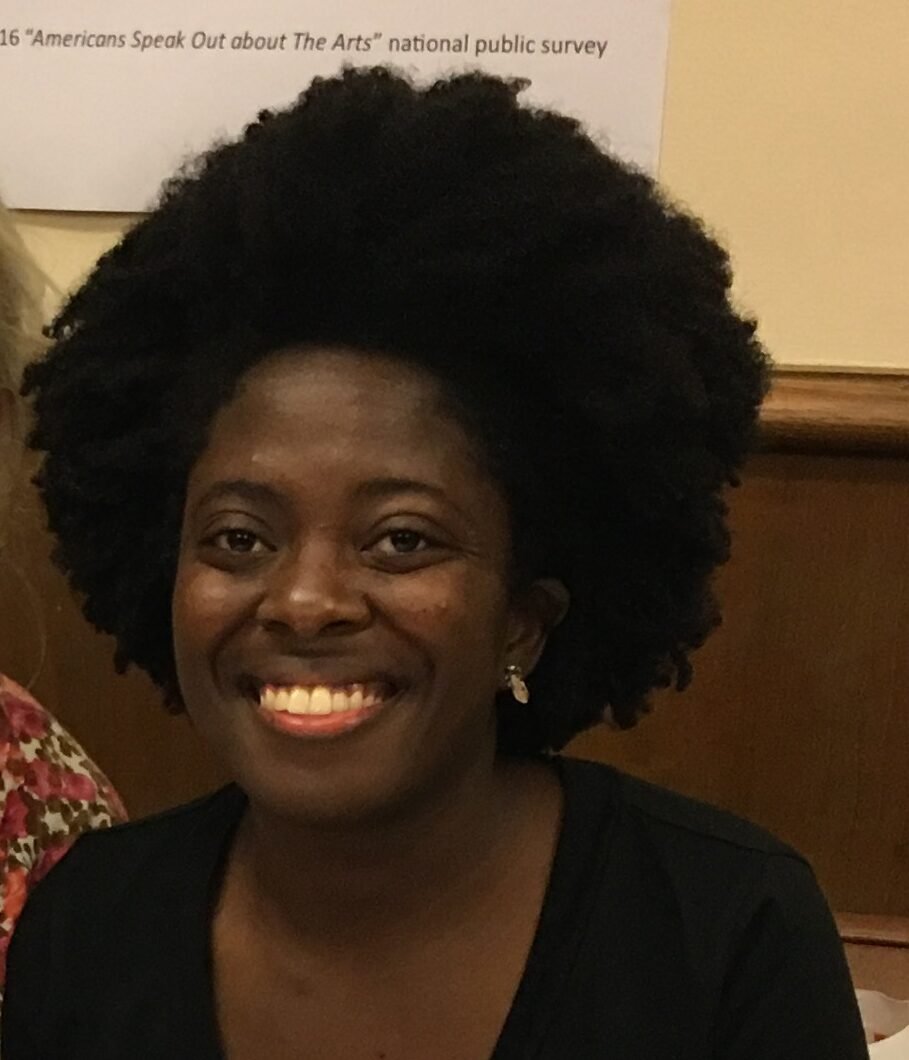
“Homegoing” by Yaa Gyasi is a sweeping epic that traces the legacy of slavery through the bloodlines of two half-sisters and their descendants. Each chapter introduces a new character, spanning centuries and continents, from the Gold Coast of Africa to present-day America. Gyasi’s storytelling is both ambitious and intimate, weaving together personal stories with larger historical movements. The novel has been widely celebrated, earning the National Book Critics Circle’s John Leonard Award and appearing on countless “best of” lists. “Homegoing” is praised for its emotional resonance and insightful portrayal of generational trauma and resilience. The structure of the novel allows readers to see the long-term consequences of history on individual lives. Gyasi’s achievement lies in her ability to make the distant past feel immediate and urgent.
“A Little Life” by Hanya Yanagihara (2015)

Hanya Yanagihara’s “A Little Life” is a novel that spares no reader from its raw emotional intensity. The story follows four college friends, with a particular focus on Jude, whose traumatic past casts a long shadow over his adult life. Yanagihara’s writing is unflinching, confronting issues of abuse, friendship, and endurance with a rare honesty that has divided readers and critics. The novel was shortlisted for the Booker Prize and the National Book Award, and has developed a devoted fanbase since its publication. “A Little Life” is notable for its exploration of suffering and the complexities of human connection, raising difficult questions about the nature of support and survival. The book’s ability to provoke strong reactions is a testament to its power. Its lasting impact on contemporary literature is undeniable.
“The Overstory” by Richard Powers (2018)

“The Overstory” by Richard Powers is a groundbreaking eco-novel that intertwines the lives of nine characters with the secret life of trees. Powers uses an intricate narrative structure to show how humans and nature are deeply interconnected, making the case for environmental stewardship. The novel won the Pulitzer Prize for Fiction in 2019 and has been lauded for its ambitious storytelling and urgent ecological themes. As environmental concerns have become more pressing, “The Overstory” has found a passionate readership among those seeking to understand humanity’s place in the natural world. Powers’ ability to merge science, philosophy, and fiction creates a story that is both informative and emotionally resonant. The book’s message about interconnectedness and survival has never been more relevant. Its influence is evident in ongoing discussions about climate and conservation.

Christian Wiedeck, all the way from Germany, loves music festivals, especially in the USA. His articles bring the excitement of these events to readers worldwide.
For any feedback please reach out to info@festivalinside.com
