

For any feedback please reach out to info@festivalinside.com
- 15 Forgotten TV Show Theme Songs That Are Still Incredibly Catchy - August 31, 2026
- Every Masterpiece Holds a Secret Story of Its Creation Within Its Depths. - August 31, 2026
- 10 Groundbreaking Scientific Discoveries That Revolutionized Daily Life - August 31, 2026
George Orwell’s 1984, published in 1949, endures as a stark warning about totalitarianism. Its concepts of surveillance and manipulated truth have seeped into global culture, from political rhetoric to tech debates. Even in 2026, the novel shapes how we discuss privacy and power.
The story’s grip comes from Orwell’s blend of foresight and personal grit. He crafted it amid illness and isolation, drawing from real-world horrors. This backdrop makes its influence timeless, urging readers to question authority.
1. The Original Title Was ‘The Last Man in Europe’
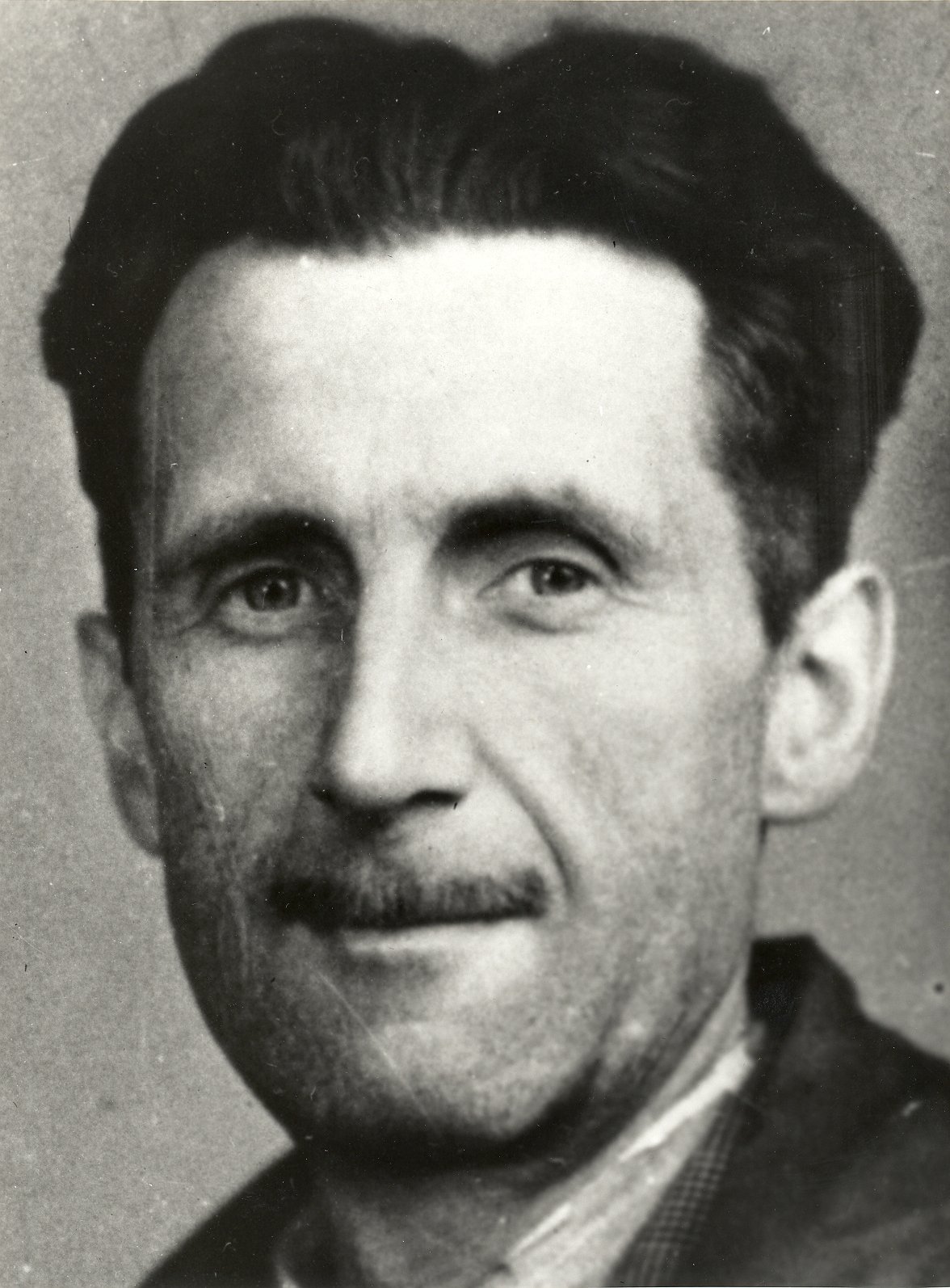
George Orwell first called his manuscript The Last Man in Europe. He switched to 1984 near the end, likely by flipping the digits of 1948, the year he wrapped it up.[1][2]
This change packs a punch. The numeric title sets a countdown feel, making the dystopia hit closer to home. It transformed a vague end-times vibe into something pinpoint and chilling, boosting the book’s prophetic edge. That precision helps explain why 1984 sticks in minds decades later.
2. Orwell Wrote It While Battling Tuberculosis on a Remote Island
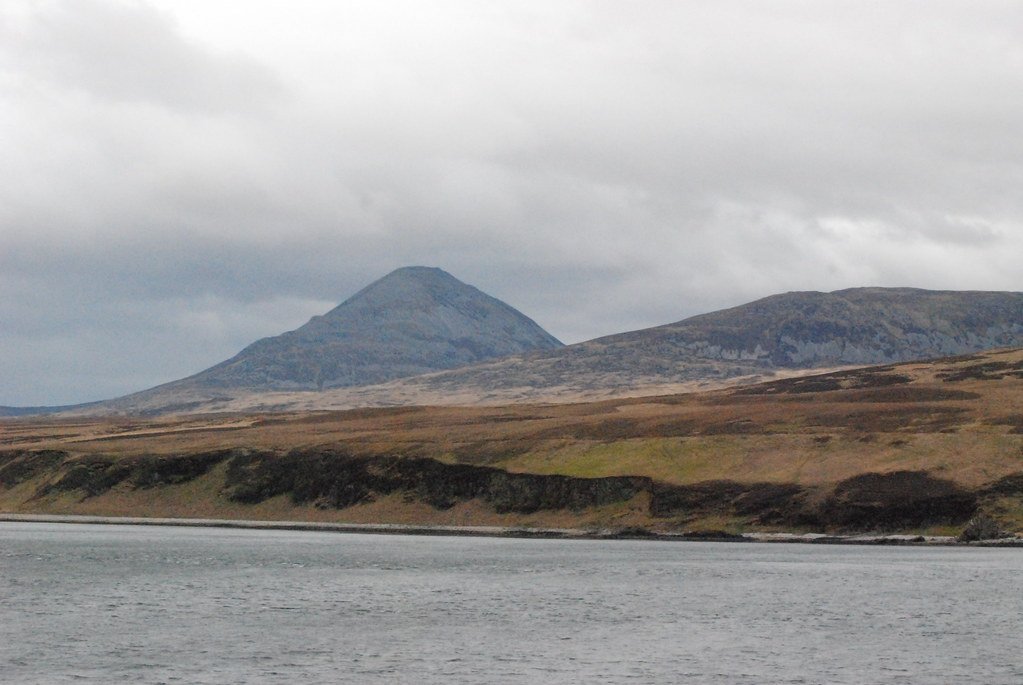
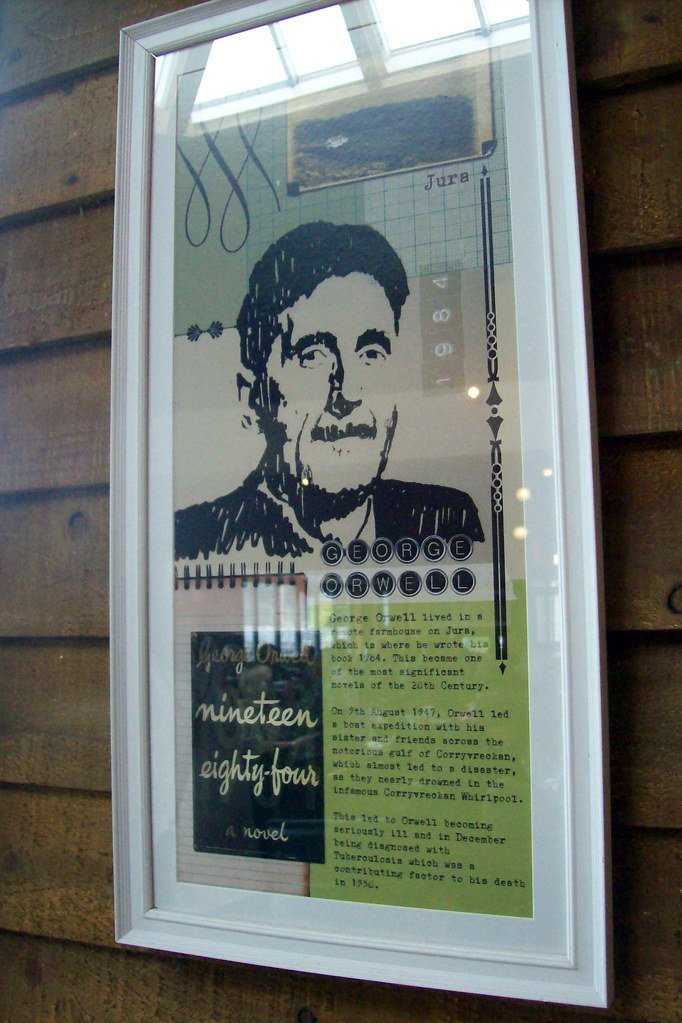
Orwell hammered out much of 1984 on the isolated Scottish isle of Jura. He was deep into tuberculosis by then, coughing blood in a chilly barn he converted into a workspace.[1][2]
His health fight mirrors Winston Smith’s torment. It shows Orwell’s commitment, pushing through pain to expose regime brutality. This personal stake adds raw authenticity, reminding us the warnings came from lived desperation. The novel’s bleakness feels earned that way.
Finishing amid decline underscores the urgency. Orwell knew time was short, fueling the story’s intensity.
3. He Nearly Drowned During a Family Boat Trip There
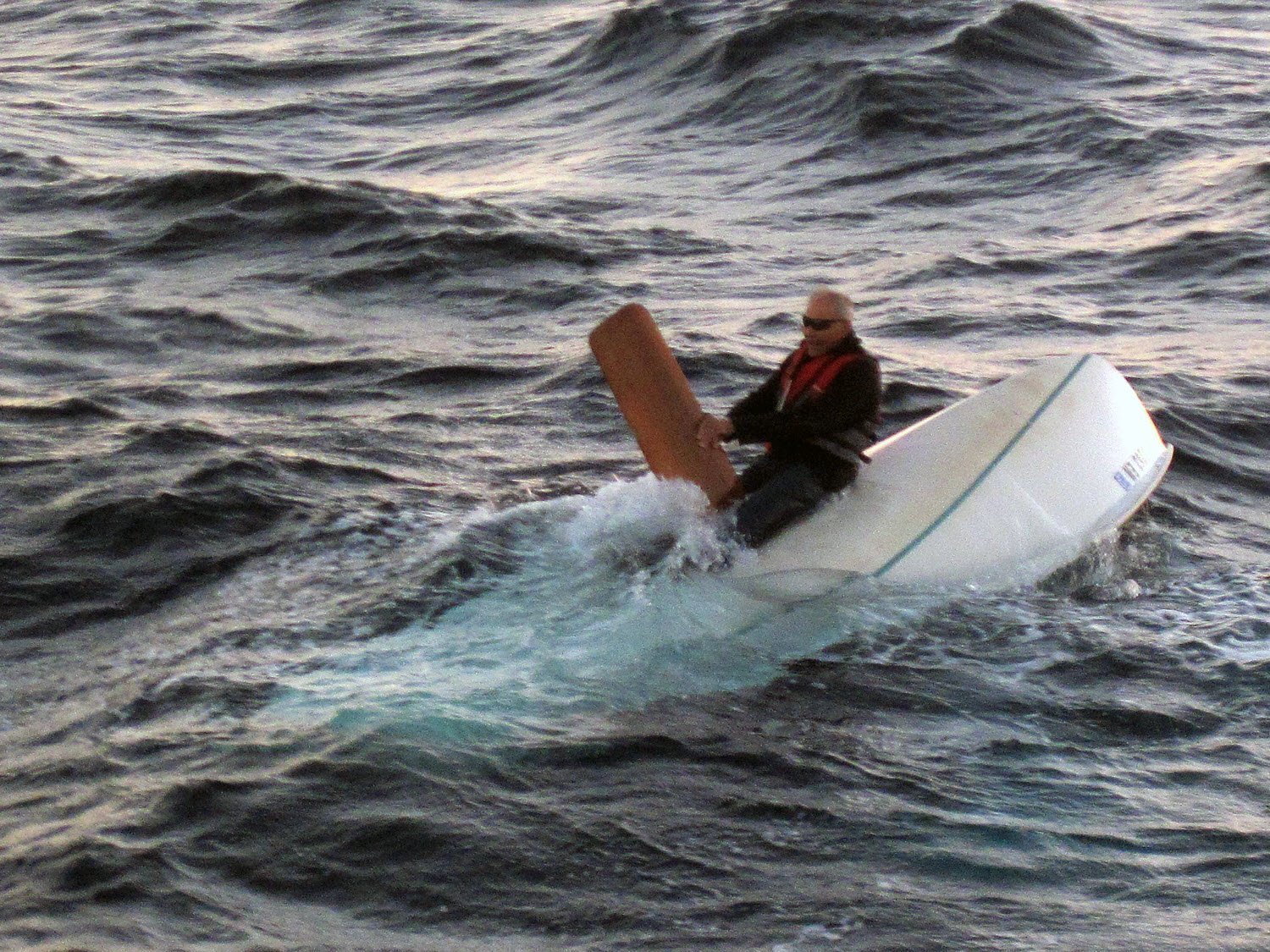
While on Jura, Orwell took his kids sailing and capsized in the fierce Corryvreckan whirlpool. They clung to rocks for hours without life jackets before rescue.[2][3]
Nature’s close call echoed the novel’s perils. It highlights Orwell’s defiance, refusing to let setbacks halt his work. This brush with death deepened the theme of fragile humanity against overwhelming forces. Readers sense that grit in every desperate page.
4. No Typist Available, So He Typed the Final Draft Himself
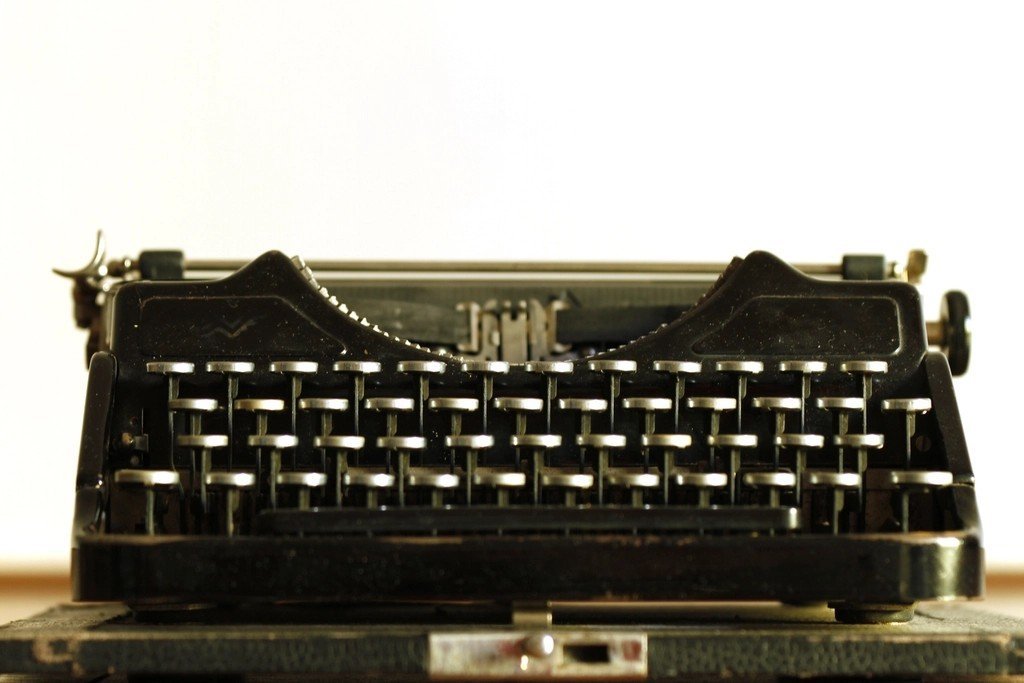
Orwell retyped the messy final version twice alone. Typists balked at trekking to remote Jura, so he did it from bed, worsening his lungs.[3]
Such solitary labor reflects the book’s isolation motifs. It reveals Orwell’s obsession with getting the warning out, no matter the cost. This detail humanizes him, turning the author into a fighter much like his protagonist. It matters because it proves the novel’s birth demanded total sacrifice.
That effort ensured the manuscript’s survival. Without it, we might lack this cultural cornerstone.
5. Room 101 Came from a Real BBC Meeting Room
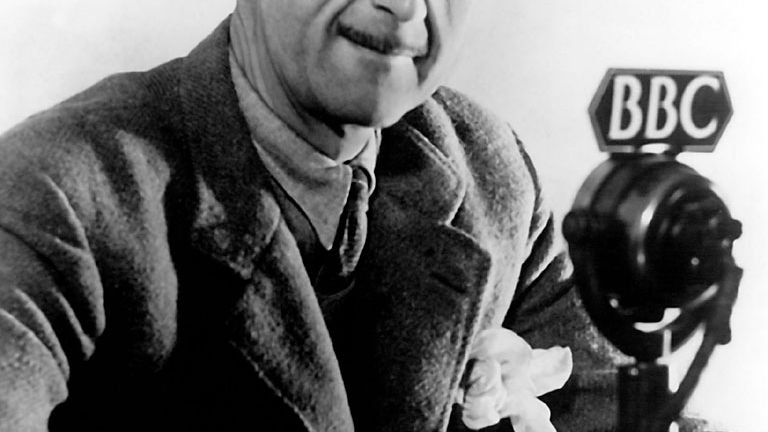
Orwell named the torture chamber after BBC’s drab Conference Room 101. He sat through endless propaganda sessions there, linking boredom to true horror.[1][4]
This root grounds the fiction in bureaucracy’s grind. It shows how mundane oppression breeds dread, not just flashy violence. The connection warns that everyday institutions can warp into nightmares. That’s why Room 101 haunts beyond the page.
6. He Worked as a WWII Propagandist at the BBC
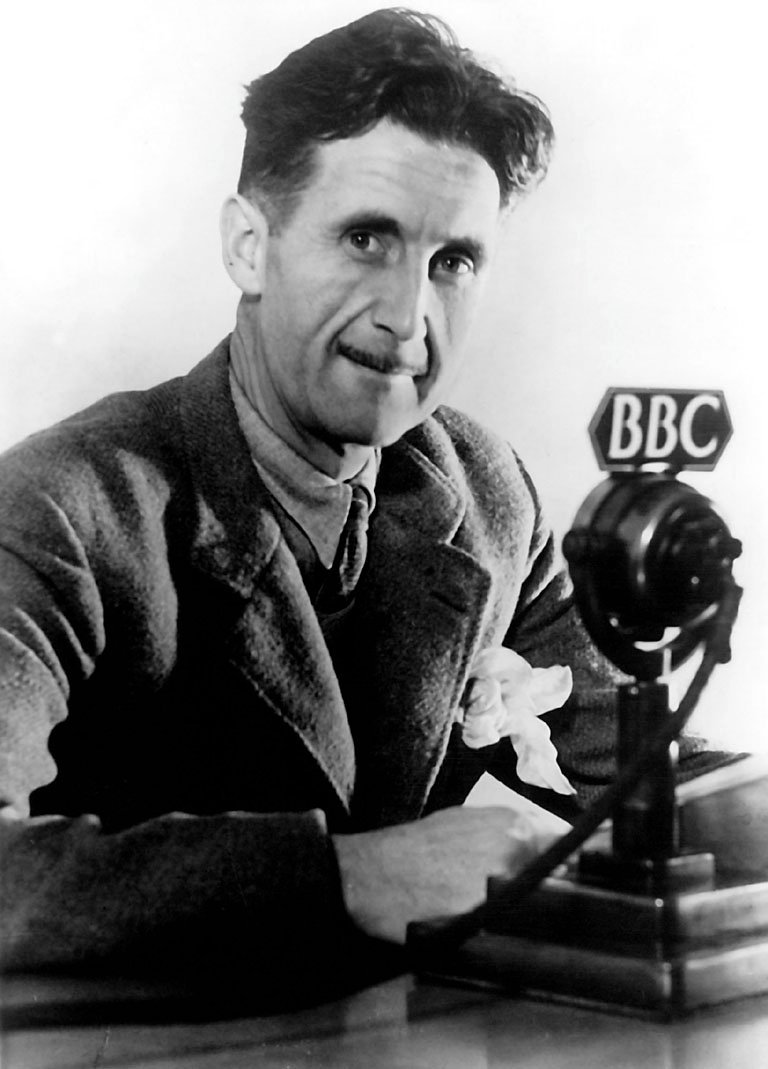
Before 1984, Orwell produced Allied broadcasts at the BBC to sway India. This stint shaped the Ministry of Truth’s info-twisting machine.[1][2]
Insider experience lent sharp critique. He saw propaganda’s mechanics firsthand, flipping them into satire. This matters for credibility, proving 1984 draws from observation, not fantasy. It spotlights how “truth” gets weaponized in crises.
His quit after the war fueled disillusionment. That pivot amplified the novel’s bite.
7. British Intelligence Watched Him the Whole Time
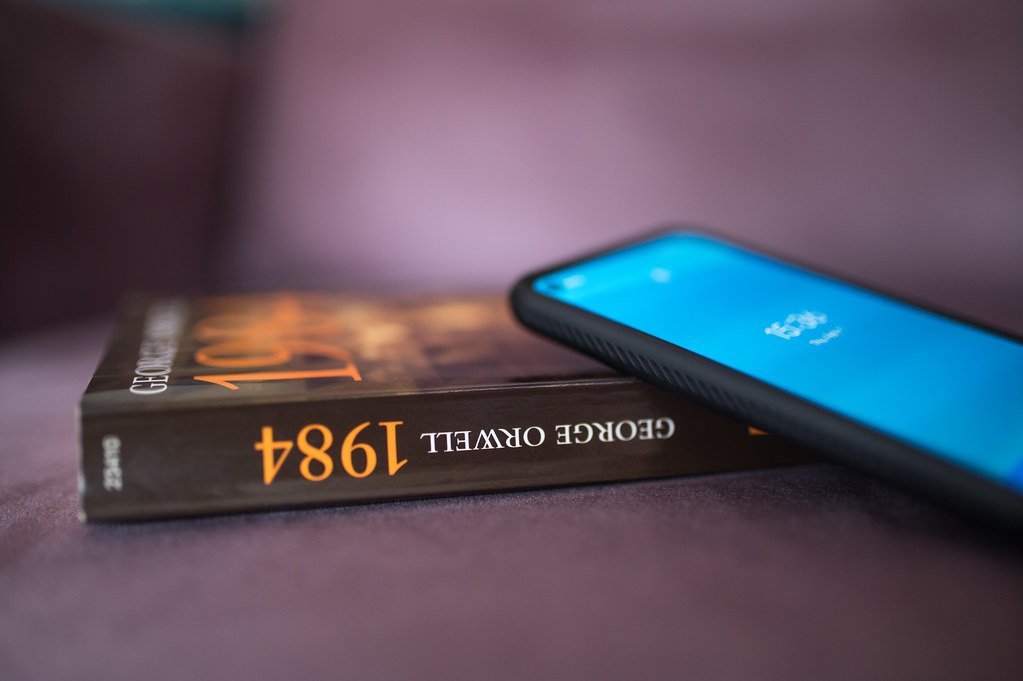
Orwell faced Special Branch surveillance for years while writing. Files flagged his socialist ties and odd dress as red flags.[1][2]
Irony abounds, mirroring Big Brother’s gaze. It underscores threats from all sides, not just abroad. This context heightens the novel’s paranoia, rooted in real paranoia. We see why Orwell feared creeping control everywhere.
8. Julia Was Modeled on His Second Wife
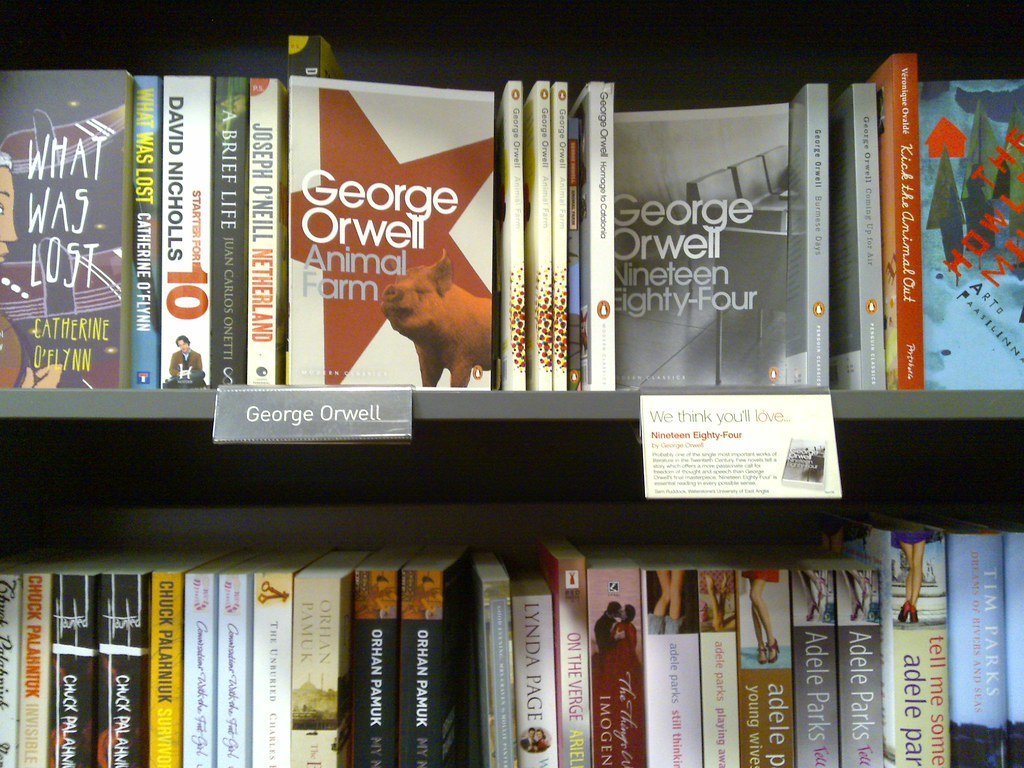
Friends said Julia echoed Sonia Brownell, Orwell’s wife. Her rebellious sensuality fit the character’s arc, down to Winston’s betrayal.[1]
Personal ties add emotional layers. It blends autobiography with allegory, making rebellion feel intimate. This nuance matters, showing love’s fragility under pressure. Orwell wove life into warning, deepening impact.
Sonia’s influence humanizes the rebel figure. It ties private struggles to public tyranny.
9. The Phrase ‘2 + 2 = 5’ Came from Soviet Propaganda
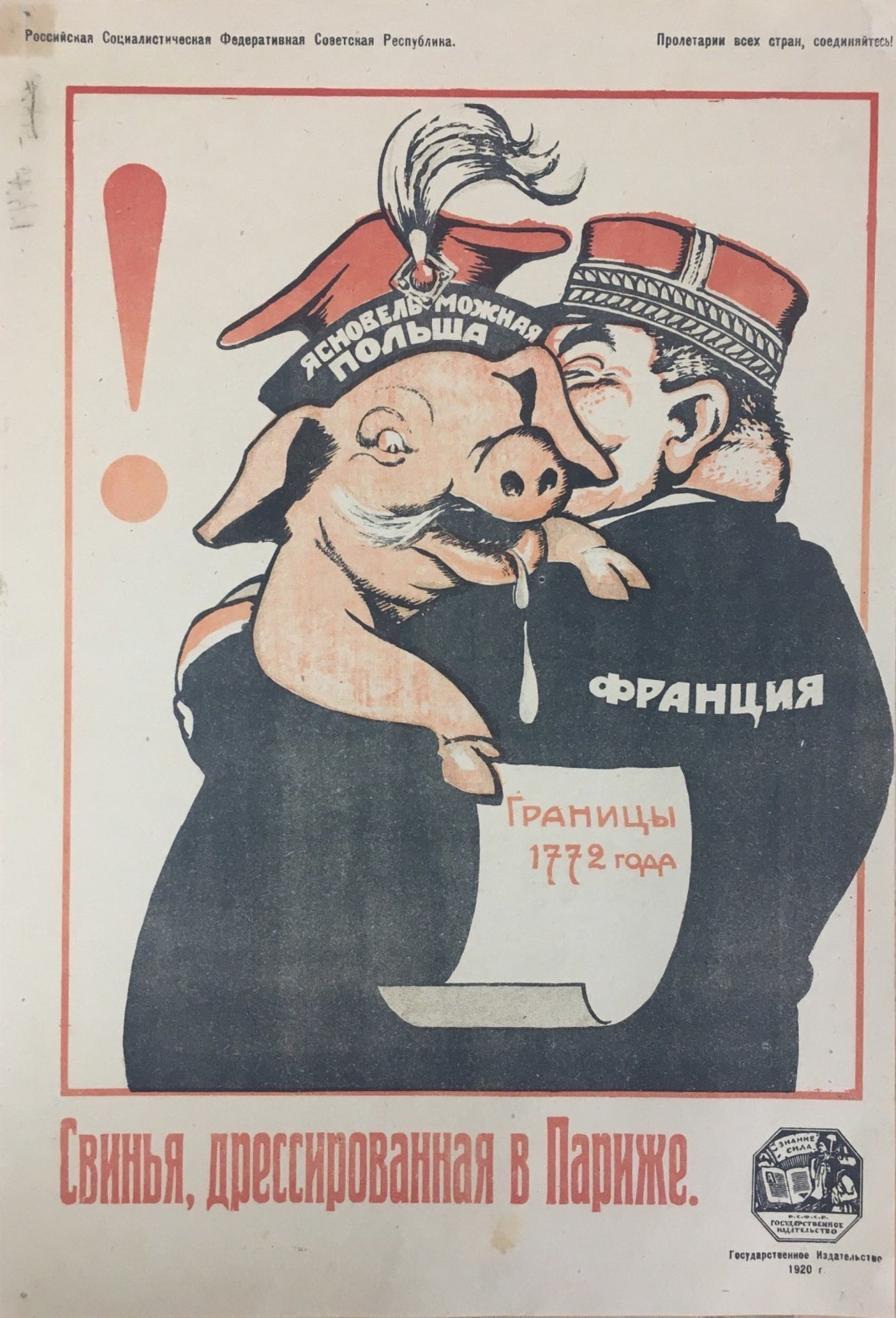
Orwell borrowed “2 + 2 = 5” from Stalin’s rushed five-year plans. Billboards pushed impossible math to hype progress.[1]
Real history sharpens the satire. It exposes how regimes bend reality for control. This fact cements 1984‘s basis in truth, not invention. Spotting such echoes keeps the book vital today.
10. Thought Police Drew from Japan’s Secret Squad
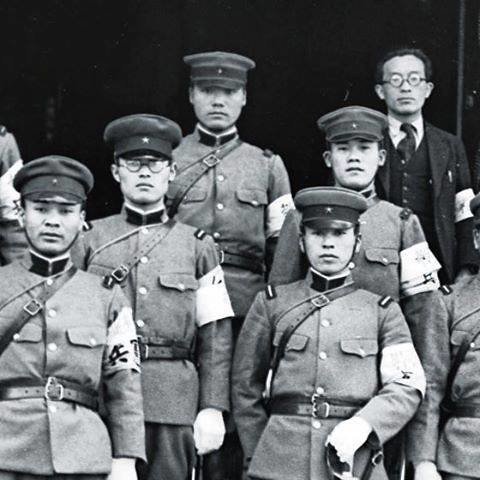
The Thought Police mimic Japan’s Kempeitai, who nabbed folks for “unpatriotic thoughts” in their Thought War.[1]
Global precedents make the horror universal. Orwell pulled from Axis tactics too, broadening the alert. It stresses ideology’s dangers across borders. This wide lens ensures 1984 warns any era.
The Continued Relevance of Dystopian Themes
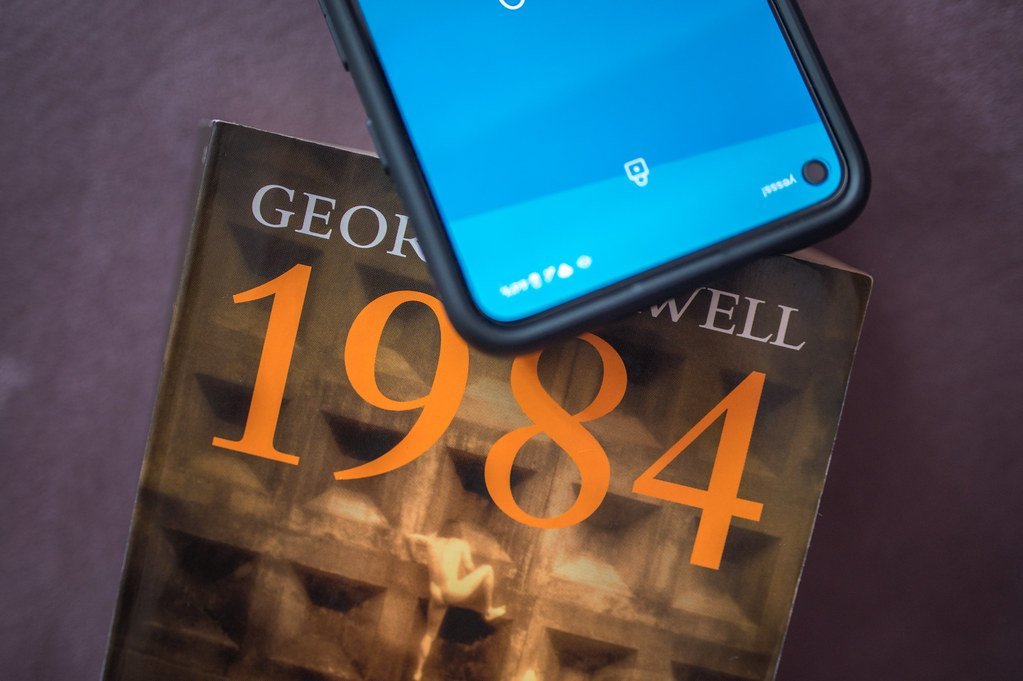
Dystopian tales like 1984 thrive because power dynamics persist. Surveillance tech and info wars echo its fears, from social media echo chambers to state media spins. Orwell’s vision prompts vigilance against subtle erosions of freedom.
Yet hope lingers in awareness. Questioning narratives honors his legacy. In 2026, these stories remind us truth demands defense, one skeptical glance at a time.

Christian Wiedeck, all the way from Germany, loves music festivals, especially in the USA. His articles bring the excitement of these events to readers worldwide.
For any feedback please reach out to info@festivalinside.com
