
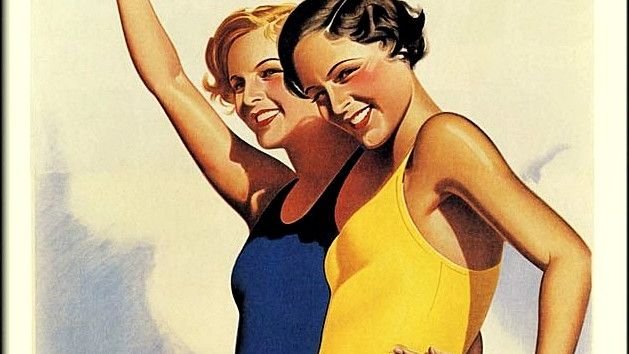
Fashion often walks a fine line between innovation and outrage. Styles that once drew gasps and even arrests have woven themselves into everyday wardrobes over time.
This evolution reflects broader shifts in society, where what seems immodest in one era fades into normalcy in the next. Challenging norms has long been part of the process.
Pants for Women
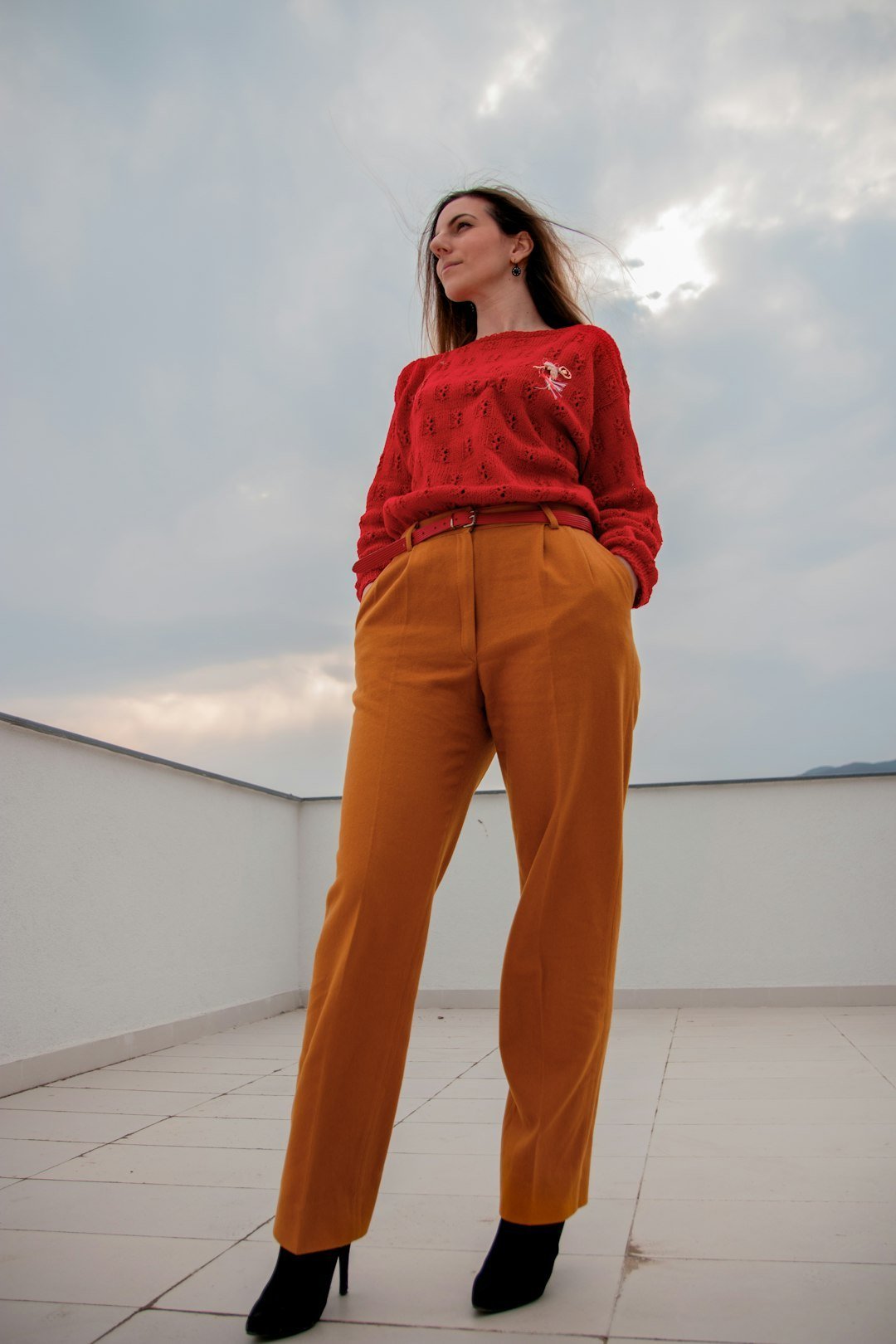
Women wearing pants faced outright bans well into the 20th century. Universities prohibited them until 1972, the U.S. Senate floor until 1993, and even airlines like British Airways held out until 2016.[1][2]
Critics viewed trousers as a masculine domain, threatening traditional femininity and gender roles. They signaled rebellion against expectations of skirts and dresses only.
Today, pants dominate women’s closets from jeans to suits. No one bats an eye at a woman in tailored trousers for work or play.[1]
Practicality won out, blending seamlessly into professional and casual scenes alike.
Mini Skirts
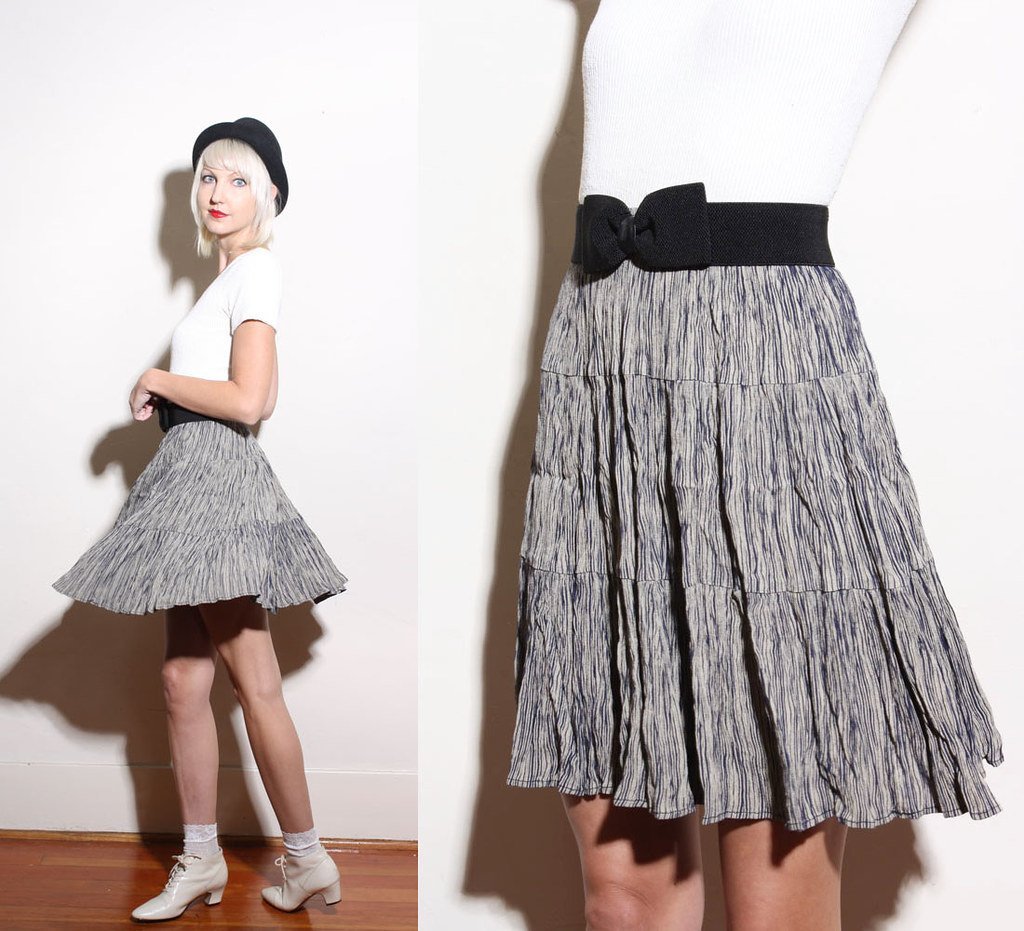
In the 1960s, mini skirts sparked fury as symbols of moral decay. Middle-aged onlookers hurled insults, seeing them as obscene even with colorful tights underneath.[3]
They hinted at a sexed-up generation, clashing with post-war conservatism.
Fast forward, and minis fill summer wardrobes everywhere. Designers churn them out in endless varieties, from denim to silk.
Paired with boots or sneakers, they suit offices, parties, and streets without a second glance.[3]
One-Piece Bathing Suits
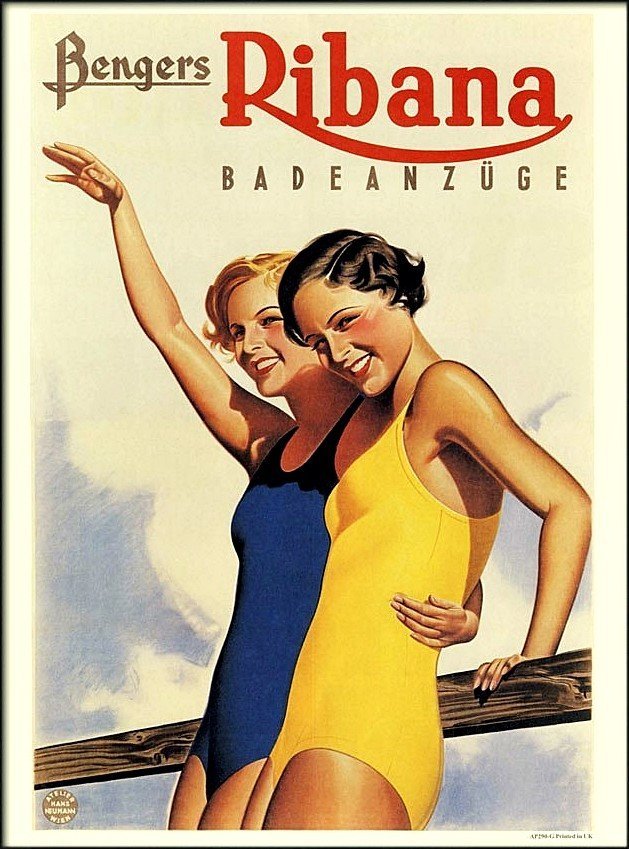
Early 1900s one-pieces ending above the knee felt like nudity to beachgoers. Women faced arrests for indecency, as wool dresses over bloomers with stockings defined proper swimwear.[3]
Prior styles hid every inch, making any leg exposure revolutionary.
These suits paved the way for modern swimwear. Now, sleek one-pieces grace pools and beaches routinely.
Athletes and influencers sport them confidently, far from scandal.
Flapper Dresses
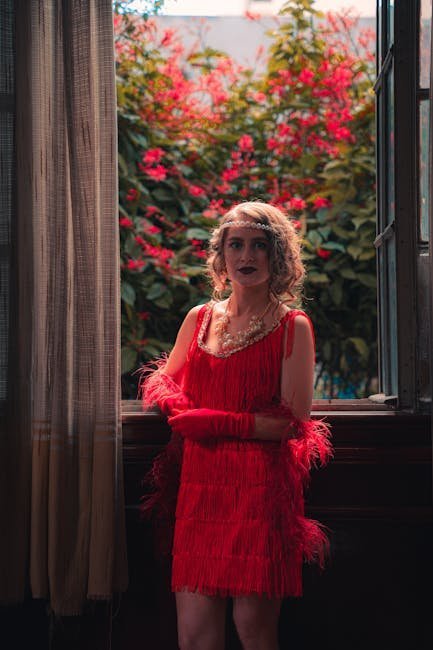
1920s flapper dresses bared shoulders, arms, and legs, shocking Victorian holdovers. The slinky shifts covered little more than undergarments, earning the “flapper” tag linked to young prostitutes.[3]
Moral panic ensued over daughters ditching modesty.
Today, flapper-inspired short, beaded frocks turn up as chic party looks or costumes. Elements like dropped waists echo in contemporary designs.
They blend vintage flair with everyday elegance.
Cone Bras

1950s cone bras created a torpedo silhouette that screamed overt sexuality. After wartime rationing, they signaled frivolous excess and questioned women’s future roles.[3]
Police officials fretted over their influence on morality.
Pointed shapes faded, but structured bras remain wardrobe staples. Pinup aesthetics nod to them in lingerie lines today.
Comfortable versions support daily confidence.
Sheer Blouses
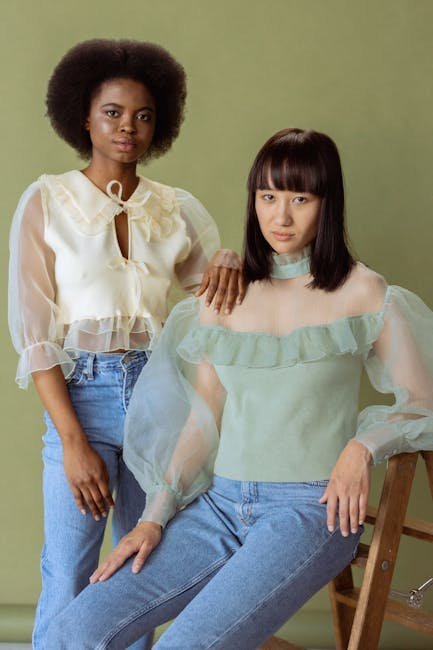
1960s sheer blouses, often braless, fueled the sexual revolution. Nipple visibility clashed with lingering taboos on female bodies.[3]
They asserted equality in bold, transparent ways.
Sheer tops layer effortlessly over camisoles now. Runways and streets feature them year-round.
Subtle layering keeps them versatile and accepted.
Women’s Tuxedos (Le Smoking)
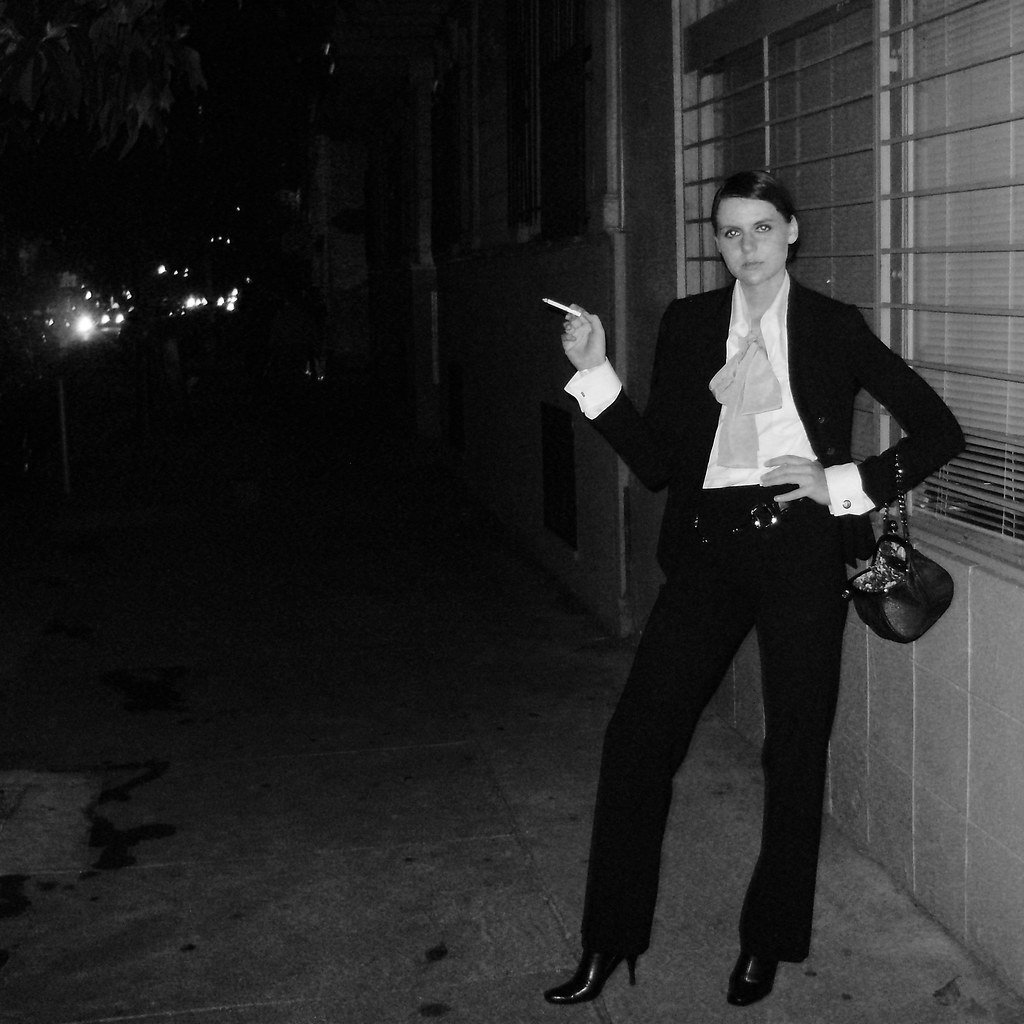
Yves Saint Laurent’s 1960s Le Smoking tuxedo for women got one turned away from a restaurant. Trousers evoked bathing suits in formality, defying eveningwear norms.[3]
Feminism amplified the pushback on gendered dress codes.
Tuxedo suits empower red carpets and weddings today. Black tie for women feels standard and sharp.
Celebrities redefine them with personal twists.
Slip Dresses as Daywear

1990s grunge slip dresses moved lingerie from bedrooms to streets. Nightie vibes with jeans or cardigans irked conservatives amid everyday errands.[3]
They blurred intimate and public boundaries.
Silky slips layer under blazers routinely now. From markets to meetings, they drape casually.
Versatility sealed their spot in closets.
Visible Thongs
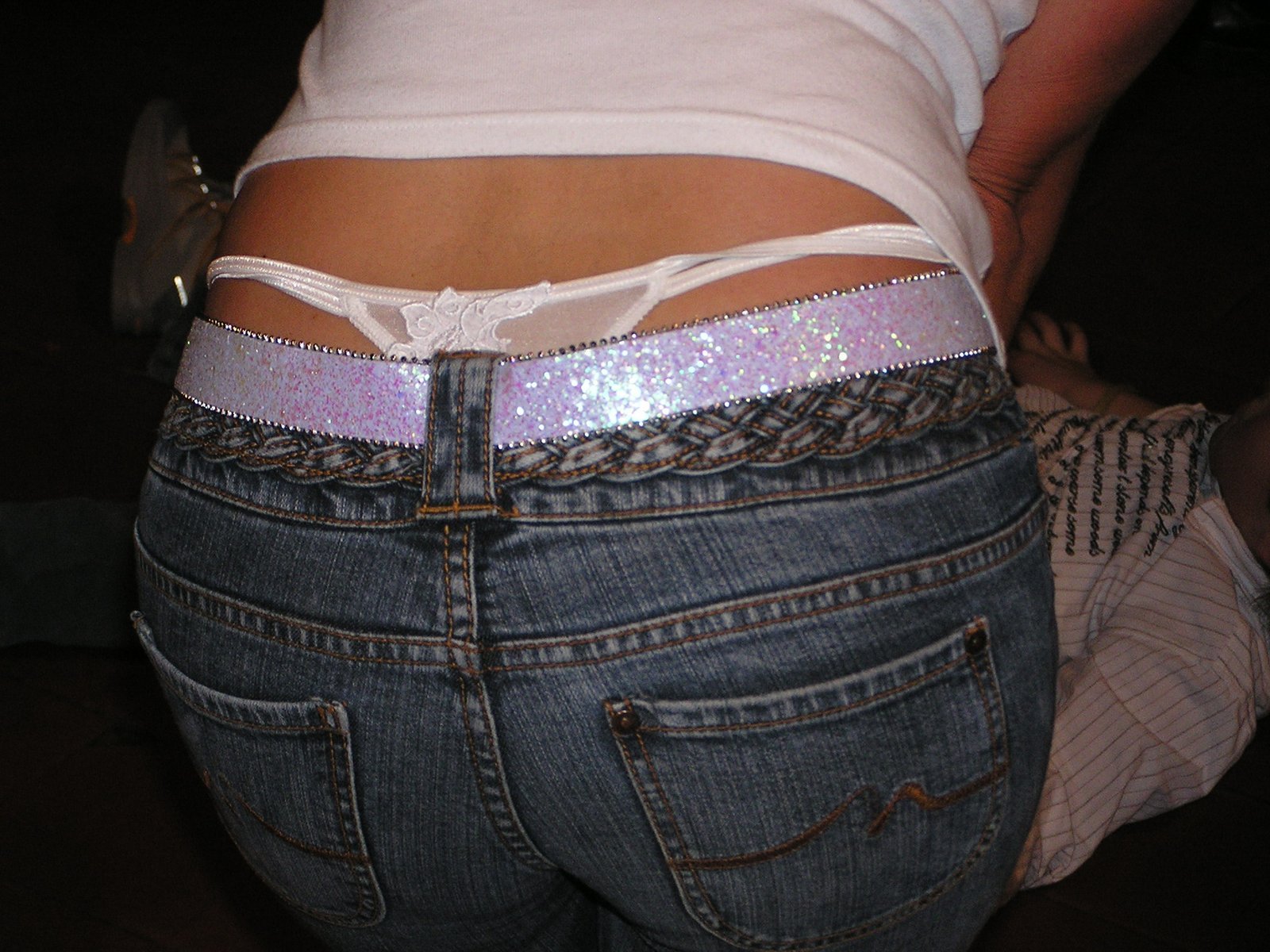
2000s low-rise jeans flashing thong straps horrified elders as an epidemic. Schools checked for them, linking to poor judgment.[3]
Underwear as outerwear peaked in pop culture.
Thongs stay hidden mostly, but low-waists return subtly. Seamless options prevent peeks entirely.
They underpin modern denim without fuss.
Shorts for Women
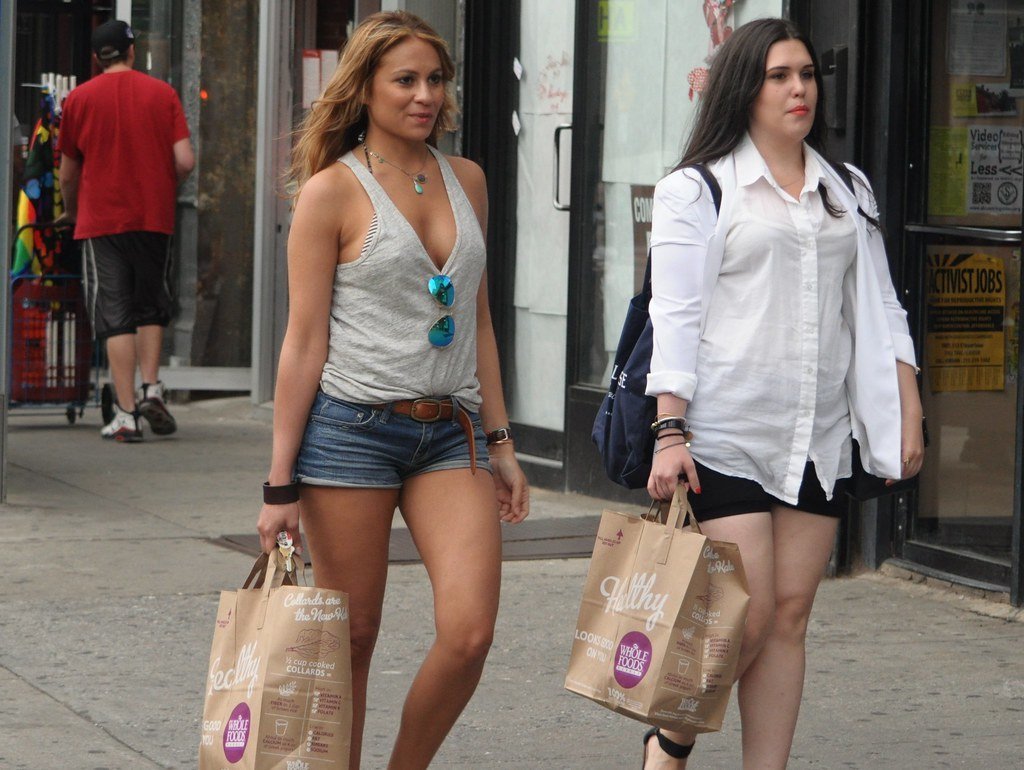
Women’s shorts drew bans into the 1950s for baring legs. Towns like Honesdale, Pennsylvania, outlawed them in 1938, seeing partial exposure as immodest.[1]
Golf clubs resisted until the 1980s.
Shorts rule summer wardrobes from athleisure to tailoring. Workplaces and beaches embrace them freely.
They mix function with style seamlessly.
Fashion’s Ever-Shifting Boundaries
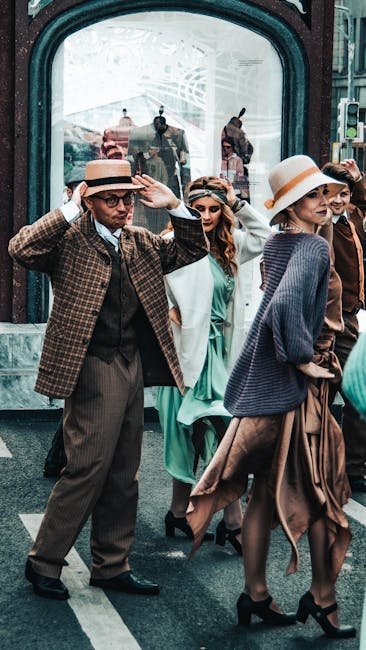
These trends show how quickly outrage fades into familiarity. Society’s comfort zones expand with each challenge.
What feels edgy today might outfit tomorrow’s streets. Fashion mirrors our growing openness, one stitch at a time.


