
Music history brims with moments that feel scripted by fate. Artists cross paths in unlikely ways, album art foreshadows tragedy, and names echo across graveyards and songs.
These alignments challenge our sense of chance. They weave through rock, pop, and beyond, leaving fans to ponder the thin line between coincidence and something more.
1. The Eleanor Rigby Gravestone
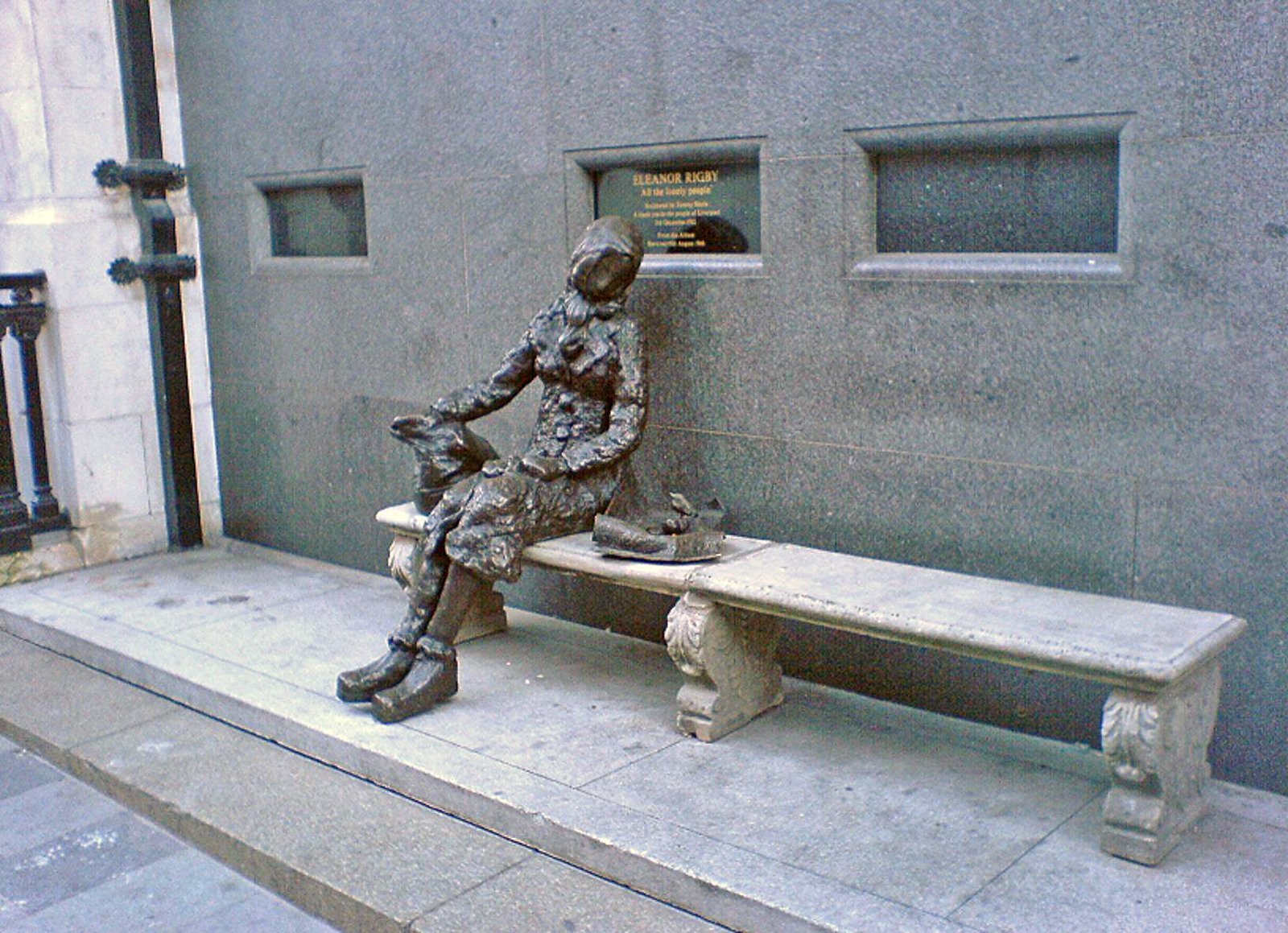
Paul McCartney of The Beatles drew the name for their 1966 hit “Eleanor Rigby” from a mix of sources, including an actress and a shop sign.[1][2]
Years later, a gravestone for an Eleanor Rigby appeared in a Liverpool cemetery where McCartney and John Lennon once hung out as teens. The woman buried there died in 1939, long before the song existed. What makes it strange is how the name lingered in McCartney’s subconscious, surfacing decades after their youthful visits.[3]
No direct link proves influence, yet the discovery chilled fans. It turned a tale of loneliness into an unintended real-life echo.
2. Deaths in Harry Nilsson’s Flat
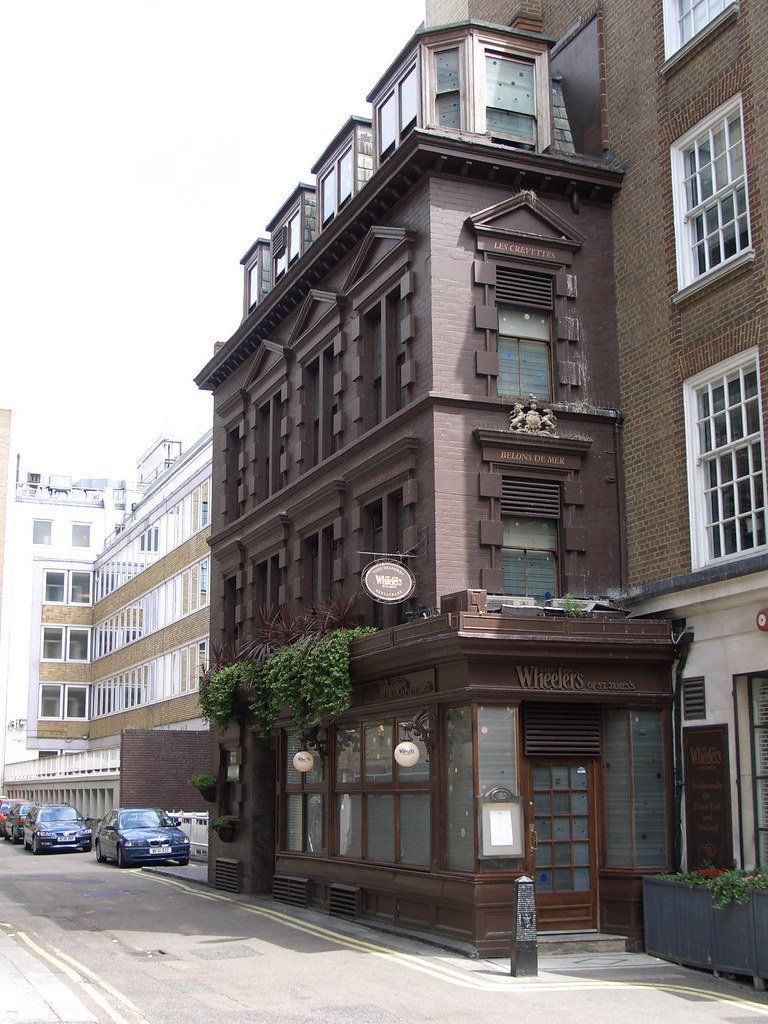
Cass Elliot of The Mamas & the Papas passed away in 1974 from a heart attack in a London apartment owned by singer Harry Nilsson.[4]
Four years later, Keith Moon of The Who overdosed in the very same flat. Both were 32 at the time. The odds of two rock icons meeting their ends in one borrowed space stretch belief.
Nilsson had rented it out casually. The building gained a haunted reputation afterward, shunned by wary musicians.
3. Lynyrd Skynyrd’s Fiery Album Cover
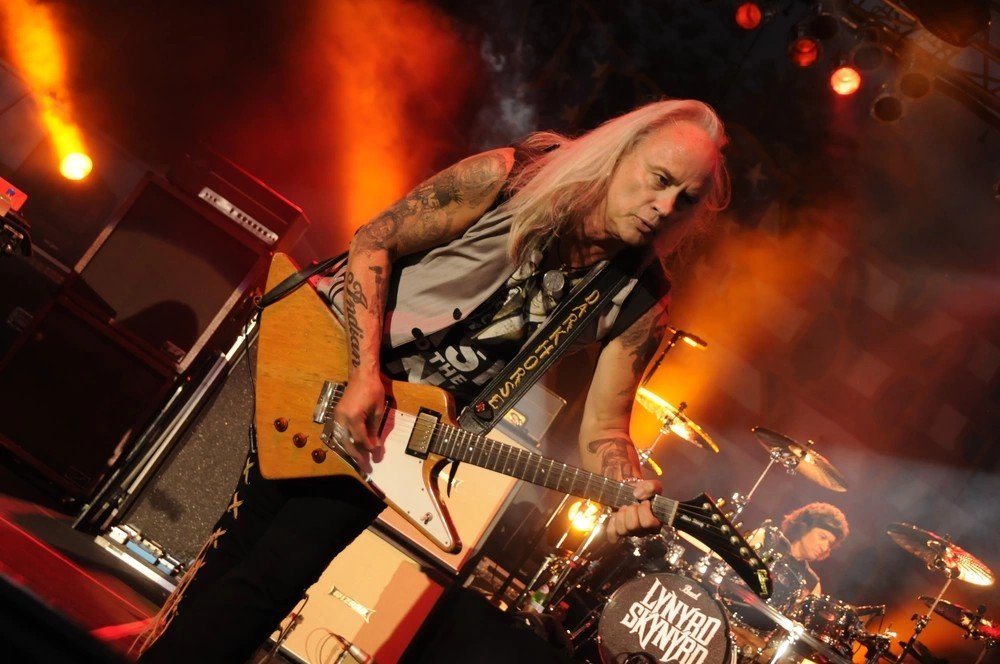
Lynyrd Skynyrd released Street Survivors in October 1977, its cover showing the band engulfed in flames amid a burning street.[4][5]
Three days later, their plane crashed, killing singer Ronnie Van Zant, guitarist Steve Gaines, and others. The artwork, shot just weeks before, mirrored the fiery end too closely.
Survivors pulled the original cover from shelves. A black-and-white version replaced it out of respect and unease.
4. The Who’s “Not to Be Taken Away” Chair
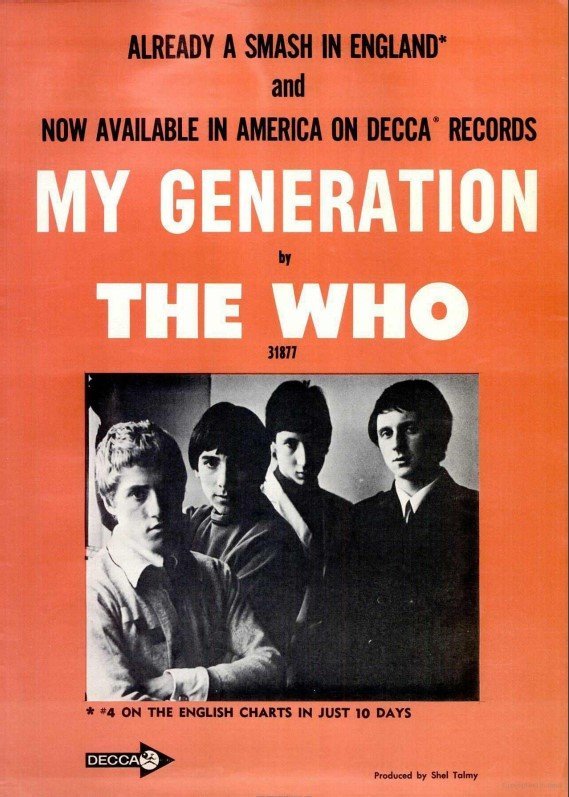
The Who’s 1978 album Who Are You? featured drummer Keith Moon slouched backward on a chair stamped “Not to be taken away.”[1][2]
Moon died of a drug overdose three weeks after the photo session. The label took on grim irony, as if warning of his fate.
Bandmates saw it as pure chance from a studio prop. Still, it lingers as one of rock’s spookiest snapshots.
5. Syd Barrett’s Surprise Studio Visit
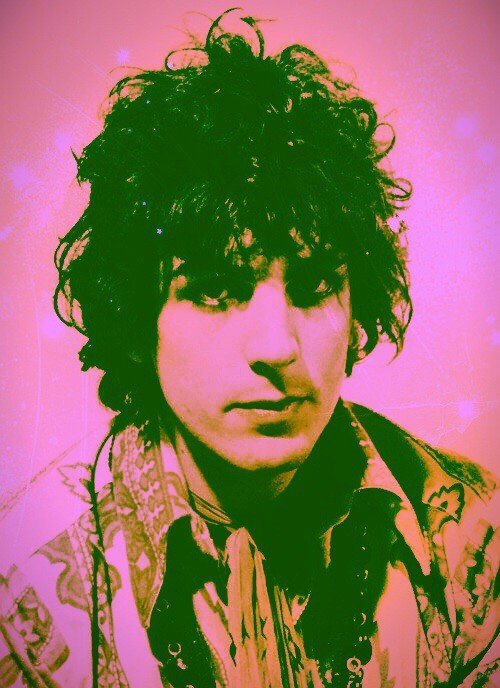
Pink Floyd worked on “Shine On You Crazy Diamond” in 1975, a tribute to their estranged founder Syd Barrett.[2][6]
Barrett wandered into Abbey Road Studios unannounced, bald and overweight, unrecognizable at first. He listened silently before leaving without fanfare.
Roger Waters wept upon realizing who it was. The timing felt otherworldly, as if the song summoned him.
6. Marc Bolan’s Prophetic Lyrics
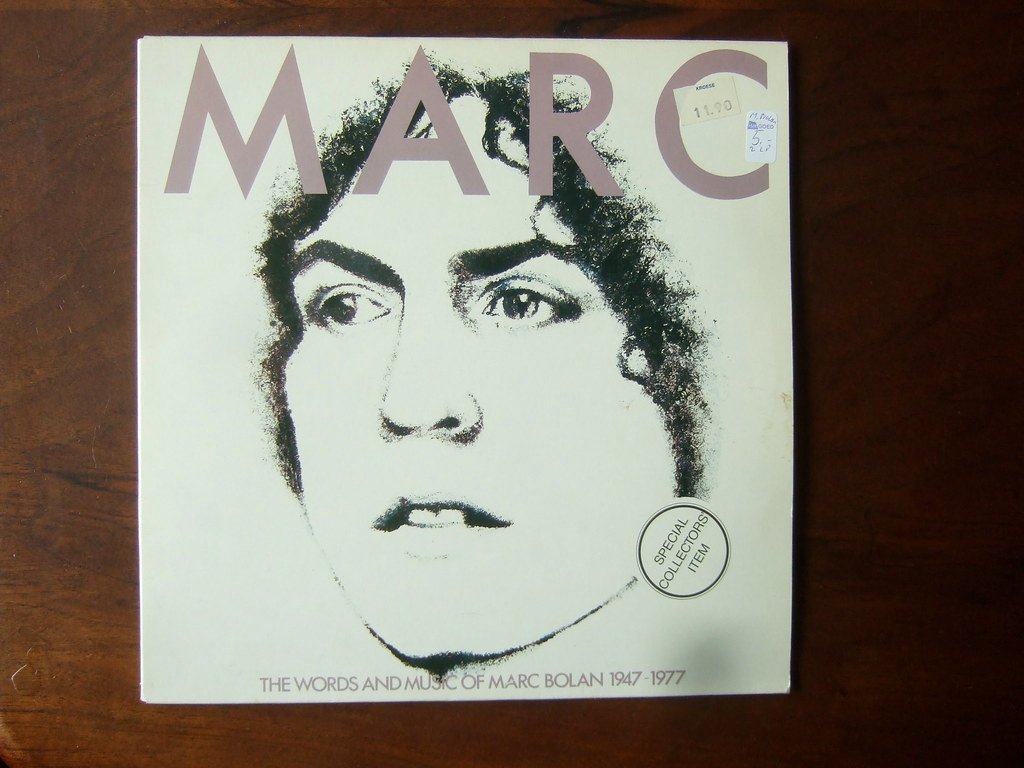
T. Rex frontman Marc Bolan sang “picking foxes from a tree” in his 1972 track “Solid Gold Easy Action.”[2]
Five years on, Bolan died when his car, license plate FOX 661L, smashed into a tree. His partner Gloria Jones drove; headlights shone in the dark.
The whimsical line twisted into eerie foresight. Fans pored over it, seeing patterns where none were intended.
7. December 8 Murders
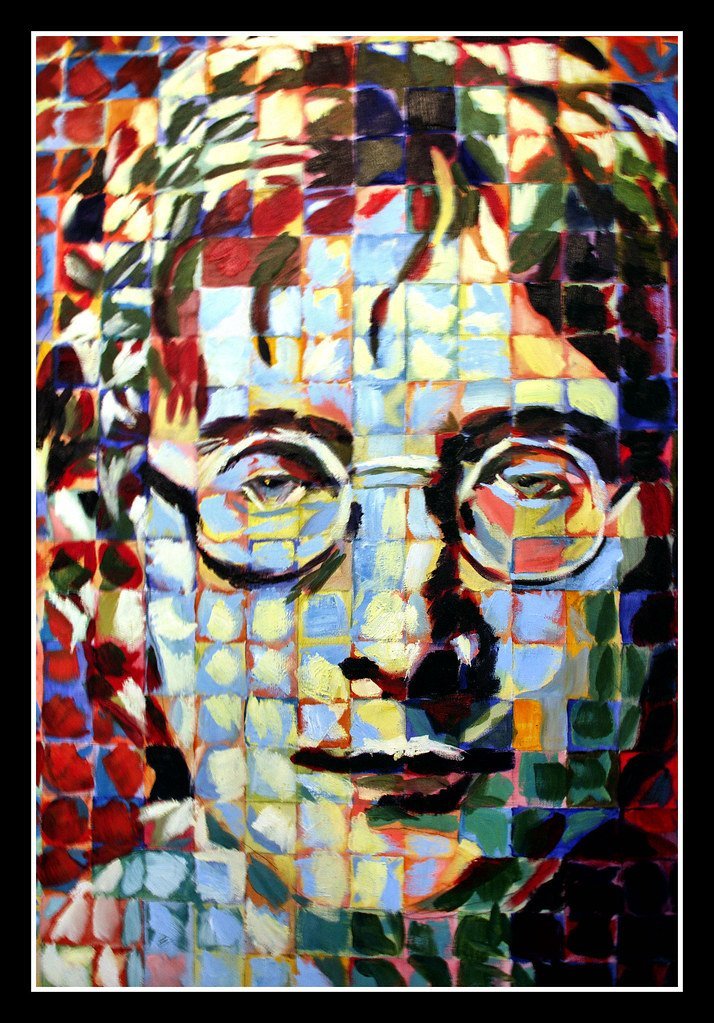
John Lennon of The Beatles was shot by Mark David Chapman on December 8, 1980.[4]
Pantera guitarist Dimebag Darrell fell to gunfire from Nathan Gale on December 8, 2004, onstage. Both attackers were obsessed fans turned killers.
The shared date, 24 years apart, binds their stories in tragedy. It underscores rock’s vulnerability to fanaticism.
8. The Coup’s Explosive Cover Art
The Coup designed Party Music’s cover in June 2001, depicting the Twin Towers exploding.[1][6]
Scheduled for September 11 release, it never saw shelves unaltered after the attacks. The image predated reality by months.
Artist Riley Katsiaficas pulled it immediately. The parallel stunned the hip-hop world.
9. Melanie Coe and “She’s Leaving Home”
Paul McCartney judged a 1963 talent contest won by teen Melanie Coe.[6]
Three years later, he read a news story inspiring The Beatles’ “She’s Leaving Home” – about Coe’s own runaway episode. She confirmed the match years on.
McCartney never knew her name from the contest. The fleeting connection fueled the song’s raw emotion.
10. Waylon Jennings’ Plane Seat Swap
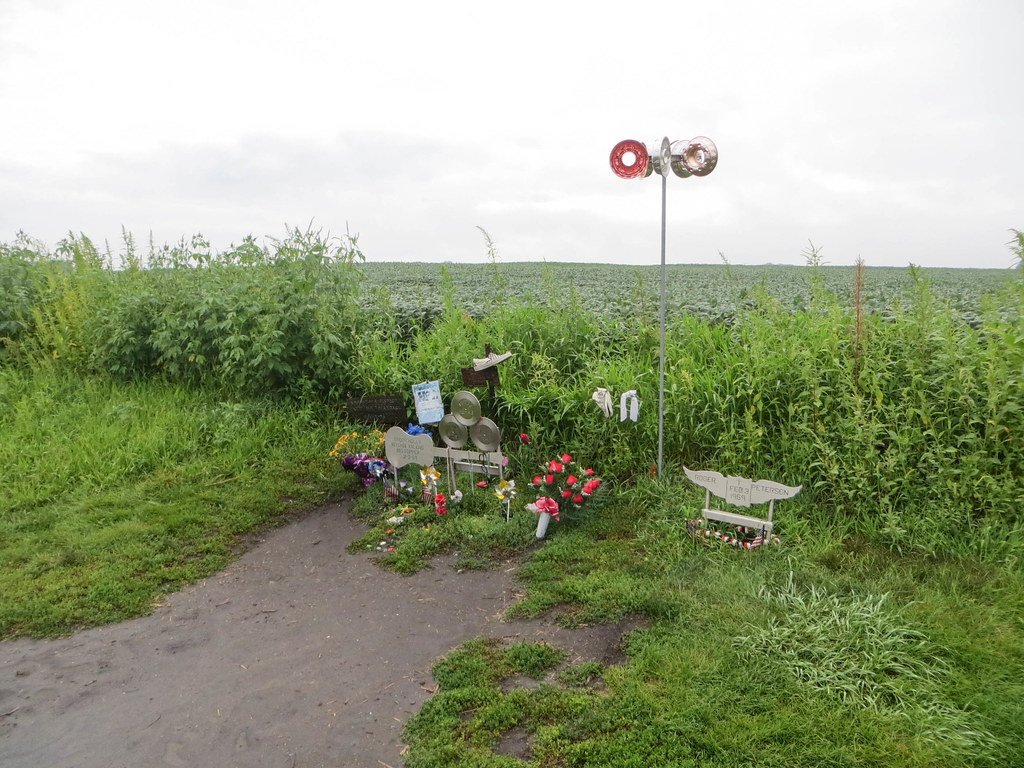
Waylon Jennings gave up his seat on the February 3, 1959, flight carrying Buddy Holly, Ritchie Valens, and The Big Bopper.[4]
The plane crashed, killing all aboard. Jennings later wrote “Maiden of the Clouds” grappling with guilt over a jesting remark to Holly.
His survival reshaped country music. The coin-flip decision saved one life amid loss.
The Unpredictability of Music History

These stories cluster around icons, defying odds in ways that spark endless debate. They highlight how fragile paths can twist on whims or props.
Rock and roll thrives on chaos, after all. In the end, such quirks remind us that history writes itself, one fluke at a time.

- 37 Songs From the ’60s and ’70s With Meanings No One Caught the First Time - August 31, 2026
- 12 Legendary Concert Venues That Witnessed Unforgettable Musical Moments - August 31, 2026
- 10 Iconic Speeches That Dramatically Shaped Modern History - August 31, 2026

