

- The World’s Most Beautiful Gardens Are Artworks in Themselves - April 2, 2026
- 10 Coming of Age Books Every Teenager Should Read - April 2, 2026
- The Most Memorable Concerts Are More Than Just Music; They’re Experiences - April 2, 2026
Think about the last time you dropped a movie quote into conversation. You said it with total confidence, probably even nailed what you thought was the exact tone of the original actor. Everyone nodded. Nobody corrected you. The thing is, there’s a decent chance you were wrong – and so was everyone in the room.
The life of an iconic movie quote tends to play out much like the film industry’s version of broken telephone. A slight adjustment here, a word dropped there, until eventually a misquote takes unshakeable hold over the collective cultural consciousness. It happens to all of us. What makes the phenomenon so intriguing isn’t just that we misremember things, it’s that so many of us misremember them in exactly the same way. That’s the part that keeps me up at night, honestly. Let’s dive in.
“Luke, I Am Your Father” – Star Wars: The Empire Strikes Back (1980)
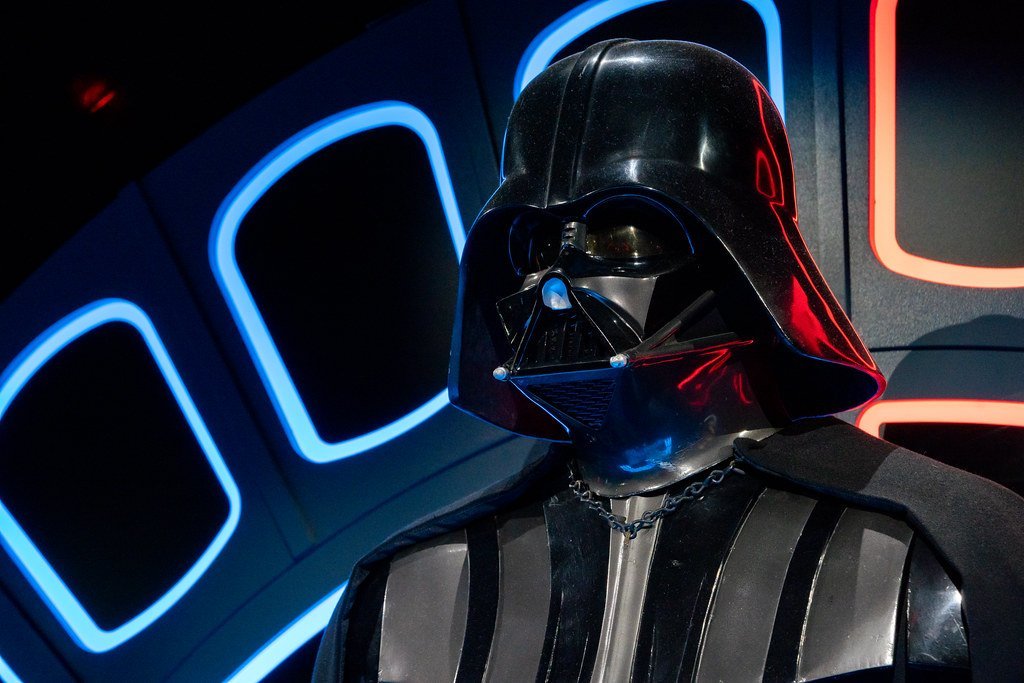
Let’s start with probably the most famous misquote in all of cinema. If you just read that subheading and felt completely comfortable with it, well, here’s the thing: Darth Vader never actually says “Luke” at all. If you ask most people to quote the scene, they’ll say “Luke, I am your father.” But Vader says in the movie, “No, I am your father.” That single word difference changes the emotional architecture of the whole scene.
He never actually says “Luke.” He simply says “No, I am your father.” And perhaps therein lies the confusion – the line is so seismic that we take it out of context and rehash it as something a bit more definitive and stand-alone. Think about it like lifting a sentence out of a letter. Without the surrounding words, you reach for something that makes more grammatical sense. The name “Luke” gets added because, stripped of context, the quote feels incomplete without it.
The actual quote was “No, I am your father,” and it was not even delivered on camera – it was dubbed in later; what was originally said on camera was “Obi-Wan killed your father.” So the most iconic line in science fiction history was essentially constructed in post-production. I know it sounds crazy, but cinema sometimes works that way.
“Play It Again, Sam” – Casablanca (1942)
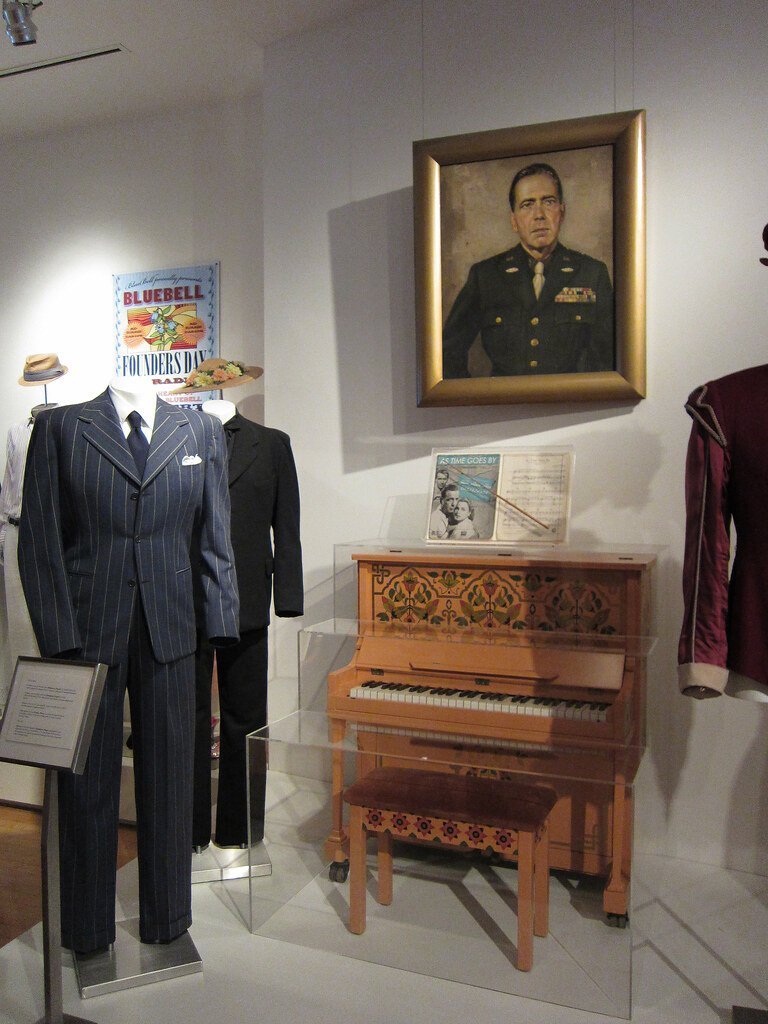
Casablanca is widely considered one of the greatest films ever made, packed wall to wall with quotable moments. So it is almost poetically appropriate that its single most famous line was never actually spoken by anyone in the film. The exact phrase “Play it again, Sam” is never uttered by any character in the film, though it has become indelibly linked to it, even inspiring the title of a Woody Allen movie.
What Humphrey Bogart’s character Rick actually says to Sam the piano player is simply “Play it.” Ingrid Bergman’s Ilsa comes close too, saying “Play it, Sam,” but even she doesn’t utter the exact quote that everyone always references. The real dialogue is, if anything, more emotionally raw. The misquote is so prevalent that Woody Allen even borrowed it verbatim for the title of his 1969 stage play, which he adapted for the big screen a few years later. That is how deeply embedded a wrong version can become.
“Hello, Clarice” – The Silence of the Lambs (1991)
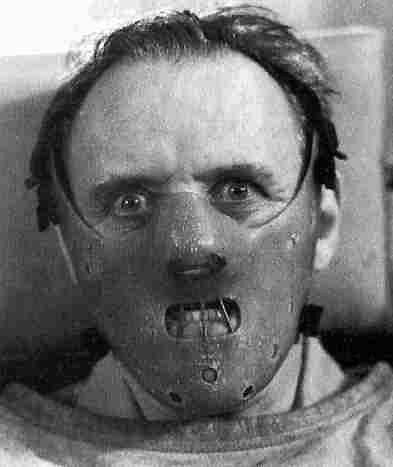
Hannibal Lecter is one of cinema’s most terrifying creations, and Anthony Hopkins delivered one of the great performances in screen history. So we can forgive ourselves a little for getting his most famous greeting wrong. When viewers try to mimic this infamous serial killer, they often do their best Hannibal impression by saying “Hello, Clarice.” However, Hannibal Lecter never actually says this line in Silence of the Lambs. During their first meeting, he simply says “Good morning,” and in a later meeting says “Good evening, Clarice.”
The idea that he says “Hello, Clarice” has been so quoted that this line is a key example used when discussing the Mandela Effect, because people are so sure they’ve heard him say this line. Honestly, “Good morning” is almost more unsettling in context – it is politely mundane coming from a cannibal. He does say the line, or one close to it, in the sequel, but the quote had already become a part of pop culture by then. So the sequel essentially validated the myth.
“Toto, I Don’t Think We’re in Kansas Anymore” – The Wizard of Oz (1939)
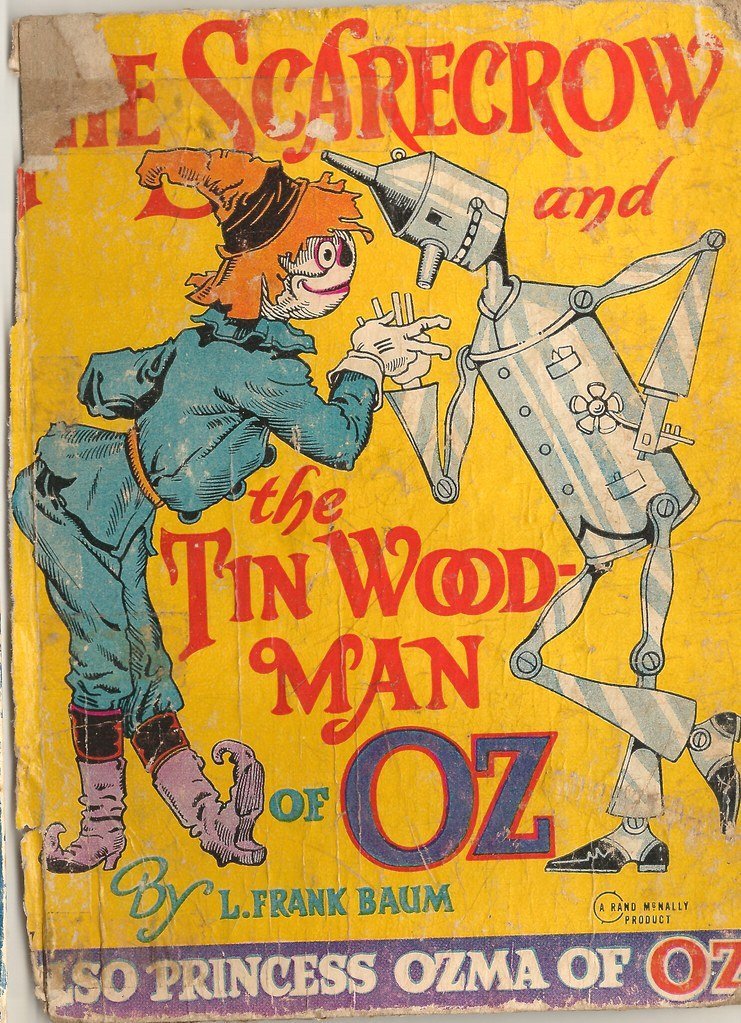
This one trips up even the most devoted Oz fans. People have been quoting this line for decades, showing up at Halloween parties and road trips with total confidence. Even if you watch the 1939 classic Wizard of Oz every year, you probably still remember the line as Dorothy’s famous observation about being far from home. What she actually says is “Toto, I’ve got a feeling we’re not in Kansas anymore.” It’s not about what Dorothy thinks. It’s all about her feelings.
Versions like “I don’t think we’re in Kansas anymore, Toto” or “Toto, I’ve got a feeling we’re not in Kansas anymore,” or even the stripped-down “We’re not in Kansas anymore” – all of them are wrong. The word “feeling” is crucial. It gives Dorothy a vulnerability, a gut instinct rather than a rational observation. The misquote flattens her into logic. The original version is far more human and far more frightened. It’s a small word doing enormous emotional work.
“Life Is Like a Box of Chocolates” – Forrest Gump (1994)
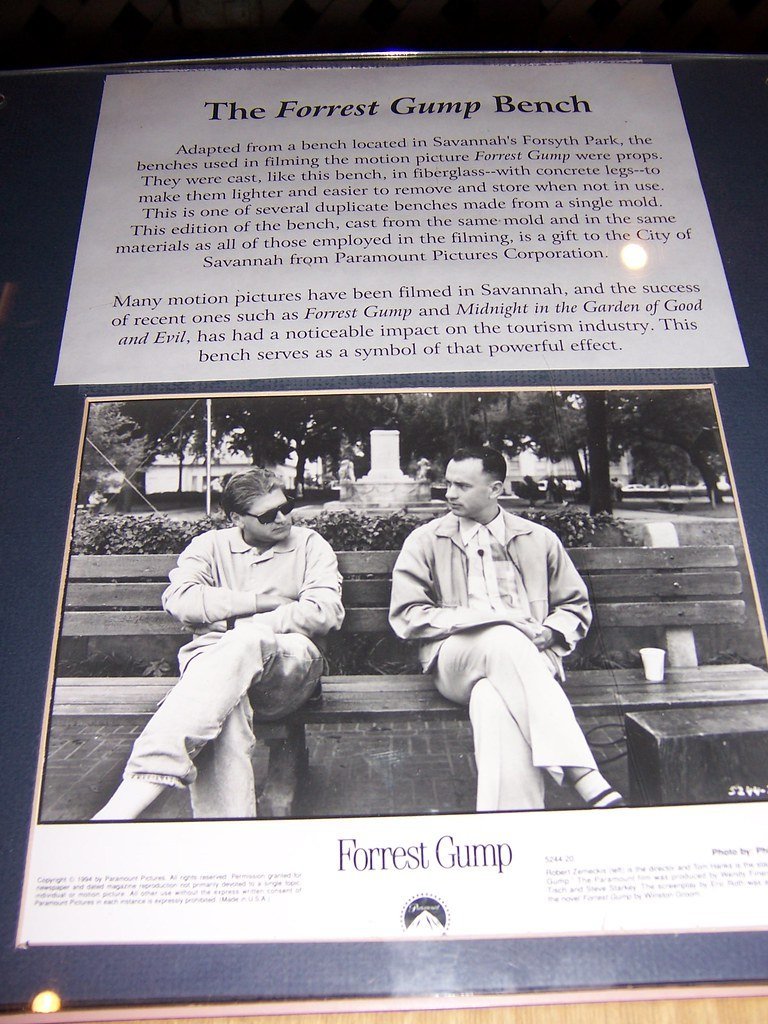
This one is subtle enough that most people will push back when you correct them. It feels like one of those quotes that is just cosmically correct the way you always heard it. The actual quote is “My momma always said life was like a box of chocolates.” Not “is.” Was. Past tense, because Forrest is recalling a memory, not delivering a universal life philosophy in the present tense.
The simile doesn’t get lost in the misquote, but some of the context does. Forrest Gump is reiterating something his mother used to say, and he uses “was” – not “is” – to keep it in the past. The present tense in the misquote became more popular since it could be used every day. That is the engine behind so many of these distortions. We absorb a line and unconsciously edit it to be more useful in daily life. We reshape art to fit conversation.
“Mirror, Mirror on the Wall” – Snow White and the Seven Dwarfs (1937)
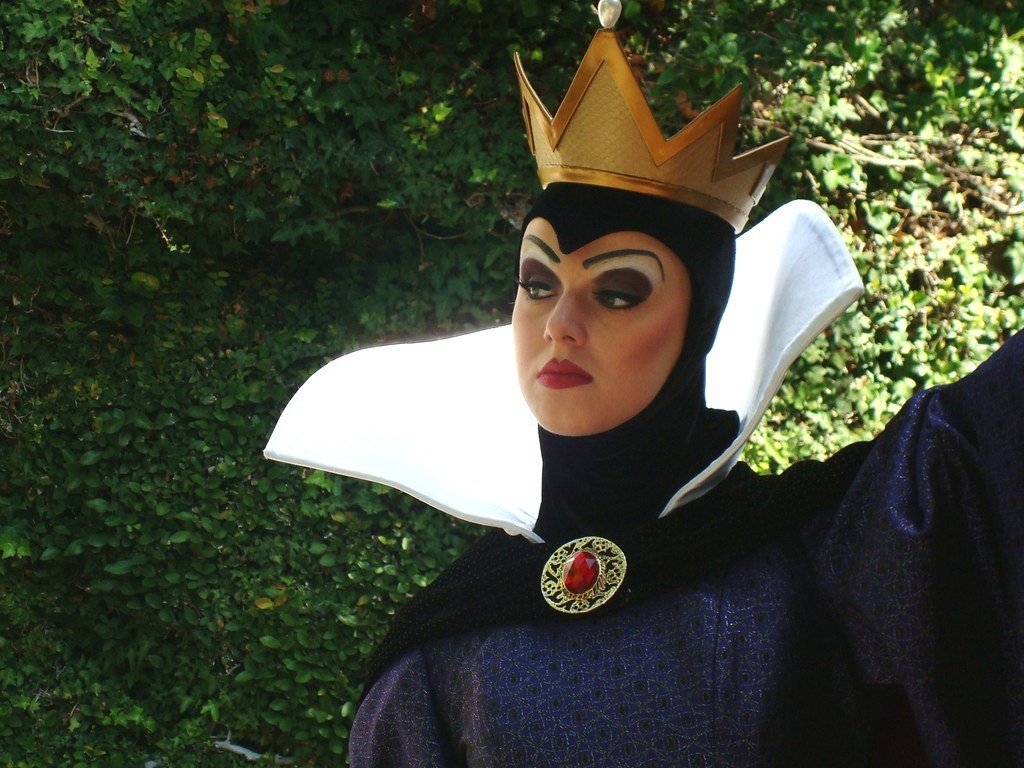
This one is almost embarrassing when you learn the truth, because the correct version makes so much more logical sense. The Evil Queen is speaking to a magic mirror, not just any mirror. The misquote is “Mirror, mirror on the wall, who is the fairest of them all?” The actual line is “Magic mirror on the wall, who is the fairest one of all?” The Evil Queen actually addresses her enchanted object as “Magic mirror,” not by repeating “mirror.”
While many fans quote this line by saying “Mirror, mirror on the wall,” the Evil Queen actually says “Magic mirror.” This quote is so well-known as the wrong version that it has also been misquoted in other movies and TV shows, such as in Once Upon a Time, where the adaptation of this character says “Mirror, mirror.” The misquote has now looped back into official pop culture and cemented itself permanently. The rhythm of the misquote has made it incredibly popular. Say both versions aloud, and you’ll feel it – the wrong one just flows better. Our brains prefer musicality over accuracy, apparently.
“We’re Gonna Need a Bigger Boat” – Jaws (1975)
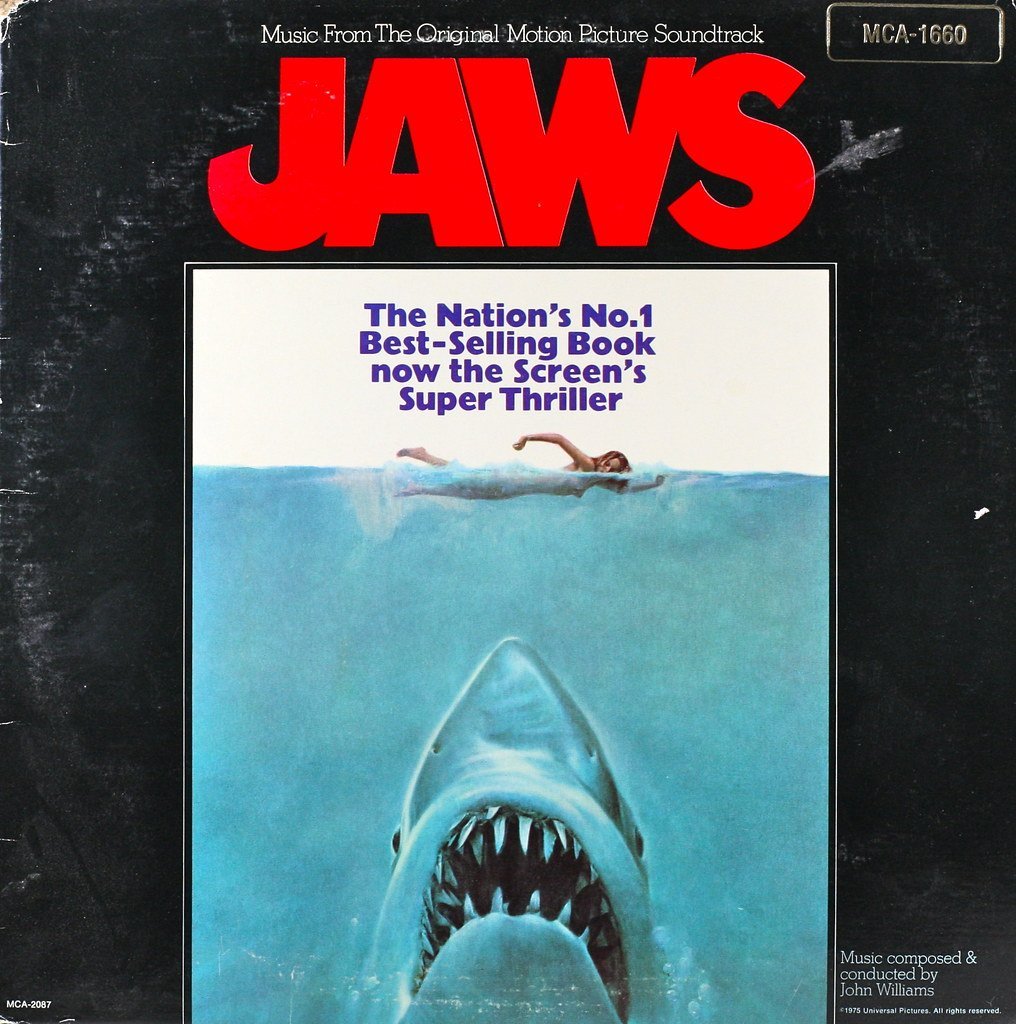
Few lines in cinema are as casually deployed as this one. Every time someone faces an overwhelming problem, from a mountain of laundry to a difficult spreadsheet, out it comes. If you’re a fan of Jaws, you’ve probably found a reason to use the movie’s most classic line at least once in casual conversation, saying “We’re gonna need a bigger boat.” But that’s not exactly what Martin Brody says to his crewmate Quint. What he actually tells him is “You’re gonna need a bigger boat.”
In the unforgettable scene, Police Chief Brody gets his first close-up look at the gigantic shark. He then staggers back into the cabin and tells Quint that he’s going to need a bigger boat. The line is likely misremembered as “we’re” since the more inclusive term makes more sense outside of the dramatic context. Here is the delicious irony: even Roy Scheider himself claims the line – which he improvised on set – starts with “We’re.” So the actor who said it misremembers it too. At that point, does anyone really know anything?
“If You Build It, They Will Come” – Field of Dreams (1989)

This quote has become one of those all-purpose motivational phrases that gets slapped on LinkedIn posts and graduation speeches. It feels universal, collective, plural. The line is “If you build it, he will come,” not “they.” We can see how the quote might have gotten misremembered, given that not just one person shows up – there are all the players, and the crowds to watch them.
Also, “they” is a more inclusive and all-purpose pronoun than “he.” But it also misses the point of the movie – Ray’s relationship with his father, who is the “he” the quote refers to. Changing “he” to “they” doesn’t just alter a word. It completely erases the emotional core of the story, which is ultimately about a son longing to reconnect with a parent. The misquote turns a personal, aching story into a generic pep talk. That is the kind of damage a single word can do.
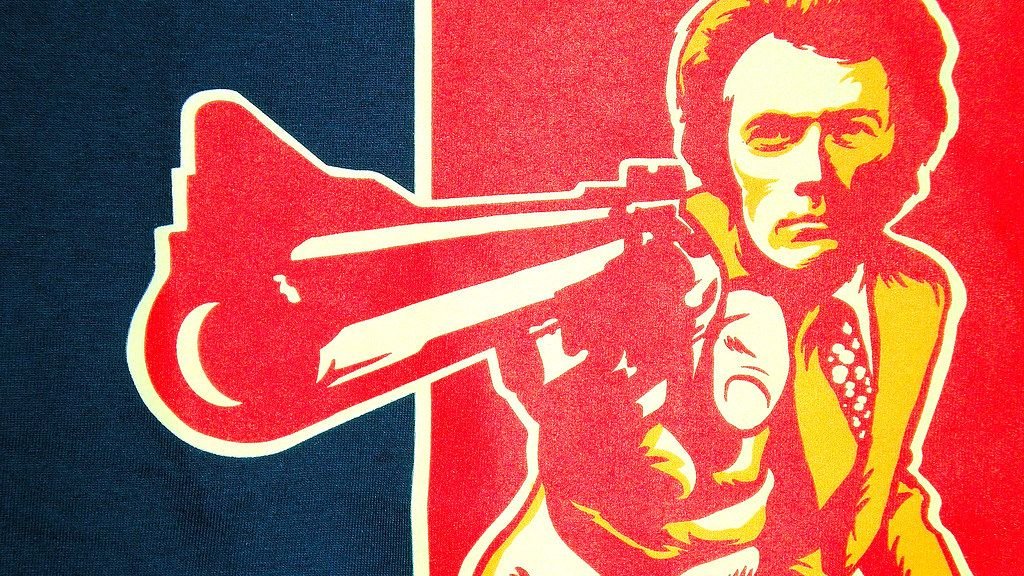
“Do Ya Feel Lucky, Punk?” – Dirty Harry (1971)
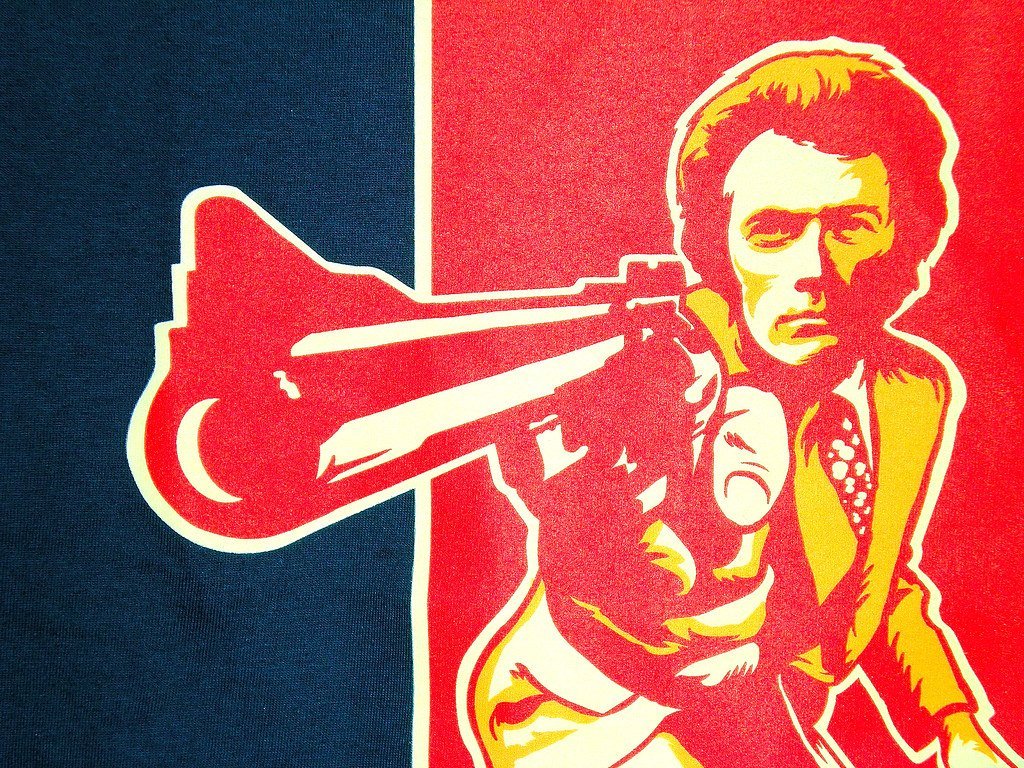
Clint Eastwood’s Harry Callahan might be the coolest character in American action cinema history. That iconic standoff scene has been parodied so many times it practically has its own filmography. The actual quote is “You’ve got to ask yourself one question: ‘Do I feel lucky?’ Well, do ya, punk?” The setup involves an entire psychological monologue: “I know what you’re thinkin’. Did he fire six shots or only five? Well, to tell you the truth, in all this excitement, I’ve kinda lost track myself.”
Eastwood, as Dirty Harry, says one of the coolest lines ever, but he doesn’t really say “Do ya feel lucky, punk?” The real line is “You’ve got to ask yourself one question: ‘Do I feel lucky?’ Well, do ya punk?” It is perhaps an even cooler line, but more verbose, which might explain why the misquote is popular. We stripped the suspense out of it. The original builds like a trap slowly closing. The misquote is just a slogan.
“Fasten Your Seatbelts, It’s Going to Be a Bumpy Ride” – All About Eve (1950)
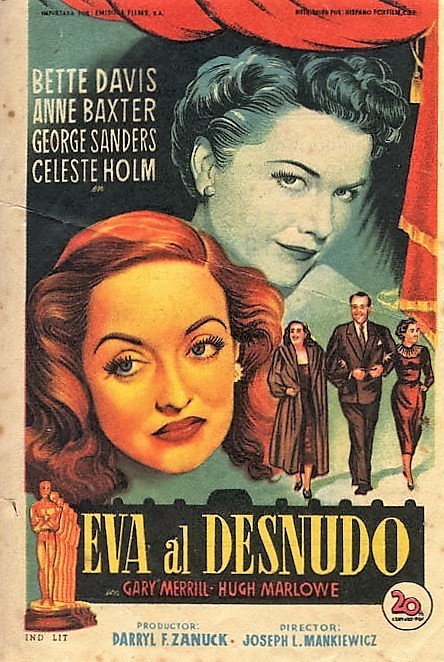
Bette Davis was one of the most electrifying performers to ever grace a screen, and this moment from All About Eve captures exactly why. The line has become shorthand for “things are about to get wild.” The misquote is “Fasten your seat belts, it’s going to be a bumpy ride.” The actual line is “Fasten your seat belts, it’s going to be a bumpy night.” Margo Channing anticipates a turbulent evening, not specifically a ride anywhere.
Why have we collectively taken Bette Davis’ most famous quote from All About Eve and made it sound like she’s a sadistic greeter at a Disney theme park ride? It’s bumpy “night,” people. No one’s boarding a rollercoaster. The shift from “night” to “ride” is another example of our habit of borrowing cinematic language and reshaping it into something more mobile, something we can carry into more situations. “Night” is specific. “Ride” goes anywhere.
“You Can’t Handle the Truth!” – A Few Good Men (1992)
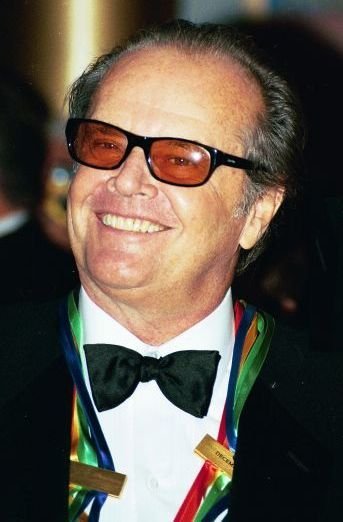
Jack Nicholson absolutely owns this scene. The courtroom explosion, the veins in his neck, the sheer theatrical fury of it – it is one of the great screen performances of the 1990s. But most of us have been quoting only half of the exchange and attributing the wrong setup to Nicholson’s character. The actual exchange goes: Colonel Nathan Jessep says “You want answers?” to which Lieutenant Daniel Kaffee replies “I want the truth!” and Jessep fires back with “You can’t handle the truth!” While Colonel Jessep does say the latter part of the quote, the first half was not spoken in the film by Jessep himself.
People routinely flatten the exchange into a single Nicholson line: “You want the truth? You can’t handle the truth!” It makes him sound like he’s answering his own question. The real version is a volley between two people, a genuine confrontation. The misquote turns a dramatic exchange into a monologue, robbing the scene of its tension. Audiences of all different genres love to quote their favorite films, and quoting iconic movies is a fun way to demonstrate movie trivia knowledge and a dedication to a beloved film. However, it can also be difficult to remember specific lines verbatim. That is the polite way to say it.
The Conclusion: Memory Is a Terrible Editor

Here’s the thing about all of this. It is not really about getting the words wrong. It is about how memory works and how culture transmits itself. If one lazy film journalist marginally misquotes a classic movie line in a rush, and then that article spawns another piece from a different publication, suddenly a domino effect is underway, and slowly but surely, this misquoted line supersedes the original. There might be a thousand articles that quote the falsehood, and there is obviously only one film.
What makes the Mandela Effect so intriguing isn’t just that we misremember things – it’s that so many of us misremember them in exactly the same way. Whether it’s psychological, cultural, or something more mysterious, these collective false memories reveal something fascinating about how our minds work and how we process information.
Cinema lives in us differently from any other art form. We do not simply watch films. We absorb them, remix them, retell them, and pass them on like oral histories. By the time a quote reaches the third or fourth person, it has already been quietly edited for rhythm, for brevity, for everyday use. We are all, without knowing it, rewriting the scripts of the films we love most.
The real question is not whether you have been getting these lines wrong. You almost certainly have been, and so have I. The real question is: what else are we absolutely certain about that is quietly, completely mistaken? That thought is worth sitting with for a while.
CEO-Co-Founder
