


- Unsung Heroes of Music History Deserve Their Rightful Place in the Pantheon of Legends - April 9, 2026
- Certain Historical Events Are So Bizarre, They Seem Ripped From the Pages of Fiction - April 9, 2026
- Iconic Cultural Artifacts Are More Than Objects; They Are Time Capsules of Human Experience - April 9, 2026
Think about the last time a song stopped you cold. Maybe it was a melody playing in a supermarket that suddenly transported you back ten years. Maybe it was a beat that made your chest feel strangely tight, or a swelling orchestral climax that brought unexpected tears to your eyes. You weren’t imagining it. Something real was happening inside your brain – something ancient, chemical, and genuinely extraordinary.
The science behind why music moves us is far more complex and deeply rooted than most people realize. It’s not just about “liking” a song. It’s about neurons firing in ancient circuits, neurotransmitters flooding your brain, and memories connecting to sound in ways that no other stimulus can replicate. Honestly, when you look at the full picture, the answer is both humbling and a little mind-blowing. Let’s dive in.
Your Brain on Music: A Whole System Activation
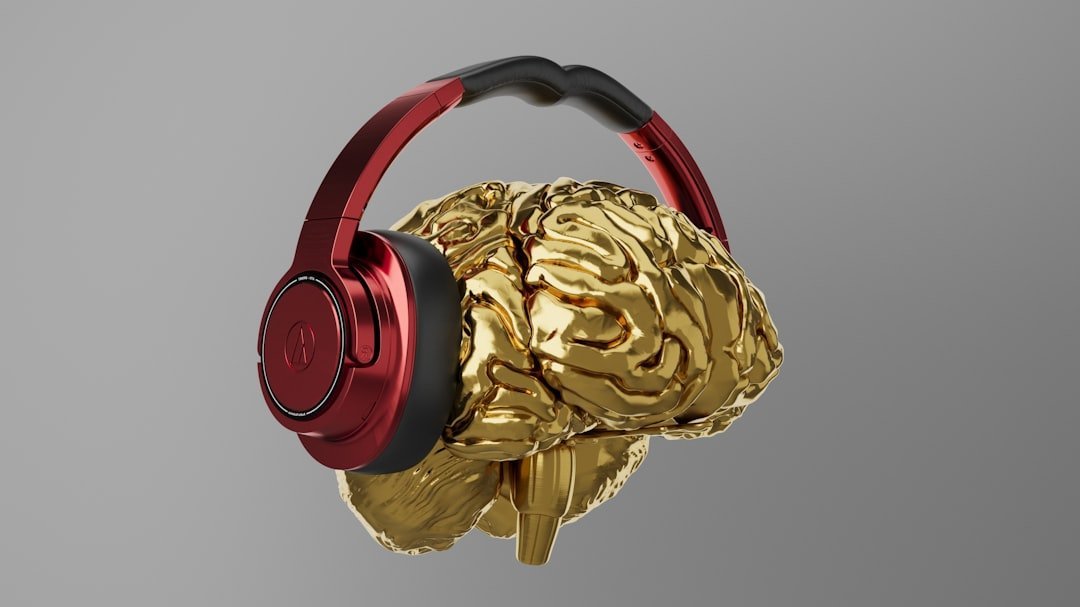
Here’s something that genuinely surprises most people: very few experiences in life activate the entire brain simultaneously. Music is one of them. The entire brain is activated when you’re listening to music, which is striking because very few experiences activate the entire brain at once.
Music lights up nearly all of the brain, including the hippocampus and amygdala, which activate emotional responses to music through memory, the limbic system, which governs pleasure, motivation, and reward, and the body’s motor system. Think of it like turning on every light in a massive house at once. Most activities only illuminate a few rooms.
The process of deciphering sound involves several brain areas working in concert to grant the perception of a sound along with the emotional valence for a specific melody. Music perception occurs through a series of events, starting with sound waves transforming into an electric signal, which then progress through the auditory nerve to the brainstem and activates cortical areas, allowing the perception of a specific sound. From that single physical vibration in the air, an entire emotional storm can be triggered.
The Dopamine Connection: Music as a Chemical Rush
I think this is where things get genuinely shocking. Scientists have found that the pleasurable experience of listening to music releases dopamine, a neurotransmitter in the brain important for more tangible pleasures associated with rewards such as food, drugs and sex. Yes, the same chemical system. The same ancient reward wiring.
Music, an abstract stimulus, can arouse feelings of euphoria and craving, similar to tangible rewards that involve the striatal dopaminergic system. Using neurochemical specificity of positron emission tomography scanning combined with psychophysiological measures of autonomic nervous system activity, researchers found endogenous dopamine release in the striatum at peak emotional arousal during music listening.
There’s also a fascinating twist to this story involving anticipation. Even the anticipation of pleasurable music induces dopamine release, as is the case with food, drug, and sex cues. As your brain becomes familiar with a particular song, your body may release dopamine upon hearing just the first few notes of the song. Just as Pavlov’s dogs learned to associate food with a ringing bell, our bodies actively anticipate pleasure upon hearing familiar notes. It’s a beautiful, slightly absurd feedback loop.
The Limbic System: Where Music Meets Raw Feeling

Central to our emotional resonance with music is the limbic system, an intricate assembly of neural circuits and pathways. Key components of this system, such as the amygdala, responsible for emotional processing, and the hippocampus, integral to memory consolidation, become activated during musical exposure. Such neural activities account for the evocative power of music to invoke vivid emotional and mnemonic experiences.
The brain’s auditory cortex processes the sounds we hear, while the limbic system governs our emotional responses. These two systems don’t just exist side by side; they talk to each other constantly. They negotiate in real time. A melody isn’t just heard, it’s felt.
As intense chills increase, many changes in cerebral blood flow are seen in brain regions such as the amygdala, orbitofrontal cortex, ventral striatum, midbrain, and the ventral medial prefrontal cortex. Many of these areas appear to be linked to reward, motivation, emotion, and arousal, and are also activated in other pleasurable situations. The resulting pleasure responses enable the release of dopamine, serotonin, and oxytocin. Three of the most powerful feel-good chemicals in human biology, all from a song.
Tension, Resolution, and the Brain’s Prediction Engine

Let’s be real: a lot of music theory sounds academic and dry. But here’s the thing – your brain is actually doing something deeply fascinating every time it listens to music, whether you’re aware of it or not. One key way that music generates emotions in the listener is through patterns of tension and resolution. The way such patterns play out, together with the way the music fulfills or violates our expectations, manipulates and reveals how the brain handles complex cognitive processes like prediction and anticipation.
One key way that music, particularly Western tonal music, generates emotions in the listener is through patterns of tension and resolution. The way such patterns play out, together with the way the music fulfills or violates our expectations, manipulates and reveals how the brain handles complex cognitive processes like prediction and anticipation. Think about the buildup in a dramatic film score. Your brain knows something big is coming. That anticipatory tension IS part of the emotional experience itself.
Two different brain circuits are involved in anticipation and experience respectively: one linking to cognitive and motor systems, and hence prediction, the other to the limbic system, and hence the emotional part of the brain. These two phases also map onto related concepts in music, such as tension and resolution. So when a long musical buildup finally releases into a soaring chorus, your brain isn’t just hearing music. It is completing a neurological prediction cycle and flooding you with reward chemicals as a result. That’s wild.
Rhythm and Neural Entrainment: When Your Brain Becomes the Beat
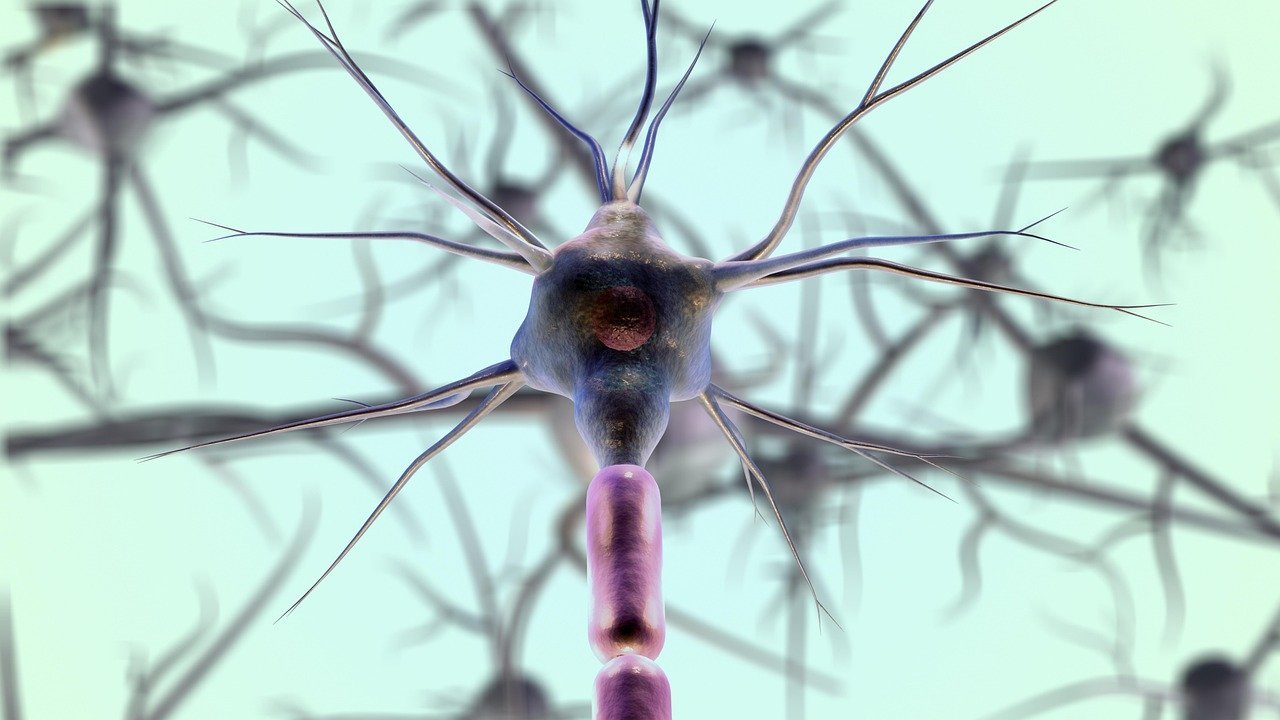
Ever wonder why you physically cannot stop your foot from tapping to a great rhythm? It’s not a choice. It’s neuroscience. There’s something called entrainment, where the firing patterns of your neurons begin to synchronize with or mirror the rhythms of the music you’re listening to. Those kinds of rhythms are remarkable. They can increase your neural activity and your heart rate.
Firing rates of auditory neurons, triggered by auditory rhythm and music, entrain the firing patterns of motor neurons, thus driving the motor system into different frequency levels. It’s essentially your brain becoming a musical instrument itself. The rhythm doesn’t just pass through you. In a very literal sense, it temporarily becomes you.
The basal ganglia, involved both in emotion and rhythm processing, critically contribute to rhythmic entrainment of subcortical brain circuits by music. The basal ganglia are implicated in motor control, rhythm processing, as well as pleasant emotional experiences, and might therefore be well placed for integrating rhythmical information with both cognitive and affective components of musical experience. In other words, the part of your brain that handles movement is also deeply tied to how music makes you feel. No wonder dancing feels so instinctively good.
Music and Memory: The Brain’s Most Emotional Archive
Of all the ways music affects us, its relationship with memory might be the most emotionally powerful. We’ve all experienced it: a song comes on and you’re suddenly, vividly, back somewhere – and someone – from years ago. The limbic system is involved in the formation and retrieval of long-term memories, in which the hippocampus would act like a carrier center. That could explain why music could evoke feelings of nostalgia and old memories.
A musical composition perceived as melancholic might enhance the connectivity between the auditory cortex and the hippocampus, a region integral to memory and emotional processing. This interconnection can trigger the recollection of somber memories or evoke feelings of sadness. The direction of the emotion in the music actually influences which memories rise to the surface. It’s like music holds a key to specific filing cabinets inside your mind.
Because emotions enhance memory processes and music evokes strong emotions, music could be involved in forming memories, either about pieces of music or about episodes and information associated with particular music. This partly explains something most of us notice but rarely think about: the most emotionally vivid periods of our lives tend to have the strongest musical soundtracks attached to them.
The medial prefrontal cortex springs into action when we hear familiar tunes. It is also significant to note that this region is one of the last to degenerate in Alzheimer’s disease, hinting at its role in the robust link between music and autobiographical memories. This is why music therapy can still reach patients with advanced dementia long after other forms of communication have fallen away.
The Evolutionary Roots of Musical Emotion

Here’s a question scientists still wrestle with: why did we evolve to feel so much from music? It doesn’t feed us. It doesn’t protect us. Yet the earliest mammals, most of them likely nocturnal, had to rely on their hearing and sense of smell as defensive mechanisms, being hyperfocused and hyperattentive. The modern experience of listening to live music can be viewed as a vestige of that primeval adaptation.
Although music does not represent any biologically significant stimulus, it recruits the same brain circuits as the ones that are involved in pleasure and seeking reward. Reward processes are known to recruit dopamine and opioid systems. Our brains essentially hijack the same ancient wiring that evolved for survival, and apply it to the abstract beauty of sound. It’s a glorious accident of evolution.
Music possesses a remarkable capacity to induce transformative changes in the brain, fostering neuroplasticity and reshaping neural networks. Music’s influence extends throughout the lifespan, from prenatal development to the challenges of aging, impacting cognitive, emotional, physical, and social well-being. From the womb to the last chapter of life, music is woven into the very fabric of human existence.
Music as a Physical Force: Your Body Responds Too

The emotional impact of music doesn’t stay in the brain. It moves through the entire body. The salience of sounds, whether a person responds to them emotionally and motivationally, influences the autonomic nervous system, a network that controls certain involuntary processes like breathing and heart rate. The valence of the music, which signals whether the music feels positive, negative, or somewhere in between, influences the autonomic nervous system too.
Studies have shown that music can affect heart rate, blood pressure, and blood flow. Calming music can lower stress hormone levels and reduce blood pressure, contributing to better physical health. Upbeat music can elevate blood flow, providing a sense of invigoration and vitality. Think about that the next time you feel your heart lift during a concert. It’s not metaphor. It is measurable physiology.
The generation of an emotion in subcortical regions of the brain, such as the amygdala, leads to hypothalamic and autonomic nervous system activation and release of arousal hormones such as noradrenaline and cortisol. Sympathetic nervous system changes associated with physiological arousal, such as increased heart rate and reduced skin conductance, are most commonly measured as peripheral indices of emotion. Music, in short, is a full-body experience rooted in deep neurobiological responses.
When Music Crosses Into Therapy: Clinical Implications

The effect of music on our brains has clinical implications. Growing evidence suggests that listening to Mozart’s Sonata for Two Pianos in D Major can reduce the frequency of seizures in some people with epilepsy. Other conditions and diseases, ranging from Parkinson’s to depression to Alzheimer’s, could someday have therapeutic solutions derived from an understanding of music.
Writing music can be helpful for people with post-traumatic stress disorders, and listening to sad music when you’re depressed can help you work through that process with your emotions. It’s hard to say for sure how far music therapy will evolve, but the early signals are genuinely exciting. Even playing a tune for patients of Parkinson’s disease, a sickness that limits movement, stimulated their brain circuits and allowed the patients to walk faster or slower.
Evidence suggests that listening to music may help brain cells process information more efficiently and may facilitate the brain’s ability to adapt. Adults who suffered a stroke and listened to music daily experienced significantly greater gains in verbal memory and cognition after two months than stroke survivors who listened to audio books or those who didn’t listen to either. The therapeutic potential is not a fringe idea. It is backed by serious neuroscience.
The Unique Power of Live Music on the Emotional Brain

There’s a reason a live concert hits differently from listening to the same song through headphones. Turns out, science agrees. Unlike recorded music, intense musical emotions are most often expressed in live musical performances and are experienced when listening to live music in concerts, given the dynamic relationship between performing artists and the audience. Live music can stimulate the affective brain of listeners more strongly and consistently than recorded music.
Brain activity during live music listening correlates mainly positively with the emotional perceptual impressions of listeners, as well as with the central acoustic features of live music performances that point to entrainment processes between the musical performance and brain responses in listeners. It’s a closed loop: the performer and the audience are literally synchronizing each other’s brains in real time. That shared entrainment is part of why concerts feel like communion.
Conclusion: The Unstoppable Force of Sound and Feeling

The more science pulls back the curtain on music and emotion, the more astonishing the picture becomes. Music is not a luxury or a pastime. It is a direct line into the oldest, most fundamental parts of the human brain. It recruits your reward systems, syncs your neurons, unlocks your memories, alters your body chemistry, and binds you to other people in ways that language often cannot.
What makes it so profound is that none of this is conscious. You don’t choose to feel moved by a melody. The feeling finds you. Your ancient, pattern-hunting, reward-seeking brain does the work automatically, and the emotion is simply the result – raw, real, and entirely your own.
Music has outlasted every civilization that created it. It adapts, it survives, it crosses every cultural boundary that humans have ever constructed. Maybe that persistence is the clearest proof of all: something that speaks this deeply to our neurology was never going to disappear. The question is no longer whether music evokes emotion. The question is how we haven’t been more amazed by it all along. What song has moved you in ways you still can’t fully explain?

Besides founding Festivaltopia, Luca is the co founder of trib, an art and fashion collectiv you find on several regional events and online. Also he is part of the management board at HORiZONTE, a group travel provider in Germany.
