

For any feedback please reach out to info@festivalinside.com
- 10 Best Street Festivals Around the World - April 10, 2026
- 10 Iconic Movie Scenes That Were Completely Improvised by Actors - April 10, 2026
- The Stark Contrasts Between Past and Present Fashion Echo Timeless Cultural Shifts - April 9, 2026
The Roots: From Tagging to Expression
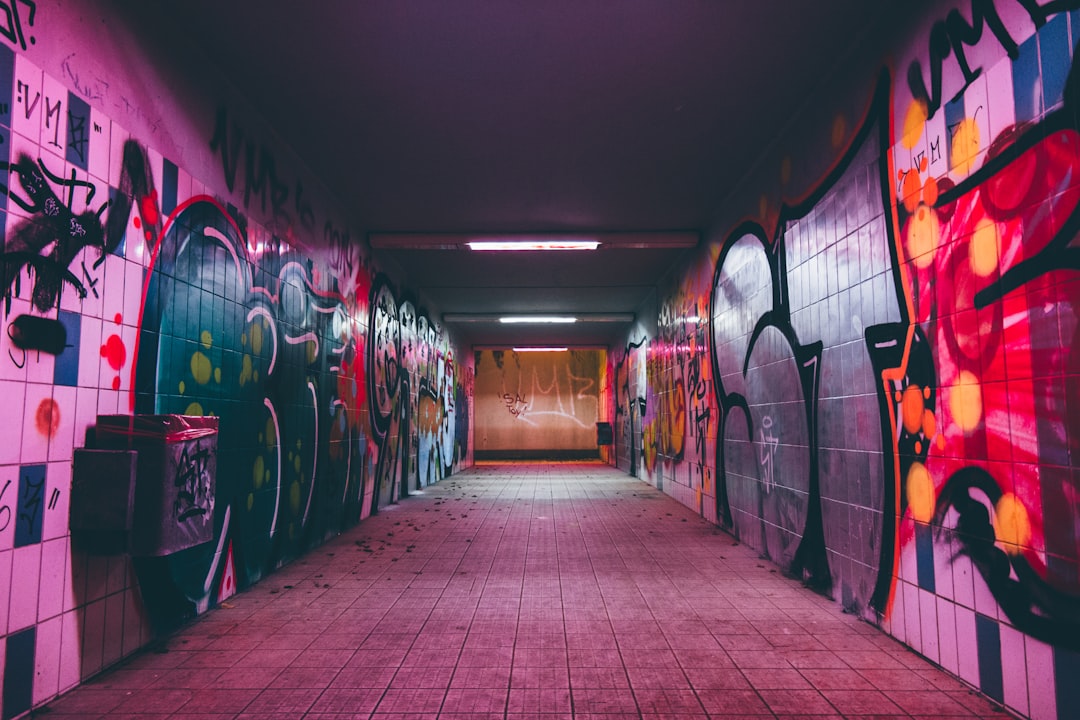
Graffiti didn’t start in fancy studios or with wealthy collectors—it began in the tangled heart of 1970s New York City. Teenagers from working-class neighborhoods, many facing economic hardship or social exclusion, picked up spray cans and felt-tip markers to scrawl their names across subway cars and city walls. These tags, often just nicknames or street numbers, were about being seen in a world that tried to make them invisible. Early legends like Taki 183 and Cornbread were not thinking about art galleries; they wanted respect from their peers, a kind of street fame that was earned one tag at a time. Pretty soon, the simple signatures grew more complex. Writers competed to stand out, developing elaborate letterforms, wild styles, and full-car murals called “burners.” Subway trains, crisscrossing the city, became rolling exhibitions, and graffiti crews would collaborate on sprawling pieces that blurred the line between vandalism and visual poetry. This era laid the foundation for everything that came next, proving that even the most rebellious acts can plant seeds for a cultural revolution.
The Turning Point: Street Meets Gallery
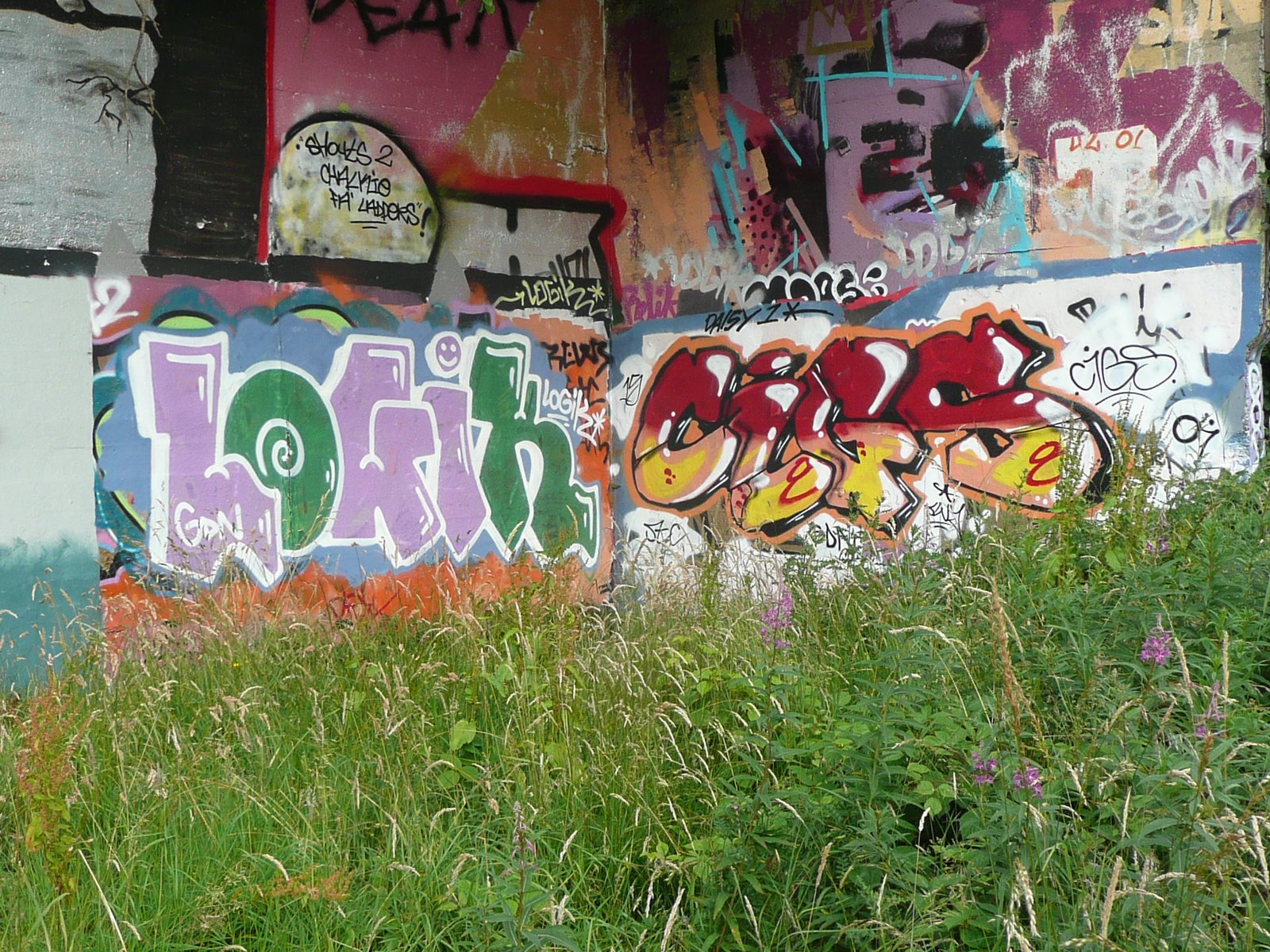
The 1980s brought a seismic shift. As hip-hop exploded from the Bronx to the world, graffiti became a core element of this new urban culture, alongside rap and breakdancing. Suddenly, what was once dismissed as destruction became iconic. Visionary curators and gallery owners—sometimes to the outrage of art critics—invited graffiti artists to show their work inside white-walled galleries. Jean-Michel Basquiat, who began as the mysterious SAMO, fused graffiti with painting and quickly shot to international stardom; today, his works fetch over $100 million at auction, with one selling for $110.5 million in 2017. Keith Haring, whose chalk-drawn figures danced across subway stations, became a global symbol of activism and joy. Futura 2000, with his abstract lines and cosmic themes, broke barriers by collaborating with bands like The Clash and exhibiting in major galleries. This was the moment when graffiti, once hunted by police, started being hunted by collectors.
Banksy and the Globalization of Street Art
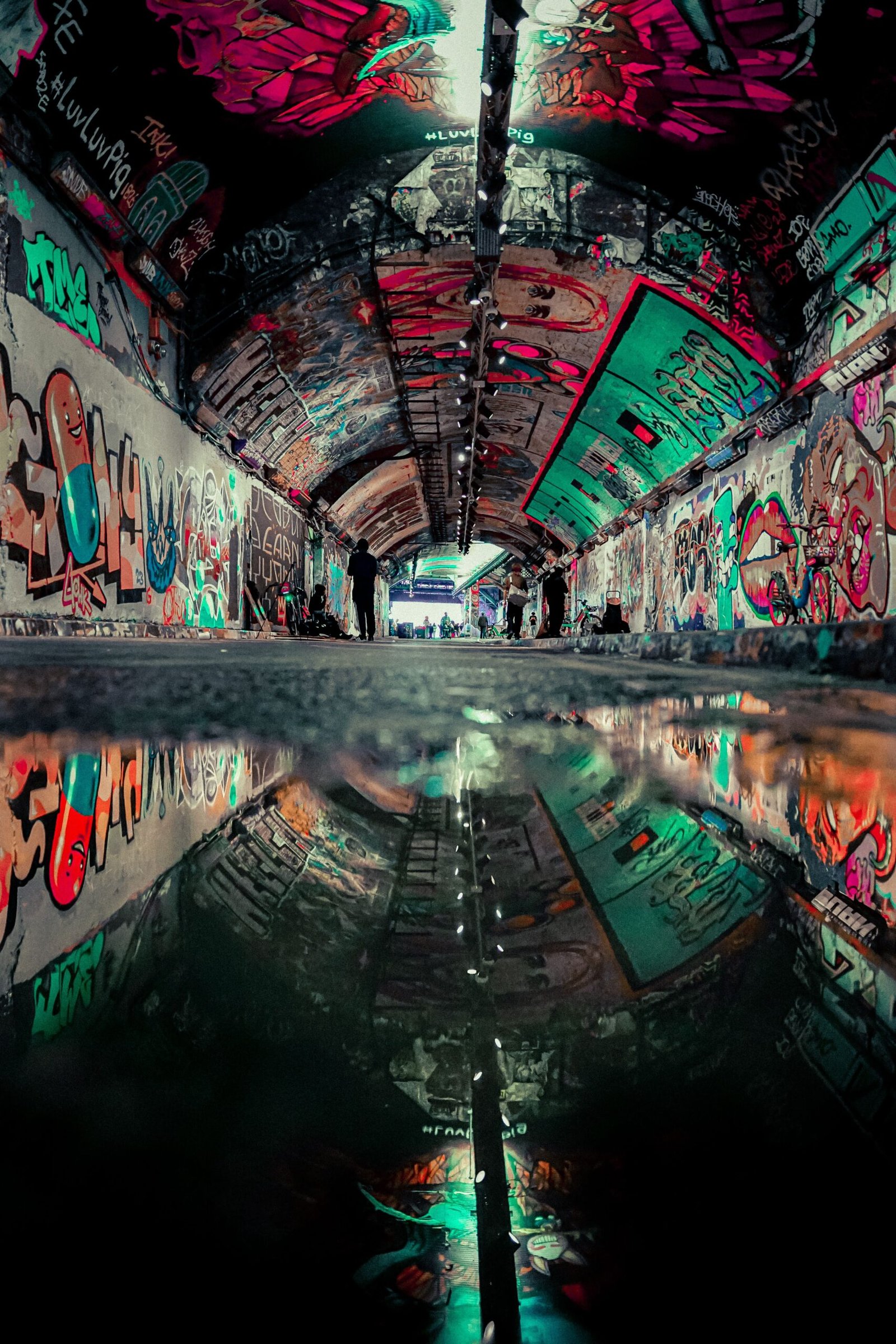
In the early 2000s, Banksy burst onto the scene like a spray-painted thunderclap. An anonymous British artist, Banksy’s stenciled images—sharp, satirical, and often hilarious—popped up overnight in cities across the world. His art, laced with political humor and biting social commentary, captured public imagination on a global scale. One of his most famous stunts occurred in 2018, when his painting “Girl with Balloon” self-shredded at a Sotheby’s auction moments after selling for $1.4 million, sending shockwaves through the art establishment. Banksy’s rise transformed street art into big business; in 2020, a Banksy painting honoring British healthcare workers sold for $23.1 million. His influence has inspired cities from Paris to Melbourne to embrace, protect, and even commission street art, turning graffiti from crime scene to cultural asset.
Other Street Art Legends
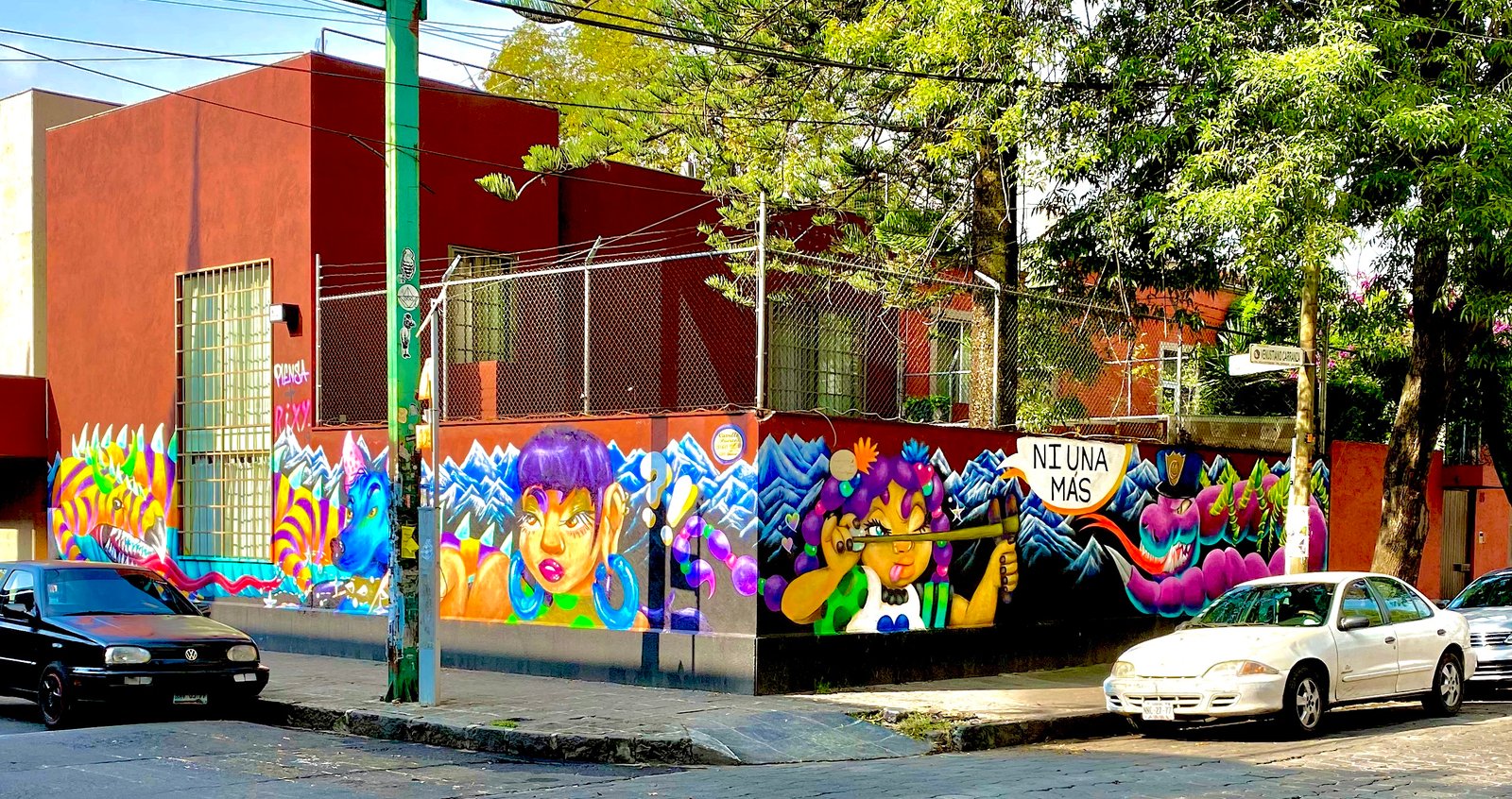
The world of street art is far bigger than any one name. Shepard Fairey, creator of the “Obey” campaign and Barack Obama’s iconic “Hope” poster, has shown how street art’s bold graphics can shape political movements and brand identities alike. Los Angeles-based RETNA, with his mysterious, script-like calligraphy, has painted everything from city walls to Louis Vuitton storefronts and exhibited in galleries from New York to Hong Kong. Lady Pink, one of the first women to break into the male-dominated world of graffiti, earned the nickname “First Lady of Graffiti” for her fearless style and community activism. Together, these artists have broadened the definition of what street art can be, proving that it’s not about who you are but what you create—and where you dare to create it.
The Role of Technology in Street Art

Technology has changed street art in ways early taggers could never have imagined. Social media platforms like Instagram and TikTok allow artists to broadcast their work to millions in seconds, turning local murals into global sensations. Digital cameras and smartphones have made it easy to document and share art before it’s buffed away by city workers. Virtual galleries and online auctions let street artists sell prints and NFTs, opening up new revenue streams and audiences far from their original neighborhoods. Apps like Street Art Cities map out murals worldwide, making it easier for fans and tourists to find and appreciate outdoor art. This digital revolution has democratized street art, giving every artist—no matter their background or location—a shot at international recognition.
The Commercialization of Street Art
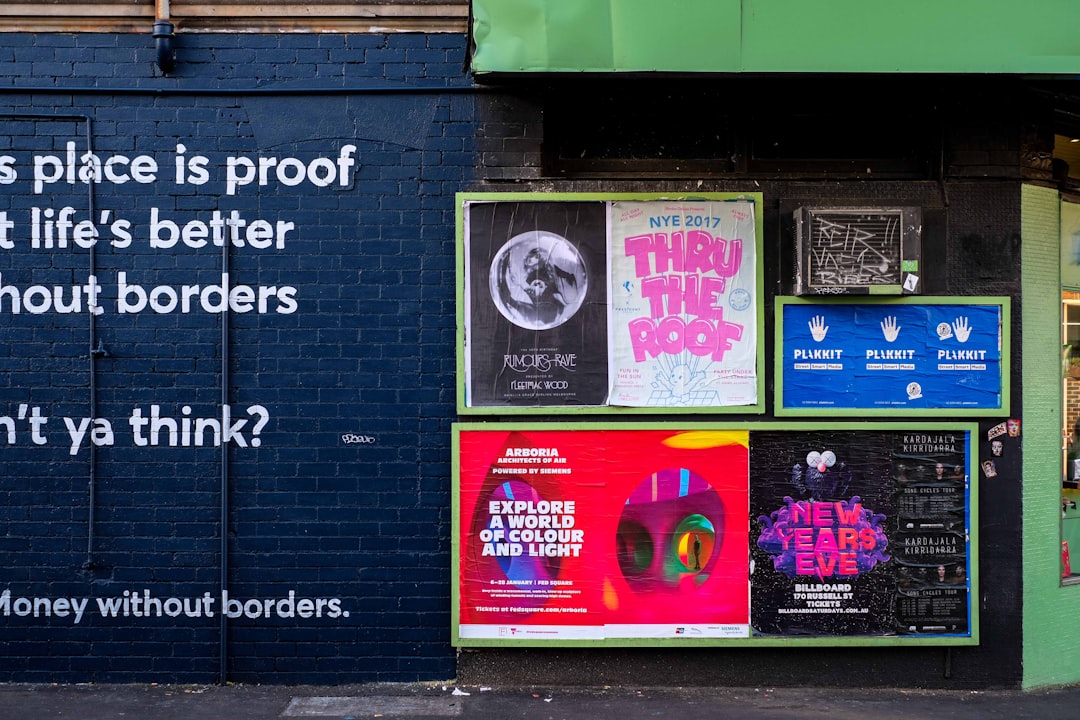
As street art’s popularity has soared, so has its value. Works that once risked jail time now fetch millions at auction, sparking heated debates about what happens when rebellion goes mainstream. Critics worry that this shift strips street art of its raw power and authenticity, turning it into just another commodity for the wealthy. Yet for many artists, commercialization is a chance to support themselves and reach wider audiences. Major festivals like Miami’s Art Basel and London’s Moniker Art Fair have made space for street artists, and brands from Adidas to BMW have commissioned murals and campaigns. In 2024 alone, global street art-related sales were estimated to top $150 million, according to art market analysts. While the debate rages, one thing’s clear: the line between outsider and insider art has never been blurrier.
The Impact of Street Art on Urban Spaces
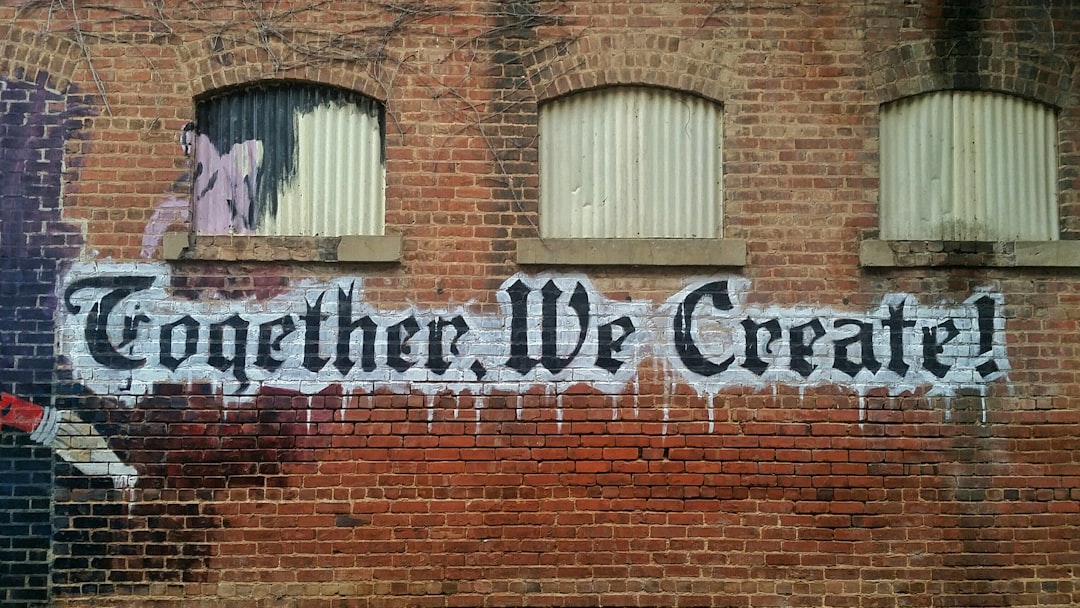
Street art has transformed cities in ways that go far beyond aesthetics. Murals brighten up neglected neighborhoods, attracting tourists, businesses, and even investors. Philadelphia’s Mural Arts Program, for example, has created more than 4,000 public artworks since 1984, helping to reduce vandalism rates by as much as 70% in targeted areas. In Melbourne, the city’s laneways are now a tourist magnet thanks to their vibrant, ever-changing street art. Local governments increasingly see graffiti not just as a nuisance, but as a tool for urban renewal and community engagement. Residents often feel a stronger connection to their city when their stories and struggles are painted on the walls for all to see. The result: once-forgotten places become shared canvases, sparking pride, discussion, and even hope.
The Future of Street Art
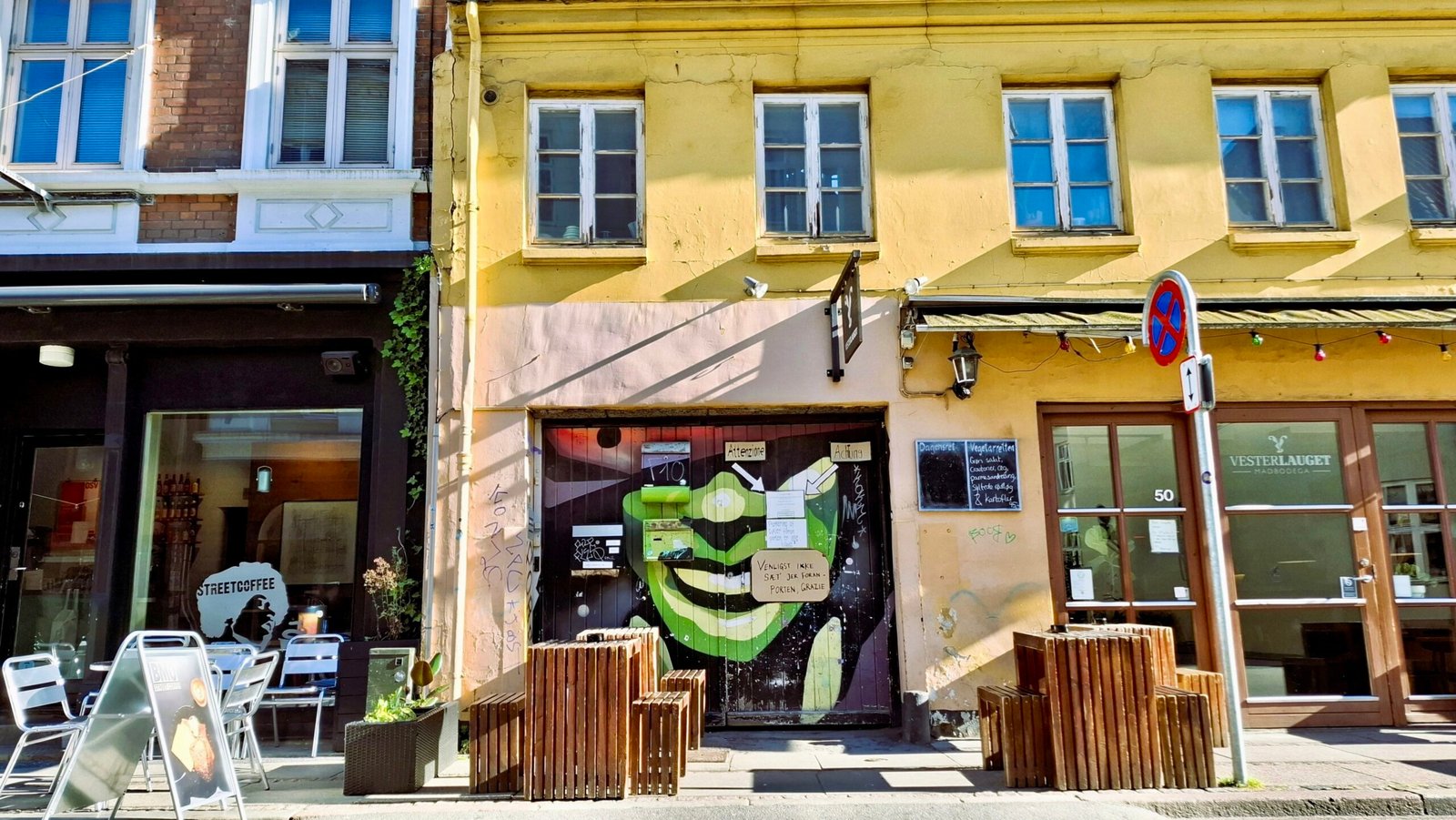
Street art’s future looks as wild and unpredictable as its past. New artists are experimenting with everything from augmented reality to projection mapping, pushing the boundaries of what “street art” even means. Environmental activism is on the rise, with artists using their skills to highlight climate change and social justice issues. As cities continue to change, so does the meaning and purpose of public art. Young artists today see the world as their canvas, blending graffiti, sculpture, digital media, and even performance. With art institutions and collectors paying closer attention than ever, street art’s next chapter may be its most innovative yet, fueled by both tradition and technology.
The Global Street Art Movement
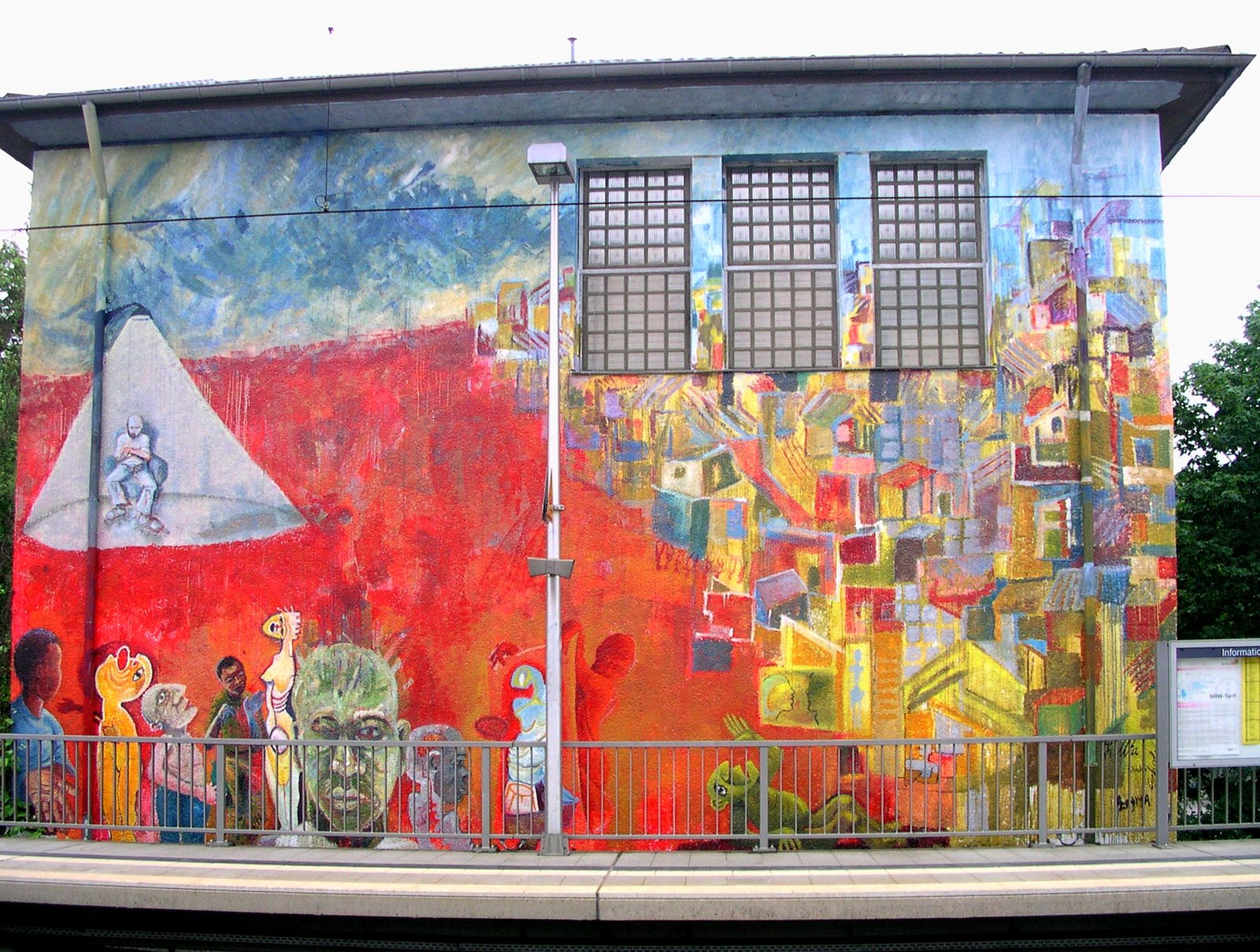
Street art is now a global language, spoken in every corner of the world. From the favelas of Rio de Janeiro to the bustling streets of Tokyo, artists use walls as storytellers, sharing messages that transcend borders and languages. Massive festivals like POW! WOW! (held in cities from Hawaii to Taiwan) and Nuart in Norway draw international artists and audiences alike. This worldwide exchange of styles and ideas means that a mural in Cape Town might echo techniques pioneered in Brooklyn, or a political message in Athens might inspire graffiti in Berlin. The global street art community has become a powerful force, connecting people who may never meet but share a deep belief in the power of public art.
The Enduring Legacy of Street Art
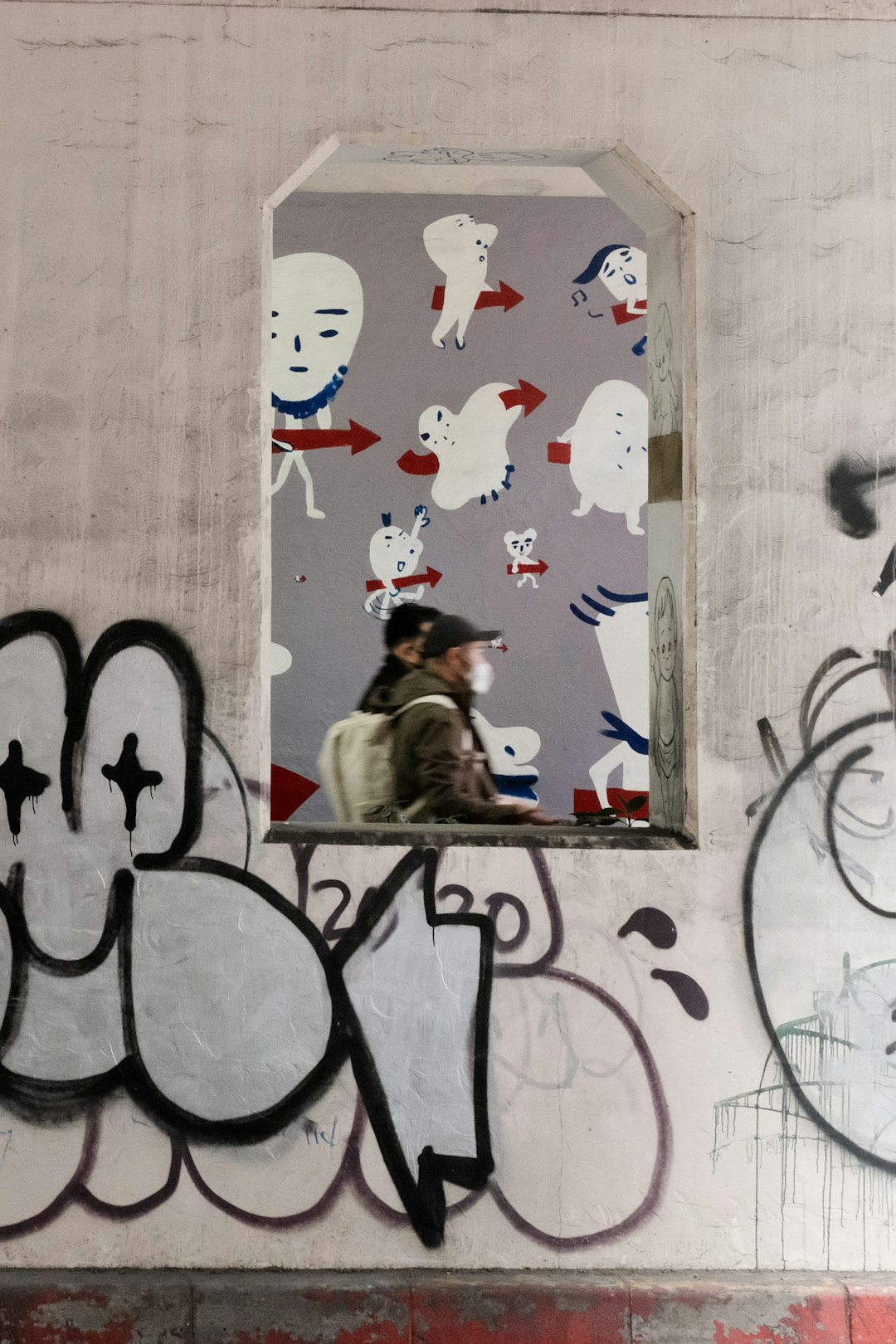
Graffiti’s journey from subway trains to auction houses is one of the most surprising art stories of the last half-century. Once scorned as a sign of urban decline, street art now hangs in major museums, covers skyscrapers, and shapes the look and feel of cities worldwide. The debate over authenticity and commercialization remains intense, but one fact is undeniable: street art has changed how we think about creativity, ownership, and public space. Its legends—Basquiat, Haring, Banksy, and countless others—have proven that art doesn’t need permission to matter.

Christian Wiedeck, all the way from Germany, loves music festivals, especially in the USA. His articles bring the excitement of these events to readers worldwide.
For any feedback please reach out to info@festivalinside.com
