


- 15 Times History Was Changed by a Single Speech - September 25, 2026
- “20 Authors Who Captured the American Dream Like No One Else” - September 25, 2026
- 20 Literary Rivalries That Shaped the American Canon - September 25, 2026
Ever wondered which books have reached the farthest corners of the world? Some stories transcend borders, languages, and even centuries, becoming universal treasures. From spiritual guides to whimsical adventures, these books prove that great storytelling has no limits. Here are the 10 most translated books ever—and the surprising reasons they’ve traveled so far.
1. The Bible – The Ultimate Global Book
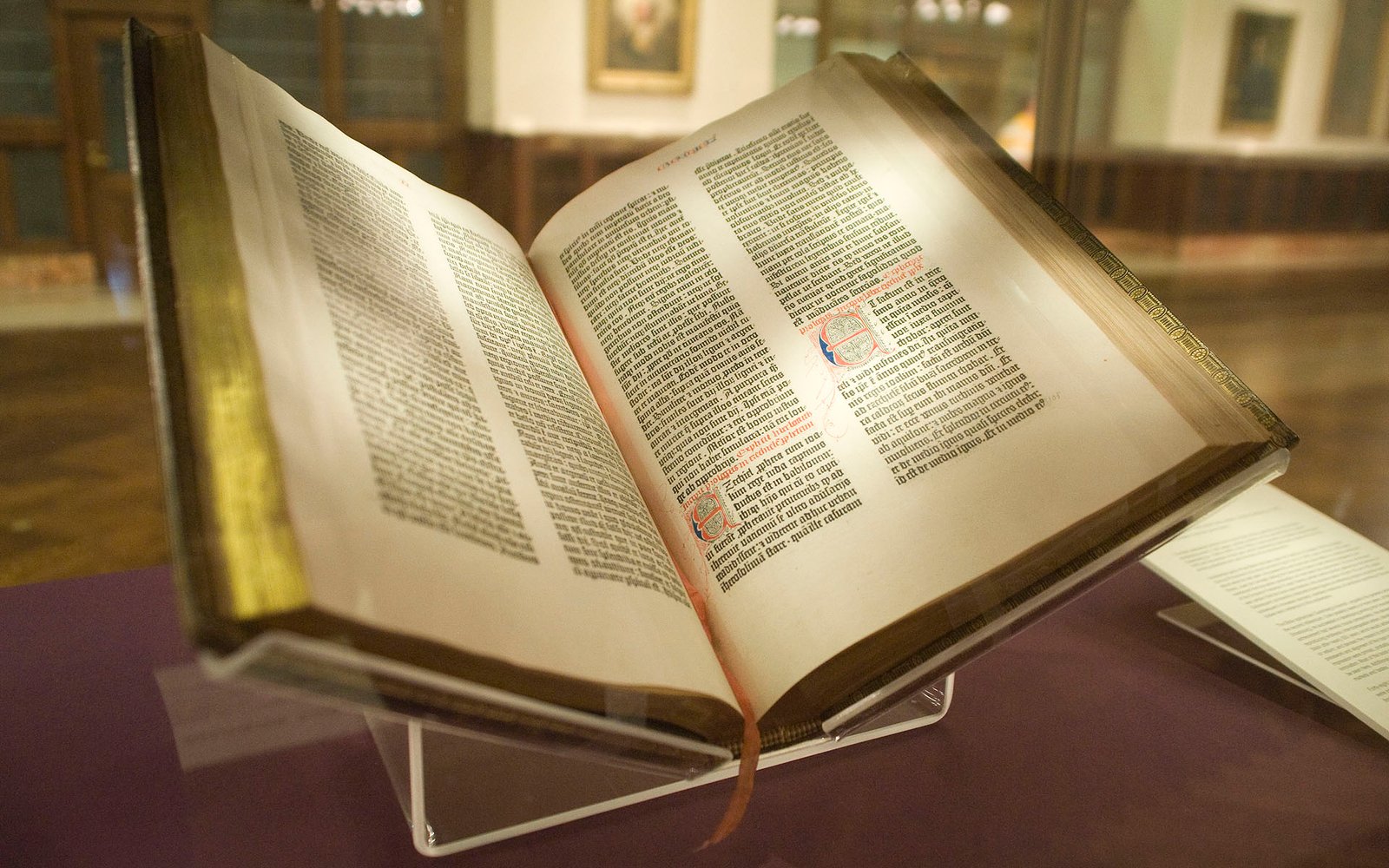
With translations in over 3,600 languages (full or partial), the Bible isn’t just a religious text—it’s a cultural phenomenon. Missionary work, colonization, and its profound influence on art and law have spread it worldwide. Even for non-religious readers, its impact on literature and history is undeniable. Think of it as the original bestseller, rewritten and reinterpreted for millennia. From ancient scrolls to digital apps, its reach is unmatched. Whether you believe in its message or not, its linguistic journey is staggering.
2. The Little Prince – A Philosophical Fairy Tale for All
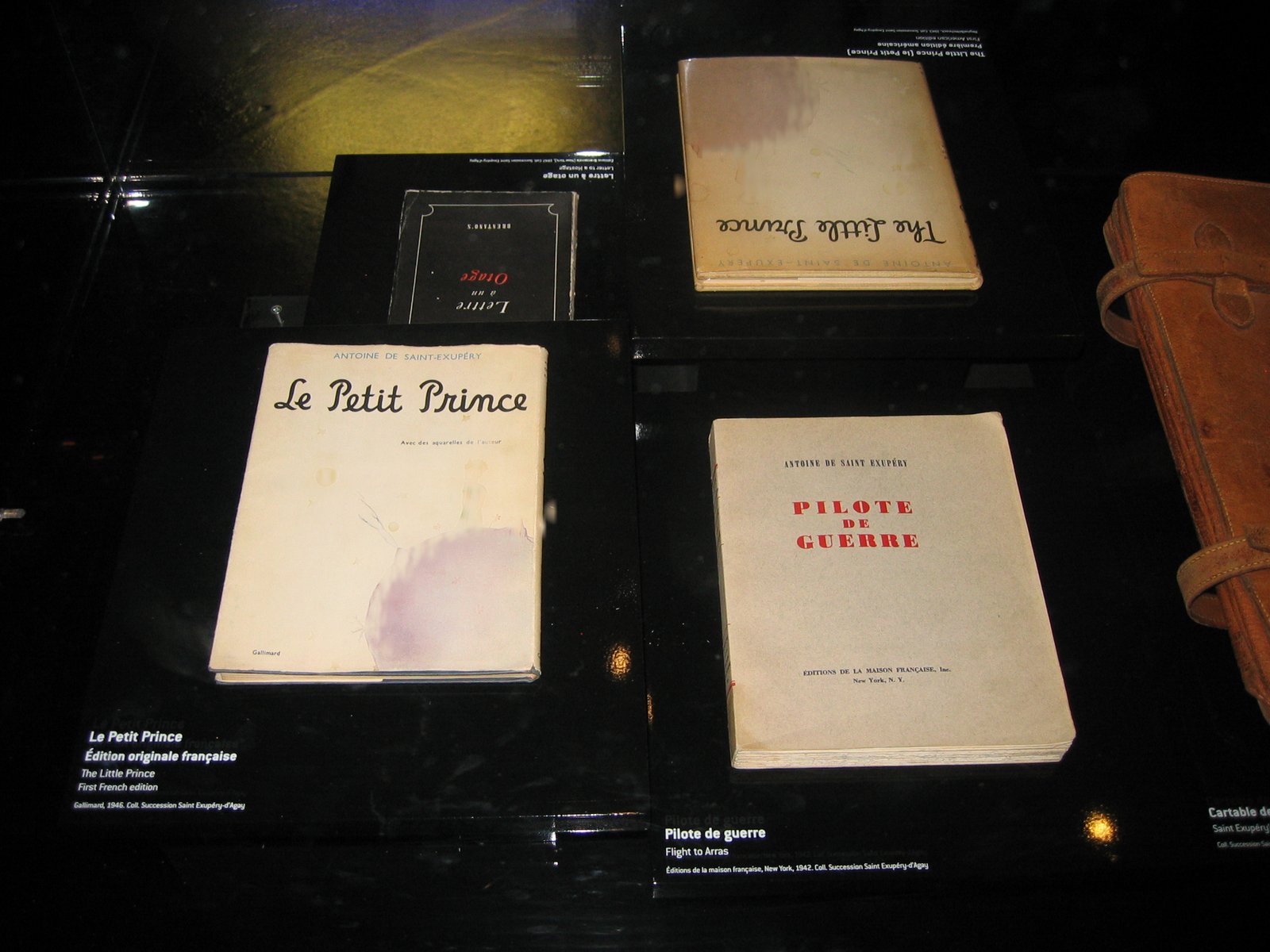
Antoine de Saint-Exupéry’s “The Little Prince” holds the title of the most translated non-religious book, appearing in 500+ languages. Its deceptively simple story about love, loss, and human nature speaks to both children and adults. Lines like “What is essential is invisible to the eye” have become global mantras. The book’s poetic charm crosses cultural barriers effortlessly. It’s been adapted into operas, animations, and even a theme park. Few stories distill wisdom so beautifully in under 100 pages.
3. Pinocchio – The Wooden Boy Who Conquered the World
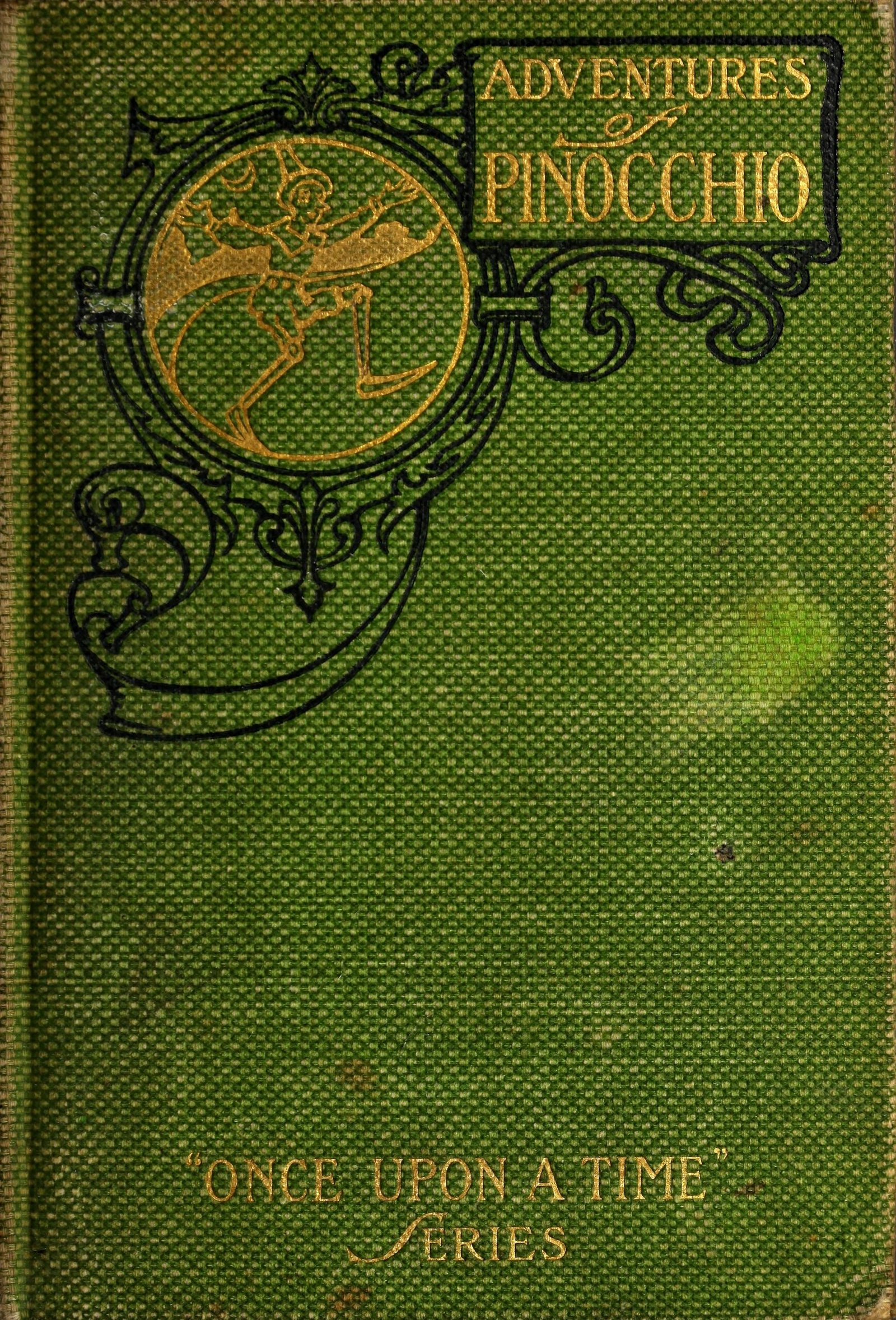
Carlo Collodi’s tale of a lying puppet has been translated into 300+ languages. Beyond its moral lesson (“Don’t lie, or your nose will grow!”), it taps into universal themes of redemption and growing up. Disney’s adaptation boosted its fame, but the original Italian story had already traveled far. From Japan to Brazil, kids everywhere know Pinocchio’s journey. Funny, dark, and strangely relatable, it’s a story that refuses to fade.
4. Pilgrim’s Progress – A Journey Through Faith and Language
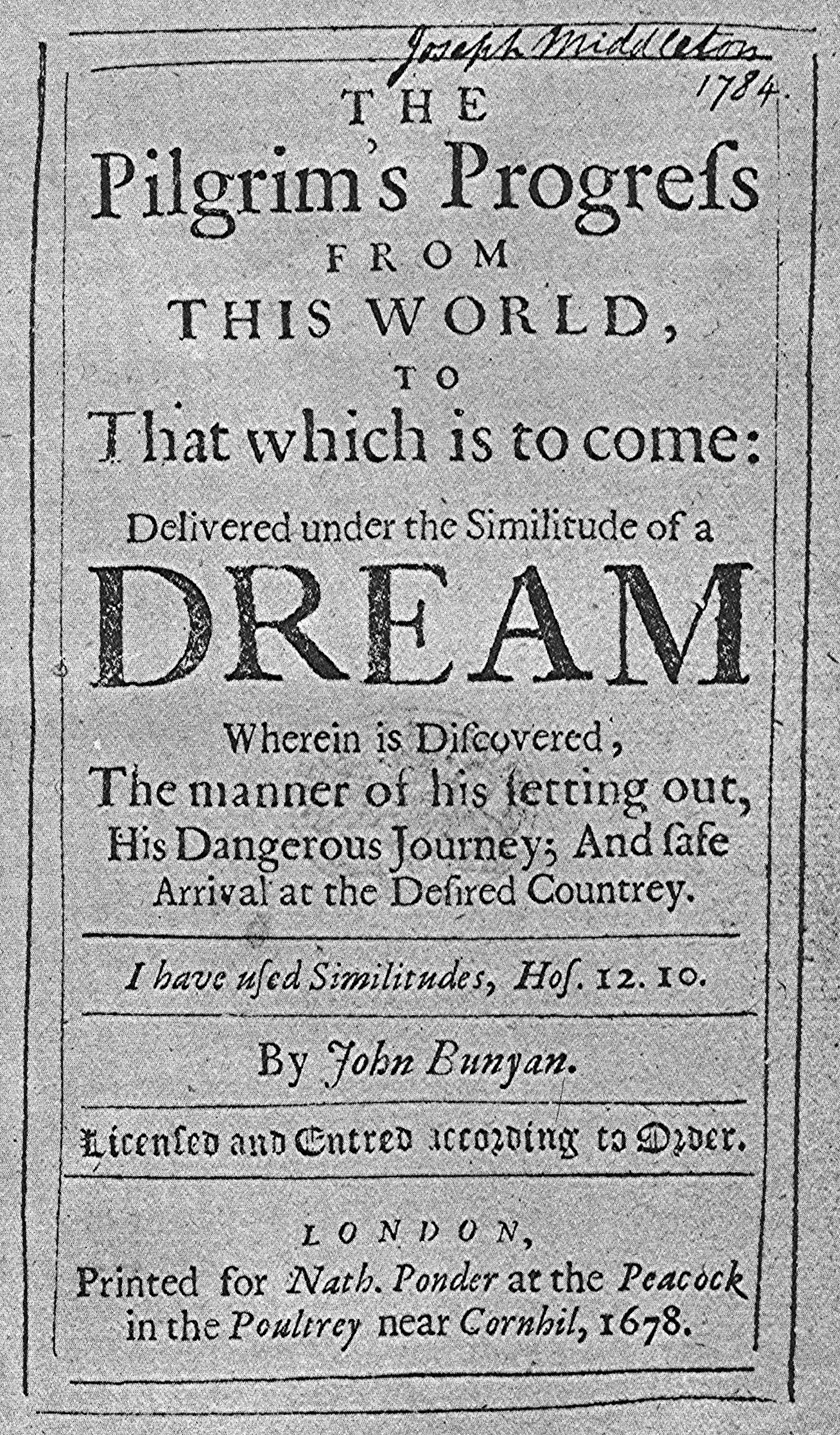
John Bunyan’s 17th-century allegory has been translated into 200+ languages, thanks to its importance in Protestant Christianity. Its story of a man’s spiritual journey resonated deeply in missionary-heavy regions. Even today, it’s a staple in many religious households. The book’s metaphors—like the “Slough of Despond”—have entered everyday speech. Not just a religious text, it’s also a landmark in English literature.
5. Alice’s Adventures in Wonderland – Nonsense Without Borders
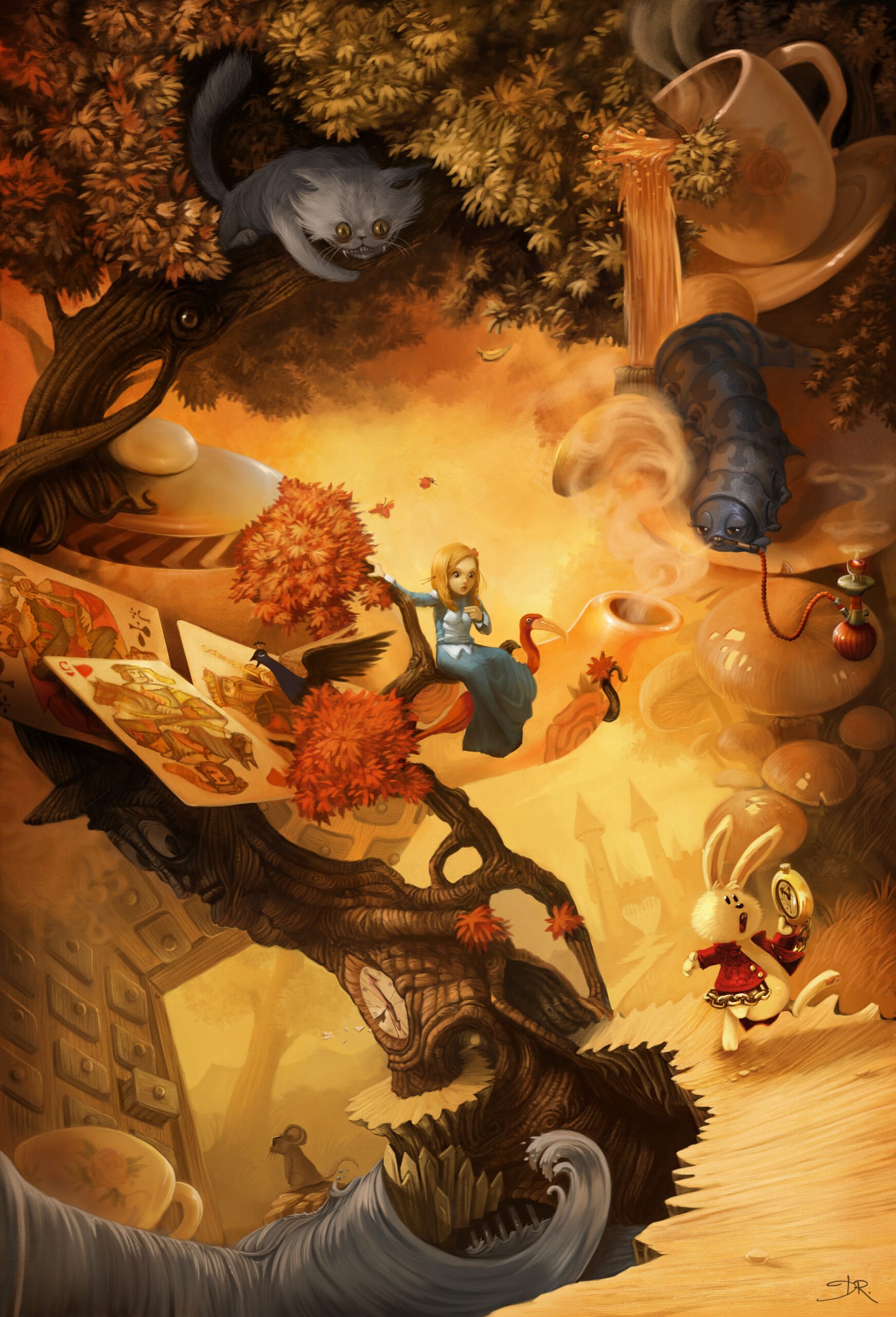
Lewis Carroll’s trippy tale thrives in 170+ languages because absurdity translates well. Who hasn’t felt like Alice, lost in a confusing world? The Mad Hatter, Cheshire Cat, and Queen of Hearts are now global icons. Its wordplay is a translator’s nightmare, yet it’s been adapted into countless dialects. From Russian to Swahili, Alice’s fall down the rabbit hole is a shared human experience.
6. Andersen’s Fairy Tales – The Original Viral Stories
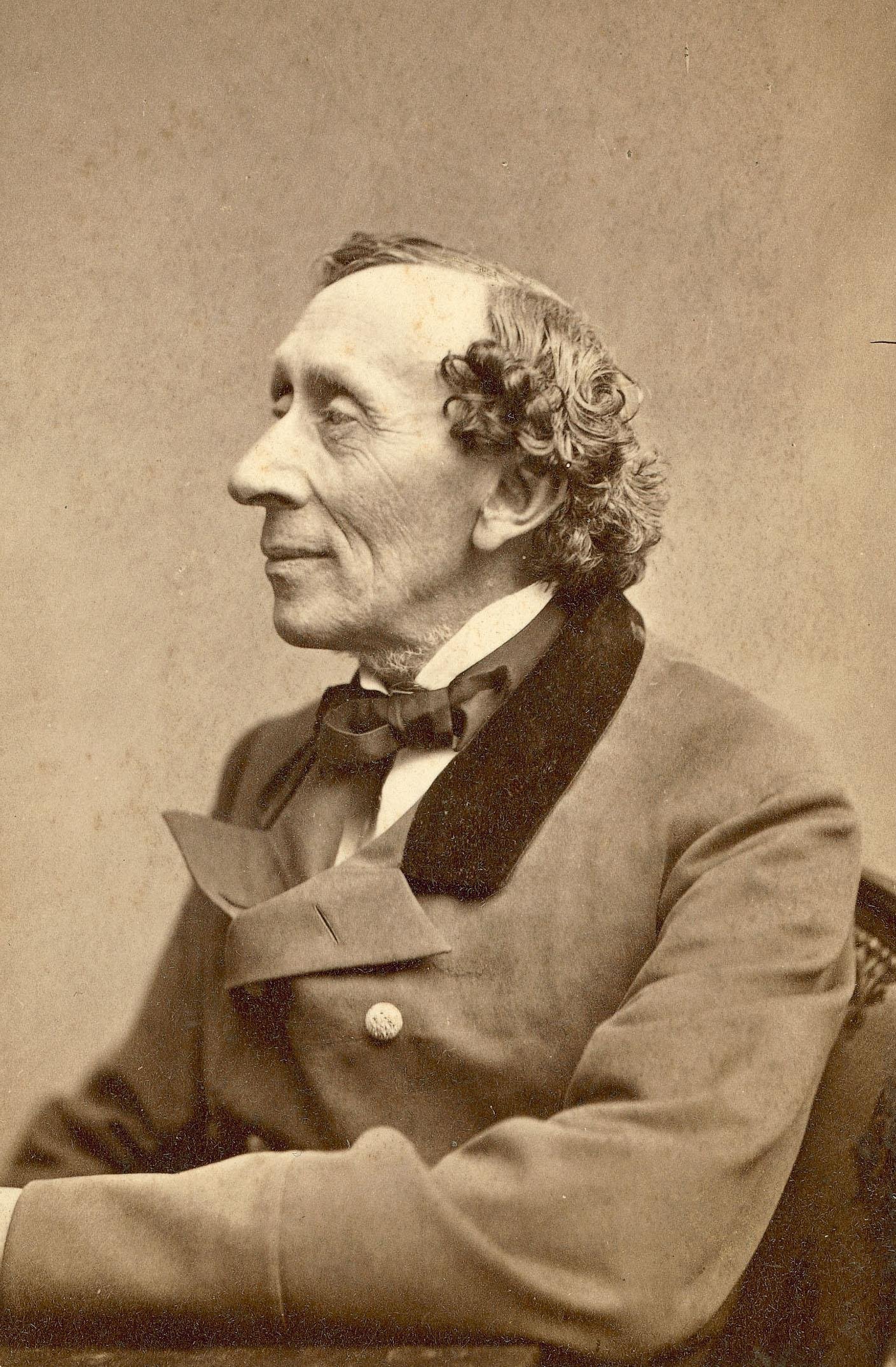
Hans Christian Andersen’s stories, like “The Ugly Duckling” and “The Little Mermaid,” exist in 160+ languages. Unlike the sanitized Disney versions, his tales are bittersweet and profound. They’ve shaped how cultures view resilience, love, and sacrifice. Ever heard someone say, “She’s such a Cinderella”? That’s Andersen’s legacy. His stories are whispered at bedtime from Copenhagen to Shanghai.
7. Harry Potter – The Modern Translation Phenomenon

J.K. Rowling’s wizarding world exploded into 85+ languages almost overnight. “The Philosopher’s Stone” broke records for speed and breadth of translation. Why? Because kids everywhere demanded to read it in their own tongue. From “muggle” to “quidditch,” Potterisms are now global slang. It’s rare for a new book to join the all-time translation ranks this fast.
8. The Little Red Book – Politics in Pocket Form

Mao Zedong’s “Quotations” (80+ languages) might surprise you on this list. But during the Cold War, it was a propaganda tool distributed worldwide. Communist parties from Africa to Latin America translated it to spread Mao’s ideology. Love it or hate it, its political impact was massive. Today, it’s more a historical curiosity than a bestseller.
9. The Alchemist – A Spiritual Bestseller
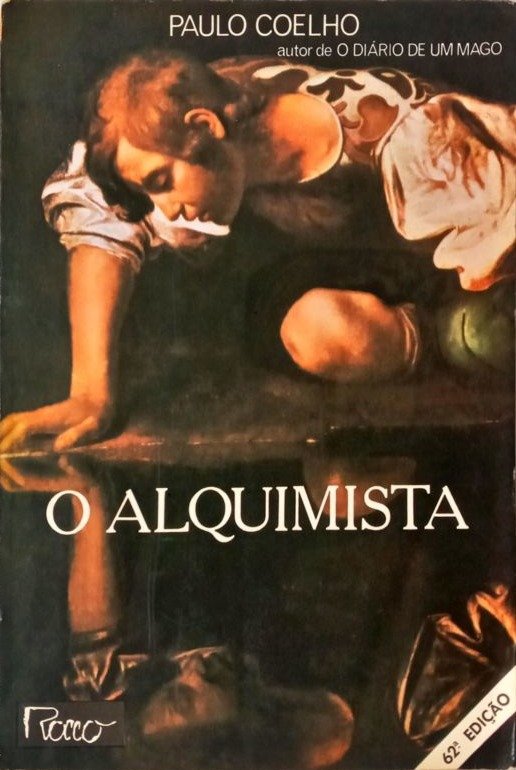
Paulo Coelho’s novel about destiny and dreams appears in 80+ languages. Its message—”When you want something, the universe conspires to help you”—struck a chord globally. Critics call it cheesy, but millions swear it changed their lives. From CEOs to backpackers, its simplicity travels well.
10. Twenty Thousand Leagues Under the Sea – Sci-Fi Before Sci-Fi Was Cool
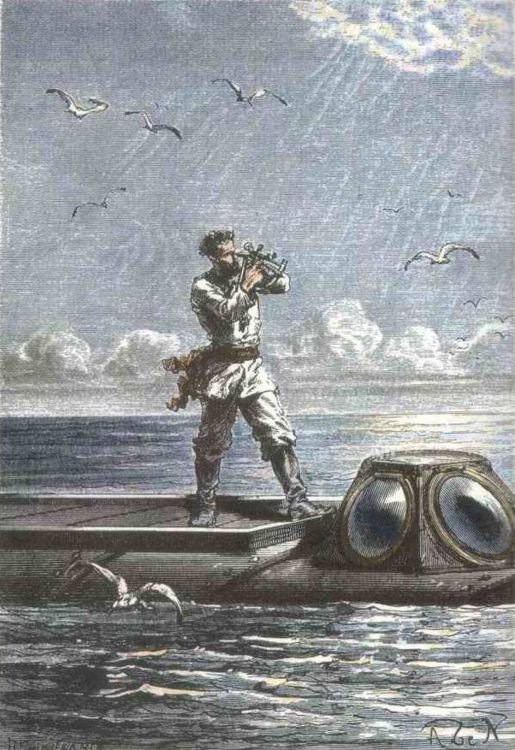
Jules Verne’s underwater adventure (70+ languages) made him the grandfather of sci-fi. Captain Nemo’s Nautilus feels futuristic even today. Its mix of science and imagination inspired generations of inventors. From Tokyo to Paris, kids still dream of exploring the deep thanks to Verne.
What’s your favorite book that’s traveled the world?

Besides founding Festivaltopia, Luca is the co founder of trib, an art and fashion collectiv you find on several regional events and online. Also he is part of the management board at HORiZONTE, a group travel provider in Germany.
