
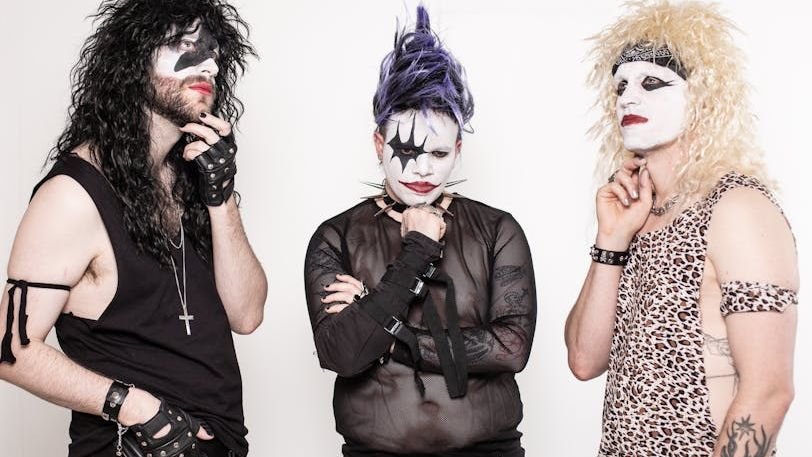

Think about the last time you flipped through an old photo album or stumbled across a throwback celebrity shot online. You probably knew the decade instantly, without even reading the caption. That’s how powerful hair has always been. Hairstyles have always been a reflection of human expression and identity, a way to showcase cultural, societal, and personal values, and a tool for self-expression and creativity.
The 80s and 90s, in particular, produced some of the most unforgettable hair moments in modern history. From sky-high perms to understated layered cuts, these two decades couldn’t have been more different from each other, yet both left permanent marks on the world of beauty. Hairstyles have always been more than just fashion. They reflect the culture, attitudes, and identity of their time, appearing in movies, magazines, and everyday life, shaping how people express themselves and how entire decades are remembered. So buckle up, because this is one wild ride through hair history.
The Big Perm: When Volume Was a Lifestyle
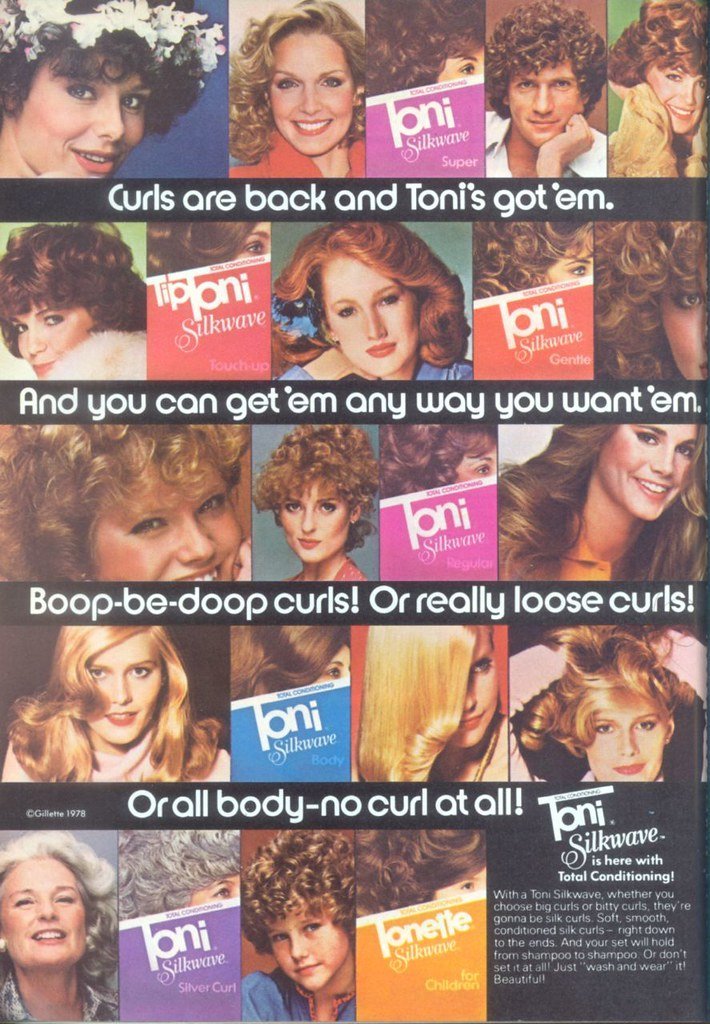
Volume was everything in the 1980s. Perms gave hair dramatic curls and height, creating the oversized look seen in music videos and fashion magazines. The bigger the hair, the more fashionable it seemed. Honestly, it wasn’t just a hairstyle choice. It was a worldview. If your hair wasn’t defying gravity, were you even trying?
Although straight hair was the norm at the beginning of the decade, by around 1982 the perm had come into fashion. Chemical hair treatment was popularized by the perm hairstyle, which resulted in soft, full curls. By the late 1980s, the permed bouffant had become highly fashionable among women of all walks of life, notably Princess Diana. The perm wasn’t just a salon trend. It was practically a cultural obligation for anyone who wanted to fit in.
The Mullet: Business in the Front, Party in the Back
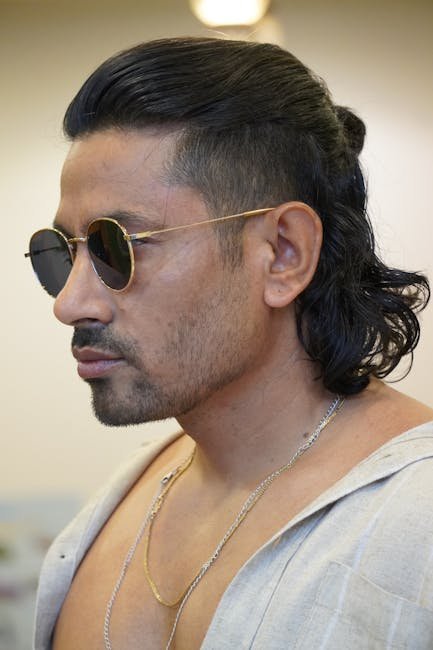
Let’s be real. No hairstyle from this era is more divisive than the mullet. The mullet haircut existed in several different styles, all characterized by hair short on the sides and long in the back. Mullets were popular in suburban and rural areas among working class men. Yet somehow it also crossed over into rock stardom and pop culture royalty.
Stars like David Bowie and Paul McCartney wore the mullet as far back as the early 1970s, but the “business in the front, party in the back” hairstyle didn’t truly take off until the mid-eighties. Mullets became very popular, as they were seen as being between conventional and rebellious. Actors like Patrick Swayze, Mel Gibson, and John Stamos all had a mullet while filming various movies and shows. Love it or loathe it, the mullet was genuinely a cultural phenomenon.
Jheri Curls: Shine, Bounce, and Cultural Significance
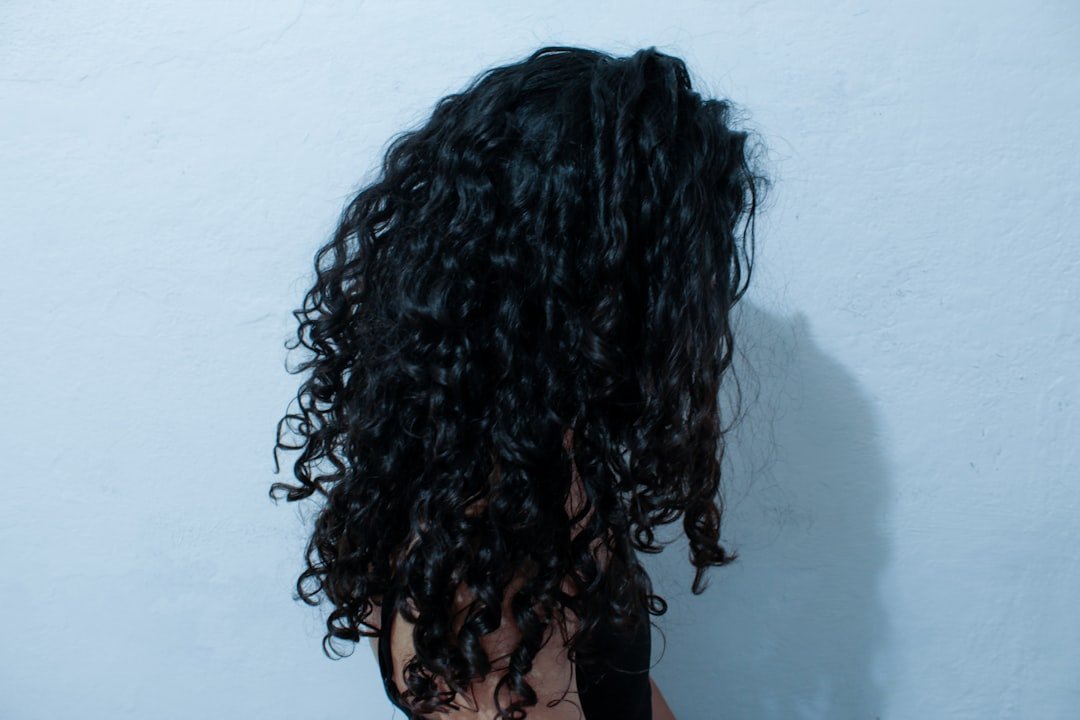
Michael Jackson wore his hair in Jheri curl style in the 1980s. It was popular among African Americans in the early decade, but its popularity waned by the end of the decade, with the hi-top fade partly replacing it. The Jheri curl was glossy, soft, and unmistakably 80s in every single way.
This choice became among the most popular 80s hairstyles thanks to music legends like Prince, Michael Jackson, Lionel Richie, and Rick James. The style required specific products and maintenance to keep those curls looking wet and defined. It wasn’t exactly low effort, but the payoff was a look that turned heads and made a statement about cultural identity, pride, and glamour all at once.
The High-Top Fade: Hip-Hop’s Crowning Achievement
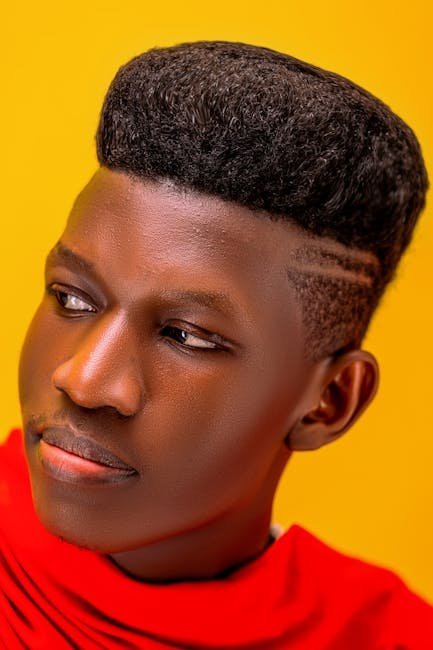
The high-top fade was a defining hairstyle for African American men and women in the 1980s. Characterized by a flat top and faded sides, this look was popularized by hip-hop artists like Kid ‘n Play and athletes like Grace Jones. The high-top fade was a bold statement of cultural pride and creativity, often sculpted into intricate designs.
Will Smith wore a trendy high-top fade for a 1990 promotional shoot for The Fresh Prince of Bel-Air. Will Smith’s high-top fade was as fresh as the Prince himself. This towering, neatly cropped hairstyle became a defining symbol of urban culture and hip-hop influence in the early 90s. Through television and public appearances, Smith turned a barbershop favorite into a national trend. I think it’s hard to overstate just how much this style meant beyond aesthetics. It was a declaration.
Big Glam Rock Hair: When Rock Stars Ruled the Mirror
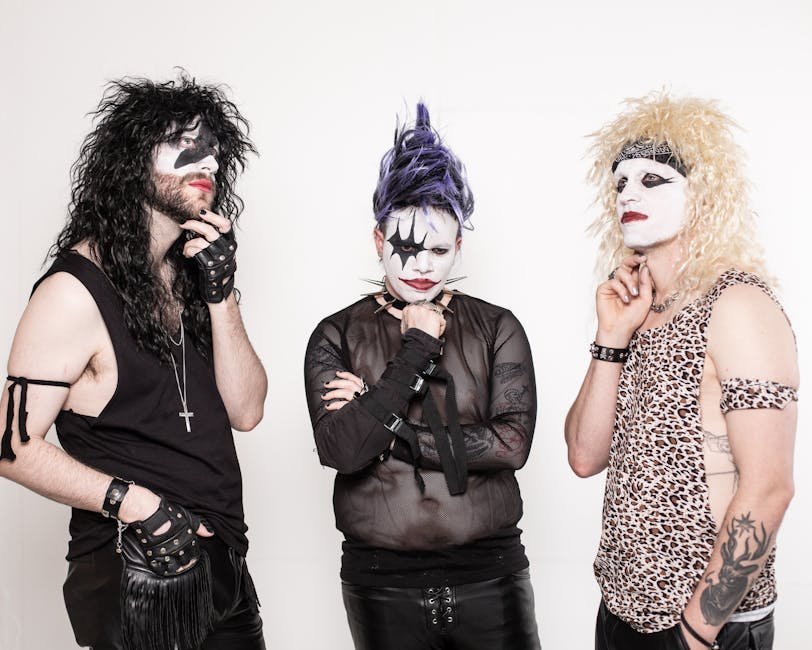
The long, permed hair look was particularly popular amongst male rock stars, associated with heavy metal and glam metal bands of this era such as Mötley Crüe, Bon Jovi, and Whitesnake. Think of it like wearing a lion’s mane on stage. The bigger the hair, the more powerful the performance felt.
When it comes to hair in the 80s, the styles were dramatic, voluminous, and filled with personality. From high-rise bangs and teased roots to layered shags and bright accessories, hair trends reflected the decade’s love of excess and individuality. Influenced by pop icons, rock stars and TV celebrities, these dramatic looks became cultural markers of confidence, rebellion, and fun. Television shows such as Dynasty helped popularize the high volume bouffant and glamorous image associated with it.
The Side Ponytail: Casual Cool With a Scrunchie on Top
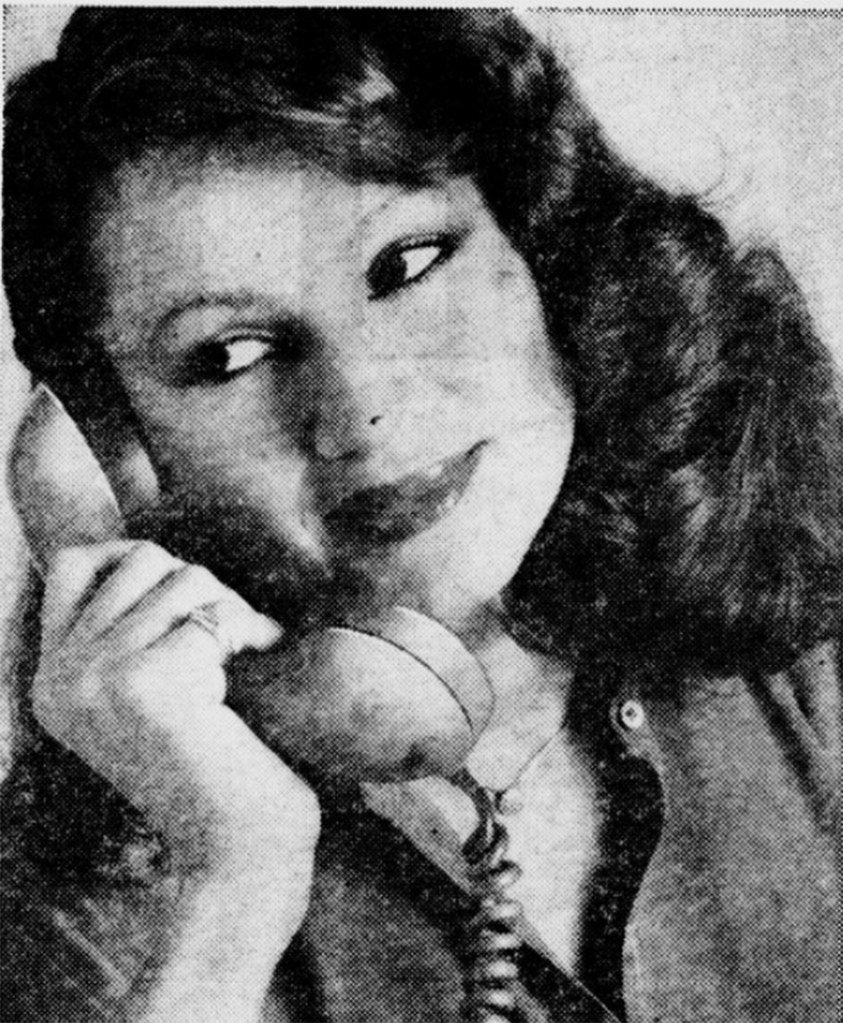
The side ponytail, often tied with a colourful scrunchie, was a fun and youthful style that became a hallmark of 80s fashion. This look was playful and easy to achieve, making it a favourite for casual outings and fitness enthusiasts alike. Celebrities like Debbie Gibson and TV characters like Punky Brewster made the side ponytail iconic.
Scrunchies and headbands made of elastic and cloth were popular in all different colors, styles, and patterns. Scrunchies were very popular in the side ponytail hairstyle. Paired with a neon workout leotard or a denim jacket, the side pony was basically the universal language of the 80s girl. It felt effortless, even when it absolutely wasn’t.
Feathered Hair: Layers That Flew Off the Decade
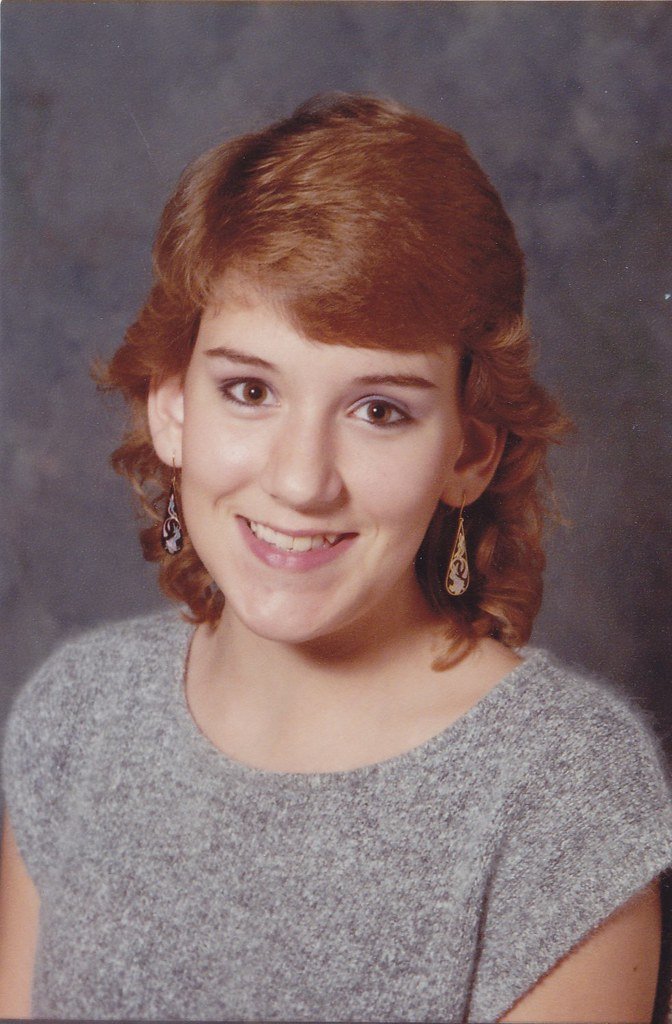
In the 1980s, feathered hair was a popular style characterised by multiple, finely cut layers that created a wispy, feather-like appearance. This hairstyle was typically styled away from the face to emphasise the layers and enhance volume. It was seen on celebrities in the 80s, such as Heather Locklear. The look was polished but still carried an air of effortless movement. Think of it as glamour with a breeze built in.
These hairstyles became prominent in the 70s and 80s, with starlets like Farrah Fawcett of “Charlie’s Angels” fame making it an iconic look. Today this style is just as trendy, with celebrities like Jennifer Lopez and Selena Gomez rocking the timeless look. Feathered hair proved that some styles are genuinely timeless, not just recycled out of nostalgia.
Crimped Hair: The Texture Nobody Planned but Everyone Loved
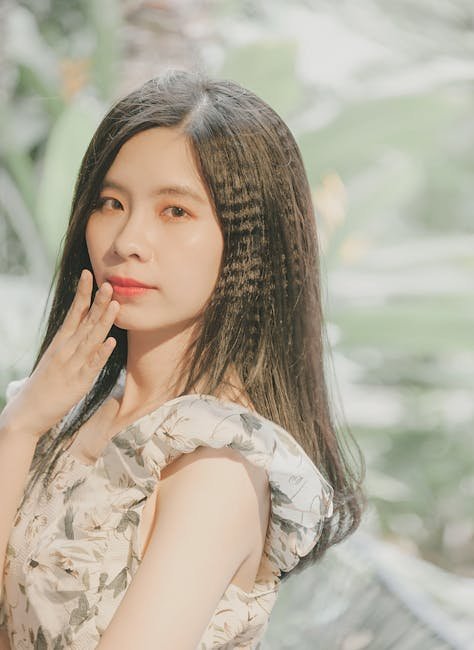
Beginning in the late 1980s and taking off in the following decade, hair crimping is a method of creating small, sawtooth waves in naturally straight hair. It looked like your hair had taken a nap in a waffle iron, and somehow that was completely brilliant. Crimped hair was as fashionable as the large wave.
Crimped hair was also a beloved hairstyle at the time, with tools like the Windmere Crimper. Every teenager in the late 80s and early 90s knew the ritual: section the hair, clamp the crimper down, wait, repeat. The result was this electric, almost geometric texture that paired perfectly with the decade’s bold fashion energy. It was pure, unapologetic fun.
The Rachel Cut: A Haircut That Launched a Thousand Salon Visits
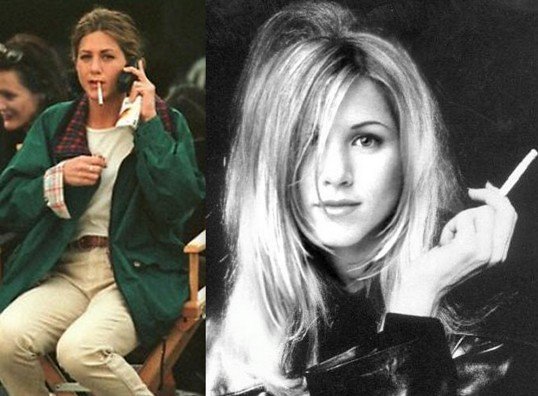
Here’s the thing about “The Rachel.” It might be the single most culturally impactful haircut of the entire 20th century. The 90s were a decade of diversity in fashion and hairstyles, but nothing captured the zeitgeist like “The Rachel,” named after Jennifer Aniston’s character on Friends. It wasn’t long before women were flooding salons with photos of Jennifer Aniston.
Inspired by Jennifer Aniston’s character on Friends, the Rachel cut became one of the most requested hairstyles of the 1990s. The layered, bouncy style framed the face perfectly and offered a modern yet polished look that women everywhere tried to copy. Magazines like Cosmopolitan and Vogue featured the haircut, and it was discussed on various fashion TV shows, amplifying its influence even more. It was basically the first viral hair trend before the internet even existed.
Grunge Hair: The Anti-Style That Became Everything
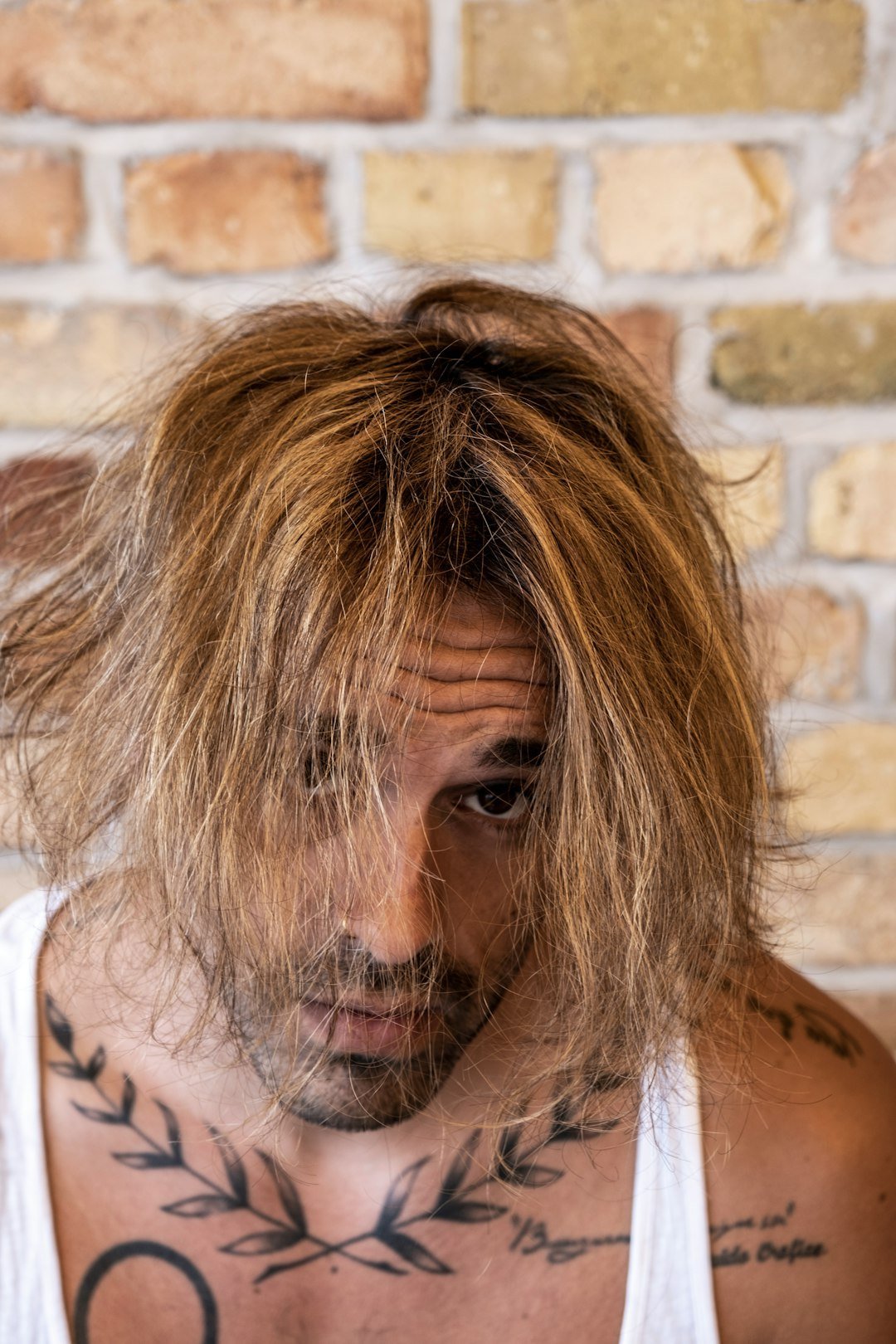
As the 80s gave way to the 90s, a seismic shift occurred in the realm of men’s hairstyles. The grunge movement emerged as a powerful cultural force, with bands like Nirvana and Pearl Jam championing a raw, unfiltered aesthetic that resonated with a generation disillusioned by mainstream culture. This wasn’t just hair. It was a rejection of everything the 80s stood for.
The grunge movement brought forth a disheveled and rebellious aesthetic in the 90s. Men embraced longer hair with natural, tousled textures, perfectly complementing grunge fashion. The beauty of grunge hair was its complete and deliberate disregard for beauty. Where the 80s demanded hairspray and effort, grunge demanded you appear not to care. Pulling that off convincingly, ironically, took a certain kind of skill.
Curtain Hair: The Heartthrob’s Signature
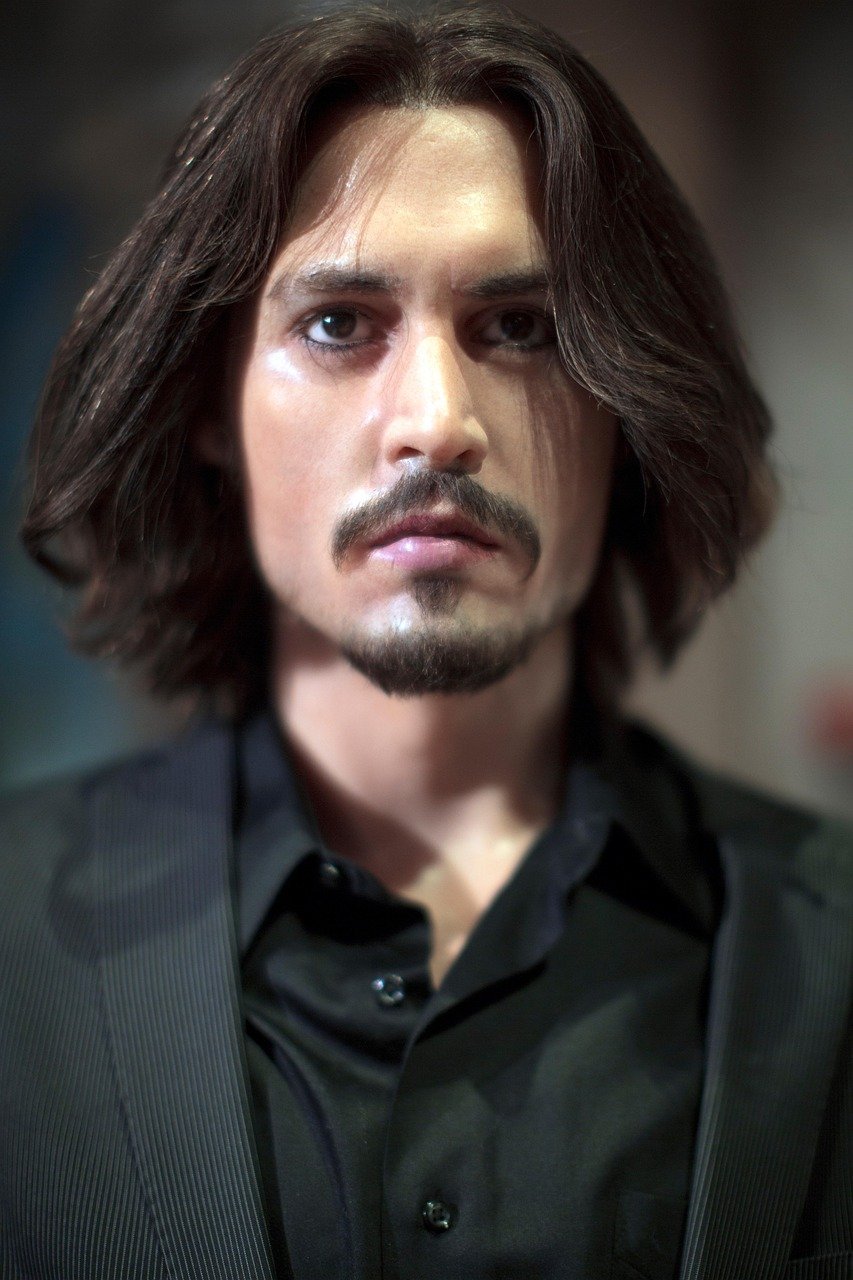
It’s the hairstyle sported by the most popular teen heartthrobs in the nineties: curtain hair. This swoopy, messy look usually falls around the ear. It was the hair equivalent of a smoldering look. Effortless. Romantic. Impossibly photogenic.
Leonardo DiCaprio rocked his famous curtains hairstyle in 1995. Few could forget Leonardo DiCaprio’s iconic curtain hairstyle in the 1990s. Resembling a theater curtain parted down the middle, the blonde actor’s style embodied youthful spontaneity. As DiCaprio’s star ascended, so did the popularity of this cut, affirming its role as a defining look of the era. Every teenage boy with a center part in the mid-90s owed Leo a quiet thank you.
Frosted Tips: Bold Bleach Decisions and Boy Bands
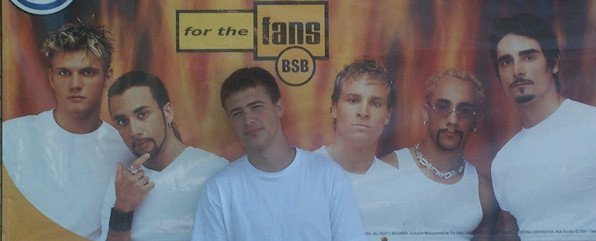
This trend involved bleaching the ends of the hair to achieve a lighter shade, creating a striking contrast with the natural color. Popular among boy bands and pop stars, frosted tips added an edgy and fashion-forward element to their overall image. The look was somehow both bold and completely approachable at the same time.
Frosted tips became a cultural phenomenon largely thanks to the surge of boy bands and pop icons who championed the look in music videos, magazine spreads, and televised performances. Groups like NSYNC and the Backstreet Boys, along with solo acts like Justin Timberlake, sported frosted tips as a defining element of their stage personas, sparking a wave of copycat hairdos among fans. This marked a time when men felt more freedom to experiment with bold hair statements, and frosted tips offered just the right blend of edgy and approachable.
Box Braids: A Powerful Style With Deep Roots
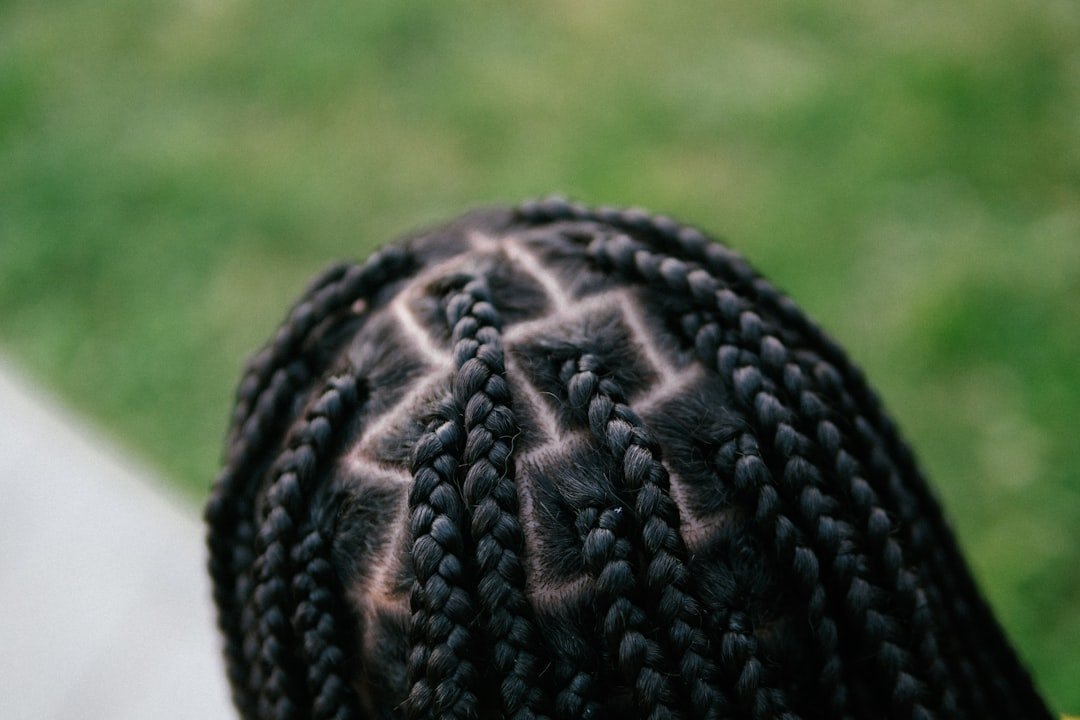
Box braids provided a new twist on the classic braid. To create a box braid, four strands of hair are woven together to create a square, box-like shape. The look was especially popular amongst African-American women during the 1990s and still maintains a certain level of popularity today. Janet Jackson’s portrayal of Poetic Justice in 1993 turned this style into a full cultural moment.
Box braids were simultaneously protective, practical, and visually striking. They carried deep ties to African hair traditions while becoming a mainstream fashion statement through celebrity visibility. The style said something important. Representing cultural pride while walking through a world that didn’t always celebrate it took real courage, and that resonance has kept box braids alive and beloved for decades since.
Sleek Straight Hair: The 90s Shift Toward Minimalism
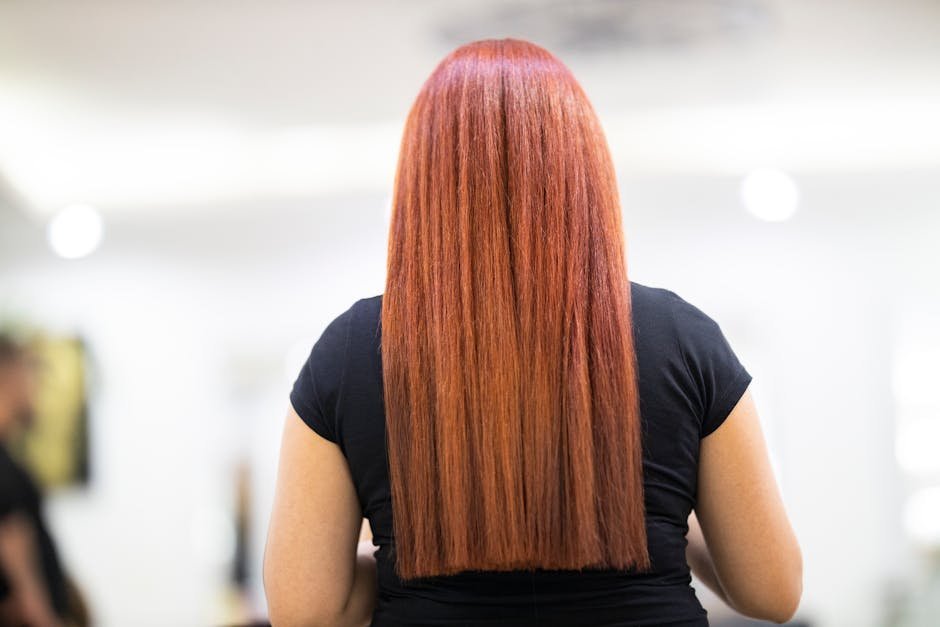
After a brief curly hair trend during the early part of the decade, celebrities began shunning the mega-curls and perms of the eighties, instead opting for extremely long, straight locks. The use of straightening irons became a standard part of many hair routines in order to achieve the sleek look. It was a massive, deliberate pivot away from everything the 80s had celebrated.
Hairstyles became straighter and sleeker, including the iconic “Rachel” cut made famous by Jennifer Aniston. These changes in accessories and hair reflected the broader shift from dramatic self-expression to understated, casual style. Where the 80s screamed “look at me,” the 90s whispered “I’m naturally this cool.” It’s a fascinating inversion when you think about it, and honestly a refreshing one.
The Pixie Cut: Short, Sharp, and Completely Fearless
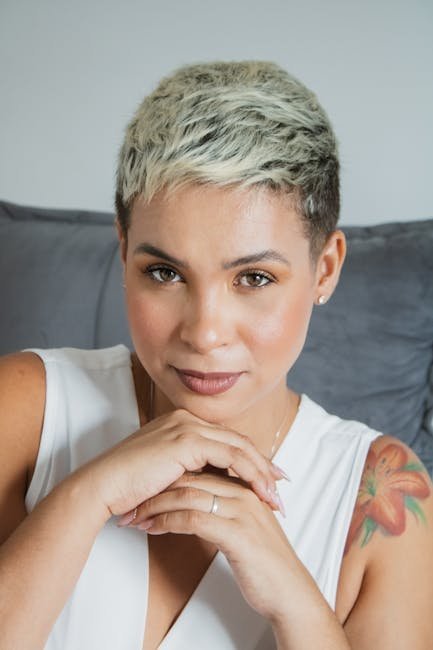
The pixie has been a popular hairstyle for decades and is continually re-invented. During the 1990s, actress Winona Ryder took the hair world by storm when she opted for a stylish, piecey pixie cut. Suddenly, the pixie received yet another revival with clients wanting the gorgeous, feature-highlighting look. Cutting your hair this short in the 90s was genuinely considered a radical act.
The pixie cut challenged every expectation of what femininity was supposed to look like. It was sharp, it was confident, and it required zero apology. In a decade that was quietly reshaping gender norms through fashion and music, the pixie cut stood as a very visible marker of that shift. Short hair became an emblem of independence rather than a compromise, and that reframe was nothing short of revolutionary.
Conclusion: Fashion Is a Circle, and Hair Proves It Every Time
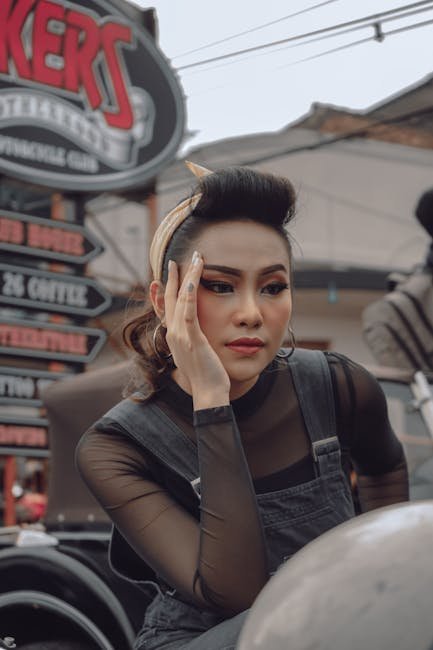
Fashion is cyclical, and what was once considered outdated can become trendy again. The mullet is no exception, and its comeback highlights the ever-changing nature of style and the influence of nostalgia on contemporary fashion. That’s the funny thing about trends. We mock them, abandon them, and then miss them desperately about twenty years later.
Many elements of 80s and 90s fashion have returned in contemporary style. Neon colors, oversized blazers, and high-waisted pants echo the boldness of the 80s, while grunge-inspired plaid, slip dresses, and minimalistic logos pay homage to the 90s. Designers often mix elements from both decades, creating a nostalgic yet modern aesthetic. This cyclical nature of fashion allows individuals to experiment with retro trends while integrating them into everyday wear.
The hairstyles of the 80s and 90s weren’t just about looking good. They were about belonging, rebelling, expressing, and sometimes just surviving high school with your confidence intact. These styles didn’t just change how people looked in the mirror each morning. They shifted culture, inspired movements, and gave generations their visual identity. So the next time you spot curtain bangs or a modern mullet on a stranger, just remember: hair has always had something to say. The question is, are you listening?
Which one of these iconic hairstyles was your personal favorite, or your biggest regret? Tell us in the comments!
CEO-Co-Founder
