

Rock music and literature share more DNA than most people realize. The same restless energy that drives a guitarist to shred through a solo is often the same force that pushes a novelist to craft an unforgettable character. Over decades of rock history, musicians have raided bookshelves, dog-eared pages, and borrowed names from some of the most iconic figures in fiction. The results are surprisingly brilliant.
Some of these band names you have heard a thousand times on the radio. Others might surprise you completely. But once you know the story behind each name, you will never hear these bands the same way again. Let’s dive in.
1. Uriah Heep: The Scheming Villain From David Copperfield
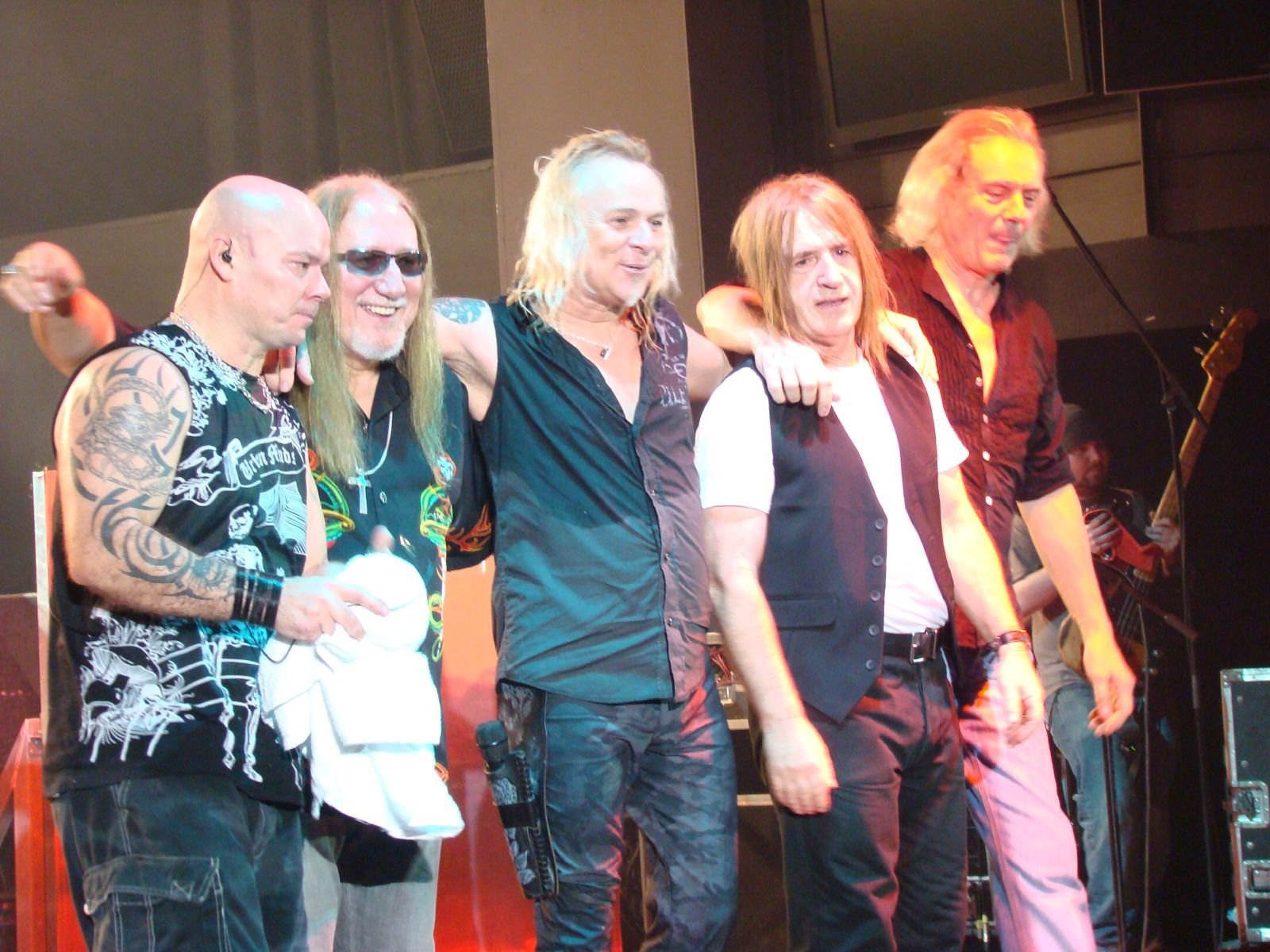
Not many rock bands would choose to name themselves after one of literature’s most despised characters, but Uriah Heep did exactly that. When the London R&B band Spice were signed up to new management at the end of 1969, they expanded their sound and changed their name to Uriah Heep, a devious character from Charles Dickens’ 1850 novel David Copperfield.
The timing was oddly perfect. When the band’s debut album arrived in June 1970, it neatly coincided with the 100th anniversary of Dickens’ death. Honestly, the name fits like a glove. Uriah Heep the character is a master manipulator who pretends to be humble while scheming behind everyone’s back. There’s something darkly poetic about a hard rock band borrowing that energy.
2. The Boo Radleys: Harper Lee’s Most Mysterious Recluse
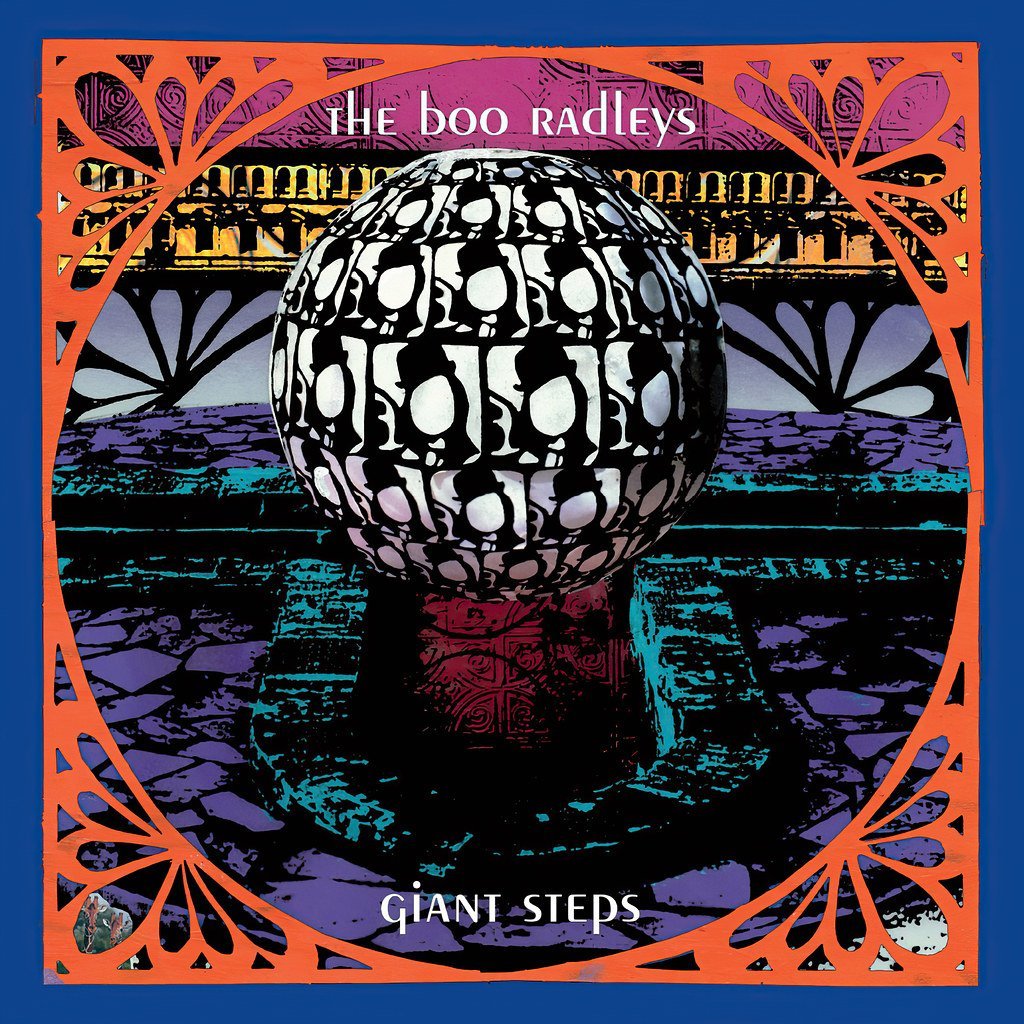
The Liverpool band, best known for their 1995 hit ‘Wake Up Boo,’ were named after a character in Harper Lee’s To Kill a Mockingbird, first published in 1960. Arthur ‘Boo’ Radley is a local recluse who proves pivotal in the story.
Think about it. A band named after one of the most quietly powerful figures in American literary history. It’s both understated and loaded with meaning. The English alt-rock band of the 1990s, named for the reclusive and unforgettable character from Harper Lee’s novel, had one top ten single called “Wake Up Boo!” There’s a beautiful irony in a shy, hidden character inspiring a band that became publicly beloved.
3. Veruca Salt: Roald Dahl’s Most Spoiled Golden Ticket Winner
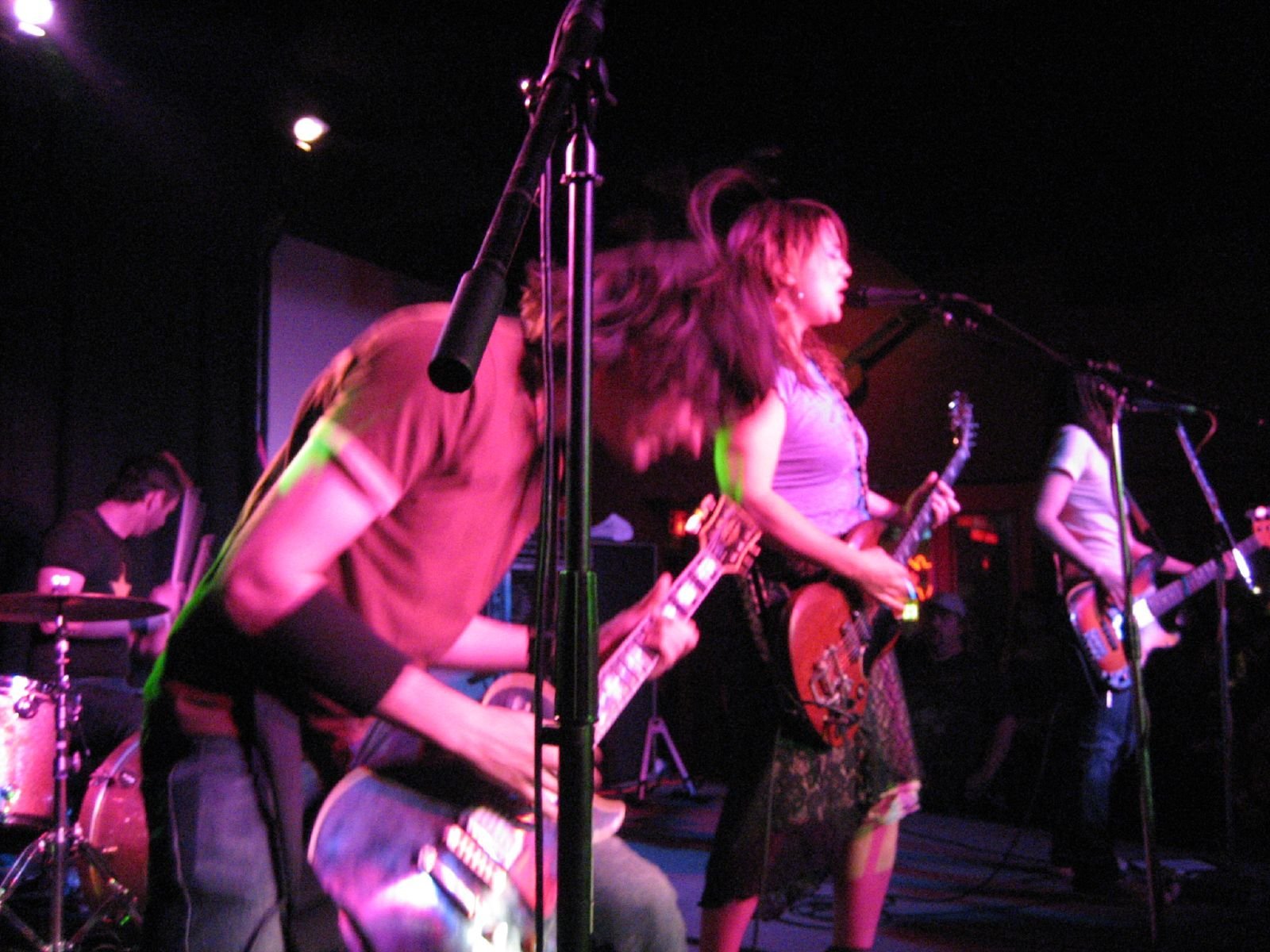
Uploaded by NoCultureIcons, CC BY 2.0)
Let’s be real, Veruca Salt is one of the most perfectly unpleasant characters Roald Dahl ever invented. Alternative rock band Veruca Salt is named after the spoiled girl who wins one of the Golden Tickets in Charlie and the Chocolate Factory by Roald Dahl.
The Chicago indie rockers from the 90s are named after the obnoxious child in Roald Dahl’s Charlie and the Chocolate Factory. Musicians Louise Post and Nina Gordon were slightly appalled to find out what a ‘verruca’ actually was. Naming a band after a brat who ends up down a rubbish chute might seem like an odd choice, but it comes with a certain rebellious swagger that suits indie rock perfectly.
4. Titus Andronicus: Shakespeare’s Most Violent Creation
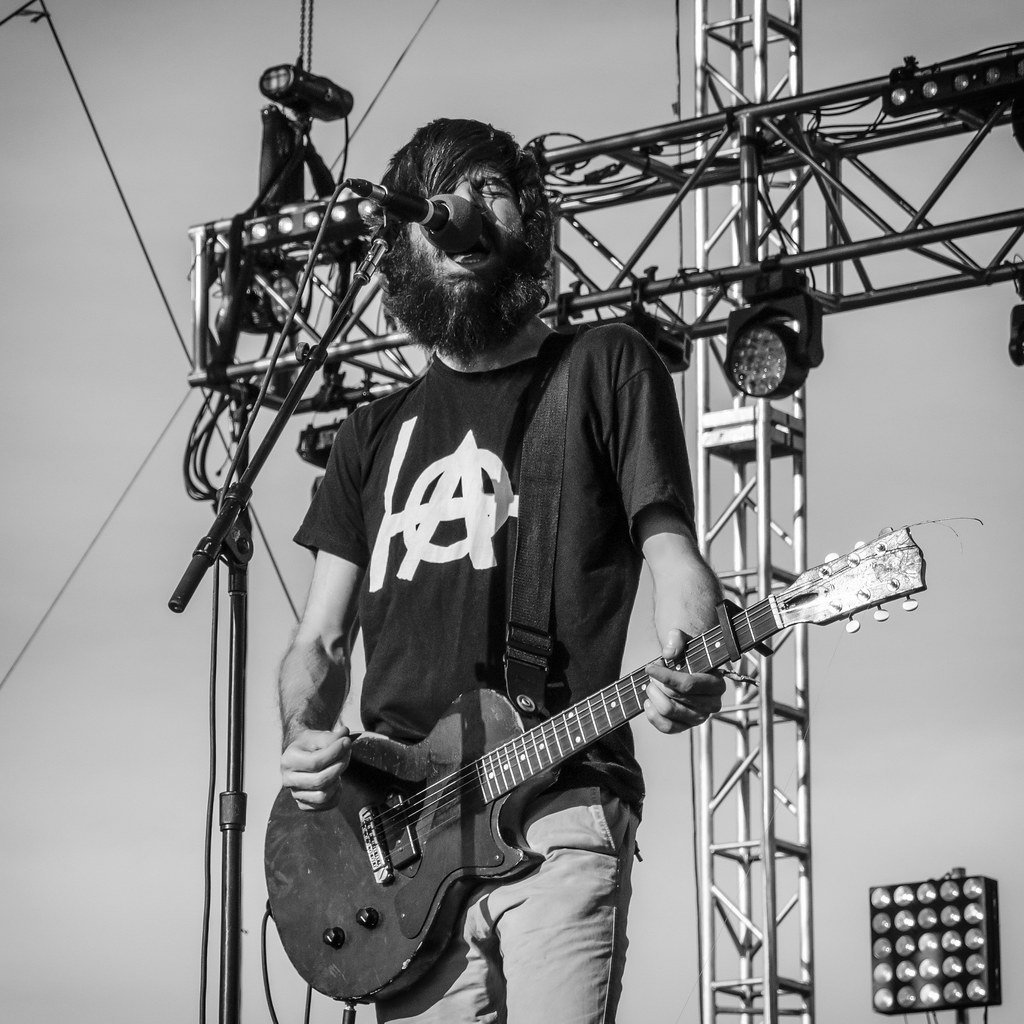
The New Jersey punk band named themselves after William Shakespeare’s Titus Andronicus, one of the Bard’s most bloody and violent plays. Titus Andronicus is thought to be the famous playwright’s first tragedy. It is also his bloodiest and most violent work.
It sounds crazy, but a New Jersey punk band channeling the most brutal Shakespeare play ever written actually makes complete sense. Punk and Elizabethan revenge tragedy have more in common than you’d think. Both thrive on chaos, both refuse to look away from the ugly side of humanity.
5. Steely Dan: The Shadowy Object From Naked Lunch
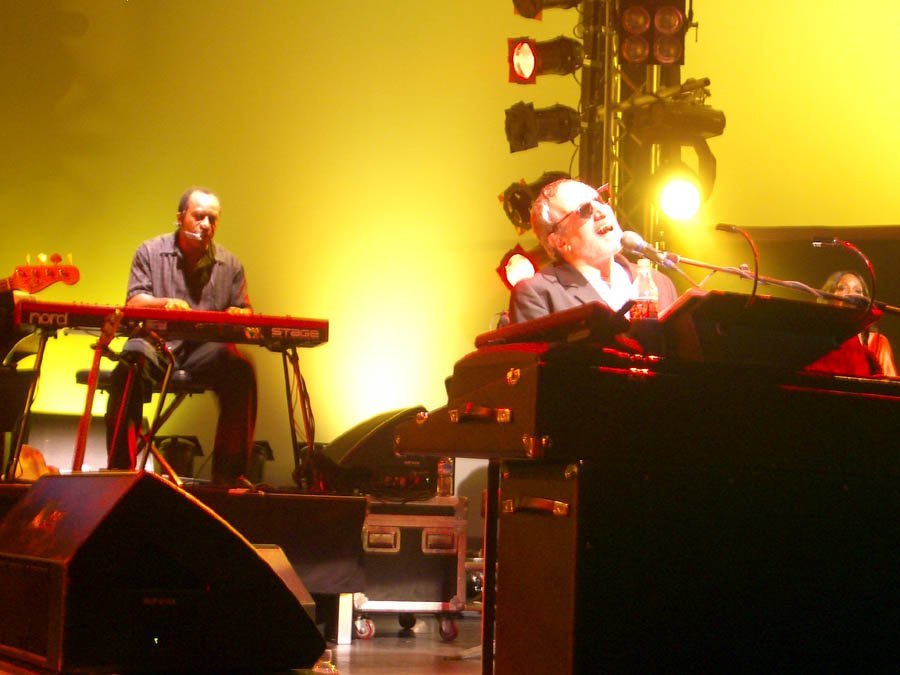
This one is genuinely shocking if you don’t already know it. Donald Fagen and Walter Becker of the jazz-rock outfit Steely Dan were fans of the writings of the beatniks, so when coming up with a band name, they drew inspiration from the greats. Steely Dan was the name of a steam-powered dildo in William S. Burroughs’ 1959 novel Naked Lunch.
One of the most critically acclaimed rock bands in history, with a Grammy-winning legacy, named after an object from one of the most scandalous novels of the 20th century. Steely Dan was the name of a ‘sex toy’ in Beat writer William S. Burroughs’ abject 1958 novel, Naked Lunch. You really can’t make this stuff up.
6. The Artful Dodger: Dickens’ Pickpocket Prince

British garage band The Artful Dodger was named after the leader of the juvenile pickpocket gang in Charles Dickens’s Oliver Twist. The name was said to have been inspired by all the bootleg songs they made when they first got started in the music industry.
There’s a poetic symmetry there. A band known for making bootleg music choosing the name of literature’s most famous street thief. The pickpocket from Dickens’s Oliver Twist lent his name to an American power rock band. Their second album was called Honor Among Thieves. That album title alone shows they fully leaned into the character’s spirit.
7. Billy Pilgrim: Kurt Vonnegut’s Unstuck Time Traveler

An American folk rock duo based in Atlanta was named for the antihero of Kurt Vonnegut’s Slaughterhouse-Five. Billy Pilgrim is one of the strangest, most lovable characters in all of American fiction. A World War II soldier who becomes ‘unstuck in time,’ wandering between moments of his life with no control.
Naming a folk rock band after a man who can’t control where he ends up in time feels almost philosophically correct. It’s hard to say for sure whether the band intended the full weight of that metaphor, but it works beautifully. Vonnegut would probably approve.
8. Atreyu: The Hero of The Neverending Story

Better known in its film form, the novel The Neverending Story is unforgettable for its dragon-riding protagonist Atreyu, which is where the band got their name. The metalcore band Atreyu borrowed the name of a brave young warrior sent on an impossible quest to save a dying world.
Think about the contrast there. A character from a beloved children’s fantasy novel inspiring one of the heavier metalcore bands of the early 2000s. Is there anything more metal than a flying dog dragon? Probably not, which is why it’s such a great name for this metalcore band. The adventure spirit of the source material actually carries over surprisingly well.
9. Holden (From The Catcher in the Rye)
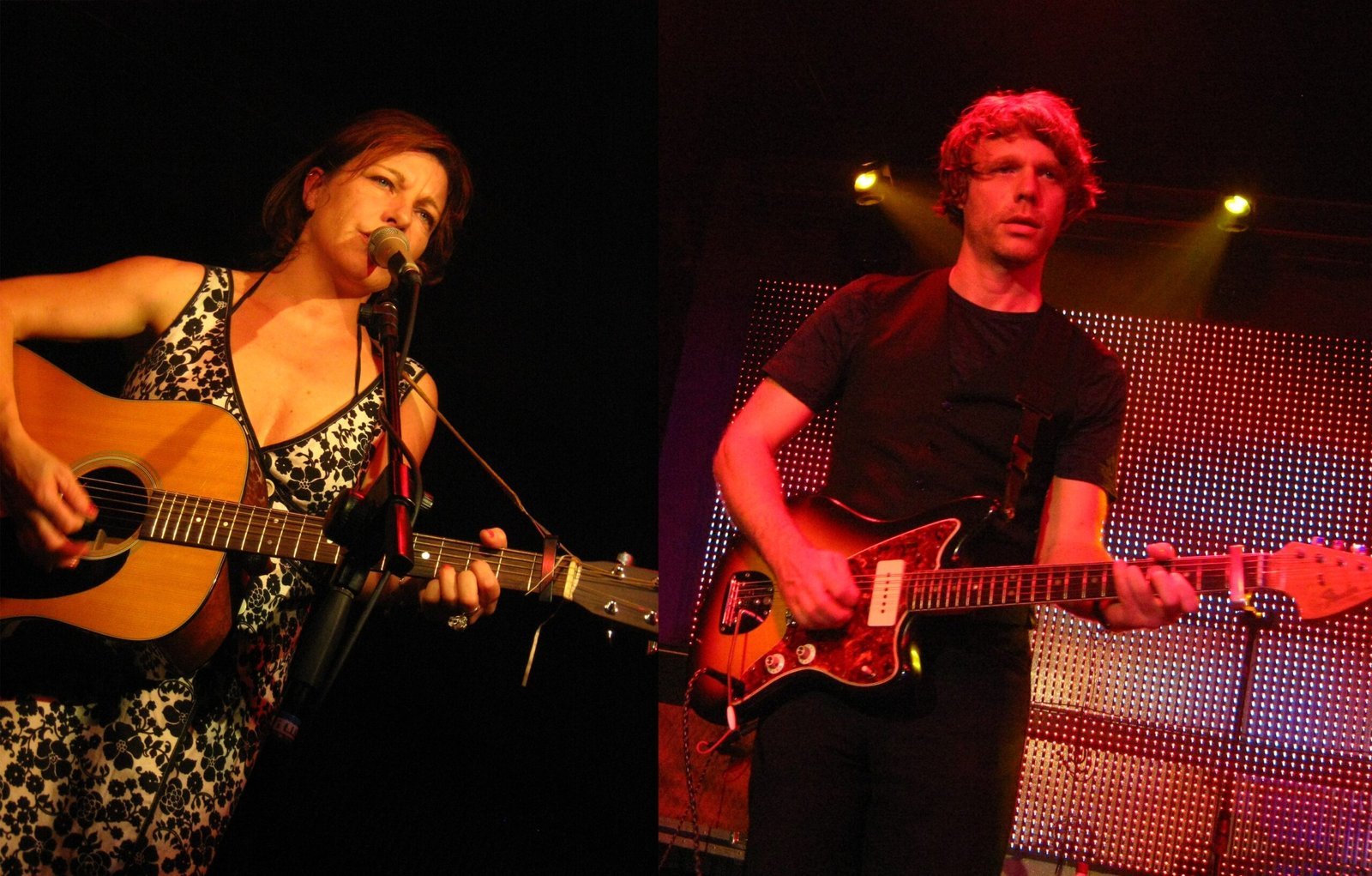
Holden 2009 (Armelle Pioline).jpg:
Holden 2009 (Dominique Dépret).jpg:, CC BY-SA 4.0)
J.D. Salinger’s rebellious teenager from The Catcher in the Rye is an icon of literature, and the namesake of a band with an album called The Art of Burning Bridges. Holden Caulfield remains one of fiction’s great symbols of adolescent frustration and distrust of authority. It’s almost too obvious a choice for a rock band, and yet it works.
The character embodies that raw, restless feeling that rock music has always captured better than any other genre. Cynical, emotional, and desperately searching for something real. Sound familiar?
10. Thin Lizzy: The Robot Maid From a Children’s Comic
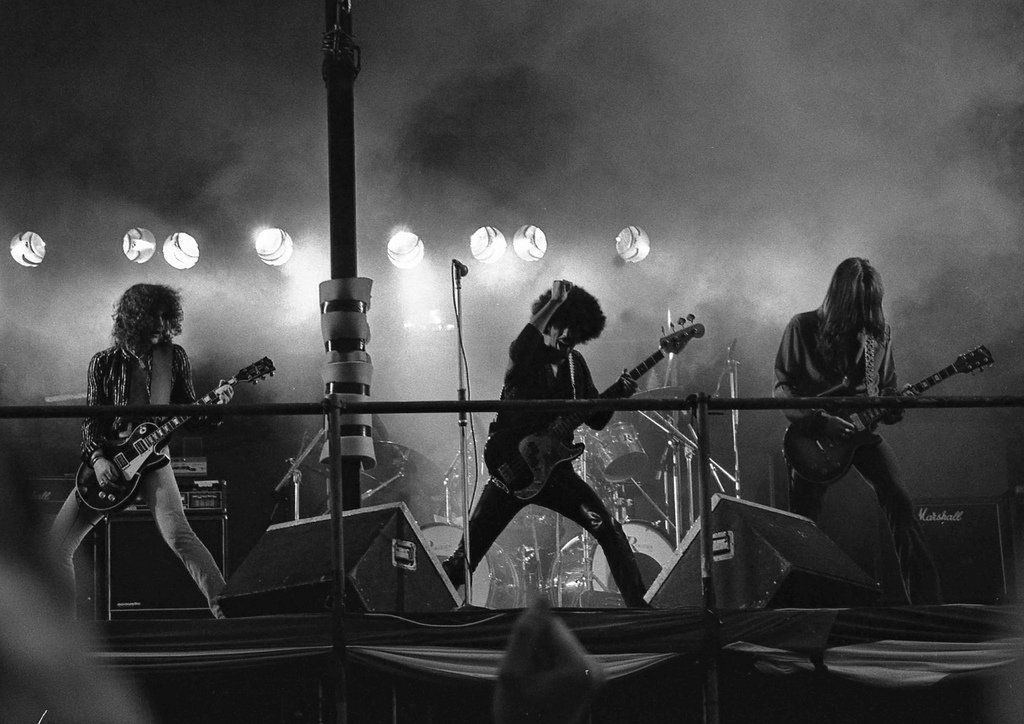
Here’s one that genuinely surprises people. In early 1970 Phil Lynott and Eric Bell named their Dublin-based heavy rock act after a character from the long-running kids’ comic The Dandy. Tin Lizzie first appeared in the paper in 1953 as an old-fashioned text story, but was given a reboot as a picture strip.
A decade later, Bell recalled the character when trying to think up a name for the new group, and thought the Irish pronunciation of the word ‘thin’ would make for a nice pun. So one of rock’s most beloved bands, responsible for classics like ‘The Boys Are Back in Town,’ quietly owes its name to a cartoon robot maid from a children’s weekly. Brilliant.
11. Bandersnatch: Lewis Carroll’s Creature From Jabberwocky

The 1960s psychedelic rock band, which later splintered into the Steve Miller Band and Journey, took its name from the frumious Bandersnatch, a creature in Lewis Carroll’s nonsense poem ‘Jabberwocky’ from Through the Looking-Glass.
Lewis Carroll invented some of the most wonderfully bizarre creatures in all of English literature, and the Bandersnatch is among the most memorable. A snarling, frenzied beast that can’t be reasoned with. For a psychedelic rock band trying to capture the wild, untamed energy of the late 1960s, it was a perfect fit. The DNA of that band later became Journey, which makes this an origin story worth knowing.
12. Dorian Gray: Oscar Wilde’s Soul-Selling Aesthete
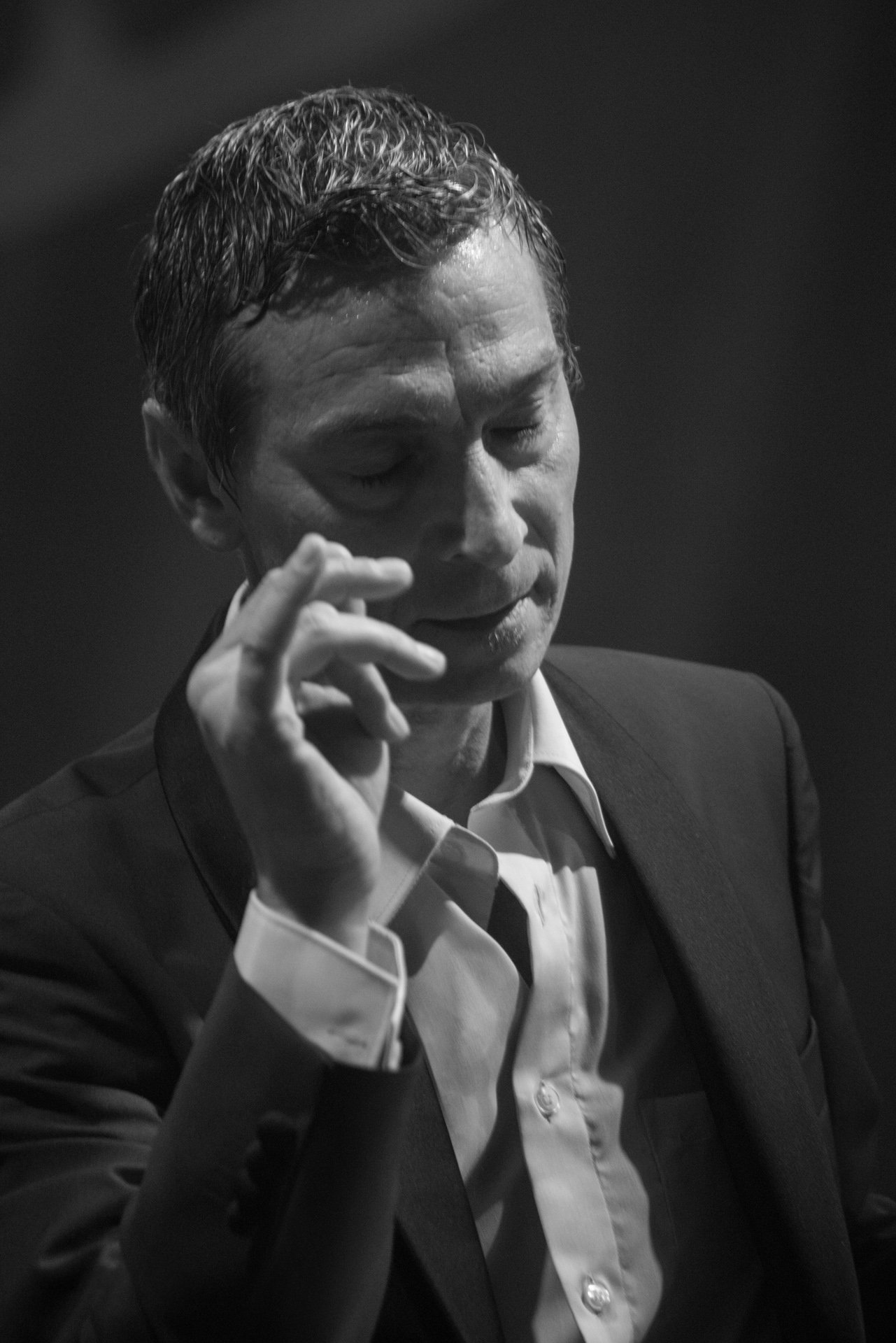
In Oscar Wilde’s only published novel, The Picture of Dorian Gray, the title character sells his soul so that only a painting of him ages, not the man himself. The character has inspired music, fashion, and entire subcultures across the decades. It’s no wonder multiple rock acts have borrowed the name.
There’s something deeply rock and roll about Dorian Gray’s whole philosophy. Live hard, stay young, let the consequences catch up elsewhere. The novel’s themes of vanity and moral corruption translate disturbingly well into the world of classic rock excess.
13. Billy Talent: The Tragic Figure From Hard Core Logo
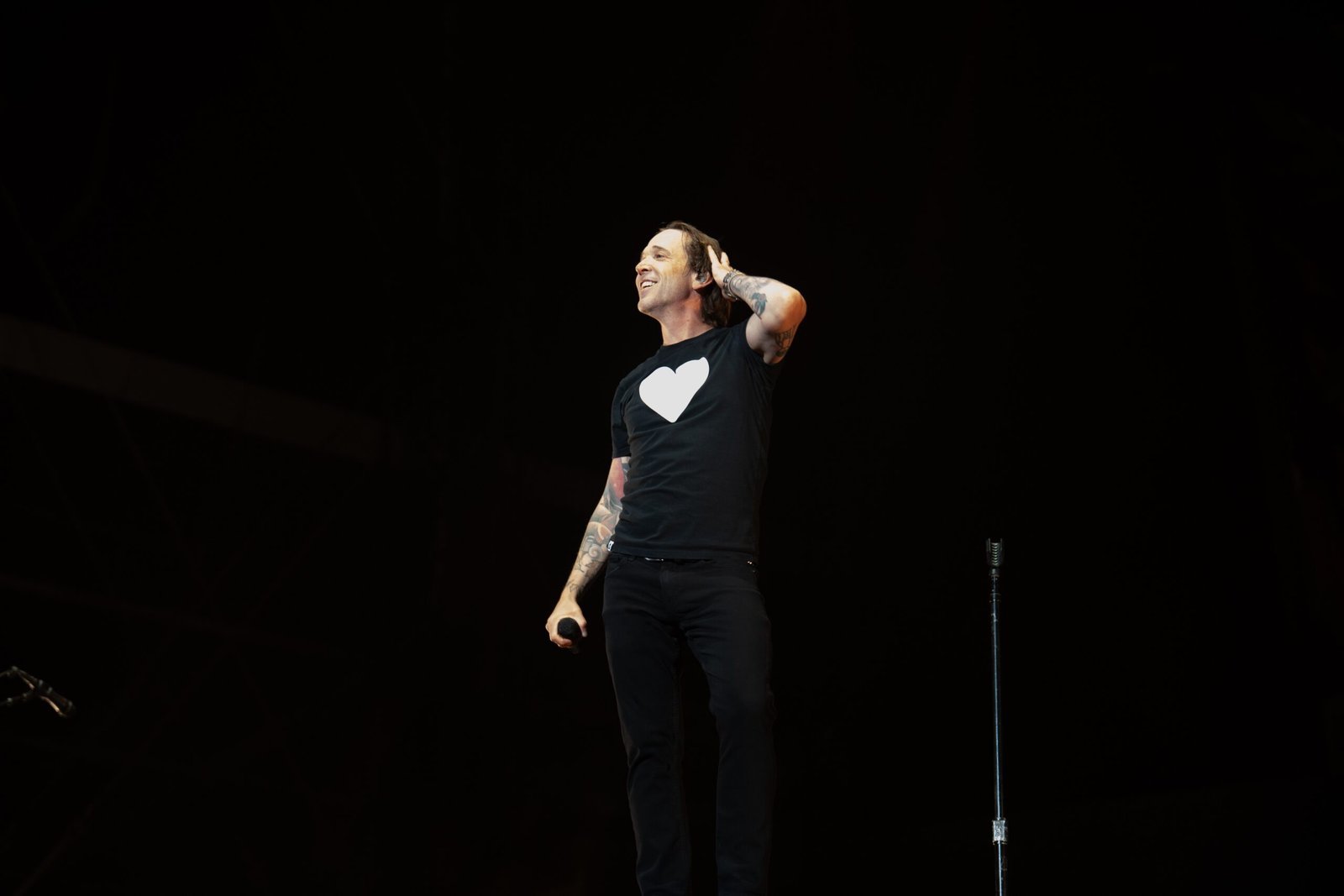
Billy Talent got their name from a character in the novel Hard Core Logo by Michael Turner. In the book, Billy Tallent (note the extra ‘L’) reunites with a band that eventually falls apart, with disastrous results.
Choosing to name your band after a fictional musician whose story ends in collapse is either incredibly brave or entirely self-aware. The Canadian punk rock band Billy Talent went on to become one of the most successful rock acts in their country’s history, so the character’s fate certainly didn’t curse them. The literary origin adds a layer of depth that most fans never think to look for.
14. Joy Division: A Reference Drawn From Holocaust Literature

The post-punk outfit Joy Division tried out several band names before landing on their literature-inspired moniker. They took the name from a reference in the 1953 novella House of Dolls, by Jewish author and Holocaust survivor Ka-tzetnik 135633. The story describes ‘Joy Divisions’ in concentration camps where groups of Jewish women were kept for Nazi soldiers’ sexual pleasure.
This is, without question, the most sobering literary origin on this list. The band’s choice was controversial and intentionally confrontational. Whatever one thinks of the decision, it underlines something important: literary names are never neutral. They carry the full weight of the stories they come from.
15. Mott the Hoople: An Eccentric From a Fringe Novel
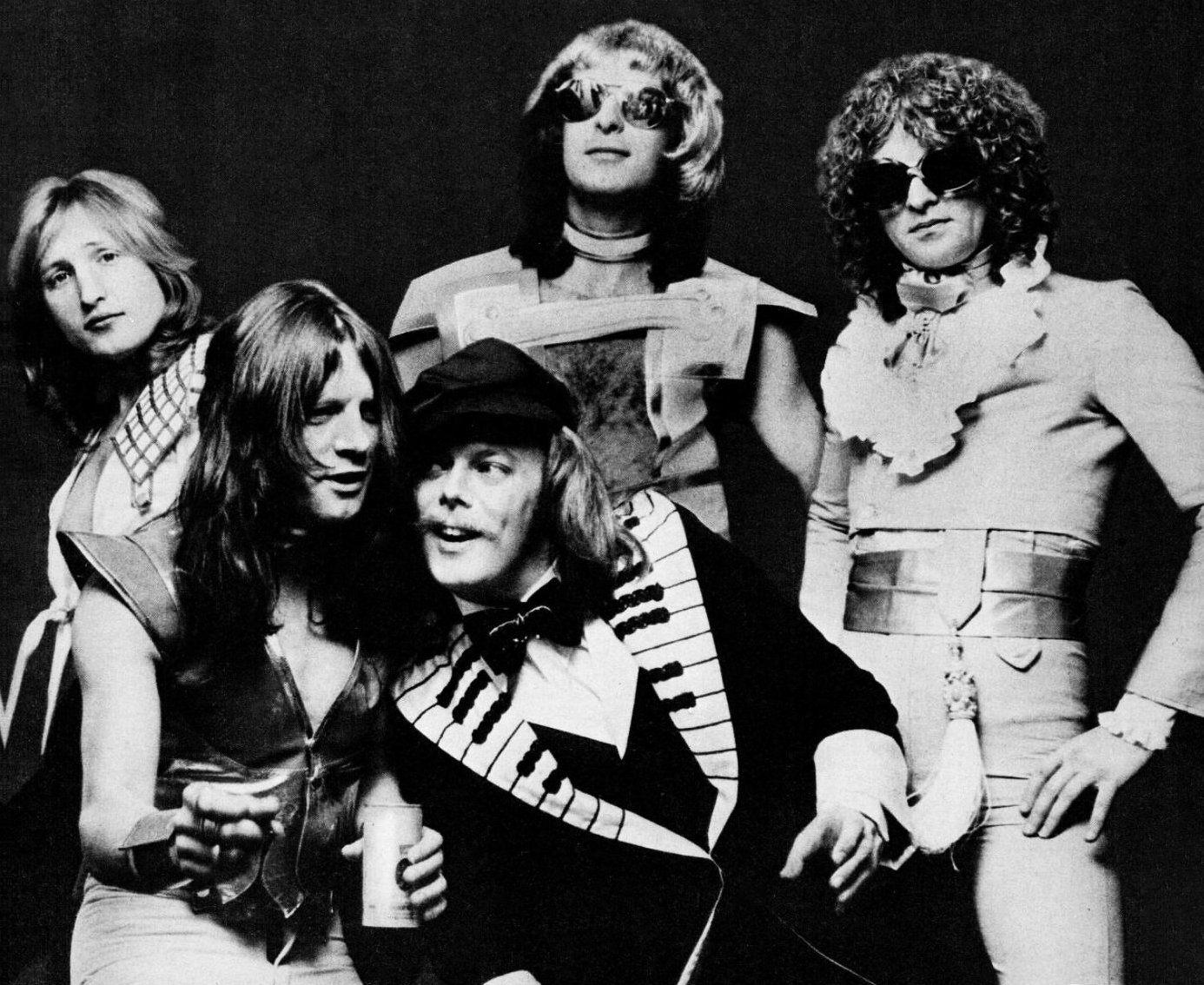
The British rock band is best known for ‘All the Young Dudes,’ written for them by David Bowie in 1972. While in prison on a drug offense, record producer Guy Stevens read the novel Mott the Hoople by Willard Manus, about an eccentric who works in a circus freak show. It became the name of a band and its first album.
A record producer reading a quirky novel about a circus freak while behind bars, then handing that name to a rock band who would later become Bowie collaborators. You genuinely could not write that story. The character from the satirical 1966 paperback novel lent the band its name when an Island Records producer who had been reading the book came across a rock band and suggested they change their name. Sometimes the best band names in history arrive by the most wonderfully random roads.
A Final Page Worth Turning
What’s remarkable is how these connections aren’t accidental. Rock musicians and literary writers often share the same obsessive need to capture something true about human experience, whether through a power chord or a perfectly turned sentence. The overlap was always inevitable.
From Dickens villains to Vonnegut antiheroes, from Shakespearean bloodbaths to children’s comic robots, the breadth of literature that has shaped rock music’s identity is genuinely staggering. Next time you hear one of these bands on the radio, you might just find yourself reaching for the book.
Which of these literary origins surprised you the most? Drop your thoughts in the comments below.

Besides founding Festivaltopia, Luca is the co founder of trib, an art and fashion collectiv you find on several regional events and online. Also he is part of the management board at HORiZONTE, a group travel provider in Germany.
