

Picture this: a detective’s deerstalker hat or a vampire’s cape instantly sparks recognition worldwide. Yet the names of their creators often draw blank stares. Fictional characters have a knack for outliving and outshining their authors, burrowing into movies, merchandise, and everyday lingo.
These figures shape Halloween costumes, board games, and blockbuster films. Their stories evolve far beyond the original pages. Ready to meet the ones who stole the spotlight?[1]
Sherlock Holmes

The consulting detective from foggy Victorian London solves crimes with razor-sharp logic and a magnifying glass. Arthur Conan Doyle penned him in 1887, but grew tired of the fame, even killing him off once. Holmes bounced back, proving his staying power.
Today, he stars in endless TV shows, films, and memes, far eclipsing Doyle’s other works. Statues honor him in London, while Doyle remains a trivia answer for many. Honestly, who hasn’t uttered “Elementary, my dear Watson” without cracking a case?[1]
Dracula

Count Dracula glides from Bram Stoker’s 1897 novel as the ultimate bloodsucker, lurking in castles with hypnotic eyes. Stoker drew from folklore, but this Transylvanian noble became the blueprint for every vampire tale since.
From Bela Lugosi’s films to Twilight sparkles, Dracula dominates pop culture, spawning theme parks and energy drinks. Stoker? Mostly known through his creation. His cape and fangs haunt us more than any biography ever could.[1]
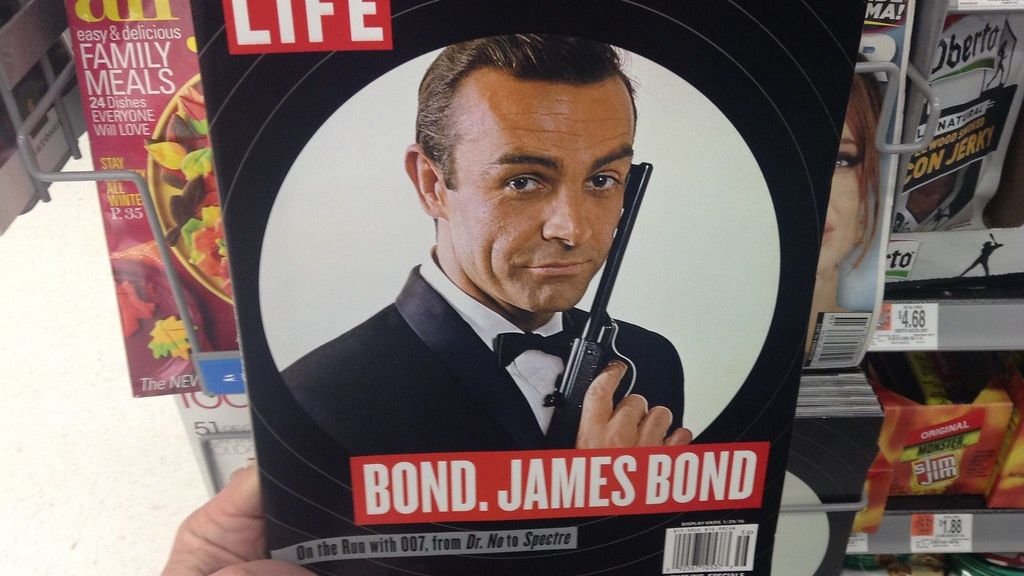
James Bond
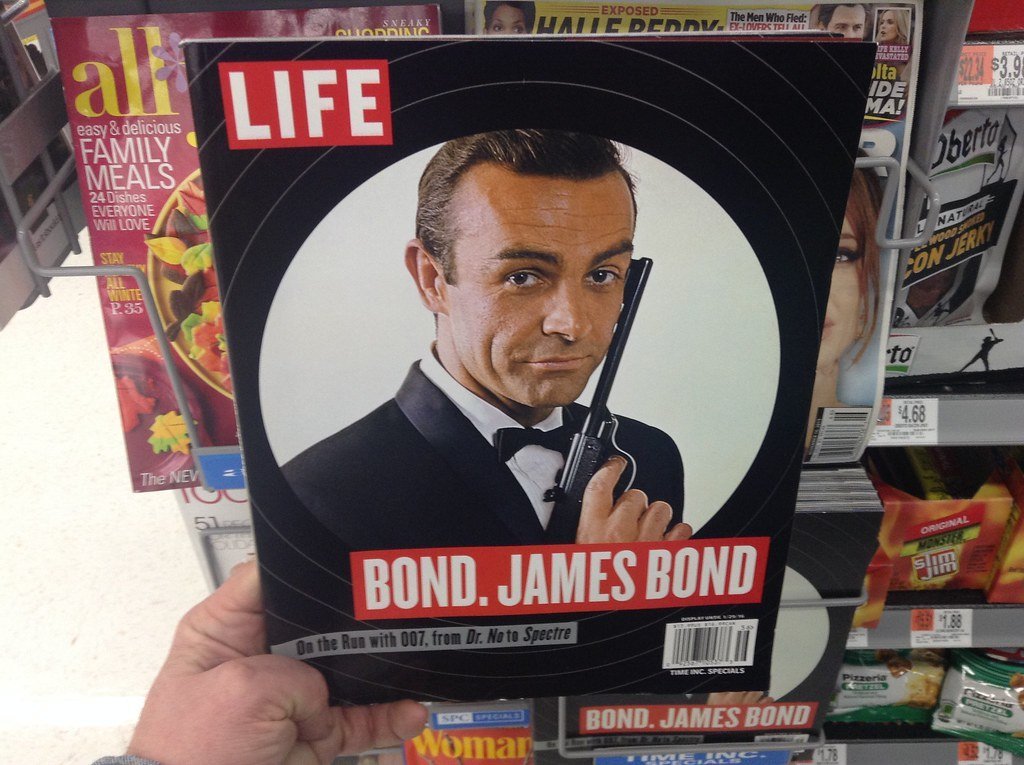
Smooth spy 007, born in Ian Fleming’s 1953 Casino Royale, mixes martinis with gadgets and global intrigue. Fleming, a former naval officer, crafted him for thrills during quiet Caribbean retreats.
Bond’s license to kill fuels over 25 films, luxury cars, and omega watches, grossing billions. Fleming’s name fades behind Connery’s smirk and Craig’s grit. Shaken, not stirred? That’s Bond’s world, not Fleming’s.[1]
Heidi
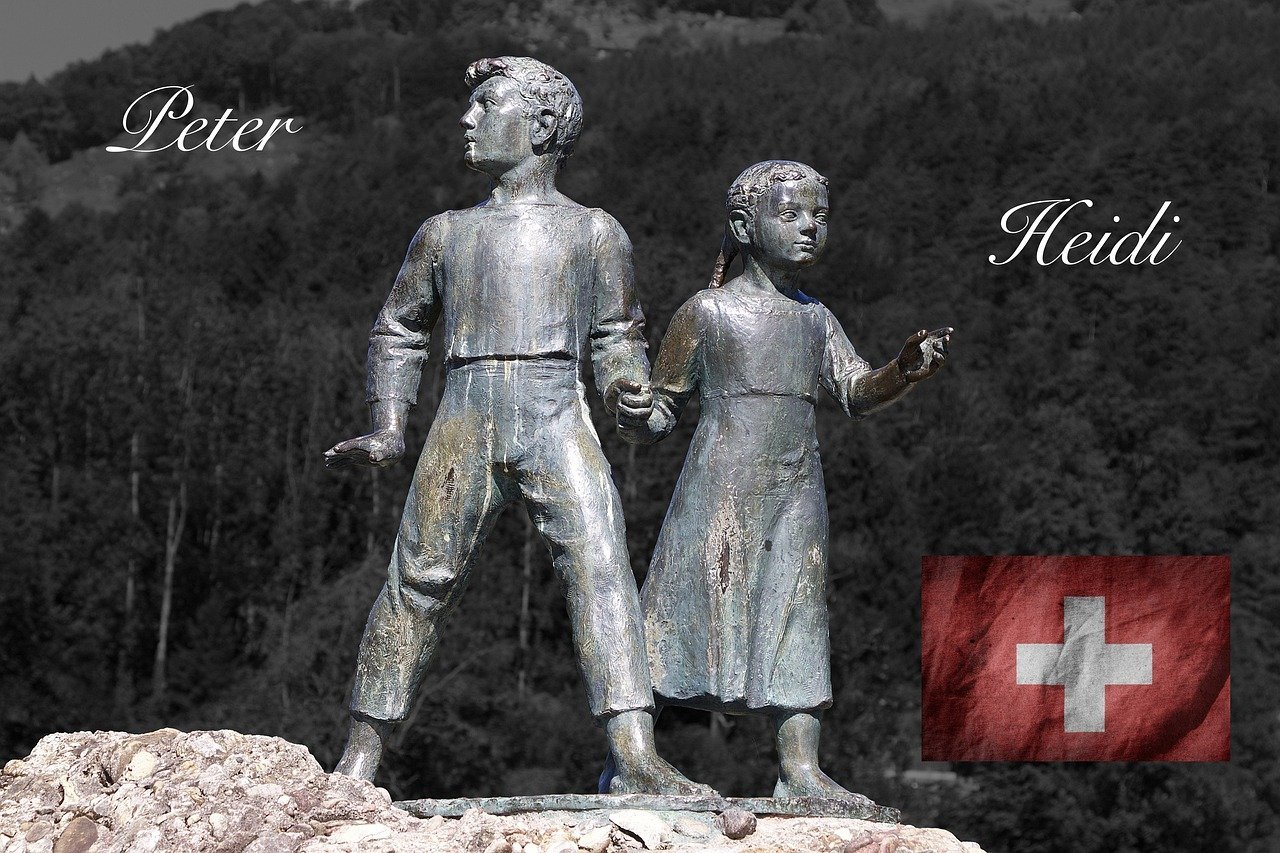
The cheerful Swiss girl in Johanna Spyri’s 1879 tale climbs Alps, befriends goats, and heals with fresh air. Spyri wrote from her own mountain love, creating a symbol of simple joys.
Animated series, cartoons, and global retellings keep Heidi climbing higher than Spyri’s legacy. She’s inspired orphan stories and health fads. Kids worldwide know her braids better than the author’s quiet life.[1]
Lorna Doone

Fiery beauty Lorna from R.D. Blackmore’s 1869 epic endures outlaws and romance in Exmoor wilds. Blackmore, a schoolmaster, wove local legends into her saga.
Cookies bear her name, films revive her tale, outpacing Blackmore’s obscurity. She’s a romance icon, while he gathers dust in libraries. Sweet as those treats, her story lingers longer.[1]
Jane Eyre
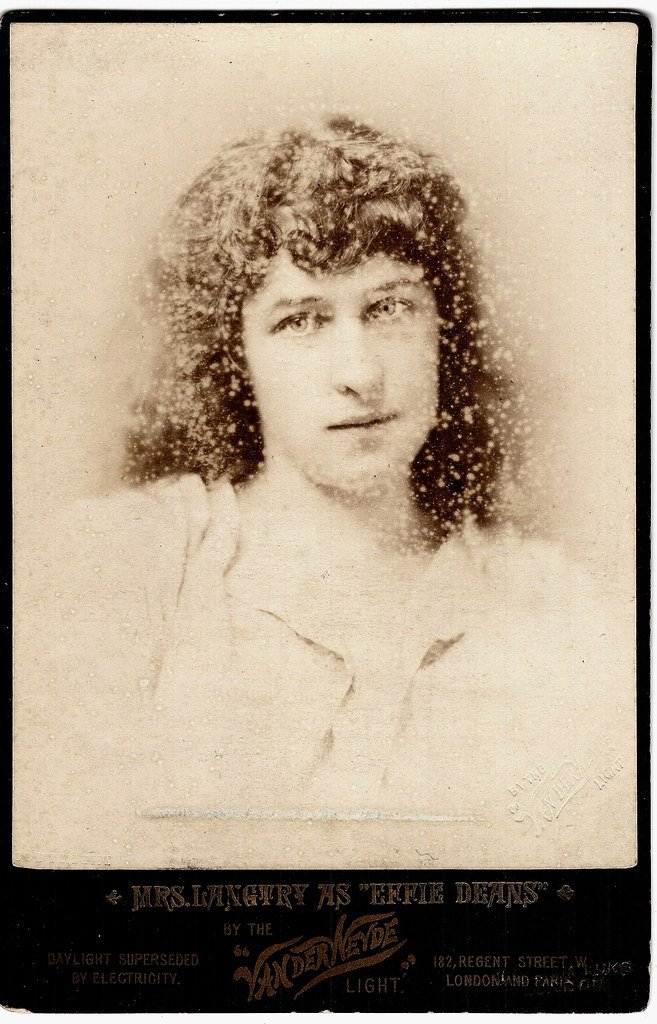
Orphan governess Jane, from Charlotte Brontë’s 1847 novel, seeks love amid gothic secrets and moral fire. Brontë hid behind a male pen name, pouring her soul into this resilient heroine.
Adaptations flood screens, from Orson Welles to modern retells, dwarfing Brontë’s personal fame. Jane’s “reader, I married him” echoes eternally. Her independence shines brighter than any biography.[1]
Doctor Zhivago
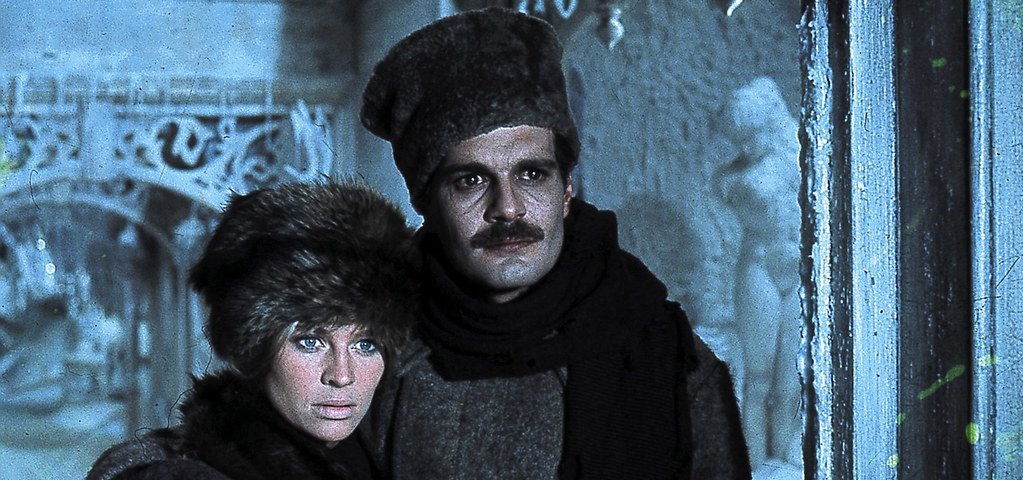
Poet-physician Yuri in Boris Pasternak’s 1957 epic navigates Russian Revolution chaos and forbidden love. Pasternak smuggled it out, earning a Nobel he declined under pressure.
Omar Sharif’s film version immortalized Yuri, Oscars and all, while Pasternak’s poetry niche-appeals. Ballads and ballets carry his name further. Revolution or not, Yuri endures.[1]
Tom Jones
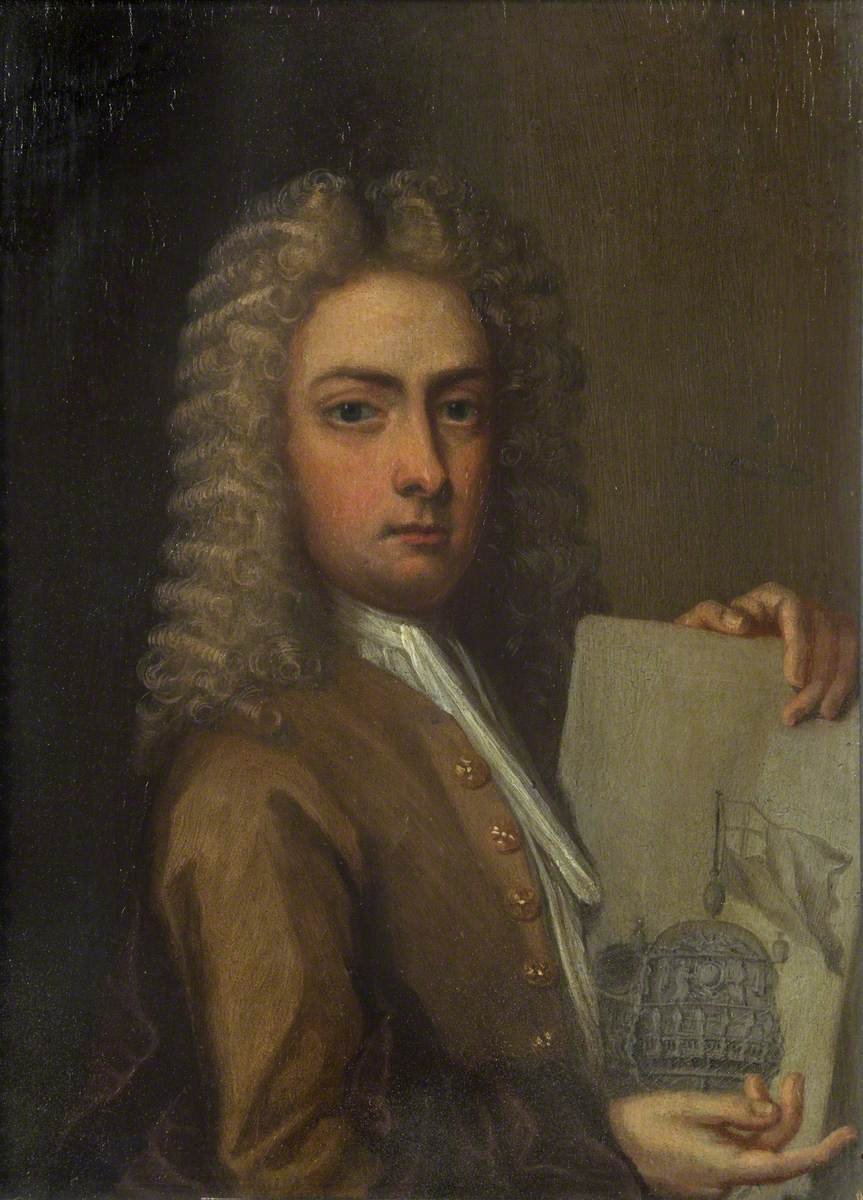
Foundling rogue Tom from Henry Fielding’s 1749 picaresque romps through 18th-century England with lusty adventures. Fielding, a judge, satirized society through his charm.
Musicals, films, and “foundling” tropes owe him, outshining Fielding’s legal tomes. Tom’s appetites mirror our own flaws. He’s the party everyone remembers.[1]
Jo March
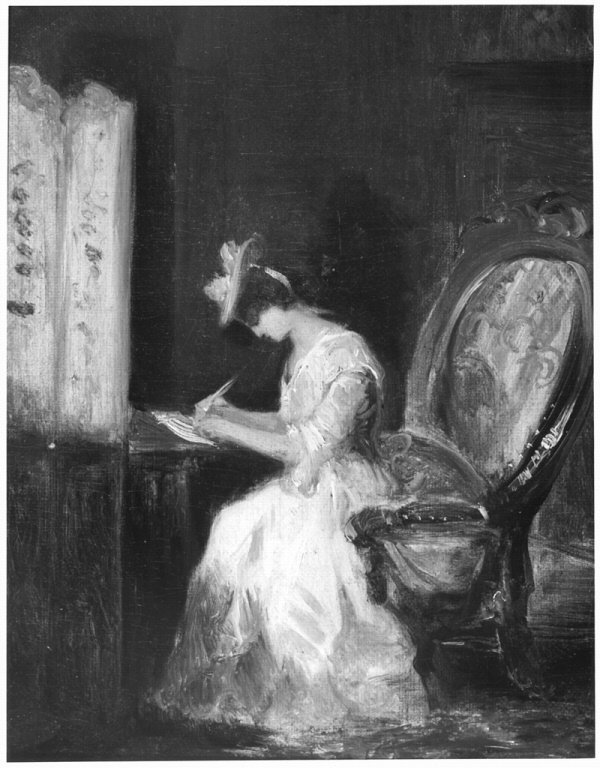
Tom boy writer Jo from Louisa May Alcott’s 1868 Little Women scribbles tales amid sisterly bonds in Civil War America. Alcott based her on family life, semi-autobiographical fire.
Films with Saoirse Ronan revive her, inspiring girl bosses everywhere, beyond Alcott’s abolitionist past. Jo’s “burn the dress” defiance fuels dreams. She’s our wild writer heart.[1]
Anne Shirley
Info
Pic, Public domain)
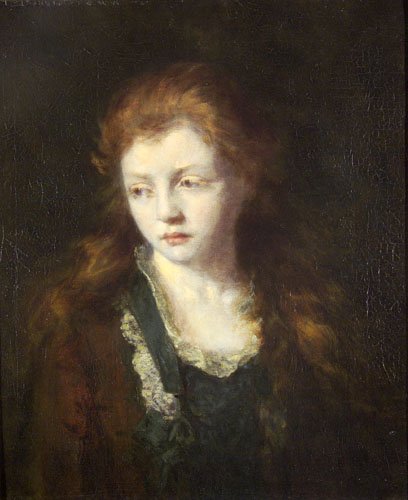
Red-haired chatterbox Anne of L.M. Montgomery’s 1908 Green Gables imagines kindred spirits on Prince Edward Island. Montgomery drew from her lonely youth for this orphan’s spark.
TV series, musicals, and Avonlea tourism boom past Montgomery’s quiet fame. Anne’s scrapes and poetry charm generations. Her “scope for imagination” captures us all.[1]
Scarlett O’Hara
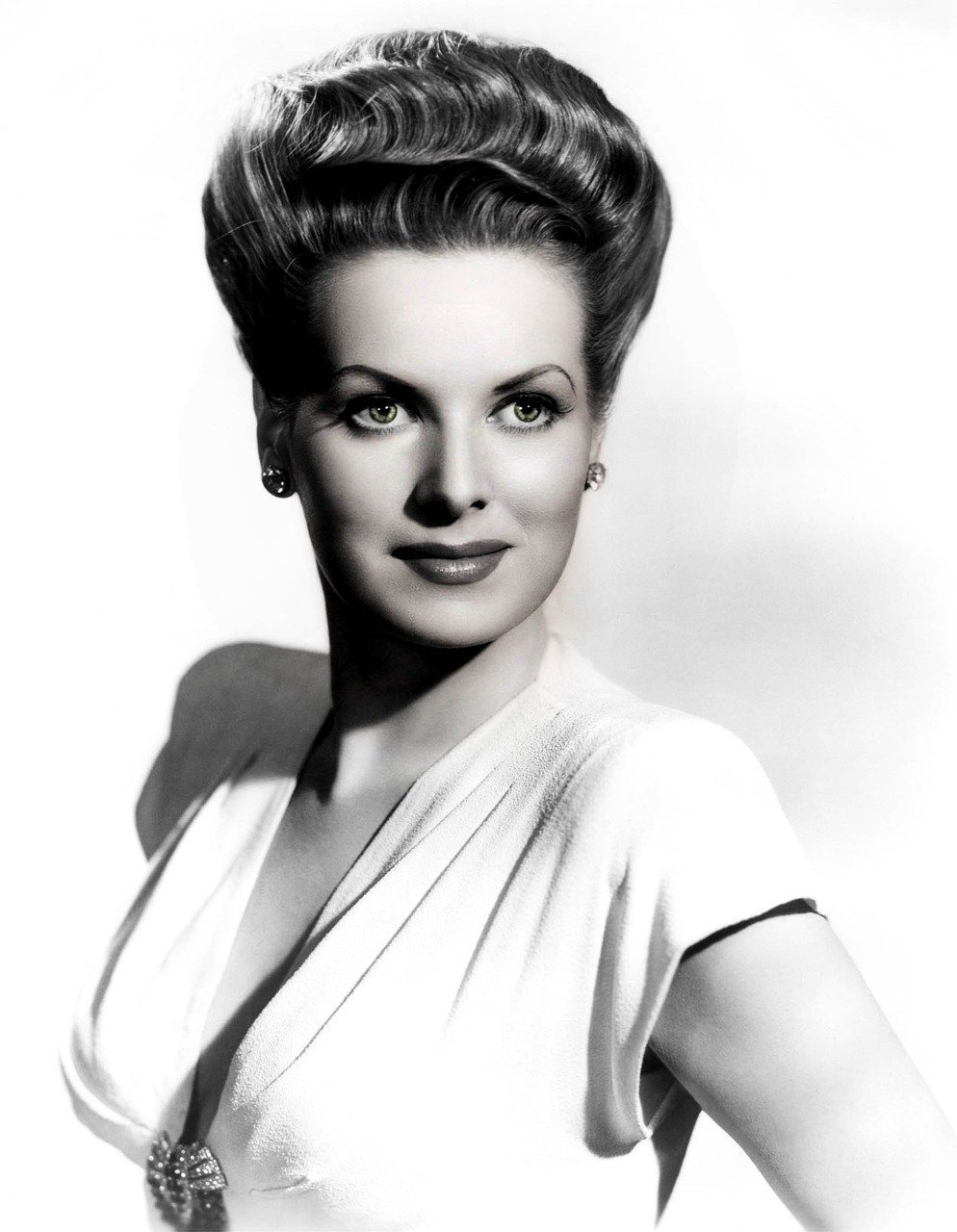
Fierce Southern belle Scarlett in Margaret Mitchell’s 1936 Gone with the Wind schemes through war and loss. Mitchell, a nurse, wrote one book from Atlanta lore.
Vivien Leigh’s Oscar-winning portrayal, endless rewatches eclipse Mitchell’s single-hit wonder. “Tomorrow is another day” rallies fans. Tara’s mistress owns the legacy.[1]
Pinocchio
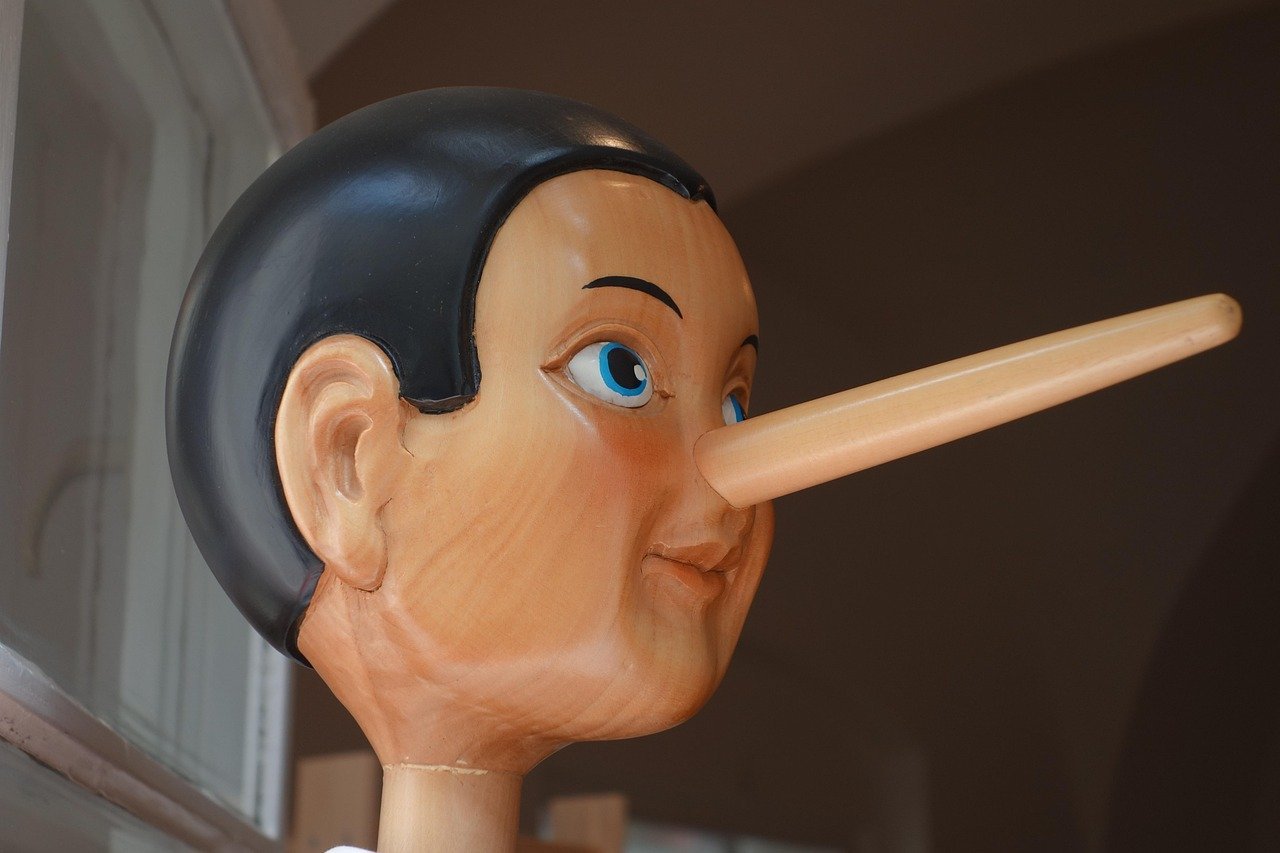
Wooden puppet Pinocchio from Carlo Collodi’s 1883 Italian tale lies, grows nose, chases conscience. Collodi serialized his mischief for kids.
Disney’s 1940 classic, parks, and “real boy” pleas outshine Collodi’s obscurity. He’s strings, lessons, and Jiminy Cricket forever. Nose grows on you, doesn’t it?[2]
Winnie-the-Pooh

Hunny-loving bear Pooh from A.A. Milne’s 1926 tales bumbles with Piglet in Hundred Acre Wood. Milne wrote for his son, inspired by toys.
Films, plushies, and “think think think” memes dwarf Milne’s plays. Pooh’s simplicity wins hearts globally. A little something for tummy troubles.[2]
Robinson Crusoe

Shipwrecked Crusoe from Daniel Defoe’s 1719 adventure builds empires on his island with Friday’s help. Defoe, a trader, spun survival yarns.
He’s the castaway prototype for Lost and Survivor, beyond Defoe’s pamphlets. Tools, footprints, cannibals define isolation tales. Man Friday? Cultural shorthand.[3]
Peter Pan

Neverland boy Peter from J.M. Barrie’s 1904 play crows, flies, fights pirates with Lost Boys. Barrie gifted rights to a hospital.
Disney, Hooks, Tinkers rule parks and pantos, eclipsing Barrie’s theater. “Second star to the right” guides dreamers. Grow up? Never.[3]
The Lasting Legacy of Literary Immortality
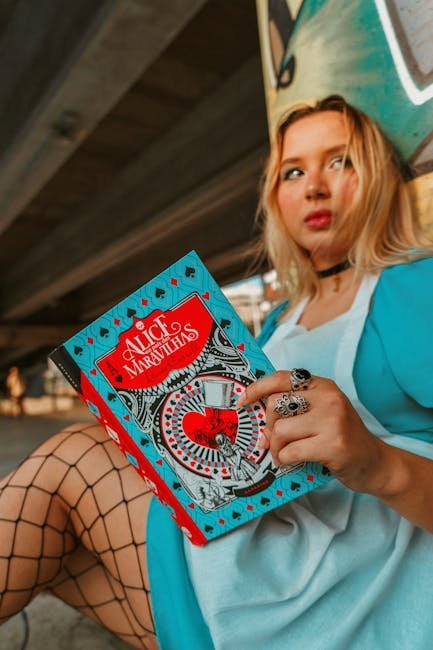
These characters prove ink outlives flesh, morphing into cultural giants. Authors plant seeds; stories sprout empires.
Through reboots and references, they whisper timeless truths. Next time a Holmes quip slips out, tip your hat to the creator eclipsed. What character rules your bookshelf? Share below.[1]

Besides founding Festivaltopia, Luca is the co founder of trib, an art and fashion collectiv you find on several regional events and online. Also he is part of the management board at HORiZONTE, a group travel provider in Germany.
