

- Anticipated Album Releases of 2025: A Musical Journey Awaits - February 22, 2026
- New York City’s Star-Studded Line-Up: 2025’s Must-See Performances - February 22, 2026
- 25 Times Tech Meets Style: The Best Wearable Gear for 2024 - February 22, 2026
Franz Kafka: The Master of Nightmares Who Feared His Father
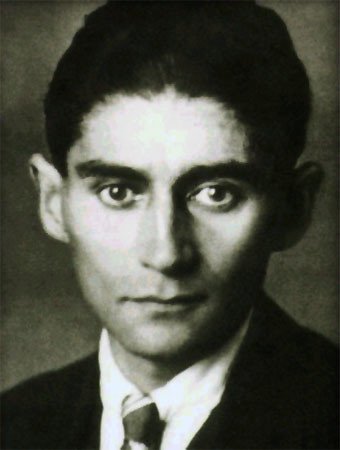
Franz Kafka’s life reads almost like one of his own unsettling stories. He worked by day as an insurance clerk in Prague and wrote his haunting tales at night, often in a state of deep anxiety. Kafka was plagued by a tumultuous relationship with his father, which he detailed in a lengthy and emotionally raw letter that was never truly delivered. Friends described him as painfully shy and self-critical, with Kafka himself once saying, “I am made of literature.” Despite being one of the most influential writers of the twentieth century, he published only a handful of works in his lifetime, instructing his friend Max Brod to burn the rest after his death—a wish Brod famously ignored. Recent scholars have uncovered letters revealing that Kafka’s insomnia and paranoia worsened as his tuberculosis advanced, making his reality blur with the nightmares he wrote. His life was so peculiar that now psychologists study his diaries for clues about the roots of creative anxiety.
Virginia Woolf: Haunted by Voices and Water
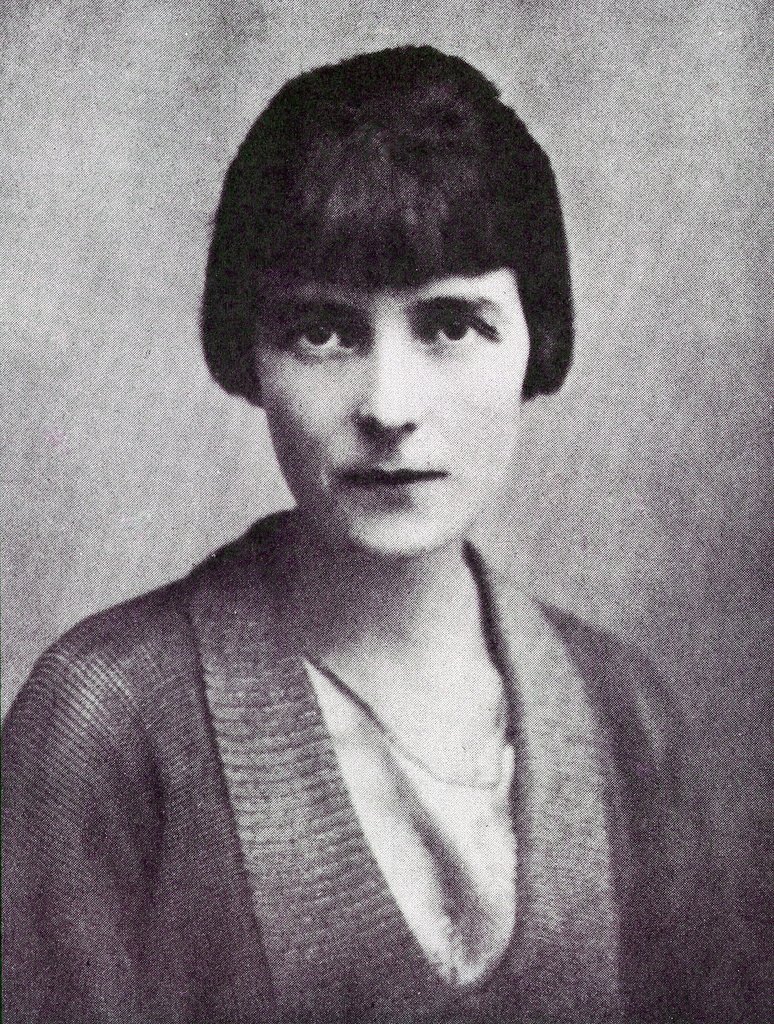
Virginia Woolf stands as one of the pioneers of modernist fiction, but her private battles were as formidable as her literary achievements. Woolf suffered from severe mental health struggles, enduring periods of mania and depression that she described as being “swallowed up by voices.” During her most creative bursts, she would write for hours on end, sometimes forgetting to eat. Her diaries reveal a constant fear of losing her grip on reality, and she was one of the first writers to openly discuss her mental state. Woolf’s life ended tragically when she filled her coat pockets with stones and walked into the River Ouse in 1941. Today, researchers frequently cite Woolf’s candid writings on mental illness as key texts in the study of bipolar disorder, showing how her pain and genius were deeply intertwined.
Ernest Hemingway: The Adventurous Soul With a Dark Shadow
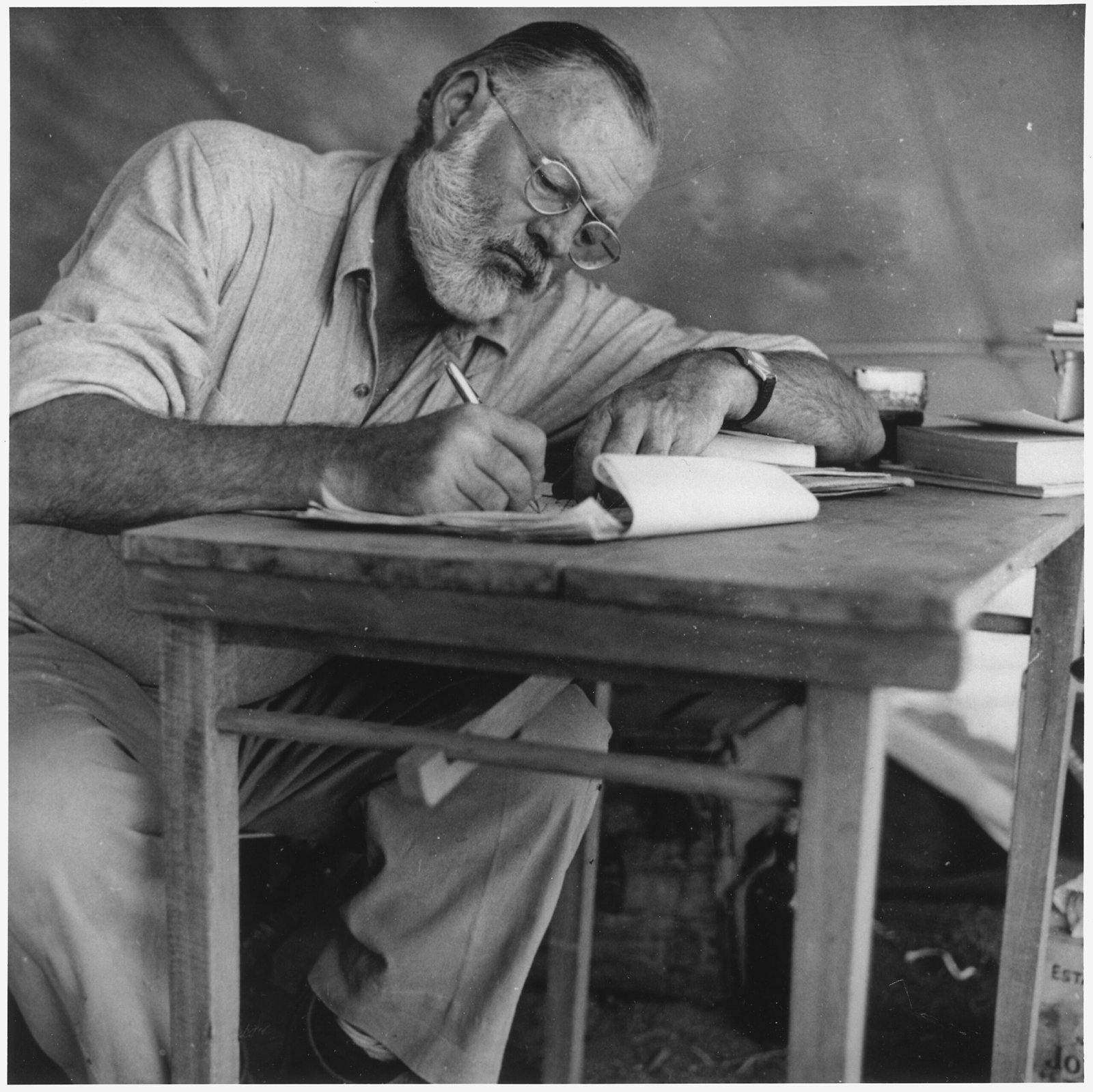
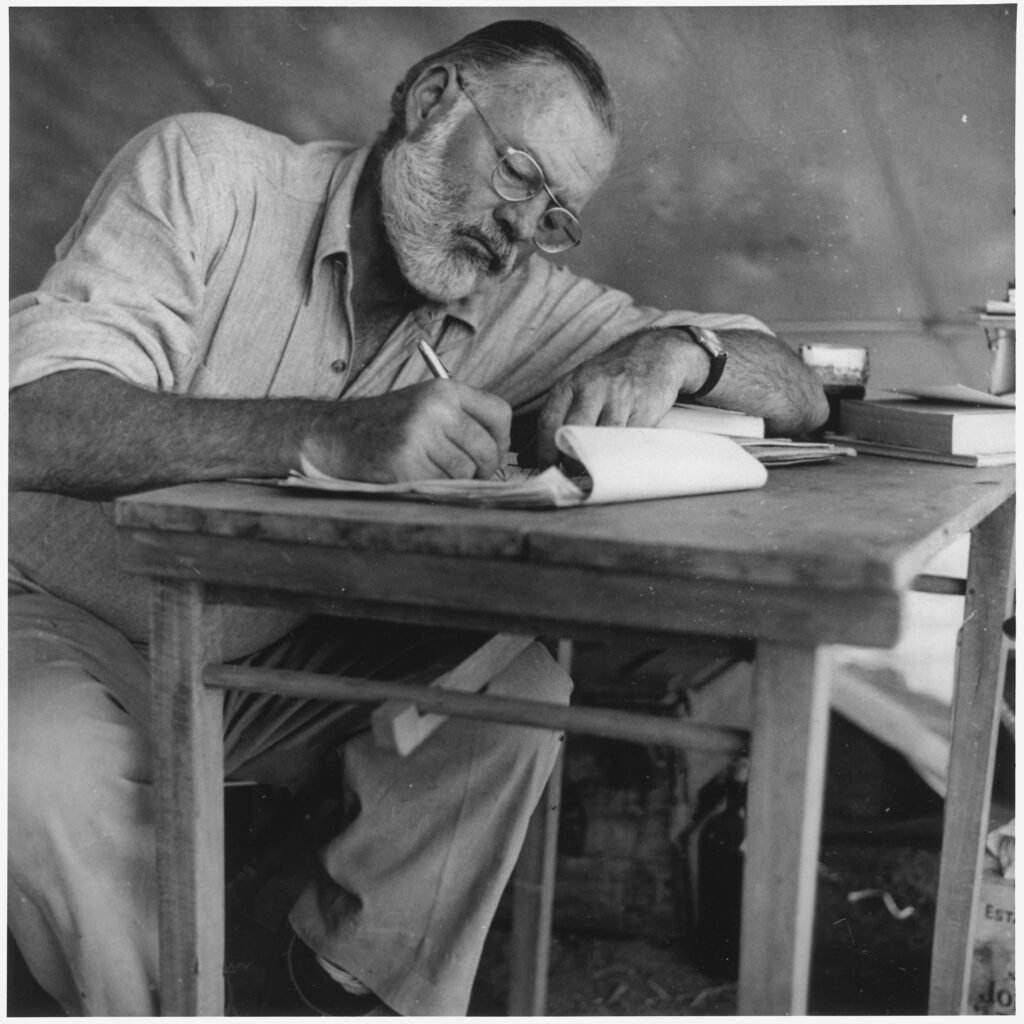
Ernest Hemingway’s life was a wild, globe-trotting adventure that rivaled any of his novels. He survived two plane crashes in two consecutive days, fought bulls in Spain, reported from war zones, and fished for marlin in Cuba. Hemingway’s rugged persona masked a lifelong struggle with depression and alcoholism. According to recent biographies, he underwent electroconvulsive therapy late in life, which he believed robbed him of his memory and creativity. Hemingway’s family had a tragic history of suicide, and he took his own life in 1961. Despite this, his work remains a touchstone for American literature, and his larger-than-life personality continues to fascinate fans and scholars alike. The Hemingway Foundation reports that his house in Key West attracts thousands of visitors each year, all eager to see the place where myth and reality collided.
Emily Dickinson: The Recluse in White
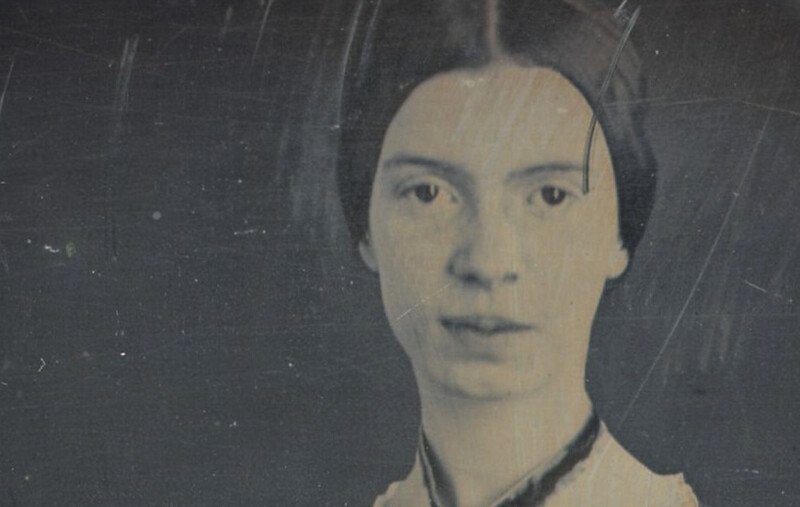
Emily Dickinson’s poetry is famous for its short lines and mysterious dashes, but the real mystery was her life. She spent most of her adult years secluded in her family’s home in Amherst, Massachusetts, rarely venturing outside. She often dressed in white and was known to communicate with visitors through closed doors, handing out poems and notes rather than speaking directly. Recent research into her surviving letters suggests she may have had epilepsy, which could explain some of her social withdrawal. Although Dickinson published fewer than a dozen poems during her lifetime, over 1,800 were discovered after her death. Scholars now believe that her seclusion and the intensity of her inner world contributed directly to her unique style, turning her isolation into one of literature’s most productive mysteries.
Hunter S. Thompson: The Gonzo Wildman
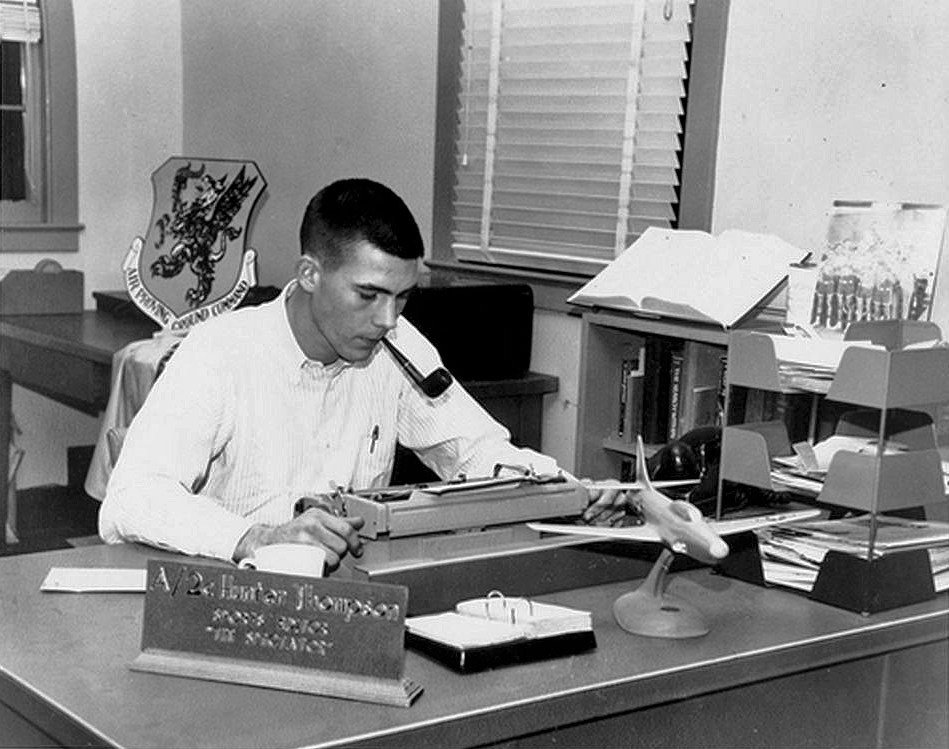
Hunter S. Thompson invented “gonzo journalism,” but his real life was even stranger than his stories. Known for his wild parties, Thompson kept peacocks, guns, and a pet peacock named Edward in his Colorado compound. He famously wrote Fear and Loathing in Las Vegas fueled by a cocktail of drugs and whiskey—his daily routine was as outrageous as his prose. FBI records, released under the Freedom of Information Act, show he was under surveillance for years due to his radical politics and unpredictable behavior. Thompson’s writing style, which blurred truth and fiction, has influenced generations of journalists. He ended his life in 2005 by suicide, leaving a note that simply said, “Football season is over.” His ashes were famously shot out of a cannon, as per his wishes.
Agatha Christie: The Queen of Mystery and the Real-Life Vanishing Act
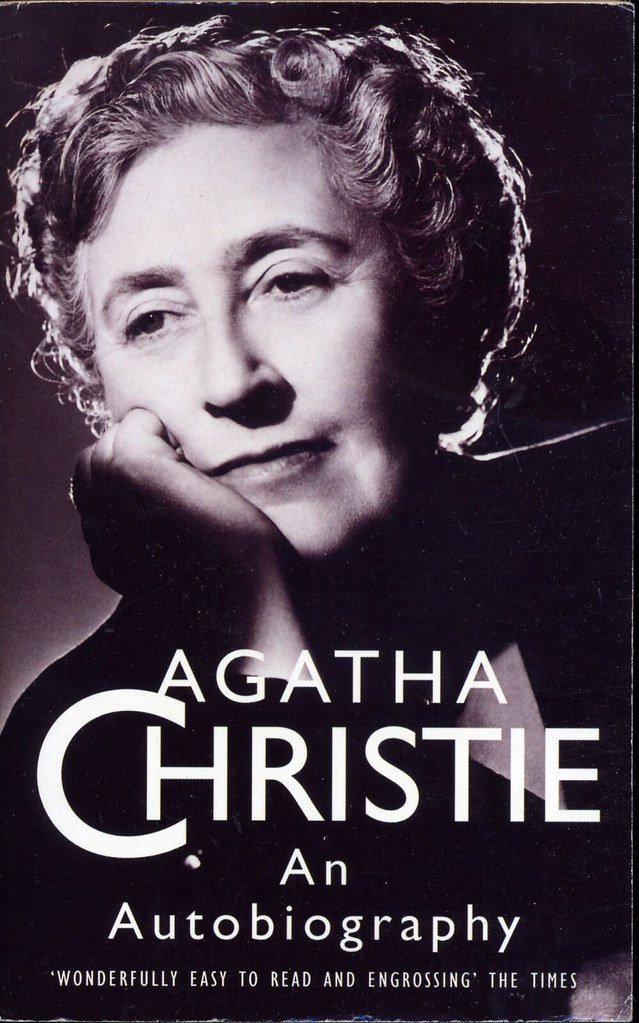
Agatha Christie, the world’s best-selling novelist, lived a life almost as mysterious as her books. In 1926, she disappeared for eleven days, sparking a nationwide manhunt. Newspapers speculated wildly—some thought it was a publicity stunt, others feared foul play. Christie was eventually found in a hotel, registered under the name of her husband’s mistress, claiming amnesia. Medical experts still debate whether it was a case of fugue state or a calculated escape from personal turmoil. Despite this episode, Christie went on to write 66 detective novels and 14 short story collections, selling more than two billion copies worldwide. Her disappearance remains one of the most discussed unsolved cases in literary history, with new theories surfacing every few years.
J.D. Salinger: The Hermit of American Letters
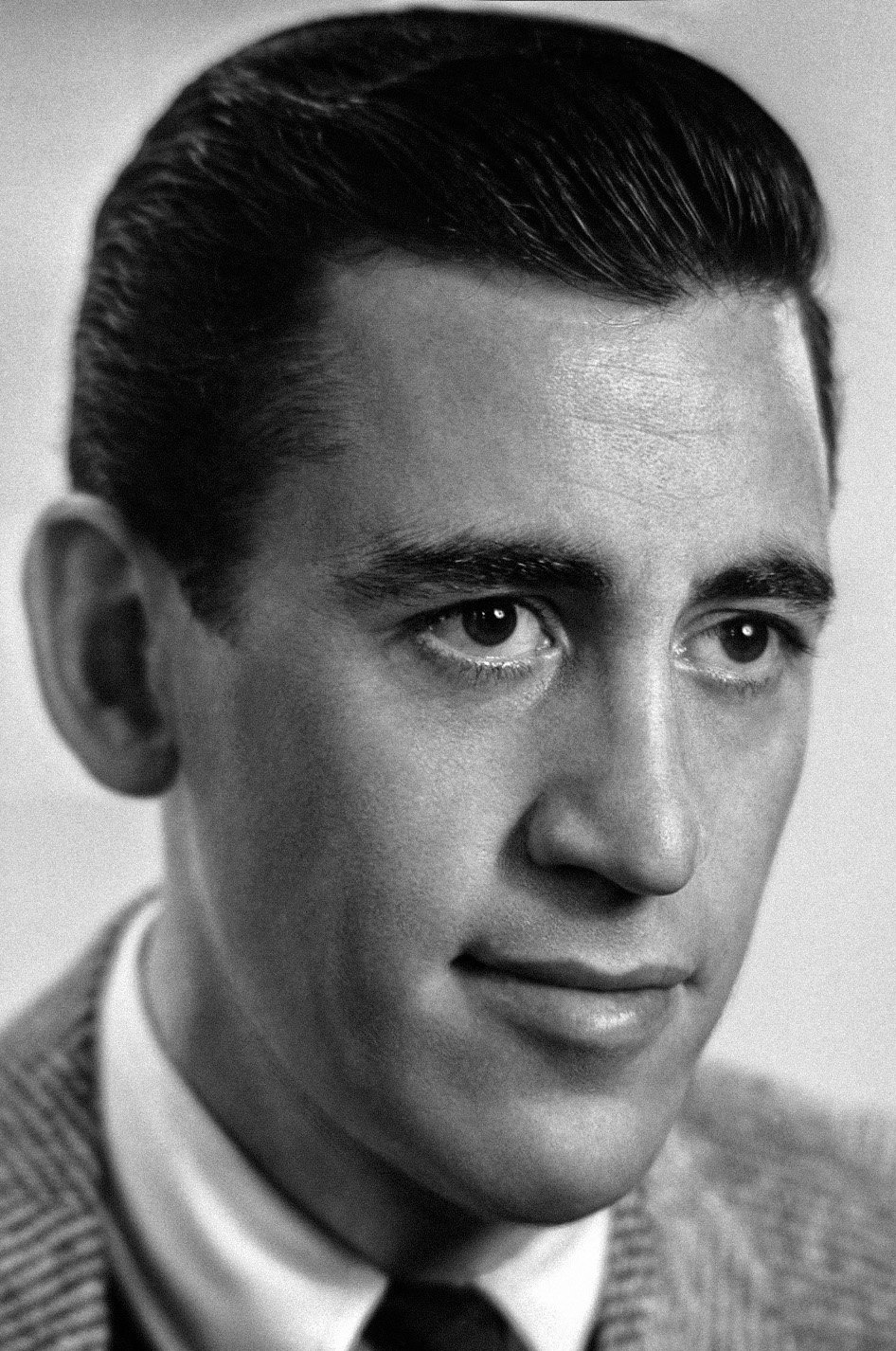
J.D. Salinger wrote The Catcher in the Rye, a novel that defined a generation. But after its success, he withdrew from public life, refusing interviews and living in seclusion in Cornish, New Hampshire. Neighbors reported that Salinger would chase away journalists and fans, sometimes responding with angry letters. He continued writing, but published nothing after 1965, leading to endless speculation about his secret manuscripts. Court documents from a 1986 lawsuit revealed that Salinger maintained a strict daily writing schedule and kept his unpublished work locked in a safe. Biographers and former friends hint at a complicated personal life, including brief affairs and a fascination with Eastern religion. The mystery of Salinger’s hidden writings continues to captivate readers, with rumors of posthumous publications still swirling.
Haruki Murakami: The Marathon Novelist

Haruki Murakami is famous not only for his surreal novels but for his unusual daily routine. He wakes before dawn, writes for five to six hours, and then runs 10 kilometers or swims 1,500 meters. Murakami credits his rigorous exercise routine for his mental clarity and creative stamina, saying, “Writing a novel is like survival training. Physical strength is as necessary as artistic sensitivity.” He once ran a 62-mile ultramarathon in a single day, and he’s written a memoir about his running life. Murakami’s novels have sold millions of copies in dozens of languages, and he’s often rumored to be a contender for the Nobel Prize. Fans note that his love of jazz, cats, and surrealism bleeds into both his books and his personal life, making Murakami a true original.
Oscar Wilde: The Dandy With a Double Life
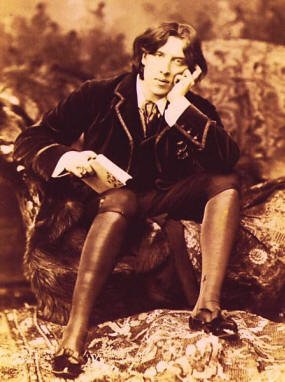
Oscar Wilde was the toast of Victorian London, known for his wit, flamboyant style, and scandalous love affairs. Wilde delighted in paradoxes and clever quips, once declaring, “I can resist everything except temptation.” He led a double life, moving between high society and secret relationships that were illegal at the time. Wilde’s downfall came when he was prosecuted and imprisoned for “gross indecency.” Prison letters reveal his profound suffering and resilience, and recent scholarship has focused on how his experiences shaped his later writing. After his release, Wilde lived in poverty in Paris, dying at just 46. His grave is now a pilgrimage site for fans, often found covered in lipstick kisses—a testament to his enduring allure and tragic fate.
Sylvia Plath: The Poet of Pain and Precision
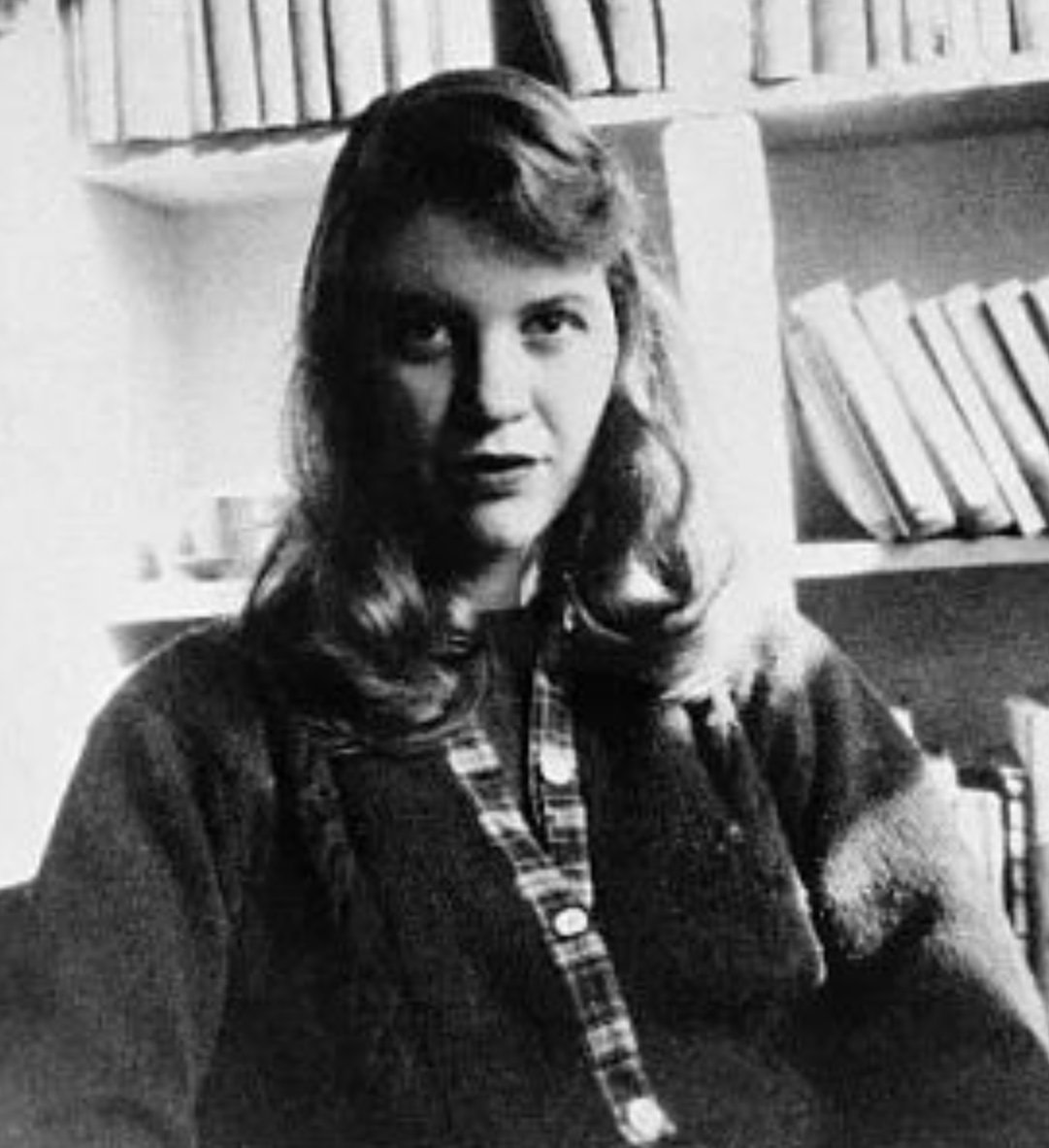
Sylvia Plath lived a life marked by both brilliance and suffering. Her journals and letters, published in recent years, reveal a woman caught between fierce ambition and deep despair. Plath battled depression from a young age and made several suicide attempts before her death at 30. She kept meticulous records of her mood swings and creative process, which have become invaluable to mental health researchers. Plath’s only novel, The Bell Jar, is now regarded as a cornerstone of confessional literature. In 2024, her unpublished letters to her psychiatrist were finally released, offering new insight into her struggle to balance motherhood, marriage, and artistry. Plath’s legacy endures in both her poetry and her unflinching honesty about mental illness.
Mark Twain: The Comedian With a Tragic Streak
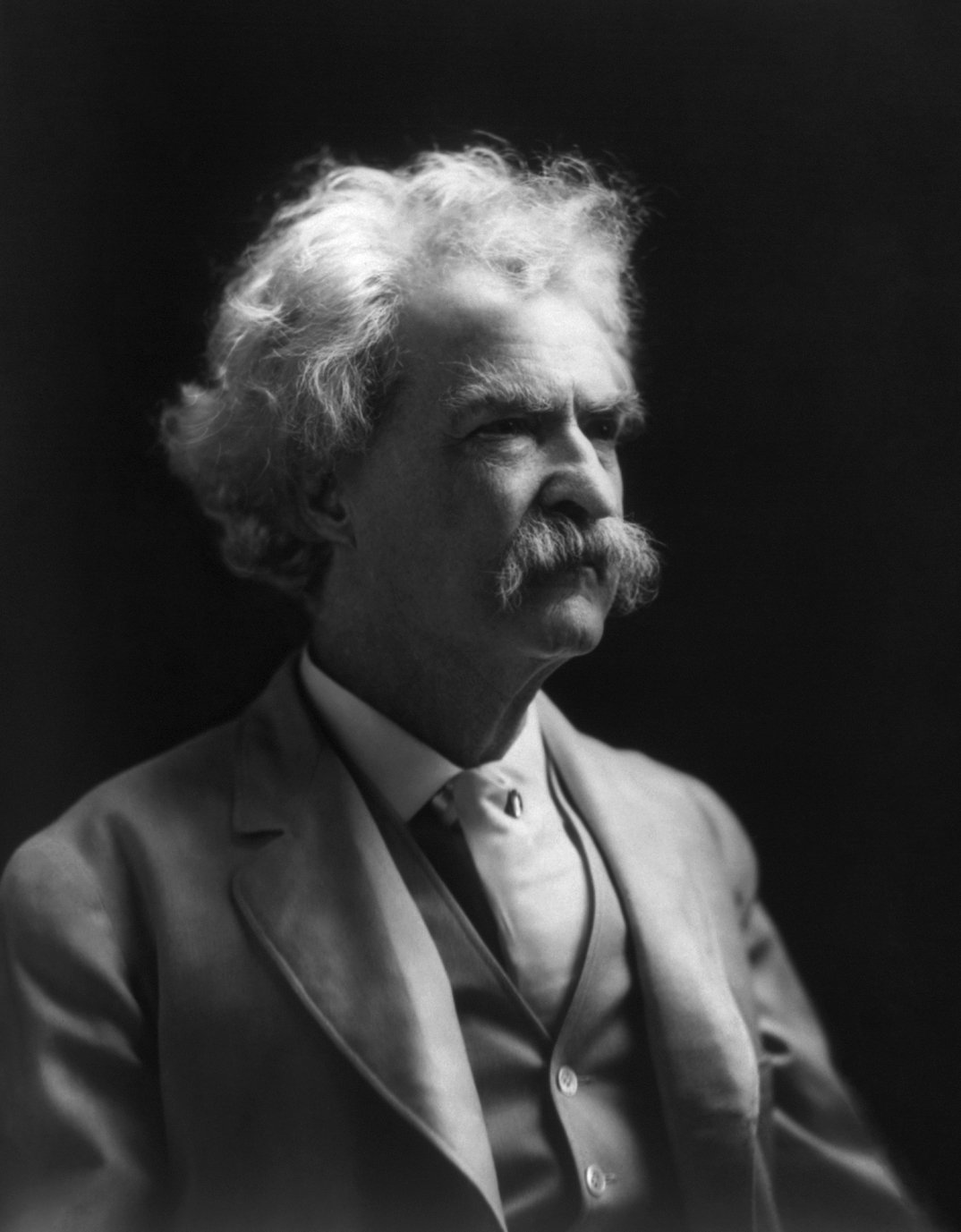
Mark Twain, born Samuel Clemens, was America’s most beloved humorist, but his personal life was anything but lighthearted. Twain lost several children and his beloved wife to illness, and he struggled with debt throughout his career. Despite these hardships, he maintained a razor-sharp wit and performed sold-out lecture tours around the world. Twain famously wore white suits and smoked cigars, cultivating a public image that masked his deep melancholy. Letters from his later years, recently digitized by university libraries, show a man wrestling with grief and disillusionment, yet still capable of laughter. Twain’s ability to find humor in tragedy remains an inspiration, and his home in Hartford, Connecticut, is now a museum dedicated to his extraordinary life.
George Orwell: The Chronicler of Truth and Suffering
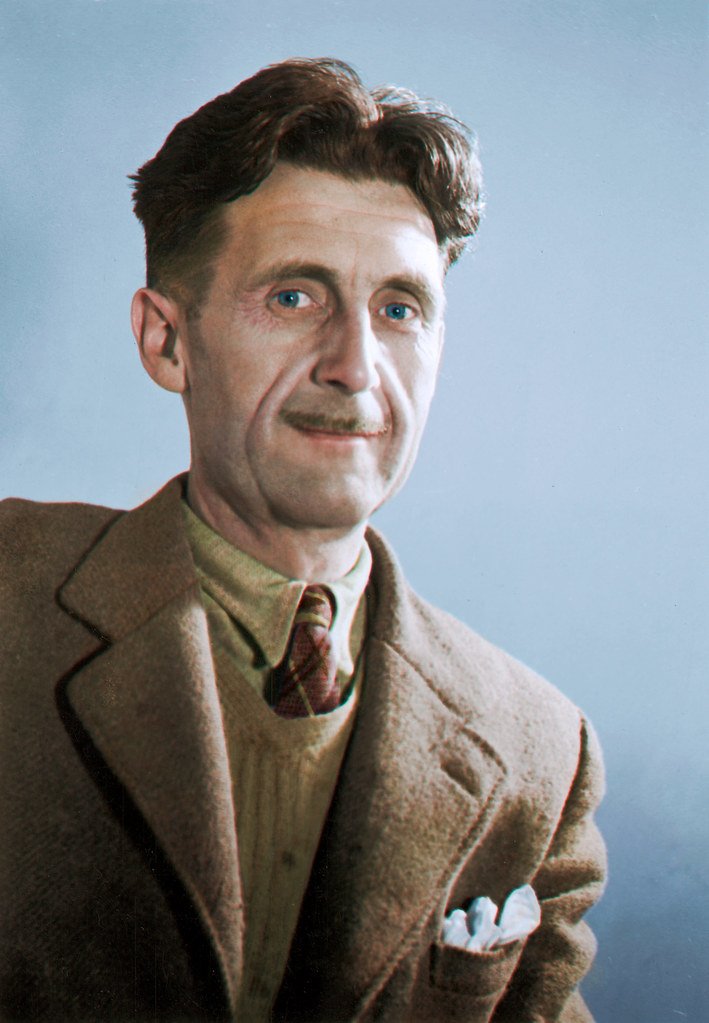
George Orwell, author of 1984 and Animal Farm, lived much of his life on the edge of poverty. He fought in the Spanish Civil War, was wounded in battle, and later worked as a dishwasher and teacher to make ends meet. Orwell’s health declined rapidly due to tuberculosis, and he wrote his most famous books while seriously ill. His correspondence, made public in 2023, reveals a relentless drive for honesty and a deep skepticism of authority. Orwell’s experiences of deprivation and injustice shaped his fierce commitment to truth, making his work resonate powerfully in today’s age of misinformation. Statistically, his books remain among the most widely read and cited in the world, with 1984 sales spiking whenever global political tension rises.
Maya Angelou: The Voice That Rose From Silence
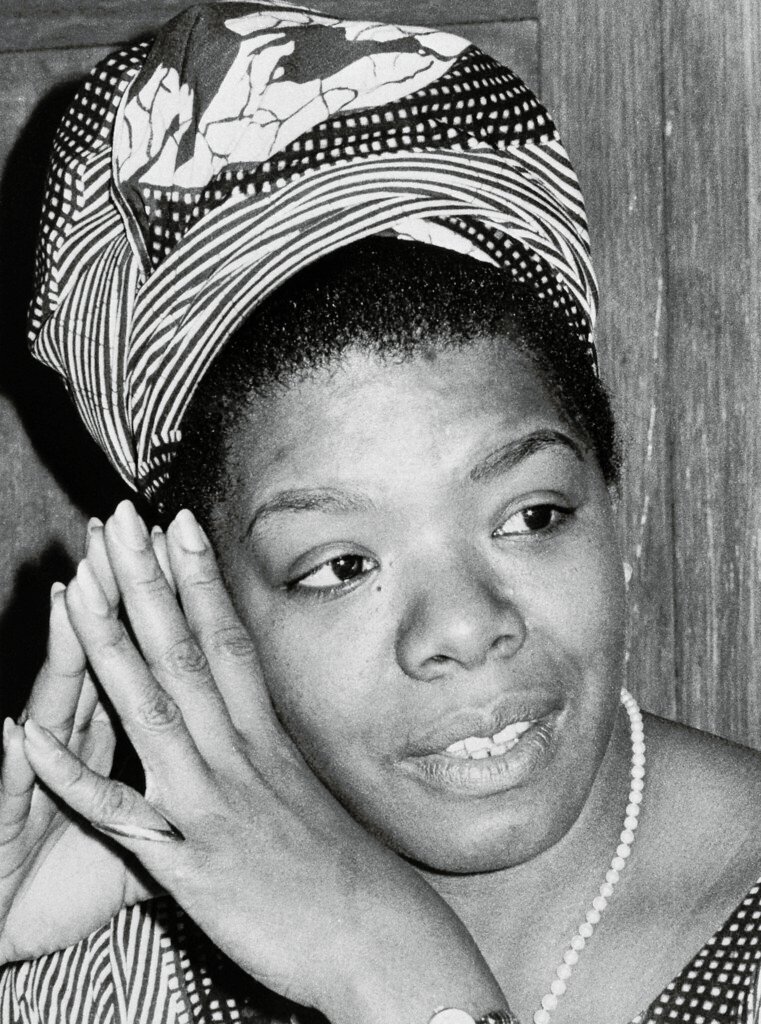
Maya Angelou’s life was an odyssey of reinvention and resilience. After surviving childhood trauma, Angelou chose not to speak for nearly five years, believing her words could bring harm. She later described this silence as the crucible that shaped her poetic voice. Angelou became a singer, dancer, journalist, and civil rights activist, before publishing her groundbreaking memoir, I Know Why the Caged Bird Sings. Her autobiography has sold over six million copies since 1969 and is widely credited with changing the way memoirs are written. In 2021, the U.S. Mint announced that Angelou would appear on the quarter, making her the first Black woman to be so honored. Her journey from trauma to triumph is often cited in studies on resilience and creative recovery.
Stephen King: The Horror King’s Battle With His Own Demons
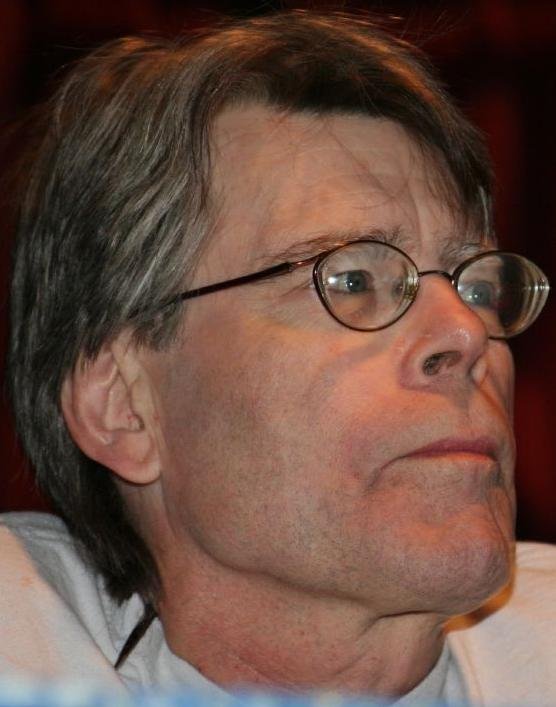
Stephen King has terrified millions with his novels, but his real-life struggles are just as dramatic. King battled alcohol and cocaine addiction for much of his early career, admitting that he barely remembers writing some of his most famous books. In interviews, King has said that he finally sought help after his family staged an intervention, dumping his trash can full of beer cans and drug paraphernalia in front of him. Since getting sober in the late 1980s, King has published over 60 novels and almost 200 short stories, becoming one of the most prolific writers in history. A 2025 survey by the American Library Association confirmed that King is the most borrowed author in U.S. public libraries. King’s story is one of survival and redemption, showing that even the darkest imagination can find a way back to the light.
Leo Tolstoy: The Count Who Gave Up Everything
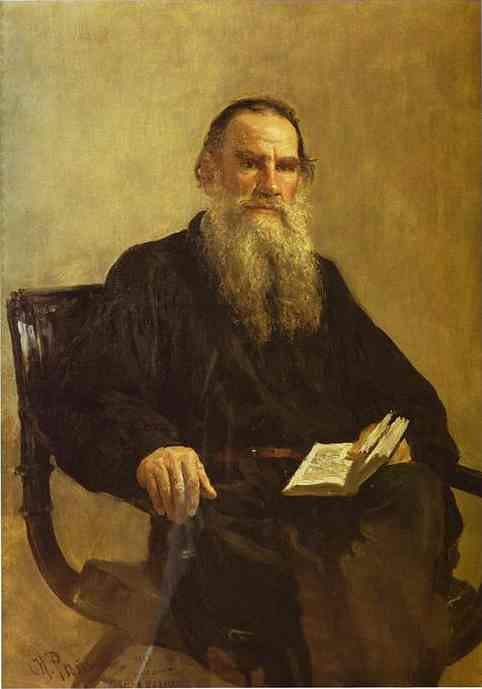
Leo Tolstoy was born into Russian nobility, but as he aged, he became disillusioned with wealth and privilege. After writing War and Peace and Anna Karenina, Tolstoy gave away his possessions, dressed in peasant clothes, and worked alongside his serfs. He embraced a form of Christian anarchism, preached vegetarianism, and wrote pamphlets on nonviolence that later inspired Gandhi. In his eighties, Tolstoy famously fled his home in the middle of the night to seek a life of spiritual purity, dying in a remote railway station. Recent biographers have explored the tension between his family’s expectations and his quest for meaning. Tolstoy’s radical transformation is now studied not just as literary legend, but as a case study in moral and personal revolution.

Besides founding Festivaltopia, Luca is the co founder of trib, an art and fashion collectiv you find on several regional events and online. Also he is part of the management board at HORiZONTE, a group travel provider in Germany.
