

- 10 Facts About The Legendary Rock Band Queen - April 1, 2026
- 10 Most Terrifying Movie Gangsters, Ranked - April 1, 2026
- The Stories Behind 12 Iconic Movie Props You Never Knew Existed. - April 1, 2026
Movies pull us into other worlds through more than just actors and scripts. Props anchor those tales, turning abstract ideas into tangible magic that lingers long after the credits roll.
These everyday objects or custom creations become silent stars, shaping how we feel immersed in the story. Let’s uncover the hidden histories of twelve that redefined cinema.[1]
The Lightsaber from Star Wars (1977)
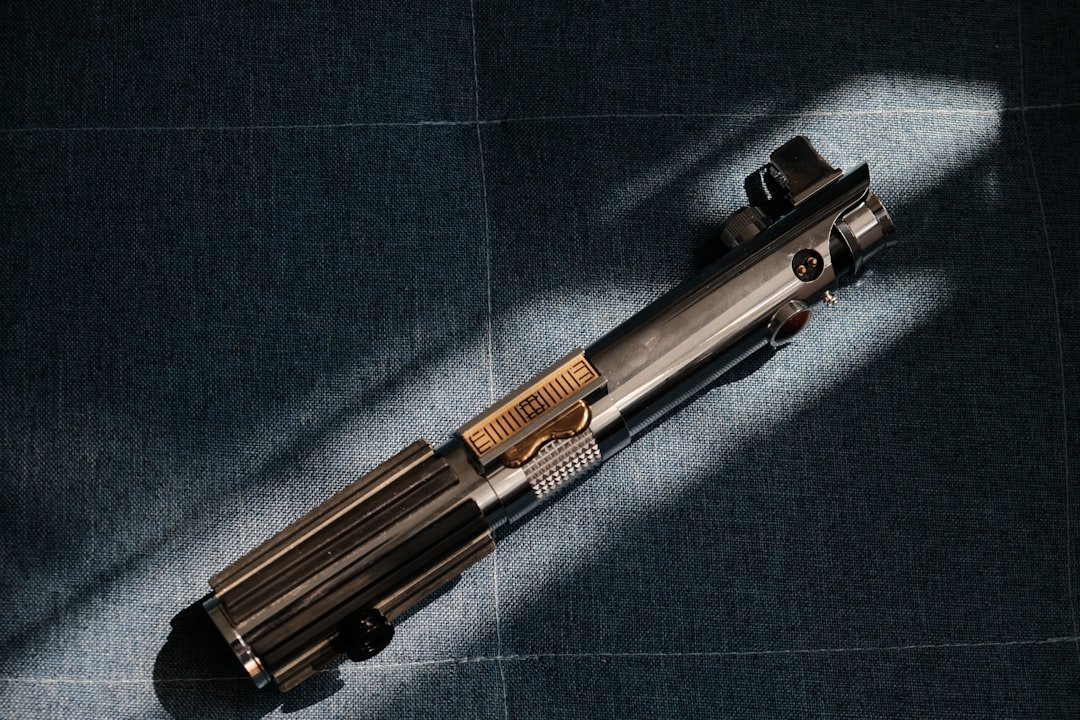
Set decorators scavenged parts from Graflex camera handles found in a dusty London shop. They glued on calculator bits and rubber grips, crafting a hilt that cost around twelve dollars. For the glowing blade, wooden dowels got painted with reflective material and a wobbling motor.[1]
This humble build sparked a franchise symbol everyone craved. Fans still chase replicas, proving its timeless pull on imaginations everywhere. Honestly, it feels like the prop that lit up sci-fi forever.[2]
Rosebud Sled from Citizen Kane (1941)
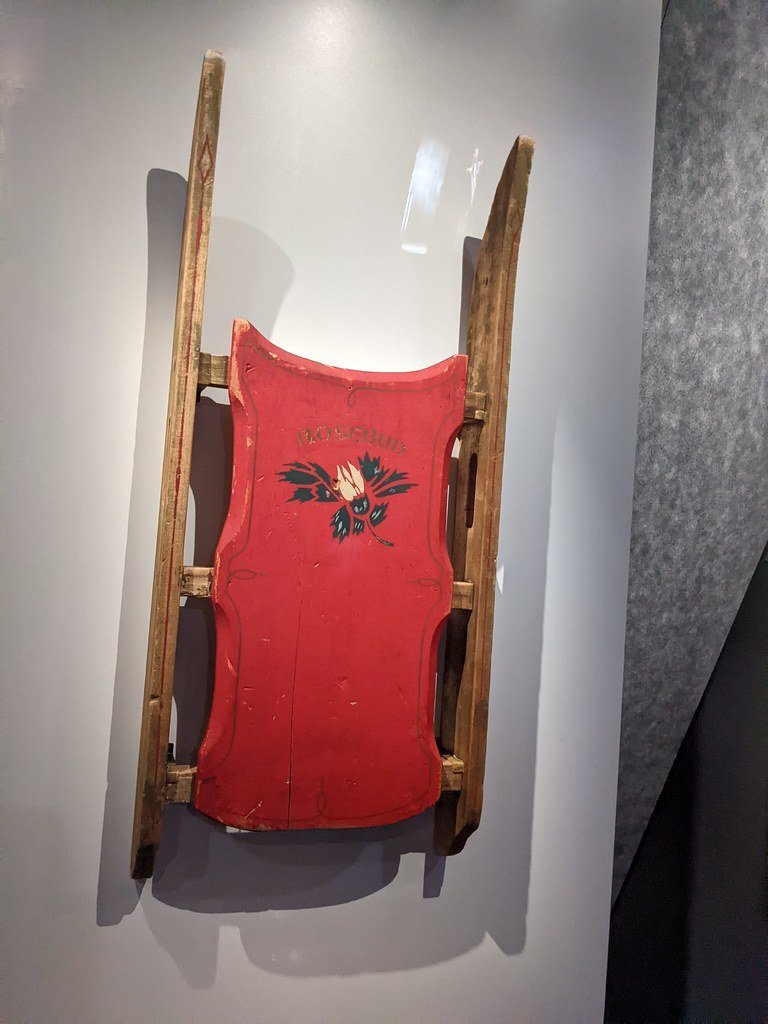
RKO’s prop department hand-built the sled from balsa wood, using dowels and glue for a lightweight, detailed toy. Three identical versions emerged, with two meeting fiery ends during the climactic burn scene. Orson Welles drew from personal loss to name it, evoking childhood innocence lost.[1]
One surviving sled fetched huge auction prices, cementing its status as cinema’s ultimate symbol of regret. It haunts discussions on ambition’s cost, a quiet giant in film lore. Who knew a kid’s toy could carry such weight?[3]
Horse Head from The Godfather (1972)
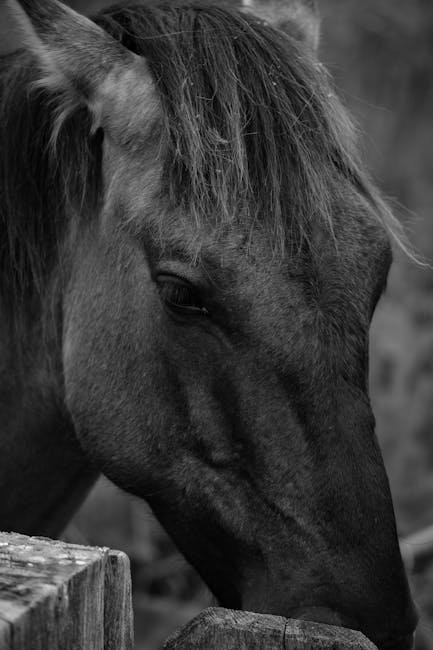
A stuffed replica split open, so the team sourced a real head from a slaughterhouse horse. Frozen with dry ice, it arrived in a massive case on a rainy night shoot. The actor’s genuine terror fueled the raw bedroom scene without any retakes.[1]
Mafia menace embodied in one gruesome prop, it shocked audiences into silence. Replicas pop up in exhibits, reminding us of cinema’s bold edges. That scream? Pure, unscripted legend.
Ruby Slippers from The Wizard of Oz (1939)
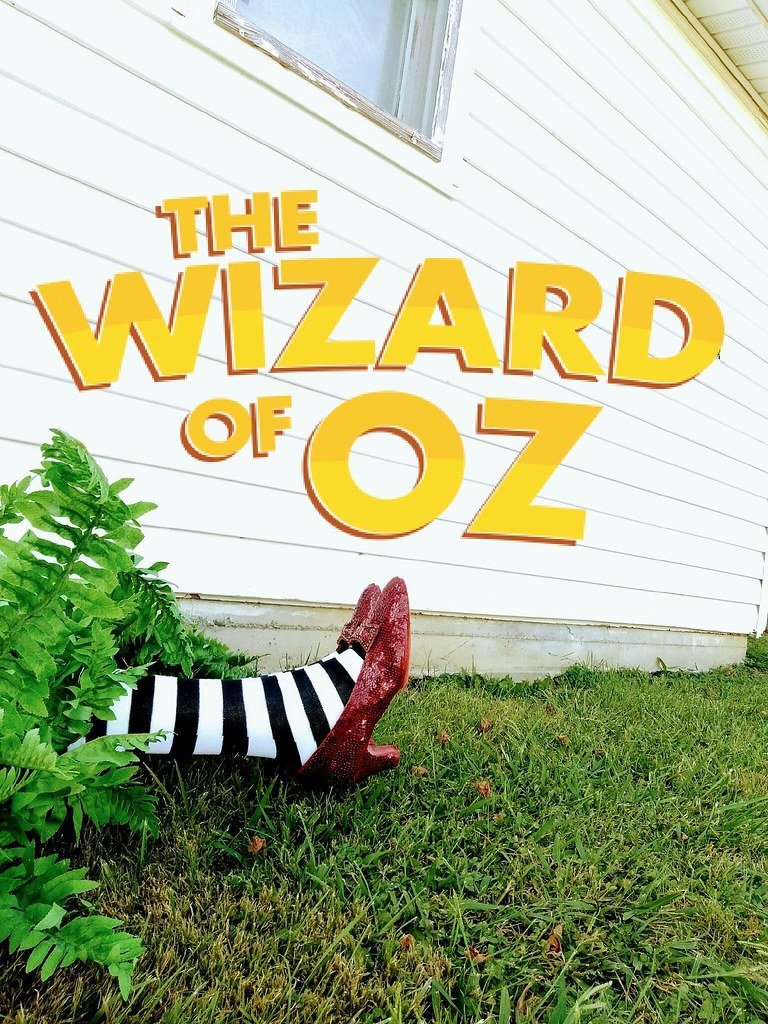
Six or seven pairs of sequined pumps got ruby dye and stiffening for dance durability. In Judy Garland’s size, they sparkled under Technicolor lights during endless reshoots. Theft attempts and recoveries added real drama post-filming.[2]
Surviving pairs auction for millions, icons of escapism and home’s pull. They inspire cosplay and museum crowds yearly. Magic heels that clicked into cultural gold.
Wilson Volleyball from Cast Away (2000)
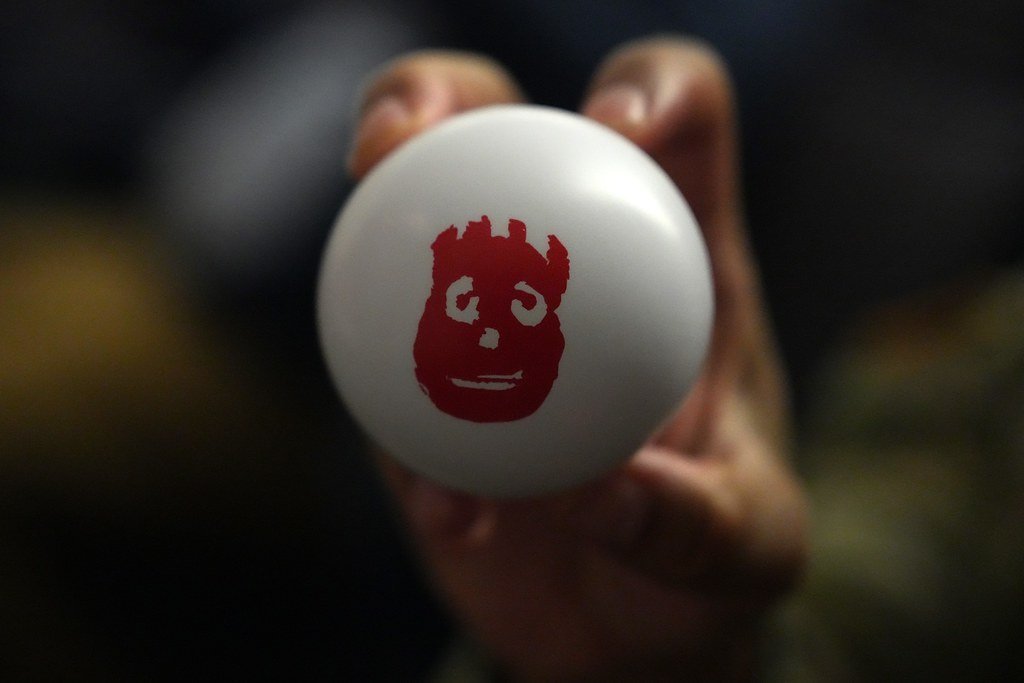
Blank balls from the company got handprinted faces using Tom Hanks’ palm in red paint. Five hero versions aged with sewn hair for raft scenes, one weighted to sink dramatically. Fiji shoots demanded tight security against humidity and fans.[1]
Loneliness found a face, boosting volleyball sales worldwide. It humanizes isolation, popping up in survival tales everywhere. Let’s be real, that ball stole the show.
The One Ring from The Lord of the Rings (2001-2003)
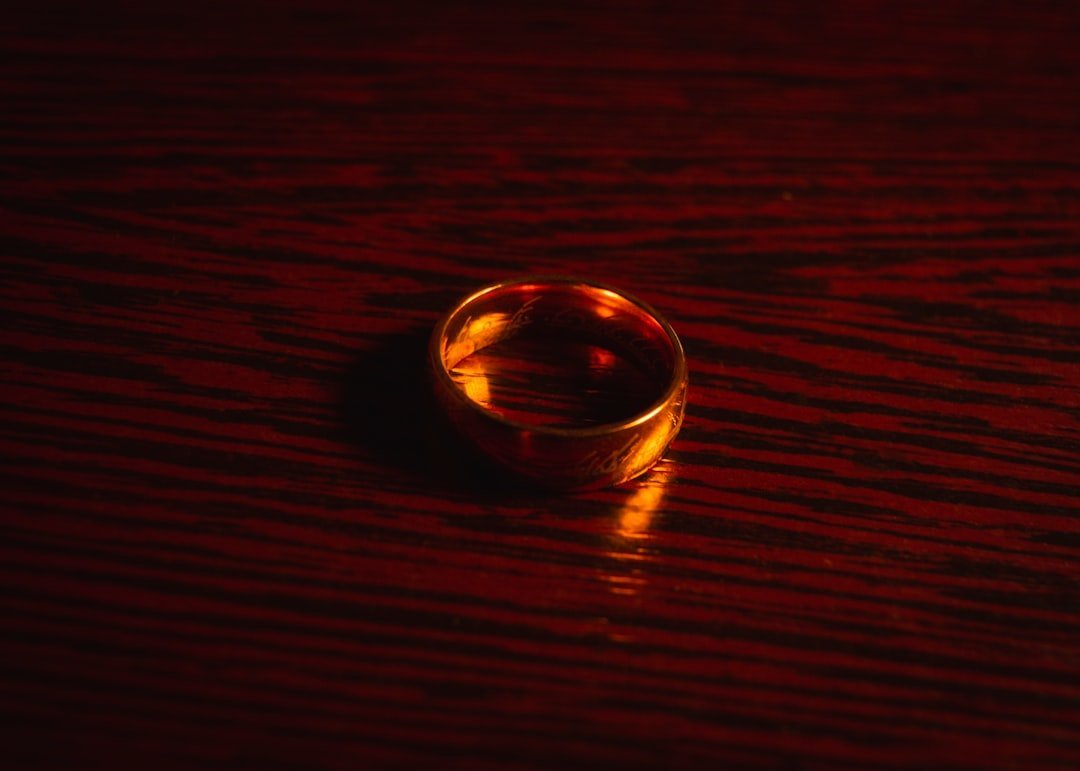
A producer’s wedding band sparked the bulbous gold design by New Zealand jeweler Jens Hansen. Forty versions handled expansions, inscriptions revealed by heat, and forced-perspective shots. No glow in practical builds; effects handled that later.[2]
Corruption’s circle endures in games, jewelry, and fan lore. It binds the epic’s temptation theme across generations. Small band, massive shadow.
Mechanical Shark from Jaws (1975)
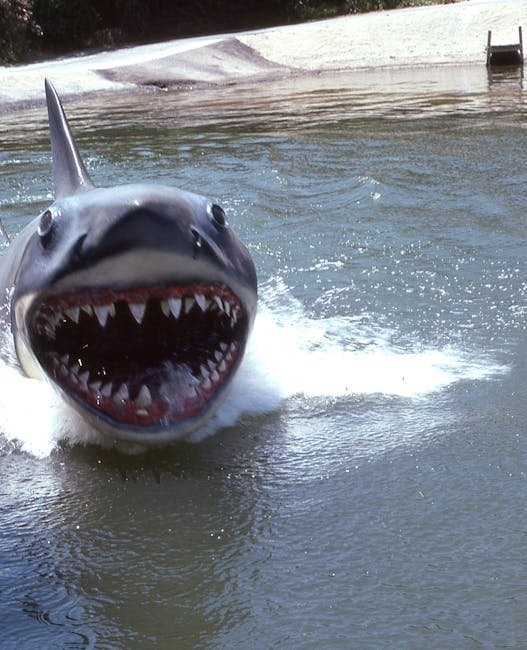
Bruce, a 25-foot pneumatic beast named after Spielberg’s lawyer, terrorized waters off Martha’s Vineyard. Multiple heads swapped for malfunctions, blending practical terror with suspense. Breakdowns forced clever shadow play instead.[2]
It birthed the summer blockbuster, lurking in theme parks today. Fear of the unseen owes much to this finned failure-turned-triumph. Choppy seas, endless ripples.
Red Stapler from Office Space (1999)
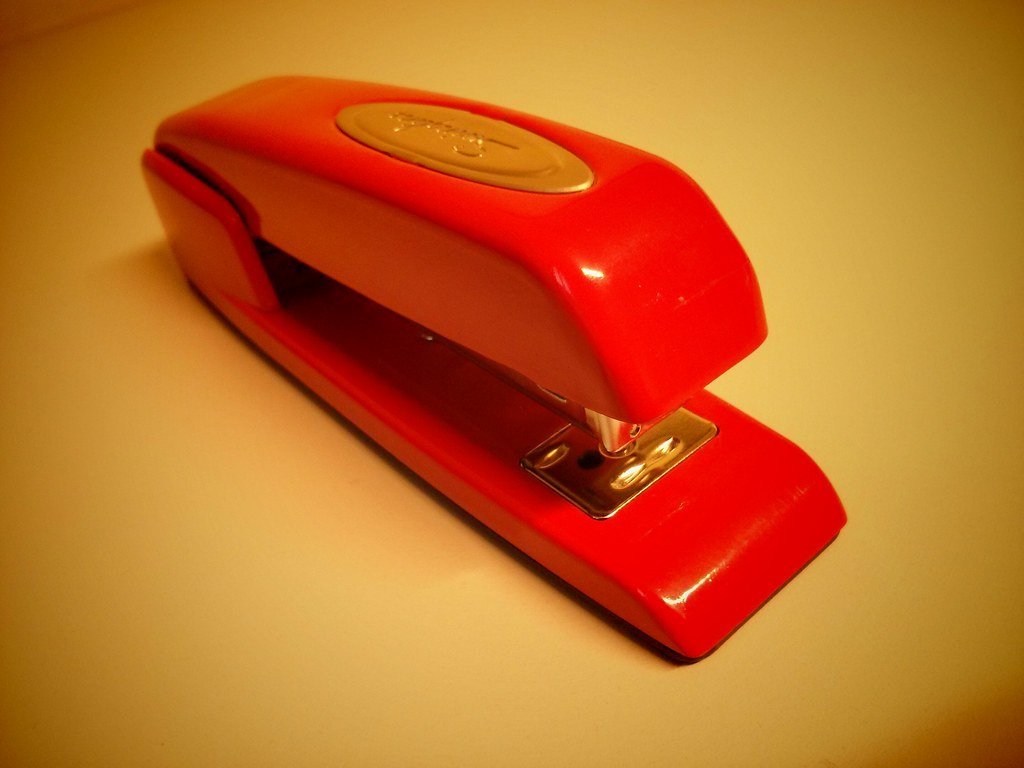
An off-the-shelf Swingline got painted red to pop against drab cubicles, logo added by hand. Three versions burned or survived, sparking real demand post-release. Simple tweak for visual punch in corporate drudgery.[4]
Swingline manufactured them for fans, a cubicle rebellion icon. It mocks monotony, fueling memes and merchandise. Who knew office supplies could rebel so fiercely?
Leg Lamp from A Christmas Story (1983)
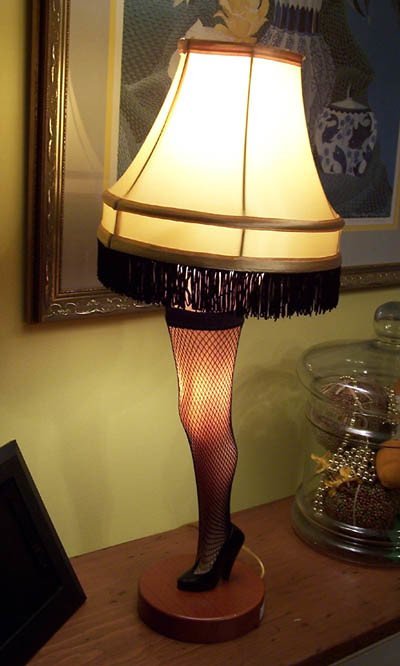
A mannequin leg in fishnets got a comic-book shade, sized big for window glow. Multiples broke on cue, wired for light in snowy street scenes. Pulled from radio tales into fragile holiday glow.[1]
Replicas light homes yearly, embodying fragile dreams. It amps nostalgia, cracking smiles amid tinsel. Major award indeed.
Hoverboard from Back to the Future Part II (1989)
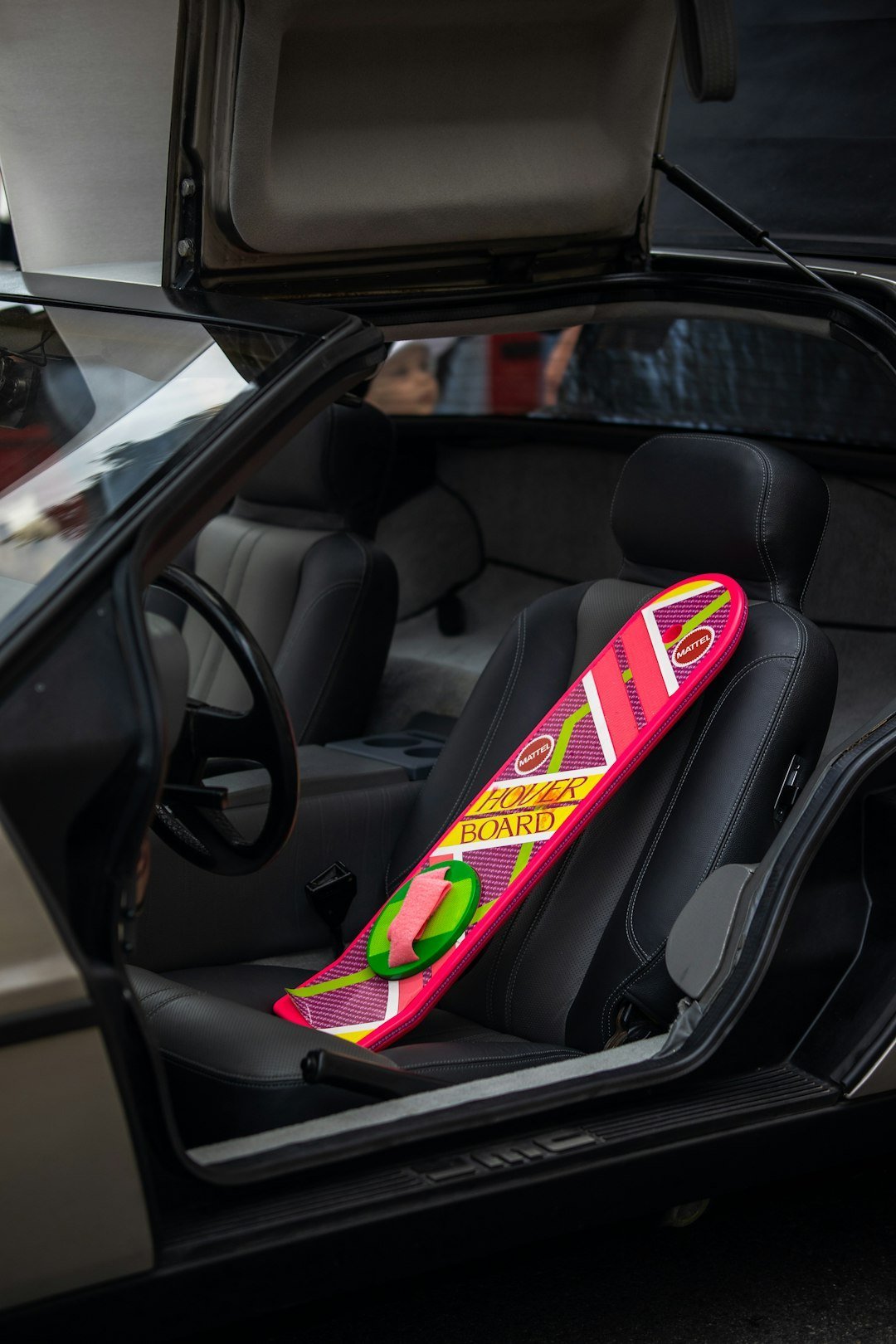
ILM sketches evolved from winged skateboards to sleek neon graphics, simplifying for mass production. Pink and turquoise nods to ’80s trends, magic hidden inside. Cost cut complex jets for practical wires.[1]
Fueled real hoverboard crazes, teasing future tech. It glides through pop culture, inspiring gadgets galore. Eighty-eight miles per hover?
Maltese Falcon from The Maltese Falcon (1941)
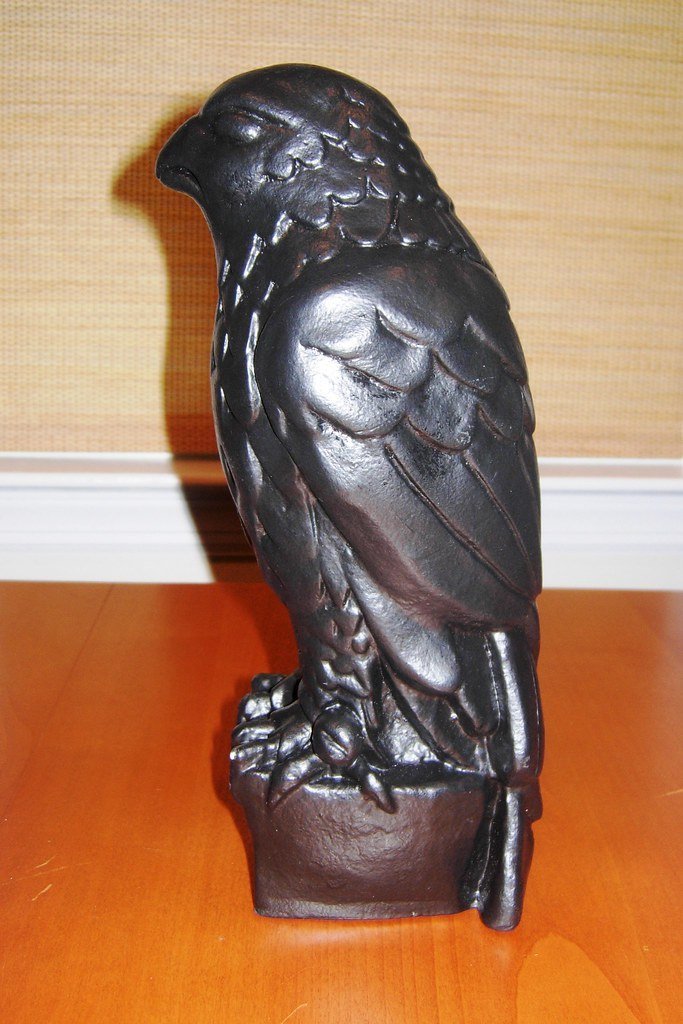
John Huston commissioned a lead statuette for under a hundred bucks from sculptor Fred Sexton. Dented originals led to multiples, blacked out for jewel tease. Film noir’s black bird born cheap.[1]
Auctioned for millions, it defines MacGuffins everywhere. Detectives chase it eternally in remakes and lore. Feathers worth fortunes.
Golden Ticket from Willy Wonka & the Chocolate Factory (1971)
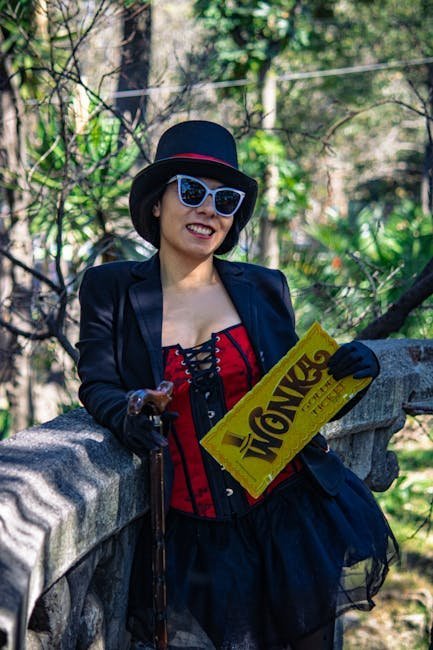
Foil-wrapped crunchy paper mimicked real prizes, hundreds prepped with spares for wear. Handled delicately across factory frenzy scenes. Simple print turned into whimsical hunt bait.[1]
Catchphrase candy dreams fuel contests and cosplay. It sweetens chance’s thrill in kid-lit forever. Pure, edible excitement.
How Props Shape Memorable Film Moments
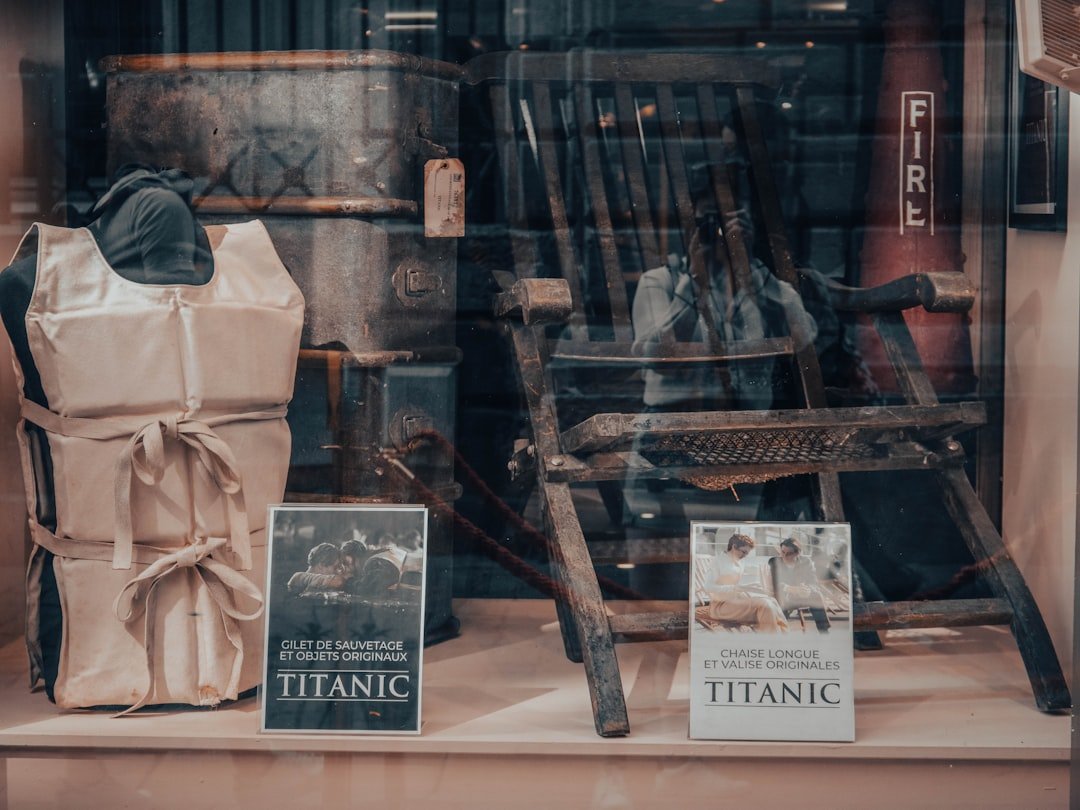
These objects whisper backstories that elevate scenes from good to unforgettable. They bridge our world to fiction’s pulse, demanding craft that outlives reels.
Next time a prop catches your eye, ponder its journey. What hidden tale made that magic click? Share your favorites below.[1]
CEO-Co-Founder
