

We’ve all stood before a famous landmark and felt that rush of recognition. The postcard version. The version you’ve seen a thousand times. The one you think you already understand. Yet beneath the surface of many of the world’s most iconic structures lie stories so surprising, so layered with contradiction and hidden purpose, that the familiar image almost cracks open before your eyes.
History, it turns out, is rarely as straightforward as the tour guide suggests. Landmarks get sanitized, simplified, repackaged into convenient narratives. The real history is messier, stranger, and honestly? A lot more fascinating. Let’s dive in.
The Eiffel Tower: Nearly Demolished and Secretly Armed
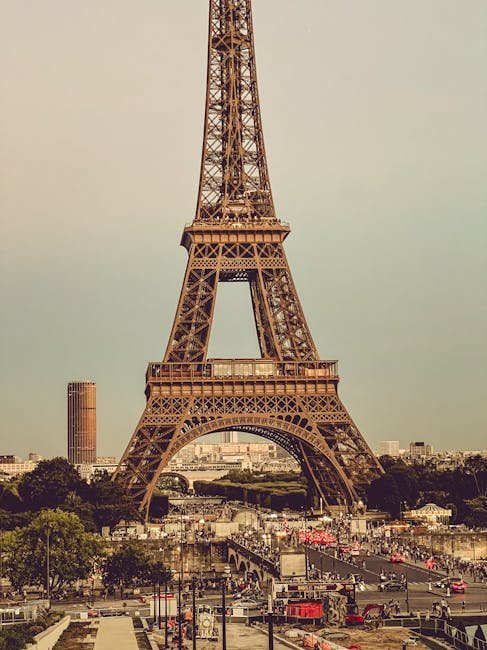
Here’s something most people standing beneath the Iron Lady never hear: the Eiffel Tower was never intended to be a permanent fixture in the Parisian skyline. It was designed and built as the grand entrance for the 1889 Exposition Universelle, a massive event held to celebrate the 100th anniversary of the French Revolution. The original plan was to dismantle the tower after 20 years. Because it was meant to be temporary, the tower faced significant opposition, with many prominent artists and intellectuals of the time signing a petition against its construction, calling it a “useless and monstrous” blot on the city’s landscape.
What actually saved it? Not public sentiment. Not beauty. Pure utility. After its 20-year permit expired in 1909, the tower was saved from demolition because it had found a new, vital purpose as a radiotelegraph station. Its height made it an ideal antenna for the new technology, and its value to communications secured its future.
The military angle is even wilder. In 1914, during the Battle of the Marne, the Tower’s radiotelegraph station learned that a German general commanding a wing of the German army was experiencing logistical problems and halting his advance. This vital information enabled the French command to organise a victorious counter-attack. The most photographed structure on Earth essentially helped win a war. Think about that next time someone snaps a selfie there.
Oh, and there is a secret apartment and office at the very top of the Eiffel Tower. In 1889, Gustave Eiffel, the engineer of this famous Paris landmark, built himself a private apartment and office. The sky-high hideaway had plush rugs, oil paintings, and even a grand piano. Only a few VIPs were allowed to visit, such as superstar scientist Thomas Edison.
The Roman Colosseum: Not Quite What Hollywood Told You
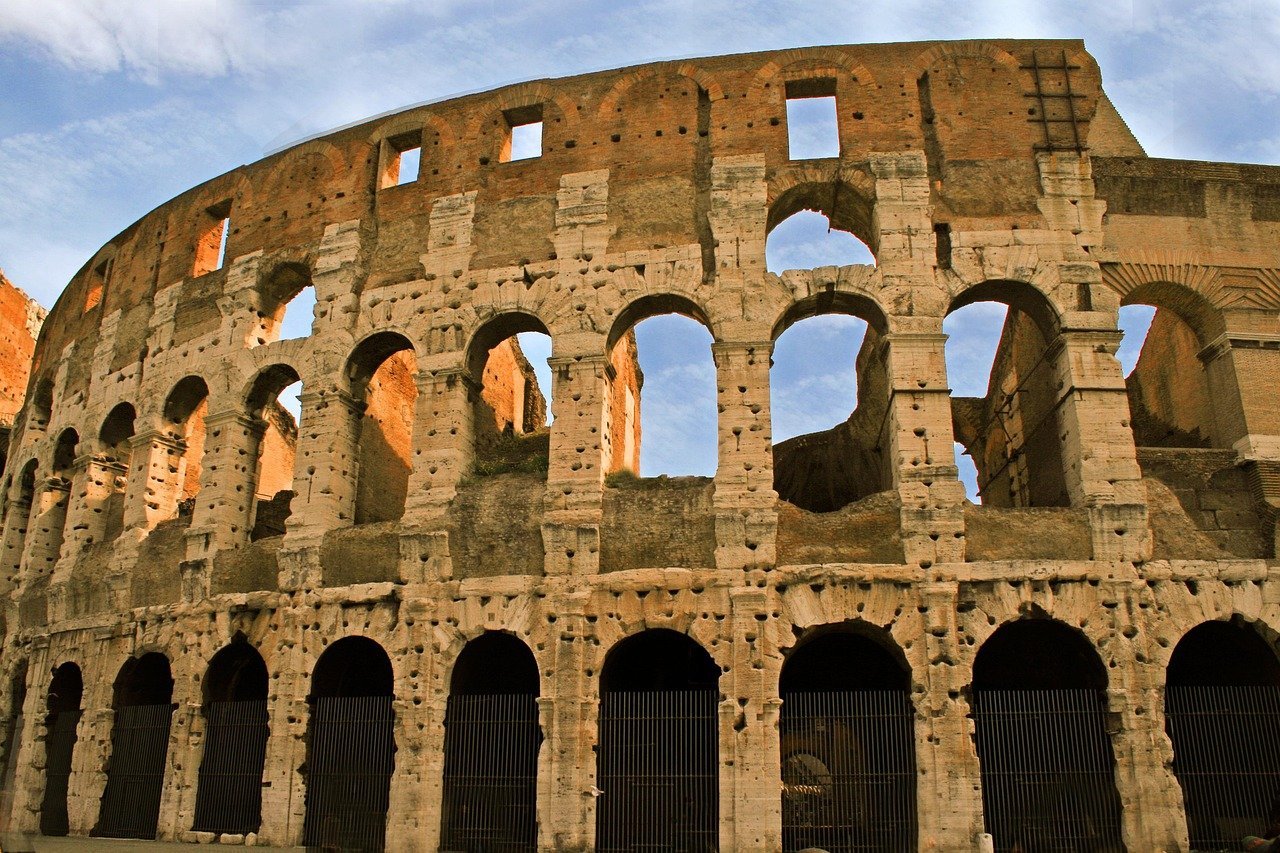
Nearly everyone associates the Colosseum with gladiators fighting to the death, Christians being fed to lions, and emperors deciding life and death with a thumbs-down. Honestly, it’s a compelling image. It’s also riddled with historical gaps. Persecutions of Christians happened in Rome, but there is no reliable historical evidence of executions specifically inside the Colosseum. The site was later sacralized by Pope Benedict XIV in 1749, which helped preserve it from further quarrying, giving rise to the martyrdom association.
The gladiator myth gets complicated too. Contrary to Hollywood depictions, gladiators didn’t always fight to death. Training gladiators was costly, and skilled fighters gained celebrity status. Most matches ended when a gladiator surrendered or was injured. Think of them less as condemned men and more like expensive professional athletes their promoters didn’t want dead.
Below the arena floor lies the Colosseum’s most astonishing secret. The Colosseum’s underground section, called the hypogeum, is a labyrinth of tunnels and rooms where gladiators, animals, and props were kept before being lifted into the arena. This complex system added a dramatic element to the spectacles as participants seemingly appeared out of nowhere. One of the most mind-blowing facts about the Colosseum is that it could be filled with water for mock naval battles, known as “naumachiae.” Yes, actual water battles with ships inside the arena. The Romans were geniuses when it came to creating spectacles. However, this only happened before they built the hypogeum, after which flooding the arena became too tricky.
The Taj Mahal: A Love Story Built on Deception
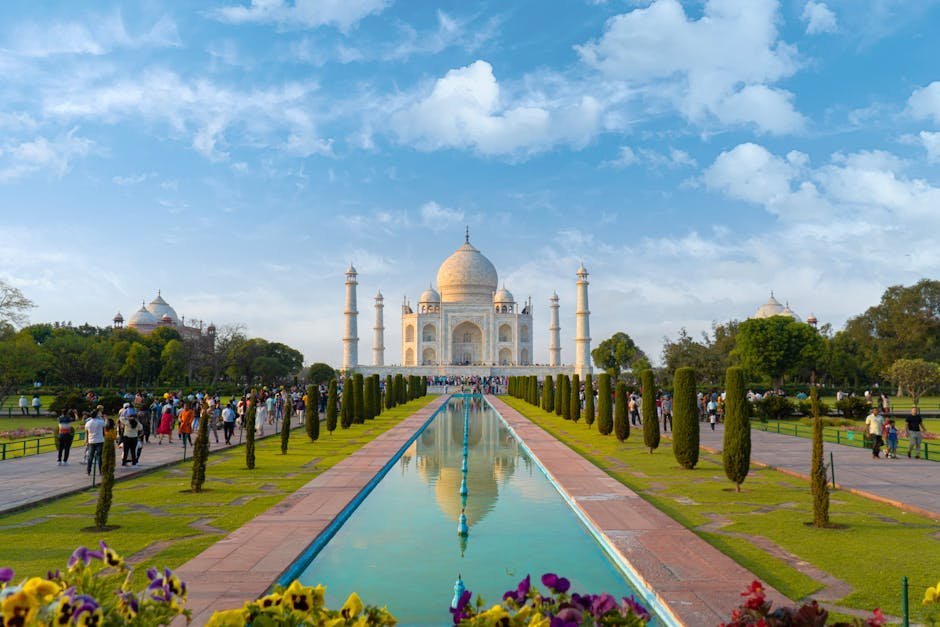
The Taj Mahal is the world’s most famous monument to love. Or is it? Accounts have shown that, as a leader, Shah Jahan was more ruthless than romantic. For all its associations to devotion and ardor, the Taj was also a source of propaganda. The complex’s ordered symmetry symbolizes absolute power – the perfection of Mughal leadership. Its grand scale and extravagance only brought glory to Shah Jahan’s reign. Love and political theater, wrapped in the same white marble. Not quite the pure love story you might expect.
Architecturally, the building is full of deliberate illusions. The Taj Mahal employs an optical illusion where it appears larger and closer from a distance, then smaller and further away as one approaches. This is mainly due to the architectural design and the open landscape. The minarets, which appear perfectly upright, are leaning outside to protect the main structure in case of collapse, and that also contributes to the illusion.
Here’s a detail that genuinely surprises most visitors. Both Mumtaz Mahal and Shah Jahan are buried in unmarked graves in a quiet room below, at garden level, because Islam prohibits the decoration of graves. The ornate tombs tourists photograph are ceremonial decoys. The real graves are underground, deliberately plain. Legend also has it that Shah Jahan intended to build a Black Taj Mahal for himself on the opposite bank of the Yamuna River. Unfortunately, his dream was cut short when he was imprisoned by his own son, Aurangzeb.
Mount Rushmore: The Hidden Room Nobody Talks About
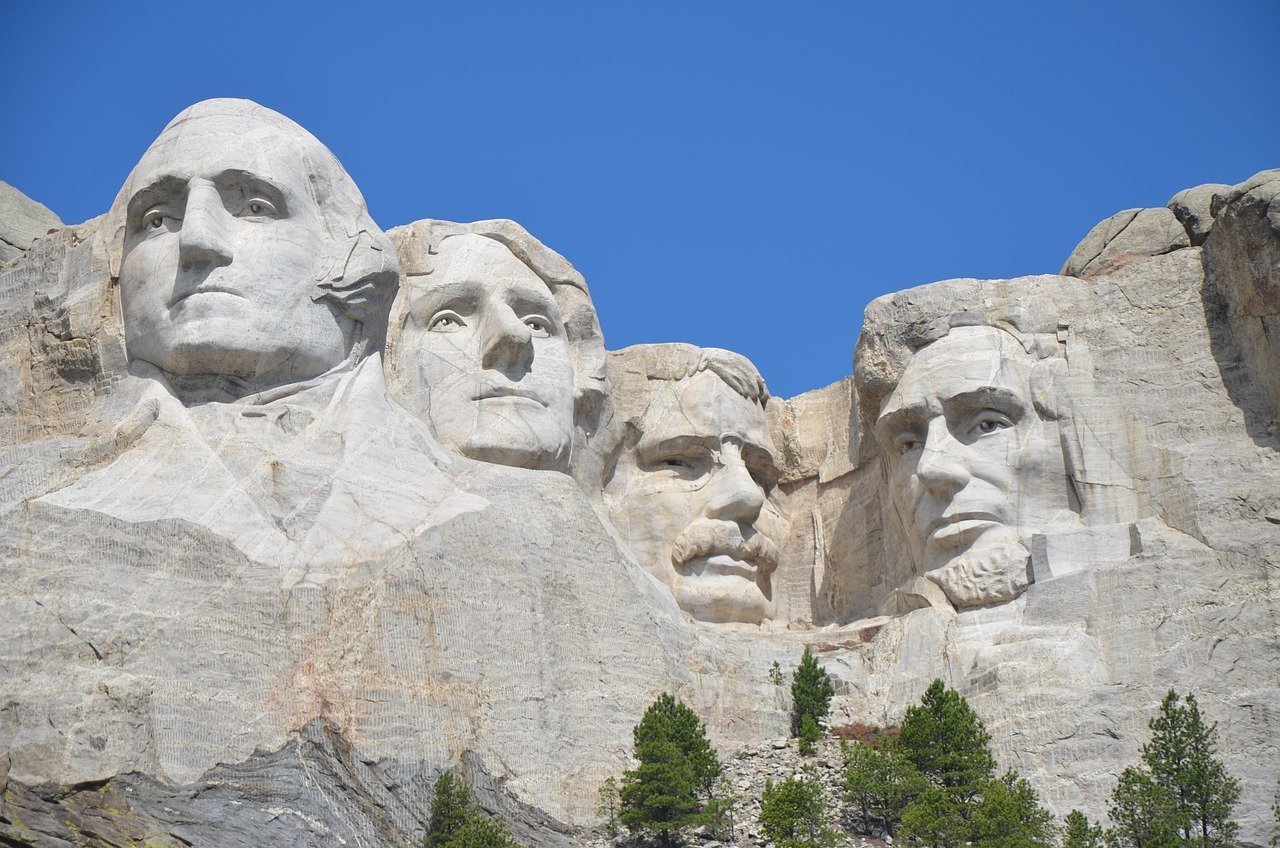
Mount Rushmore is presented as a triumphant celebration of American democracy. Most visitors don’t know there’s literally a secret room inside the mountain, and most don’t know why it was never finished. Borglum turned his efforts toward creating a hidden room within the mountain to hold documents and artifacts emblematic of America’s history. Construction began in July 1938, and over the following year, a 70-foot tunnel was blasted into the mountain. However, progress halted in 1939, when Congress directed that work be conducted only on the faces.
Finally, on August 9, 1998, the Hall of Records, a dream Borglum had conceived decades earlier, was completed when a repository of records was placed in the floor of the hall entry. So there’s a hidden archive inside a mountain carving in South Dakota. I think that qualifies as one of the strangest sentences in American history.
There’s also the troubling context that rarely appears on tourist placards. The actual building was done largely by Jewish slaves, overseen by Roman engineers and craftsmen – wait, that’s the Colosseum. For Rushmore, the Colosseum’s construction, funded by the spoils from the Jewish War, symbolized Rome’s military success. The point is that grand monuments almost universally carry hidden costs and uncomfortable histories beneath their polished public narratives. Mount Rushmore itself sits on land sacred to the Lakota Sioux people, a fact that continues to generate legitimate and important debate today.
The Statue of Liberty: She Was a Lighthouse First
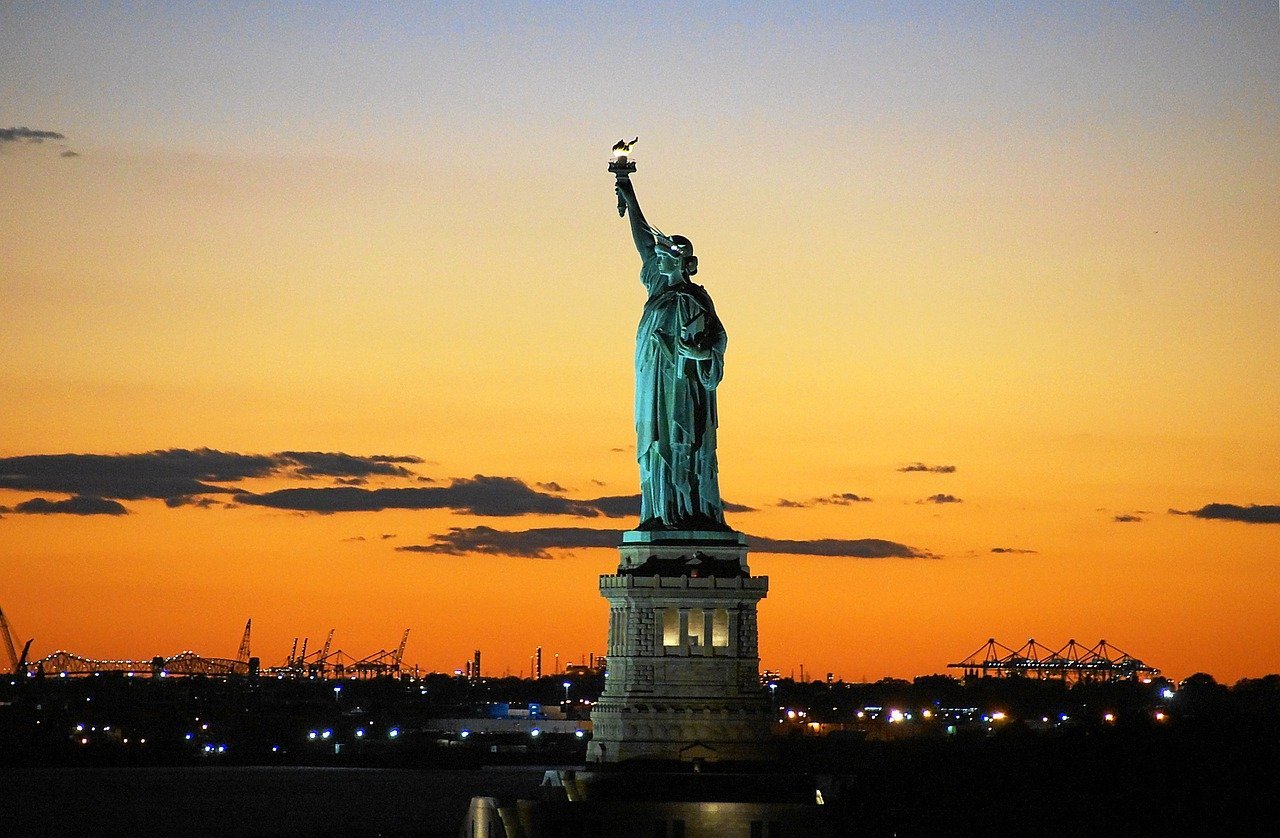
Most people know her as a symbol of freedom and immigration. Far fewer know that for her first sixteen years, she was pulling double duty. From 1886 to 1902, Lady Liberty served double duty as a working lighthouse. This lesser-known function adds an intriguing layer to the statue’s rich history, highlighting its practical importance beyond its symbolic significance. During its time as a lighthouse, the Statue of Liberty’s torch would have been a welcome sight for ships entering New York Harbor, guiding them safely to shore.
The statue’s appearance is also not quite as original as you might think. The green hue, a result of patina, was never intended, yet it became an integral part of her identity. The copper originally gleamed a reddish-brown, almost like a brand-new penny. The famous green color evolved over decades of exposure to salt air and weather. It’s one of those happy accidents that ended up becoming iconic.
Then there’s the detail hiding in plain sight at her feet. Few know about the broken chains at her feet, symbolizing liberation from oppression. Most tourists, eyes drawn upward to the torch and the crown, never look down. The chains are a deliberate and powerful part of the original design, commemorating the end of slavery in the United States. A detail that arguably means more than the torch itself.
The Tower of London: More Than a Prison
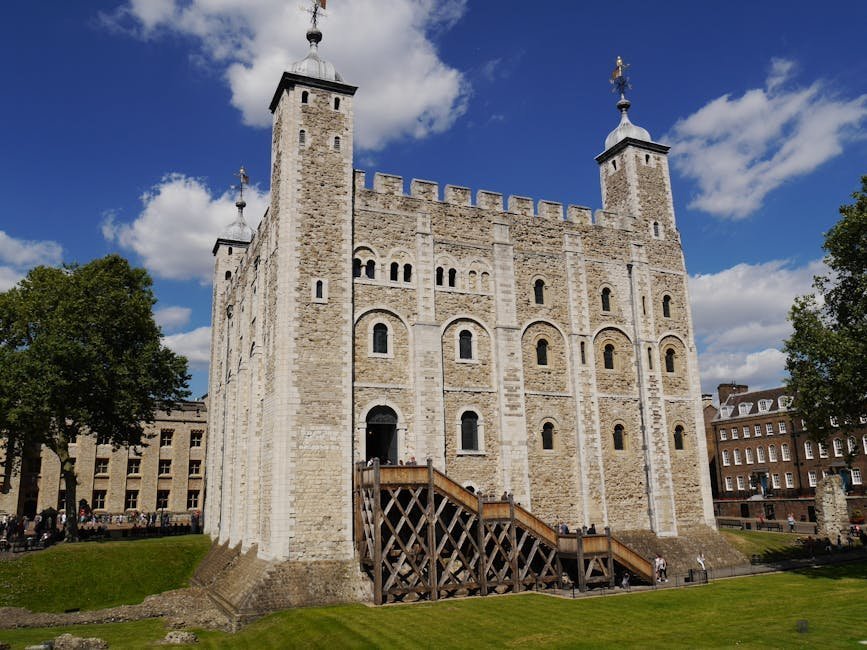
The Tower of London was built by William the Conqueror in 1078 to create a new royal residence. A royal palace. Not a prison. Yet the story most people know skips straight to dungeons and executions. It served as a prison from 1100 to 1952, housing some of the country’s most notorious criminals, such as Ranulf Flambard and the Kray twins. That’s nearly 850 years of incarceration spanning medieval lords to 20th century gangsters. One building. Unbelievable range.
Then there are the ravens. Many people might not know that the castle is protected by six ravens at all times. Superstition would have you believe that if the ravens were to leave the tower, the kingdom would fall. For this reason, the tower currently cares for seven ravens – the six they need and an extra one in case the worst happens.
It’s hard to say for sure when this tradition truly began, but Charles II is the man reportedly behind the superstition. He ordered the protection of the ravens following a warning that both the Tower of London and the Crown would fall if the birds were to ever leave. A spare raven as insurance against the collapse of the British monarchy. You genuinely couldn’t make this up. And the tradition is alive and well in 2026.
Grand Central Terminal: The Backwards Sky and the Tennis Court
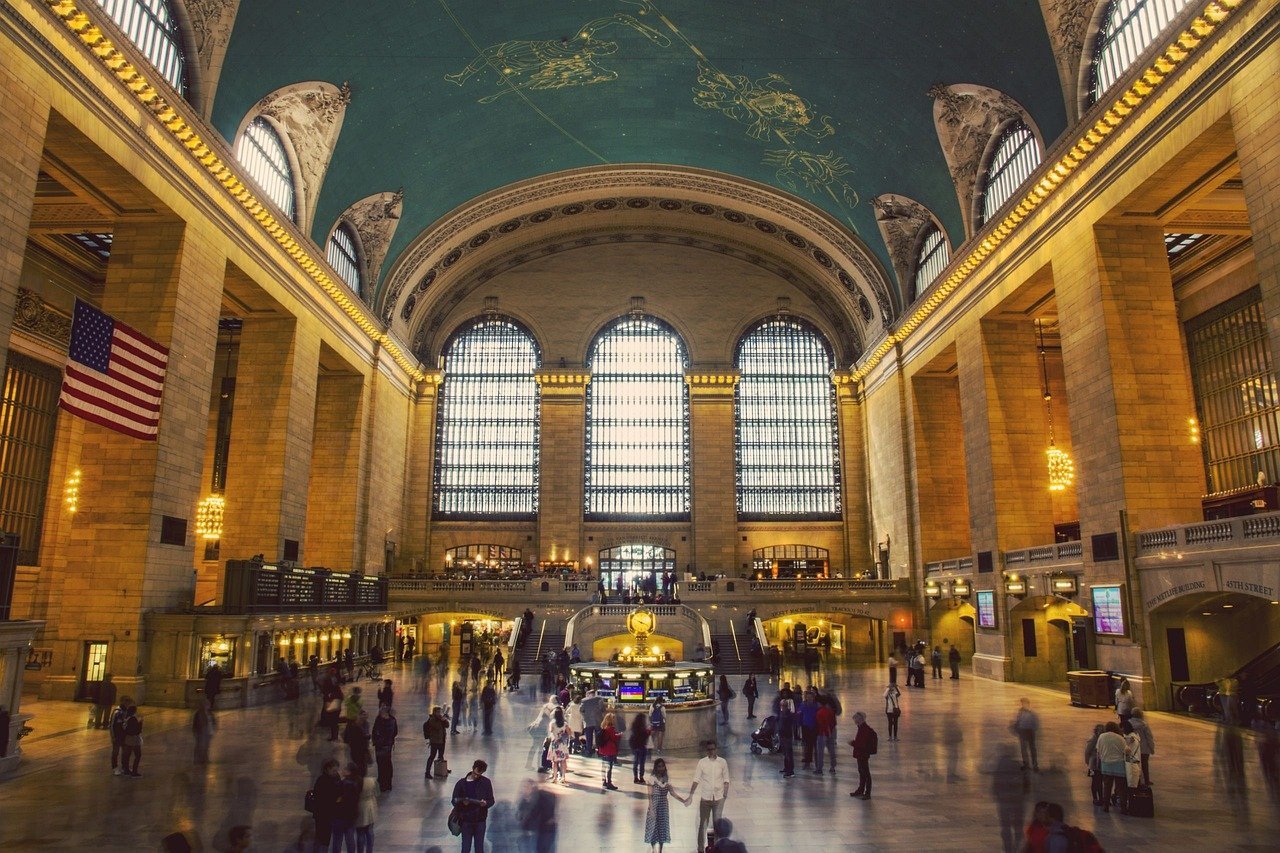
Grand Central Terminal in New York is one of the most visited buildings in the world. Tens of thousands walk through it daily without looking up. Those who do look up miss something strange. Inside the Main Concourse, the ceiling is painted with the sky’s constellations. What many visitors miss is that they appear backwards. It’s often said that the artist was given a diagram from an atlas, but the star’s patterns were projected in reverse.
The Vanderbilt family, who financed the station, quickly offered an alternate explanation: the artwork is meant to be viewed from a heavenly perspective, looking down upon Earth, hence the inverted sky. Whether this was brilliant forethought or a convenient justification, either way, Grand Central proves that even mistakes can become legend. I find that oddly poetic. A supposed error, retrofitted into genius.
There’s also the matter of the hidden sports venue. Many people would never guess that Grand Central Terminal has been the home of a tennis court since the 1960s. Vanderbilt Tennis Club is located on the upper levels of the terminal and has one full-sized court, a junior court, and a fitness room. A working tennis club, above one of the world’s busiest transit hubs. Still operating today. Now that’s an unexpected detail.
The Lincoln Memorial: Hidden Initials and a Misspelled Word
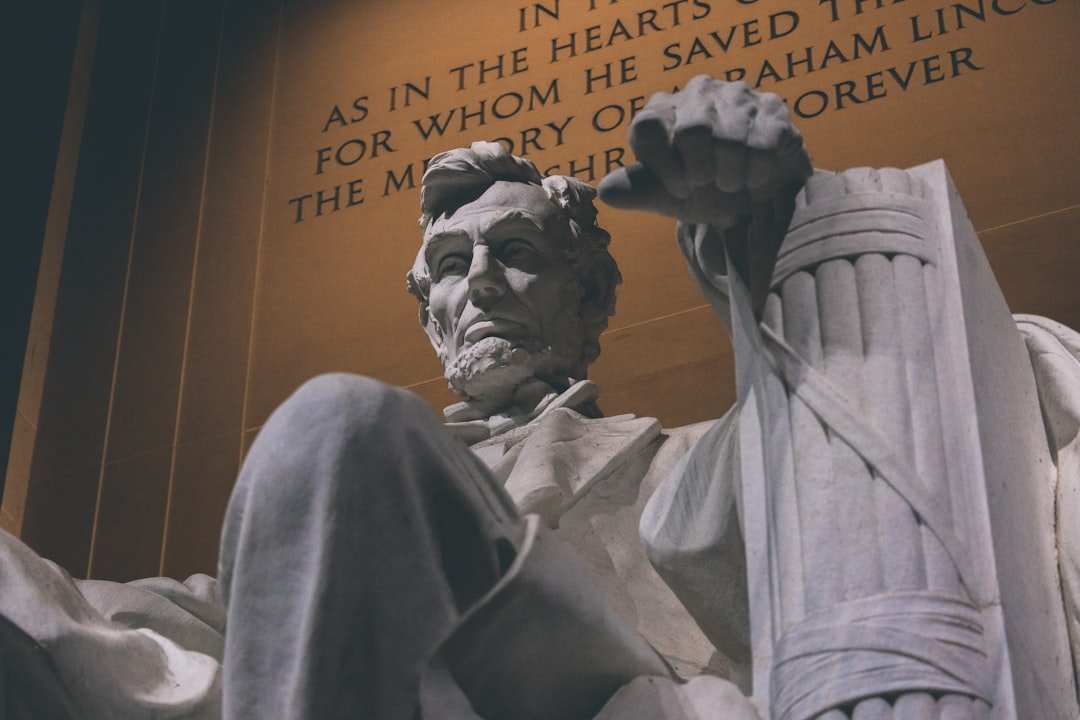
The Lincoln Memorial is one of the most visited and most solemnly regarded monuments in the United States. It is also, quietly, home to a remarkable act of historical justice that almost no one notices. If you’ve visited, you likely missed the letters “EBL” carved into the stone of the north wall. The initials stand for Evelyn Beatrice Longman, the sculptor who designed the memorial’s ornamental border. Longman would later become the first woman sculptor elected to the National Academy of Design, a rare and significant achievement at the time – one quietly embedded within one of the country’s most important monuments.
Then there’s the typo. During construction, the word “FUTURE” was reportedly misspelled before being corrected, leaving a ghostly double-engraving visible if you know where to look. It’s the kind of human error that feels almost incomprehensible in a monument meant to last centuries. Yet there it is, a tiny reminder that even the most solemn places are made by fallible people with chisels and deadlines.
Behind the memorial itself, there is also a hidden door. This iconic U.S. landmark has a hidden feature. Behind the head of Abraham Lincoln, there is a secret door. The chamber beyond was part of a larger plan for the memorial site that was never completed. History loves an unfinished room.
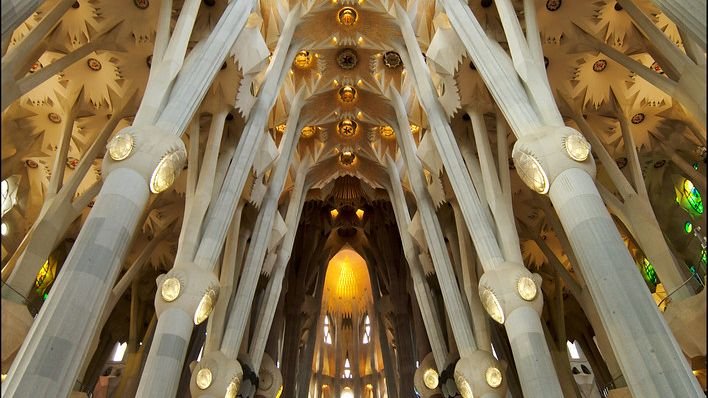
The Sagrada Família: A Cathedral Whose Architect Died a Beggar
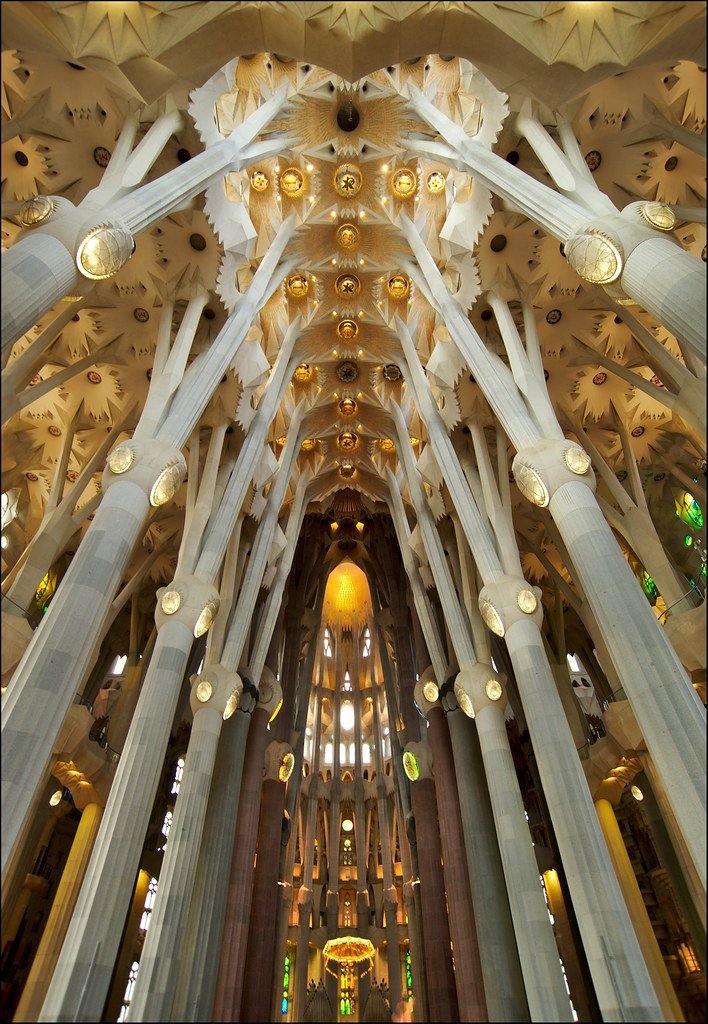
Antoni Gaudí’s still-unfinished masterpiece in Barcelona is one of the most ambitious construction projects in human history. It has been under construction longer than the Great Pyramid of Giza took to build. But the story of its creator is genuinely heartbreaking. Beginning in the early 1910s, Gaudí had grown so devoted to his work on the Sagrada Família that he moved into his workshop in the cathedral, neglecting his personal hygiene. So unrecognizable had he become at the time of his death on June 10th, 1926, which occurred as a result of injuries sustained when he was struck by a tram, that the 73-year-old Gaudí was at first mistaken as a beggar and given substandard care, a fact that may have contributed to his death.
He was eventually recognized by the chaplain of the cathedral, however, and given a hero’s burial in the crypt of the very cathedral that would become a lasting but to-this-date-unfinished monument to his fame. The man who designed one of the most elaborate buildings ever conceived is buried inside it, having died on a Barcelona street corner mistaken for a homeless man. That story deserves to be told far more often than it is.
The completion date for the beloved basilica is set for 2026, which would be the 100th anniversary of his death. Nearly a century after the architect passed, the building he gave his life to is finally approaching completion. There is something almost unbearably poignant about that timeline.
The Brooklyn Bridge: Prohibition Secrets Below the Water
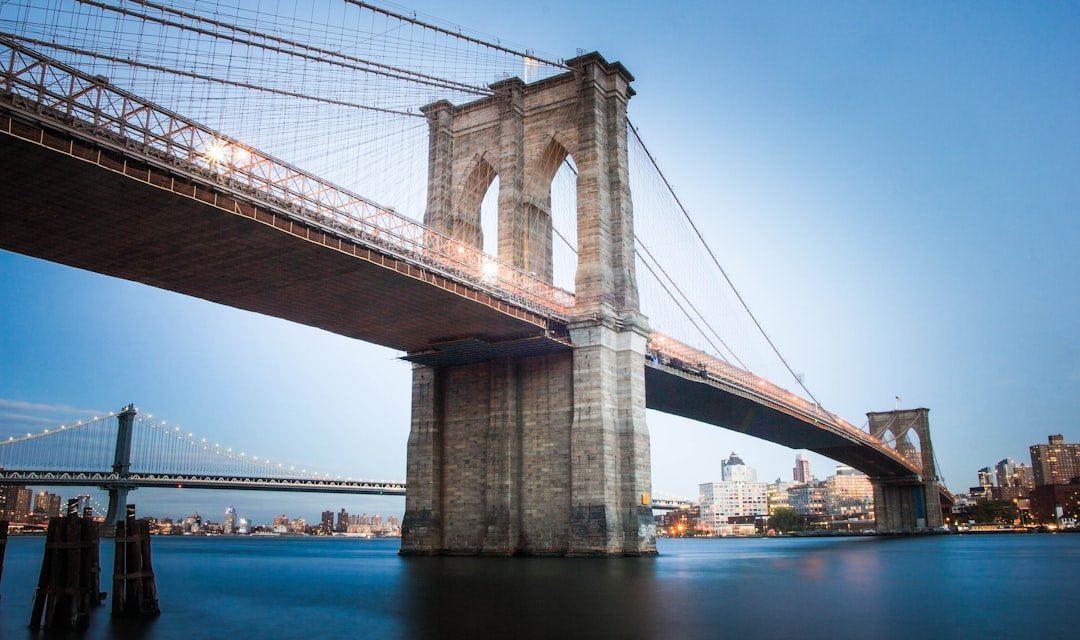
The Brooklyn Bridge is an engineering legend, a symbol of New York grit and ambition. But it hides something unexpected beneath its iconic arches. The Brooklyn Bridge, a masterpiece of engineering, connects Manhattan and Brooklyn with grace and strength. Beneath its iconic arches lies a hidden vault, once used as a wine cellar during Prohibition. This subterranean space, a secret to many, adds a layer of intrigue to the bridge’s history. That detail lands differently depending on your perspective. New York has always been resourceful.
The bridge’s construction was equally dramatic. Chief engineer John Roebling died from tetanus shortly after the project began, and his son Washington Roebling took over, only to be severely debilitated by decompression sickness from working in the pressurized underwater foundations. He supervised the remaining construction from his apartment window, using binoculars, while his wife Emily relayed his instructions daily to the construction crew. She learned enough engineering to effectively co-lead the project. It is one of the most remarkable stories in American infrastructure history, and it rarely appears in the tourist brochures.
When the bridge finally opened in 1883, a rumor spread that it might collapse. The resulting panic on opening day led to a deadly stampede on the bridge’s promenade. P.T. Barnum, always sensing an opportunity, walked 21 elephants across the bridge shortly after to demonstrate its structural integrity. History is genuinely strange, and the Brooklyn Bridge keeps proving it.
Conclusion: History is a Moving Target
The landmarks we visit, photograph, and post about are never quite the full story. They are edited versions of far messier, stranger, more human realities. A tower that nearly became scrap metal. A love monument that doubled as political propaganda. A cathedral completed a century after its architect died unrecognized in the gutter. These are not footnotes. They are the actual story.
Reinterpreting history isn’t about tearing down what we admire. It’s about looking more honestly. When we discover the hidden apartment above Paris, the backwards stars in New York, the underground labyrinth in Rome, we don’t lose something. We gain a richer, more honest relationship with the past. The landmarks themselves become more human, not less impressive.
Every great structure holds a version of history that the official narrative prefers to keep quiet, smoothed over, or simply forgotten. The real question is whether we’re curious enough to look past the postcard. What other secrets might be hiding in the places you thought you already knew?

Besides founding Festivaltopia, Luca is the co founder of trib, an art and fashion collectiv you find on several regional events and online. Also he is part of the management board at HORiZONTE, a group travel provider in Germany.
