

Mark Twain’s Double Life on the Mississippi
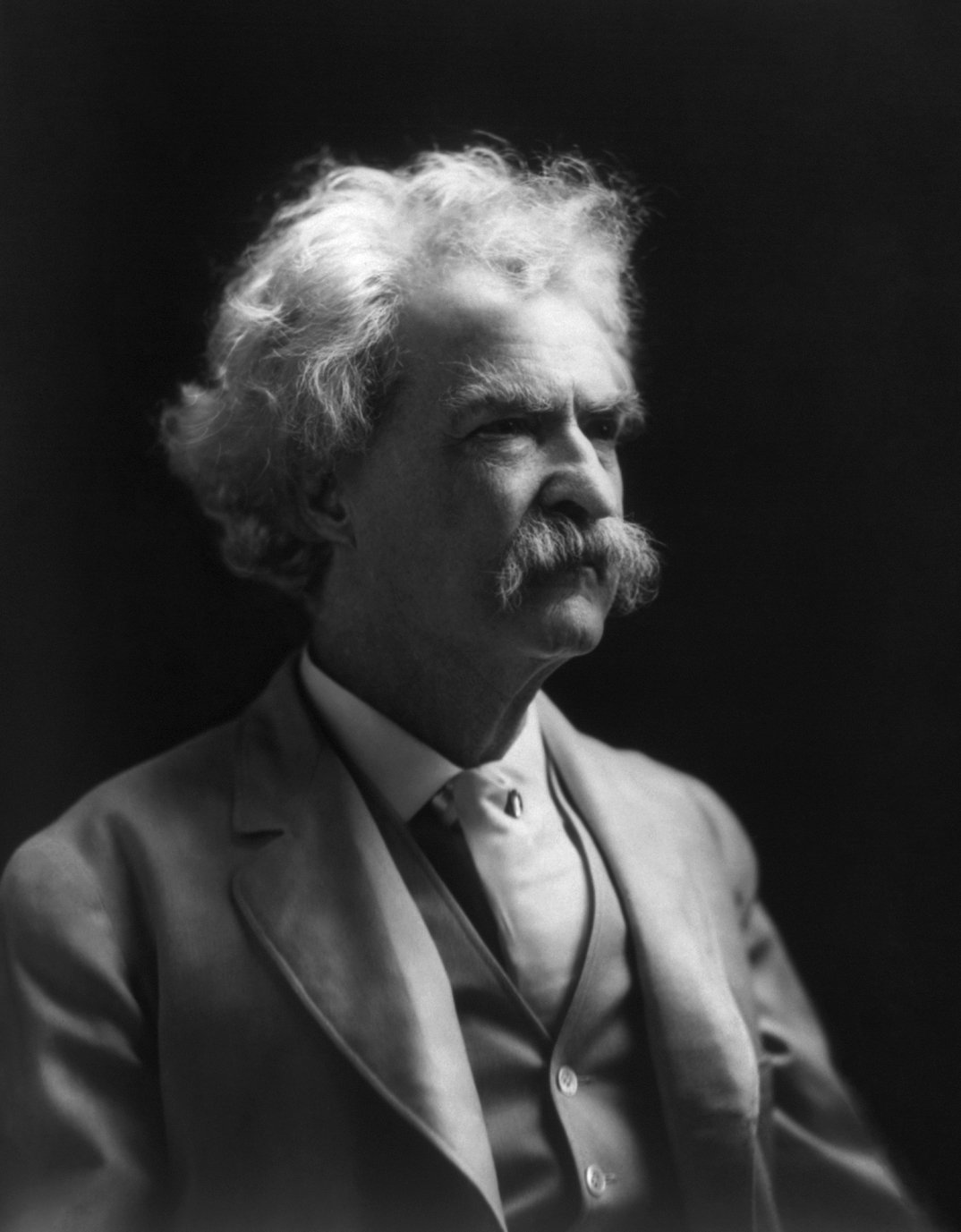
Samuel Clemens, better known as Mark Twain, wasn’t just a riverboat pilot and the author of Tom Sawyer—he was a chameleon who reinvented himself at every turn. In the 1860s, Twain spent several years as a gold prospector and journalist in Nevada, a time he later described as wildly chaotic and even dangerous. According to the Mark Twain House & Museum, Twain’s pseudonym was born out of riverboat slang for measuring water depth, showing his deep ties to the American landscape and its language. Few realize that Twain was also plagued by financial misfortune. He invested heavily in an automatic typesetting machine that failed spectacularly, forcing him to embark on exhausting lecture tours around the world to pay off his debts. Twain’s letters reveal a man who struggled with depression and restlessness throughout his life, despite his humorous reputation. These personal battles were rarely shared with the public, making his cheerful persona a carefully crafted mask.
Emily Dickinson’s Locked Drawer and Secret Love Affairs
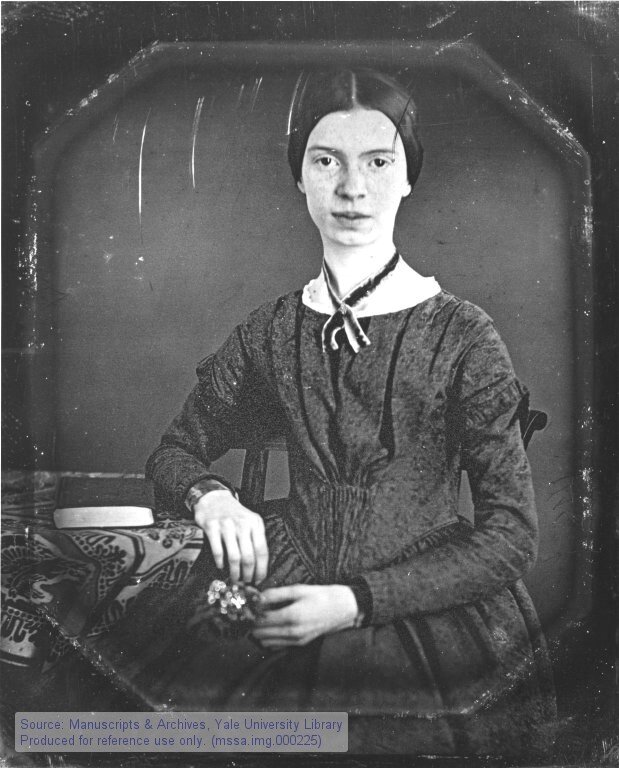
Emily Dickinson, known for her reclusive lifestyle and haunting poetry, kept much of her life hidden—even from her closest family. Only a handful of her poems were published during her lifetime, and these were heavily edited. The real trove came after her death in 1886, when her sister Lavinia discovered nearly 1,800 poems locked away in Emily’s bedroom drawer. Modern researchers, including those at Harvard’s Houghton Library, have pieced together evidence of Dickinson’s secret romantic attachments—possibly to both men and women—based on passionate letters she sent to Susan Gilbert Dickinson and others. Recent DNA analysis of letters and envelopes has confirmed handwriting and ink matches, providing new insights into her private world. Dickinson’s white dresses and mysterious habits weren’t just eccentricities—they were acts of rebellion against the strict social codes of her era.
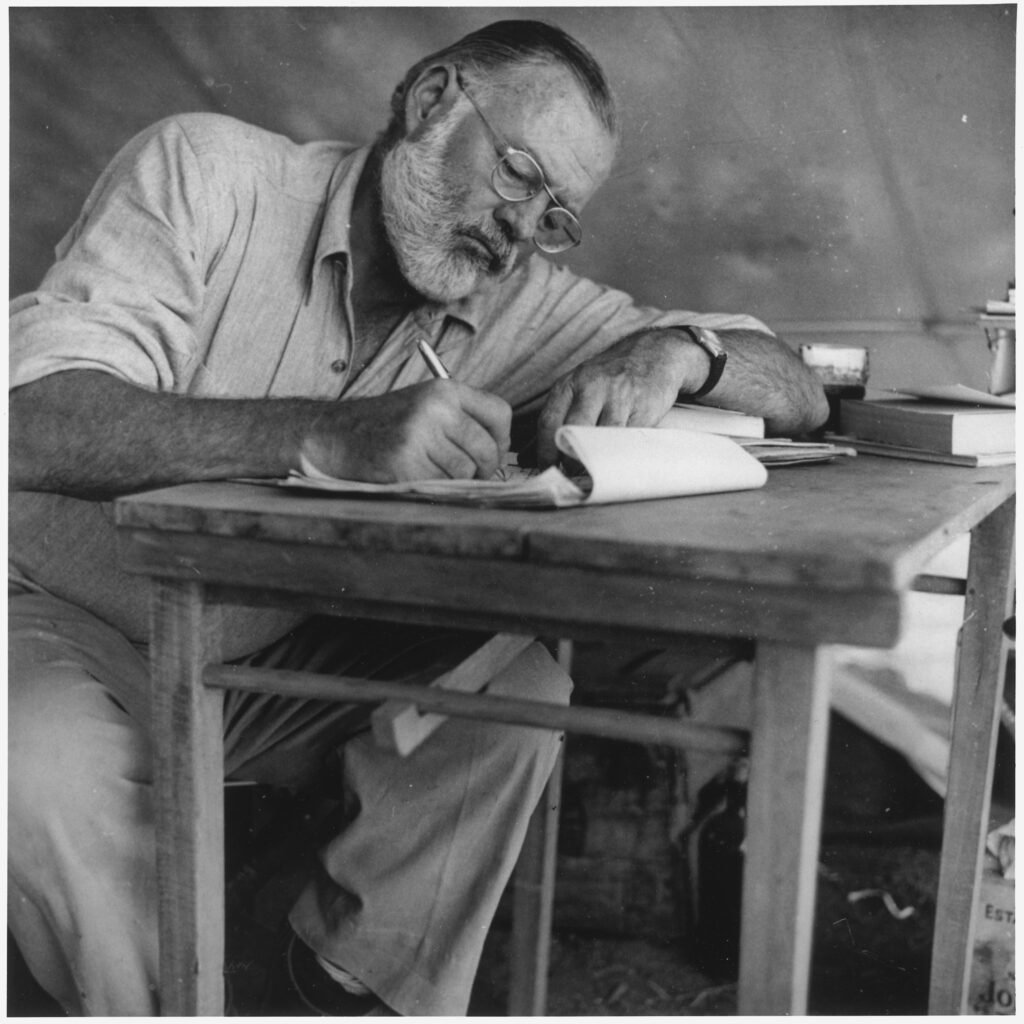
Ernest Hemingway and the War That Never Left Him
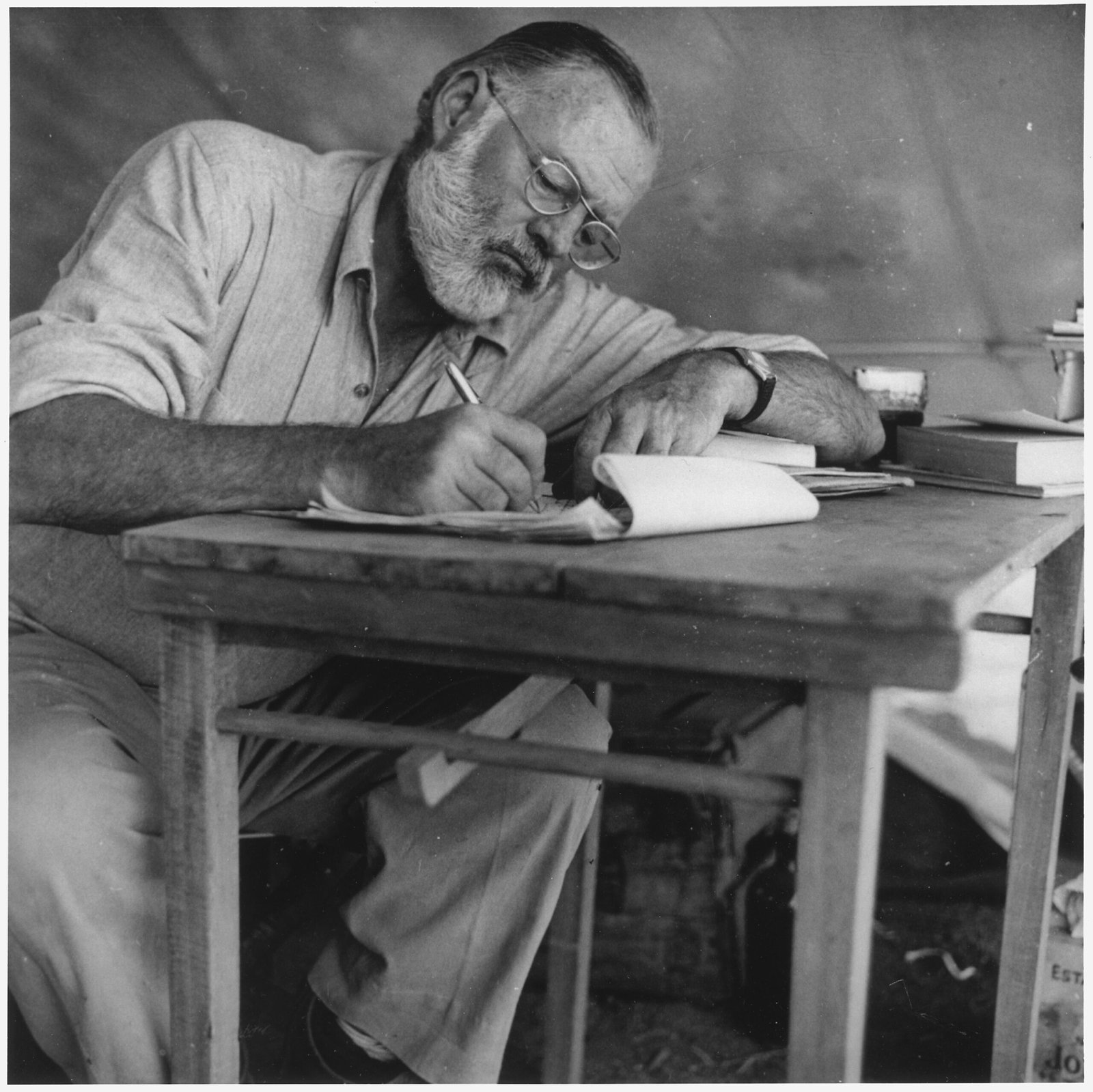
Ernest Hemingway’s image as a rugged adventurer often overshadows his complex psychological struggles. After serving as an ambulance driver in World War I, Hemingway suffered serious injuries and lifelong trauma. According to the Hemingway Society, he was treated for at least nine concussions throughout his life, which modern neurologists now believe contributed to mood disorders and cognitive decline in his final years. Hemingway’s FBI file, released under the Freedom of Information Act, shows that he was monitored by the government, partly because of his travels in Cuba and political associations. Despite his public bravado, Hemingway’s private letters reveal deep insecurity, loneliness, and a fear of creative failure. The myth of Hemingway’s toughness hides a man who was constantly battling his own darkness.
Maya Angelou’s Decade of Silence
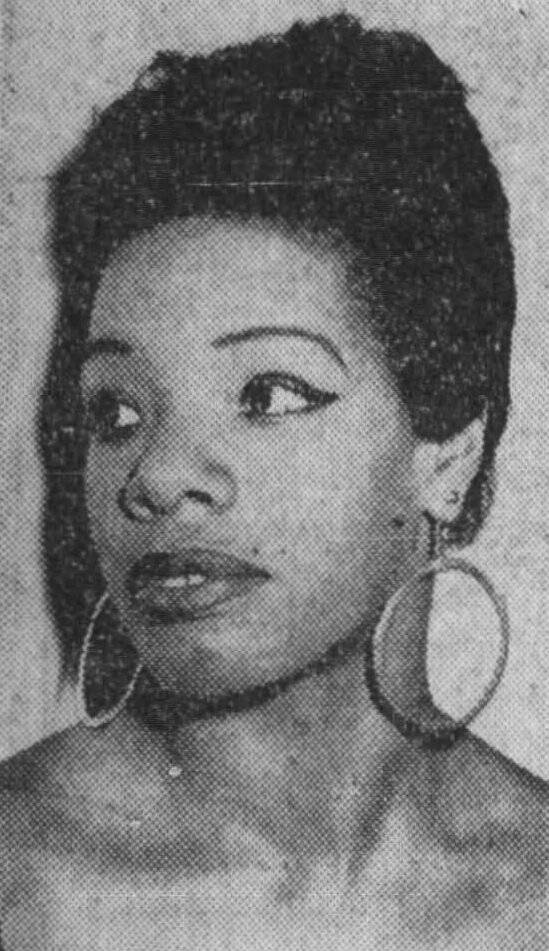
Maya Angelou, celebrated for her autobiographical masterpiece “I Know Why the Caged Bird Sings,” endured a childhood trauma that left her mute for nearly five years. According to the Maya Angelou Research Center, after being assaulted at age seven, Angelou stopped speaking, believing her voice had caused harm. During this period, she immersed herself in literature, memorizing Shakespeare and Dickens, which later shaped her poetic voice. Angelou worked as a streetcar conductor, a dancer, and even a fry cook before her writing career took off. Declassified FBI records show she was under surveillance in the 1960s due to her civil rights activism. Angelou’s years of silence were transformative, turning pain into the source of her fierce and lyrical storytelling.
F. Scott Fitzgerald’s Hollywood Heartbreak
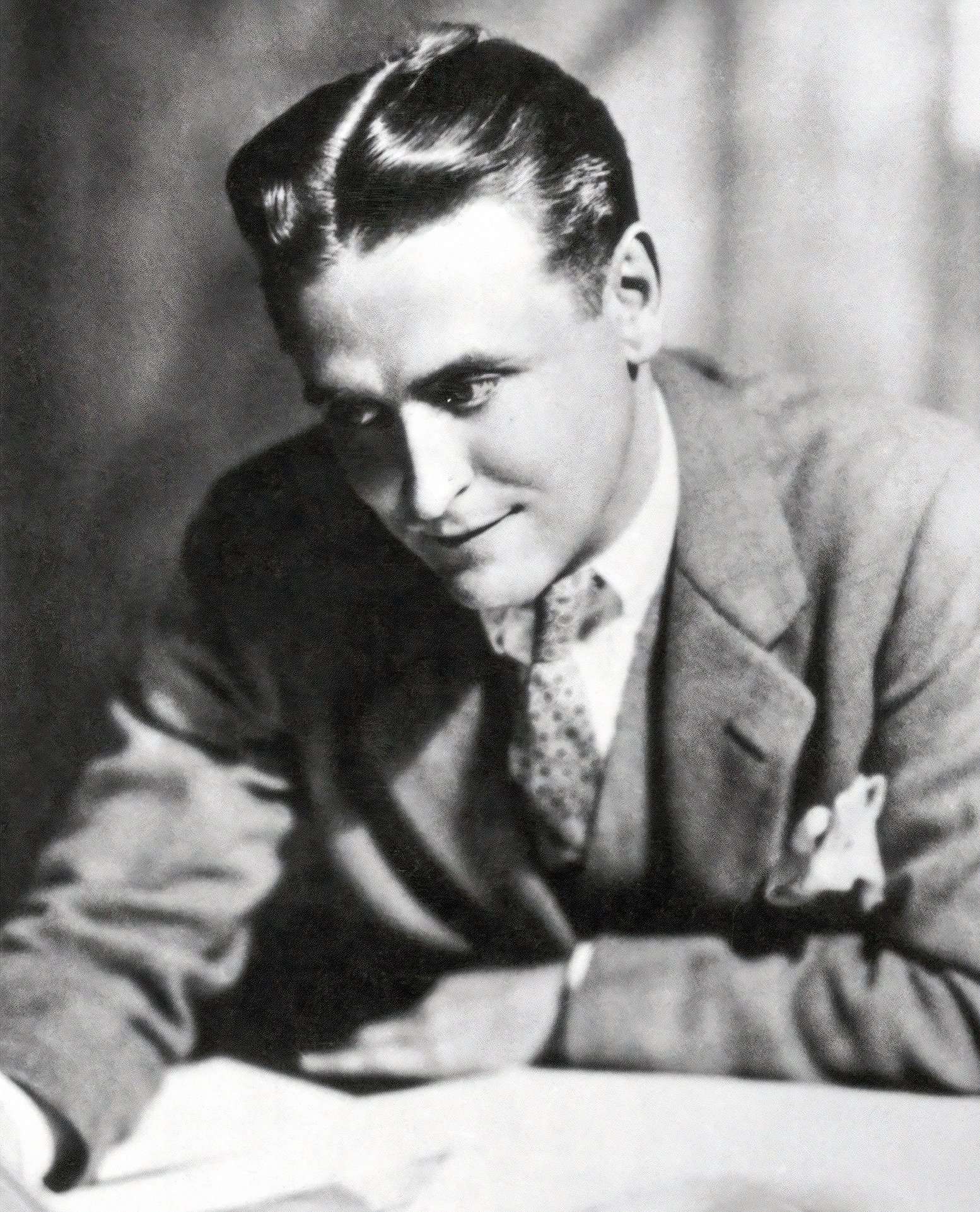
F. Scott Fitzgerald is forever linked with the Jazz Age, but his later years were far from glamorous. By the 1930s, Fitzgerald struggled with alcoholism and mounting debt, according to the Princeton University Library archives. He moved to Hollywood hoping to revive his fortunes as a screenwriter, but the experience was mostly humiliating. Studio memos from MGM reveal that Fitzgerald’s scripts were repeatedly rejected or rewritten. His personal letters, now digitized by the University of South Carolina, show a man haunted by regret over his wife Zelda’s mental illness and his own perceived failures. Despite his iconic status today, Fitzgerald died thinking he was a forgotten man, with only a handful of people attending his funeral.
Harper Lee’s Unwritten Second Novel
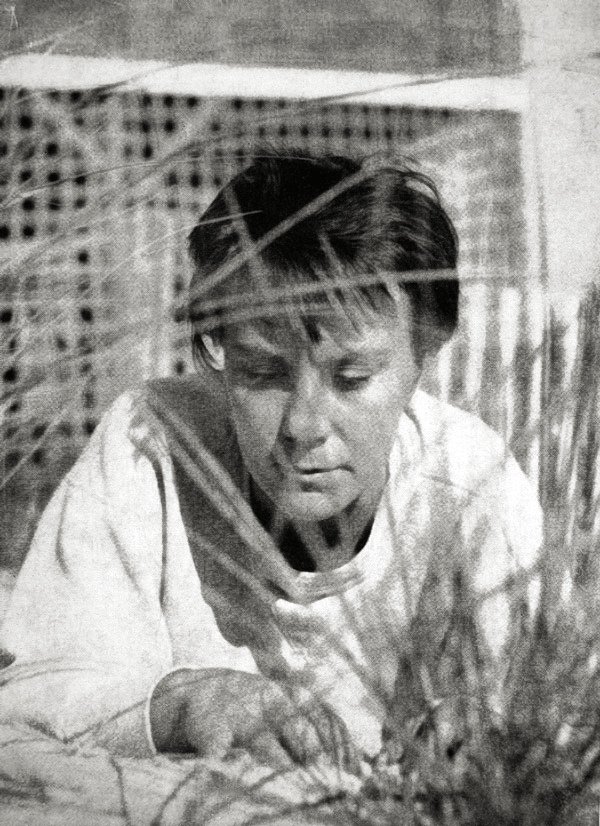
Harper Lee’s “To Kill a Mockingbird” remains one of the best-selling novels in American history, but Lee herself became a figure of fascination for what she didn’t write. For decades, Lee publicly insisted she would never publish another book. In 2015, the surprise release of “Go Set a Watchman” shocked the literary world, but many, including The New York Times, questioned whether Lee had truly approved its publication, given her declining health and the secrecy surrounding the manuscript. Legal records from Alabama’s probate court show years of disputes over Lee’s estate and mental competency. The mystery of what other stories Lee might have kept hidden remains a topic of heated debate among scholars.
James Baldwin’s Exile and Return
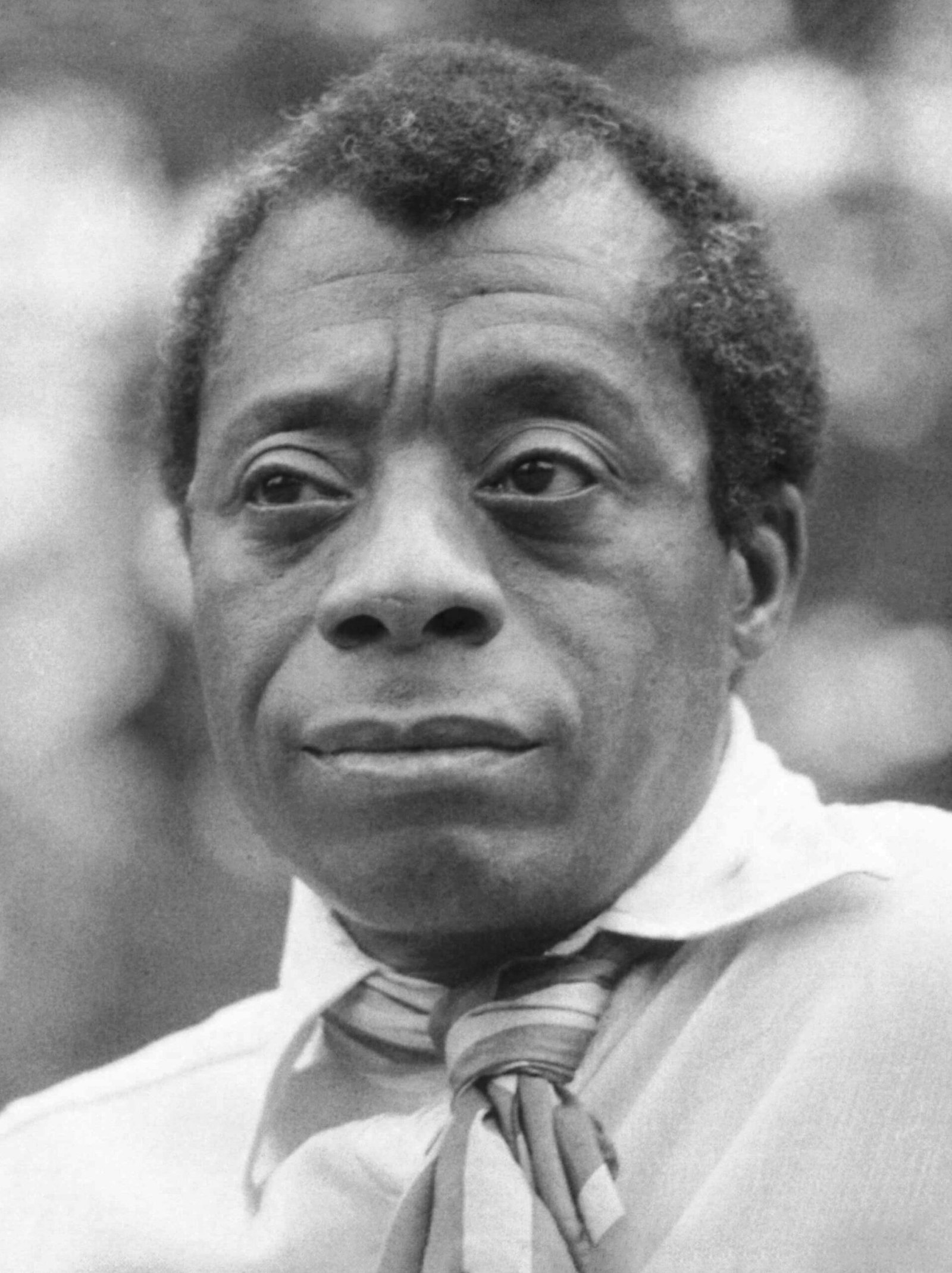
James Baldwin’s journey from Harlem to Paris was driven by more than just a search for creative freedom—it was an escape from the racism and violence he faced in America. Baldwin’s FBI file, which ran over 1,800 pages, details the government’s intense scrutiny of his activism and associations with the civil rights movement. In Paris, Baldwin found a community of Black expatriate writers and thinkers, which profoundly shaped his essays. Recent scholarship, like the work of Dr. Eddie S. Glaude Jr., has uncovered Baldwin’s private struggles with sexuality and faith, as well as his complicated relationships with political leaders of the time. Baldwin’s return to the U.S. in the 1960s marked a new phase of public confrontation, but his private letters show the toll that fame and activism took on his health.
J.D. Salinger’s Obsession with Privacy
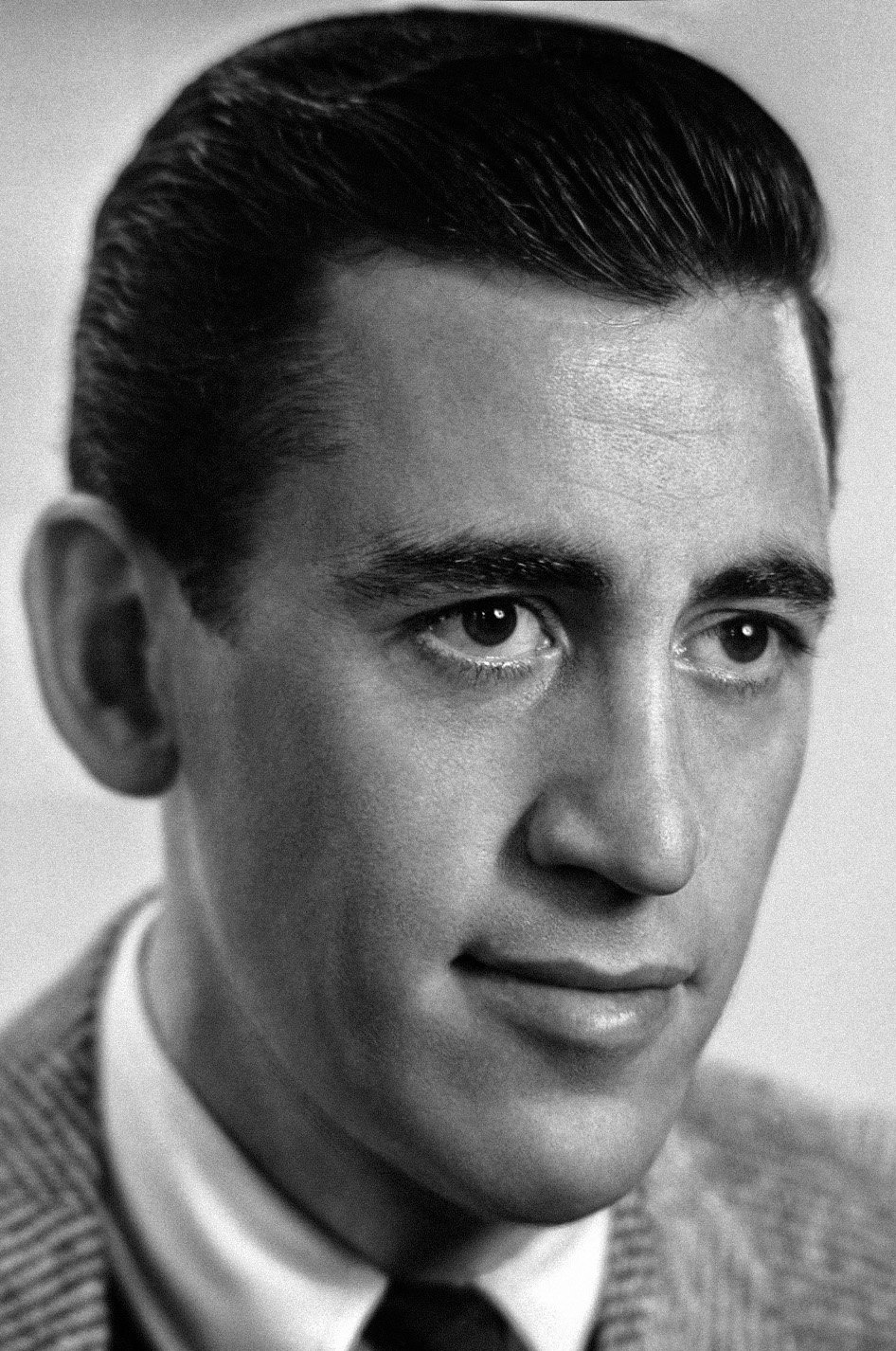
J.D. Salinger, the famously reclusive author of “The Catcher in the Rye,” went to extraordinary lengths to protect his personal life. According to court documents and interviews with former neighbors, Salinger installed multiple locks, cameras, and even built a high fence around his New Hampshire home. Declassified military service records show Salinger participated in the D-Day invasion and the liberation of a Nazi concentration camp, experiences that haunted him for decades. After the publication of his novel, Salinger withdrew almost completely from public life, publishing very little and refusing interviews. Anecdotes from his family and friends, cited in recent biographies, reveal a man obsessed with spiritual purity and creative control, often at the expense of his relationships.
Toni Morrison’s Radical Editorial Years
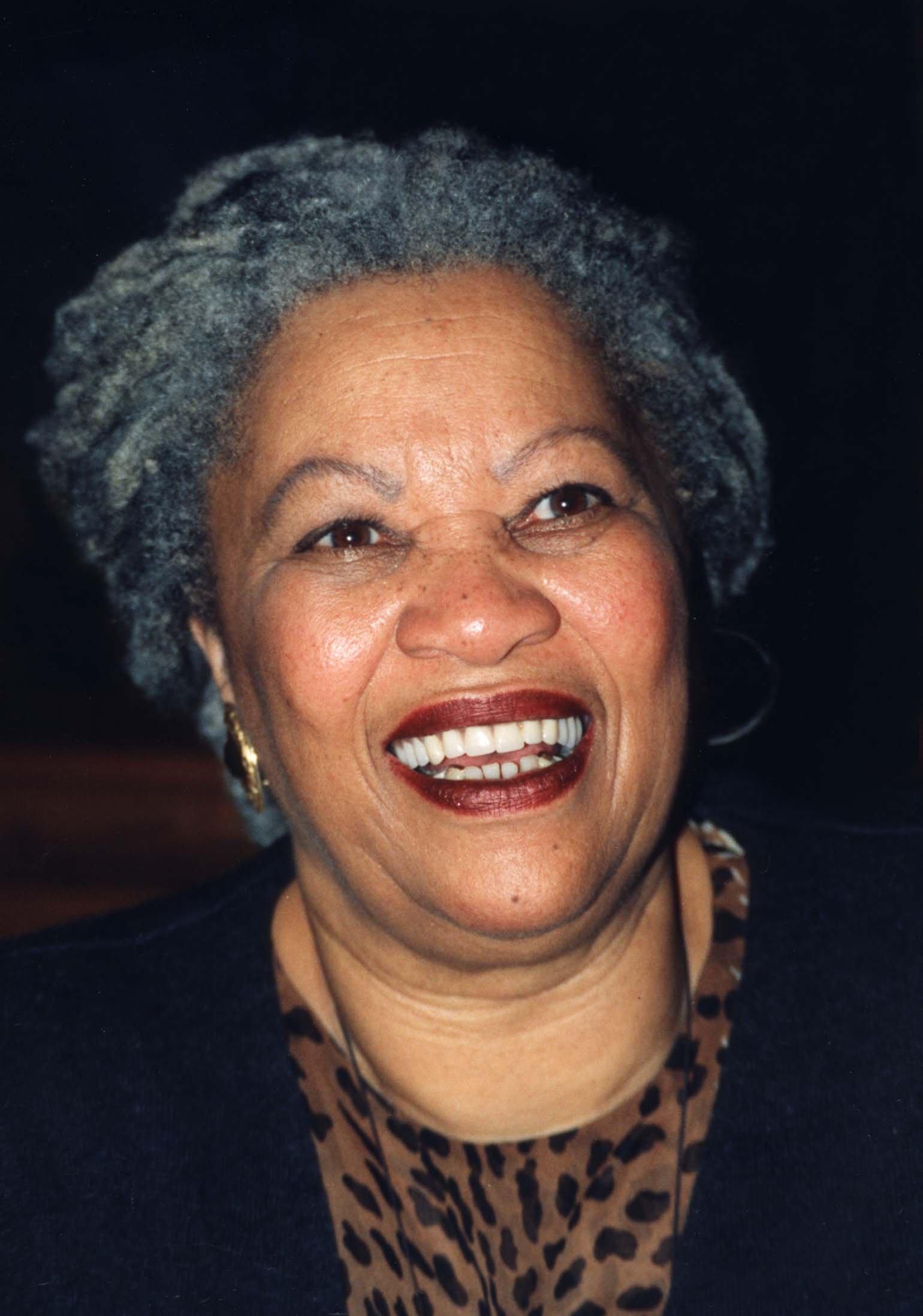
Before she became a Nobel Prize-winning novelist, Toni Morrison worked as an editor at Random House in New York. Morrison championed Black writers, bringing voices like Angela Davis and Gayl Jones to the public. According to recent profiles in major magazines, Morrison’s editorial correspondence—now archived at Princeton University—shows she fought against the publishing industry’s resistance to African-American stories. During this time, Morrison was a single mother, balancing her job and late-night writing sessions. Her first novel, “The Bluest Eye,” was rejected multiple times before finally being published. Morrison’s behind-the-scenes activism helped shape the landscape of American literature, even before her own books became household names.
Jack Kerouac’s Spiritual Crisis
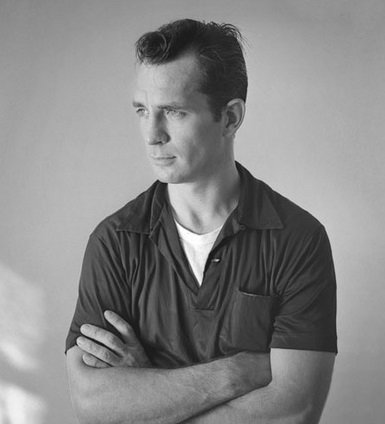
Jack Kerouac, the restless spirit behind “On the Road,” spent much of his life searching for meaning beyond the Beat Generation’s wild parties. In his later years, Kerouac became obsessed with Buddhism and Catholicism, filling hundreds of notebooks with prayers and philosophical musings. Mental health records, released after his death, suggest he struggled with alcoholism and depression. Letters to his mother, which have surfaced in literary archives, show a deeply homesick and conflicted man, yearning for stability but unable to escape his own restlessness. Kerouac’s spiritual writings, many only published in the last decade, reveal a side of the writer that few readers ever imagined.
Sylvia Plath’s Coded Diaries
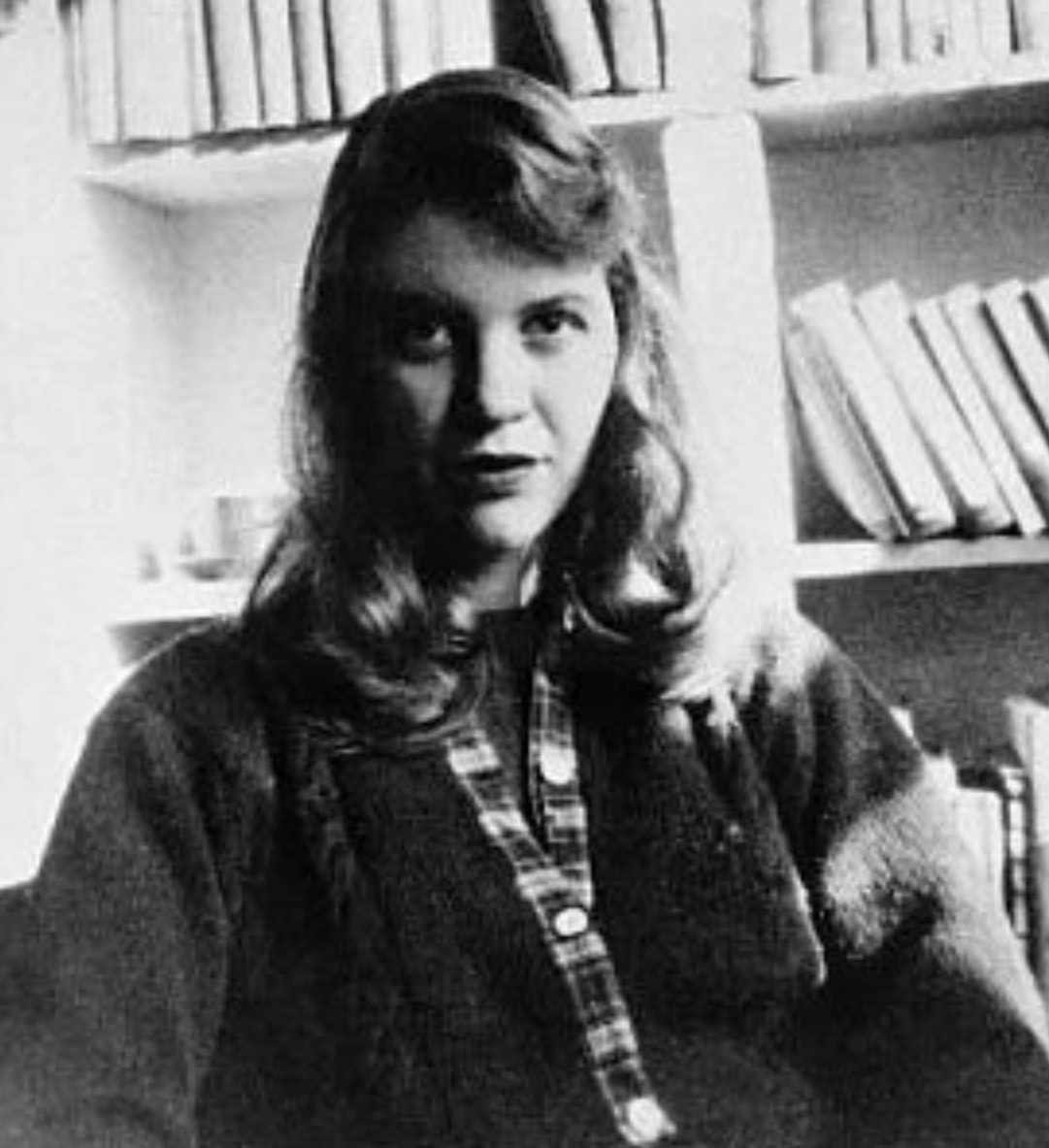
Sylvia Plath’s poetry is famous for its raw emotion, but her private diaries held even deeper secrets. Researchers at Smith College, where Plath’s papers are stored, have found that she wrote in coded language to hide her most painful thoughts. Recent forensic analysis of her journals has uncovered erased passages and hidden meanings, shedding light on her battles with mental illness. Plath’s marriage to poet Ted Hughes was turbulent and, as revealed in previously unseen letters published in the last five years, marked by infidelity and emotional abuse. The discovery of these documents has led to a more nuanced understanding of Plath’s life—one filled with hope, frustration, and a desperate search for self-expression.
Ray Bradbury’s Martian Letters
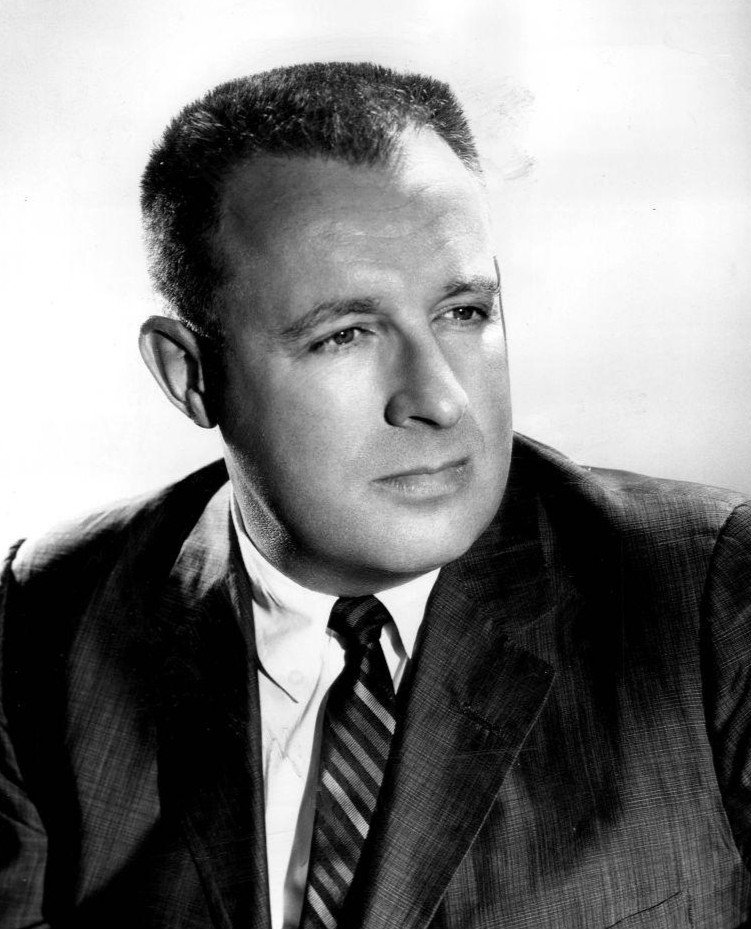
Ray Bradbury, the mind behind “Fahrenheit 451” and “The Martian Chronicles,” kept up a secret correspondence with NASA scientists during the 1960s space race. According to the Bradbury Center at Indiana University, many of these letters were only released after Bradbury’s death in 2012. He offered story ideas and even wrote speeches for astronauts, influencing how Americans imagined Mars. Personal journals, released to the public in 2022, reveal Bradbury’s lifelong fear of technology outpacing humanity—a theme that runs through his stories. Despite his warnings, Bradbury was a champion of libraries and public education, insisting that imagination was the real rocket fuel for society.

Besides founding Festivaltopia, Luca is the co founder of trib, an art and fashion collectiv you find on several regional events and online. Also he is part of the management board at HORiZONTE, a group travel provider in Germany.
