

- The World’s Most Beautiful Gardens Are Artworks in Themselves - April 2, 2026
- 10 Coming of Age Books Every Teenager Should Read - April 2, 2026
- The Most Memorable Concerts Are More Than Just Music; They’re Experiences - April 2, 2026
There is a version of Hollywood’s Golden Age that lives in our imagination like a perfectly lit close-up. Elegant stars gliding across marble floors. The golden glow of marquee lights. A world so polished and beautiful it seemed almost unreal. Honestly, it was. Beneath the glamour, studio-era Hollywood ran on secrecy, control, manufactured personalities, and some genuinely jaw-dropping behavior that would make today’s tabloid culture blush.
not just about glitz and glamor – it was also filled with secrets, heartbreak, and controversy. The gap between what audiences saw on screen and what was actually happening behind closed doors was staggering. So let’s pull back the velvet curtain and take a long, honest look at one of the most fascinating and unsettling chapters in entertainment history. Let’s dive in.
The Studio Machine That Owned Human Beings
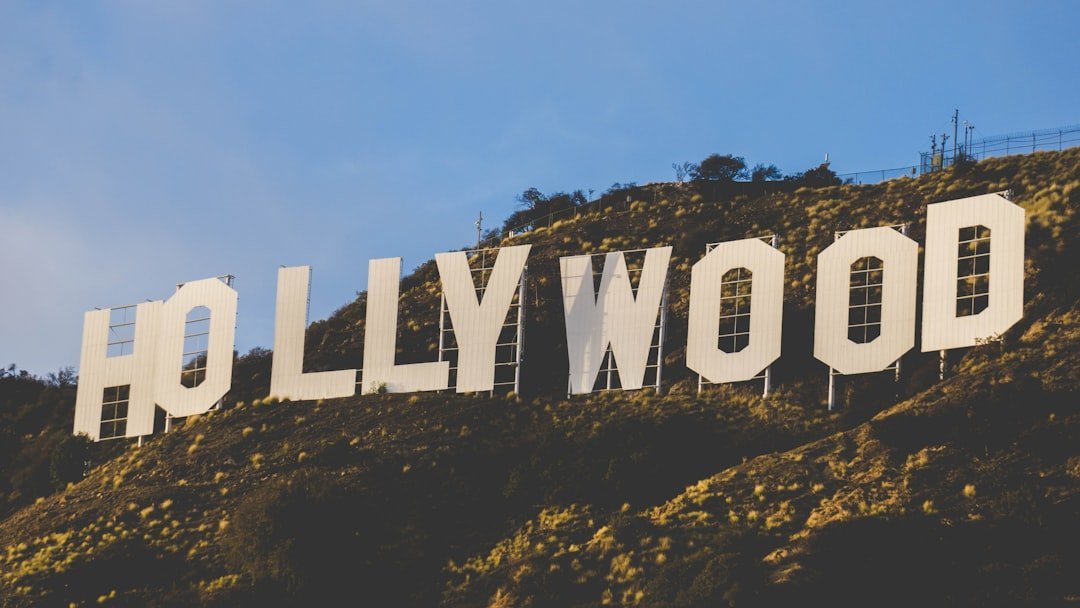
Here’s the thing – when people say studios “owned” their stars, that isn’t much of an exaggeration. Studios produced films primarily on their own filmmaking lots with creative personnel under often long-term contract, and dominated exhibition through vertical integration, guaranteeing additional sales of films through manipulative booking techniques. It was a closed loop, and talent was simply another gear in the mechanism.
Once signed, contracts were binding, with studios having the final say on roles, public appearances, and even personal relationships. These contracts often spanned seven years, with little room for negotiation. Think about that for a second. Seven years of your life, handed over to a corporation with almost no recourse. Actors drew weekly salaries whether they worked or not, and they were required to work on any project the studio assigned them. These contracts were exclusive: an actor under contract to one studio could not appear in any film produced by another studio.
The studio system operated like a factory, with stars, directors, writers, and crew all working under long-term contracts. Think of it less like a dream-making empire and more like a very glamorous assembly line, where the raw material happened to be real, feeling human beings.
Fabricated Identities and Manufactured Stars
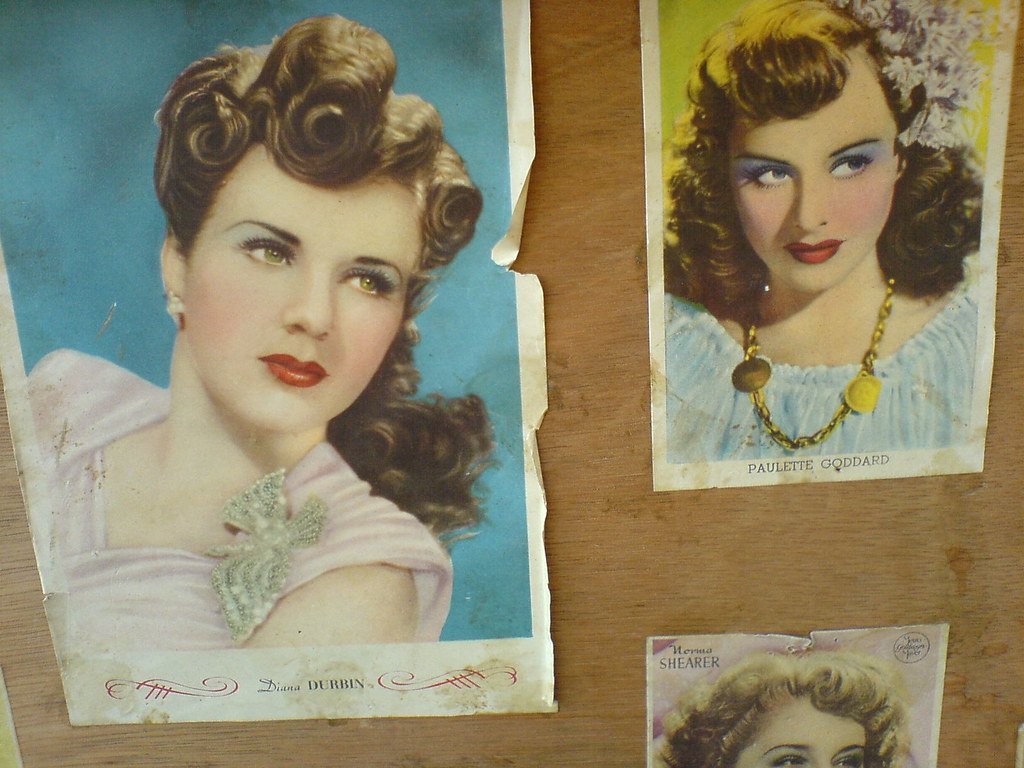
I think one of the most genuinely strange aspects of this era is how systematically studios invented people from scratch. Not just roles. Entire human beings. The star system was the method of creating, promoting, and exploiting stars in Hollywood films from the 1920s until the 1960s. Movie studios selected promising young actors and glamorized and created personas for them, often inventing new names and even new backgrounds.
The examples are remarkable. Stars who went through the star system include Cary Grant (born Archibald Leach), Joan Crawford (born Lucille Fay LeSueur), and Rock Hudson (born Roy Harold Scherer, Jr.). These weren’t just stage names. They were complete identity overhauls. Rita Cansino was a promising dancer and actress when she signed with Columbia Pictures to a seven-year contract in 1936. Studio head Harry Cohn decided her look and name were too Spanish to be truly marketable. Subsequently, her name was changed to Rita Hayworth. She also underwent plastic surgery to Anglicize her nose. Finally, she was given electrolysis treatments to “fix” her hairline.
The star system put an emphasis on the image rather than the acting. Women were expected to behave like ladies, and were never to leave the house without makeup and stylish clothes. Men were expected to be seen in public as gentlemen. The performance never stopped, not even at the grocery store.
Morality Clauses and the Long Leash of Control
If you think the studios stopped at controlling your screen persona, think again. They reached deep into actors’ private lives with something called the morality clause. These contracts often contained moral clauses – stipulations in the performer’s contract that prohibited wild parties, extramarital affairs, and immoral behavior. Their purpose was to keep actors in line.
Due to the wording of the morality clause being so vague, it essentially made it possible for a studio to terminate an actor’s contract for any infraction that might get the studio bad publicity. Anything at all. The clause was less a moral standard and more a weapon studios could wield whenever it suited them. Due to the wording being so vague, it essentially made it possible for a studio to terminate an actor’s contract for any infraction that might get the studio bad publicity. Actors were on a much shorter leash, and had to be very careful with what they did in their private lives in fear of their jobs.
The control extended to something as mundane as clothing. In 1932, Marlene Dietrich caused an uproar in Hollywood when she began to wear pants instead of dresses. Katherine Hepburn, also a fan of pants, had hers confiscated for not meeting RKO studio guidelines. When this occurred, Hepburn walked around the set in her underwear. Honestly? Good for her.
Sham Dates, Studio Fixers, and Manufactured Romance
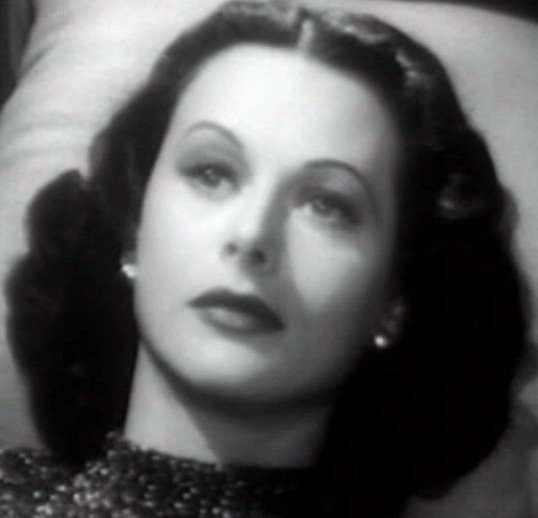
Nothing was organic. Not even love. Dates were arranged between stars to publicize upcoming pictures, studios arranged low- or no-interest loans to purchase sprawling estates for the actors to reside in, and meals were served in the studio dining room to suit individuals’ tastes. The whole operation blurred the line between employer and feudal lord.
One of the ways stars were promoted by the studios was to have them go on “sham dates” with each other to drum up press for a movie. Audiences read about these romances in fan magazines, swooning over couples who had been strategically paired by a publicist. Scandals, though inevitable, were carefully managed in Old Hollywood. Studios employed fixers whose job was to keep the dirty laundry from public view. Affairs, addictions, and legal troubles were swept under the rug to preserve the pristine image of their stars.
In an era when studios had fixers who used money and intimidation to save the reputation of a starlet or the studio, countless scandals were covered up. One notorious case involves Joan Crawford. Crawford was one of MGM’s biggest stars, so when studio brass found out she starred in a pornographic short as a teenager, the gloves were off. Allegedly, MGM’s notorious fixer Eddie Mannix partnered with the mob to track down extortionists asking $100,000 for the film. That is not a movie plot. That is real life.
The Scandals That Were Too Big to Bury
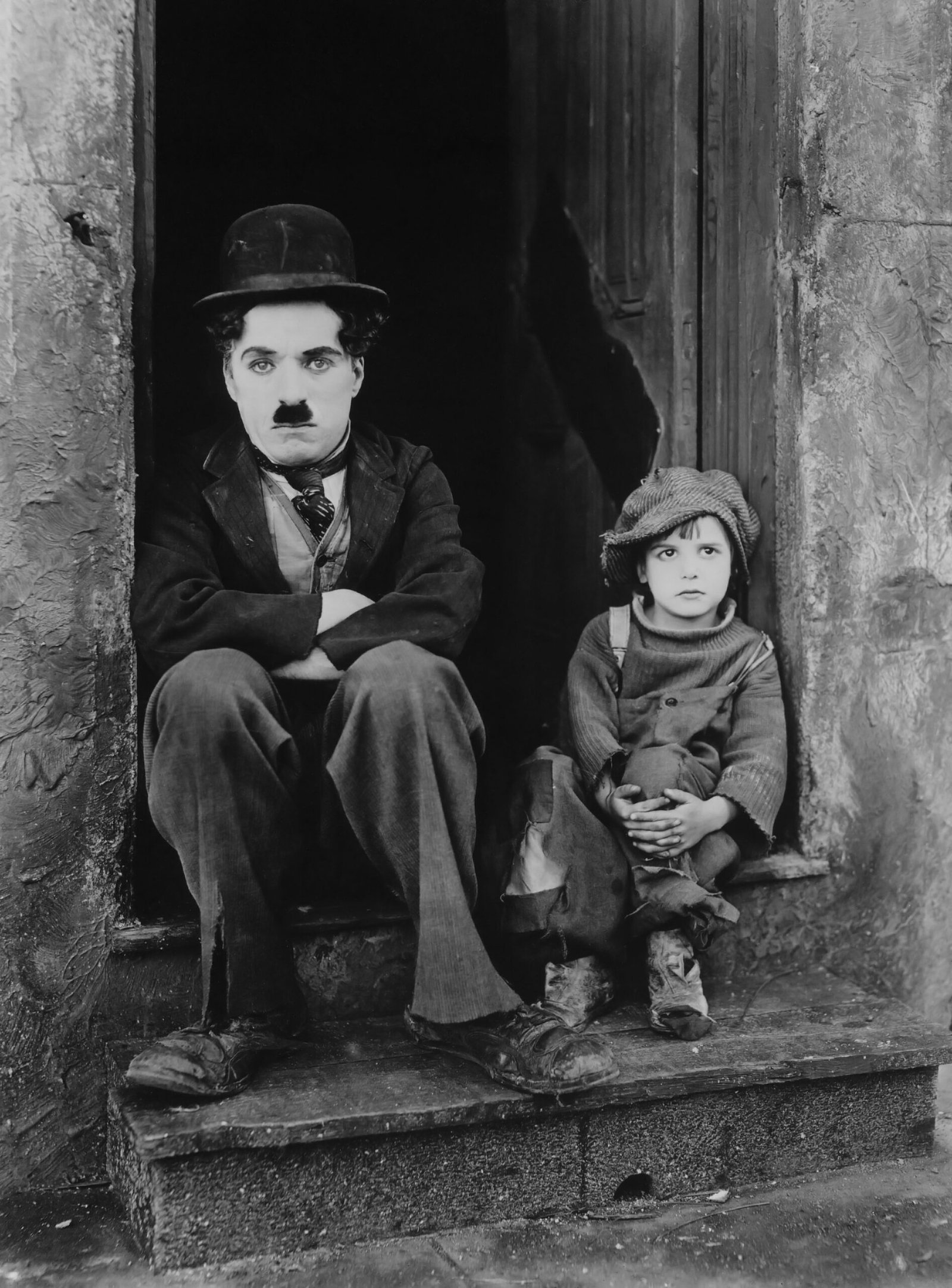
During the Golden Age of Hollywood, secret stories happening behind the scenes were often more intriguing, and certainly darker, than anything on the silver screen. In an era of sanitized, often puritanical popular entertainment, old Hollywood scandals seeped in moral bankruptcy were fueling the creative, administrative, and financial branches of the motion picture industry. Some stories, though, couldn’t stay hidden forever.
Comedy legend Charlie Chaplin’s off-screen behavior was far from the innocent charm of his on-screen persona. His romantic history included multiple marriages to teenage girls, often under scandalous circumstances. Chaplin married his first 16-year-old bride at age 29, and later married another 16-year-old after she became pregnant. Grey ended up with an $800,000 settlement – the largest in American history at the time – while his persona as a popular star had been forever tarnished.
In the 1920s, Hollywood was rocked by a number of notorious scandals, including the alleged rape and manslaughter of Virginia Rappe by popular movie star Roscoe “Fatty” Arbuckle and the murder of William Desmond Taylor, which brought widespread condemnation from religious, civic, and political organizations. These weren’t rumor or gossip. They were seismic events that shook the entire industry to its core.
The Hays Code: Censoring the Screen While Life Raged On
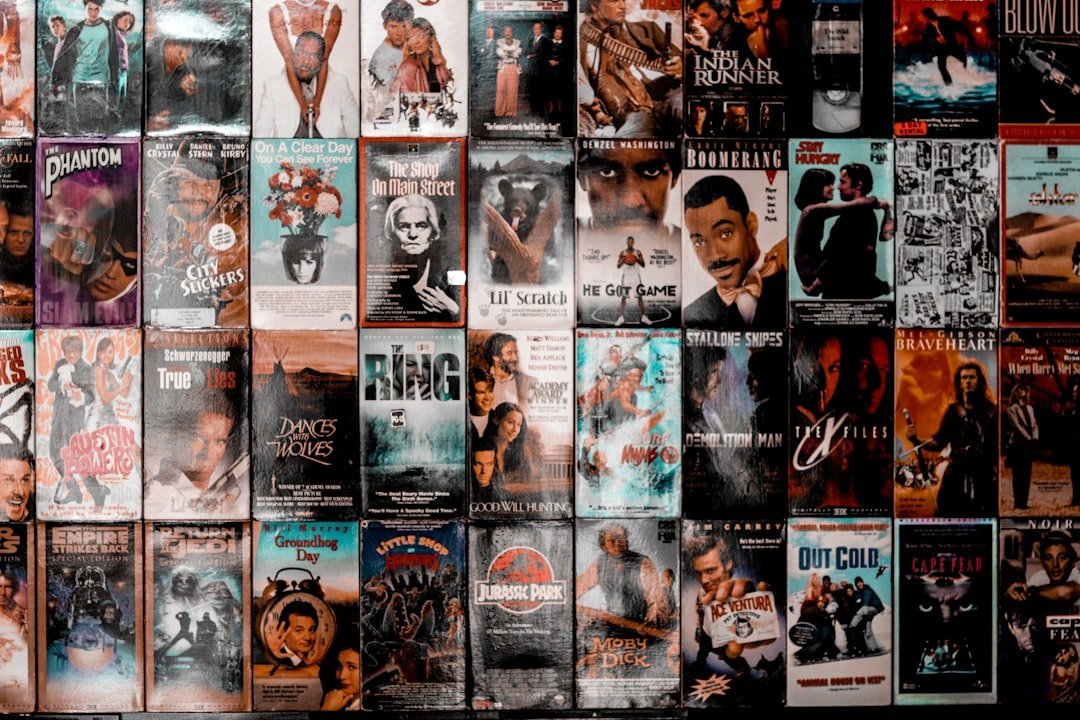
Here’s one of history’s great ironies. The very same industry that was running fixers and covering up scandals decided to present itself to the public as a guardian of moral values. Studios implemented the Hays Code to avoid government censorship and to restore Hollywood’s public image after several movie star scandals.
During the Golden Age of Hollywood, the Hays Code censored and banned a wide variety of subjects. This included depictions of nudity, scenes of passion, lustful kissing, mentions of venereal diseases, profanity, crime portrayed positively, disrespect toward religion or the law, and miscegenation, among other subjects. The contrast between what studios banned on screen and what was happening on their own lots is almost comic. Almost.
It wasn’t until Alfred Hitchcock’s 1960 film Psycho that a toilet – and a flushing one at that – finally appeared on screen. So there you have it. Studios were using mob connections to bury scandal, while simultaneously banning toilet scenes from movies. Some directors subverted the Code. In Notorious (1946), Alfred Hitchcock worked around the three-second kissing rule by instructing Cary Grant and Ingrid Bergman to break off every three seconds. The result: the kissing sequence lasted for two and a half minutes. Rules, it turns out, are mostly invitations to be creative.
The Dark Reality Behind the Drug-Fueled Glamour

It’s hard to say for sure just how widespread the pharmaceutical culture was inside the studio system, but the evidence points to something genuinely alarming. Judy Garland was introduced to “pep pills” by her mother, who insisted the Wizard of Oz actor take them in order to give an energetic performance. Over the years, as Garland became a bigger star, she was prescribed pills by MGM studio doctors to control both her weight and her energy levels.
Garland endured excruciatingly long work hours and a studio system that turned a blind eye to, and in fact often encouraged, the use of substances such as stimulants to keep performers working and sleeping pills to ensure they would be able to rest. By the time 17-year-old Garland finished filming Oz, she was already addicted to barbiturates and amphetamines. She was seventeen. Let that land for a moment.
Garland stated that she, Rooney, and other young performers were constantly prescribed amphetamines to stay awake and keep up with the frantic pace of making one film after another. Legendary director and producer David O. Selznick notoriously depended on a steady diet of Benzedrine to get him through the long hours of making movies like Gone with the Wind. The glamour on screen was, in some very real cases, chemically maintained.
Political Shadows: The Blacklist and McCarthyism
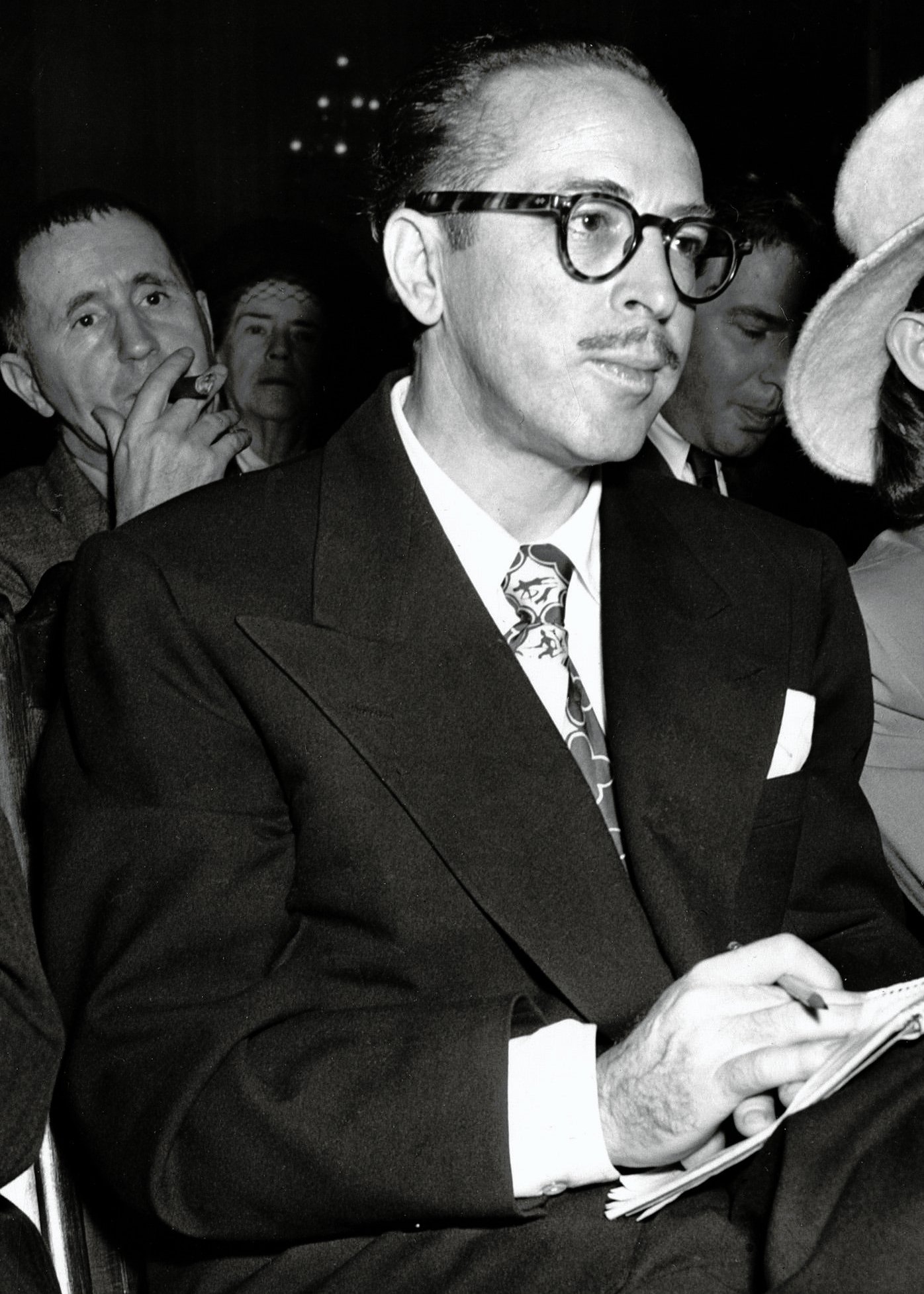
derivative work: Pessimist2006 (talk), Public domain)
The industry didn’t just face pressures from within. From without, things were arguably even more brutal. McCarthyism was on the rise, and Hollywood became torn apart as artists were blacklisted and major stars’ lives were destroyed. People were forced to testify in HUAC hearings, and the glitz and glamor of the biz dulled. Hollywood lost its grip on culture, now being investigated by the government for corruption.
The Production Code Administration also engaged in political censorship. When Warner Bros. wanted to make a film about Nazi concentration camps, the production office forbade it, citing the prohibition on depicting in an unfavorable light another country’s institutions and prominent people. This policy prevented a number of anti-Nazi films from being produced. Think about that. While the real world was burning, Hollywood’s censors were busy making sure no one talked about it. It borders on the unbelievable.
The relationship between creative ambition and institutional control during this era produced extraordinary art. It also produced extraordinary cruelty. The two are not as separable as we would like to think.
The End of the Studio Monopoly
Nothing this powerful lasts forever. The studio system was challenged under antitrust laws in a 1948 Supreme Court ruling which sought to separate production from distribution and exhibition and ended such practices, thereby hastening the end of the studio system.
The Paramount Decision in 1948 totally broke the studio system and their restrictive way of contracting with it. Jimmy Stewart became the face of the new actor that emerged after World War II and the breakdown of the studios. He became an independent actor that hired a talent agent to negotiate single-picture, profit-sharing contracts that gave actors the creative control over their careers they’d been craving. It was a slow relay race toward freedom, and it mattered enormously.
The studios lost their grip on talent, as actors and directors wanted more freedom and didn’t want to be tied down by long-term contracts. By the 1960s, the studio system was effectively dismantled. The major studios had lost their monopolistic grip on the industry, and the old model of long-term contracts and in-house production teams became obsolete. Independent production companies and freelance talent became more common, and the power dynamics in Hollywood finally shifted.
Myth vs. Reality: What We Choose to Remember

The Golden Age of Hollywood gave us some of the greatest films ever committed to celluloid. Casablanca. Gone with the Wind. The Wizard of Oz. These aren’t just movies – they’re cultural monuments. The era deserves genuine admiration for its creative achievements. Still, admiration shouldn’t mean selective memory.
During the Golden Age of Hollywood, secret stories happening behind the scenes were often more intriguing, and certainly darker, than anything on the silver screen. In an era of sanitized, often puritanical popular entertainment, old Hollywood scandals seeped in moral bankruptcy were fueling the creative, administrative, and financial branches of the motion picture industry. The myth and the reality existed simultaneously, feeding each other in strange and uncomfortable ways.
What we call the “Golden Age” was golden for some and absolutely brutal for others. For every star who flourished under the studio system, there was one like Judy Garland, for whom the reality behind the scenes painted a grim picture of the pressures and exploitation young stars faced. Garland’s story is both a testament to immense talent and a cautionary tale about the darker side of fame. Perhaps the most honest thing we can say is this: the Golden Age was never one thing. It was dazzling and dark, innovative and exploitative, legendary and deeply strange – sometimes all at once.
The real Hollywood has always been more interesting than the one they put on the poster. What would you have guessed was hiding behind all that golden light?
CEO-Co-Founder
