
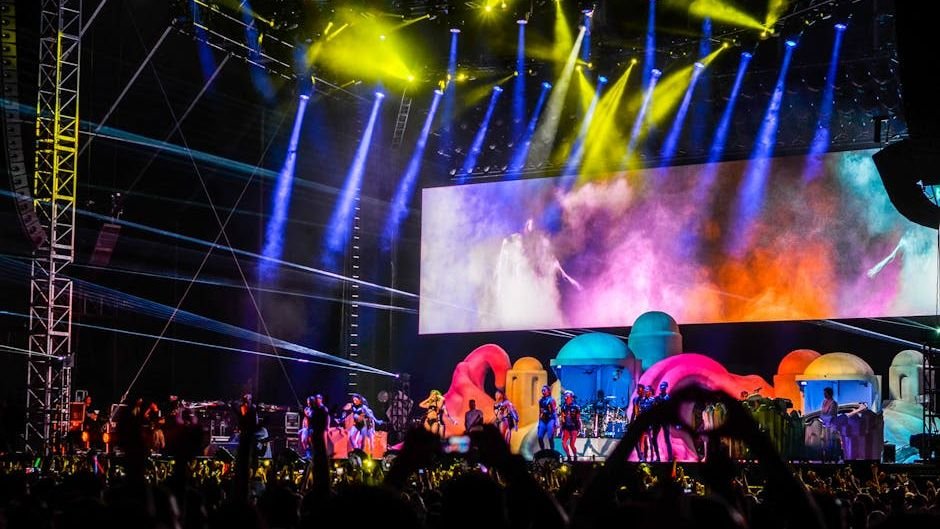

Picture half a million people converging on a muddy farm in upstate New York, rain pouring down, yet spirits soaring amid groundbreaking sounds. That was the raw power of festival culture in the late 1960s and early 1970s, a time when music exploded beyond stages into communal rituals. These gatherings didn’t just host performances; they forged new ways for artists to push boundaries and audiences to immerse themselves fully.[1]
Festival culture sparked wild artistic experimentation, from psychedelic light shows to improvisational jams that lasted hours. Audiences became part of the art, dancing freely, sharing food, and challenging norms. Let’s dive into the festivals, shifts, and moments that made this era legendary.[2]
Monterey Pop Festival: Igniting the Rock Revolution
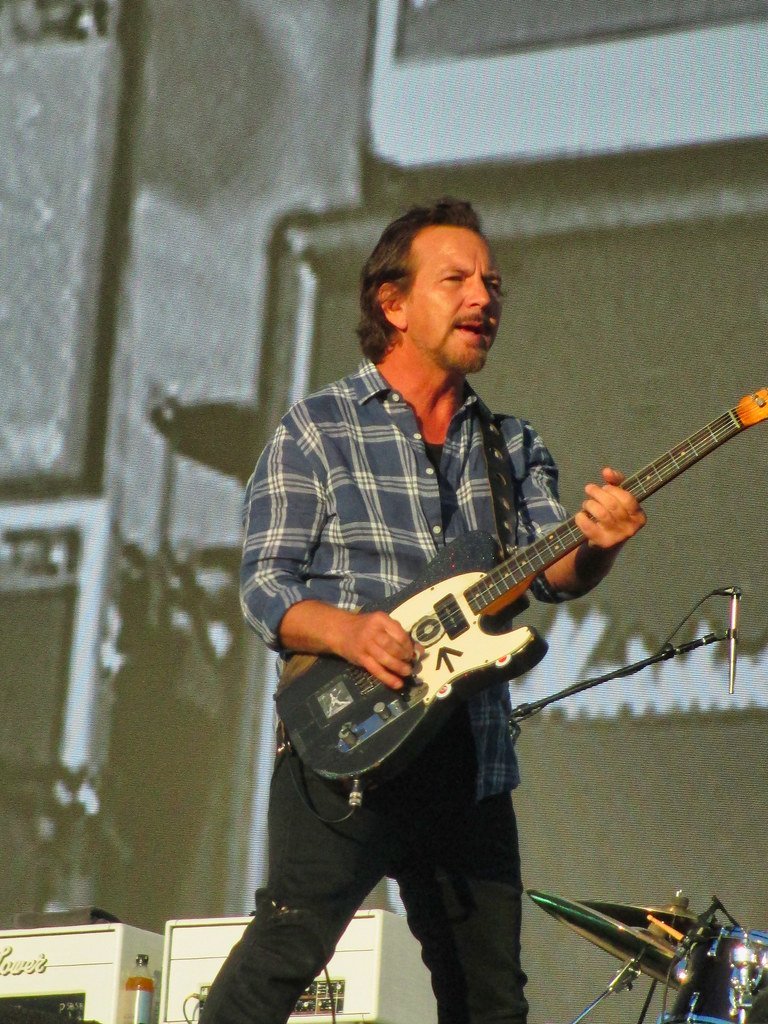
The Monterey Pop Festival in 1967 kicked off the golden age like a spark in dry grass. Held over three days in California, it drew massive crowds to see acts blending blues, folk, and emerging rock. Jimi Hendrix’s fiery debut, ending with him setting his guitar ablaze, shocked and inspired everyone there.[3]
This event shifted music from clubs to open-air spectacles, encouraging experimental visuals and sounds. Organizers mixed established names with unknowns, creating a petri dish for innovation. Honestly, without Monterey, Woodstock might never have happened the way it did.[4]
Woodstock 1969: Peace, Mud, and Musical Alchemy
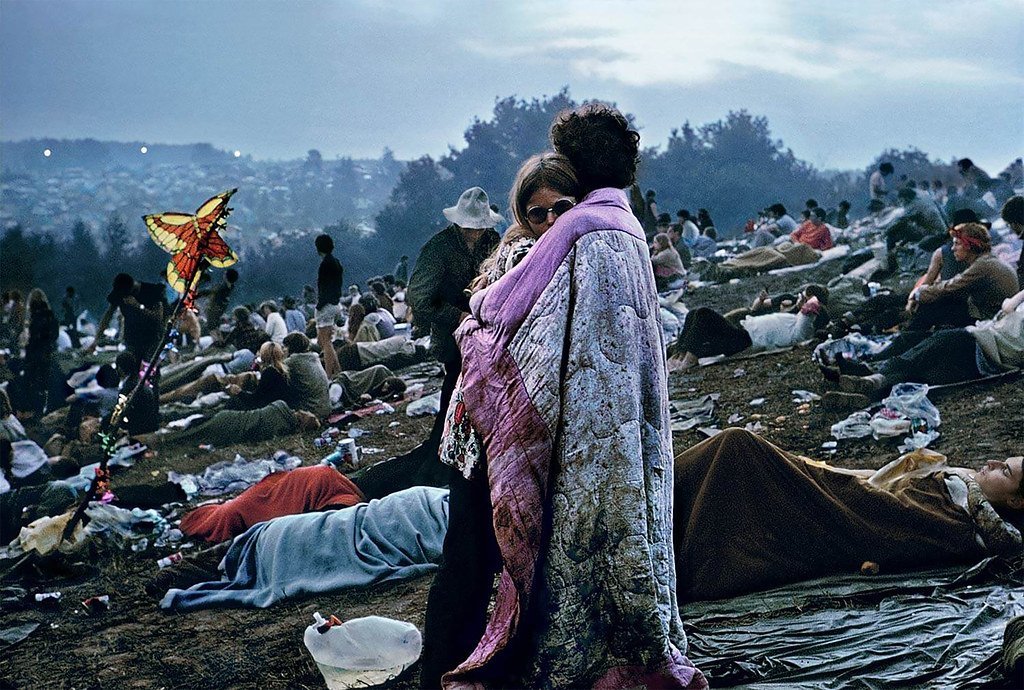
Woodstock wasn’t just a concert; it was a three-day declaration of counterculture, drawing nearly 400,000 souls despite logistical chaos. Billed as a music and art fair, it featured painting, sculptures, and films alongside the tunes. The rain-soaked fields turned into a symbol of resilience and unity.[1]
Artists like Santana and Crosby, Stills, Nash & Young debuted harmonies that echoed societal yearnings for harmony. Crowds engaged by camping out, sharing vibes, transforming passive listening into active participation. I think it proved festivals could be temporary utopias.[5]
Isle of Wight: Britain’s Massive Counterculture Clash
Across the Atlantic, the Isle of Wight Festival exploded in 1969 and 1970, peaking at over 600,000 attendees. Bob Dylan headlined the ’69 edition, drawing fans who ferried over for his rare appearance. The lineup mixed rock giants with folk rebels, fueling artistic cross-pollination.[6]
Tensions arose with fences and tickets, clashing with free-spirit ideals, yet the music prevailed. Performances pushed envelopes, like The Who’s explosive set. These events mirrored Britain’s own hippie surge, blending art with activism.[7]
Glastonbury’s Folk Roots and Artistic Vision
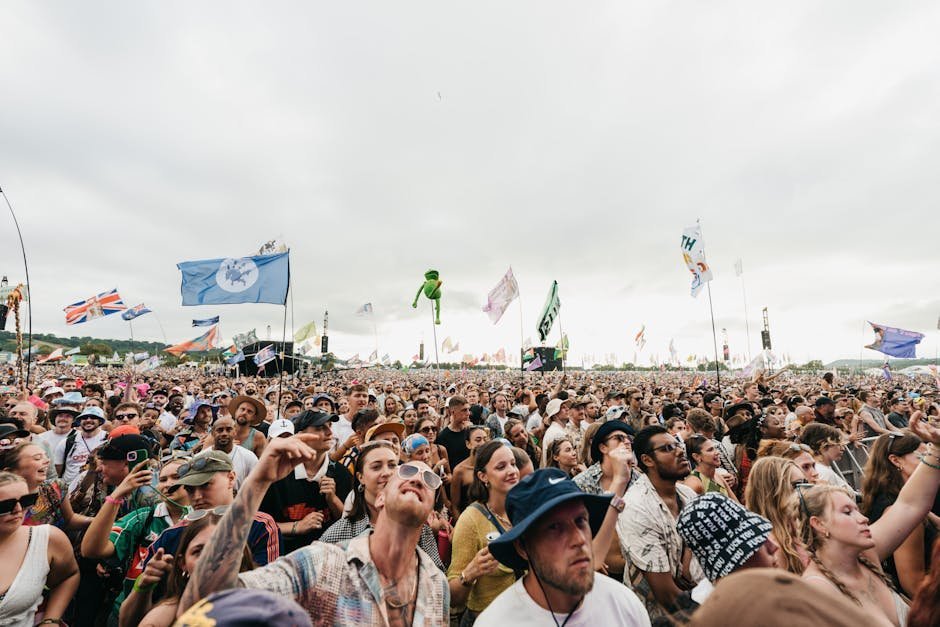
Glastonbury began in 1970 as a small farm festival in England, inspired by Woodstock’s ethos. Dairy farmer Michael Eavis hosted blues, folk, and rock amid caravans and tents. It emphasized community, with theater troupes and crafts weaving into the music.[2]
Early acts experimented with genres, setting a template for eclectic bills. Audiences camped for days, engaging in impromptu jams and discussions. Here’s the thing: this intimacy laid groundwork for its evolution into a global behemoth.[2]
Cultural Shifts: From Spectators to Co-Creators
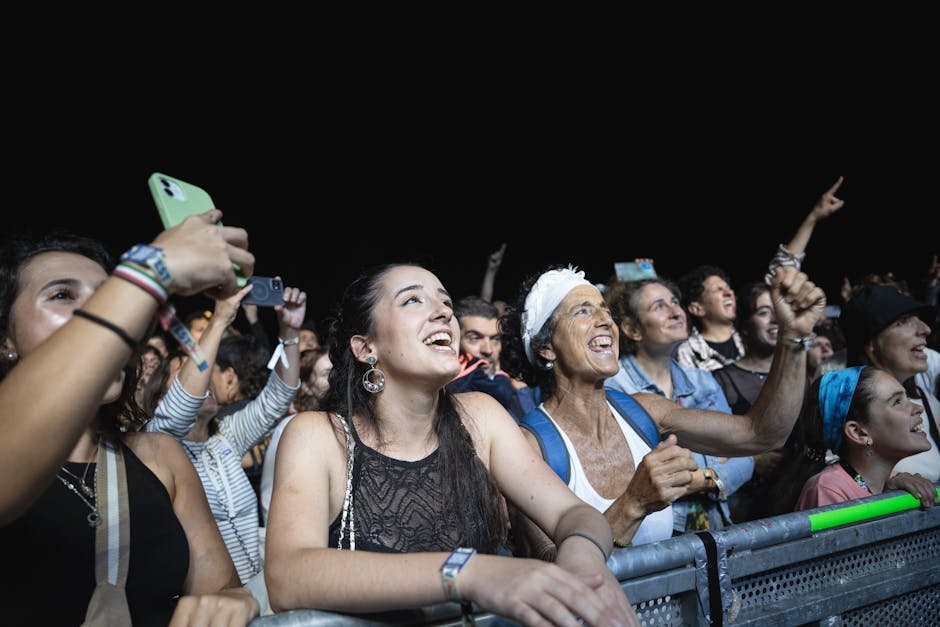
Festivals flipped the script on concerts, turning audiences into essential elements of the experience. No more stiff seating; fields allowed dancing, mingling, and even joining performers. This fostered a sense of belonging, like being cells in a living organism of sound and color.[8]
Socially, they challenged Vietnam War policies and rigid norms through protest songs and free love. Art installations popped up everywhere, blurring lines between musician and maker. It felt revolutionary, honestly, like society exhaling after decades of conformity.[9]
Improvisation and Psychedelic Experimentation
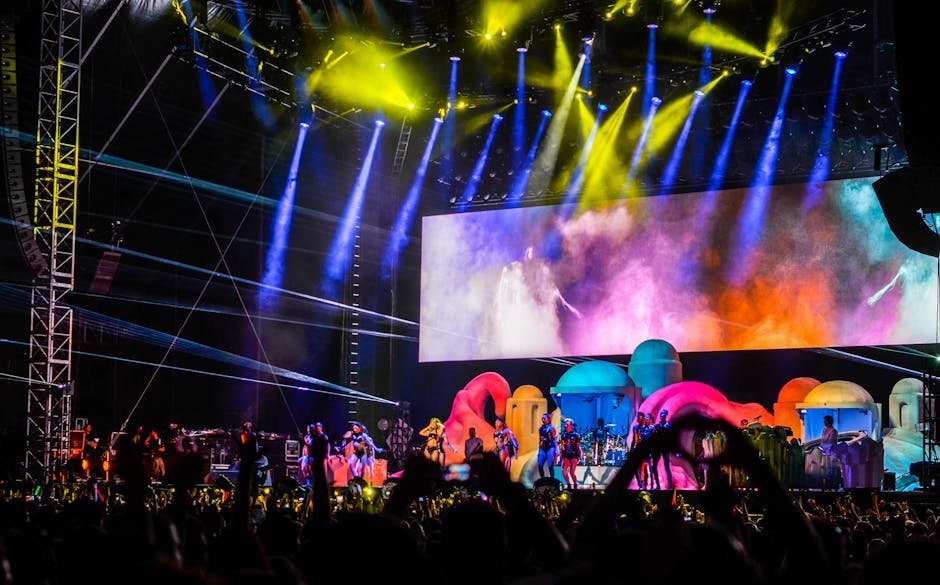
Artists thrived on the festival format’s looseness, stretching sets into epic jams. Light shows synced with music created mind-bending visuals, precursors to modern AV tech. Bands like The Grateful Dead turned performances into collective trance states.[10]
This era birthed psychedelic rock’s peak, with feedback, distortion, and fusion genres. Crowds fed energy back to stages, amplifying risks. Let’s be real: such freedom rarely happens in polished arenas today.[10]
Jimi Hendrix’s Woodstock Finale: A Sonic Apocalypse
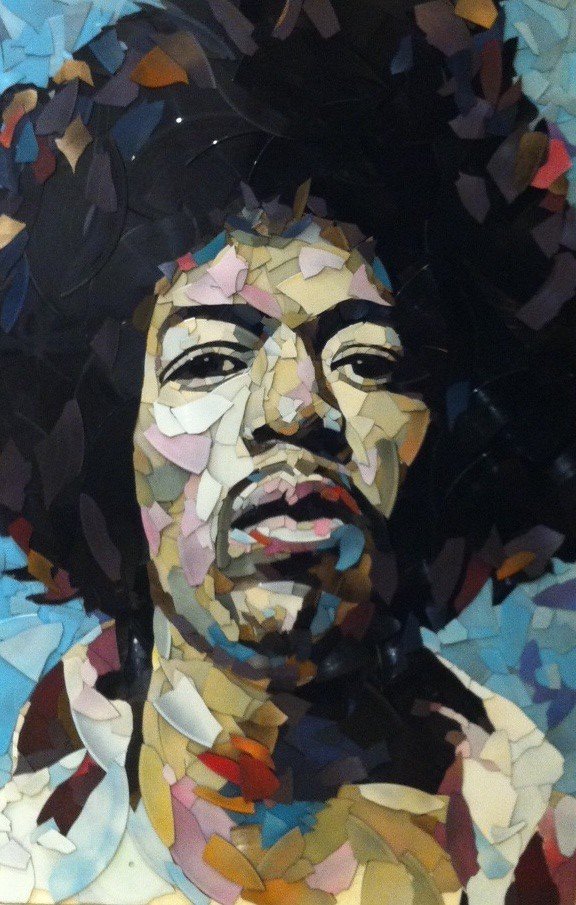
Jimi Hendrix closed Woodstock with a dawn set by his Gypsy Sun & Rainbows, reimagining “The Star-Spangled Banner” amid feedback and flames. It captured national turmoil post-Manson murders and war headlines. Nearly two hours of pure invention left the exhausted crowd stunned.[11]
His Monterey axe-burning earlier set the tone for destructive creativity in rock. These moments elevated guitar solos to symphonies. No wonder they still give chills decades later.[12]
The Who’s Woodstock Tommy: Theatrical Triumph
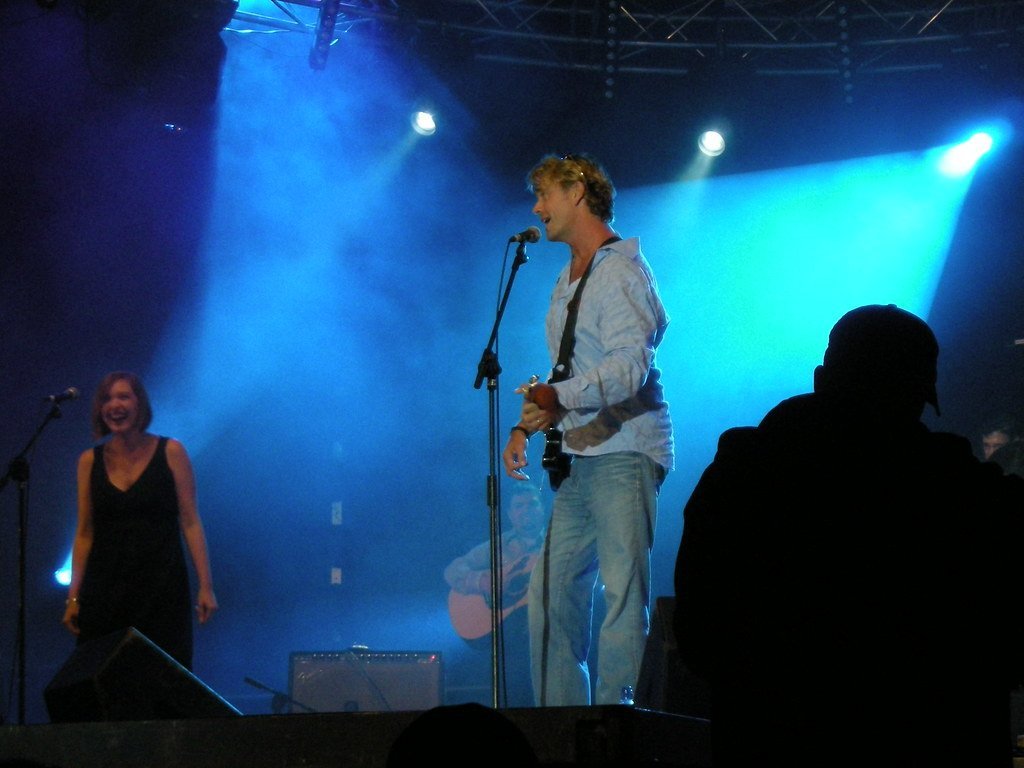
The Who delivered their rock opera Tommy at Woodstock, smashing instruments in a cathartic frenzy. Amid technical glitches, Roger Daltrey’s vocals soared over Pete Townshend’s windmill guitar. It turned a muddy stage into a dramatic epicenter.[13]
This performance showcased opera-length storytelling in festival chaos. Keith Moon’s thunderous drums embodied the era’s raw power. It proved rock could rival classical grandeur outdoors.[14]
Lasting Influence: Echoes in Today’s World
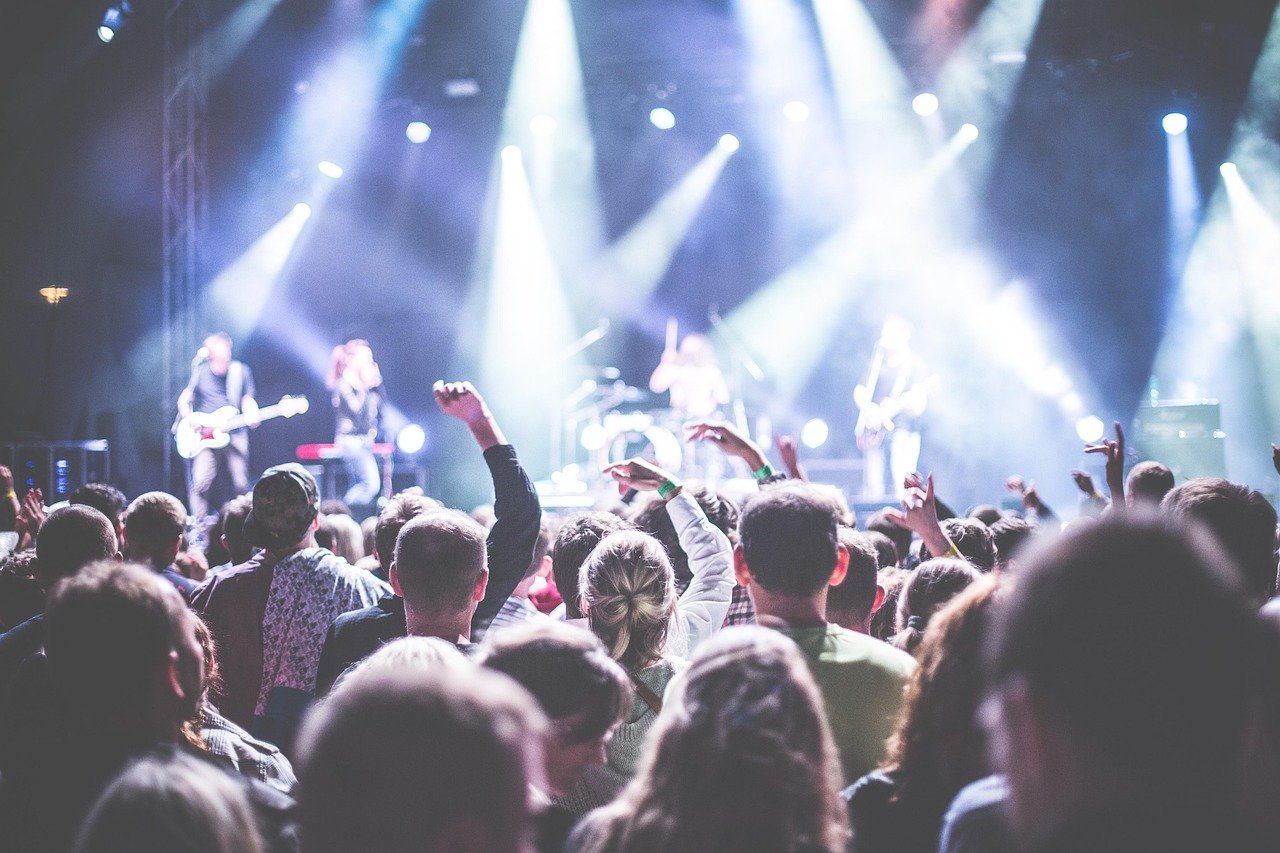
The golden age festivals reshaped art by proving mass gatherings could spark profound creativity. Their spirit lingers in modern events’ immersive designs and diverse lineups. Yet, that unfiltered experimentation feels rarer now amid corporate polish.[7]
They taught us music thrives in community, mud and all. What festival memory sticks with you most? Share below and keep the conversation alive.
CEO-Co-Founder
