

- Anticipated Album Releases of 2025: A Musical Journey Awaits - February 22, 2026
- New York City’s Star-Studded Line-Up: 2025’s Must-See Performances - February 22, 2026
- 25 Times Tech Meets Style: The Best Wearable Gear for 2024 - February 22, 2026
Storytelling in the Shadow of Gold

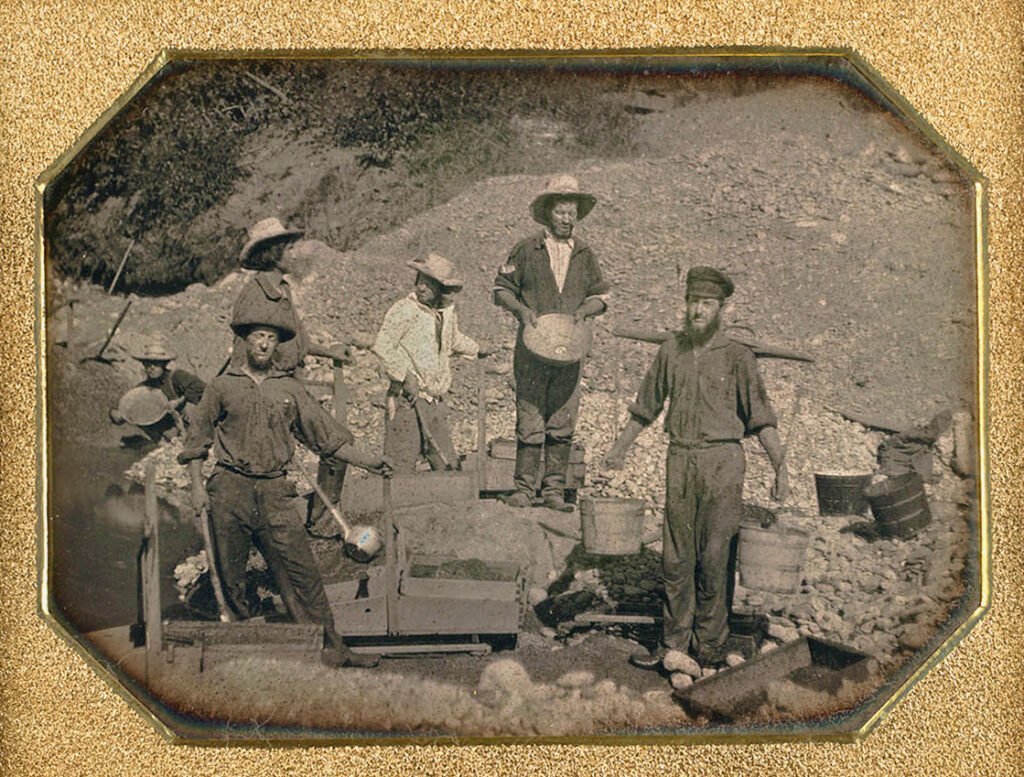
The California Gold Rush wasn’t just about dusty miners and gold pans—it was a story factory. Writers of the era found themselves surrounded by characters wilder than anything they could imagine. The rush for gold created a melting pot, full of dreamers, con artists, and adventurers. This wild energy seeped into the stories and novels of the time, pushing American literature in bold, new directions. Real-life tales of luck and loss began filling the pages of newspapers and books, giving everyday people a taste of the frontier. Mark Twain, who spent time in Nevada during the gold and silver rushes, later wrote, “Truth is stranger than fiction, but it is because fiction is obliged to stick to possibilities; truth isn’t.” The Gold Rush gave writers a bottomless well of “strange but true” stories just waiting to be told.
The Rise of the Western Genre

It’s hard to imagine the Western genre without the Gold Rush. Before 1849, American literature was mostly set in the East, but suddenly, the West—and its promise of fortune—became the new stage. The Gold Rush inspired dime novels, which became wildly popular from the 1860s onward. These cheap, thrilling books featured rough-and-tumble heroes, bandits, and gold-seeking wanderers. According to the Library of Congress, by the late 19th century, there were more than 30 million dime novels in circulation, and many drew directly from Gold Rush tales. The Western became a symbol of hope, greed, lawlessness, and adventure, all rooted in stories of gold.
Jack London and the Klondike’s Harsh Lessons

Jack London’s famous works like “The Call of the Wild” and “White Fang” were shaped by his time in the Klondike Gold Rush of the late 1890s. London arrived in Alaska in 1897, hoping to strike it rich, but instead, he found hardship and human struggle. His stories, based on real experiences, brought a raw, honest look at survival and the brutality of nature into American literature. According to the Jack London Society, over a million copies of “The Call of the Wild” have been sold, and it’s been translated into more than 40 languages. London’s gritty stories captured the deeper, darker side of the Gold Rush, influencing future generations of writers.
Diversity and the Forgotten Voices
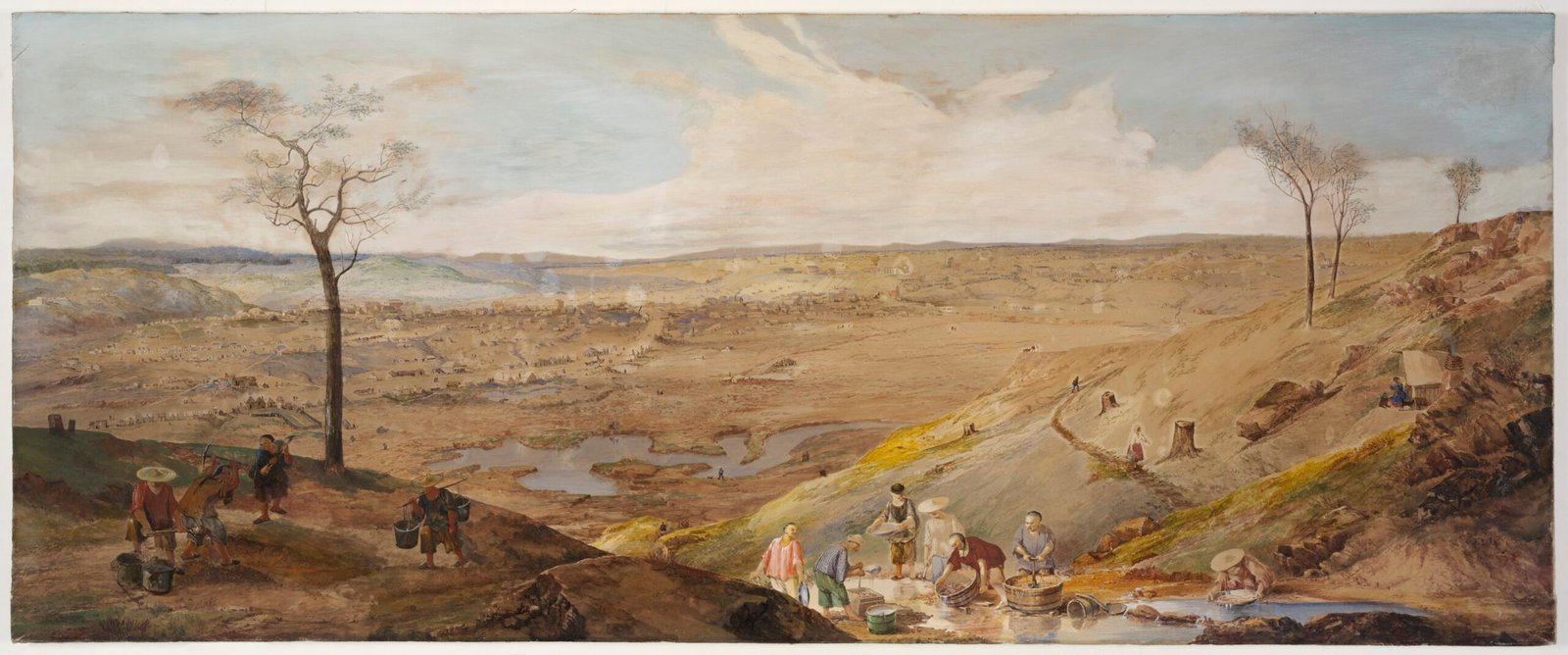
The Gold Rush drew people from every corner of the world—Chinese immigrants, Latin Americans, African Americans, and Native Americans all sought fortune or were affected by the rush. While mainstream literature often ignored these voices, some stories slipped through. For instance, Sui Sin Far (Edith Maude Eaton), one of the first Chinese American authors, wrote about Chinese immigrant life in the West. Recent research by the American Antiquarian Society shows that over 25% of miners in California were foreign-born by 1852. These hidden stories are now being rediscovered, adding depth and diversity to the literary legacy of the Gold Rush.
Newspapers and the Birth of Instant Journalism
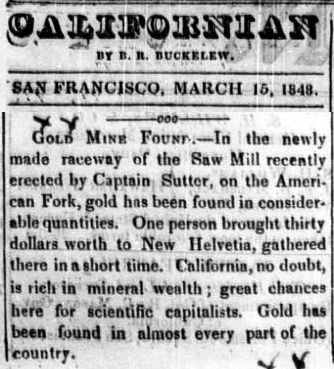
The Gold Rush turned sleepy towns into news hotspots overnight. Newspapers popped up across California, eager to report on fortunes won and lost. The Sacramento Union, founded in 1851, became one of the largest papers west of the Mississippi. This boom in journalism taught Americans to crave “breaking news” and sensational tales. The rush for information paralleled the rush for gold—fast, competitive, and sometimes reckless. As the University of California Press reported, over 200 newspapers were published in California by 1855, shaping both public opinion and the careers of future writers.
Women Writers Break New Ground

While most Gold Rush stories focus on men, women writers were quietly changing the narrative. Dame Shirley (Louise Amelia Knapp Smith Clappe) wrote a series of letters, later published as “The Shirley Letters,” detailing her life in the mining camps of California. Her firsthand accounts offered a rare woman’s perspective on the chaos and hope of the era. According to literary historians, her letters are now considered a cornerstone of Gold Rush literature. Women’s voices brought nuance, humor, and a critical eye—elements that enriched American writing far beyond the era.
The Myth of the Self-Made Man

The Gold Rush fueled the American dream of the “self-made man”—the belief that anyone could become rich through hard work and luck. This myth found its way into novels, poems, and essays. Writers like Bret Harte used characters who struck gold—or failed spectacularly—to poke holes in this ideal. A study by the Smithsonian Institution found that only about 2% of gold seekers actually made significant profits. The rest faced disappointment, which became fodder for stories about hubris, failure, and resilience. These tales shaped how Americans saw themselves and their country.
Humor Born from Hardship
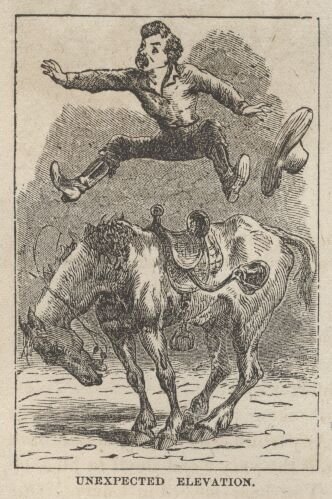
The Gold Rush was often absurd, and American humorists wasted no time lampooning its excesses. Mark Twain, Ambrose Bierce, and Artemus Ward all wrote with a wink and a grin about miners’ misadventures. Their jokes about bad luck, wild schemes, and human folly became central to American literary humor. The University of Nevada notes that Twain’s “Roughing It,” a memoir of his time in the West, was one of the best-selling books of the 19th century. This comic spirit lightened grim tales and made the Gold Rush a source of laughter as well as legend.
Environmental Awareness and Literary Reflection

As the Gold Rush ravaged the California landscape—rivers rerouted, hills stripped, forests felled—some writers began to notice and protest the destruction. John Muir, founder of the Sierra Club, wrote passionately about the loss of natural beauty. His essays, published in the late 1800s, helped spark the American conservation movement. Recent data from the U.S. Geological Survey shows that even today, California’s waterways still contain mercury pollution from 19th-century mining. The environmental impact of the Gold Rush became a topic for poets and essayists, urging readers to think about nature’s value beyond gold.
Modern Reinterpretations and Renewed Interest

The Gold Rush continues to inspire writers today. In 2023, new novels and TV series have reimagined the era, focusing on overlooked figures and historical accuracy. Novelist C Pam Zhang’s “How Much of These Hills Is Gold,” a finalist for the Booker Prize, explores the experience of Chinese American siblings during the Gold Rush. According to the New York Times, this renewed interest has led to a surge in academic research and public exhibitions. Modern authors are digging up forgotten truths and giving voice to the silenced, ensuring the Gold Rush’s impact on literature is far from over.
Children’s Literature and Gold Rush Adventure
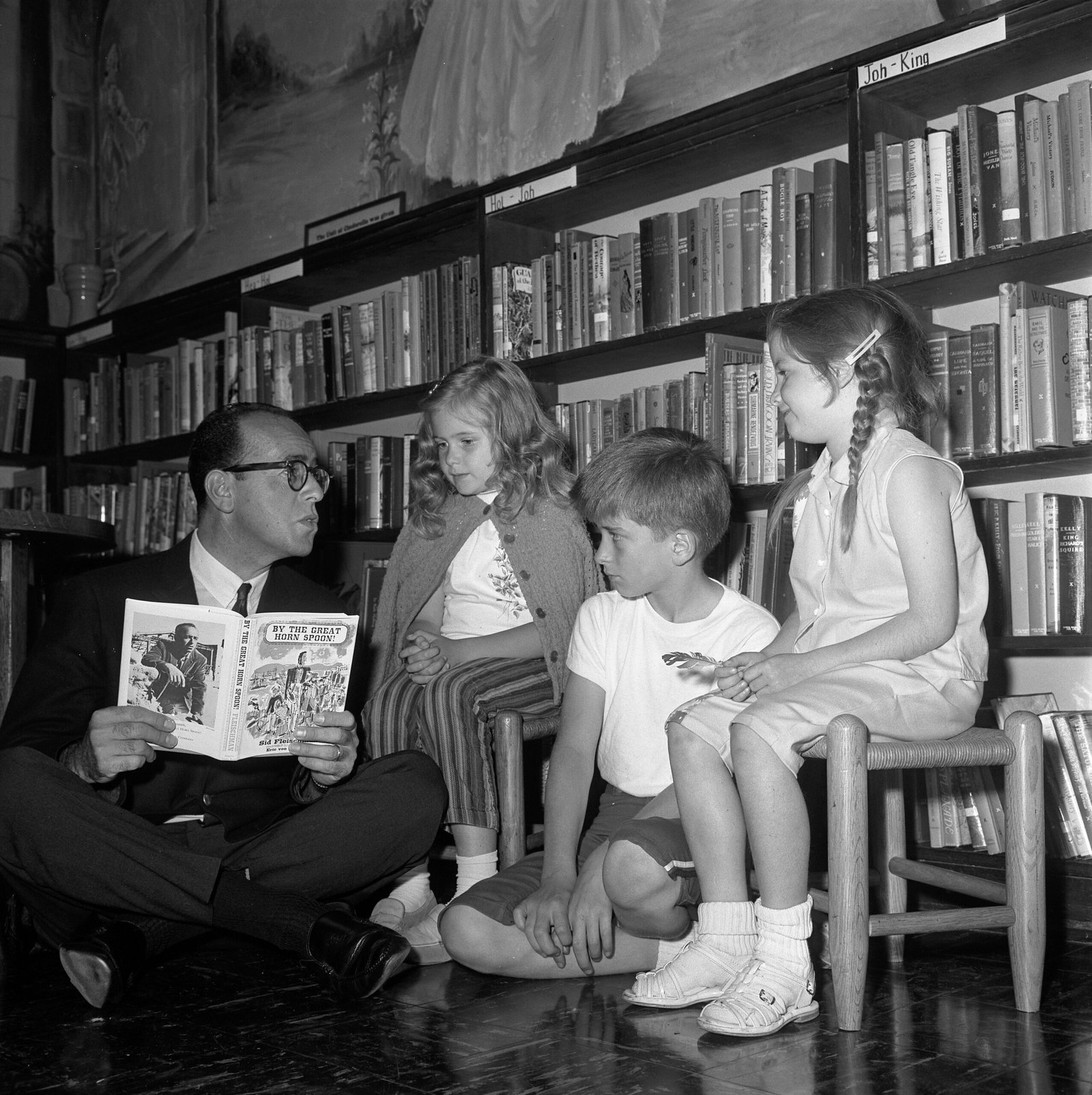
The thrill of gold hunting has long fueled children’s books and young adult novels. Classic tales like “By the Great Horn Spoon!” by Sid Fleischman have captivated generations with stories of bravery, friendship, and fortune. According to the American Library Association, books about the Gold Rush remain popular in school curriculums and libraries nationwide. These stories introduce young readers to history, adventure, and the wild possibilities that shaped America. Through these books, the Gold Rush continues to fire up imaginations and teach valuable life lessons.

Besides founding Festivaltopia, Luca is the co founder of trib, an art and fashion collectiv you find on several regional events and online. Also he is part of the management board at HORiZONTE, a group travel provider in Germany.
