


- 12 Rock Bands Whose Side Projects Were Even Better Than Their Main Acts - August 12, 2026
- 10 World’s Most Beautiful Libraries That Are Marvels of Architecture. - August 12, 2026
- The True Stories Behind 8 Famous Movie Scenes You Thought Were Fiction - August 12, 2026
There is something almost magical about the idea of thousands of people gathering in a field, a desert, or a hillside, united by nothing but sound. Music festivals are not just events. They are living, breathing snapshots of the world as it exists at a particular moment in time. Every lineup, every crowd, every political banner waved between sets tells a story about who we are, what we fear, and what we dream about.
Think about it this way. If you wanted to understand the mood of a generation without reading a single newspaper, you could simply look at what they were doing at their festivals. The songs they chose. The values they projected. The arguments they had about who belonged on the stage. It is all there. Let’s dive in.
Ancient Roots: When Music Was Sacred, Not Commercial
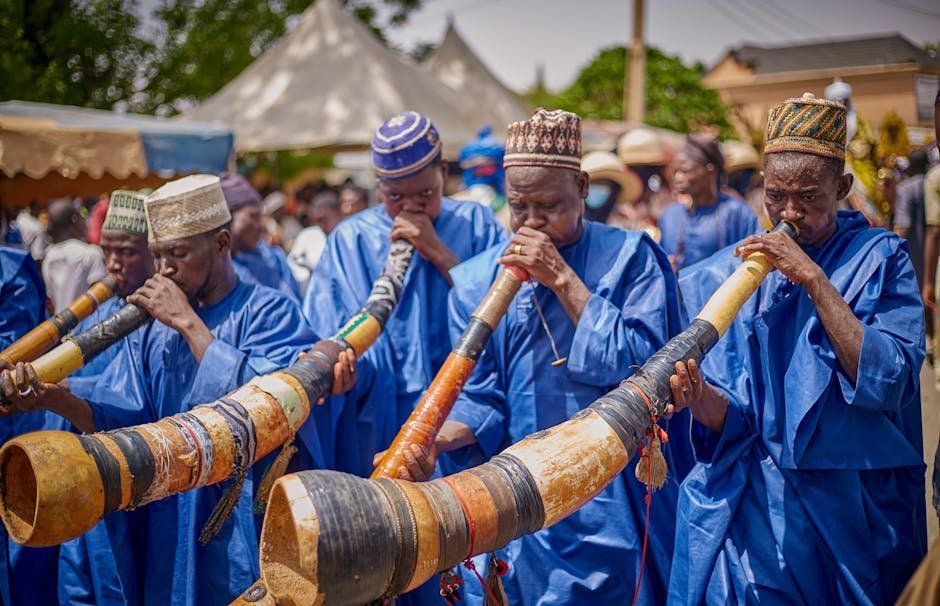
Long before anyone had ever heard of a VIP wristband or a festival app, music gatherings served a deeply spiritual purpose. The first recorded festival took place in 582 BC in Ancient Greece, during the Pythian Games. Similar to the Olympics, these games included poetry, reading, speech, and musical competitions, and people gathered to watch and enjoy hymns and instrumental performances dedicated to Apollo, the God of arts and music. The idea was simple. Music was a gift to the gods, and the community gathered to offer it together.
What strikes me about this is just how communal those earliest gatherings were. There was no artist hierarchy, no headliner above the title. Everyone participated in the celebration. Festivals have been a part of human society since antiquity, serving as celebrations of religious faith, local culture, and special events. Music was not entertainment in the modern sense. It was ceremony. It bound communities to something larger than themselves, and that ancient pull toward collective musical experience never truly left humanity. It simply transformed with each passing era.
The Age of Exclusivity: Class, Power, and Classical Music
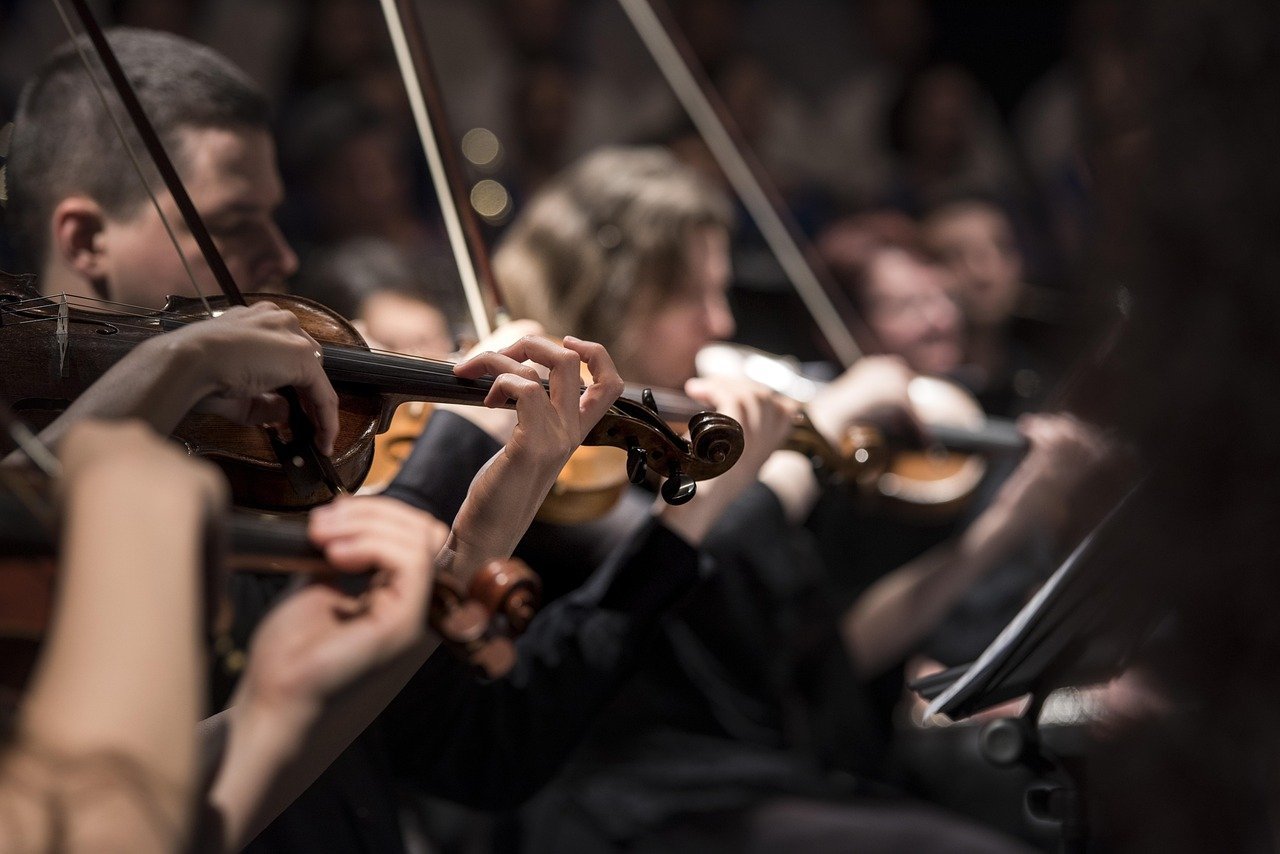
Here is where things get interesting and honestly a little frustrating. For centuries, music festivals were for the common people to rejoice and share in celebration, but by the 17th century, the elite of society had taken control of the culture and created events that were much more exclusive, allowing only the highly educated upper class to attend. It is almost a metaphor for everything else happening in society at the time. As wealth concentrated, so did access to culture.
As the wealth divide across Europe grew, new instruments were developed by and for the elite class, and musicians were largely relegated to two groups: the highly educated upper class, often royalty or working for royalty, and the poor, uneducated, traveling folk musicians. Think of it like two entirely different streaming platforms, one behind a paywall and one free but undervalued. The Three Choirs Festival, first held in 1719 in England, became one of the oldest choral festivals, uniting cathedral choirs from three cities, while the Bayreuth Festival, founded in 1876 by Richard Wagner, brought opera lovers together to celebrate Wagner’s works. The concert hall had become a temple of privilege, and the people outside its walls were simply left to hum along.
War, Jazz, and the Reclaiming of Music by the Masses
It took a World War to shake this arrangement loose. The outbreak of the First World War brought about many changes to lifestyles and, consequently, to music festivals. As society focused on wartime efforts and staying safe, the exclusivity of music festivals to the upper class disappeared. Suddenly, the gatekeepers of culture had bigger problems to deal with.
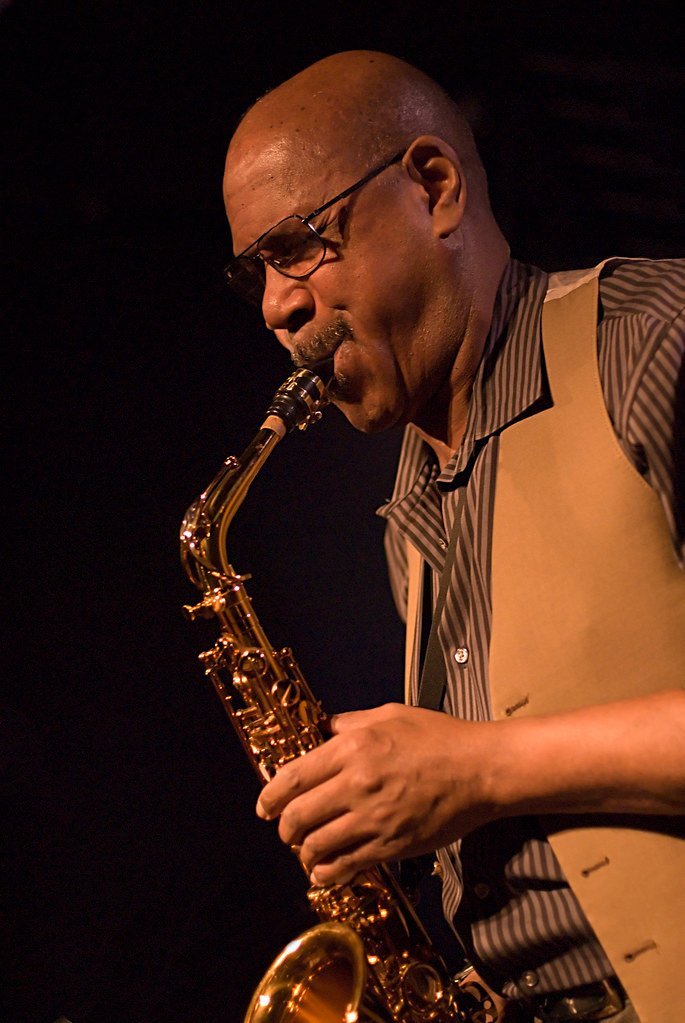
The working-class population was turning to music more than ever, and jazz and folk emerged as popular genres. To avoid the scrutiny of the elite, groups of musicians with similar tastes gathered in dive bars and underground clubs. There is something beautifully defiant about that image. People finding joy in the shadows, reclaiming rhythm from those who tried to own it. The inception of modern music festivals can be traced back to the folk and jazz gatherings of the early 20th century, where these genres acted as the foundation. Festivals like the Newport Jazz Festival, established in 1954, brought jazz from the clubs to the public on a grand scale. Similarly, folk festivals celebrated traditional and contemporary folk music, reinforcing community ties and showcasing storytelling through song. Music had found its way back to the street, and it was never going back willingly.
Woodstock and the Counterculture Explosion of the 1960s
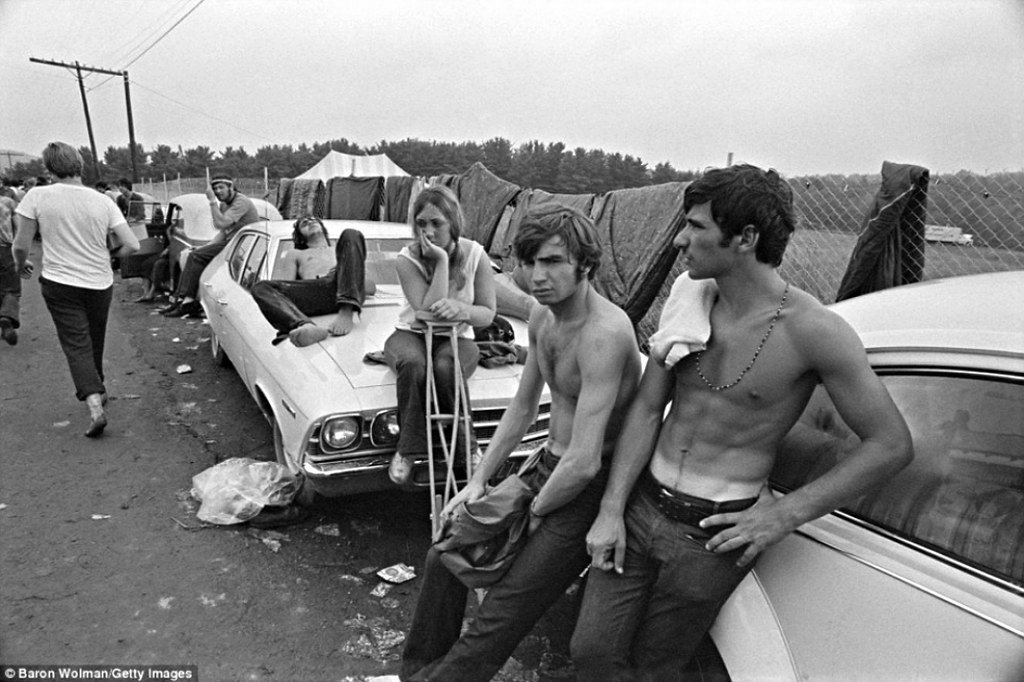
If there is a single moment in festival history that still carries the weight of an entire generation’s dreams, it is Woodstock. The Woodstock Music Festival, held in August 1969 in Bethel, New York, is often regarded as the pinnacle of 1960s youth culture, symbolizing a generation’s quest for freedom, peace, and social change amidst a backdrop of political upheaval. The Vietnam War was raging, cities were fractured by protest, and a group of young people decided the answer was to gather in a field and make music together.
The Woodstock Festival was a watershed moment in the 1960s counterculture movement. Expecting 50,000 attendees for a three-day music concert, the event instead drew an estimated 500,000. I know it sounds crazy, but that kind of unplanned, unstoppable human surge toward a single cultural moment has arguably never been replicated since. Featuring iconic performances from Jefferson Airplane, Janis Joplin, Jimi Hendrix, Joan Baez, and the Who, Woodstock created a blueprint for the music festival as a space for cultural and social expression. The event’s unexpected massive turnout and peaceful vibe amidst logistical challenges highlighted the powerful communal spirit and the era’s yearning for a more inclusive and empathetic society. It was messy, muddy, and imperfect. In many ways, that was precisely the point.
The 1970s and 1980s: Festivals Go Mainstream
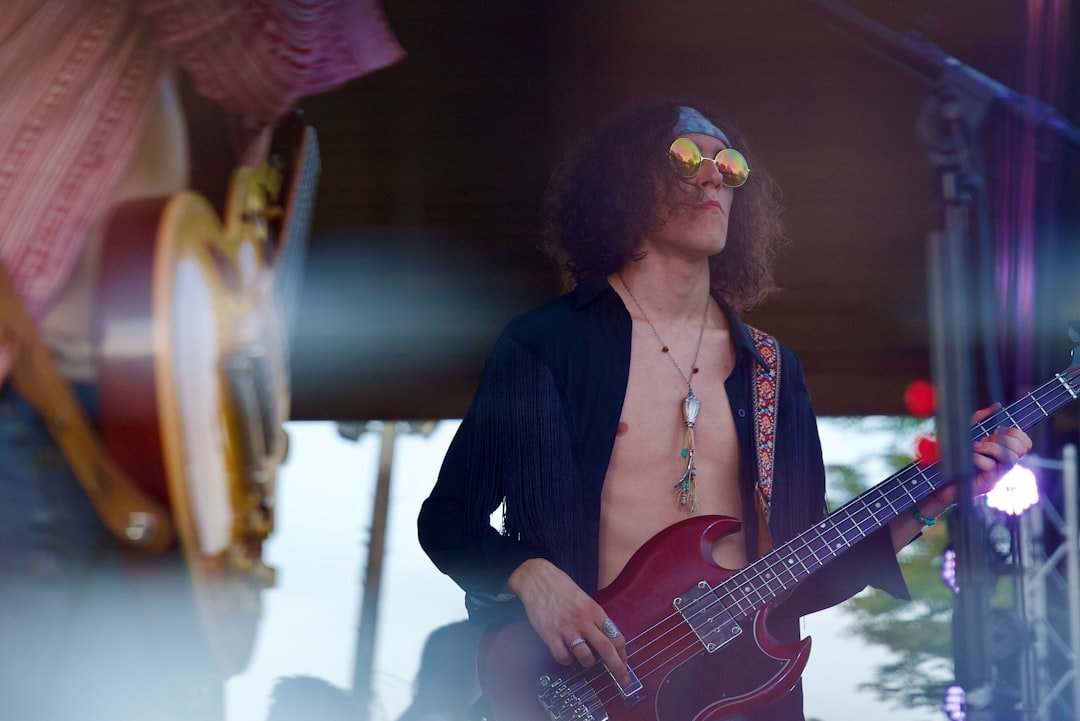
After the explosive idealism of the late 1960s, festival culture did not disappear. It matured. The movement carried on through the 1968 Miami Pop Festival and the memorable 1969 Woodstock, and by the 1970s, music festivals of all different genres were being held worldwide, drawing in more and more fans. The spirit was still alive, but it was no longer quite so raw or urgent. It was becoming professional.
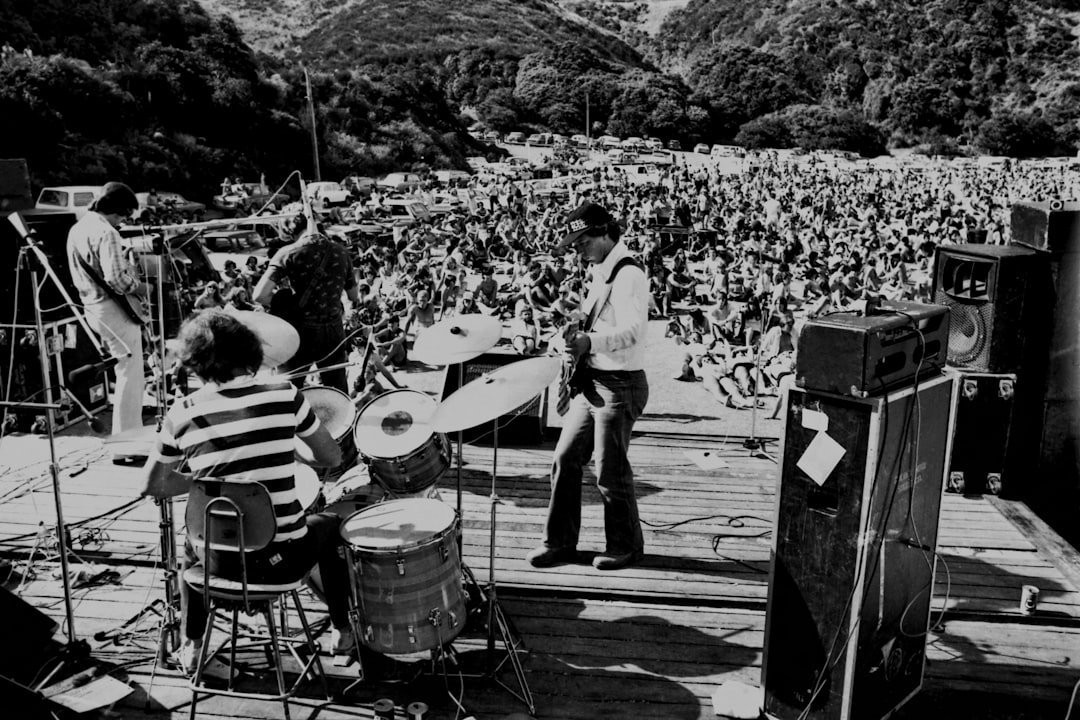
Glastonbury in its early days charged just £1 entry, which included free milk from the farm. About 1,500 people saw the headliner Tyrannosaurus Rex. There is something almost tenderly nostalgic about that detail. A festival for the price of a pint of milk. The following year, rebranded as The Glastonbury Fayre and moved to coincide with the summer solstice, the first Pyramid Stage appeared, made of scaffolding and plastic sheeting, deliberately positioned along what some believe to be a ley line connecting Glastonbury Abbey and Stonehenge. A young David Bowie graced this early stage. Throughout the 1970s and 1980s, festivals in both the UK and the United States embedded themselves more deeply into the cultural fabric, moving from fringe oddity to beloved annual tradition.
The 1990s: Grunge, Rave, and a Generation’s Rage
Let’s be real. The 1990s were arguably the most musically restless decade the festival world ever saw. The 1980s and 1990s saw the rise of genre-specific festivals like Lollapalooza, which began as a touring festival in 1991, bringing alternative rock and grunge to the forefront and capturing the angst and spirit of a new generation. This was not music as spiritual offering or political protest in the traditional sense. It was music as raw emotional release for a generation that felt simultaneously over-stimulated and completely unheard.
With the formation of Lollapalooza and Lilith Fair, simple concerts became massive occasions that mixed the likes of rock, hip-hop, folk, and metal into one experience. These events turned into celebrations where fans could roam between stages and vendor tents for an entire weekend, launching the music world into a brand-new concept that lives on to this day. Meanwhile, something even more underground was stirring. Electronic music, which had been developing in the underground culture of Berlin when it was still under Soviet control, saw its breakthrough in the 1990s. The global popularization of electronic music had to do with the fall of the Berlin Wall in late 1989. Freedom, both political and musical, arrived at the same time. It is hard to imagine a more poetic coincidence.
Coachella and the Rise of the Festival as Lifestyle Brand
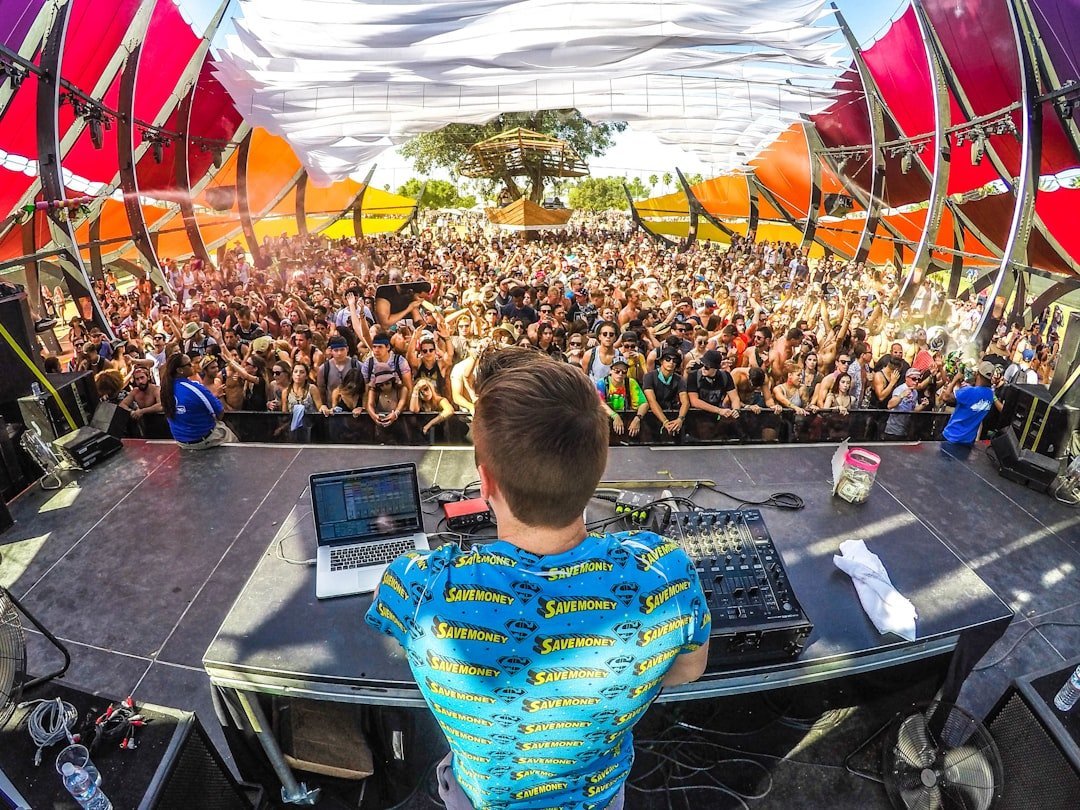
Something shifted at the turn of the millennium. Festivals stopped being just about music and started being about identity. About how you looked, what you wore, and crucially, who saw you there. Entering the scene in 1999, Coachella took the essence of music festivals and amplified it for the digital age. Held in the Californian desert, it grew into a global spectacle known for its eclectic lineup, art installations, and celebrity sightings. It marks a pinnacle of festival culture’s commercialization, with tickets selling out in minutes and a significant portion of its audience attending as much for the social media prestige as for the music.
Honestly, some people find that troubling. The argument is that commercialization gutted the soul of what festivals were supposed to be. Commercialization threatens the original spirit of music festivals, and the drive for profit and mainstream appeal can overshadow the community focus and the underground spirit that has defined many festivals. Yet it is hard to deny that Coachella also democratized the festival experience in new ways. Many of its art installations explore contemporary issues such as environmentalism, identity, and political activism, making the festival not only a music event but also a platform for social change. The question of authenticity versus access remains genuinely unresolved. Maybe it does not need to be resolved. Maybe that tension is itself a reflection of where we are as a society.
Social Justice on the Stage: Festivals as Political Platforms
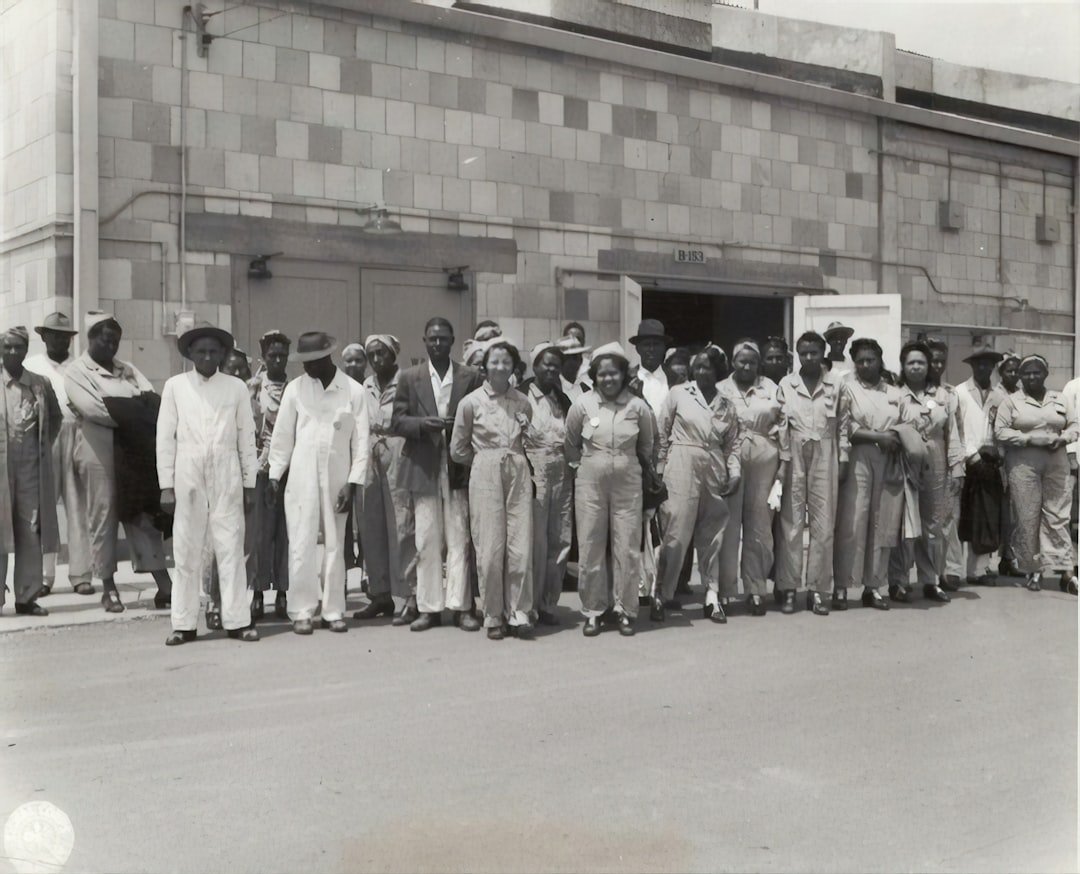
One cannot talk about the evolution of festival culture without talking about race and representation. Long before Coachella made headlines, the 1969 Harlem Cultural Festival was doing something equally extraordinary and far less documented. Over six weekends in the summer of 1969, nearly 300,000 Black people gathered in Harlem’s Mount Morris Park for the Harlem Cultural Festival, a series of concerts celebrating Black music. A star-studded roster of artists appeared, representing Black sounds from West Africa to Motown and beyond. The festival later came to be known as the “Black Woodstock” and its significance was only broadly recognized decades later through the Oscar-winning 2021 documentary Summer of Soul.
Music festivals have always been a reflection of societal trends, from Woodstock’s anti-war ethos to Coachella’s digital-native appeal. They serve as microcosms of society, highlighting prevailing social issues, fashion trends, and musical tastes. The pressure on festivals to be truly inclusive has only grown louder in the 2020s. Festivals today are increasingly embracing sustainability, inclusivity, and social justice, responding to the growing demand for ethical and socially conscious events. They are platforms for activism, with many incorporating environmental initiatives, charitable causes, and discussions on social issues into their programming. The stage has never been just a stage. It has always carried the weight of who gets to stand on it.
Technology Transforms the Festival Experience
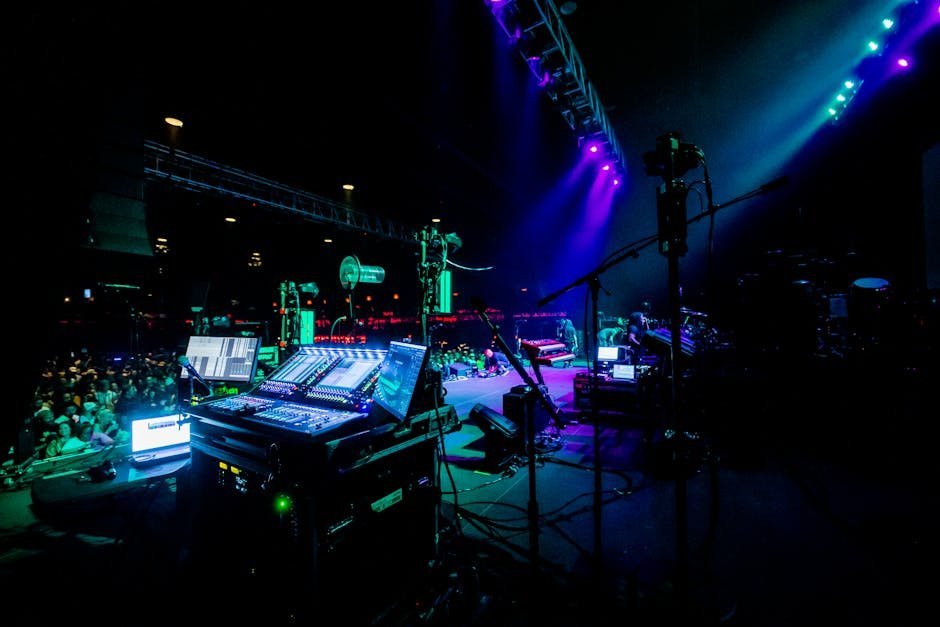
It is wild to think that at Woodstock, the only way to experience the music was to physically be there, standing in the mud. Today, the reach of a single festival performance stretches across the entire planet. Stage productions are often mind-blowing, utilizing massive LED screens, intricate light shows, holographic displays, and immersive sound engineering like 3D audio. Augmented and virtual reality are increasingly used to enhance fan experiences on-site and remotely.
Behind the scenes, Artificial Intelligence assists with everything from music curation and personalized recommendations to optimizing artist schedules and managing crowd flow. Livestreaming brings the festival to global audiences who cannot attend in person, extending the event’s reach and cultural impact exponentially. In 2026, the line between being “at” a festival and experiencing it from your living room is blurring faster than ever. In 2025 and beyond, festivals are embracing virtual and augmented reality for immersive performances and enhanced visual engagement, with sustainable practices becoming standard and eco-friendly materials and zero-waste policies as the norm. The festival is no longer a location. It is an ecosystem.
The Green Revolution: Sustainability Becomes Non-Negotiable
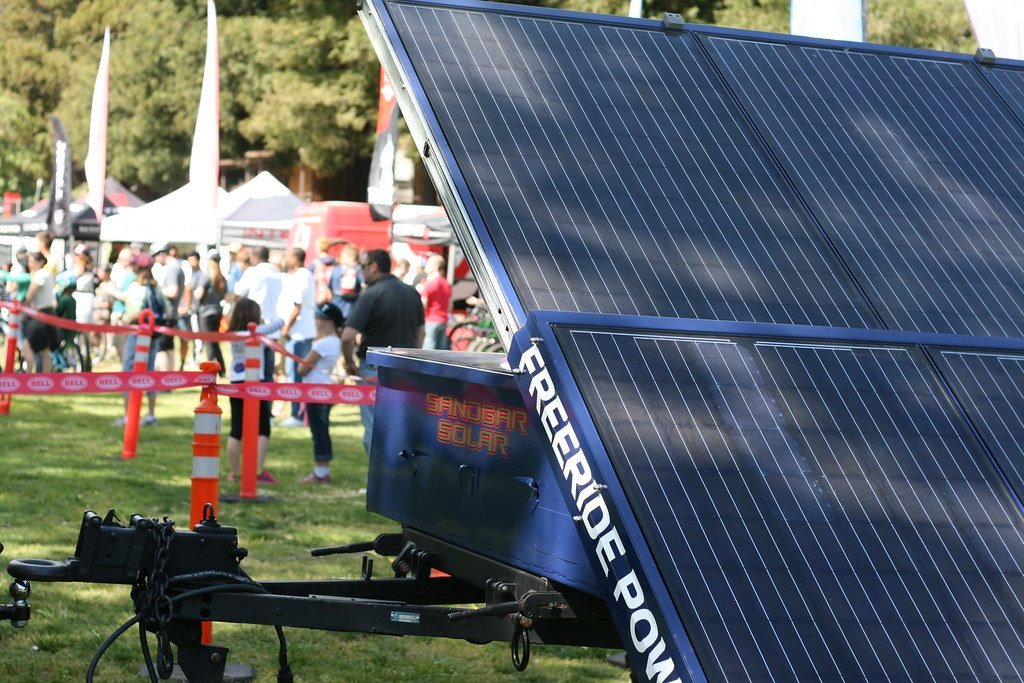
Perhaps no shift better mirrors the broader anxieties of our time than the festival world’s urgent turn toward environmental accountability. Fans are increasingly prioritizing eco-friendly and socially responsible festivals. From carbon offset initiatives to plastic-free events and ethical merchandise, sustainability is now a core focus. Festivals are also diversifying lineups and making accessibility a priority, ensuring events are inclusive for all fans.
As of 2025, environmental sustainability has been at the center of festival management, and Glastonbury is leading the charge. The festival announced in 2023 that it had powered all of its needs through renewable fuels and had fully phased out fossil-based power supplies, becoming a template that other festivals are now following. Glastonbury has embraced alternative sources of energy like wind and solar power, biodiesel, and vegetable waste oil to reduce emissions. It is a remarkable turnaround for an industry once known for mountains of plastic cups and diesel generators. Research shows that the majority of attendees at green festivals, mostly Gen Z and Millennials, bring not only energy and enthusiasm but also a strong commitment to sustainability, with nearly 90% worrying about climate change and expecting the events they attend to walk the talk when it comes to environmental responsibility. The crowd is no longer just watching the show. They are demanding accountability from those running it.
Conclusion: Festivals as the World’s Most Honest Mirror
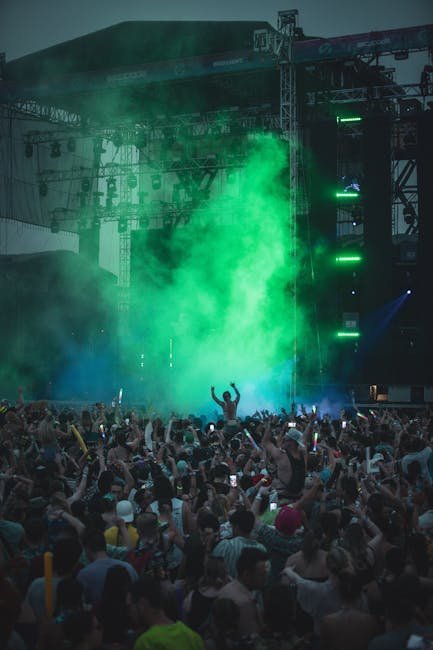
Standing back and looking at this long, strange, brilliant journey, one thing becomes impossible to ignore. Every era of festival culture has been shaped by the anxieties, hopes, and values of the society that produced it. From sacred Greek competitions to mud-soaked counterculture protests, from underground raves in Cold War Berlin to solar-powered desert spectacles in California, festivals have never been neutral spaces.
From Woodstock to Coachella, music festivals have chronicled the passage of time, reflecting the aspirations, struggles, and triumphs of generations. They have evolved from simple musical gatherings into complex cultural phenomena, continually adapting to and influencing the fabric of society. That is what makes them endlessly fascinating, even when they frustrate us with their contradictions between idealism and commerce, between accessibility and exclusivity.
Festivals are living organisms that must grow and change to survive. They are reflections of the times, constantly reinventing themselves to remain relevant and impactful. In 2026, with so many competing forces pulling at the soul of live music, the festival remains perhaps the single most honest measure of what a society truly values. Not what it says it values. What it actually pays for, travels for, and stands in the rain for.
What does the festival you last attended say about the world we are living in right now? Think about it.
CEO-Co-Founder
