

- 15 Incredible True Stories Behind the Most Famous Rock Ballads Ever - March 26, 2026
- The Disturbing Origins of 10 Famous Fairy Tales - March 26, 2026
- 10 ‘Ghost Ships’ That Mysteriously Disappeared At Sea - March 26, 2026
There is something deeply comforting about fairy tales. The glowing fireplace, the brave princess, the satisfying “happily ever after.” Most of us grew up with these stories as warm, bedtime companions. But here is the thing: the versions you know are almost entirely the product of careful, deliberate scrubbing. Centuries of horrifying, brutal, and morally complicated storytelling were polished away before they ever reached your bookshelf.
Originating in European folk stories, often designed to be parables with a moral twist, these tales featured painful punishments, sadistic parents, and children being devoured by wild beasts. Honestly, “bedtime story” might be the last thing you would call some of them. Most of these tales were never really intended to delight children. The Brothers Grimm, for example, never set out to write fairy tales or bedtime stories. Their work began as a mission to anthologize German folklore for scholars of German culture, and the original folk tales had been told around the fire for centuries, usually to adults or older children.
So what exactly did they sand down? What were the stories before the polish? Get ready for something far darker than you ever imagined. Let’s dive in.
1. Snow White: The Queen Who Wanted to Eat Her Daughter’s Organs

Most people remember the wicked queen and her poisoned apple. It is a classic villain move. But the Disney version is essentially a heavily sanitized highlight reel of one of the Grimm Brothers’ most brutal tales.
In the original 1812 Grimm version, the evil queen is Snow White’s actual mother, not her stepmother. That single detail transforms the entire emotional weight of the story. Even in the Disney version there are some details that wouldn’t make the cut in today’s films, like the evil stepmother ordering a huntsman to bring Snow White’s heart in a box. In the Grimms’ version, she wanted to devour Snow White’s lungs and liver, and Snow White wasn’t even 10 years old at the time.
The Brothers Grimm tale paints a much darker ending as well: the prince and Snow White get married and invite all royalty. The evil queen shows up, not knowing it is her stepdaughter’s wedding. When she arrives, she is forced to step into burning-hot iron shoes brought from the fireplace and dance until she dies. I think it is safe to say that scene would not make the cut in any animated feature today.
2. Cinderella: Mutilated Feet and Blinded Sisters

You know the glass slipper. You know the pumpkin carriage. You probably do not know about the severed toes. The Cinderella we grew up with is one of the most thoroughly laundered fairy tales in existence.
In the Brothers Grimm version, Cinderella still gets her happily ever after, but her evil stepsisters get a much gorier comeuppance. After one sister tries to trick the prince by cutting off her toe to fit into Cinderella’s shoe, and the other tries the same trick by cutting off part of her heel, Cinderella and the prince are reunited and happily wed, with Cinderella’s pigeon pals plucking out her stepsisters’ eyes as the post-wedding entertainment.
There is also no fairy godmother in the Grimm version, just white doves sent to help Cinderella by her dead mother. The contrast is striking, almost jarring. Back in the 1800s, after the first edition of their collection was published, the Grimms were criticized for writing stories unsuitable for children. In response, they revised the stories to soften their rough edges, and later editions were tailored for a young audience. Those edits created a wider audience and probably ensured that their stories endured.
3. Sleeping Beauty: A Far More Sinister Awakening

If there is one fairy tale whose original version would be considered absolutely unprintable today, it is Sleeping Beauty. The story we know involves a curse, a spindle, and a charming prince who awakens a sleeping girl with a kiss. Sweet, right? The origin is anything but.
The modern Sleeping Beauty is based on a tale penned by the Italian storyteller Giambattista Basile. He wrote of a beautiful young lady lying in a deep sleep in a castle, unable to be woken by conventional means. That’s as familiar as it gets. It is a king, rather than a prince, who rides by the castle. More disturbingly, instead of giving her a chaste kiss, the king lifts her up, carries her to a large bed and rapes her. It is only after she has given birth to twins and one begins feeding from her that Sleeping Beauty awakens from her long slumber.
Charles Perrault’s version offers a further disturbing addition, claiming that the prince’s mother is an ogress with a tendency toward devouring little children. Perrault’s Sleeping Beauty and her children narrowly escape being boiled and eaten thanks to the timely return of her husband. Let’s be real: this story was never about romance. It was a horror story dressed in silk.
4. Little Red Riding Hood: A Tale of Predation With No Rescue
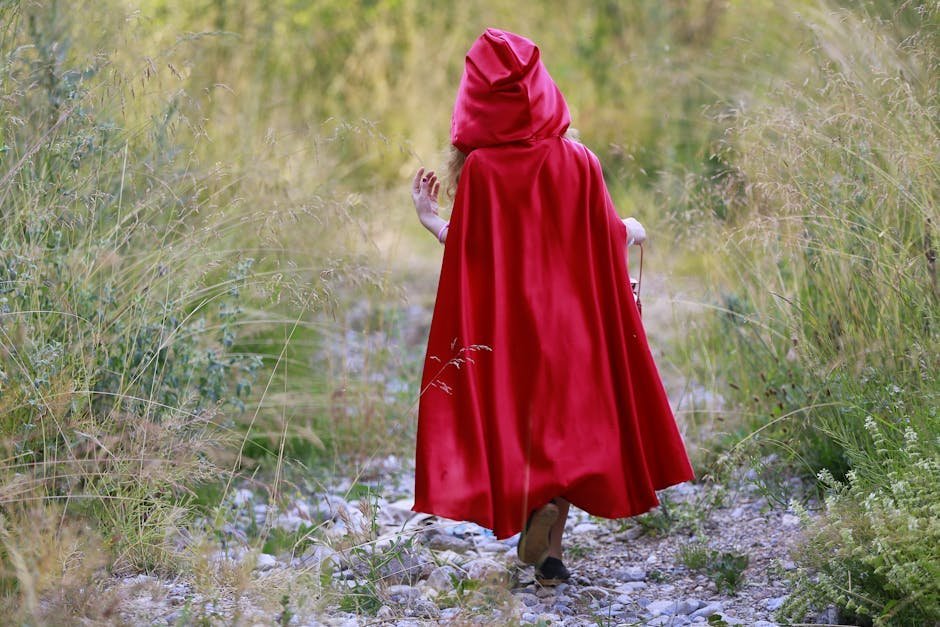
The version most of us know ends with a brave woodsman charging in to save the day. It is reassuring, tidy, moral. The original versions have no such comfort.
In Charles Perrault’s version, included in his 1697 collection, there is no intrepid huntsman. Little Red simply strips naked, gets in bed, and then dies, eaten up by the big bad wolf, with no miraculous relief. In another version, she eats her own grandmother first, her flesh cooked up and served to her. That is a level of horror that still feels genuinely startling when you read it as an adult. Perrault ends with a little rhyming verse reminding us that not all wolves are wild beasts, and the sexual undertones are not subtle. After all, the contemporary French idiom for a girl who had lost her virginity was “elle avoit vû le loup,” meaning she has seen the wolf.
The earliest versions of Little Red Riding Hood did not include a heroic woodsman at all. The wolf kills the grandmother, tricks Red Riding Hood, and then eats her as well. In some early French versions, the wolf even serves the grandmother’s flesh to the girl before attacking her. The story originally functioned as a brutal warning about strangers.
5. The Little Mermaid: A Tragedy of Unrequited Love and Sacrifice

Disney’s 1989 film is one of the most beloved animated movies ever made. Ariel gets her prince, her legs, and her happily ever after. Hans Christian Andersen, the Danish writer who created the original story in 1837, had something far more heartbreaking in mind.
In Andersen’s version, mermaids were soulless creatures destined to dissolve into sea foam when they died, whereas humans were promised a beautiful afterlife. Terrified of her fate, the little mermaid wanted nothing more than a human soul. But her grandmother explained that the only way a mermaid can grow a soul is to wed a man who loves her more than anything. Every step the mermaid takes on land feels like walking on knives. When the prince marries someone else, she is given a choice to kill him to return to the sea. Unable to do it, she throws herself into the ocean and dissolves into sea foam.
With its eponymous character having become a landmark of Denmark in the form of a statue, the original tale by Hans Christian Andersen is one of the more tragic of all stories in the entire fairy tale canon. Unlike the more child-friendly versions in which the little mermaid finds her happiness, the original mermaid never succeeds in gaining the prince’s love. It is a story about sacrifice, longing, and the crushing weight of loving someone who will never love you back the same way. I think, honestly, that makes it more powerful. Just not exactly bedtime material.
6. Rapunzel: Pregnancy, Exile, and Blindness in the Wilderness
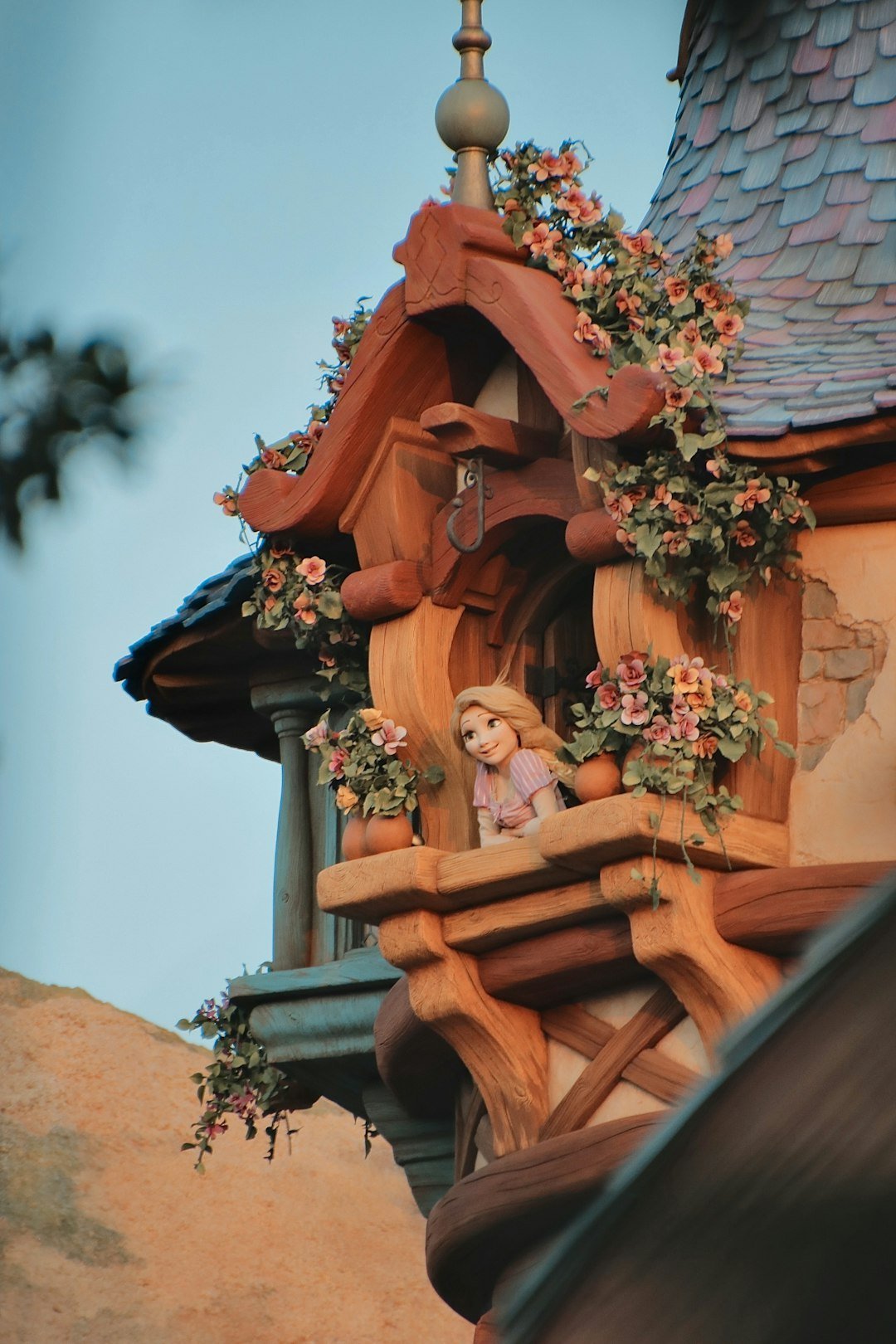
Rapunzel is widely known as the girl in the tower with the impossibly long hair. It is a romantic image. The Grimm version of the story is considerably more brutal and, in the early editions, considerably more explicit.
In the Grimm version, Rapunzel lets down her hair a little too often to a prince and winds up pregnant. When the witch discovers this, she chops off Rapunzel’s hair and magically transports her far away, where she lives as a beggar with no money, no home, and after a few months, two hungry mouths to feed. As for the prince, the witch lures him up and then pushes him from the window. Thorn bushes break his fall but also poke out his eyes.
The prince spends several years wandering as a homeless person, until he happens upon Rapunzel, who has been struggling along as an unwed mother. Miraculously, Rapunzel’s tears have a healing power that restores the prince’s sight. They return to his kingdom so he can finally make an honest woman out of her. It is hard to say for sure whether Andersen or the Grimms had the darker worldview overall, but stories like this suggest the Grimms were absolutely not pulling their punches, at least in the early editions.
7. Hansel and Gretel: Famine, Abandonment, and a Very Real Historical Horror
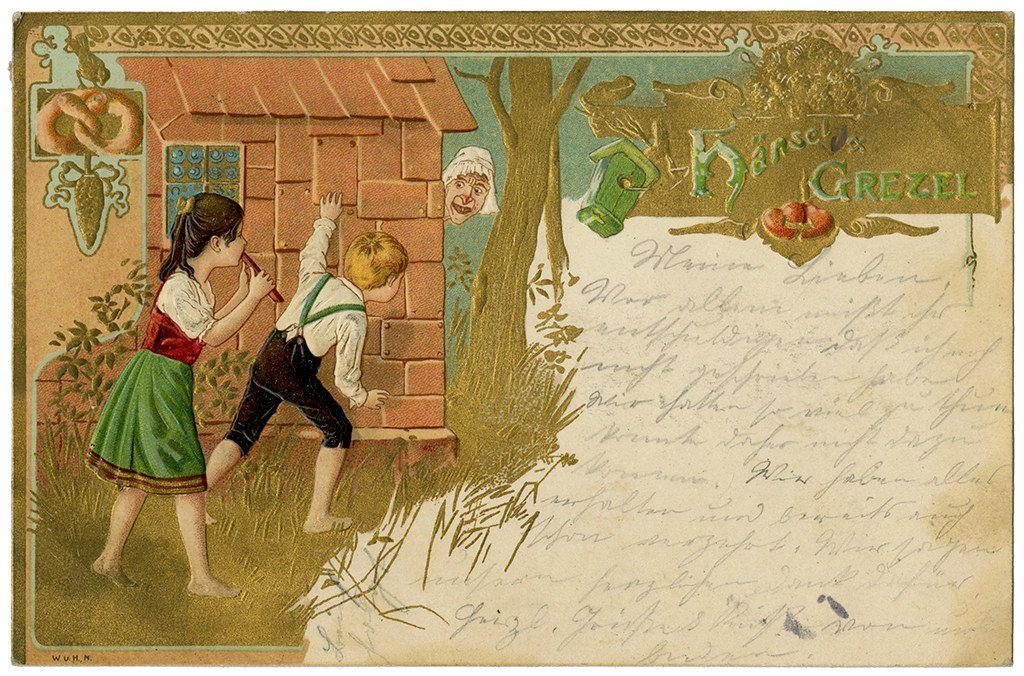
Two children abandoned in the woods, a witch with a gingerbread house, a fiery oven. Even the “tame” version of Hansel and Gretel is genuinely frightening. The original carries even more weight when you understand the historical context behind it.
This classic Grimm tale is rooted in the harsh reality of hunger. Inspired by the Great European Famine of the 14th century, the story begins with Hansel and Gretel’s parents abandoning them in the woods because they don’t have enough food to survive. When the children stumble upon the candy-coated house, it is no stroke of luck. The witch grows fattened children for eating, viewing them as her next meal. While the siblings ultimately kill her by shoving her into her own oven, earlier versions of the tale had an even darker twist: instead of a witch, the antagonist was a devil who attempted to bleed the children on a sawhorse.
In the 1812 version of “Hansel and Gretel,” a wife persuades her husband to abandon their children in the woods because they don’t have enough food to feed them. That detail, a mother willingly discarding her own children, was later softened into a “wicked stepmother” in subsequent editions. From 1314 to 1322, Europe experienced the Great Famine, which scholars estimate could have killed up to a quarter of the continent’s population. This story was not just dark fiction. It was a reflection of lived reality.
8. Pinocchio: The Puppet Who Killed His Cricket and Was Hanged
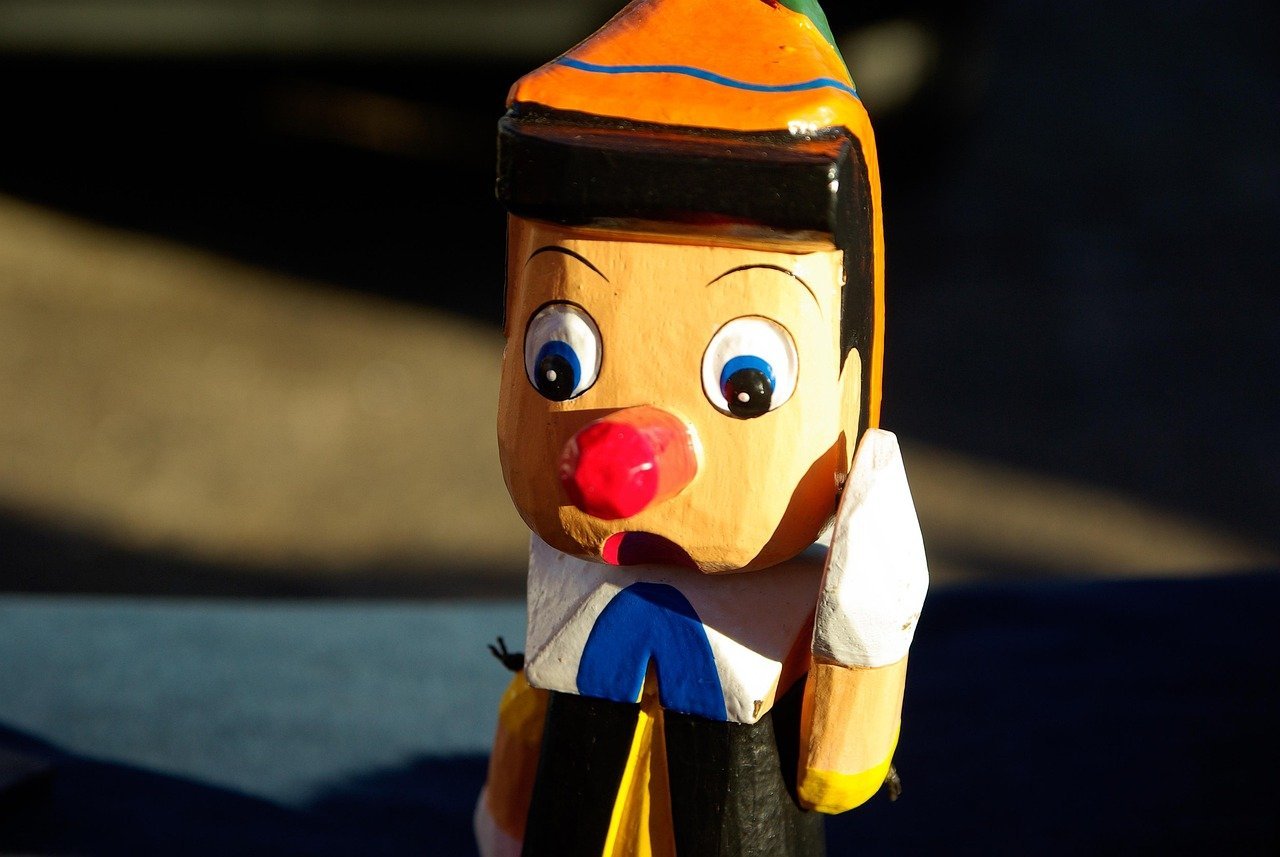
Pinocchio is one of the most recognizable children’s characters in history. The Disney film gives us a loveable, wide-eyed wooden boy on a journey of self-discovery, accompanied by the cheerful Jiminy Cricket. The original Italian story is something else entirely.
The Adventures of Pinocchio is a children’s fantasy novel by Italian author Carlo Collodi. The story was originally published as a serial called “The Story of a Puppet” in the Giornale per I bambini, one of the earliest Italian weekly magazines for children, starting from 7 July 1881. Most notably, Jiminy the Talking Cricket, a key character in the movie, is killed in one of the opening chapters. Tired of his moralizing, an angry Pinocchio hurls a hammer at him, killing him outright.
Other dark details omitted in later versions include the bit where Pinocchio’s feet are burned off soon after he first runs away. Then there is the scene where Pinocchio steals gold coins, gets caught and is hanged for his crimes. Collodi originally intended for his story to end with the puppet hanging from a tree dying, seeing his work as a powerful morality tale for young readers. His editors, however, had other ideas and forced him to write a happier ending. The image of a children’s puppet hero dying at the end of a noose is genuinely jarring. It makes you wonder what Collodi was going through when he wrote it.
9. Rumpelstiltskin: A Demonic Bargain and a Gruesome Self-Destruction
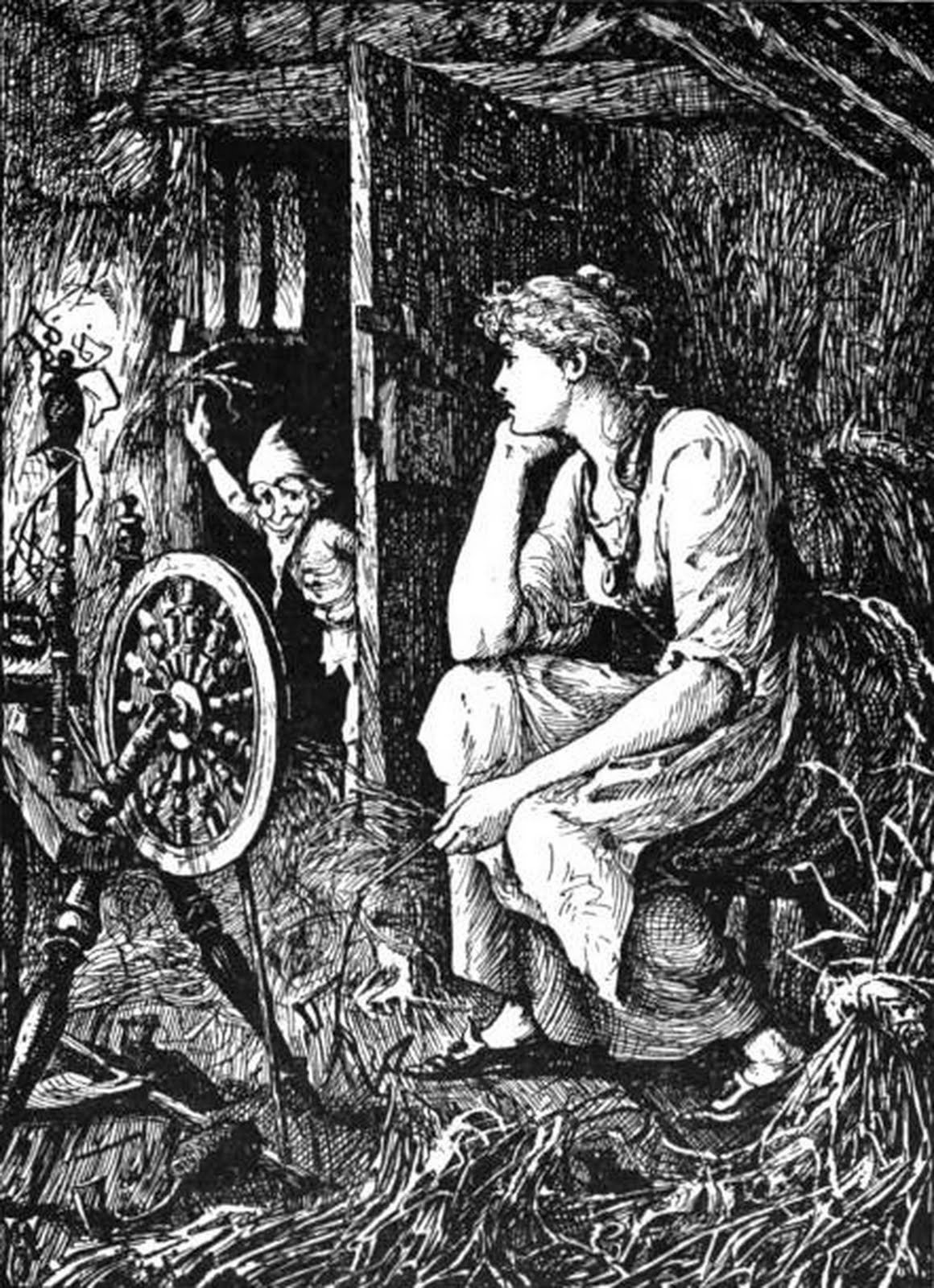
On the surface, Rumpelstiltskin seems like a quirky little tale about a strange imp who spins straw into gold. There is a guessing game, there is a baby at stake, and there is a memorably odd name. The actual mechanics of the story, though, are far more sinister than they first appear.
In this tale, originally told in print by the Brothers Grimm, a miller lies to the king, telling him his daughter can spin straw into gold. The king locks her up in a tower filled with straw and demands she spin it into gold by morning or else. She cannot do it, but suddenly an imp-like creature, Rumpelstiltskin, appears. In exchange for her necklace, he spins her straw into gold. This exchange continues until Rumpelstiltskin eventually demands her firstborn child.
In one version which the Brothers Grimm later copied, Rumpelstiltskin is so angry when he loses that he stamps one foot right through the castle floor. He then grabs his other leg and literally rips himself in half, all in front of the watching queen and her infant. That is a level of self-destructive fury that belongs in a horror film, not a children’s story. Scholars suggest that Beauty and the Beast and Rumpelstiltskin are around 4,000 years old. Some stories, it seems, have been terrifying people for a very, very long time.
10. The Pied Piper of Hamelin: The Legend That May Have Been Real
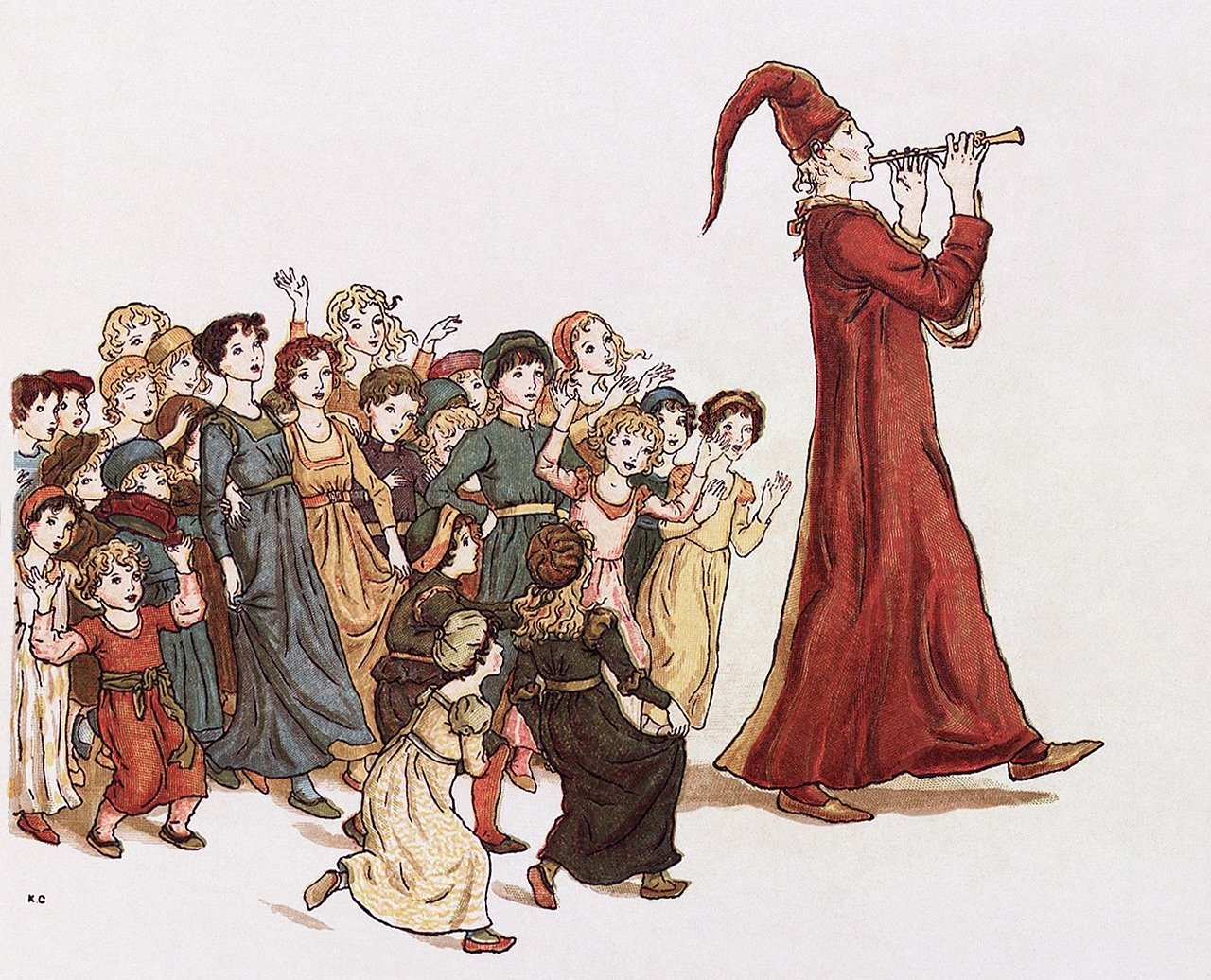
Most modern versions of the Pied Piper frame the story as a cautionary tale about broken promises and revenge. A magical musician leads away a town’s rats, the townspeople refuse to pay him, and he retaliates by leading away their children instead. It sounds like folklore. The unsettling part is that it may not be entirely fictional.
The legend of the Pied Piper of Hamelin originated in Germany around 1300. It is set in the German town of Hamelin in 1284, where there is a rat infestation. The town commissions a piper dressed in multicolored clothing, who claims he can lure all the rats away from the town with his music. Unlike other tales collected by the Brothers Grimm, the original bears an alleged date, June 26, 1284, which gives it the air of a historical account.
The legend ends in tragedy. After the town refuses to pay him for removing its rat infestation, the Piper returns and plays his magical pipe again. This time, he leads the town’s children away. In most versions, the children disappear forever. Historians believe the story may have been inspired by a real historical tragedy in medieval Germany. In some earlier tellings, the endings are much darker. Sometimes the Pied Piper drowns all the children. In some versions, he makes them join an army and fight in the Crusades. Whether the story reflects a plague, a mass migration, a children’s crusade, or something even worse, the eerie specificity of that 1284 date has never been fully explained.
Why Fairy Tales Were Always Meant to Be Dark
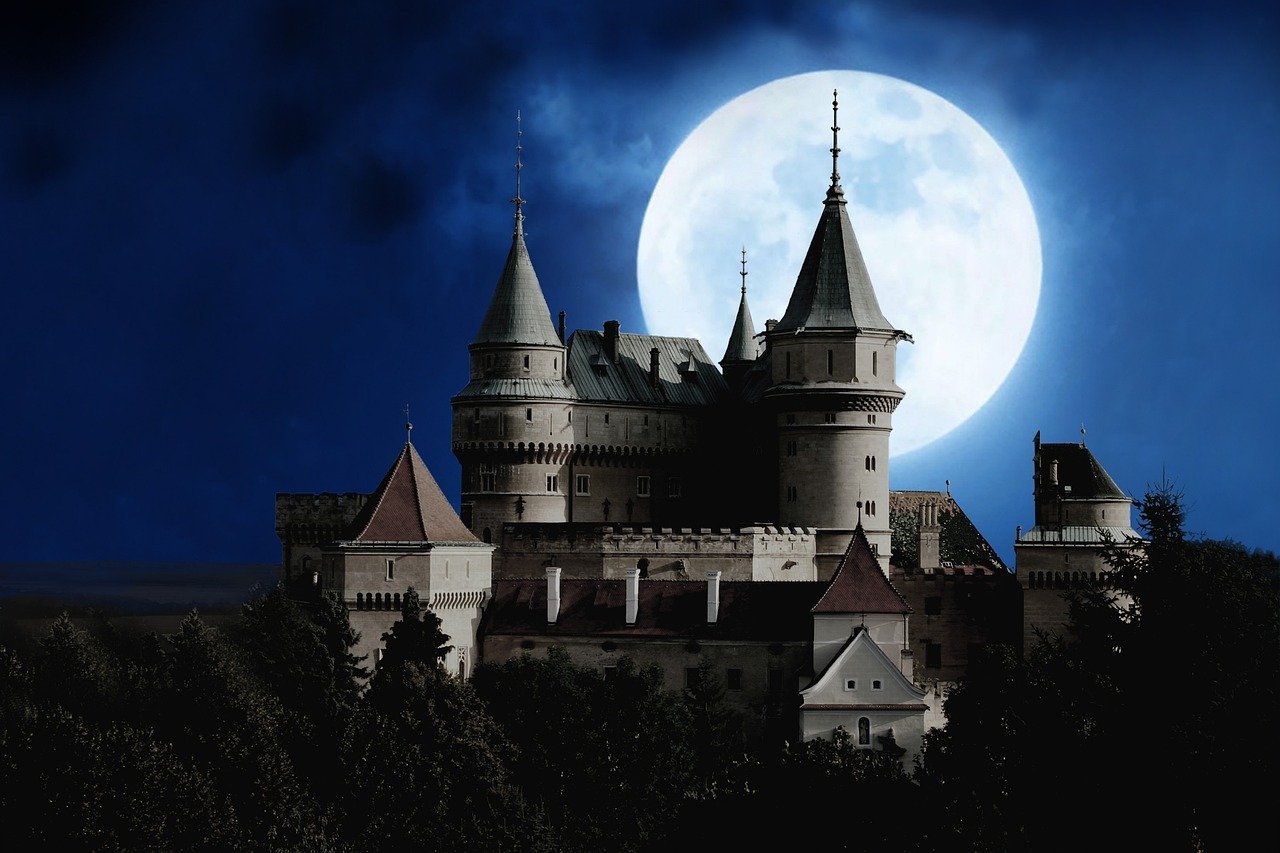
Understanding where these stories came from changes how you feel about them. They were not sanitized children’s entertainment that accidentally developed dark undertones. They were dark by design, and the sanitization came much later.
These stories were raw, brutal, and unapologetically grim. They were not meant to lull children to sleep. They were morality lessons drenched in gore, hunger, betrayal, and darkness, often crafted to shock adults into behaving properly. Many of the original versions also had more explicit sexual references or imagery which were cut out swiftly as the compilations were aimed at children. Stories involving children being eaten were also censored. Linguists and historians think the original inclusion of these themes was a reflection of the medieval society in which these folk tales originated, which was much more brutal.
Perrault and the Grimm brothers collected the folk stories that peasant women had told their daughters since prehistory. They repackaged them for the landed and literate gentry. Dark tales told as warnings gained some lightness and lost a bit of their savagery in these retellings. Fairy tales originate from the oral tradition of storytelling. They have been closely associated with everyday people rather than the elite, and are an accumulated wisdom of the past. In other words, they reflect our history and culture, our fears and our dreams.
There is something profound in realizing that the stories we use to comfort children were born from centuries of human suffering, fear, and survival instinct. Fairy tales were never escapism. They were a mirror. The glass slipper was always a little cracked.
What do you think: does knowing the dark origins of these stories change how you see them, or does the magic somehow survive all that darkness? Drop your thoughts in the comments.

Besides founding Festivaltopia, Luca is the co founder of trib, an art and fashion collectiv you find on several regional events and online. Also he is part of the management board at HORiZONTE, a group travel provider in Germany.
