


- The 20 Best TV Theme Songs of All Time – Sing Along! - July 11, 2026
- 10 Famous Paintings with Hidden Self-Portraits - July 11, 2026
- The 25 Best True Crime Documentaries of the Year - July 11, 2026
There is something almost supernatural about the way a great rock ballad can stop you cold. One minute you’re driving, half-distracted, and then suddenly a song hits you so hard you have to pull over. Not because the production is polished or the guitar solo is technically brilliant, but because somewhere underneath all of it, there is a real human story bleeding through the speakers.
Have you ever listened to a classic rock ballad and felt like it knew your secret heartbreak, your wildest hope, or your deepest fear? The magic is real – because so many of these unforgettable songs are rooted in stories that are breathtakingly true. Some classic rock ballads don’t just tell stories – they are stories. Many of them came from moments of heartbreak, tragedy, or deep love that shaped the lives of the artists who wrote them. Behind the guitars and the emotion, you’ll find raw truth and real experiences that made these hits timeless.
These fifteen songs are more than chart-toppers. They are confessions, eulogies, love letters, and sometimes cries for help. Let’s dive in.
1. “Tears in Heaven” – Eric Clapton (1992): A Father’s Grief Made Eternal
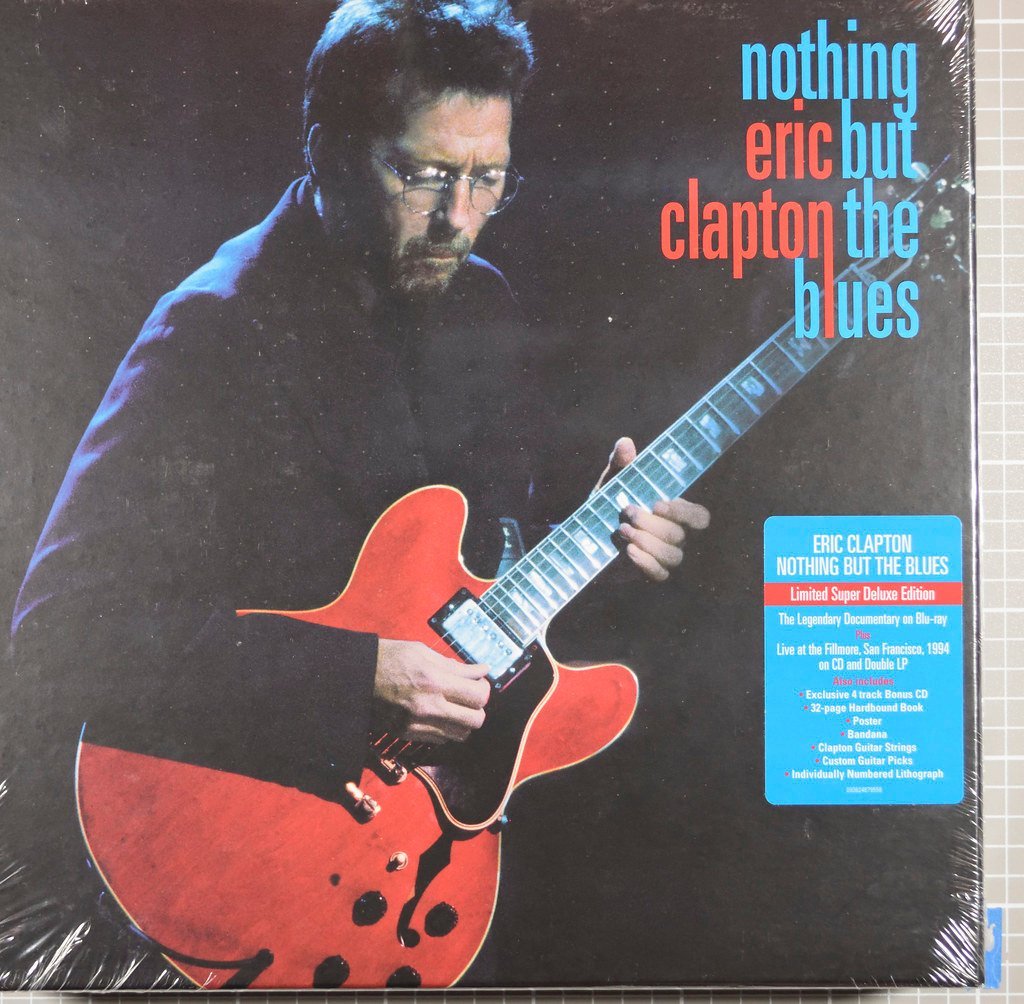
Eric Clapton’s “Tears in Heaven” isn’t just a song – it’s a wound turned into melody. In 1991, Clapton’s four-year-old son, Conor, fell from a 53rd-floor window in New York City, leaving Clapton in a storm of grief no parent should ever know. What followed was something almost unfathomable: a man so destroyed by loss that the only language left to him was music.
Devastated, Clapton channeled his pain into music. The lyrics question love, faith, and the hope of reunion beyond life. Each word carries the weight of a father’s sorrow, yet it also offers comfort to anyone who has lost someone dear. Honestly, few songs in history have turned private catastrophe into something so universally healing. It remains one of the most emotionally devastating rock ballads ever recorded.
2. “Hey Jude” – The Beatles (1968): A Song Born in a Car for a Heartbroken Boy
In May 1968, John Lennon and his wife Cynthia separated due to his affair with artist Yoko Ono. The following month, Paul McCartney drove out to visit the Lennons’ five-year-old son Julian, at Kenwood, the family’s home in Weybridge. The song’s original title was “Hey Jules,” and it was intended to comfort Julian from the stress of his parents’ separation. McCartney said he knew “it was not going to be easy” for Julian, and changed the name from “Jules” to “Jude” because he thought it sounded a bit better.
“Hey Jude” was a number-one hit in many countries around the world. Its nine-week run at number one on the Billboard Hot 100 tied the all-time record in 1968 for the longest run at the top of the US charts, a record it held for nine years. Julian discovered that “Hey Jude” had been written for him almost 20 years after the fact. Think about that. A song heard by hundreds of millions of people was originally just a friend driving to check on a little boy.
3. “Bohemian Rhapsody” – Queen (1975): Freddie Mercury’s Most Personal Confession
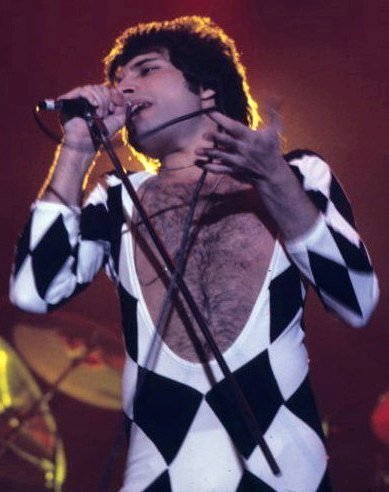
Queen’s epic rock song “Bohemian Rhapsody” began life sometime in the late 60s, when Freddie Mercury was a student at Ealing Art College, starting out as a few ideas for a song scribbled on scraps of paper. According to guitarist Brian May, much of Queen’s material was written in the studio, but this song “was all in Freddie’s mind” before they started. The result was something so unlike anything heard before that the record label initially refused to release it.
Mercury never fully explained the song’s meaning, but many interpret it as his personal confession about his sexuality and inner struggles during a time when such topics were rarely discussed openly. As of September 2025, it is the most-streamed song from the 20th century, with more than 2.8 billion plays on Spotify alone. Let that sink in. A six-minute opera-rock hybrid, written about something Mercury couldn’t speak openly about, became the soundtrack of the entire planet.
4. “Layla” – Derek and the Dominos (1970): Forbidden Love for a Bandmate’s Wife

When Eric Clapton fell for Pattie Boyd – wife of his close friend, Beatles guitarist George Harrison – he couldn’t say the words out loud. So he let his guitar do the talking. The relationship was both impossible and consuming. Clapton pursued Boyd obsessively, and the song became the rawest possible expression of that longing, set to one of the most recognizable guitar riffs in history.
“Layla” is proof that love, even when impossible, can inspire art that lasts forever. Every time that iconic riff kicks in, it’s as if Clapton’s heart is breaking all over again. To further emphasize the broken-hearted yearning, the massive piano outro may as well be a postscript for Clapton’s love, knowing that love might not be reciprocated. Boyd may have ended up getting together with Clapton after the divorce proceedings died down, but this was far from the first time she left her mark on rock history.
5. “Stairway to Heaven” – Led Zeppelin (1971): A Mystical Song Nobody Fully Understands
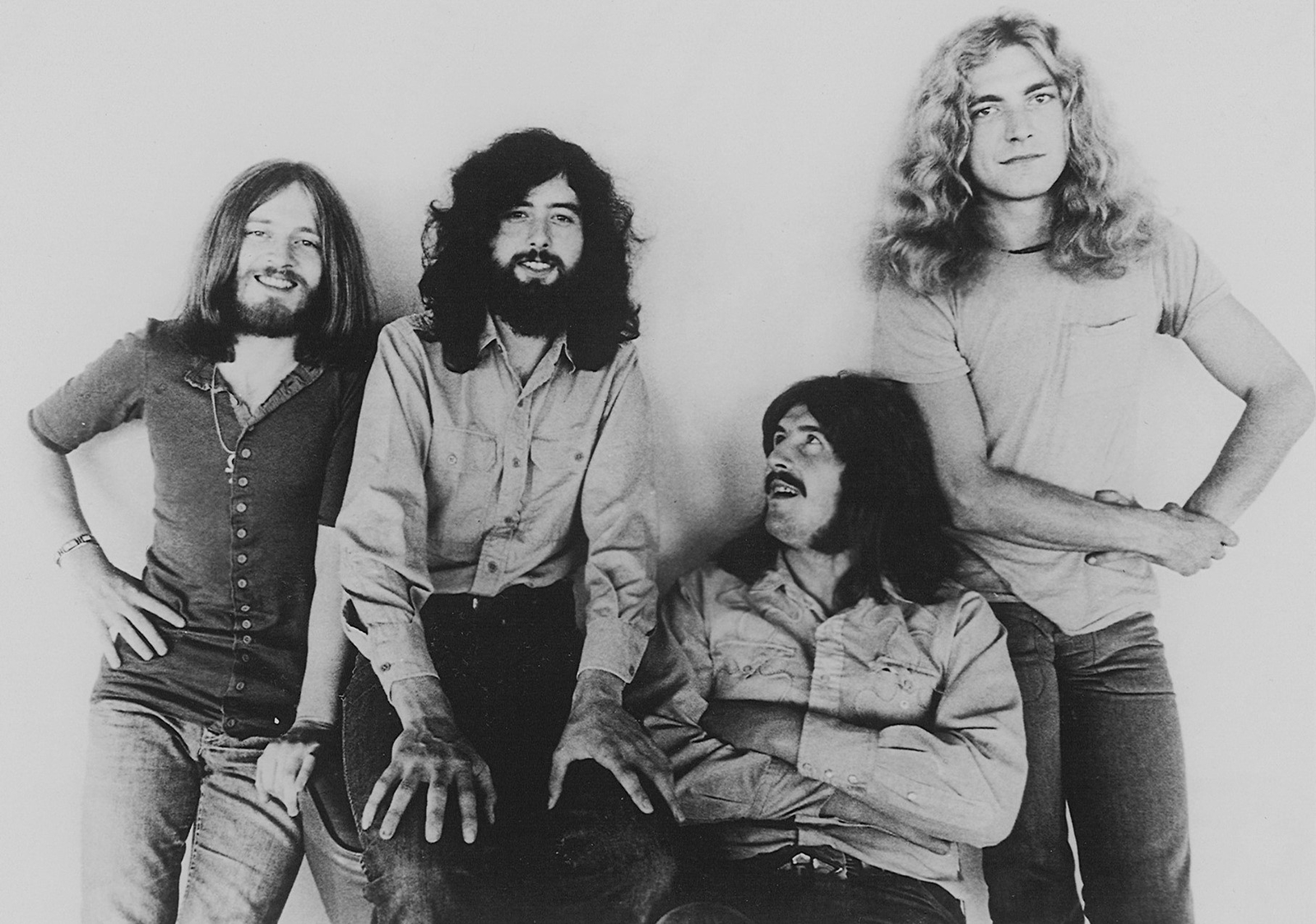
https://www.ledzeppelin.com/photos/led-zeppelin/promo/1971-promo, Public domain)
Singer and lyricist Robert Plant has said he drew inspiration from Lewis Spence’s Magic Arts in Celtic Britain, a book about occult beliefs. Plant believes the power of the song lies in its “abstraction,” saying “Depending on what day it is, I still interpret the song a different way – and I wrote the lyrics.” There is something deeply poetic about a songwriter who doesn’t know what his own masterpiece means. “Stairway to Heaven” is often rated among the greatest rock songs of all time. Music journalist Stephen Davis wrote that the 1971 song ascended to “anthemic” status within two years.
On the 20th anniversary of the original release of the song, it was announced via US radio sources that the song had logged an estimated 2,874,000 radio plays. As of 2000, the song had been broadcast on radio over three million times. It is also the biggest-selling single piece of sheet music in rock history, with an average of 15,000 copies yearly. I think the mystery is actually the point. A song that nobody can definitively decode belongs to everyone.
6. “Fire and Rain” – James Taylor (1970): Three Kinds of Heartbreak in One Song

“Fire and Rain” is James Taylor’s confession – honest, vulnerable, and unforgettable. It’s rooted in the suicide of his childhood friend Suzanne and his own battles with fame and addiction. Taylor sings about the crushing weight of grief, the unpredictability of life, and the loneliness that can follow even the brightest moments. Few songwriters have ever compressed that much raw reality into one quietly devastating track.
The song’s plain honesty struck listeners deeply, capturing life’s highs and lows in simple, emotional lines. It’s one of those rare songs where you feel every word as if it were your own story. The brilliance here isn’t technical wizardry. It’s the kind of painful transparency that most people spend their whole lives avoiding. Taylor just put it on a record and let the world carry it with him.
7. “Jeremy” – Pearl Jam (1991): When a Newspaper Headline Became a Generation’s Warning

Inspired by a newspaper clipping that Eddie Vedder saw during the recording of Ten, the headline depicted teenager Jeremy Wade Delle, who killed himself in front of his classmates at school. As frontman Eddie Vedder revealed in a 1991 interview, the story resonated with him for a strange and coincidental reason. Vedder related that when he was in junior high school, he had gotten into a fight with a strange kid who had a startling meltdown a year later.
Eddie Vedder wrote the song to express the loneliness and silence many young people feel. Its lyrics, paired with a powerful video, brought national attention to teen isolation and mental health. “Jeremy” is both a warning and a cry for empathy. More than three decades on, the song still has the power to make a room go silent. That’s not just good songwriting. That’s documenting something real that nobody wanted to look at.
8. “Wish You Were Here” – Pink Floyd (1975): A Ghost Haunting the Studio
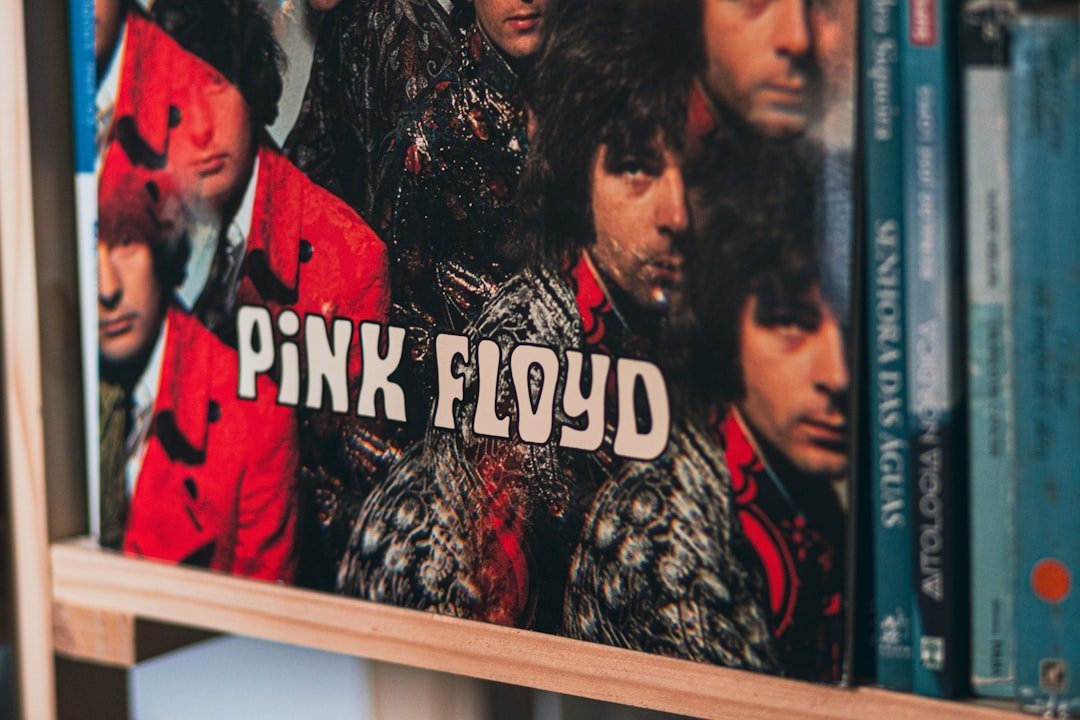
Syd Barrett was only in Pink Floyd for a tiny fraction of the band’s long career, but his ghost was lingering over them during the group’s entire run. Their 1975 LP Wish You Were Here was dedicated to their former leader, and the songs “Shine On Your Crazy Diamond” and “Wish You Were Here” are explicitly about him. Barrett had been let go from the band due to the devastating effects of mental illness on his ability to function.
The story may sound apocryphal, but photo evidence from the sessions proves the band’s story that a deeply confused and drug-addled Barrett stopped by the studio during the making of the album. It was the last time any member of the band saw Barrett. He died in 2006. In the case of Pink Floyd, the loss of one of their own required more than a mere tribute song. Across the entire album Wish You Were Here, the band channeled the spirit of Syd Barrett, who had to be let go from the band due to mental health struggles. It’s hard to imagine a more haunting context for a record.
9. “Sweet Child O’ Mine” – Guns N’ Roses (1987): A Warm-Up Exercise That Became a Love Letter

Behind the wild hair and swagger of Guns N’ Roses was a surprisingly tender love story. “Sweet Child O’ Mine” started as a simple poem Axl Rose wrote for his girlfriend, Erin Everly – the daughter of rock royalty Don Everly. Slash’s famous guitar lick was born from a warm-up exercise, but the emotion was real. The fact that one of rock’s most iconic riffs started as a throwaway exercise is, honestly, kind of hilarious and kind of beautiful at the same time.
The song captures the innocence of young love – simple, joyful, and full of wonder. Decades later, it still brings that same rush of emotion to anyone who’s ever been in love. There is something poignant about the fact that the relationship between Axl and Erin would eventually collapse under the weight of fame and chaos. The song survives the relationship. It always does.
10. “The Needle and the Damage Done” – Neil Young (1972): A Two-Minute Elegy for a Lost Friend

Neil Young doesn’t pull punches in “The Needle and the Damage Done.” Inspired by witnessing his friend and Crazy Horse bandmate Danny Whitten succumb to heroin addiction, Young wrote a song that’s stark, spare, and haunting. The lyrics are a warning, a lament, and a confession all at once. He sings not just about Whitten’s death, but about the epidemic ravaging the music scene. The song is short – barely more than two minutes – but it lingers like a ghost.
The song isn’t dramatic – it’s quiet and mournful, but that’s what makes it powerful. In just two minutes, Young captures the heartbreak of losing someone to addiction, showing the toll it takes not just on the victim but on everyone left behind. Here’s the thing about restraint in songwriting – sometimes the quietest room in the house holds the loudest grief. Young understood that instinctively.
11. “November Rain” – Guns N’ Roses (1991): An Epic Eight Years in the Making

Axl Rose began writing “November Rain” as a teenager, inspired by his tumultuous relationship patterns and his fascination with orchestral rock compositions. Guns N’ Roses didn’t release their Elton John-inspired epic “November Rain” until 1991, but by that point Axl Rose had been picking away at the work for at least eight years. Think about that commitment. Most people can’t stay focused on a single project for eight weeks, let alone eight years.
The song weaves together themes of love, vulnerability, and the fear of losing someone to time and distance. At nearly nine minutes long, it was a colossal gamble for a hard rock band. It became one of the most viewed music videos in history. What started as an obsessive teenage vision became a cultural monument – which might be the most rock and roll origin story of them all.
12. “Purple Rain” – Prince (1984): A Nine-Minute Statement That Became a Legend
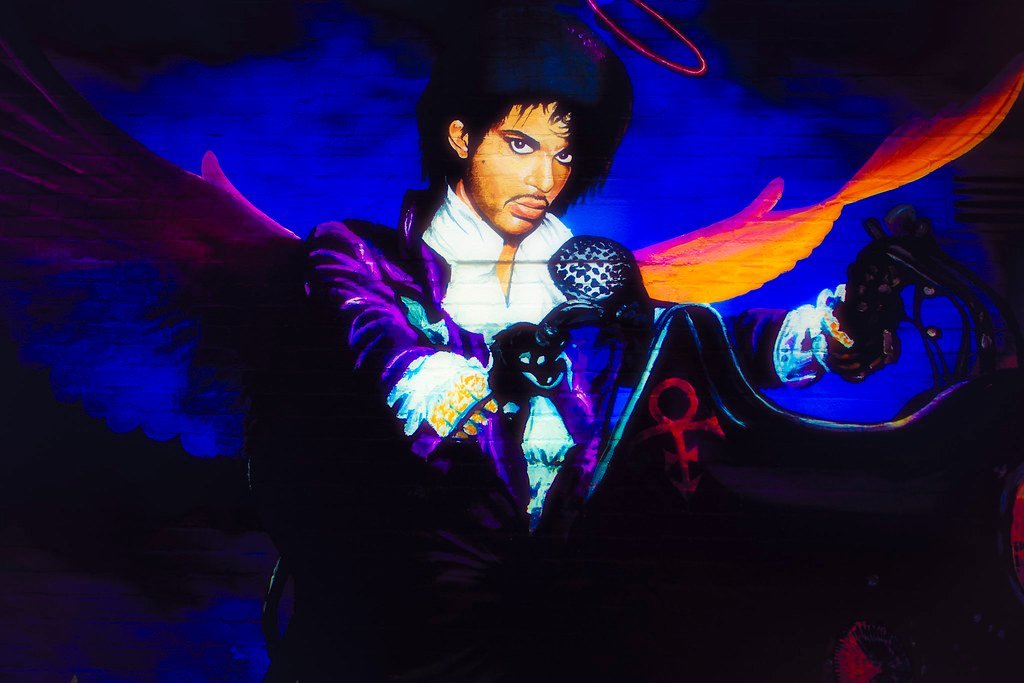
“Purple Rain” has become Prince’s most beloved work. Clocking in at nearly nine minutes on the album, Prince cut it down to 4:05 for radio and saw it climb to Number Two on the Billboard Hot 100. The song was the centerpiece of Prince’s semi-autobiographical film of the same name, and it drew from real personal pain – the struggles of an artist caught between his ambitions and the emotional wreckage of difficult relationships.
It’s been a key part of most of his tours since 1984, and was the highlight of his amazing Super Bowl halftime set in 2006. Prince performed the song in a rainstorm at that Super Bowl, a moment that somehow felt both planned and cosmically ordained. It’s hard to say for sure what “Purple Rain” means in literal terms, but emotionally, it means everything. That ambiguity was always the point.
13. “Angie” – The Rolling Stones (1973): The Mystery That Won’t Quit
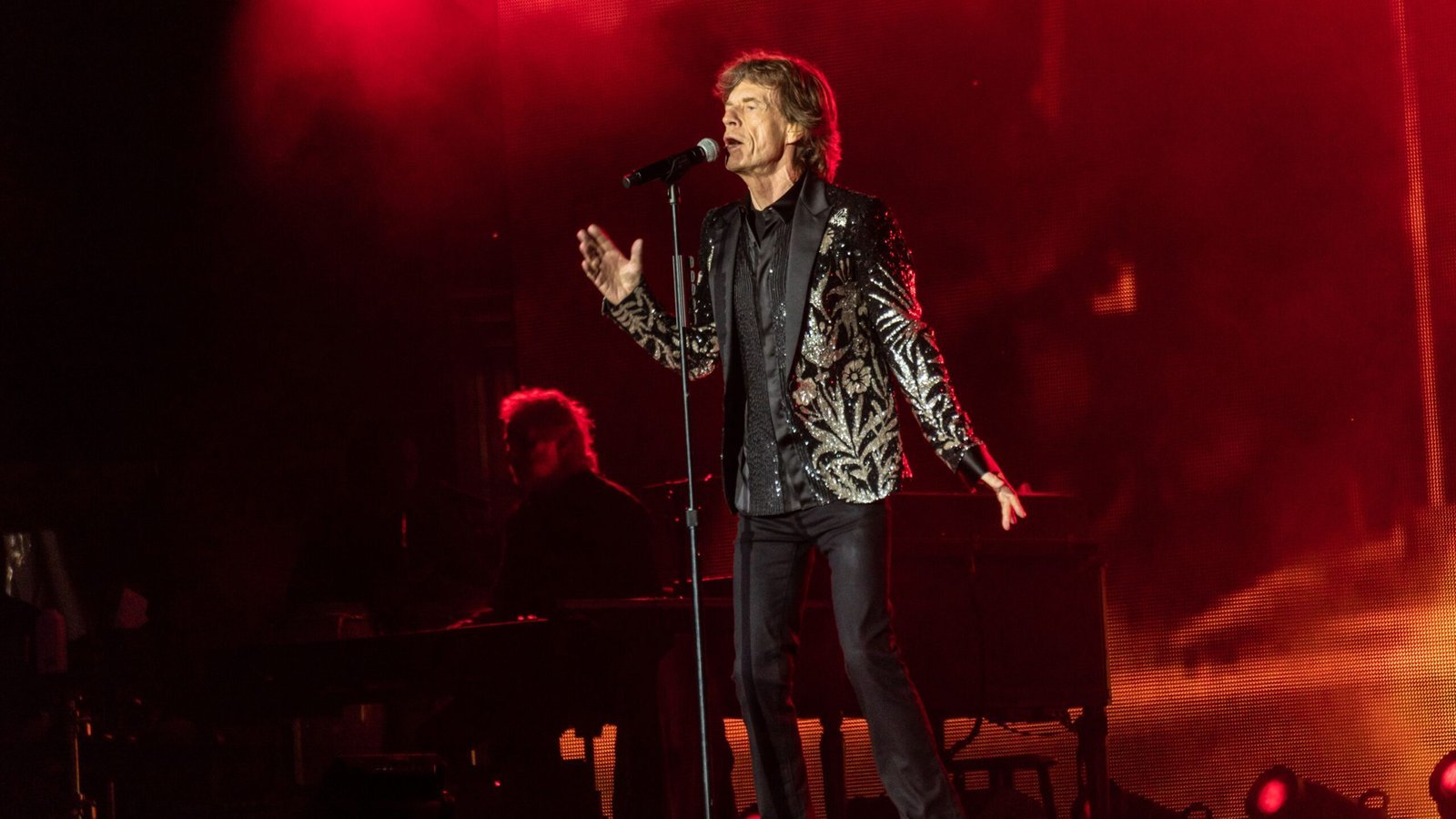
Few songs are wrapped in as much mystery as “Angie.” Some believe it was written for Angela Bowie, while others say it was inspired by Keith Richards’ newborn daughter. The Rolling Stones have never clearly resolved the debate, and that ambiguity has only added to the song’s mystique. What is certain is that it represents something deeply rare for the Stones – a genuinely tender moment stripped of swagger and bravado.
The ballad became a massive global hit, a surprise to some fans who associated the Stones with harder, rawer material. It proved that Mick Jagger could carry a quiet heartbreak as convincingly as any arena anthem. Sometimes a song’s power lies precisely in what it refuses to explain. “Angie” has survived for over fifty years partly because it asks questions it never answers.
14. “Luka” – Suzanne Vega (1987): A Song That Changed How We Talk About Abuse
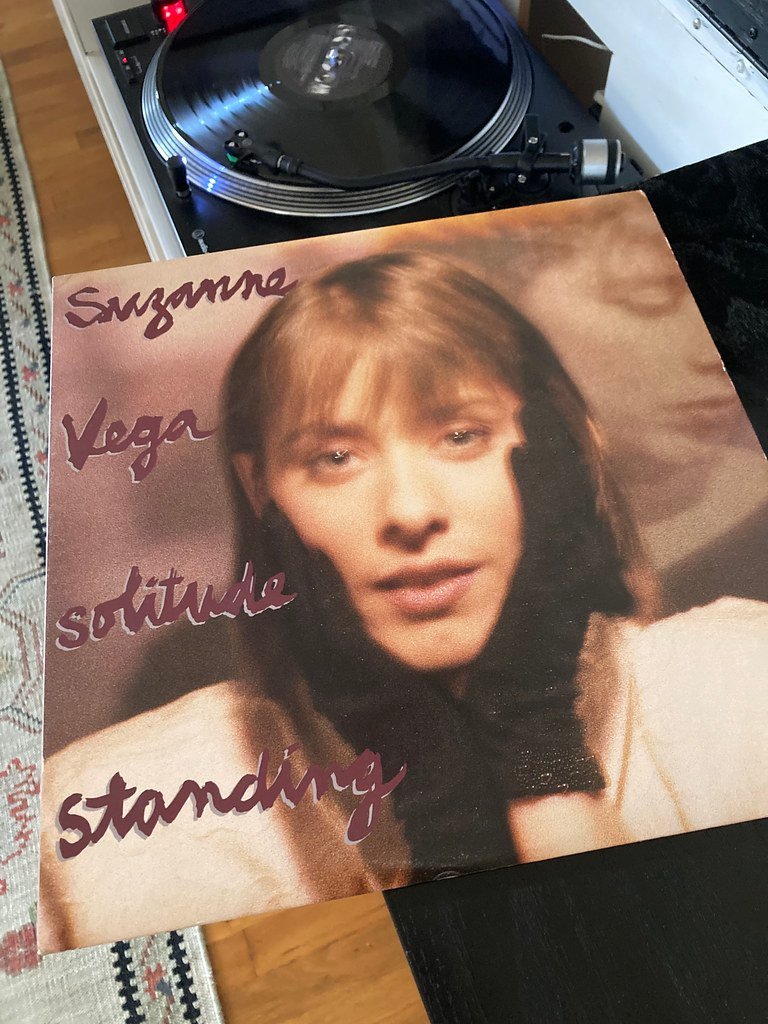
Suzanne Vega wrote “Luka” from the perspective of a child experiencing abuse – a topic rarely touched in pop music. Though not about a specific person, Vega drew from real stories and things she’d witnessed in her own building. The song’s gentle melody is a stark counterpoint to its serious subject, making the message all the more powerful. It’s one of those rare songs that teaches the listener something about cruelty without ever raising its voice.
The fact that such a devastating subject was wrapped in a melodically sweet package made it all the more effective. Listeners absorbed the message before they even realized what they were hearing. That is songwriting at its most intentional and most brave. Vega deserves enormous credit for going somewhere most commercial musicians in the 1980s simply would not go.
15. “Riders on the Storm” – The Doors (1971): Serial Killer as Muse
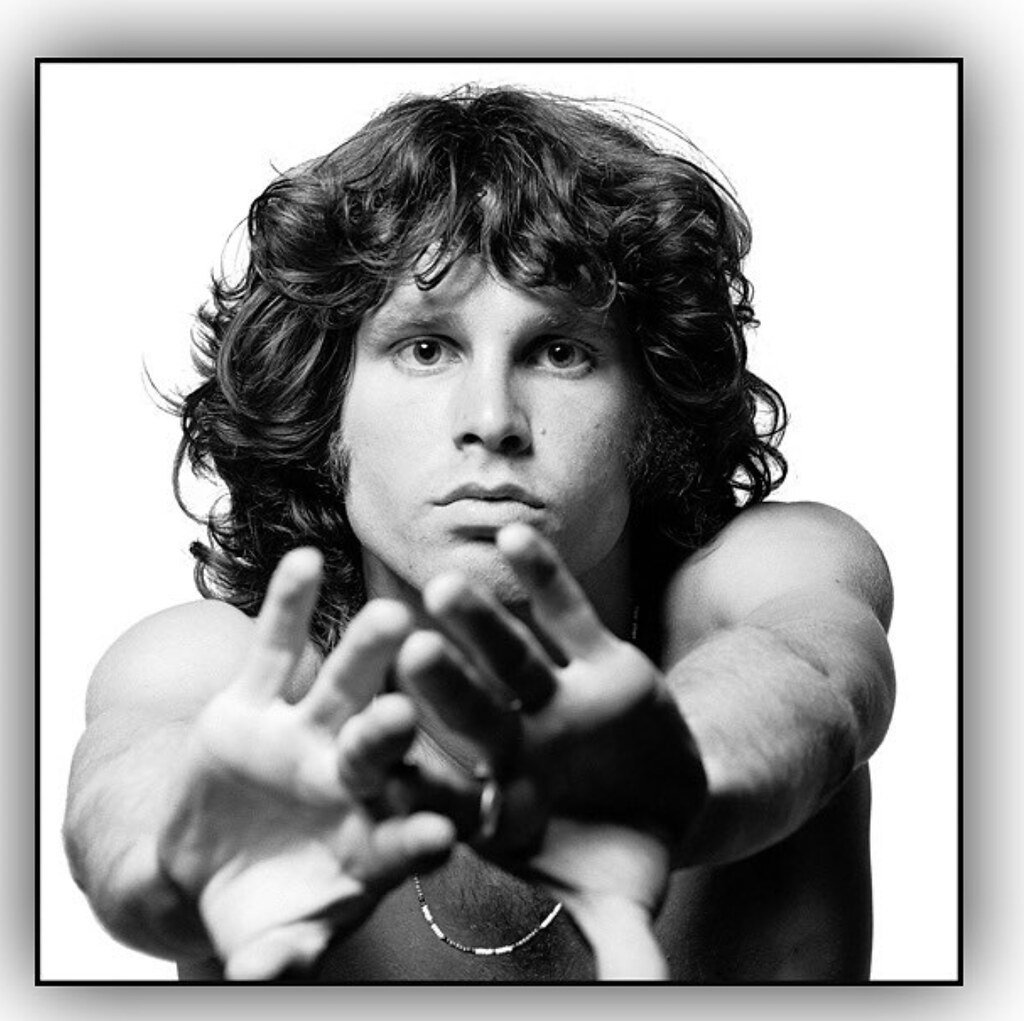
Among the standout tracks on The Doors’ final album is “Riders on the Storm,” an atmospheric, jazz-inflected track infused with doom. The feeling of dread that permeates the song was no coincidence; Doors keyboardist Ray Manzarek confirmed the truth about the unsettling inspiration behind the song: serial killer Billy Cook, who murdered six people during a gruesome killing spree that spanned from 1950 until 1951. It’s a genuinely shocking origin story for a song that most casual listeners experience as a moodily beautiful piece of rock.
Given the immense influence that The Doors held within rock music during the late 1960s, it’s easy to forget that the band’s career was sadly brief; their self-titled debut album was released in 1967, while their sixth and final outing was 1971’s “L.A. Woman,” released weeks before frontman Jim Morrison’s tragic death in Paris. “Riders on the Storm” was essentially Morrison’s last great statement to the world – and the fact that it was haunted by real violence makes it one of the most unsettling swan songs in rock history.
Conclusion: The Songs That Know Your Name

What ties all fifteen of these songs together is not production quality, record sales, or radio spins. It’s pain. Joy. The specific weight of a specific moment that one person turned into something millions of other people could carry. Rock ballads are a cornerstone of the genre that offer powerful and emotional expressions of love and loss. These slow, melodic songs allow artists to showcase their vocal range and lyrical depth, creating timeless classics that resonate with audiences for generations.
Every single one of these tracks started as something private and became something universal. A father’s unimaginable grief. A poet’s forbidden desire. A teenager’s quiet desperation. That transformation – from wound to song, from the personal to the shared – is arguably the most miraculous thing music has ever done. These aren’t just songs. They’re reflections of loss, love, and redemption – windows into the artists’ lives that make the music hit harder and stay longer in our hearts.
The next time one of these songs comes on and stops you cold, you’ll know why. There’s a real person in there, still reaching through the speakers. What does it say about the human experience that our most enduring art was born from our worst moments? Think about that the next time you hit play.

Besides founding Festivaltopia, Luca is the co founder of trib, an art and fashion collectiv you find on several regional events and online. Also he is part of the management board at HORiZONTE, a group travel provider in Germany.
