

- The 20 Best Cover Songs That Reinvented the Original - September 23, 2026
- The 20 First and Last Sentences of These Books Say Everything - September 22, 2026
- 10 Stories That Are Way Shorter Than You Remember - September 22, 2026
The Beatles shaped popular music in ways that still echo through studios and playlists today. Their catalog spans simple pop hooks to ambitious studio experiments, and certain tracks stand out for how they pushed boundaries or connected with listeners on a massive scale.
Selecting the most influential ones involves looking at shifts in songwriting, production techniques, cultural reach, and lasting covers or references across genres. Here are fifteen songs that played key roles in those changes.
1. I Want to Hold Your Hand
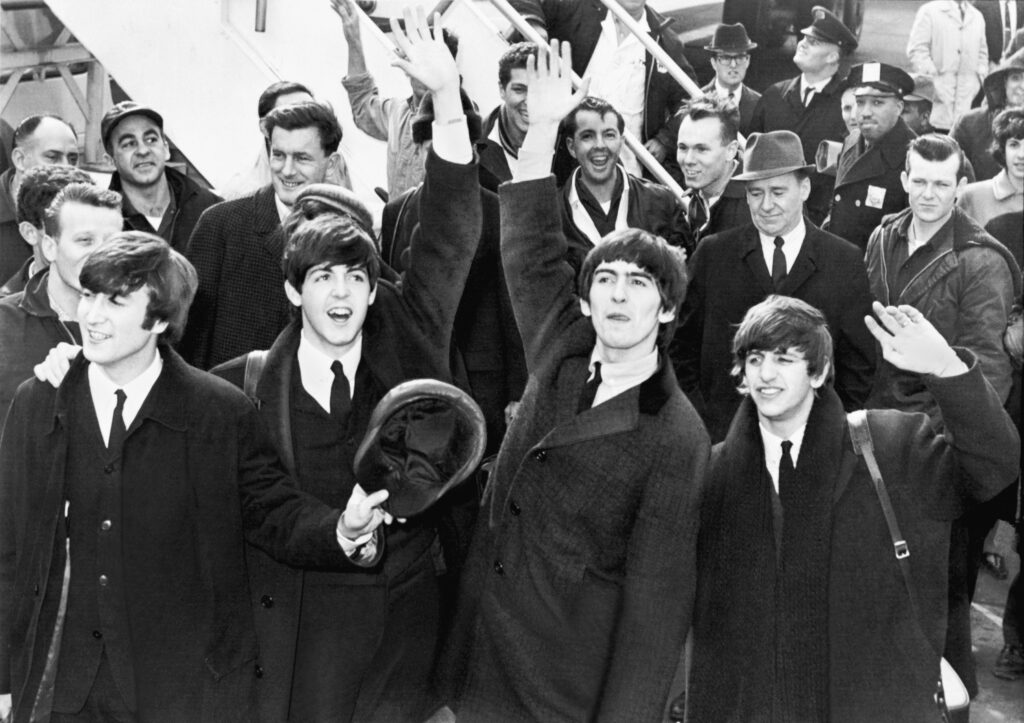
This 1963 single marked the moment the band broke through in the United States. Its bright melody and tight harmonies captured the energy of early Beatlemania while introducing a fresh sound to American radio.
The track helped shift pop music away from solo crooners toward group dynamics and youthful appeal. It also demonstrated how a well crafted verse chorus structure could drive both sales and fan frenzy on a global level.
- Released: 1963 (UK), January 1964 (US)
- Writers: Lennon–McCartney
- Chart impact: The Beatles’ first US number one, spending seven weeks atop the Billboard Hot 100
2. Yesterday
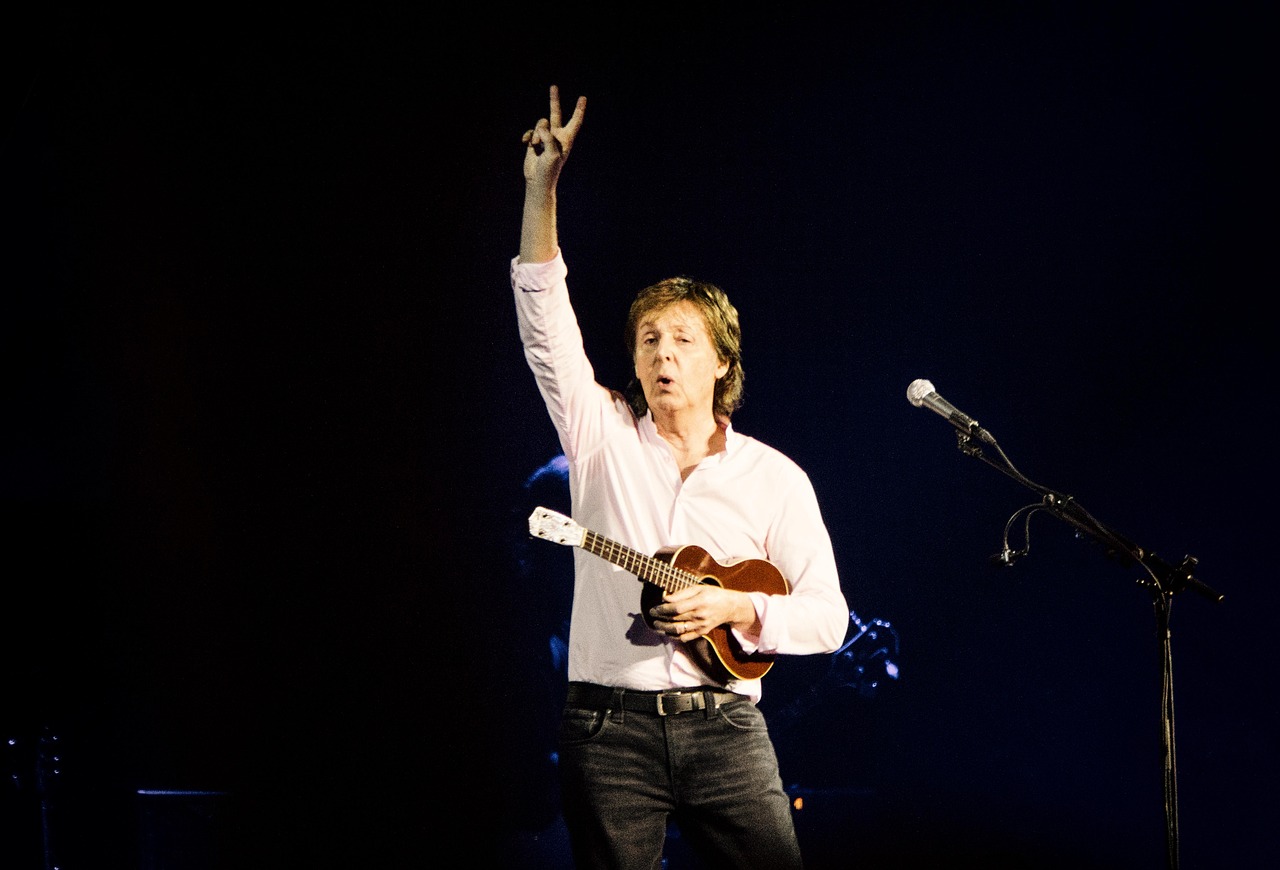
Released in 1965, this ballad showcased Paul McCartney writing alone with just an acoustic guitar and string quartet. Its simple yet poignant lyrics about loss struck a chord far beyond typical pop fare of the era.
The song became one of the most covered tracks in history, influencing singer songwriters who followed. It proved that introspective themes could succeed commercially without losing broad appeal.
- Released: 1965, on the album Help!
- Writer: Paul McCartney, performed solo
- Record: Guinness World Records lists it as the most covered song of all time, with over 1,600 recorded cover versions
3. Eleanor Rigby

The 1966 release brought a stark narrative about loneliness into the pop mainstream. McCartney’s storytelling paired with innovative string arrangements created an atmosphere rarely heard in chart music before.
This track encouraged later artists to explore darker social themes in their work. Its production choices also highlighted how classical elements could blend with rock without feeling forced.
- Released: 1966, on the album Revolver
- Writer: Paul McCartney
- Notable detail: No Beatle plays an instrument on the recording; the arrangement rests entirely on a double string quartet
4. Strawberry Fields Forever
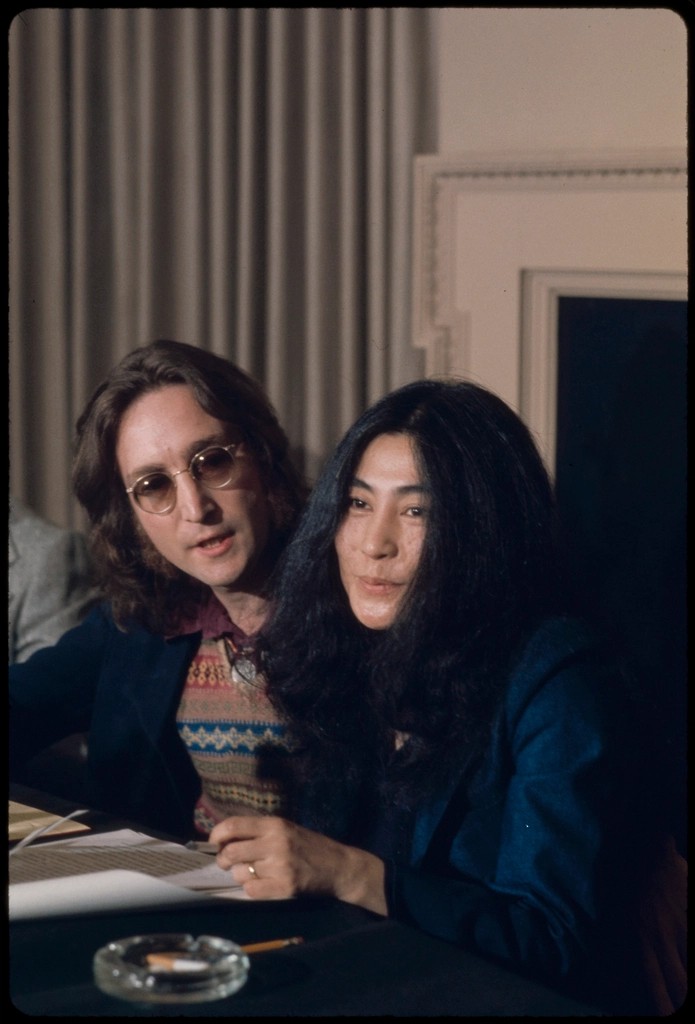
John Lennon pushed the boundaries of studio recording with this 1967 single. Multiple takes were spliced together, and tape manipulation gave the song its dreamy, disorienting quality.
The result helped open the door for psychedelic rock and experimental pop. Bands after the Beatles began treating the recording studio itself as an instrument rather than just a place to capture live performances.
- Released: 1967, double A-side single
- Writer: John Lennon
- Studio trick: Two different takes recorded in different keys and tempos were spliced together by varying tape speed
5. A Day in the Life
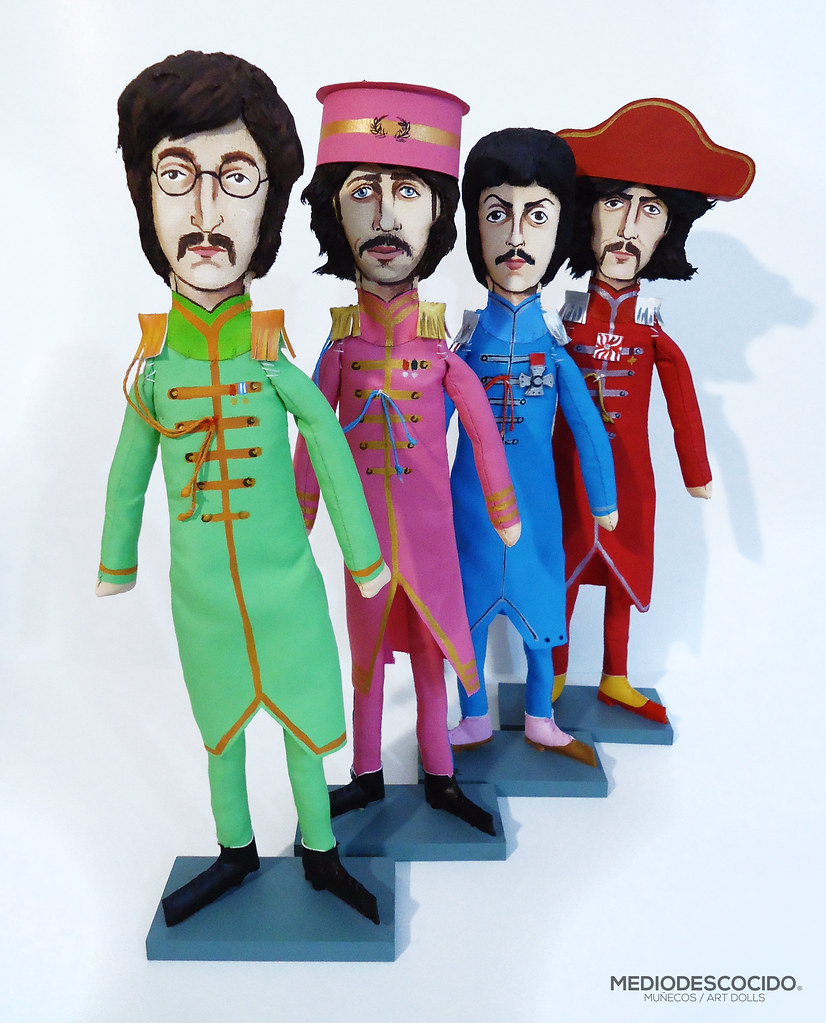
Closing the 1967 album Sgt. Pepper, this track combined two separate song fragments into one ambitious piece. The orchestral crescendo and final piano chord created a sense of scale that felt cinematic.
It influenced progressive rock and concept album thinking for years afterward. The song showed how contrasting sections could coexist in a single track while maintaining emotional coherence.
- Released: 1967, closing track on Sgt. Pepper’s Lonely Hearts Club Band
- Writers: Lennon–McCartney
- Arrangement: A 40-piece orchestra builds two freeform crescendos, ending in a sustained multi-piano E major chord
6. Sgt. Pepper’s Lonely Hearts Club Band
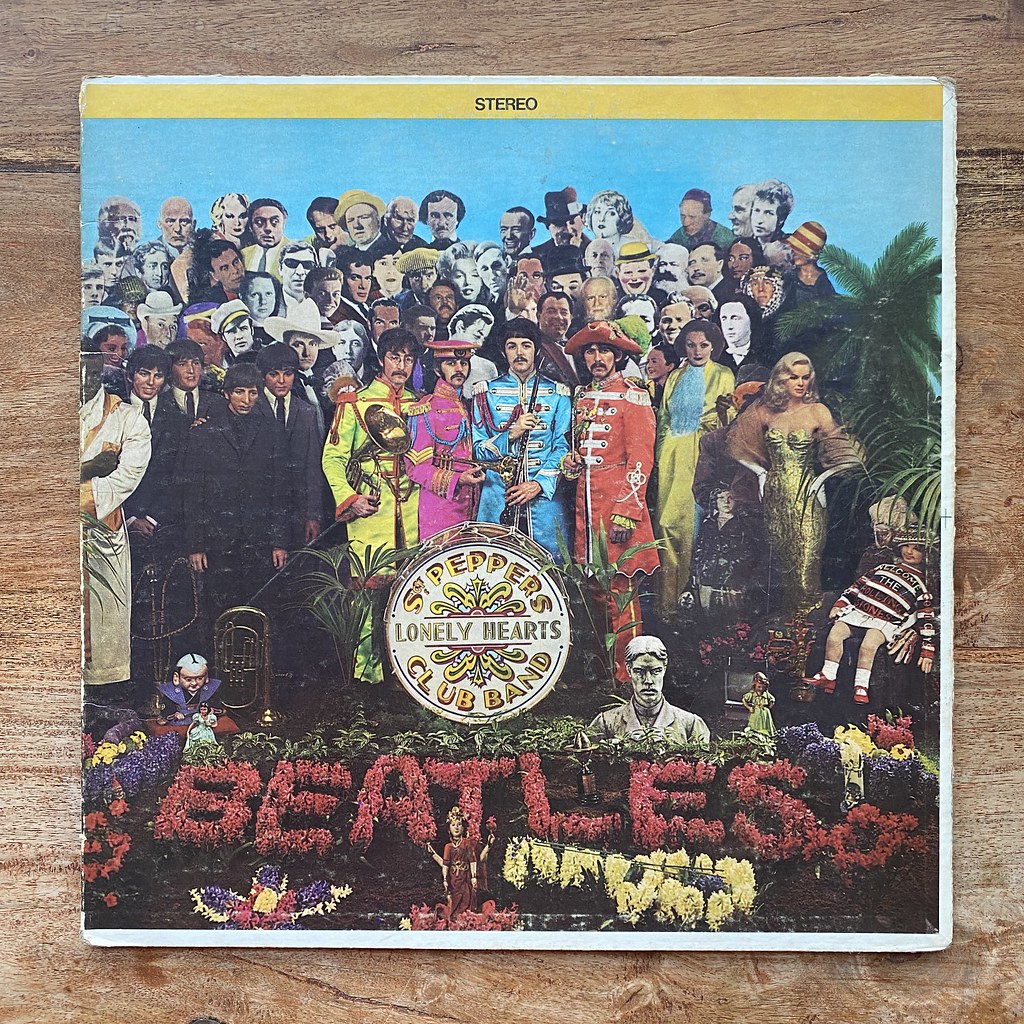
The title track from the landmark 1967 album introduced the idea of a fictional band persona. Its brass band flourishes and spoken introduction set a theatrical tone right from the start.
This approach encouraged musicians to think beyond standard album formats. The track helped normalize the notion that an album could function as a unified artistic statement rather than a collection of singles.
- Released: 1967, opening track on Sgt. Pepper’s Lonely Hearts Club Band
- Writer: Paul McCartney
- Concept: Introduced an alter-ego stage persona for the band, a framing device that shaped the entire album
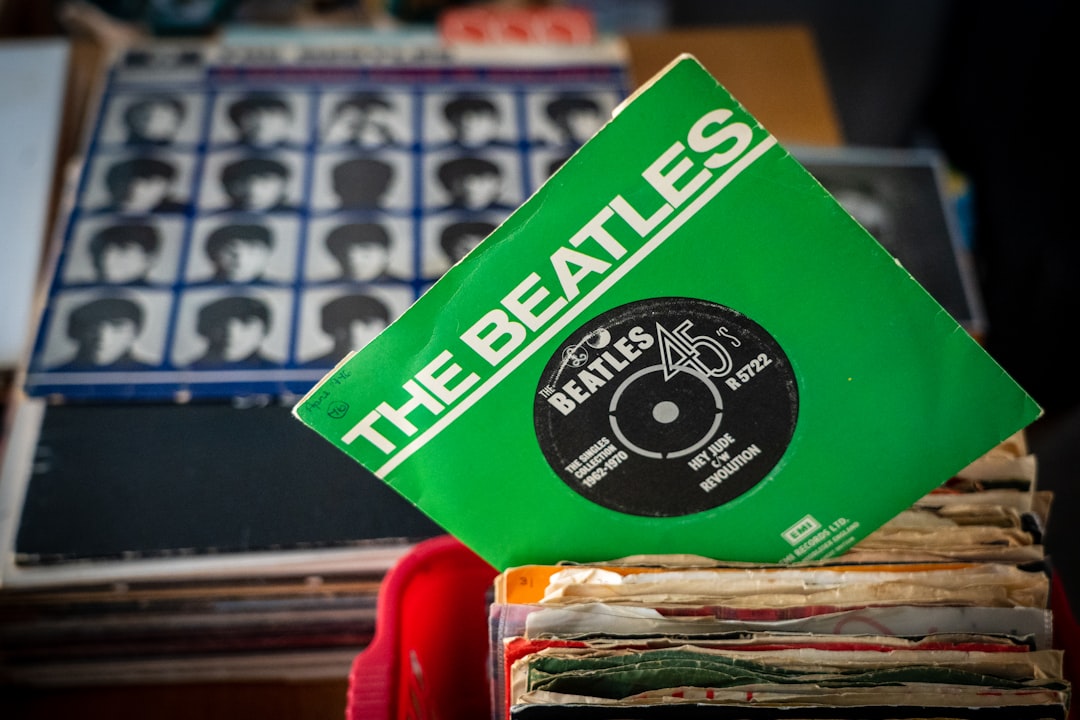
7. Hey Jude
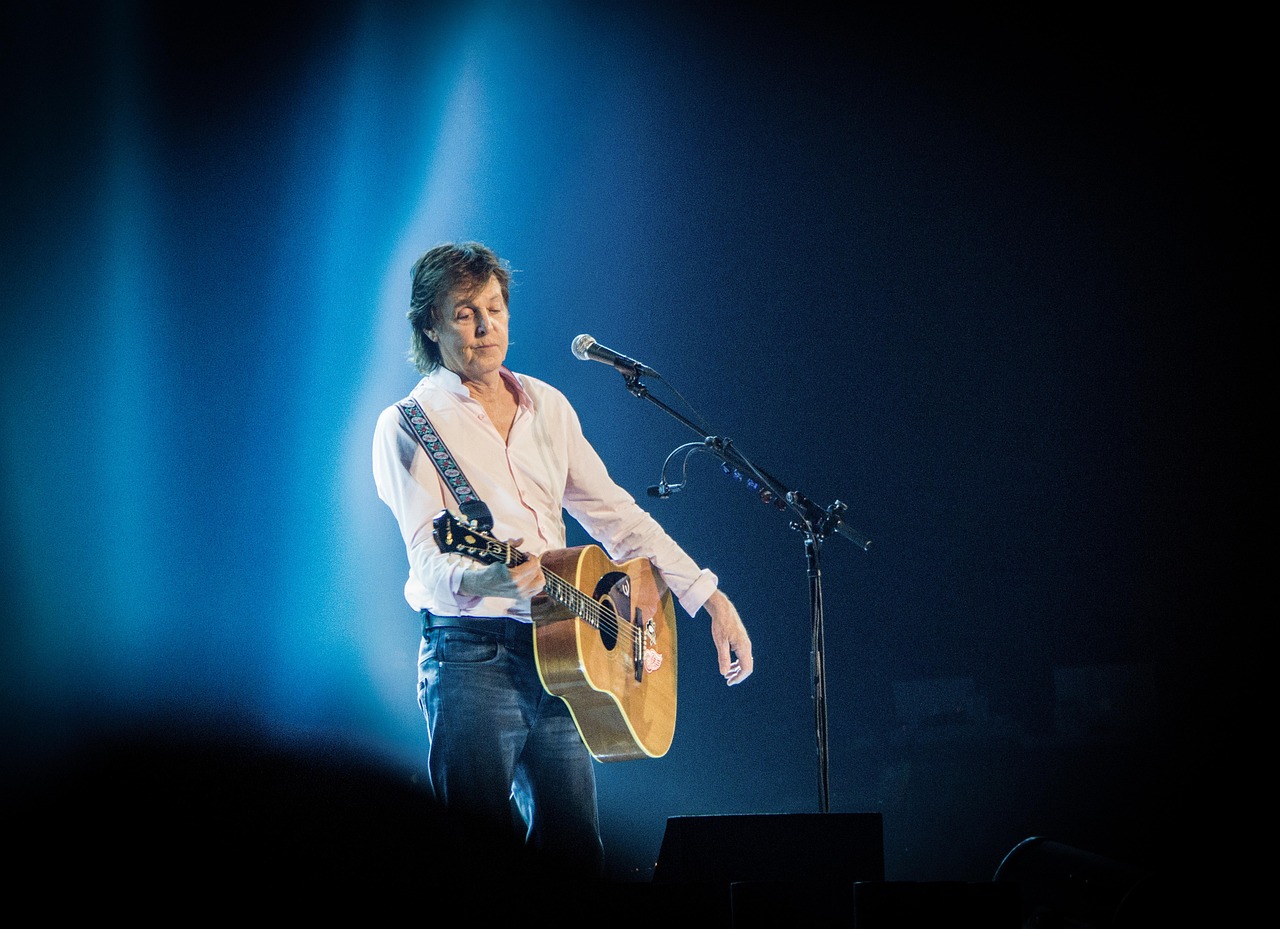
The 1968 release stretched to over seven minutes with its extended coda of na na nas. That structure broke radio conventions yet still became a massive hit around the world.
The song demonstrated that audiences would embrace longer, more meditative pieces when the melody was strong enough. It also became a staple for communal sing alongs at concerts and events.
- Released: August 1968, first single on Apple Records
- Writer: Paul McCartney
- Chart record: Topped the US Billboard chart for nine consecutive weeks, the longest run at number one for any Beatles single
8. Revolution
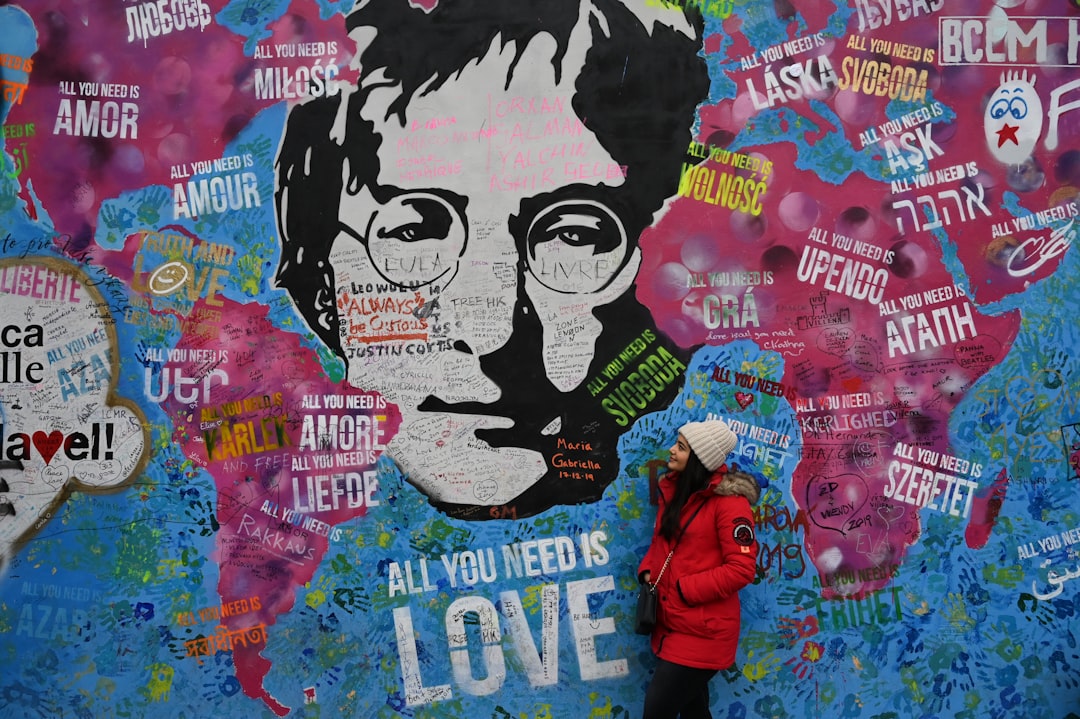
Lennon’s 1968 track addressed political upheaval with a mix of urgency and caution. Its raw guitar sound and direct lyrics captured the tensions of the time without offering easy answers.
The song influenced protest music by showing how rock could engage with current events. Later artists drew from its balance of personal reflection and social commentary.
- Released: 1968, as the B-side to Hey Jude (a slower version, Revolution 1, appears on the White Album)
- Writer: John Lennon
- Sound: Its heavily distorted guitar tone came from deliberately overloading the studio mixing console
9. Let It Be
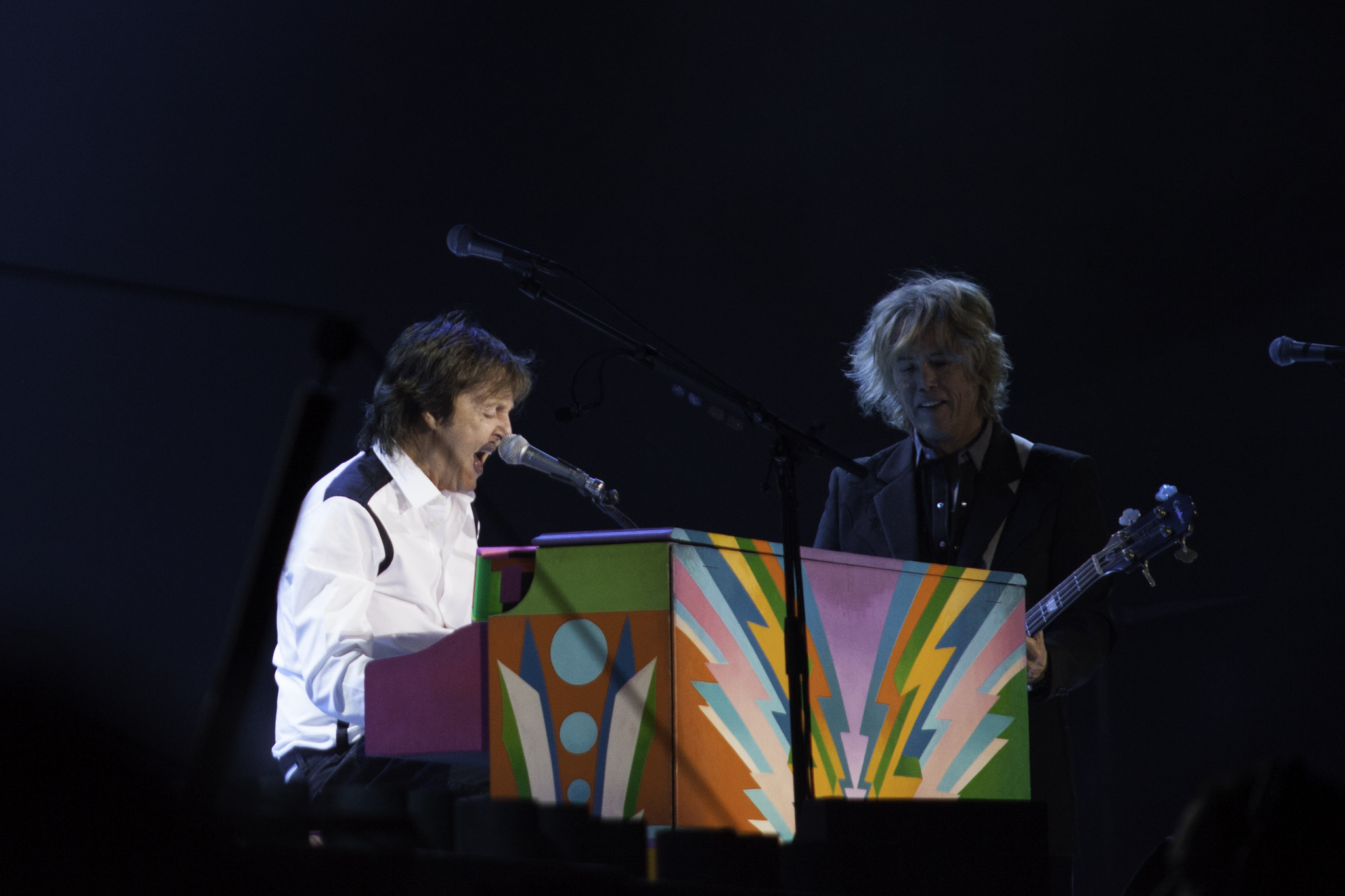
Released in 1970, this piano driven ballad offered a message of acceptance during a period of band tension. Its gospel tinged arrangement gave it a timeless, comforting quality.
The track became an anthem for resilience and has been performed at countless memorials and gatherings. It illustrated how the Beatles could deliver emotional depth even in their final days together.
- Released: 1970, title track of the band’s final studio album
- Writer: Paul McCartney
- Legacy: Remains one of the band’s most streamed songs today, decades after its release
10. Something
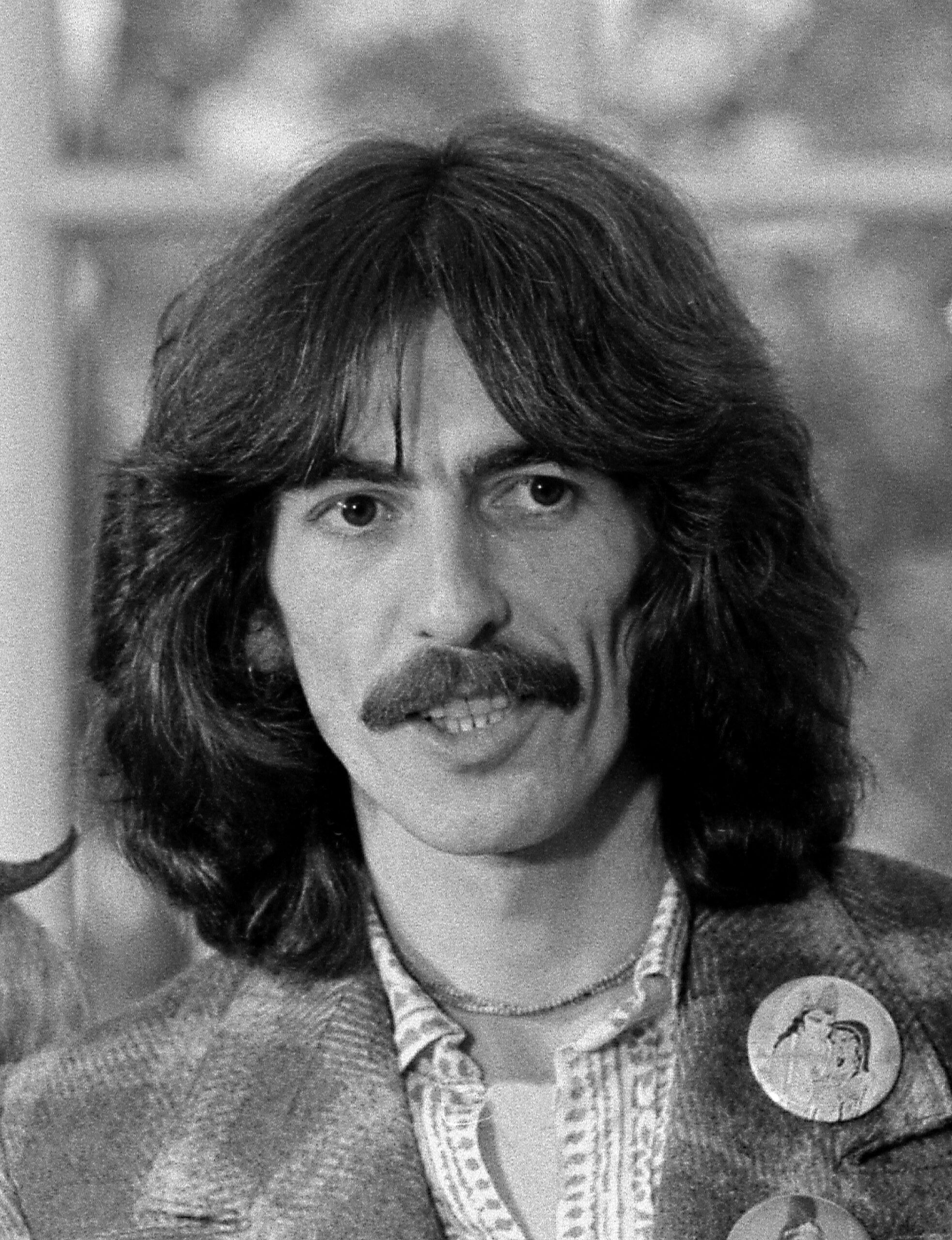
George Harrison’s 1969 contribution proved he could write at the same level as Lennon and McCartney. The graceful melody and understated production made it a standout love song.
Many artists have since cited it as a benchmark for sincere ballad writing. The track helped establish Harrison as a major creative force within the group.
- Released: 1969, on Abbey Road
- Writer: George Harrison
- Famous praise: Frank Sinatra called it “the greatest love song of the past 50 years” and recorded it twice
11. While My Guitar Gently Weeps
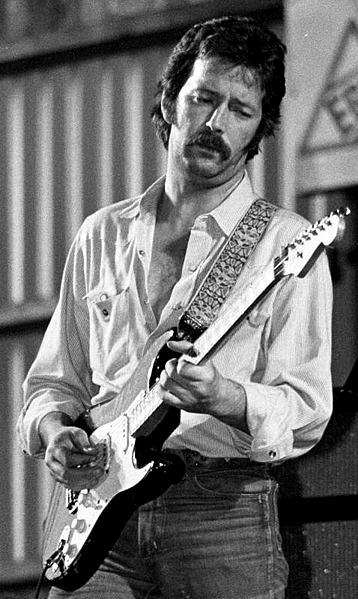
Also from the White Album in 1968, this Harrison song featured Eric Clapton on lead guitar. Its brooding tone and layered arrangement added emotional weight to the double album.
The track showed how guest musicians could enhance rather than overshadow the core sound. It influenced rock guitarists who sought expressive, melodic solos over flashy technique.
- Released: 1968, on The Beatles (White Album)
- Writer: George Harrison
- Guest musician: Eric Clapton played lead guitar, uncredited on the original release
12. Norwegian Wood

From 1965, this track introduced sitar into mainstream rock through George Harrison’s playing. The Indian influence marked an early step toward world music fusion in pop.
Lennon’s cryptic lyrics about a fleeting encounter added mystery that invited repeated listens. The song encouraged experimentation with non Western instruments in Western music.
- Released: 1965, on Rubber Soul
- Writer: John Lennon
- First of its kind: Widely regarded as the first Western pop recording to feature a sitar, played by George Harrison
13. Penny Lane
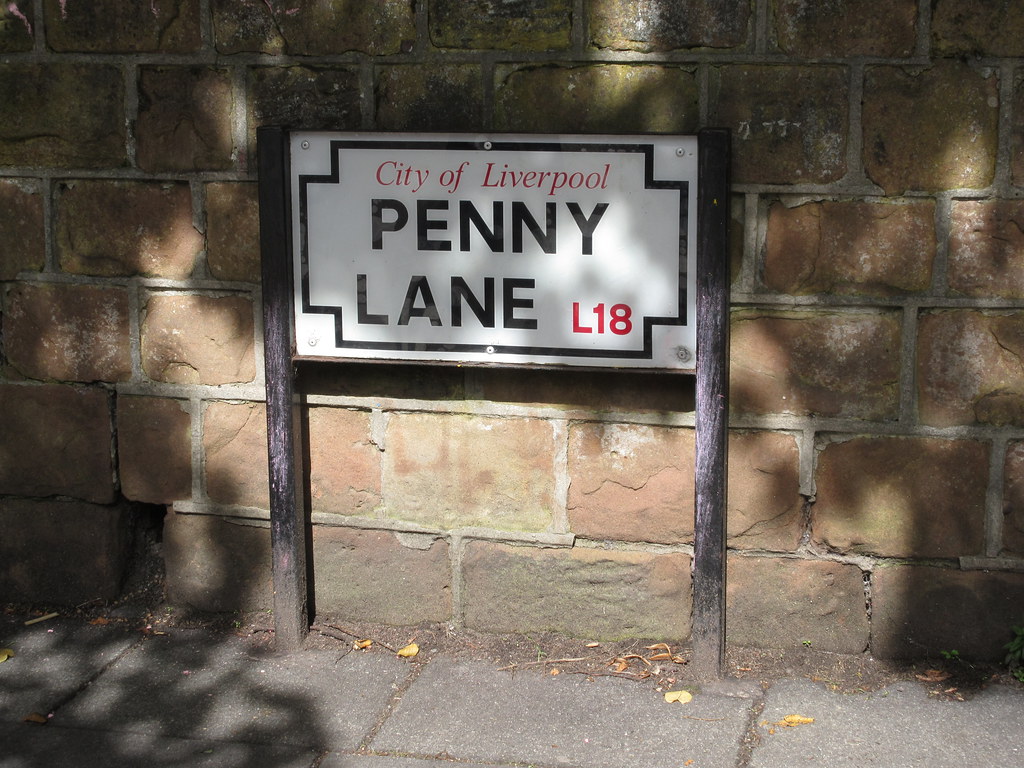
Paired with Strawberry Fields Forever in 1967, this McCartney song painted vivid scenes of everyday Liverpool life. Its brass band and keyboard flourishes created a nostalgic yet fresh portrait.
The track highlighted the Beatles’ ability to turn personal memories into universal stories. It reinforced their role in elevating pop lyrics to a more literary level.
- Released: 1967, double A-side single with Strawberry Fields Forever
- Writer: Paul McCartney
- Signature sound: A piccolo trumpet solo, inspired by a Bach recording, gives the track its bright, brassy lift
14. Help!
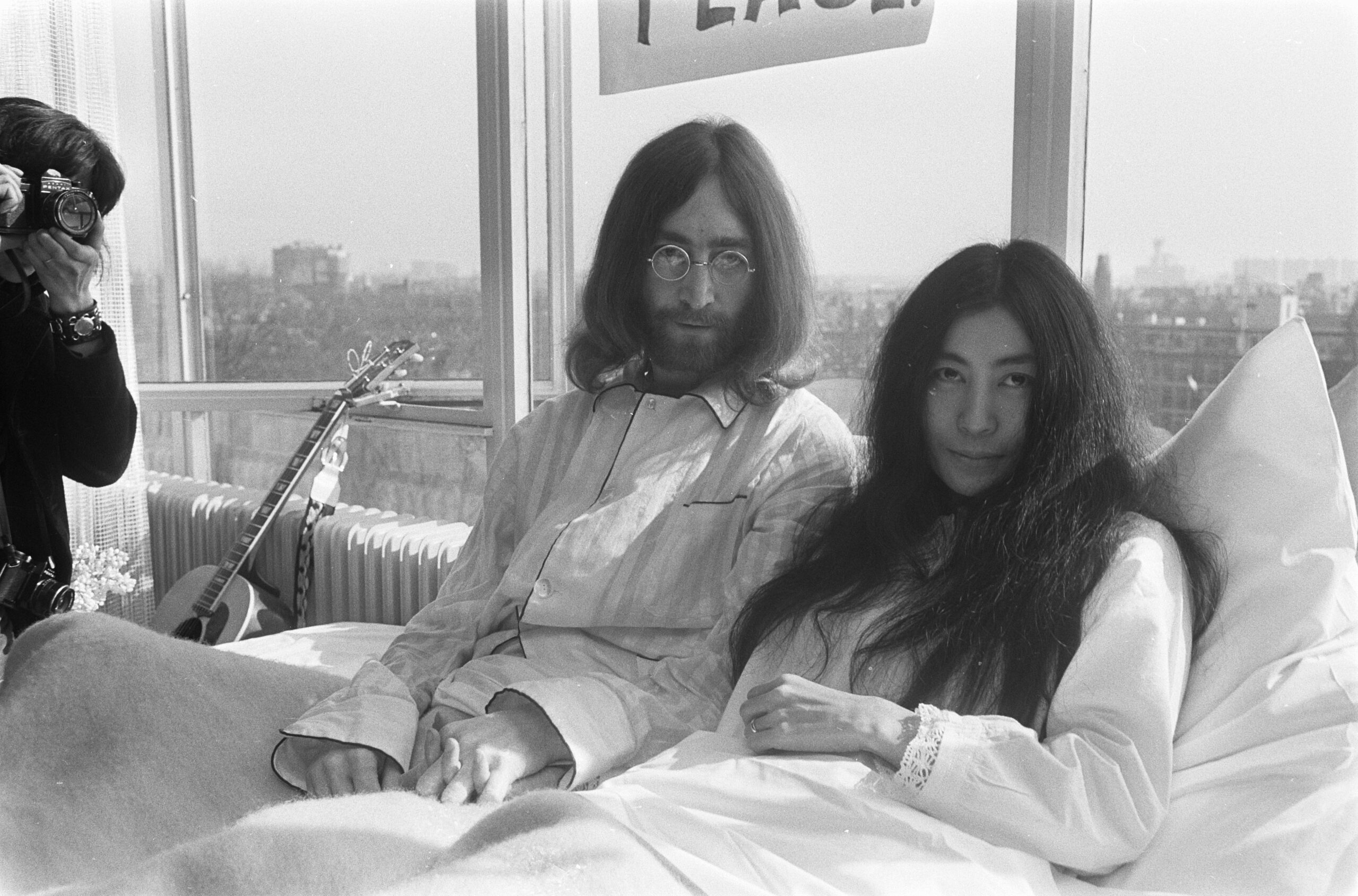
The 1965 title track revealed a more vulnerable side of Lennon amid the pressures of fame. Its urgent rhythm and pleading chorus contrasted with earlier upbeat material.
The song opened space for rock artists to express personal struggles openly. It also marked a transitional point as the band moved from teen idols toward more mature songwriting.
- Released: 1965, title track of the film and album Help!
- Writer: John Lennon
- Chart impact: Topped the charts in the UK and US as the lead single from the band’s second film
15. All You Need Is Love
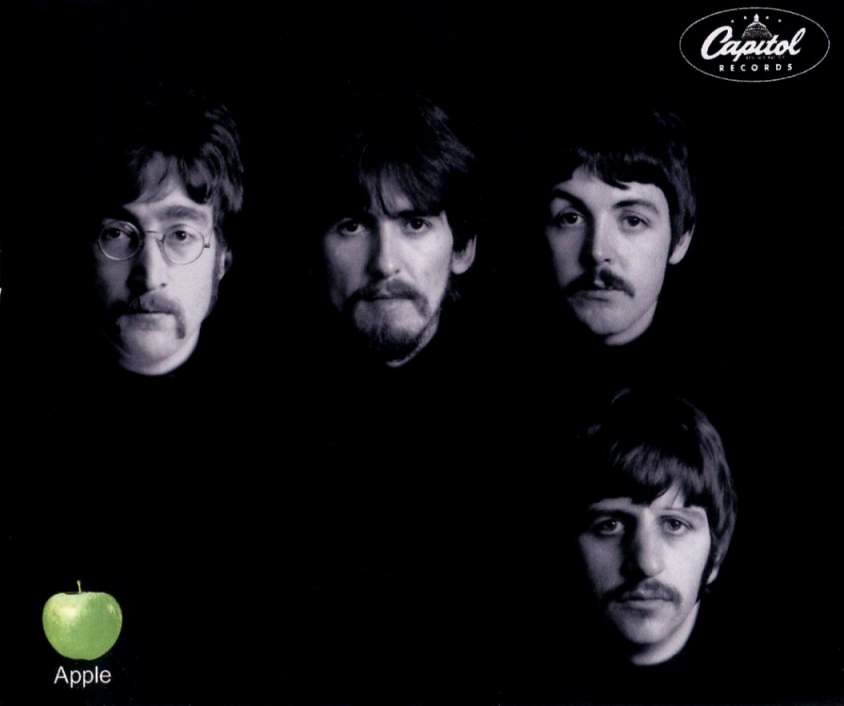
Broadcast live to millions in 1967, this track served as a global message during the Summer of Love. Its simple refrain and orchestral backing made it instantly singable.
The song became a shorthand for the era’s idealism while still holding up as a pop statement. It showed the Beatles’ reach could extend beyond records into live cultural moments.
- Released: July 1967 as a single, later on Magical Mystery Tour
- Writer: John Lennon
- Broadcast milestone: Performed live on Our World, the first live multinational multi-satellite television production, with an estimated audience of 400 to 700 million people
Reflecting on Their Enduring Reach
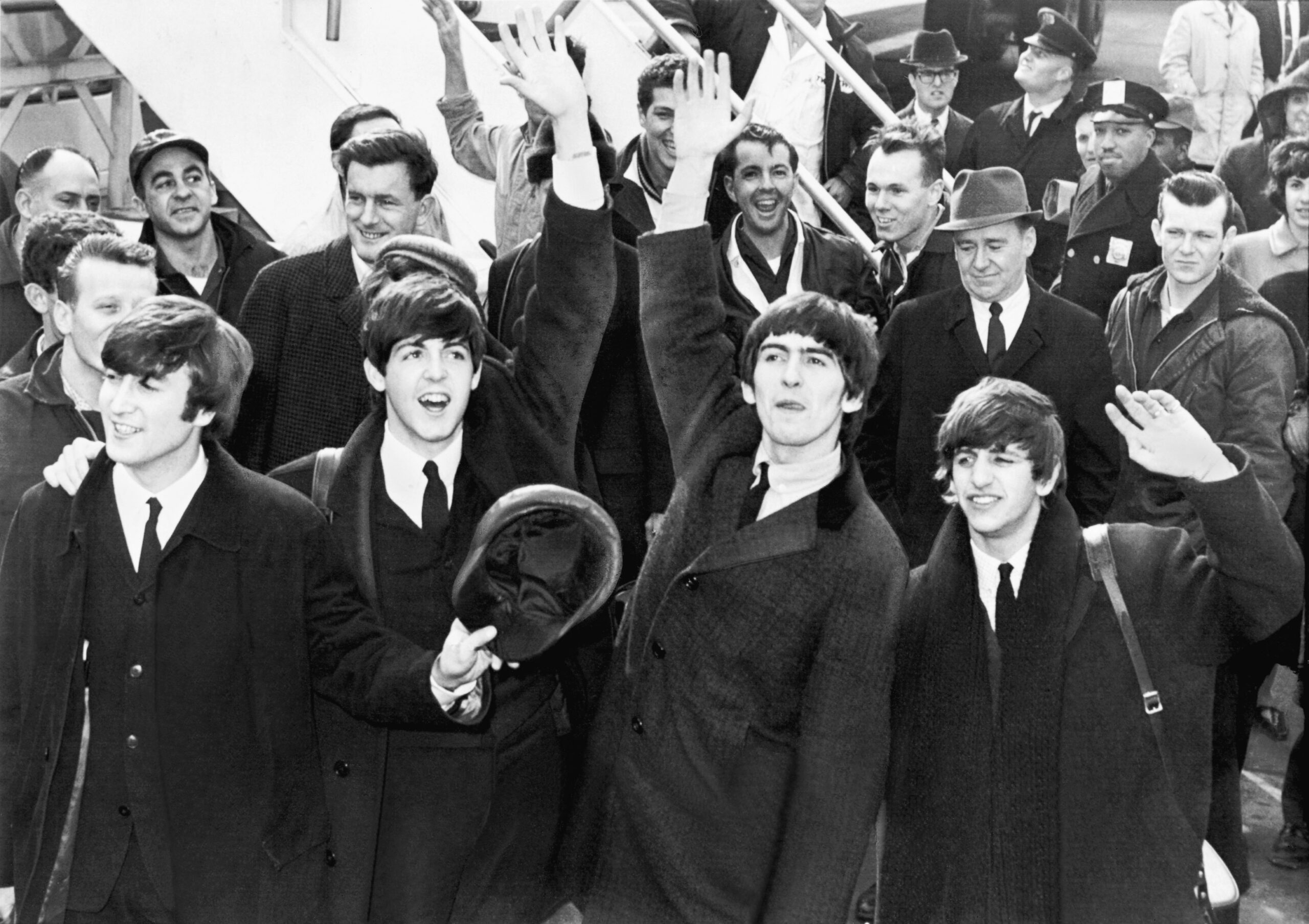
These songs illustrate how the Beatles moved from catchy singles to deeper artistic statements over a short span of years. Their willingness to experiment while staying accessible set a template many still follow.
Listeners today continue to discover new layers in the recordings, whether through remasters or fresh covers. The influence persists because the core elements of melody, storytelling, and innovation hold up across decades.

Besides founding Festivaltopia, Luca is the co founder of trib, an art and fashion collectiv you find on several regional events and online. Also he is part of the management board at HORiZONTE, a group travel provider in Germany.
