
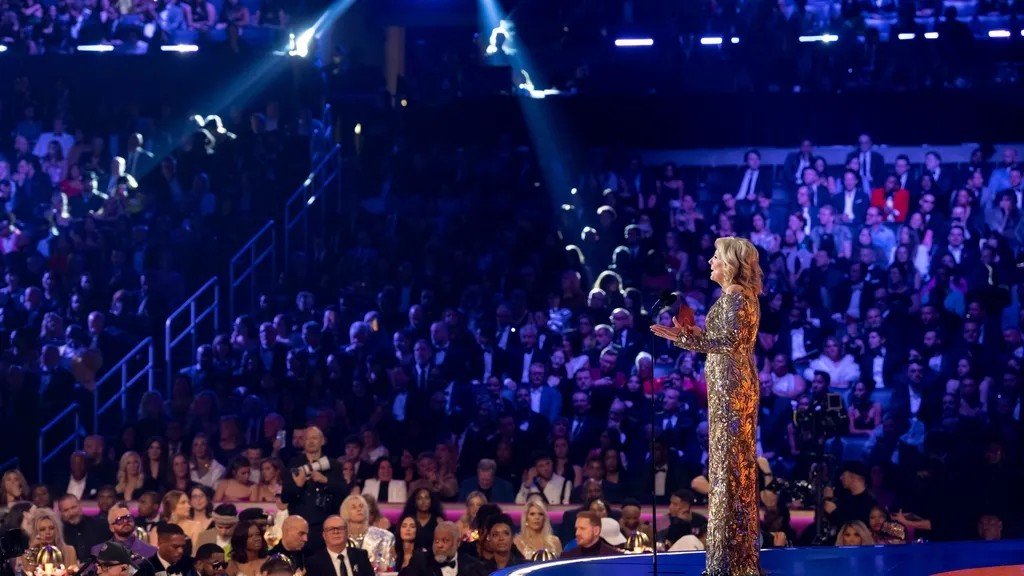

Award shows were never designed to be drama-free. They’re built on competition, opinion, and the glittering chaos of celebrity culture colliding with artistic merit. The Grammy Awards, in particular, have always carried a unique weight. They carry the prestige of industry recognition while somehow managing to spark outrage, confusion, and passionate debate almost every single year.
Over the decades, some moments have gone beyond the usual chatter. They’ve ignited genuine cultural conversations, exposed uncomfortable truths about race, bias, and fairness in the music industry, and left the world genuinely stunned. Some were funny. Some were infuriating. A few were downright historic in the worst way possible.
So let’s dive in.
1. Milli Vanilli: The Grammy That Had to Be Given Back
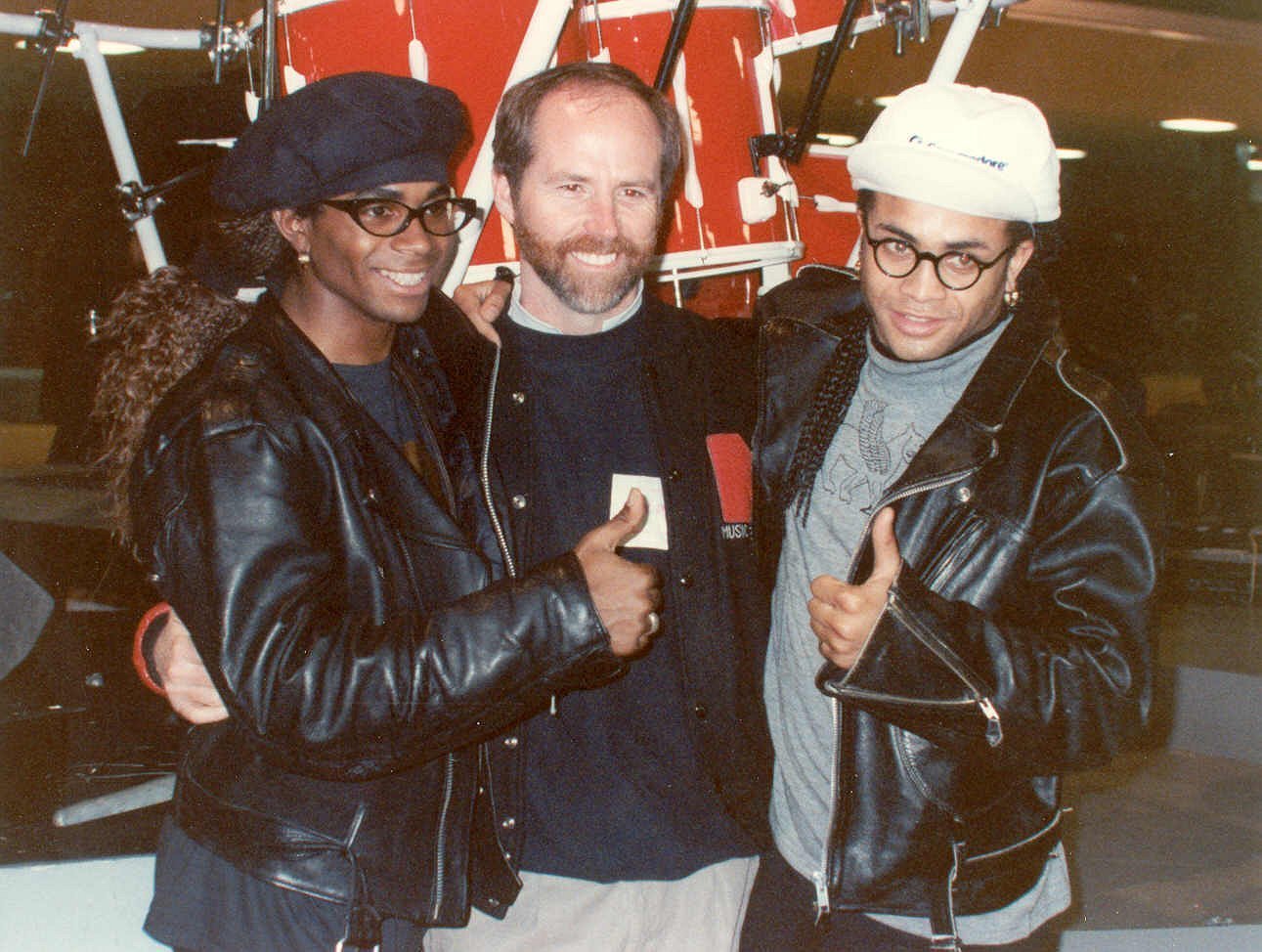
One of the most legendary scandals in Grammy history happened in 1990 when Milli Vanilli, Fab Morvan and Rob Pilatus, won the award for Best New Artist. On the surface, it seemed like a perfectly straightforward pop success story. The duo had charmed millions worldwide and the trophy felt deserved. Nobody suspected anything was wrong.
Then everything unraveled. While many performers mime to their own vocals on stage, Milli Vanilli’s real voices weren’t even used on their own albums. The news shocked the industry, and the backlash was incredibly strong. In the end, the pair were forced to relinquish their Grammy. It turns out they were lip-syncing and couldn’t actually sing, so they had to give the Grammy back. It was the first time that had ever happened. Honestly, it remains one of those moments that is almost impossible to believe even now, decades later.
2. The Hip-Hop Boycott of 1989: Rap Gets Disrespected in Real Time
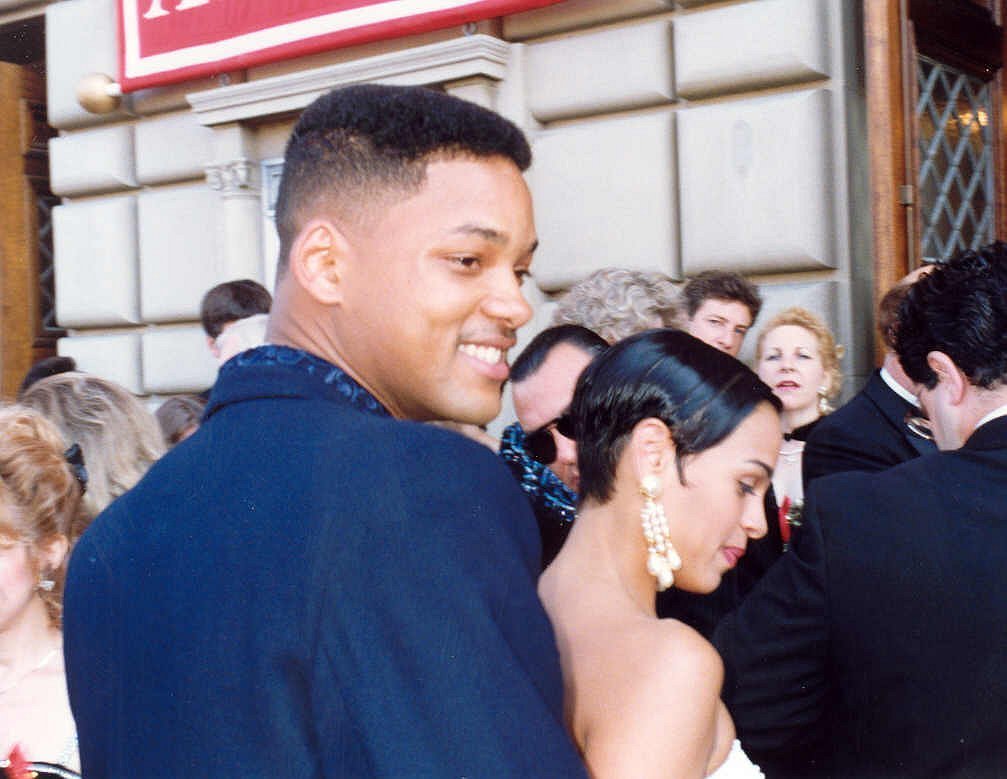
In 1989, Will Smith and his musical partner DJ Jazzy Jeff, who were nominated for Best Rap Performance and invited to appear onstage, boycotted the show after they learned that their category wasn’t going to be featured on the TV broadcast. For the 1989 show, the Grammys announced that they would only be airing what they considered to be the top 16 awards, and decided that the rap categories would not make the cut.
It was a slap in the face to an entire genre. Smith didn’t take it quietly. Other musicians, including Salt-N-Pepa and LL Cool J, joined in the boycott. Smith and Jeff ended up winning the award for their song “Parents Just Don’t Understand.” While the Grammys ended up broadcasting the presentation of the award the next year, other rappers, like Jay-Z and Public Enemy, boycotted future shows because they thought the Grammys disrespected Black artists by refusing to give rap and hip-hop the credit it deserved. The reverberations of that 1989 stand are still felt in ongoing conversations about genre bias at the Grammys today.
3. Jethro Tull Beats Metallica: The Metal Snub That Nobody Saw Coming

There are metal fans who still haven’t forgiven the Grammys for this 1989 upset. At the 31st Grammy Awards, Alice Cooper shocked millions when announcing Jethro Tull’s win over Metallica for Best Hard Rock/Metal Performance. Let’s be real, nobody in the audience that night saw that one coming. It felt like some kind of elaborate prank.
This didn’t sit right with people for a few reasons. Metallica was considered the favorite, and people felt the genres shouldn’t have been merged in the first place, as Jethro Tull definitely wasn’t metal. Fortunately, the Recording Academy gave both genres their own category the following year. The first time the Grammys ceremony recognized Hard Rock/Metal, they chose to favor British rock band Jethro Tull, whom critics argued shouldn’t even be in the category, over the masters of the genre, Metallica, who were nominated with one of their best albums. Both bands found it funny, but almost no one else did. To this day, it’s cited as one of the most astonishingly bad calls in awards show history.
4. Eminem and Elton John: The Performance That Forced a Conversation
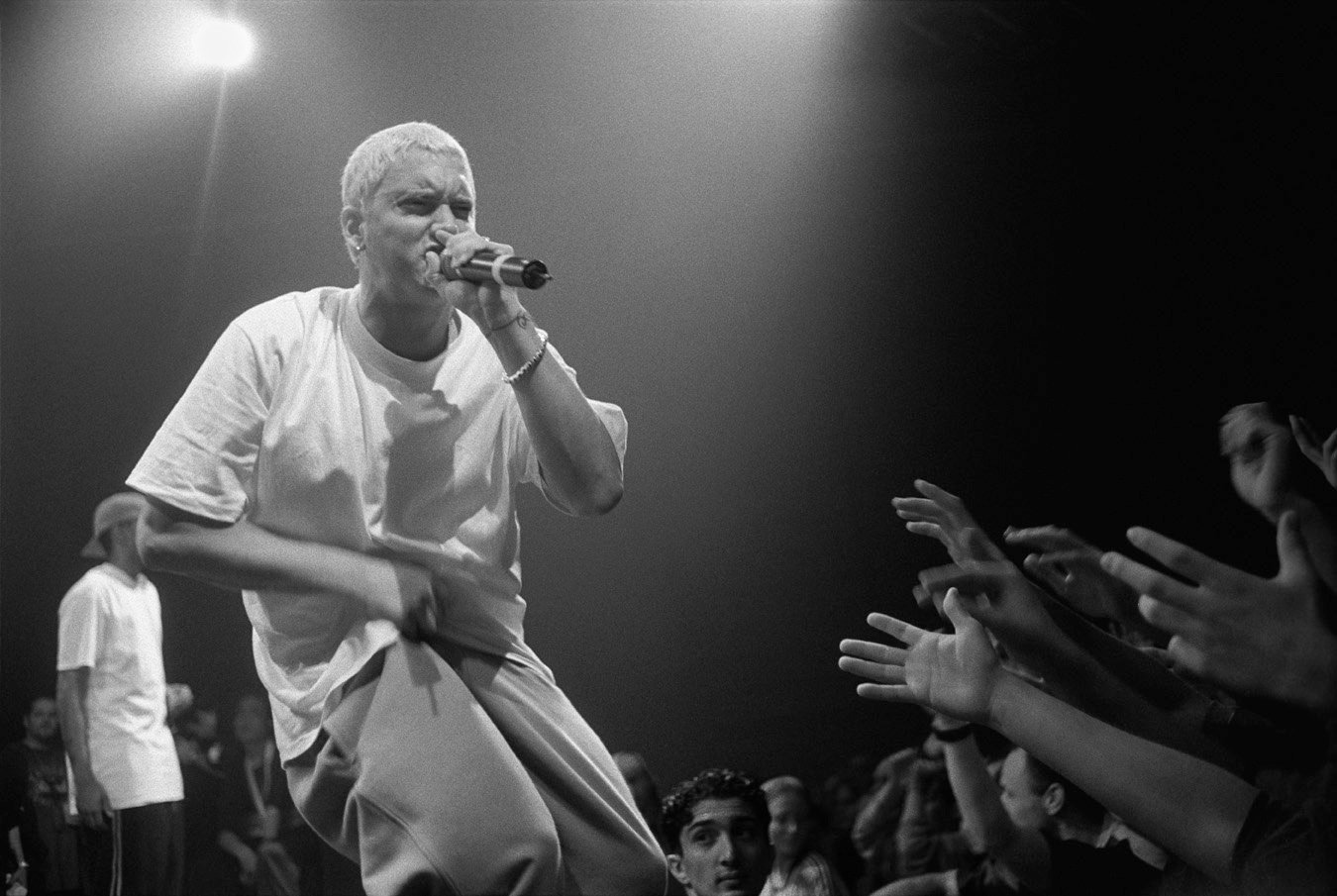
When Eminem released The Marshall Mathers LP in 2000, the album was met with controversy for the inclusion of anti-gay, misogynistic, and violent lyrics. The album was so controversial that some of the lyrics were even criticized at a Senate hearing. The idea of having him perform at the Grammys sparked fierce protests before a single note was played.
Eminem had faced significant criticism for homophobic lyrics, but in 2001, after backlash to the album, the Gay and Lesbian Alliance Against Defamation protested against the decision to have the rapper perform at the Grammys. In response to the criticism, it was announced that Eminem would still perform at the ceremony, but now with Elton John. The highly anticipated performance ended with the pair hugging, followed by the rapper flipping off the audience. It was a moment that defied every expectation, and whether you found it brave or tone-deaf likely depended entirely on where you were standing.
5. Macklemore Beats Kendrick Lamar: The Win That Stung an Entire Genre
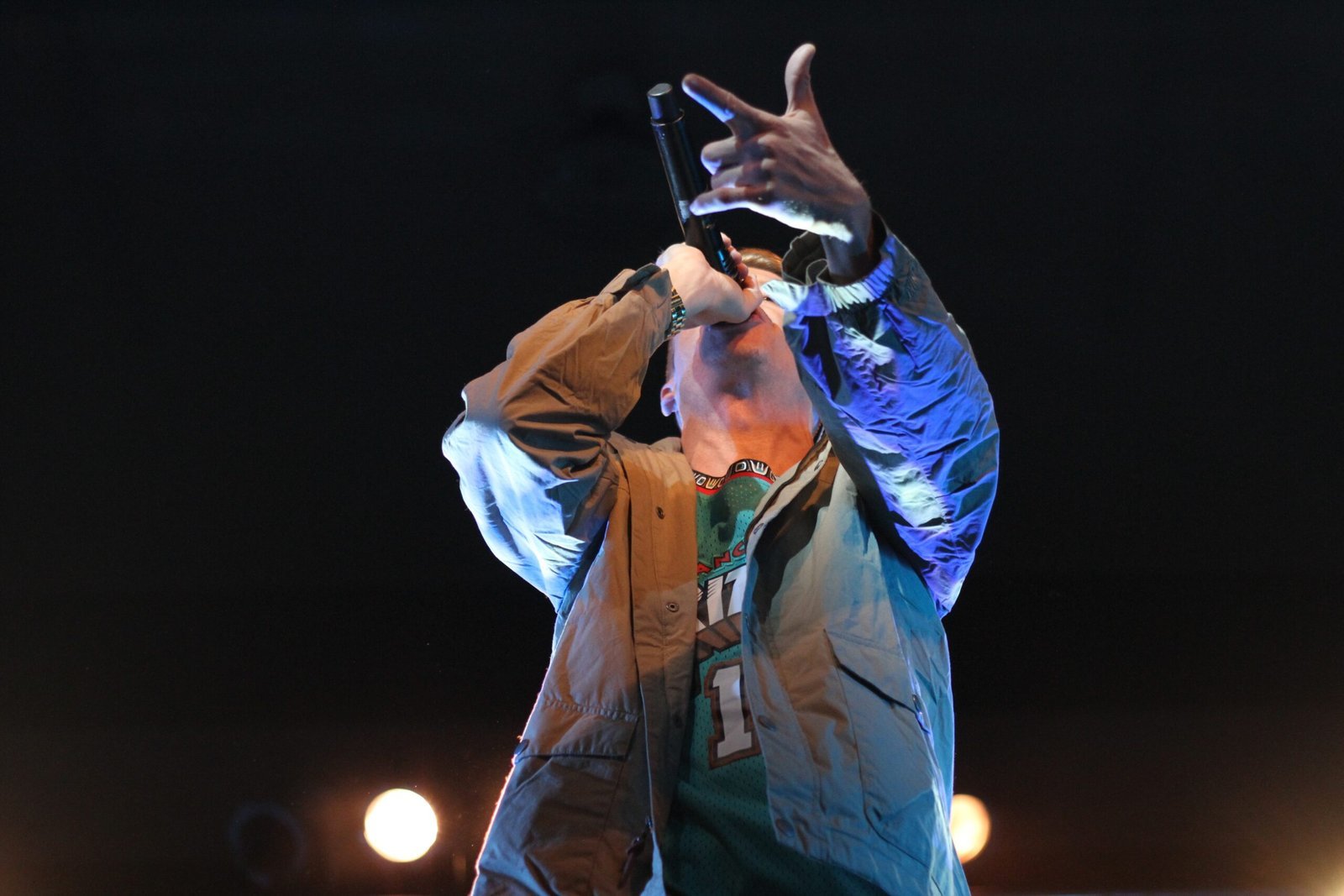
One of the most controversial snubs in Grammy history is still Macklemore’s The Heist beating Kendrick Lamar’s good kid, m.A.A.d city at the 2014 awards show. Think about that lineup for a second. Kendrick Lamar, Jay-Z, Drake, and Kanye West all in one category. Most people had already mentally handed the trophy to Lamar.
The duo won over Kendrick Lamar, Jay Z, Drake, and Kanye West, with many considering Lamar a shoo-in. Macklemore even posted on social media later that night the transcript of a text that he sent to Lamar after his win. The text was remarkable for its honesty. Reflecting on the drama years later, Macklemore said that he thought being the only white rapper nominated gave him the edge, although he also acknowledged that the situation was complicated. It’s hard to say for sure whether race played a direct role in the voting, but the public conversation that followed was unavoidable and deeply important.
6. Harry Styles Wins Album of the Year Over Beyoncé: A Familiar Pain
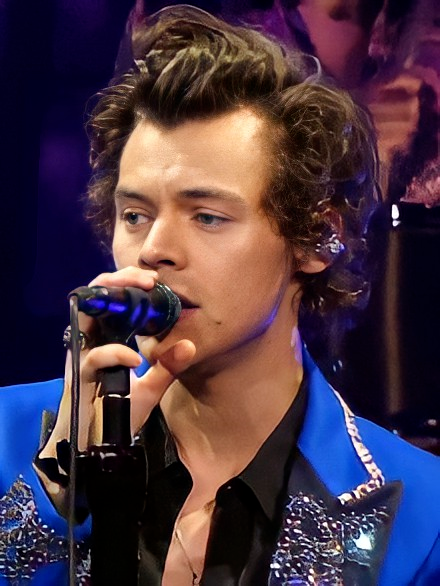
During his award speech for Album of the Year, an upset over Beyoncé’s Renaissance, Harry Styles said in part, “This is so, so kind. This doesn’t happen to people like me very often.” Fans, quickly honing in on the fact that the Grammys has historically awarded many white men, took umbrage.
The backlash was swift and loud. Beyoncé became the most-awarded artist in all of Grammys history at the 2023 ceremony. But her achievement was quickly overshadowed by the demoralizing fact that, of her 31 trophies, only one was for Album of the Year. At the same ceremony, Renaissance lost that same award to Harry Styles’ Harry’s House, becoming an example of how the Recording Academy consistently sidelines Black artists. Only 11 Black artists have won Album of the Year since the Grammys began in 1957. Between 2012 and 2020, Black artists made up over 38% of the Billboard Hot 100 chart, yet they received only 26.7% of Grammy nominations. Those numbers are genuinely hard to argue with.
7. The Weeknd’s Total Shutout: A Modern Controversy That Changed Everything
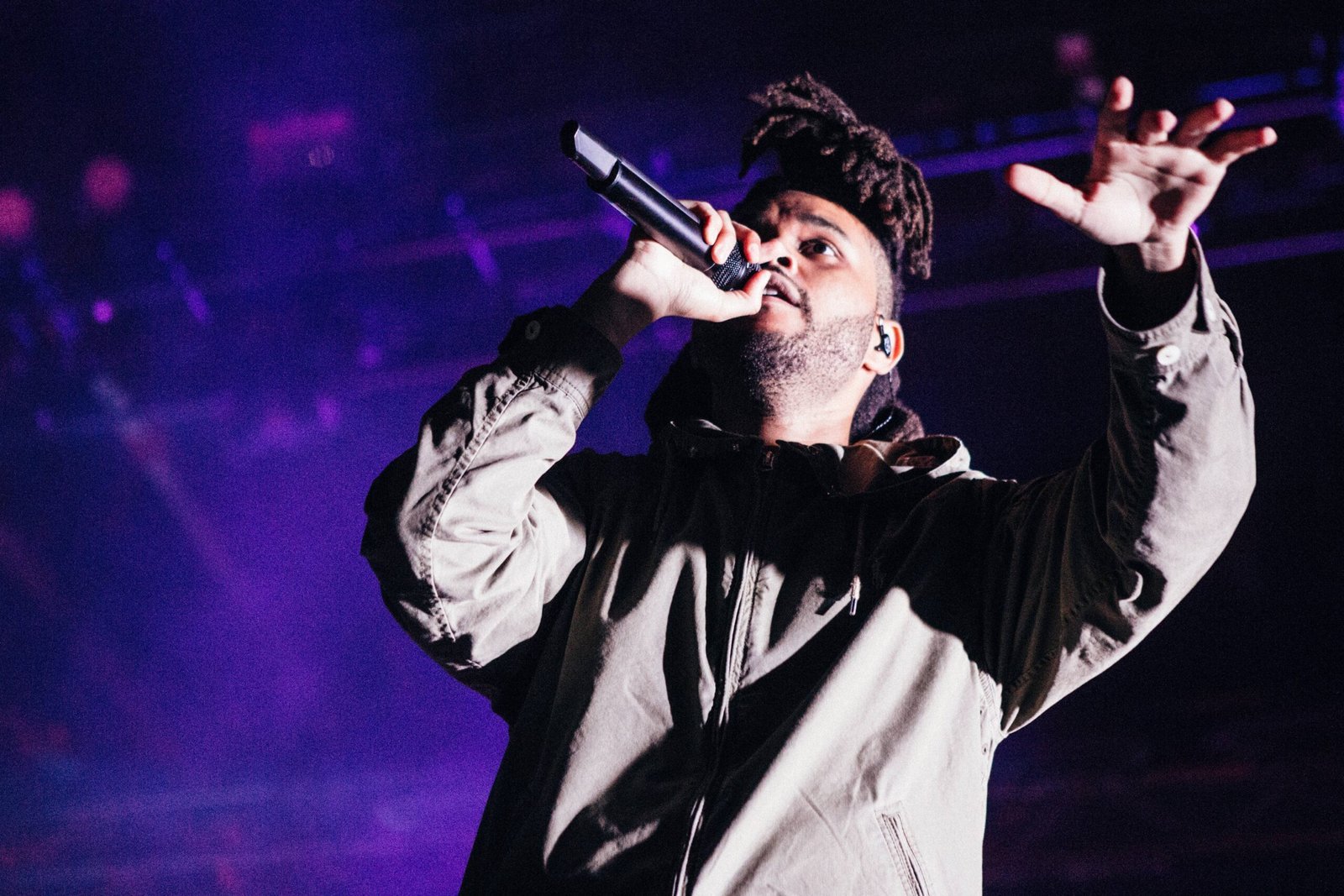
Despite his album After Hours dominating global charts, The Weeknd received zero nominations. He accused the Grammys of being corrupt, and the snub intensified calls for more transparency in the voting process. It wasn’t just fans who were stunned. The entire industry stopped and stared. “Blinding Lights” had become one of the most streamed songs ever recorded, and somehow it didn’t earn a single nomination.
Following the total shutout, the singer spoke out publicly, writing “The Grammys remain corrupt. You owe me, my fans and the industry transparency.” The Weeknd returned to the Grammy Awards four years after launching a highly publicized boycott and slamming what he called the “corruption” of the nominations process. He’d been burned by the fact that his album After Hours and its colossal single “Blinding Lights” received zero nominations. Apparently, that wasn’t enough to get him any better consideration from the Recording Academy, which shut him out across the board once again. It’s a saga that proves the Grammy controversy machine isn’t slowing down anytime soon.
The Bigger Picture: What These Moments Actually Tell Us
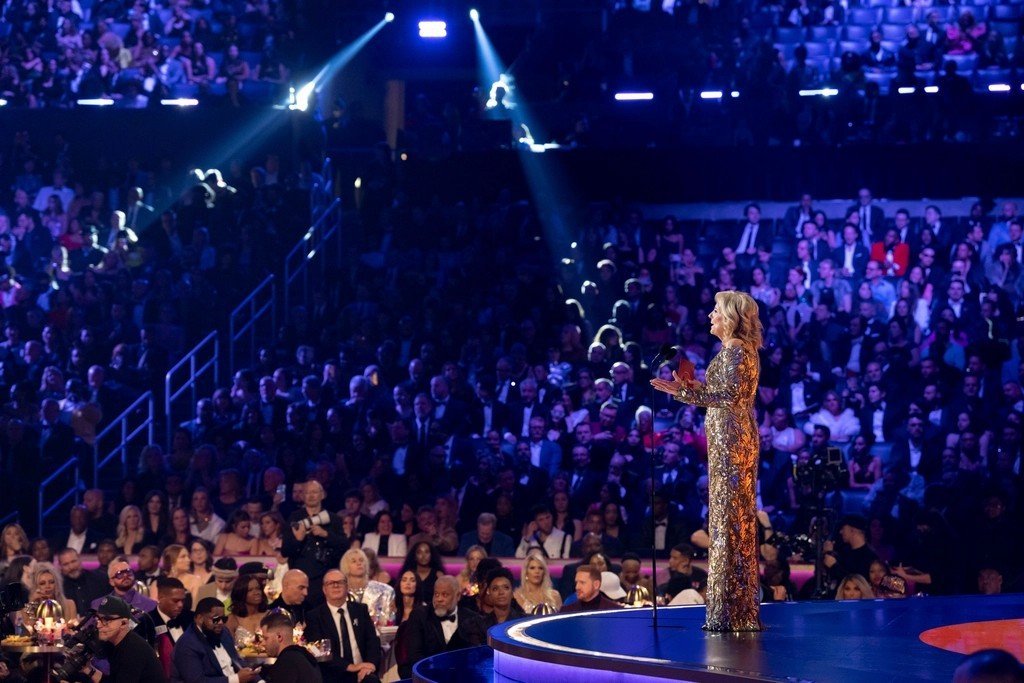
Taken individually, each of these moments is striking. Taken together, they form a pattern. As the definitive industry voice honoring achievements in the recording arts, the Recording Academy has always been heavily criticized for who wins in which of their often somewhat confusing categories. The controversies aren’t random accidents. They reflect genuine tensions around race, genre bias, industry politics, and what “music’s biggest night” truly values.
The Grammys have made changes over the years, some meaningful, some cosmetic. In 2018, post-ceremony during which only one woman received a solo award, Neil Portnow, the president of the Recording Academy, told reporters that women in the industry need to “step up,” and he faced backlash. That kind of response from leadership reveals just how wide the gap between the institution’s self-image and its actual track record can be.
Here’s the thing, though. The fact that we still talk about Milli Vanilli, about Kendrick being robbed, about Beyoncé’s Album of the Year drought, means these moments matter. They force conversations that the industry would often prefer to avoid. Award shows are mirrors, and the Grammy controversies have consistently reflected something real and uncomfortable about how music, race, money, and power intersect.
What do these moments say about the kind of art we collectively decide to celebrate? That’s a question worth sitting with.
CEO-Co-Founder
