


- How George Washington Was A Coffee Connoisseur Of His Time - April 10, 2026
- Classic Novels Often Hide Modern Lessons We’re Still Learning Today - April 10, 2026
- The 15 Most Influential Musicians of the 20th Century - April 10, 2026
When Big Bombs Created Hollywood Gold
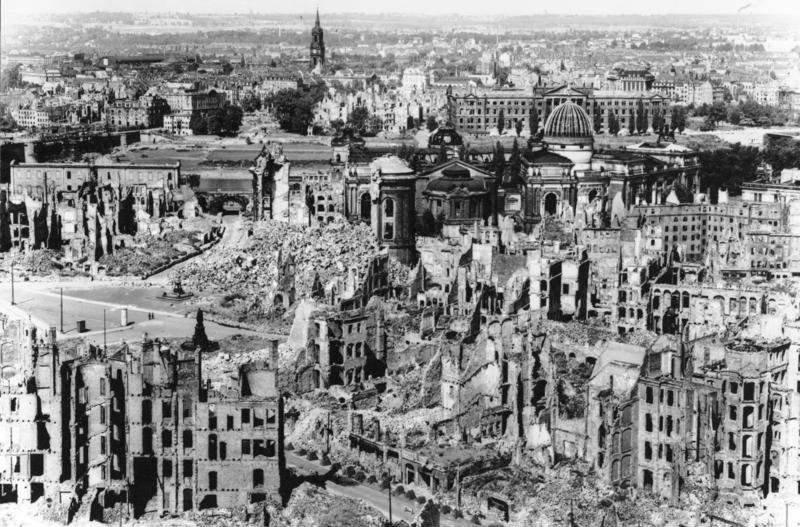
Picture this: it’s World War II, and military engineers are developing bombs so massive they can level entire city blocks. They called these devastating weapons ‘blockbusters’ because of their incredible destructive power. Fast forward to today, and we use the same term to describe the biggest movies of the summer or products that dominate the market. The irony is striking – what once described instruments of destruction now celebrates entertainment success. Hollywood studios probably never imagined they borrowed their most famous term from wartime explosives. It’s fascinating how language transforms from battlefield to boardroom.
The Line Between Life and Death

Civil War prison camps were brutal places where survival hung by a thread. Guards drew a literal line around the prison perimeter and called it the ‘dead line’ – cross it, and you’d be shot on sight. Prisoners learned quickly that this boundary meant the difference between living another day and meeting their end. Today we use ‘deadline’ for everything from homework assignments to project submissions, completely removed from its deadly origins. The stakes feel high when we’re rushing to meet a work deadline, but thankfully nobody’s life hangs in the balance. Most people would be shocked to learn their daily stress about deadlines connects to such a grim piece of history.
From Military Drills to Fitness Thrills
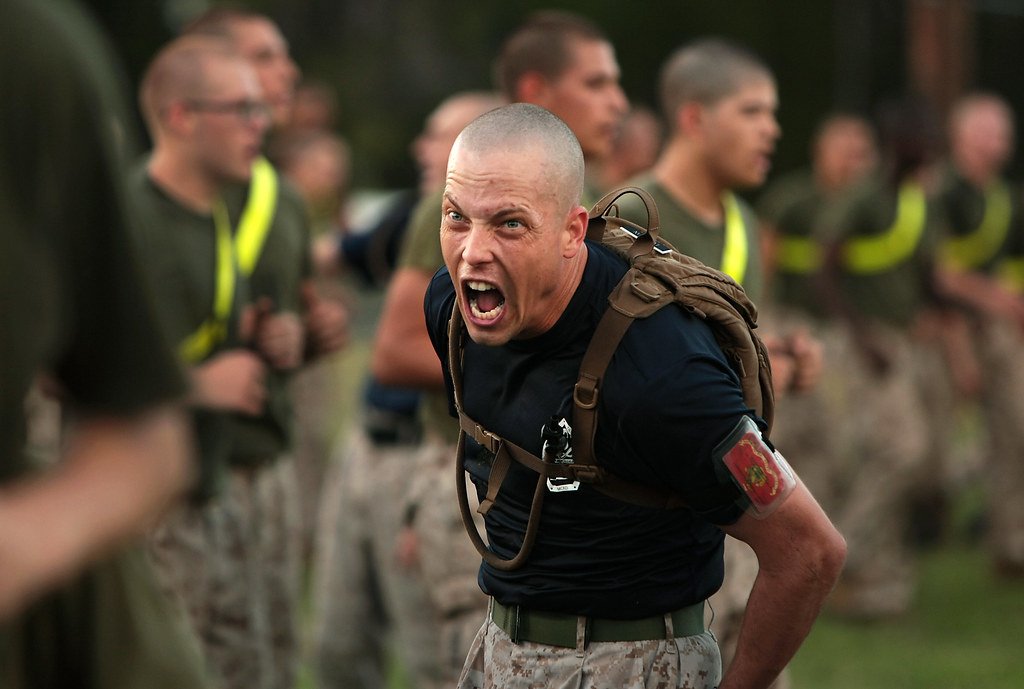
Military boot camps have shaped soldiers for generations, breaking down recruits and rebuilding them into disciplined fighters. The intense physical training, mental conditioning, and strict schedules created warriors ready for combat. Somewhere along the way, civilian fitness instructors realized this formula worked beyond the military. Now you can sign up for boot camps at your local gym, business boot camps for entrepreneurs, or coding boot camps for aspiring programmers. The core concept remains the same: intense, focused training designed to transform participants quickly. What started as military necessity became a popular training model across countless industries.
Going Missing Without Permission

Every military commander’s nightmare is a soldier who simply vanishes from their post without authorization. ‘Absent Without Leave’ became the official term for this serious offense, later shortened to the now-famous acronym AWOL. Soldiers caught going AWOL faced severe punishment, including court-martial and imprisonment. Today, we use AWOL much more casually when someone disappears from work, skips a meeting, or abandons a project without explanation. Your coworker going AWOL from the team lunch carries much lower stakes than a soldier abandoning their duties during wartime. The term has softened considerably as it moved from military courts to everyday conversation.
When Everything Goes Wrong
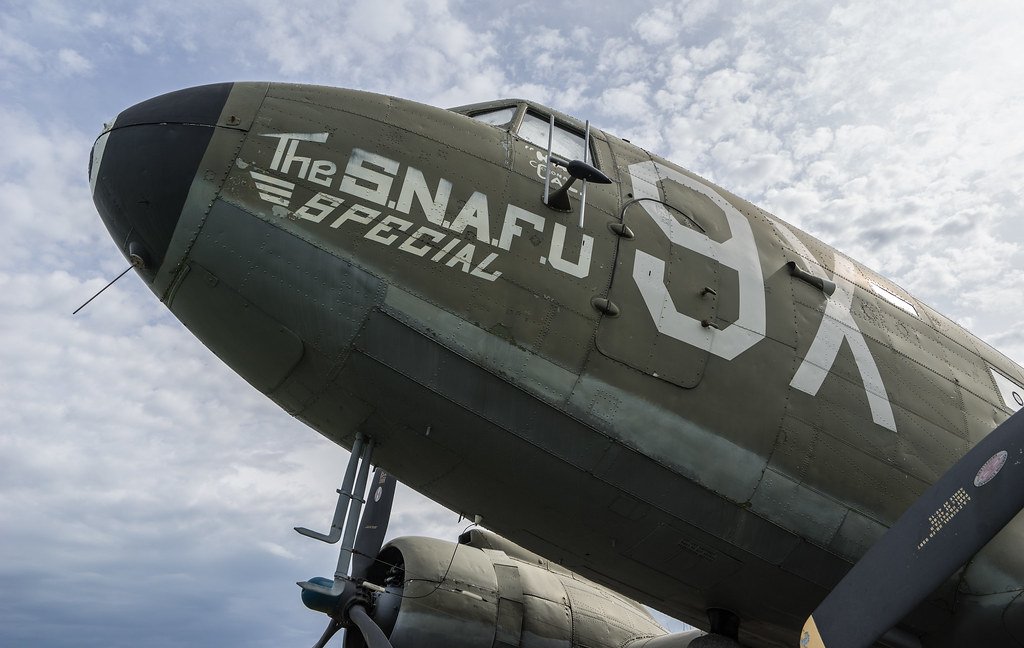
World War II soldiers developed their own colorful language to describe the chaos of war, and one acronym stuck around long after the fighting ended. ‘Situation Normal: All F***ed Up’ became shortened to SNAFU, capturing the frustrating reality that military operations rarely went according to plan. Soldiers used this term to describe everything from supply shortages to communication breakdowns. Modern workplaces adopted SNAFU to describe their own operational disasters, though thankfully with much less life-or-death consequences. It’s remarkable how a crude military acronym became acceptable business terminology. The universality of things going wrong made this military slang a perfect fit for civilian life.
Enduring Pain for Survival
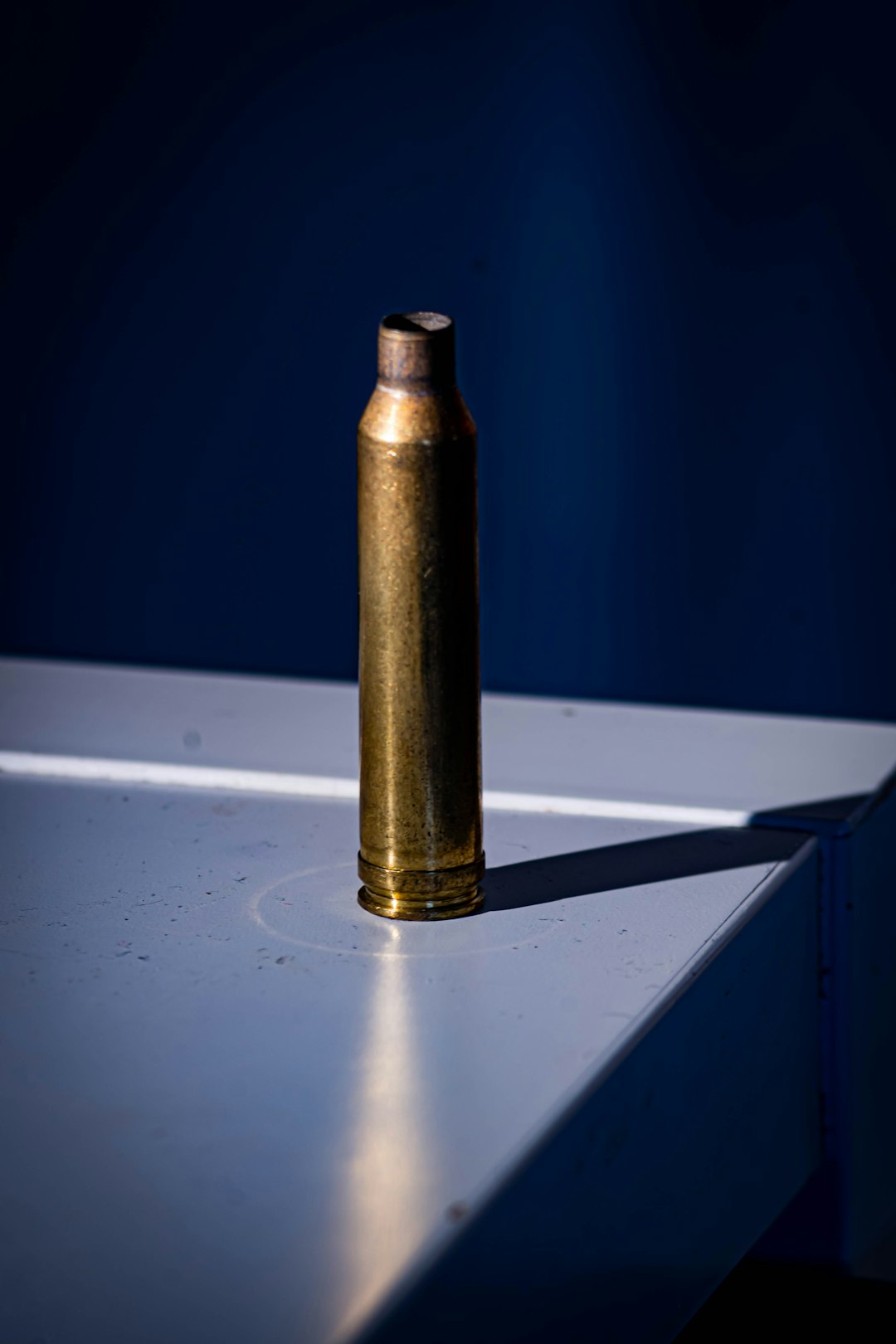
Before modern anesthesia, battlefield surgery was a nightmare of agony and desperation. Soldiers facing operations would literally bite down on bullets to cope with excruciating pain and prevent themselves from biting their tongues. The bullet served as both a distraction and a safety measure during these brutal procedures. This practice gave birth to the phrase ‘bite the bullet,’ meaning to endure something painful but necessary. Today we use it for everything from getting dental work to accepting an unpleasant job assignment. The physical act of biting bullets may be history, but the concept of facing unavoidable hardship remains universal.
Where the Action Happens
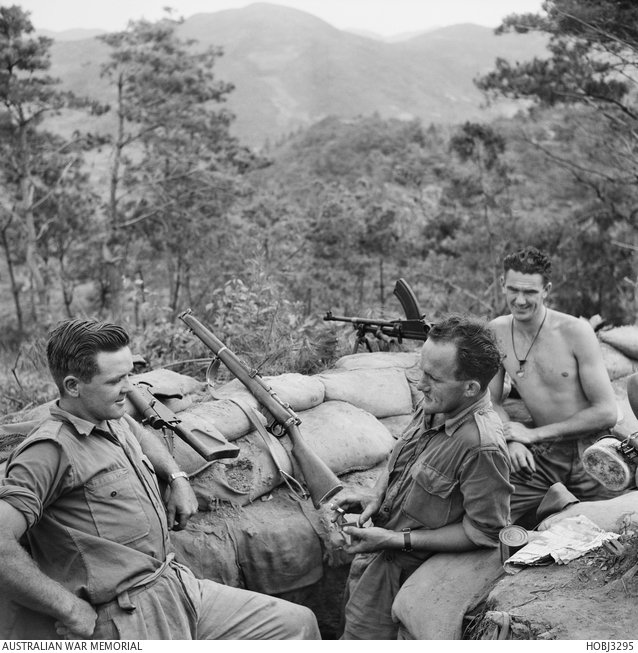
Military strategists always knew the front lines represented the most dangerous and crucial part of any battle. These forward positions faced direct enemy contact and determined the outcome of conflicts. Soldiers on the front lines experienced the heaviest fighting and highest casualties. The phrase naturally evolved to describe anyone dealing with the most challenging aspects of any situation. Healthcare workers became ‘front line heroes’ during the pandemic, facing the greatest risks while serving others. Teachers, social workers, and first responders all work on society’s front lines, tackling problems head-on just like soldiers in combat.
Who’s Really in Charge
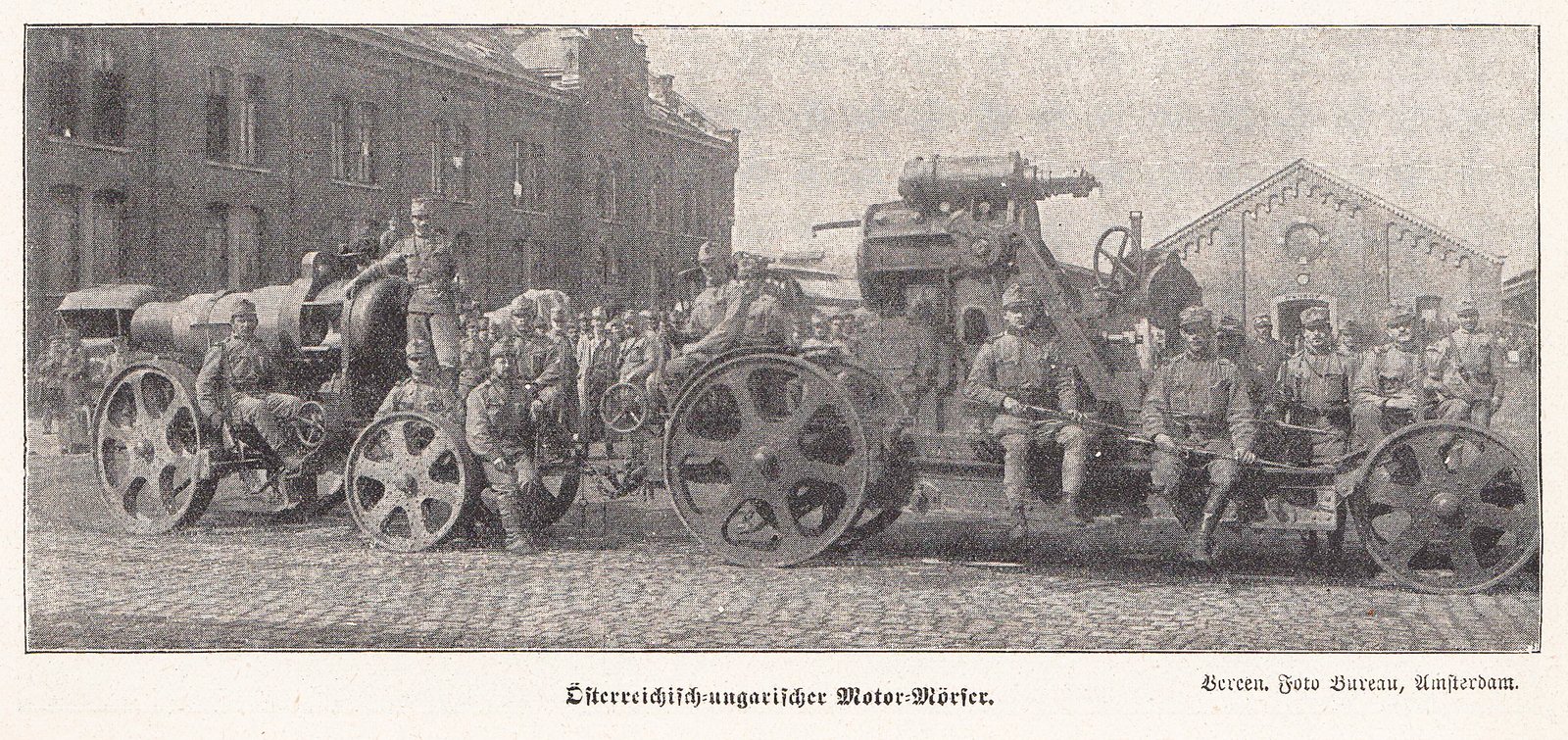
Artillery commanders held enormous responsibility during battles, directing devastating firepower with precision and timing. These officers literally ‘called the shots,’ determining when and where massive guns would fire. Their decisions could turn the tide of entire battles or cause catastrophic friendly fire incidents. The phrase migrated from military command to business leadership, describing anyone with decision-making authority. Modern executives ‘call the shots’ in boardrooms rather than battlefields, but the core meaning remains unchanged. Whether directing cannon fire or corporate strategy, someone has to make the tough calls that determine success or failure.
Under Heavy Fire
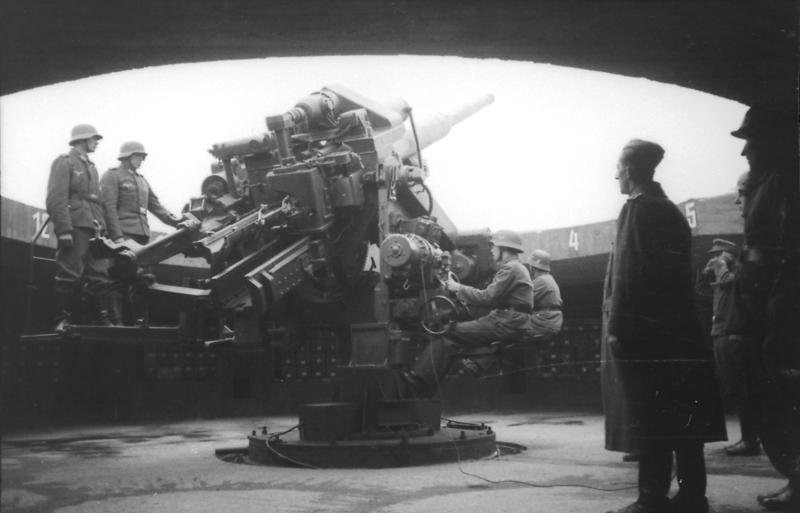
German anti-aircraft guns posed a constant threat to Allied pilots during World War II, and soldiers knew these weapons by their German name: Flugabwehrkanone, shortened to ‘flak.’ Pilots ‘taking flak’ faced deadly accurate gunfire that could destroy their aircraft in seconds. The experience was intense, dangerous, and potentially fatal for aircrews. Today’s version of taking flak involves criticism, complaints, or resistance rather than explosive shells. Politicians, CEOs, and public figures regularly take flak from media and opponents. The modern stakes are reputation and career rather than life and death, but the feeling of being under attack translates perfectly.
Dangerous and Unpredictable
Naval warfare presented unique challenges, and few things were more terrifying than a cannon breaking free from its restraints during battle. These massive weapons could roll across the deck uncontrolled, crushing sailors and damaging the ship’s structure. A loose cannon posed an immediate threat to everyone aboard, making quick action essential for survival. The term perfectly describes unpredictable people who cause problems for those around them. Every workplace has encountered a loose cannon – someone whose erratic behavior creates chaos and potential damage. Like their maritime namesakes, these individuals require careful handling to prevent disasters.
Warning Shot Across the Water
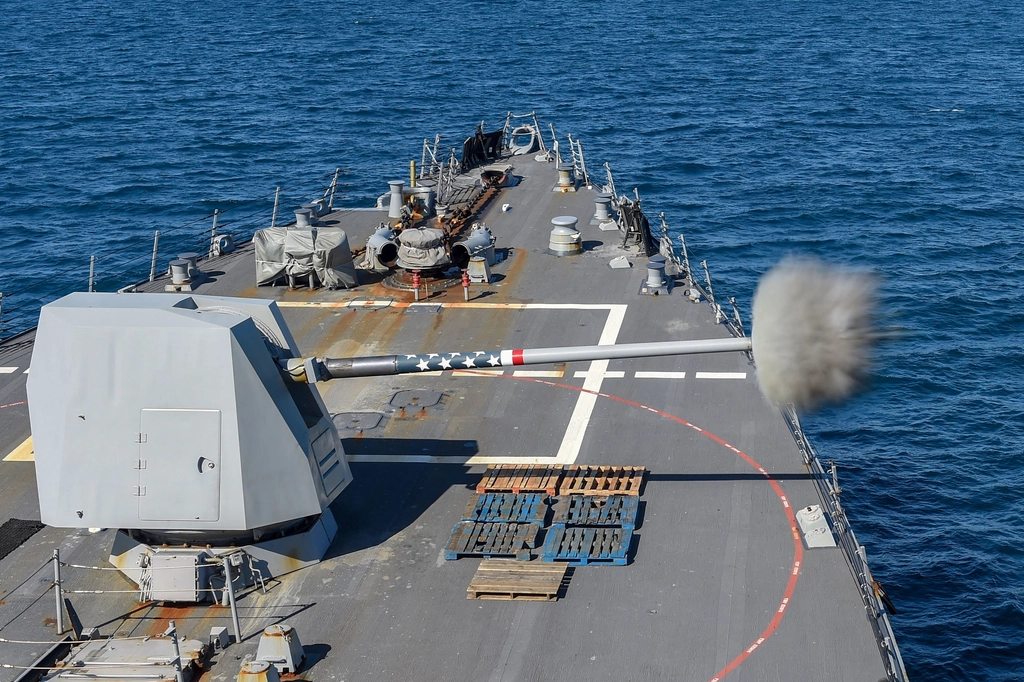
Naval commanders developed sophisticated ways to communicate threats without starting full battles. A shot fired across the bow of an enemy ship served as a clear warning: stop what you’re doing or face the consequences. This practice allowed for diplomatic solutions while demonstrating serious intent and capability. The warning shot gave opposing forces a chance to comply before facing devastating broadside attacks. Modern conflicts still use this concept, though the ‘shots’ might be economic sanctions, legal warnings, or public statements. Business competitors fire shots across each other’s bows with pricing strategies or product announcements, maintaining the same strategic principle of escalating pressure.
When War Breaks the Mind
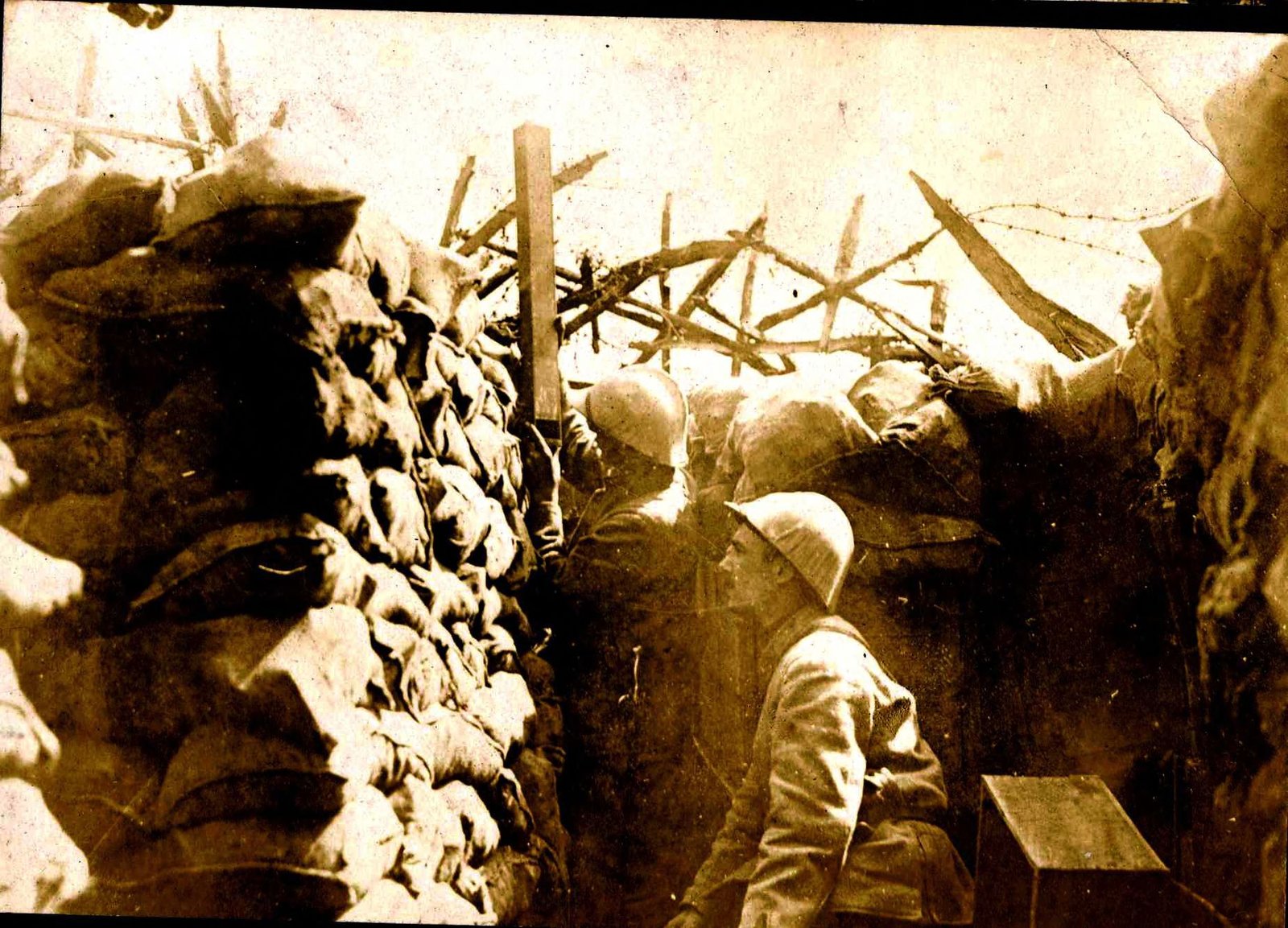
World War I introduced unprecedented levels of sustained combat that no previous generation had experienced. Soldiers endured months in trenches under constant artillery bombardment, creating psychological wounds that military doctors struggled to understand. They called this condition ‘shell shock,’ recognizing that the human mind could break under such extreme stress. Many soldiers who appeared physically unharmed suffered debilitating mental symptoms that ended their military service. Today we understand this as PTSD and have much better treatment options. The term ‘shell shock’ still appears in casual conversation to describe someone who seems dazed or overwhelmed, though we’re more sensitive to its serious origins.
Going All the Way
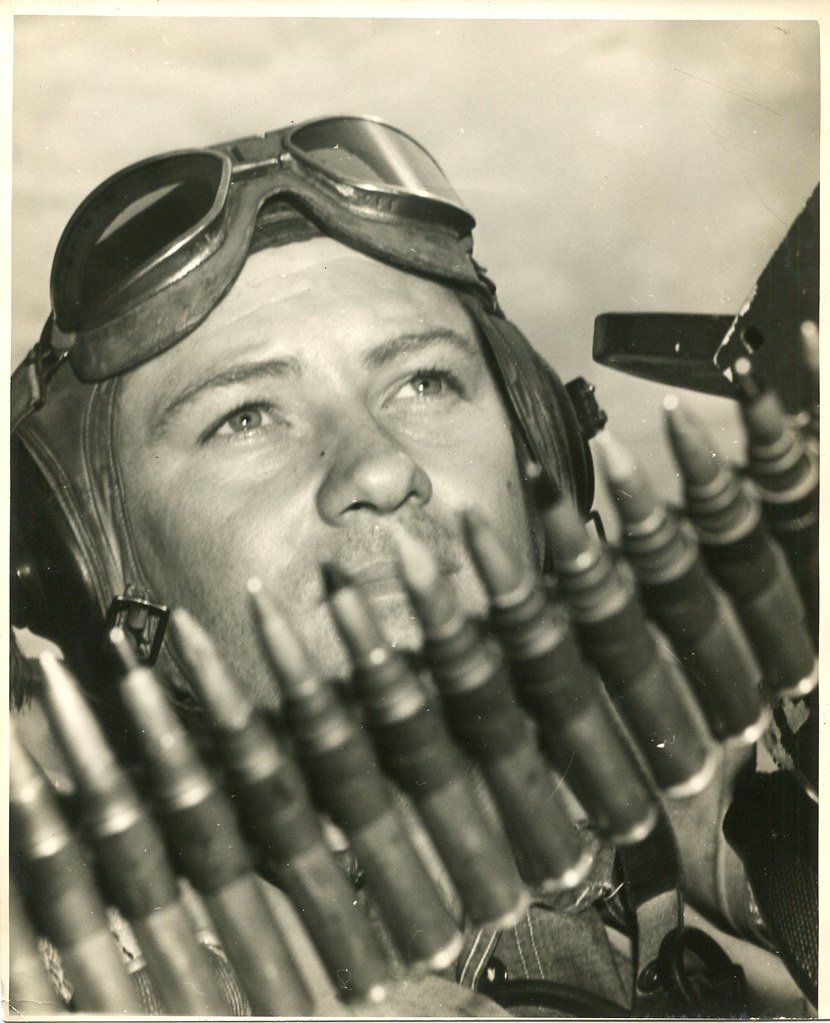
Aircraft machine gunners in World War II worked with ammunition belts that measured exactly 27 feet long, which equals nine yards. When pilots used their entire ammunition supply during combat, they gave ‘the whole nine yards’ to the enemy. This phrase captured the idea of using everything available and holding nothing back. Some historians debate this origin, but the aviation connection makes logical sense given the timing of the phrase’s popularity. Today we use it to mean going all out or doing something completely, whether it’s planning a wedding or renovating a house. The concept of giving everything you’ve got translates perfectly from aerial combat to everyday determination.
Down in the Dirt
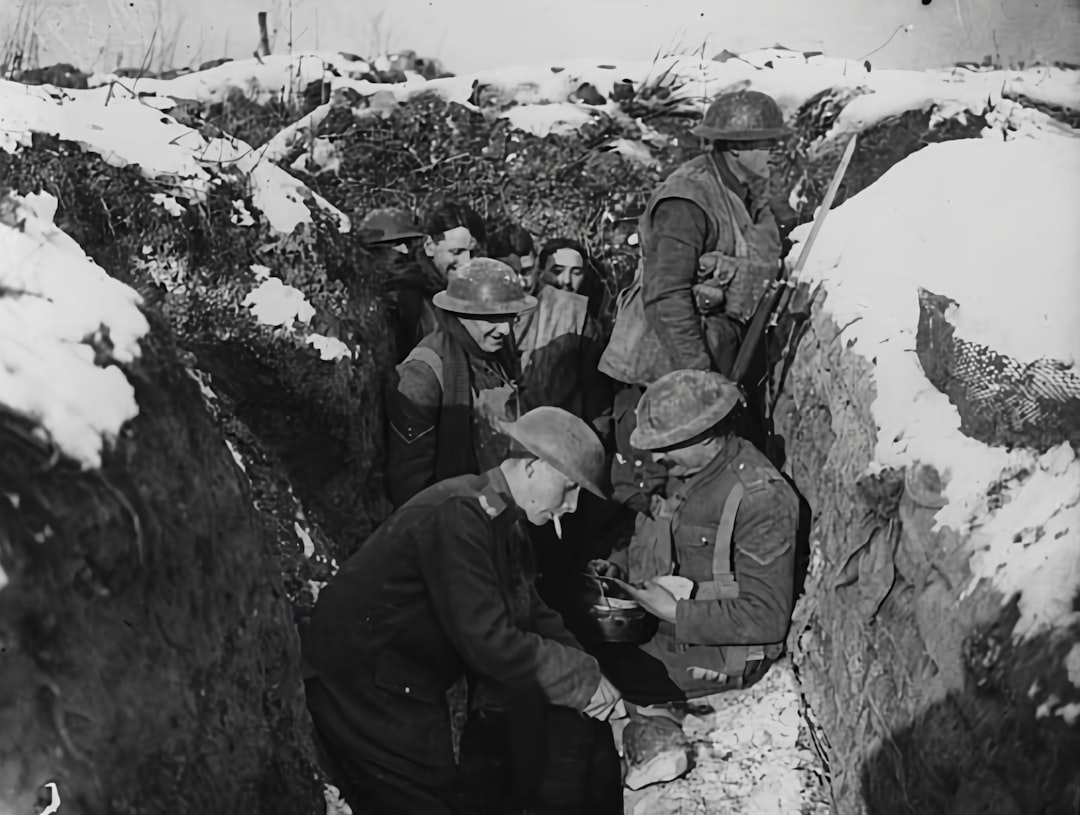
World War I created a new kind of warfare that trapped soldiers in elaborate trench systems for months at a time. Life in the trenches meant constant danger, terrible conditions, and backbreaking work maintaining these underground fortifications. Soldiers literally lived and fought in the dirt, dealing with rats, disease, and death on a daily basis. The phrase ‘in the trenches’ came to represent the hardest, most demanding work imaginable. Modern workers use this expression to describe hands-on, difficult jobs that require getting dirty and dealing with unpleasant realities. Whether it’s customer service, construction, or emergency response, being ‘in the trenches’ means doing the tough work that keeps everything running.
When Your Own Side Hurts You
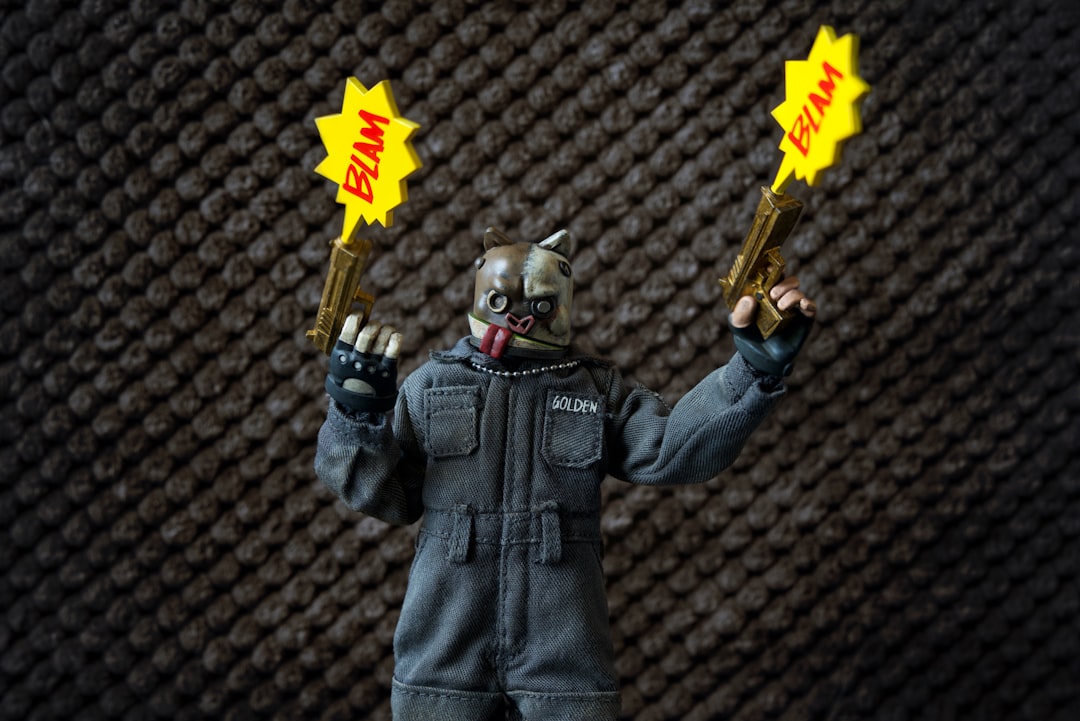
Military operations involve coordination between multiple units, vehicles, and aircraft, creating opportunities for tragic mistakes. ‘Friendly fire’ incidents occur when forces accidentally attack their own allies, often resulting in casualties among people fighting for the same cause. These accidents devastate morale and highlight the chaos inherent in combat situations. Modern usage extends this concept to any situation where someone gets hurt by people on their own team. Office politics create friendly fire when colleagues undermine each other, and sports teams experience it when internal conflicts damage performance. The emotional impact remains the same whether the wounds are physical or psychological.
The Space Between Enemies
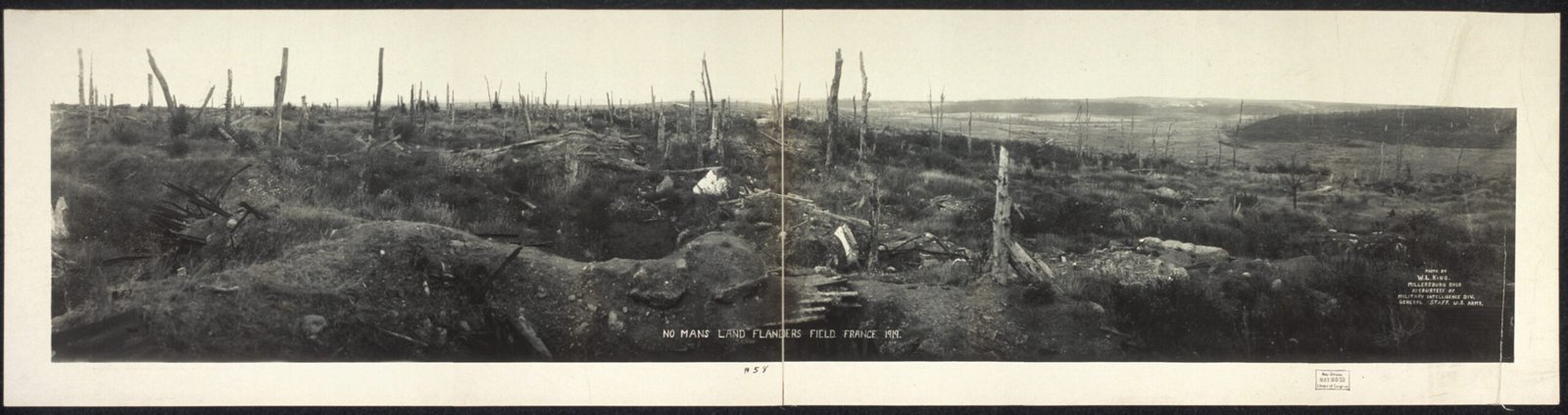
World War I trench warfare created a deadly strip of land between opposing forces that belonged to neither side. Soldiers called this area ‘no man’s land’ because venturing into it almost guaranteed death from sniper fire or artillery. This barren space became a symbol of the war’s brutal stalemate, littered with barbed wire, shell craters, and the remains of failed attacks. Today we use the term for any ambiguous or unclaimed territory, whether physical, legal, or metaphorical. Corporate restructuring creates no man’s land between departments, and divorce proceedings leave couples in emotional no man’s land. The concept of being caught between hostile forces resonates far beyond military contexts.
Message Received and Understood
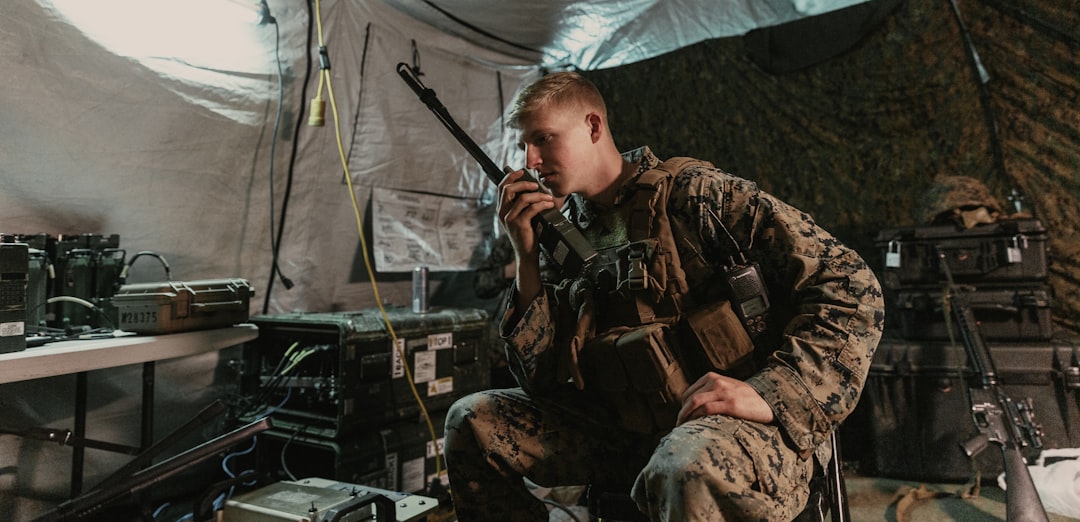
Radio communication revolutionized military coordination, but clear protocols were essential to prevent confusion during critical operations. ‘Roger’ represented the letter ‘R”‘in the phonetic alphabet, standing for ‘Received’ to confirm that a message came through clearly. This simple word prevented dangerous misunderstandings when static or interference made communication difficult. Military radio operators used ‘Roger’ millions of times during World War II and beyond, making it one of the most recognized military terms. Today people say ‘Roger that’ in casual conversation to show they understand something, often with a playful nod to its military origins. The phrase has become so common that many users don’t even realize they’re speaking military code.
End of Transmission
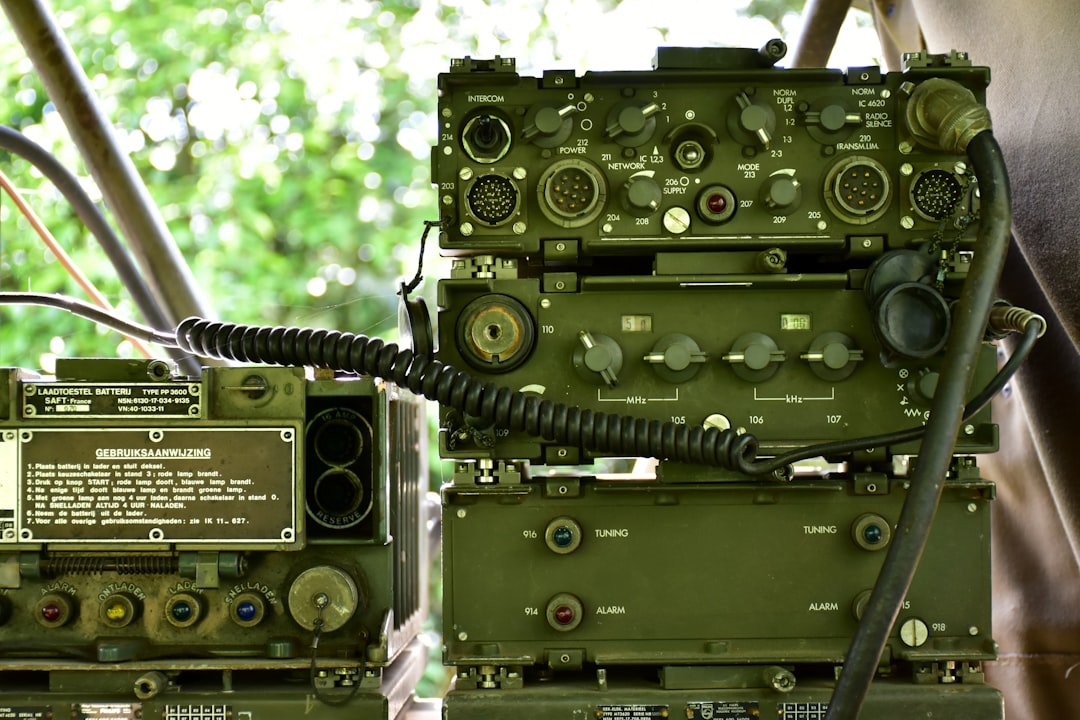
Military radio protocols required clear signals to indicate when communication was complete, preventing confusion about who should speak next. ‘Over’ meant ‘your turn to talk,’ while ‘Out’ signaled the end of the entire conversation. Proper radio discipline could mean the difference between successful coordination and catastrophic failure during military operations. Mixing up these signals could leave units waiting for orders that never came or talking over each other when clarity was crucial. Civilian adoption of ‘Over and out’ often gets the protocol wrong, combining both terms incorrectly, but the general meaning of ending a conversation carries through. The phrase appears in movies, casual conversation, and even text messages as a dramatic or humorous way to sign off.
Ready from the Moment You Land
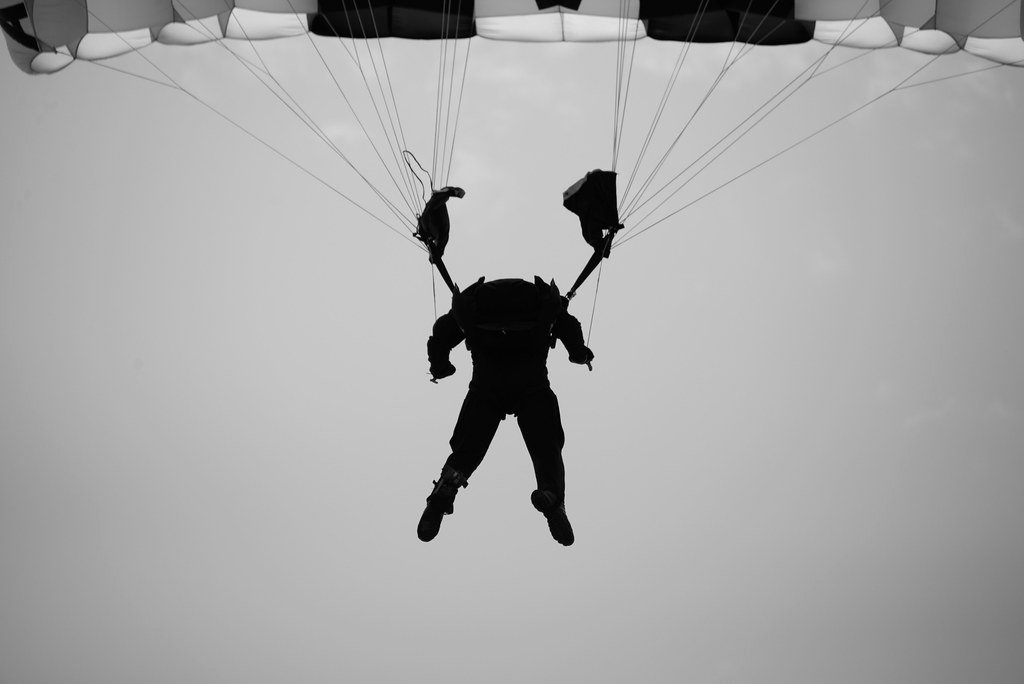
Paratroopers face unique challenges that separate them from other military units, dropping behind enemy lines with only the equipment they can carry. Success depends on landing ready for immediate action, with no time to get oriented or organized after touching down. These elite soldiers trained extensively to ‘hit the ground running,’ transitioning instantly from aircraft passenger to combat operative. The phrase perfectly captures the idea of starting something new with full energy and preparation. Job seekers promise to hit the ground running, athletes talk about starting seasons this way, and entrepreneurs launch businesses with this mentality. The paratrooper mindset of instant readiness appeals to anyone facing new challenges.
Rich Pickings for Everyone
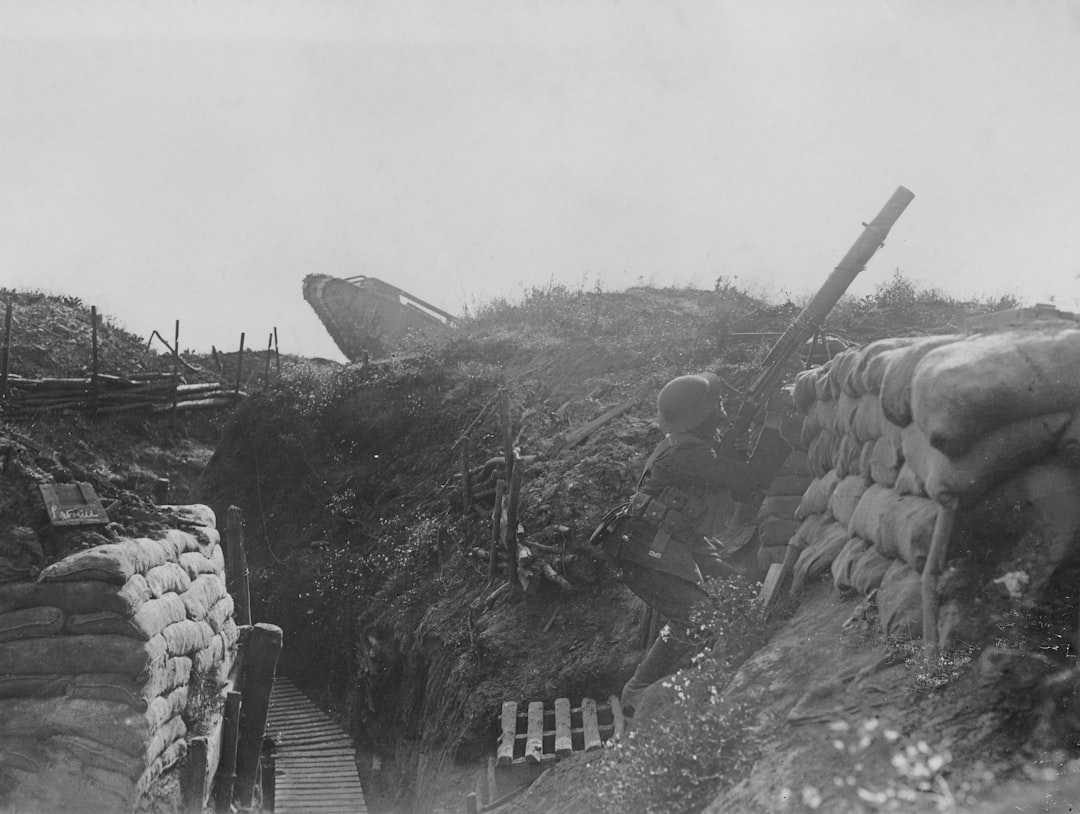
Military strategists used ‘target-rich environment’ to describe battlefields where enemy assets were abundant and attacks could be highly effective. These situations offered multiple opportunities for successful strikes, making tactical decisions easier and outcomes more predictable. Commanders loved finding themselves in target-rich environments because it meant their forces could accomplish multiple objectives efficiently. The business world adopted this military jargon to describe markets full of opportunities or situations with many potential customers. Dating apps and networking events get described as target-rich environments, though the stakes are considerably different from military operations. The concept of abundant opportunities translates perfectly across contexts, maintaining the excitement of having multiple good options available.
What would you have guessed about the origins of these everyday phrases?

Besides founding Festivaltopia, Luca is the co founder of trib, an art and fashion collectiv you find on several regional events and online. Also he is part of the management board at HORiZONTE, a group travel provider in Germany.
