

- Iconic Cultural Moments Are Not Planned; They Simply Erupt and Resonate. - August 31, 2026
- 10 Classic TV Commercials That Are More Memorable Than the Products They Sold - August 31, 2026
- The Echoes of Past Eras Resurface in Our Modern World in Surprising Ways. - August 30, 2026
Rock music has always courted controversy. From the early days of rebellion in the 1960s to the moral panics of the 1980s, artists pushed boundaries on sex, drugs, politics, and social norms.[1]
Censors responded with bans and blacklists. Yet these efforts often backfired, turning songs into anthems of defiance that shaped the genre’s enduring spirit.[1]
21. ‘Lola’ by The Kinks (1970)
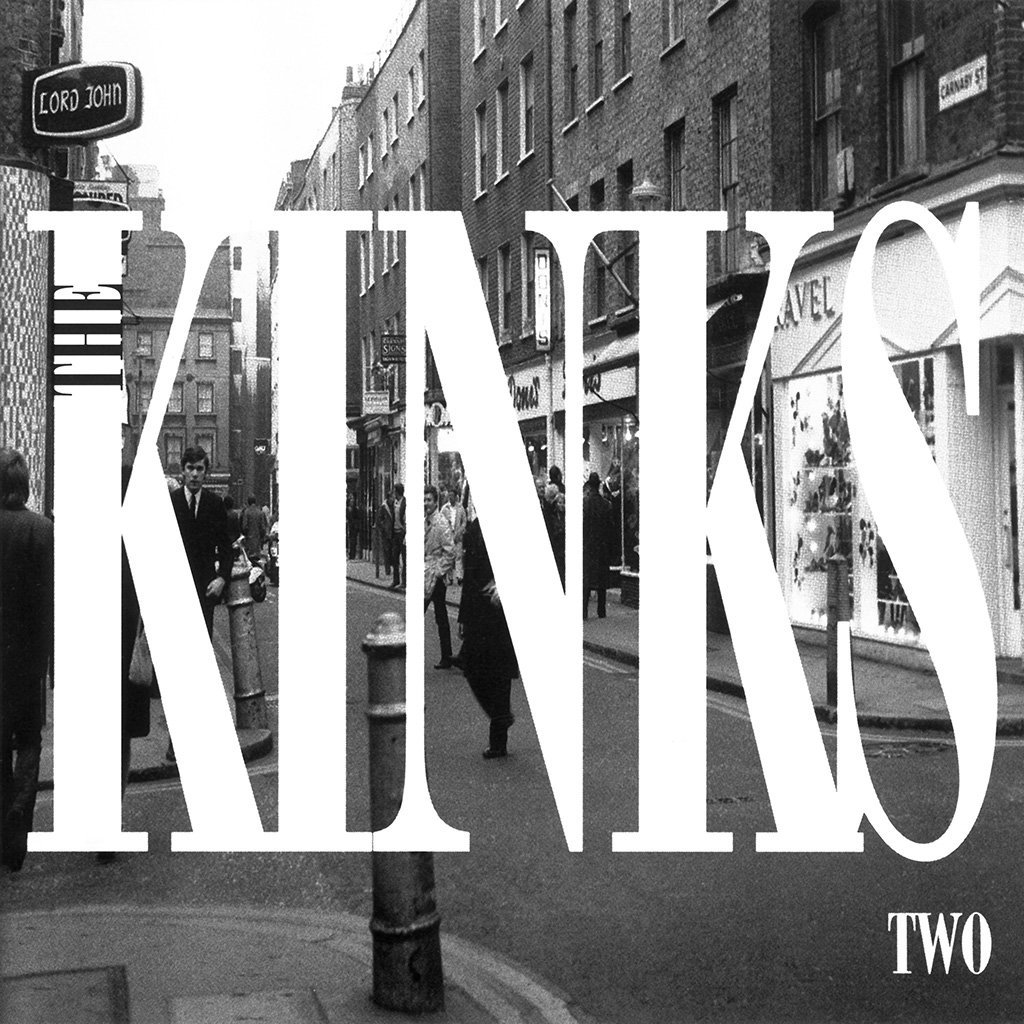
The Kinks’ ‘Lola’ tackled gender fluidity head-on. Its lyrics described a surprising encounter with a woman who turned out to be transgender, blending personal story with bold themes. A reference to “Coca-Cola” added another layer of provocation by name-dropping a brand.[1]
The BBC banned it outright for commercial endorsements. Ray Davies rushed to re-record the line as “cherry cola” to lift the ban. Far from hurting sales, the fuss amplified its success and notoriety.[1]
20. ‘My Generation’ by The Who (1965)
‘My Generation’ captured youthful defiance with its stuttering delivery and line “I hope I die before I get old.” Critics saw the stutter as mocking speech impediments. That raw, aggressive energy felt like punk arriving early.[1]
The BBC hesitated to play it at first. The ban proved short-lived. Soon it became the Who’s signature anthem, defining a generation’s restless spirit.[1]
19. ‘A Day in the Life’ by The Beatles (1967)
The Beatles’ epic closer from Sgt. Pepper’s hinted at drug use with “I’d love to turn you on.” That orchestral swell and surreal lyrics tied into the counterculture boom. It blurred art and provocation seamlessly.[1]
The BBC banned it promptly. Public backlash linked pop to marijuana culture. The controversy only deepened the song’s mystique in rock lore.[1]
Stations pulled it amid fears of promoting highs. Yet fans embraced the ambiguity.
18. ‘The Jean Genie’ by David Bowie (1972)
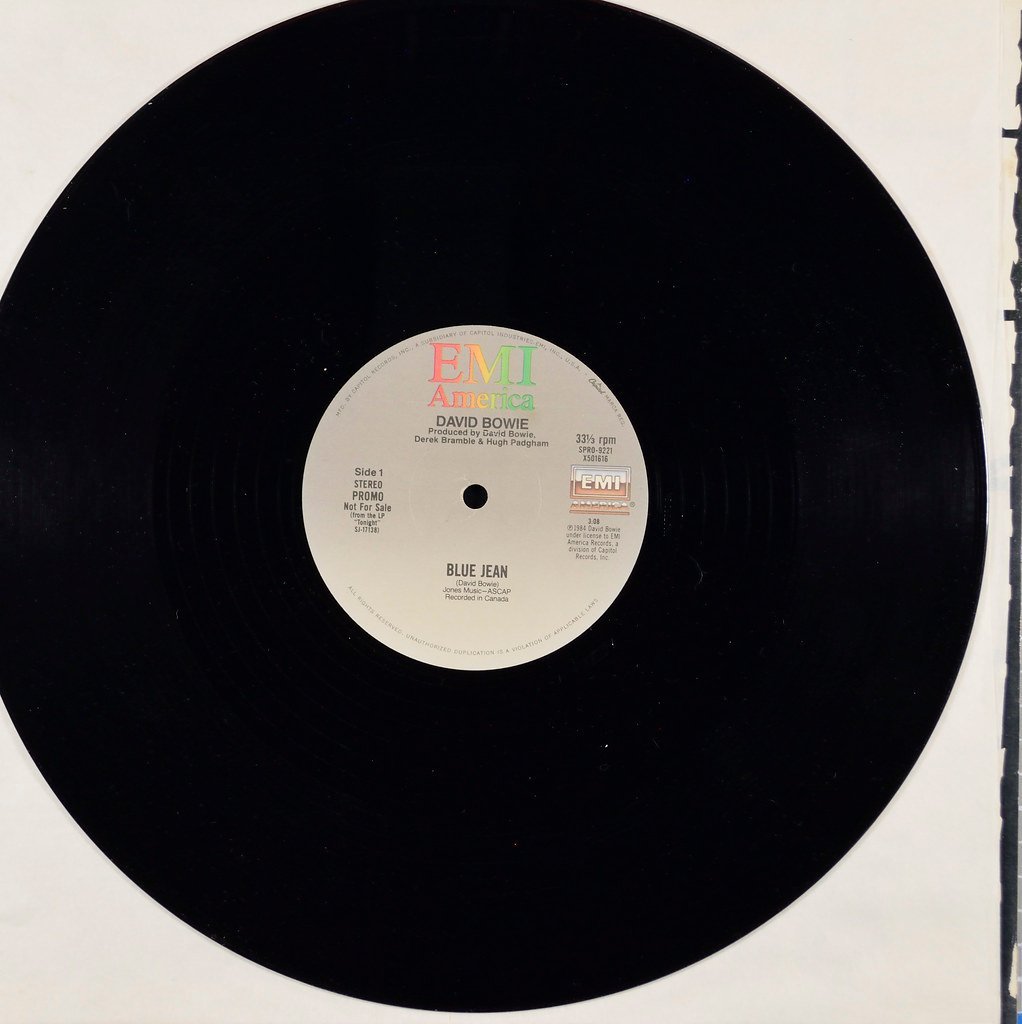
David Bowie’s gritty rocker pulsed with sexual undertones and a raw narrative. It embodied his glam rock edge, challenging norms with every riff. Broadcasters worried over its suggestive vibe.[1]
Conservative outlets limited airplay. That restriction built intrigue instead. The song exploded into a massive hit, proving Bowie’s provocative genius.[1]
17. ‘Let’s Spend the Night Together’ by The Rolling Stones (1967)
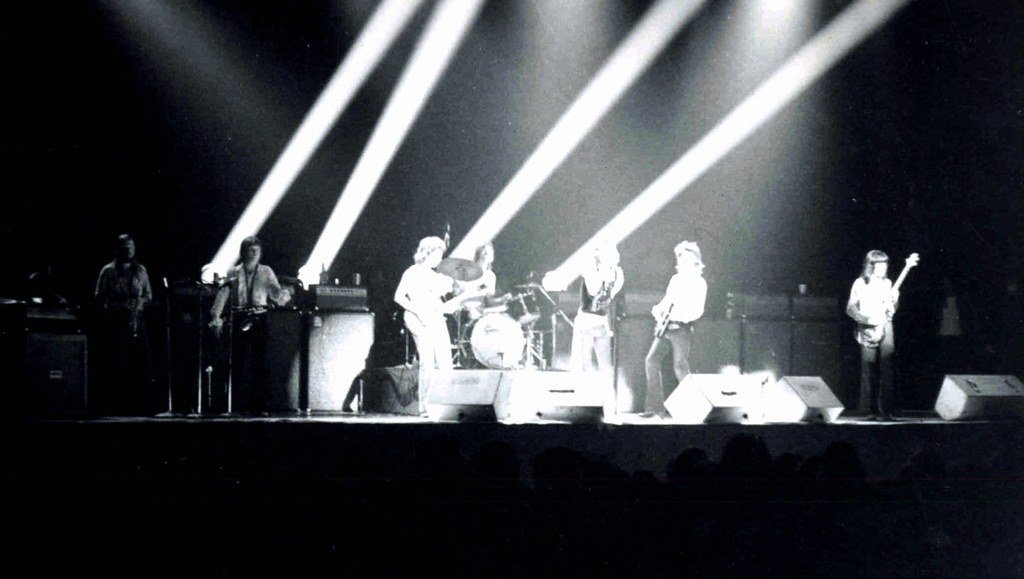
The Stones issued a blatant sexual invite in this track. Amid the sexual revolution, it hit like a dare. Radio stations across the US balked at the directness.[1]
On the Ed Sullivan Show, they changed it to “let’s spend some time together.” Many bans followed suit. The pushback only fueled its rebellious fire and chart climb.[1]
16. ‘Light My Fire’ by The Doors (1967)
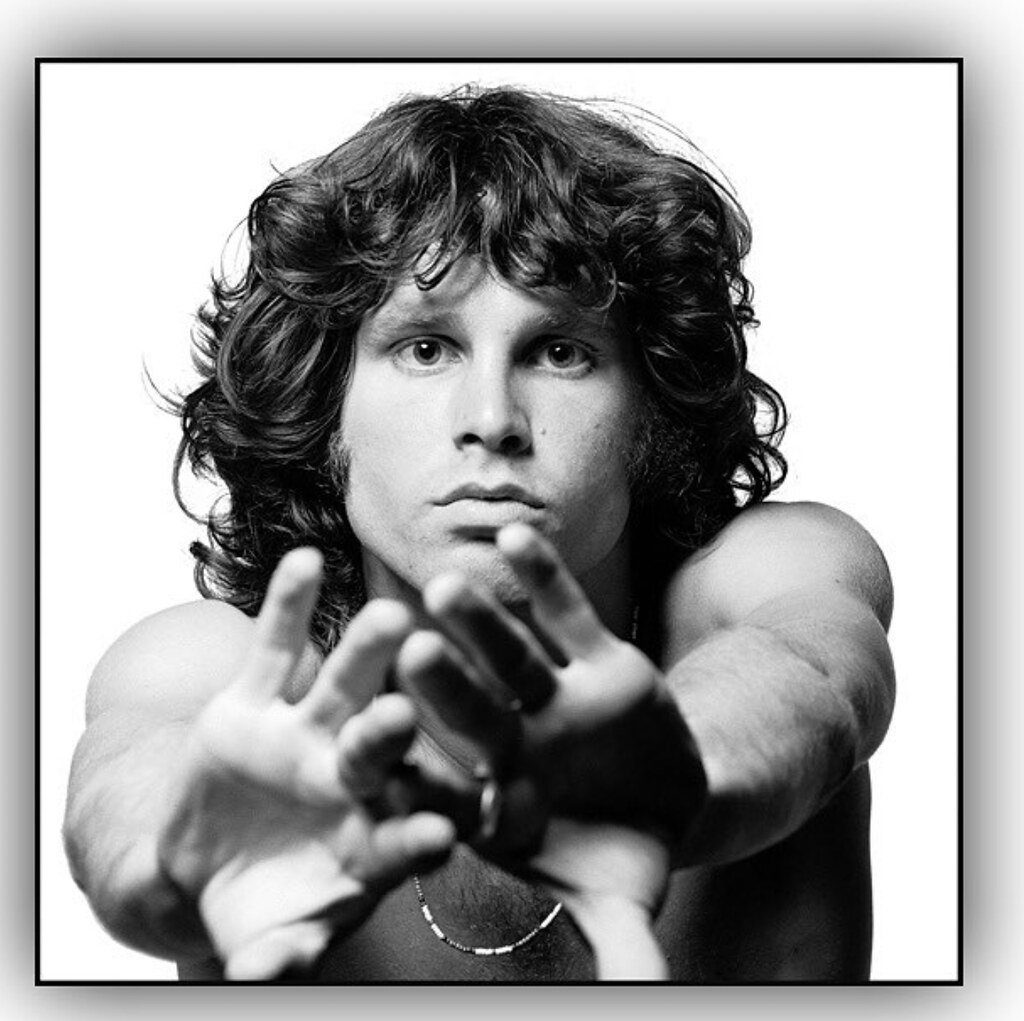
“Girl, we couldn’t get much higher” screamed drug references to censors. Jim Morrison’s psychedelic delivery amplified the hedonism. It captured the era’s wild spirit perfectly.[1]
Morrison refused to alter lyrics on Ed Sullivan, earning a lifetime ban from the show. Stations targeted it heavily. That defiance turned it into a counterculture staple.[1]
15. ‘Love to Love You Baby’ by Donna Summer (1975)
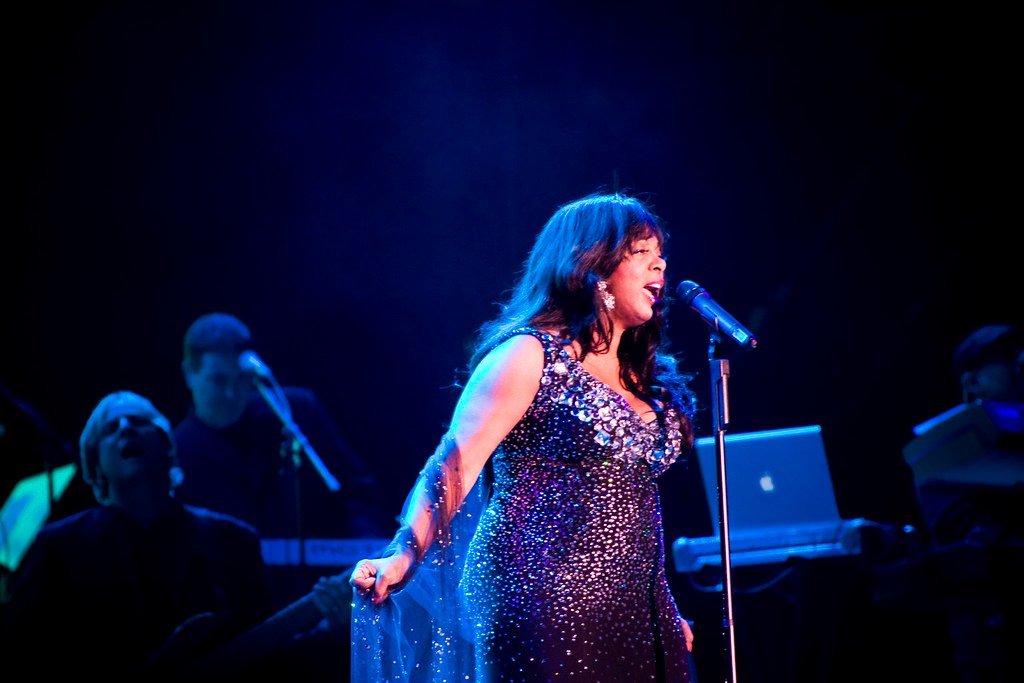
Donna Summer’s breathy moans stretched over a sultry groove. It dripped with eroticism, shocking disco’s edges. Conservative markets demanded edits.[1]
Some stations refused it entirely. Censored versions spread in Bible Belt areas. Still, it defined disco’s bold sensuality and topped charts.[1]
14. ‘Highway to Hell’ by AC/DC (1979)
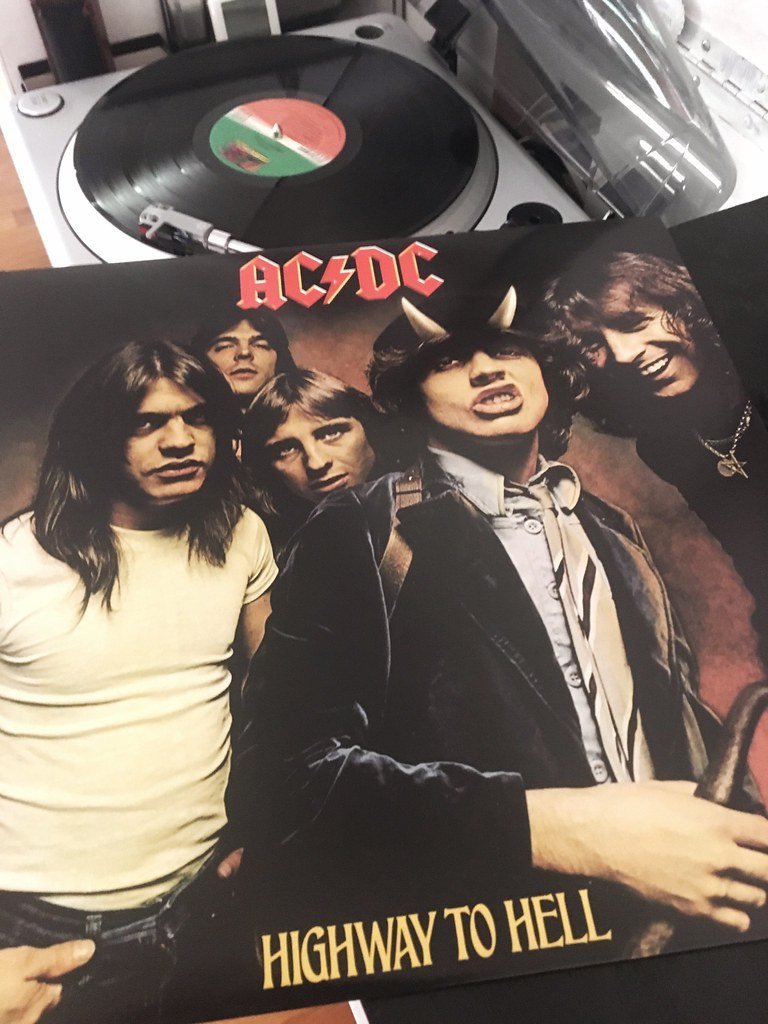
AC/DC’s title evoked Satanism to moral watchdogs. The hard-rocking road anthem celebrated excess. Bible Belt groups launched boycotts.[1]
Bans hit conservative strongholds. The backlash burnished their hell-raiser image. It endures as a hard rock cornerstone today.[1]
13. ‘Star Star’ by The Rolling Stones (1973)
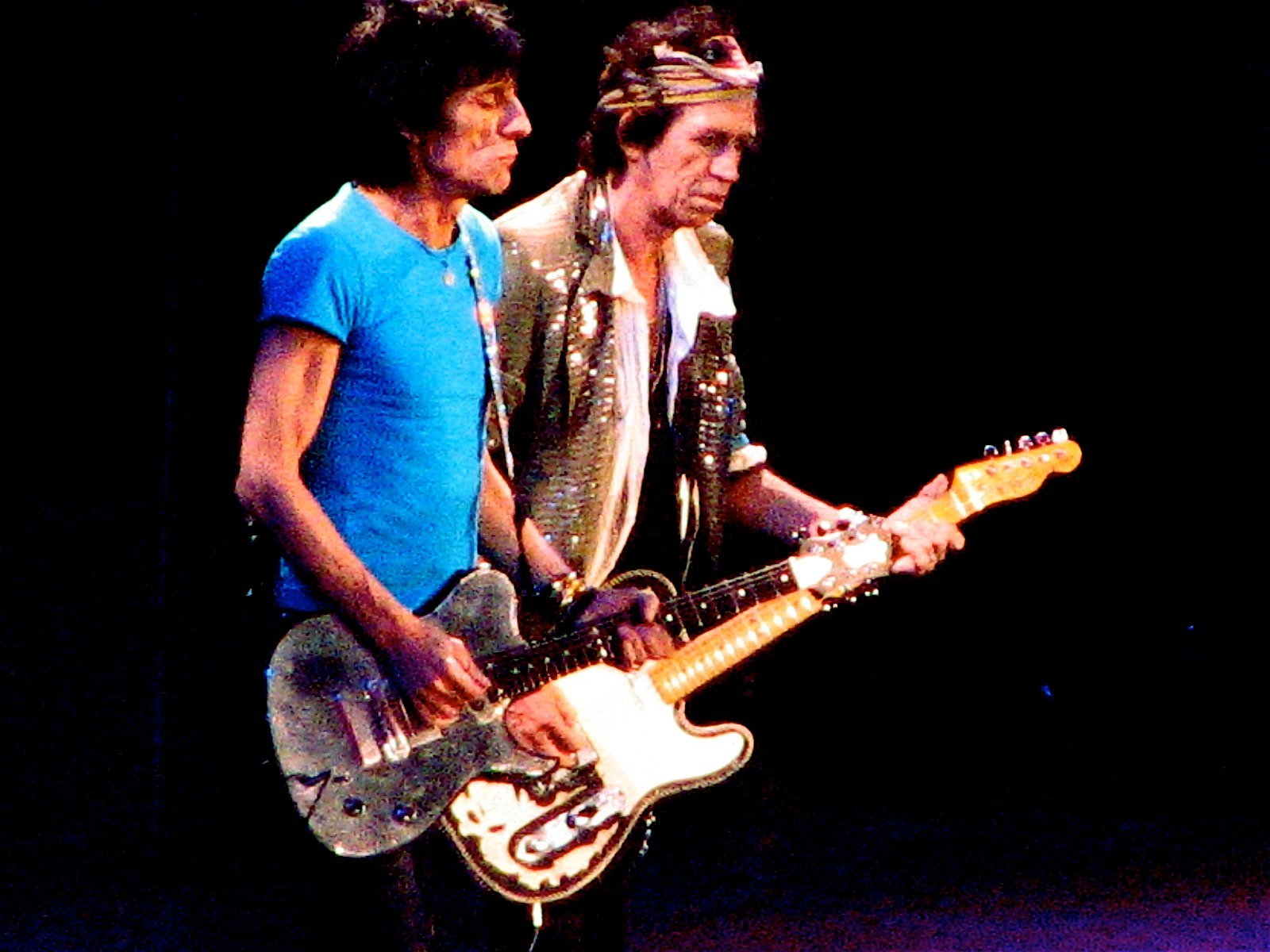
Originally ‘Starfucker,’ this track flaunted groupie tales explicitly. The Stones reveled in rock’s seedy side. Radio playlists dropped it fast.[1]
It spread via bootlegs underground. The notoriety fit their decadent persona perfectly. Controversy kept the fire alive.[1]
12. ‘Walk on the Wild Side’ by Lou Reed (1972)
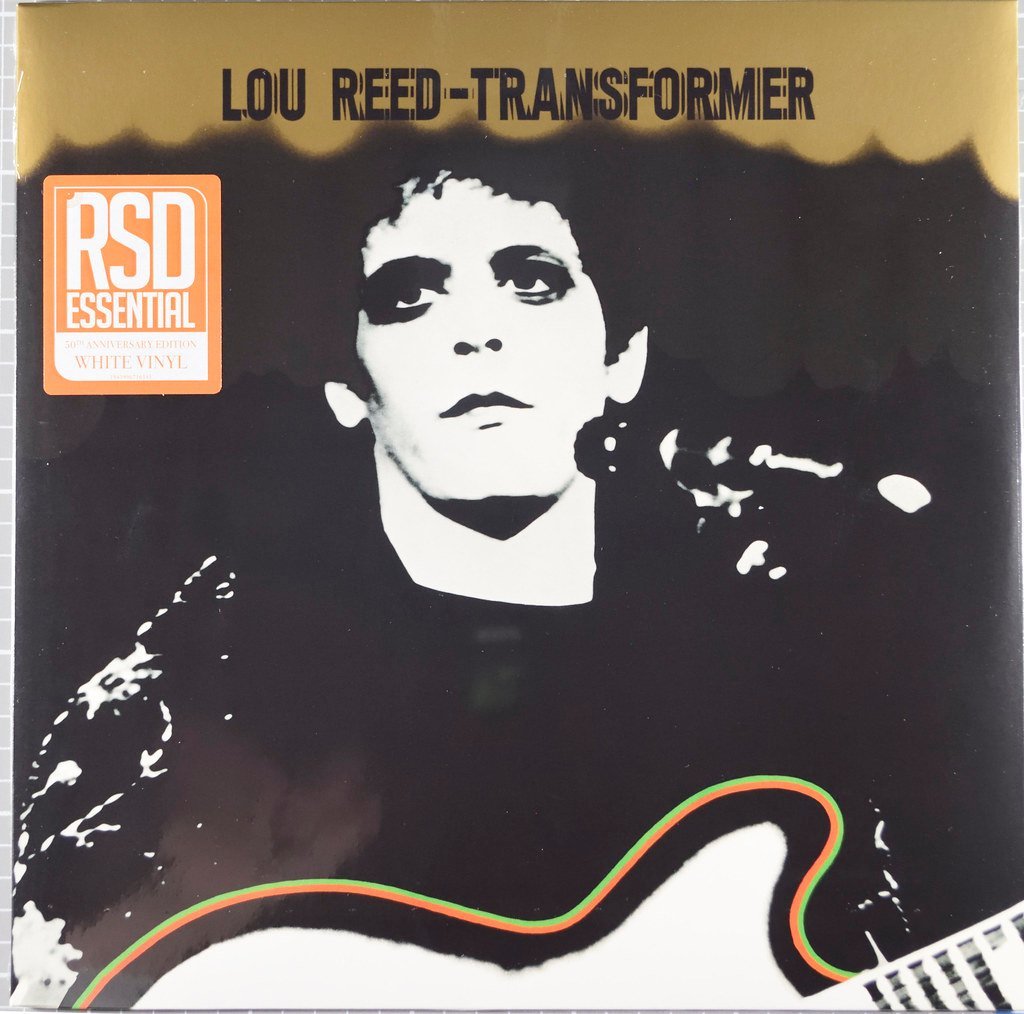
Lou Reed chronicled trans identities, sex work, and hustlers. Lines nodded to oral sex amid Warhol’s Factory scene. Stations caught on late.[1]
Bans followed as lyrics sank in. Popularity surged anyway. Now it’s hailed for queer trailblazing.[1]
11. ‘Heroin’ by The Velvet Underground (1967)
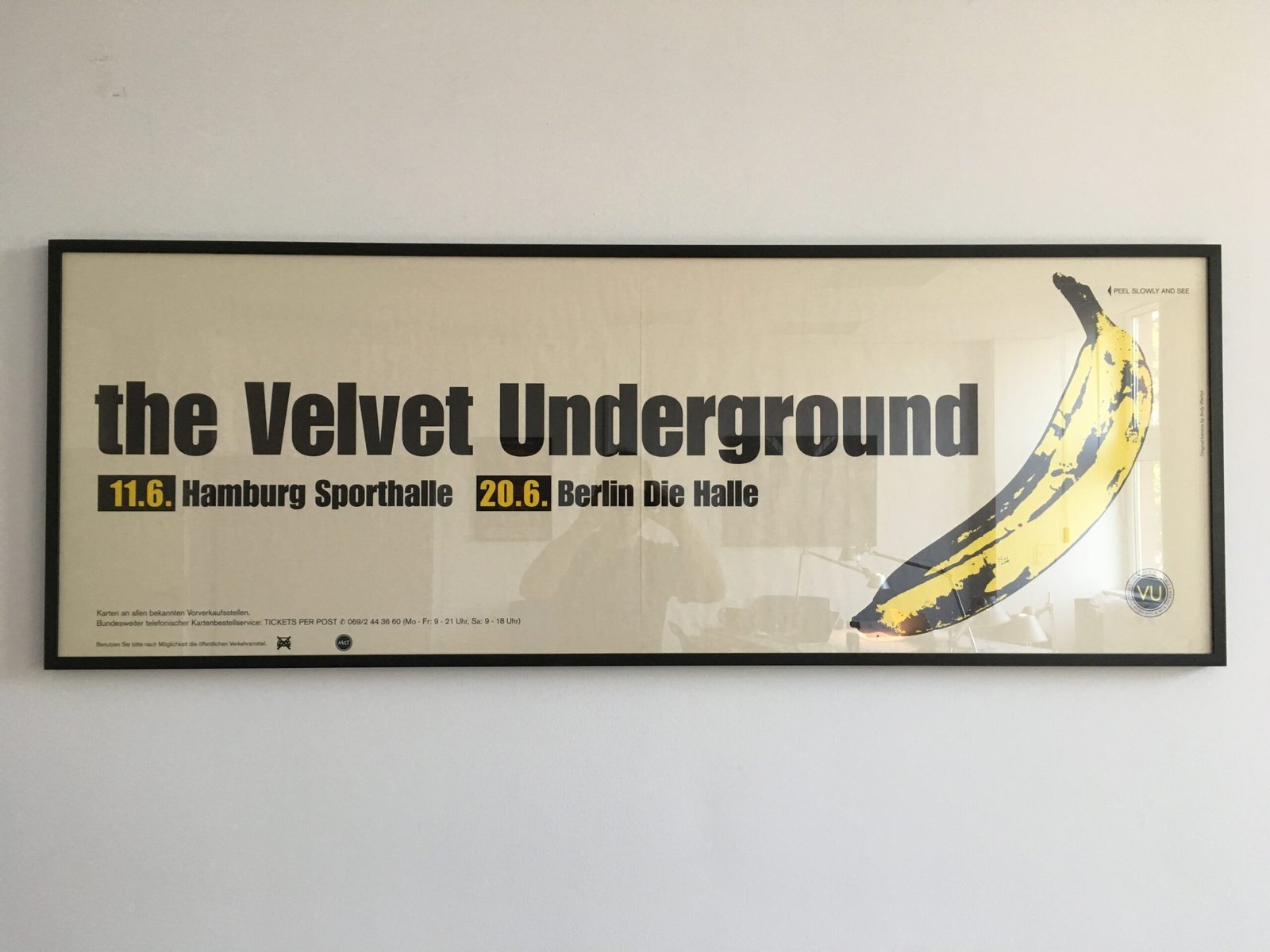
The VU mimicked a heroin rush in stark lyrics. Addiction’s grip felt visceral and unfiltered. Most stations shunned it.[1]
Bans cemented their outsider status. Time revealed it as a raw masterpiece. Underground appeal grew steadily.[1]
10. ‘Human Fly’ by The Cramps (1978)
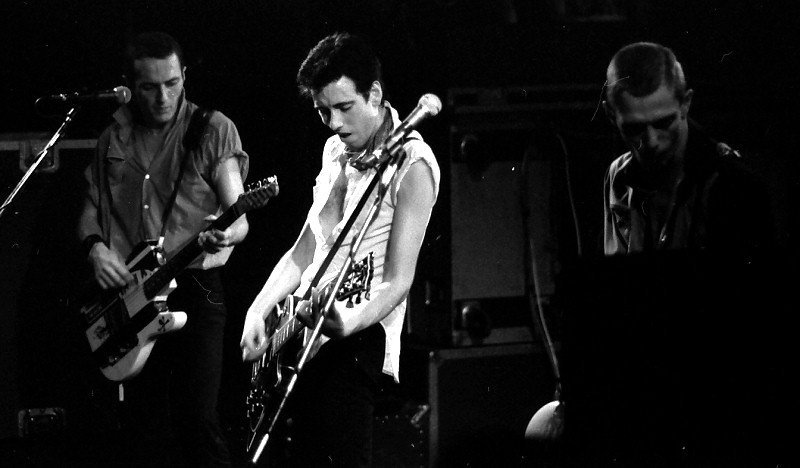
The Cramps mixed horror, sex, and punk violence. Their campy intensity unnerved mainstream ears. Radio deemed it too extreme.[1]
Bans fueled cult status. Underground fans devoured the transgression. It defined late-70s punk edge.[1]
9. ‘Louie Louie’ by The Kingsmen (1963)
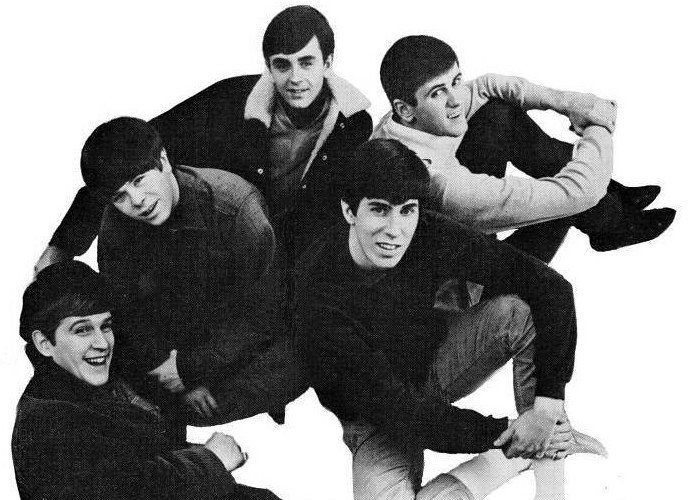
Slurred vocals sparked obscene lyric rumors. The garage rock staple hid nothing scandalous. Yet panic ensued.[1]
The FBI probed for 31 months, finding zilch. Bans and investigations gave it endless buzz. Controversy made it immortal.[1]
8. ‘Bobby Brown Goes Down’ by Frank Zappa (1979)
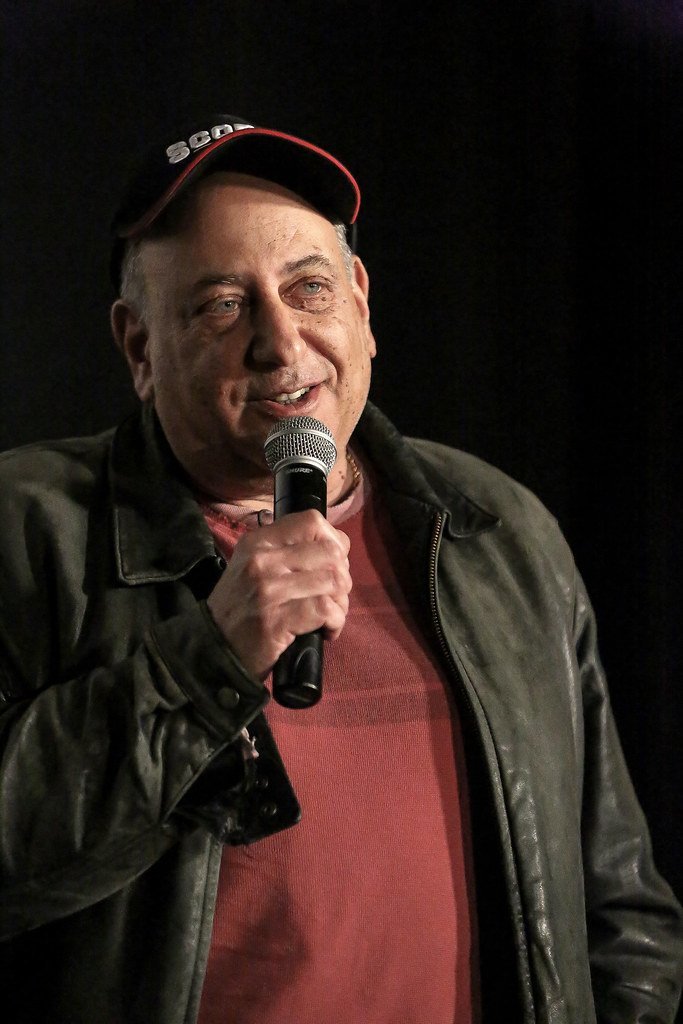
Zappa satirized macho repression and sexual folly. Taboo subjects clashed with US prudery. Stations banned it widely.[1]
It hit big in Europe instead. The divide spotlighted cultural censorship gaps. Zappa’s bite endured.[1]
7. ‘The End’ by The Doors (1967)
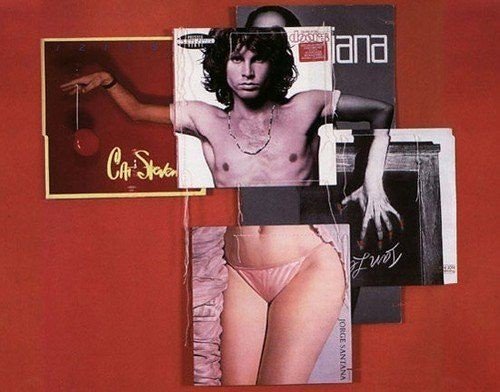
Morrison’s Oedipal rant evoked sexual violence. The epic sprawl chilled listeners. Stations yanked it quick.[1]
FM underground embraced it. Apocalypse Now sealed its legend. Provocation met art head-on.[1]
6. ‘Like a Virgin’ by Madonna (1984)
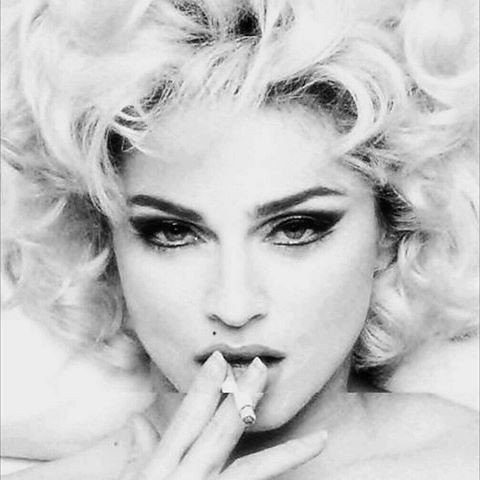
Madonna toyed with virginity and desire. Her persona amplified the tease. Conservative stations recoiled.[1]
Bans sparked massive curiosity. It rocketed to global fame. Pop’s boundaries shifted.[1]
5. ‘Another Brick in the Wall (Part II)’ by Pink Floyd (1979)
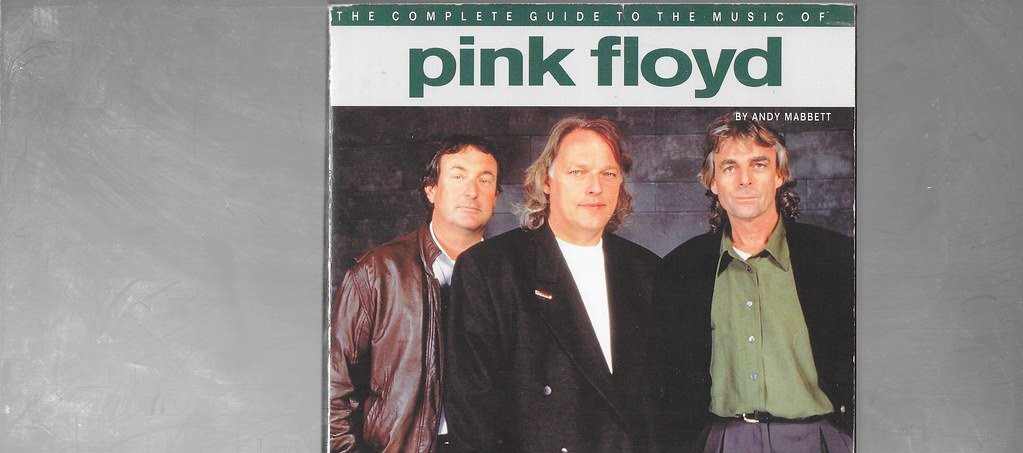
“We don’t need no education” bashed rigid schools. South African students weaponized it against apartheid. Authorities saw subversion.[1]
The government banned it outright. That move amplified its protest power. Rebellion echoed worldwide.[1]
4. ‘Relax’ by Frankie Goes to Hollywood (1983)
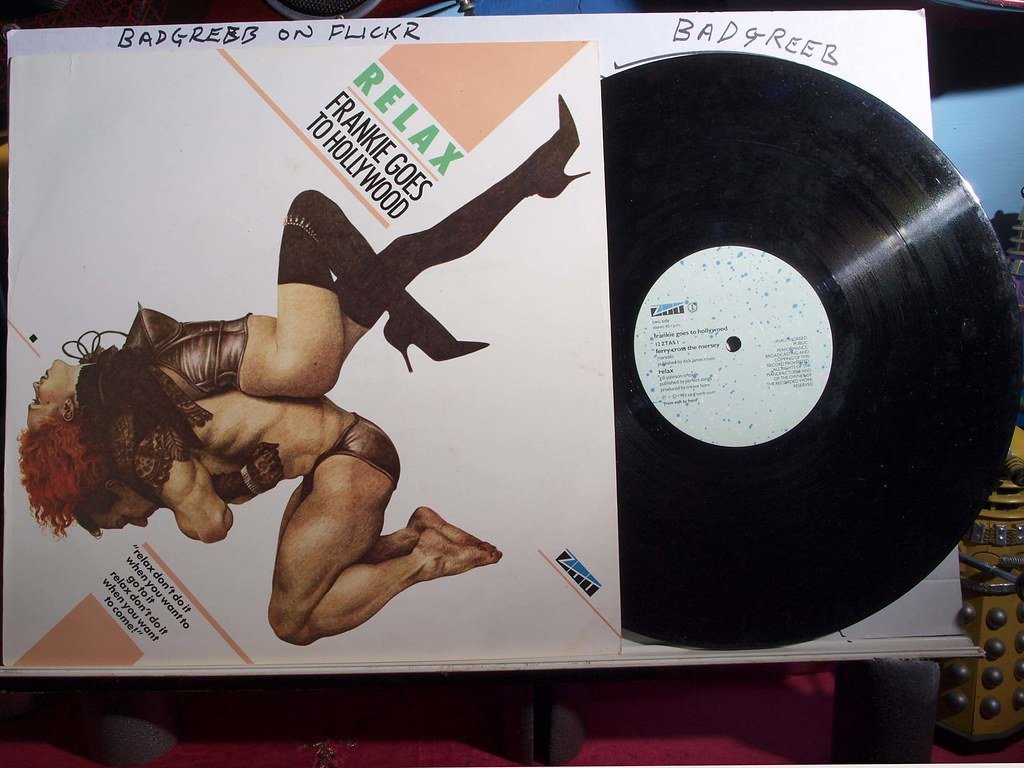
Lyrics chased orgasm with thick innuendo. A BBC DJ called it out. Radio and TV bans followed.[1]
Scandal drove it to number one for weeks. The band became 80s icons. Outrage sold millions.[1]
3. ‘God Save the Queen’ by Sex Pistols (1977)
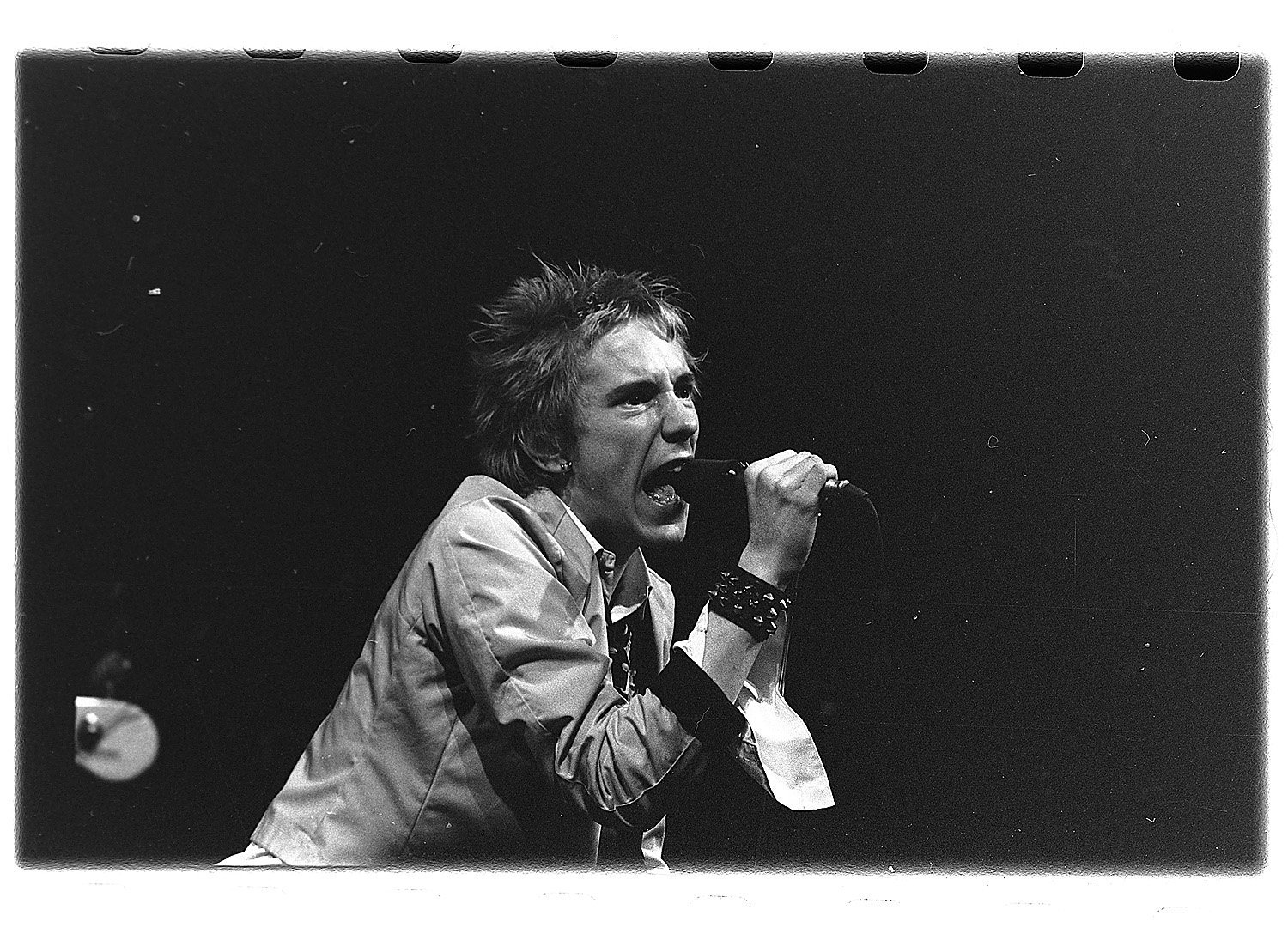
Punk’s monarchy takedown hit during the Queen’s Jubilee. It branded Britain a “fascist regime.” BBC and shops refused it.[1]
Charts denied its top spot amid chaos. Punk’s anarchic heart beat loud. The ban ignited a revolution.[1]
2. ‘F**k tha Police’ by N.W.A (1988)
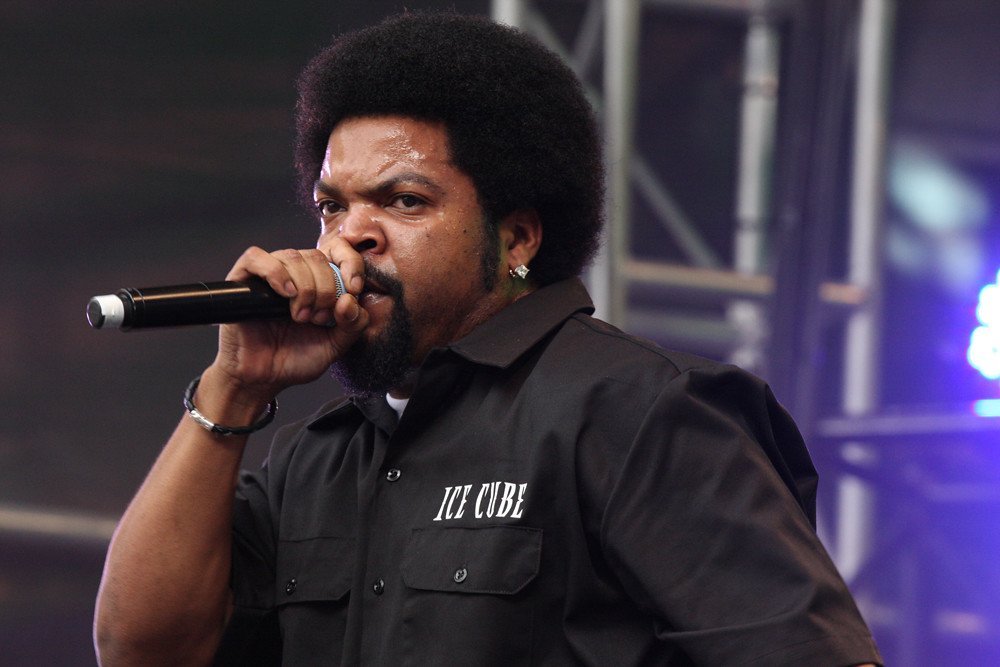
A mock trial indicted police brutality and racism. The raw fury shook systems. US airwaves blacklisted it.[1]
FBI sent a warning letter. Underground spread made it a hip-hop cry. Echoes persist in protests today.[1]
1. ‘Killing in the Name’ by Rage Against the Machine (1992)
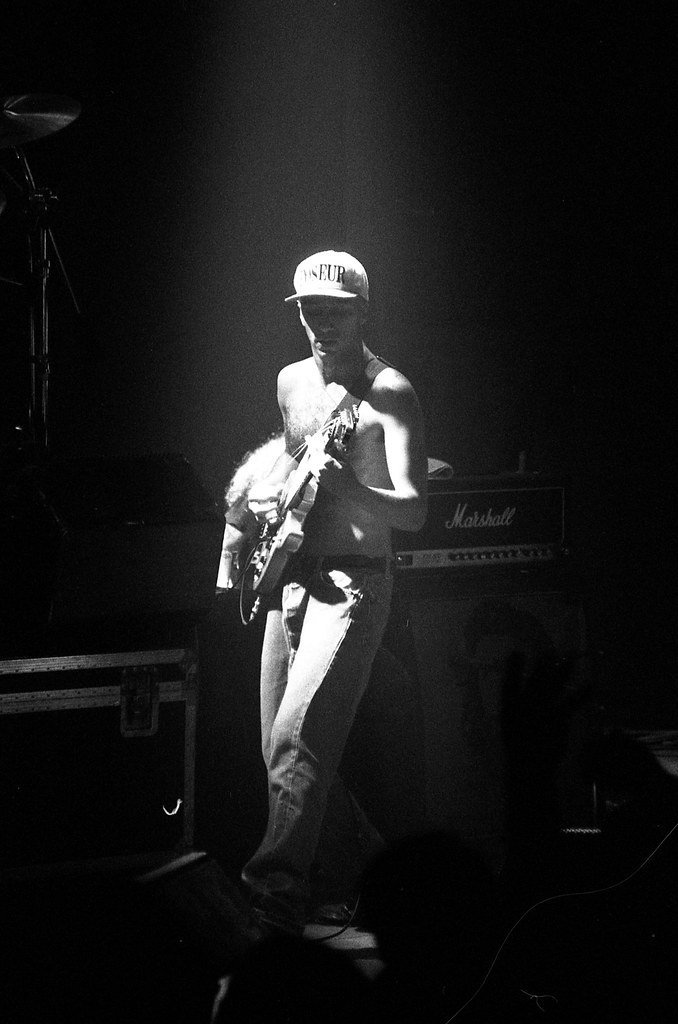
“F**k you, I won’t do what you tell me” raged against cops and oppression. Institutional racism fueled the fire. Radio banned the profanity.[1]
It spread via mixtapes and rallies. From anti-globalization to Black Lives Matter, it endures. Rock’s ultimate protest roar.[1]
Rebellion as Rock’s Core
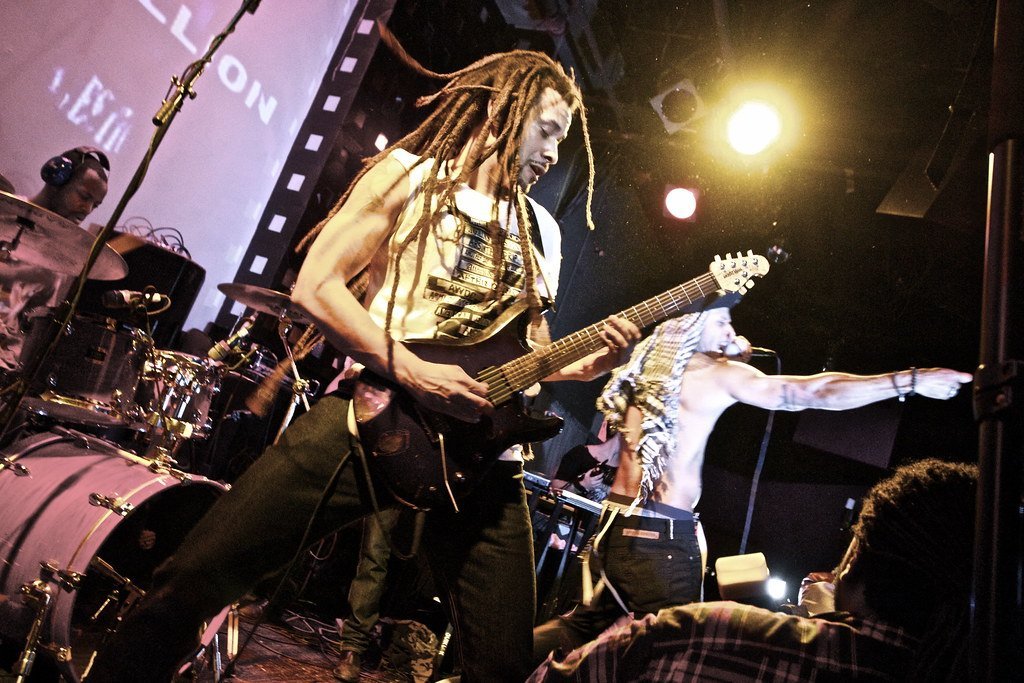
These songs show controversy as rock’s lifeblood. Bans rarely silenced; they amplified voices against the grain. Defiance turned outliers into legends.[1]
Rock thrives on that edge. Pushing limits keeps it vital, a mirror to society’s tensions. Rebellion isn’t just part of the culture – it’s the pulse.

Besides founding Festivaltopia, Luca is the co founder of trib, an art and fashion collectiv you find on several regional events and online. Also he is part of the management board at HORiZONTE, a group travel provider in Germany.
