
- J. Cole’s ‘The Fall-Off’ Fuels Perseverance in Hip-Hop’s Next Generation - February 26, 2026
- J. Cole Ends Decade-Long Chase for Billboard Vinyl Albums No. 1 - February 26, 2026
- 5 Ambitious 21st-Century Ideas That Crashed and Burned - February 26, 2026
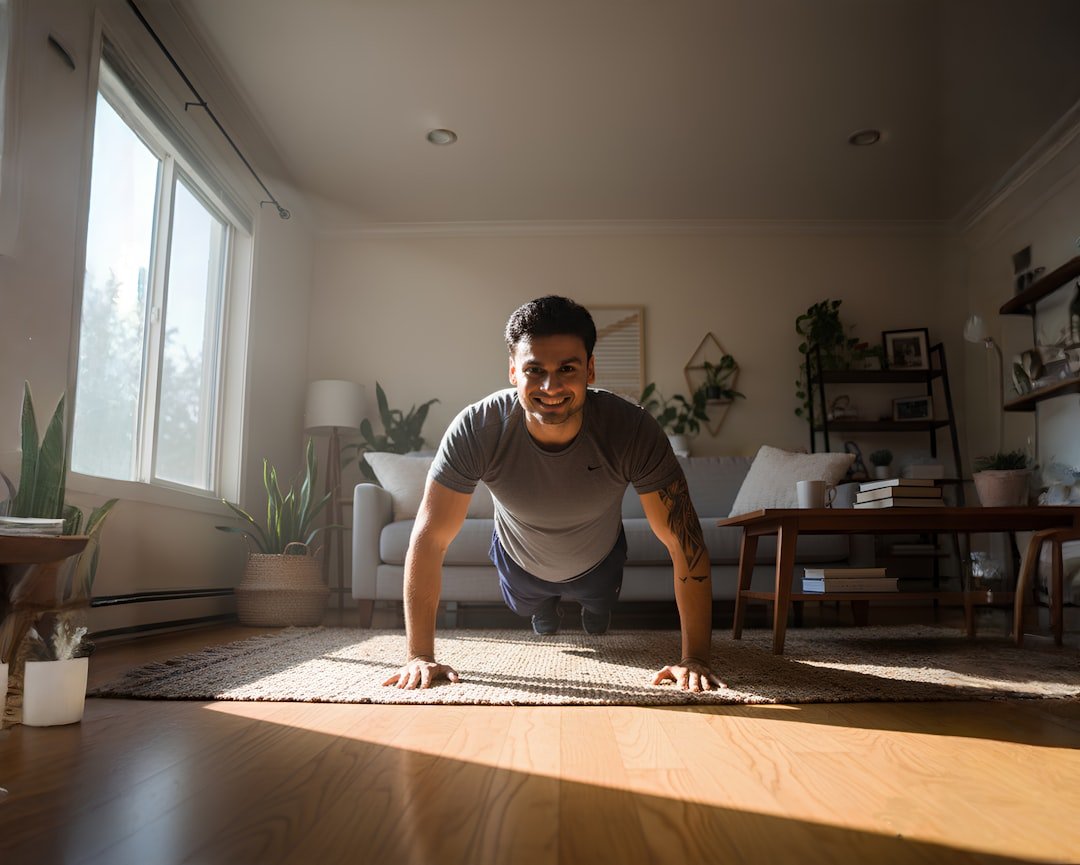
Health Gains That Go Beyond Appearance (Image Credits: Unsplash)
Daily demands frequently sideline workouts, but structured steps make returning to exercise straightforward and sustainable.
Health Gains That Go Beyond Appearance
Sedentary lifestyles contribute to over 250,000 deaths annually in the U.S., according to research in the American Heart Association’s journal Circulation. Even 11 minutes of moderate-to-vigorous activity each day can extend lifespan, as shown in a British Journal of Sports Medicine study. Strength training preserves muscle mass, boosts metabolism – each pound burns 7 to 10 calories daily compared to fat’s 2 to 3 – and supports joint health while enhancing immunity.
Exercise also strengthens the heart by improving cholesterol levels and blood pressure through nitric oxide production. Mental benefits stand out too. A 2026 review of 73 randomized controlled trials concluded that physical activity eases depression about as effectively as psychological therapy, with minimal side effects. Participants often report better sleep, sharper focus, and heightened confidence shortly after resuming.
A Progressive 4-Week Plan for Beginners
Week 1 focuses on habit formation: Commit to a 10-minute daily walk followed by five minutes of gentle stretching. Consistency trumps intensity here, fostering reduced stiffness and a sense of accomplishment. By prioritizing attendance over perfection, individuals build momentum without overwhelm.
Progress builds in Week 2 with 15-minute walks and one 20-minute bodyweight strength session featuring squats, modified push-ups, and planks. Week 3 introduces 20-minute walks five days a week plus two 25-minute strength workouts, incorporating variety like guided videos. Week 4 ramps up to 30-minute cardio sessions and three strength routines, emphasizing progress tracking. This gradual approach minimizes injury risk and maximizes adherence.
Timelines for Real Progress
Results emerge at different paces based on prior inactivity, age, and consistency. Most notice improved energy and mood within two weeks. Physical changes, such as looser clothing, appear after four to six weeks, with noticeable transformations by eight to 12 weeks.
| Time Away from Exercise | Time to Recover | Key Insight |
|---|---|---|
| 2-4 weeks | 1-2 weeks | Quick rebound with minimal loss |
| 2-6 months | 4-8 weeks | Body retains memory of prior fitness |
| 6+ months | 8-12 weeks | Fresh start yields steady gains |
| Years or never started | 3-6 months | Patience unlocks every improvement |
Core Habits to Ensure Consistency
Success hinges on practical tactics. First, identify barriers like excessive screen time or boredom. Schedule sessions as non-negotiable appointments and reward streaks, such as treating yourself after 10 workouts. Choose enjoyable activities – hiking, dancing, or cycling – to sustain interest.
- Begin slowly to avoid burnout; a 10-minute walk outperforms skipped intense sessions.
- Incorporate strength training twice weekly with basics like squats and planks for metabolic and bone benefits.
- Boost daily movement through stairs, walking calls, or post-meal strolls to elevate calorie burn.
- Pair exercise with nutrition tweaks, like adding protein to meals and increasing water intake.
- Anchor efforts to personal motivations, such as playing energetically with family or feeling capable on hikes.
Adjustments for Age and Life Stage
Those over 40 face muscle loss at 1-2% yearly, so strength work twice or thrice weekly, ample protein, and recovery days prove essential. People beyond 50 benefit from balance exercises like single-leg stands to prevent falls, alongside conservative progression. Women in perimenopause or menopause gain from heavy lifting to counter estrogen-related changes in muscle and bone density.
Studies confirm muscle building remains viable even in one’s 80s. Professional guidance, such as apps with remote coaching, helps tailor plans and ensure proper form across ages.
Key Takeaways
- Systems outperform motivation – schedule and start small for momentum.
- Expect mood lifts in weeks, visible changes in months; track personal wins.
- Combine cardio, strength, and daily movement with simple diet shifts for optimal results.
Resuming exercise transforms health through deliberate, incremental actions rather than fleeting enthusiasm. Readers, what strategy helped you get back on track? Share in the comments.

Besides founding Festivaltopia, Fritz is the managing director of Europe’s largest manufacturer of mobile stages Kultour and has a lot of experience in the event industry, loves music and likes to go to festivals.
