

For any feedback please reach out to info@festivalinside.com
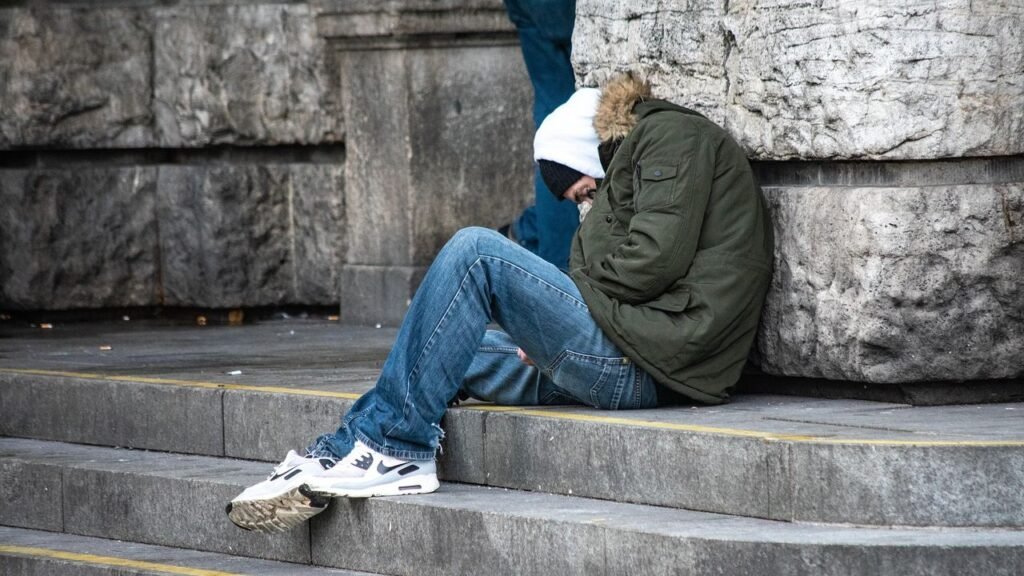
Subzero temperatures have turned Philadelphia’s streets into a frozen nightmare, pushing the city’s homeless population to the brink as shelters overflow and outreach efforts strain under the weight of unrelenting cold. In Kensington, long synonymous with despair, sprawling encampments now battle wind chills nearing -20°F, amplifying a crisis that’s claimed lives and exposed deep systemic cracks. City data reveals nightly shelter intakes topping 5,000 – a sharp 25% jump from last winter – fueled by evictions and economic pressures.
This perfect storm of weather and want arrives just weeks after the 2025 Point-in-Time count tallied 5,516 people experiencing homelessness, including 1,178 unsheltered, the highest in years. With Code Blue alerts extended amid recent snowstorms and deep freezes, officials scramble to avert disaster. What unfolds next could redefine the city’s response to its most vulnerable residents.
Brutal Winter Lays Bare Homeless Vulnerabilities
Philadelphia’s homeless crisis has intensified dramatically in early 2026, with emergency shelters bursting at over 120% capacity and nightly intakes exceeding 5,000 individuals. Economic fallout from inflation and the end of federal rental aid has driven a surge in evictions, swelling street populations amid the arctic grip. Outreach teams report more than 300 hypothermia incidents in the past month, a grim tally highlighting the cold’s lethal edge.
Local health departments issue dire warnings as wind chills plummet to -20°F, calling on residents to spot those in distress. Kensington bears the heaviest burden, its neighborhoods already frayed by years of neglect. This spike underscores how weather exposes longstanding failures in housing and support systems.
Temple University Hospital has seen frostbite cases skyrocket, treating 150 patients in just 48 hours during one cold snap. First responders now run hourly checks in hotspots like Kensington Avenue. Families, including children and the elderly, huddle under bridges, sharing scarce body heat against the freeze.
Kensington’s Rapid Descent into Chaos
Once targeted for revitalization, Kensington now epitomizes Philadelphia’s social unraveling, with encampments of tents, carts, and fires housing around 2,000 unsheltered people – double the 2024 figure. Abandoned factories and rowhouses double as hazardous shelters, rife with fire risks from propane and open flames. Property values crater as homelessness spirals, scaring off investors and locking in decay.
The governor’s office has funneled state funds for warming centers, but locals call it inadequate. Block after block tells a story of abandonment, where daily survival trumps hope. Community leaders point to a self-perpetuating loop of poverty and neglect.
Overdoses claim 15 lives weekly here, per coroner’s preliminary data, mostly from fentanyl-tainted drugs. Makeshift fires offer fleeting warmth but invite tragedy. This neighborhood’s collapse threatens to spread, demanding urgent statewide action.
Freezing Streets Become Deadly Battlegrounds
Arctic blasts have iced over sidewalks and alleys, turning them into survival zones where frostbite overwhelms ERs. Outreach distributes mylar blankets and hot meals by the thousands, yet supplies lag behind skyrocketing need. At least 12 homeless individuals have died from exposure since January 1, matching pandemic-era peaks in hard-hit areas.
Vulnerable groups like kids and seniors face outsized risks, with families clustering for warmth under overpasses. Recent winter storms dumped over 9 inches of snow before sleet and freezing rain hit, complicating mobility. Code Blue expansions add beds, but gaps persist.
Volunteers and mobile units push through the chaos, but the strain shows. Hourly welfare checks by first responders mark high-risk zones. Without more resources, the death toll climbs relentlessly.
Overdose Crisis Fuels Despair in the Cold
Kensington’s overdose epidemic worsens in winter, as freezing users turn to opioids for numbness, spiking respiratory failures. Naloxone reversals top 1,200 this season, with xylazine contamination causing tissue damage and amputations. Roughly 70% of encampment residents report daily fentanyl use, per surveys.
Mobile treatment vans offer methadone on-site, but street chaos keeps retention under 20%. Fentanyl dominates 96% of Philly’s opioid deaths, often mixed with stimulants. Public health ties homelessness directly to addiction cycles.
Despite citywide declines – 2025 on track for under 1,000 fatalities – Kensington bucks the trend. Contaminated supplies amplify winter perils. Expanded naloxone efforts save lives, yet the intertwined crises persist.
Systemic Shortfalls Overwhelm Shelters and Services
The shelter network, built for 4,000 beds, now hits 120% occupancy, spilling into gyms and churches. Outreach vans cut by 30% due to budgets leave areas underserved. A $150 million affordable housing gap looms, blamed on state cuts.
Federal aid delays despite FEMA’s major incident tag, while tiny home projects stall in red tape. Mayor Cherelle Parker’s One Philly Plan eyes 1,000 new beds and executive orders to end street homelessness. Tensions rise between officials and advocates over “optics over action.”
Kensington wellness courts and regulated mobile services aim to help, but critics demand more. Protests at City Hall push decriminalizing camping. Bureaucracy hampers progress amid the freeze.
Policy Pushback and Street Voices Amid the Freeze
Operation Warmth deploys 50 buses as mobile shelters, with Amtrak aiding station access. State lawmakers seek $500 million emergency funds, eyeing Kensington as a liability. The Philadelphia Coalition for the Homeless dubs measures “band-aids,” per spokesperson Lena Patel.
Maria Gonzalez, 45, evicted North Philly mom: “The cold bites deeper than hunger; we’ve lost toes.” Outreach vet Jamal Reed: “These are neighbors frozen, waiting.” Robert Hayes, 62: “One spark, and it’s over.”
Mutual aid delivers donated bags; philanthropists pledge $20 million. Federal HUD vouchers target 10,000 units by summer. Protests demand real change as midterms near.
Final Thought
Housing-first successes elsewhere, like Houston’s 40% chronic homelessness drop, point to rapid rehousing and services as paths forward. Zoning tweaks could repurpose Kensington vacancies into supportive homes. Philadelphia must pivot from survival to renewal before spring unmasks the full devastation. What solutions would you prioritize for Kensington?
Source: Original YouTube Video

Christian Wiedeck, all the way from Germany, loves music festivals, especially in the USA. His articles bring the excitement of these events to readers worldwide.
For any feedback please reach out to info@festivalinside.com
