

People are losing their hard earned savings, often in ways they never imagined possible. It’s happening quietly, sometimes at the kitchen table or while checking email before bed. New York officials are issuing warnings about a rising wave of fraud schemes that are increasingly clever and alarmingly effective.
The methods these scammers use have evolved far beyond the clumsy emails of the past. They now involve sophisticated impersonations of businesses you trust, the bank you’ve used for decades, even government agencies. They’re counting on your willingness to respond when something feels urgent.
The Setup Feels Disturbingly Real

The fraud often begins with impersonation tactics, including messages claiming to be from police, government agencies, or other officials. You might get a text saying there’s a problem with a delivery or an email warning that your account has been compromised. Sometimes it’s a phone call from someone who sounds professional and knows just enough about you to seem legitimate.
The scary part isn’t just that the messages arrive out of nowhere. It’s how convincing they are. Scammers are using AI to create convincing messages and impersonate officials. Artificial intelligence is helping scammers sound more believable than ever.
The Pressure Tactic That Makes People Panic
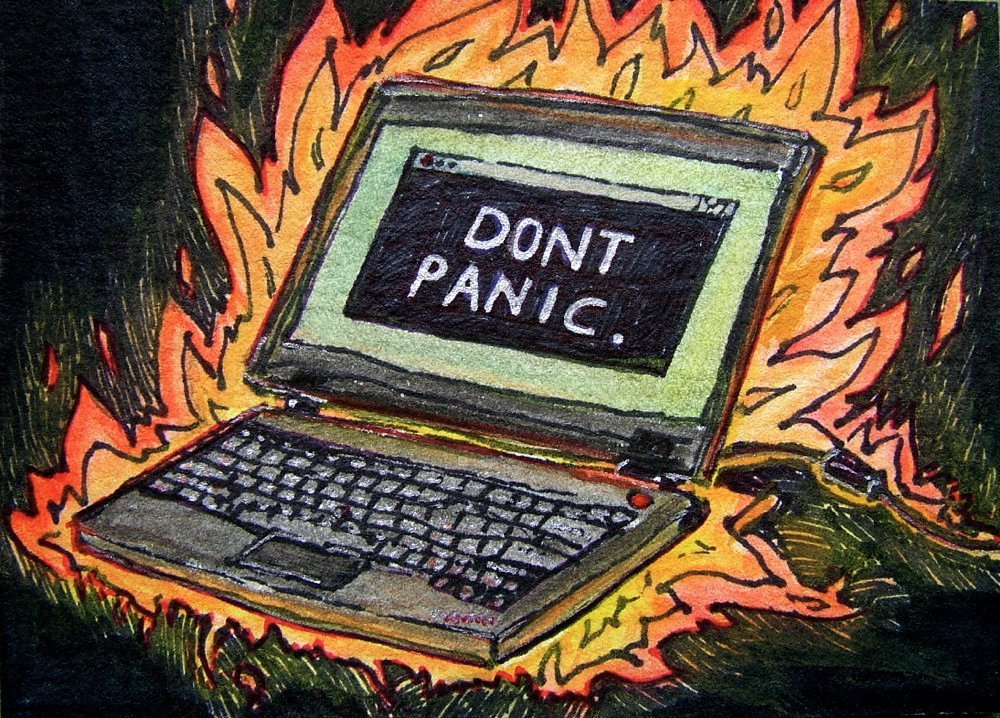
Here’s where things get dangerous. Once you engage, the scammer shifts into high pressure mode. Urgency is another major warning sign. They’ll tell you that your account will be frozen, a payment will bounce, or you’ll miss out on a refund unless you act immediately.
Scammers often try to create urgency. They know that when people feel rushed, they’re more likely to make mistakes. That moment of panic is exactly what these criminals are counting on. The goal is to get you to hand over verification codes, banking details, or authorize payments before you have time to think clearly.
Verification Codes Are the New Target
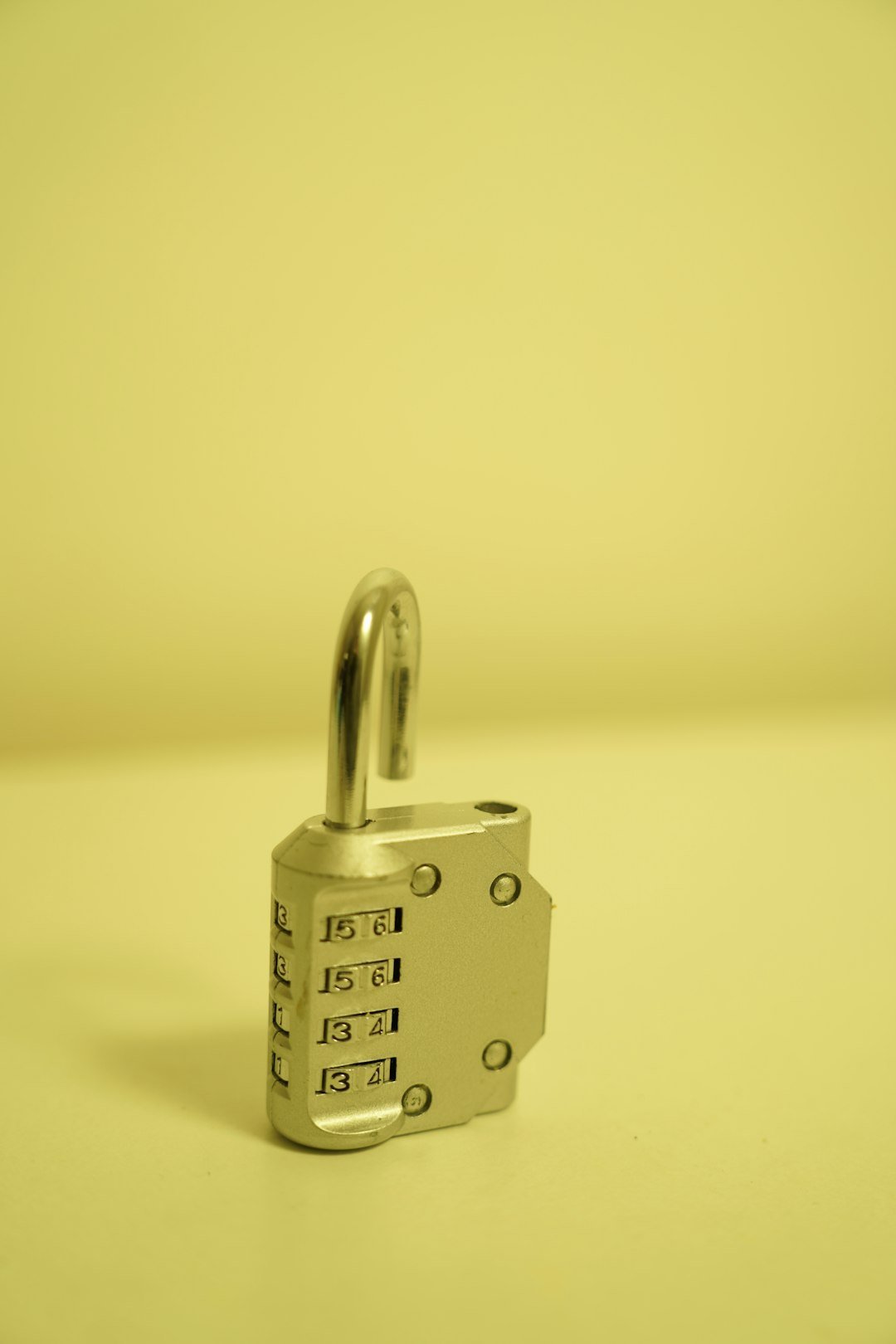
Scammers have figured out that verification codes are the key to unlocking everything. Victims are often asked to read a text with a six digit code, which can provide fraudsters access to your computer or account and enable an account takeover.
A bank colleague will never call you and ask for verification codes. If you get such a call, it’s a scammer attempting to gain access to your account. Never share any verification codes over the phone. Honestly, it sounds simple, yet people fall for it every day because the setup is so convincing.
Flooding Your Inbox to Hide the Truth
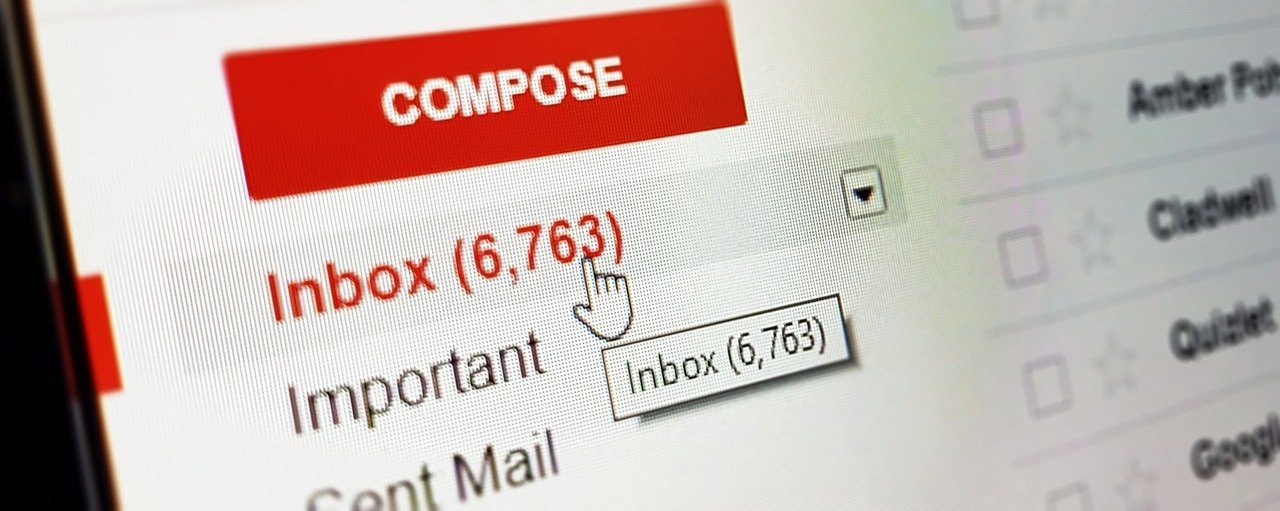
Scammers have developed a disturbing new trick that’s particularly effective. Scammers can flood your inbox with hundreds of emails, burying legitimate warning notifications from your bank. Think about that for a second. Your bank might actually be trying to alert you that something’s wrong, sending you urgent emails to protect your account.
Yet those warnings get buried under a sudden avalanche of spam. By the time you sort through the mess and realize what’s happening, the money is already gone. It’s a clever and cruel tactic that takes advantage of the very systems designed to protect us.
AI Has Changed Everything About These Scams

Scammers are expected to be even more active in 2026, getting much harder to spot, with artificial intelligence helping scammers sound more believable than ever. Deepfakes and attacks using synthetic documents are expected to surge as cybercriminals twist artificial intelligence to their advantage, allowing fraudsters to generate convincing voice, video, and document forgeries.
This isn’t science fiction anymore. The technology exists right now, and criminals are using it. The days of simple phishing emails are long gone, with AI-generated identities impersonating loved ones and attacks targeting vulnerabilities built on consumer trust.
New Yorkers Are Feeling the Impact
The financial damage is staggering. Last year, the FBI reported crimes targeting older New Yorkers resulted in more than $257 million in financial losses, a 27% increase since 2023. More than 4,300 New Yorkers aged 60 and older lost over $203 million in 2023, averaging $47,000 per person.
That’s not just a statistic. It represents people who lost their retirement savings, their ability to pay bills, their sense of security. The trend continues to worsen with 6,200 complaints filed last year, and scams generated by artificial intelligence are growing more sophisticated, sending older adults into economic hardship.
Specific Scams Making the Rounds Right Now
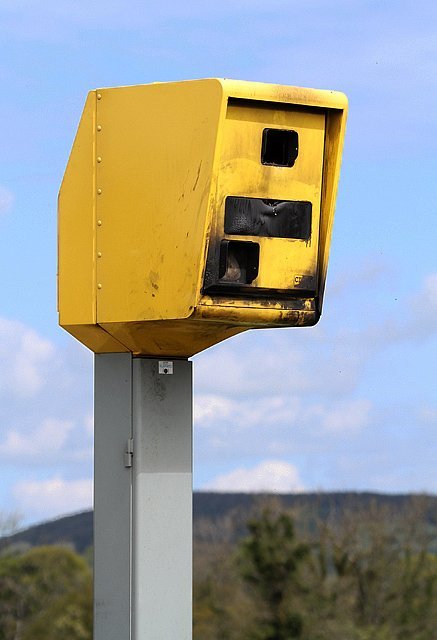
The Saratoga County and Schenectady County Sheriff’s Offices are reporting a new text scam where messages claim a speed camera recorded you exceeding the speed limit, stating the fine remains unpaid, and you have 3 days to settle it or be unable to pass annual inspection. There’s a link, of course, designed to steal your information the moment you click it.
Attorney General James and Commissioner McDonald are urging New Yorkers to be vigilant about scammers pretending to be NY State of Health and selling fake health insurance. Scammers use fear by threatening that health insurance is at risk of cancellation or they use false offers of generosity through phishing scams offering gift cards or money to update health accounts.
Even Official Looking Communications Can Be Fake

The Department of Financial Services is alerting regulated entities to use caution before responding to outreach from individuals falsely claiming to represent DFS, after becoming aware of phishing emails purporting to come from DFS personnel. If even businesses and financial institutions are being targeted with official looking scams, imagine how easy it is for regular people to fall victim.
Legitimate DFS emails will be sent only from dfs.ny.gov or public.govdelivery.com, with at least some fake messages sent from myportal.dfs.ny.gov.cazepost.com. The fake addresses are designed to look real at a glance, counting on people not checking carefully.
What Officials Want You to Know
State authorities are emphasizing a critical point about how legitimate organizations actually operate. Real banks, government agencies, and businesses don’t demand immediate action through unsolicited messages. They don’t ask for sensitive information via text or email. Bank of America will never contact you to request that you move money to protect yourself from fraud.
The NYS Court System never asks, by phone, for financial or family information from members of the public. Do not give this kind of information to anyone claiming to represent the courts. It’s a simple rule that could save thousands of people from becoming victims.
The Most Effective Defense Strategies

Slow down. Seriously, that’s the first and most important thing. Scammers often try to create urgency. Take a moment to think. If someone is pressuring you to act immediately, that alone should raise a red flag.
Verify everything through official channels. If you get a call or message claiming to be from your bank, hang up and call the number on the back of your card. Before you send money, share a code or give personal information, verify the request by contacting the person directly using a trusted source, such as the phone number on the back of your card or a bank statement.
Protecting Yourself Takes Constant Vigilance
Some scammers create a sense of urgency that puts pressure on the victim to make an immediate decision. Recognizing this pattern is crucial. The New York Department of State’s Division of Consumer Protection warns about friendly greeting phishing scams, deceptive text messages from unknown senders that put your personal information and money at risk by clicking a link.
Don’t reply to text messages from unknown numbers. It seems obvious, yet engagement is exactly what scammers want. Even responding to say you’re not interested confirms that your number is active, making you a target for more scams.
Where to Report Suspicious Activity
If you encounter something that feels off, don’t just delete it and move on. Reporting suspicious messages helps authorities track patterns and warn others. You can report scams to the Federal Trade Commission.
New Yorkers are also urged to contact state consumer protection offices and local law enforcement when they suspect fraud. The New York State Department of State Division of Consumer Protection continues to update its resources relating to recognizing and preventing scam victimization to keep the public current with the latest trends. These agencies need to know what’s happening on the ground to effectively combat these operations.
The threat isn’t going away. Fraud is no longer a static threat but has become an evolving ecosystem continually powered by artificial intelligence, automation, and an expanding digital footprint. Public awareness remains the most powerful tool we have. Stay skeptical, verify everything, and never let urgency override your better judgment. Have you or someone you know encountered one of these scams? Share your story to help others stay safe.