


For any feedback please reach out to info@festivalinside.com
- Senator Hawley Targets Minnesota AG Keith Ellison in Explosive Somali Fraud Exposé - February 26, 2026
- Bill Gates Comes Clean: Rare Apology for Epstein Ties and Extramarital Affairs Shocks the World - February 26, 2026
- Ohio Home Health Firm Draws Fire Over $1.2 Million PPP Windfall With No Digital Trail - February 26, 2026
Stepping into your first music festival feels like entering an entirely different world. There are thousands of people surrounding you, music vibrating through the ground beneath your feet, and a sense of electric freedom hanging in the air. It’s easy to get swept up in the anticipation and excitement of watching your favorite artists perform live, surrounded by others who share your passion for music. However, heading to a festival without proper preparation can quickly turn that dream weekend into a challenging experience you’d rather forget.
Let’s be real, festivals aren’t just about showing up and having fun. There’s so much more happening beneath the surface that first-timers often overlook. From the practical realities of navigating massive crowds to understanding the unspoken rules of festival culture, knowing what to expect can make the difference between an unforgettable adventure and a weekend spent struggling. Whether you’re planning to camp under the stars or commute daily to the venue, being armed with the right knowledge will help you navigate the chaos with confidence. So let’s dive in and uncover the essential facts that every festival newcomer needs to know.
Your Body Will Take More of a Beating Than You Think
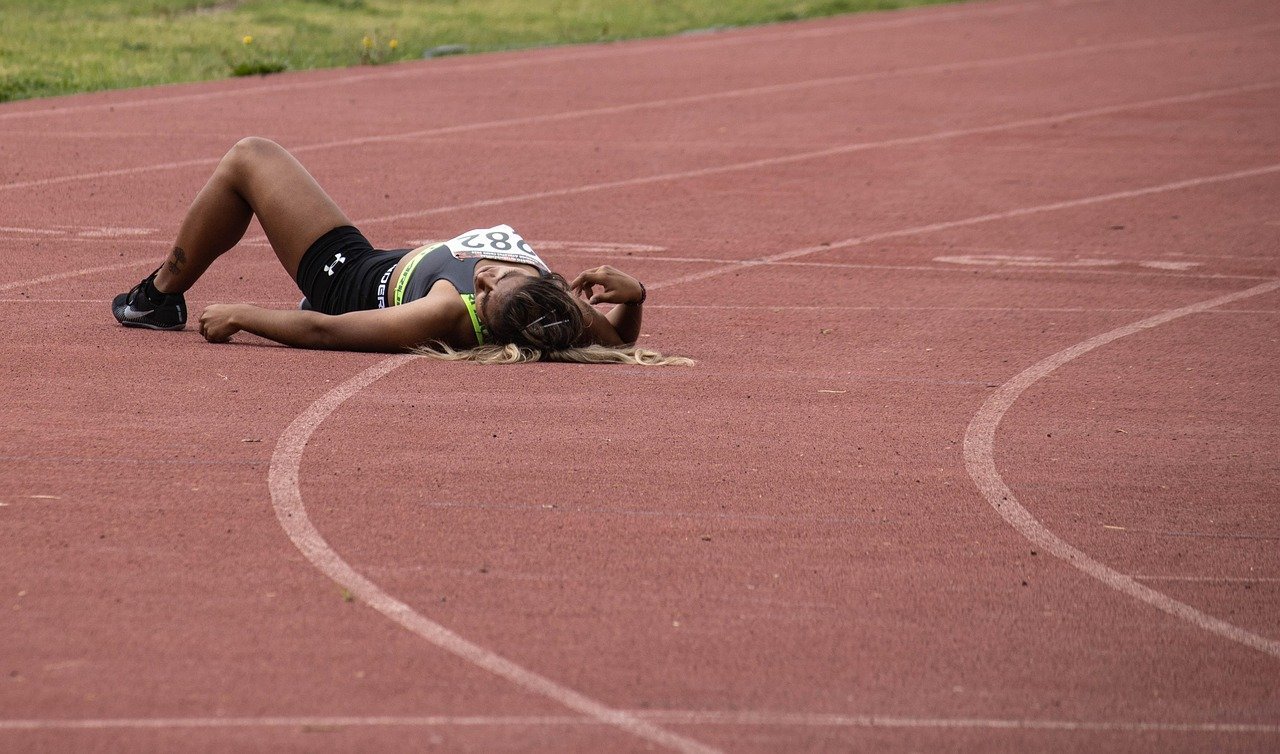
Festivals can be physically demanding, with extended standing, walking, and dancing hours, so taking care of your body and prioritising your well-being is essential. Most people underestimate just how exhausting these events can be. You’ll be on your feet for hours at a time, moving between stages, dancing in crowded spaces, and dealing with whatever weather conditions Mother Nature throws your way. The combination of physical exertion, limited sleep, and less-than-ideal nutrition can leave you feeling absolutely wiped out by day two. Your feet will ache in ways you never imagined possible, even if you’re wearing comfortable shoes. It’s not uncommon to see experienced festival-goers taking strategic breaks throughout the day, finding shaded spots to rest, or even skipping a lesser-known artist to catch their breath. Listen to your body when it’s telling you to slow down. Pushing through exhaustion might mean you miss the headliner you actually came to see because you collapsed from heat exhaustion earlier in the day.
Hydration Is Your Absolute Best Friend

Hydration is crucial, especially if you spend long hours in the sun, dancing, or consuming alcohol. Be sure to drink plenty of water throughout the day, and consider bringing a refillable hydration pack or water bottle to stay hydrated on the go. This cannot be stressed enough. Whether you are camping for the week or just attending for a few hours, one of the most important things to bring is water. The days can be long, the weather can be warm, and you may find yourself eating and drinking things that are not part of your normal diet. All of these factors can easily lead to dehydration. Many festivals now offer free water refill stations throughout the venue, which is a lifesaver when you’re trying to save money and stay healthy. Honestly, you’ll see people carrying those hydration backpacks everywhere, and there’s a good reason for that. Alcohol might be tempting in the party atmosphere, but it dehydrates you faster than you’d think, especially when combined with heat and physical activity. Try alternating alcoholic drinks with water bottles to keep yourself balanced.
Weather Conditions Can Change Everything
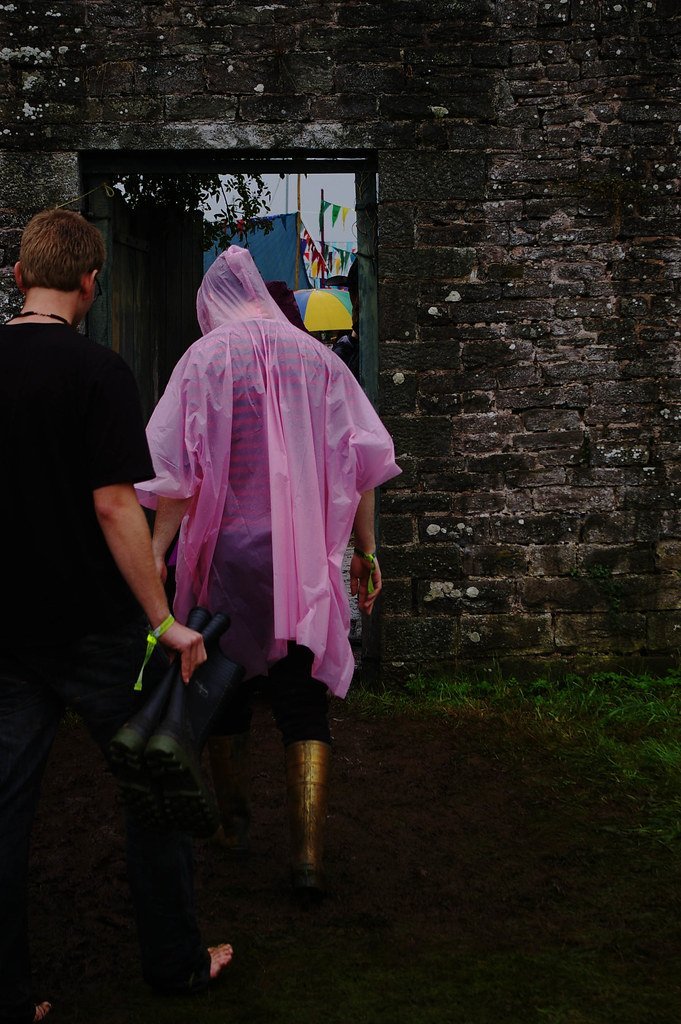
Festival weather is notoriously unpredictable, even during summer months. Being drenched and cold can get miserable pretty quickly, especially when the temperatures drop at night. To stay dry, pack some waterproof clothing, such as a poncho or a light raincoat. And whatever you do, make sure your tent is leakproof – no one wants puddles appearing when they’re trying to get some shut-eye. The sun can be equally brutal when it decides to show up. Sunscreen is your best friend at outdoor festivals, so apply a broad-spectrum sunscreen with SPF 30 or higher to all exposed skin and reapply regularly throughout the day, especially after swimming or sweating. I’ve heard countless stories of people who spent the first day basking in the sunshine without protection, only to spend the next two days in agony, unable to wear their backpack because of severe sunburn. Bring layers of clothing that you can add or remove as temperatures shift throughout the day. What feels perfect at noon might leave you shivering by midnight when you’re waiting for the headliner to take the stage.
The Crowds Are More Intense Than Concerts
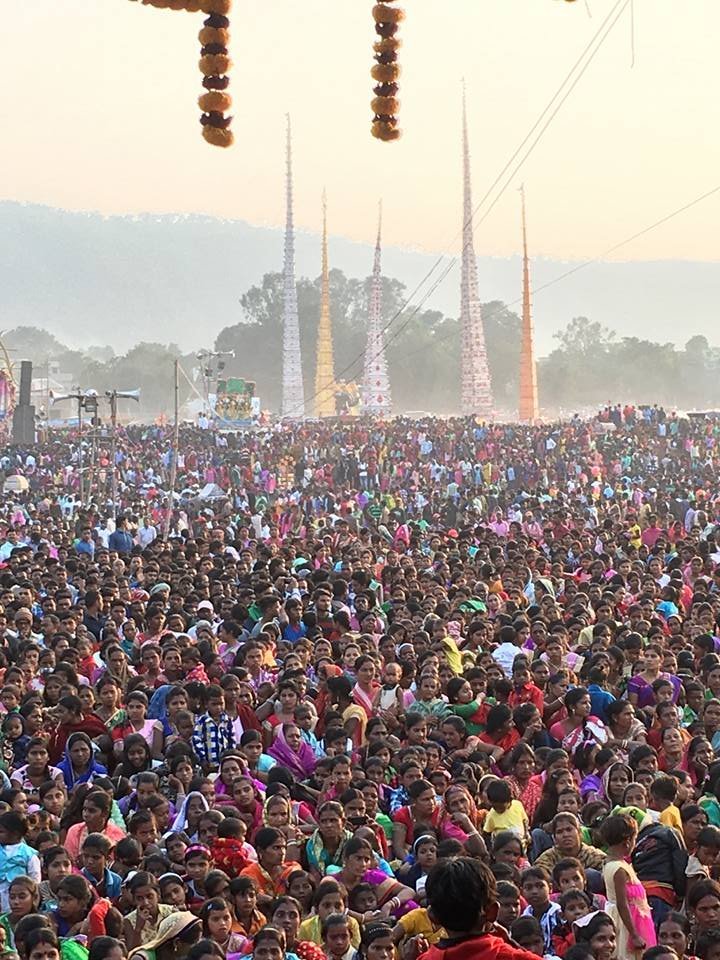
Festivals are packed with people, which means personal space can be limited. Respecting others’ space, especially in crowded areas like the front row or on the dance floor, is crucial. Navigating these massive crowds requires patience and awareness. Getting separated from your friends is incredibly easy when thousands of people are moving in different directions, and cell phone service often becomes unreliable or nonexistent. Navigating the crowds is challenging enough, but add a few drinks into the mix and your sense of direction is sure to be thrown off balance, making it super easy to get lost. Decide on a meeting place with your friends, somewhere that’s easy for the whole group to remember. Choose somewhere distinctive and memorable, like a specific food vendor or a unique art installation. Write it down if you need to. Getting lost without a solid backup plan can turn into a stressful situation that eats up precious festival time. Some people even take photos of their meeting spots to make them easier to identify later when everything starts looking the same.
Mosh Pits and Crowd Surges Are Real Dangers
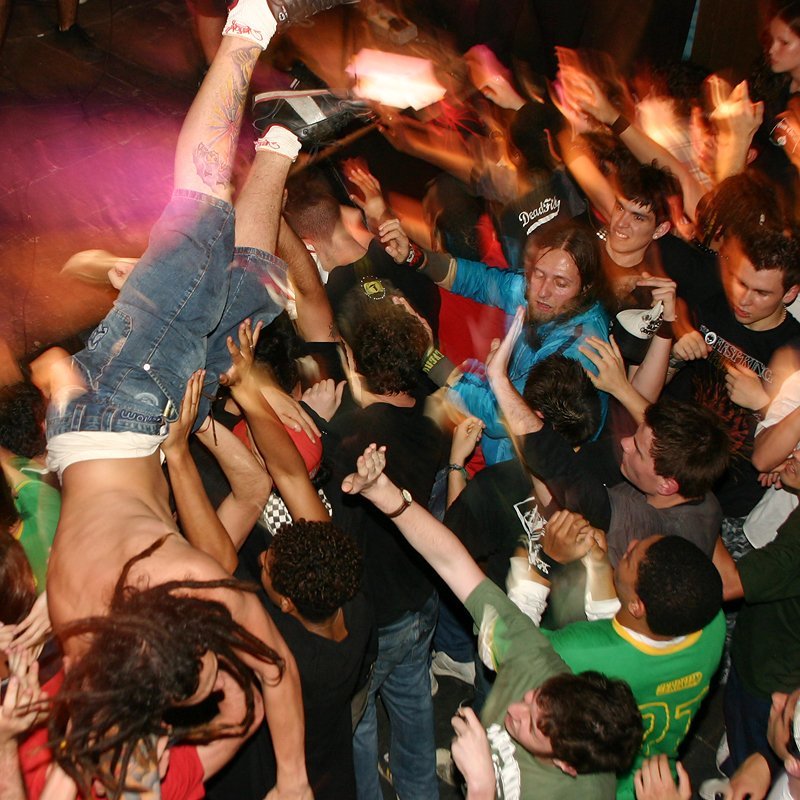
Mosh pits occur at any kind of concert or festival with a large crowd, as the crowd often surges towards the front of the stage, in order to get a better view of the artist performing. It’s crucial to know your physical limitations, as well. Mosh pits can suck you in, and it can become extremely difficult to escape once everyone begins to surge forward. If you feel unsure, get out before things get dangerous. These intense crowd movements have resulted in serious injuries and even fatalities at various festivals over the years. Worldwide, nearly 70,000 people suffered significant injury and 232 people died at approximately 300 outdoor music concerts held over a 10-year period, one study found. If you’re not comfortable with aggressive physical contact and being pushed around, stay toward the back or sides of the crowd where things are calmer. There’s absolutely no shame in prioritizing your safety over getting closer to the stage. If you do find yourself caught in a surge and feeling overwhelmed or unable to breathe, try to move diagonally toward the edges rather than fighting directly against the crowd flow.
Festival Bathrooms Are an Adventure Unto Themselves
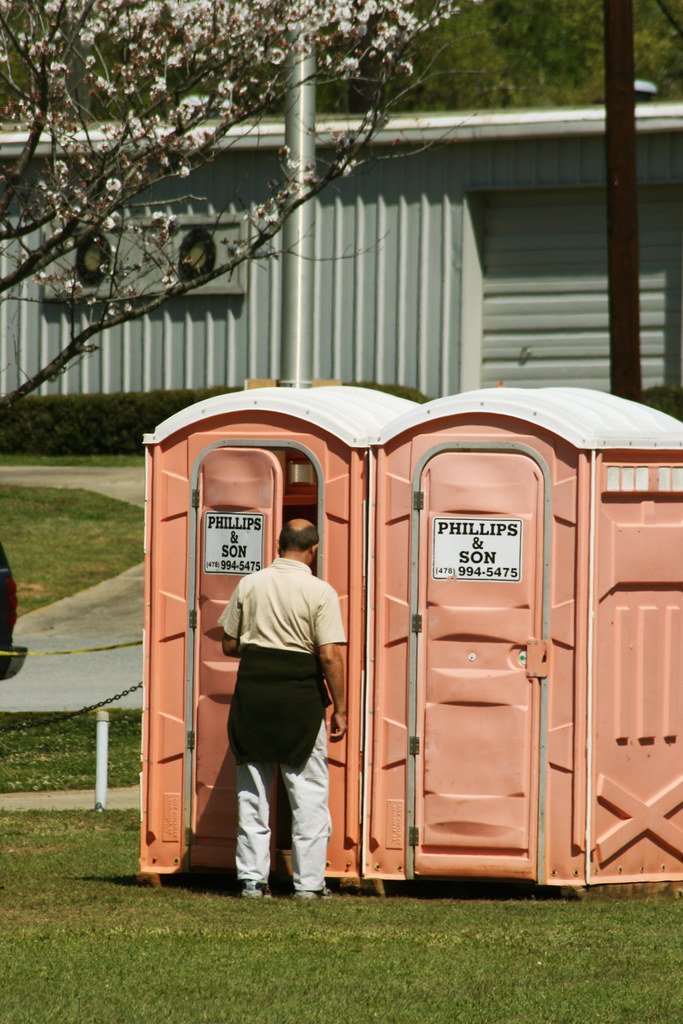
There’s no denying it: Festivals are grimy. We’re talking mounds of mud, sweaty bodies and “the dreaded toilets” sort of grimy. Showers are sometimes available (for a fee), but you can’t always bank on their appeal. Portable toilets are simply part of the festival reality, and they get progressively worse as the day goes on. Hygiene facilities are often lacking. Take toilet paper, hand sanitizer and wet wipes with you to make sure you feel fresh. Seriously, bring your own supplies because festivals often run out, especially later in the day. The lines can get ridiculously long, particularly during set breaks when everyone rushes to the facilities at once. Once you’re there, first things first, find the porta-potties and water stations. Find a map, walk around, and find ALL of them. You don’t want to be waiting until you’re doing the pee dance to figure out where to go. And again, find ALL of them. Some lines will be way, way longer than others just because they’re in a central location, or easiest to find. I guarantee there will be a water station or porta-potty along the border of the festival, with much shorter lines.
Your Phone Battery Will Die Faster Than You Expect
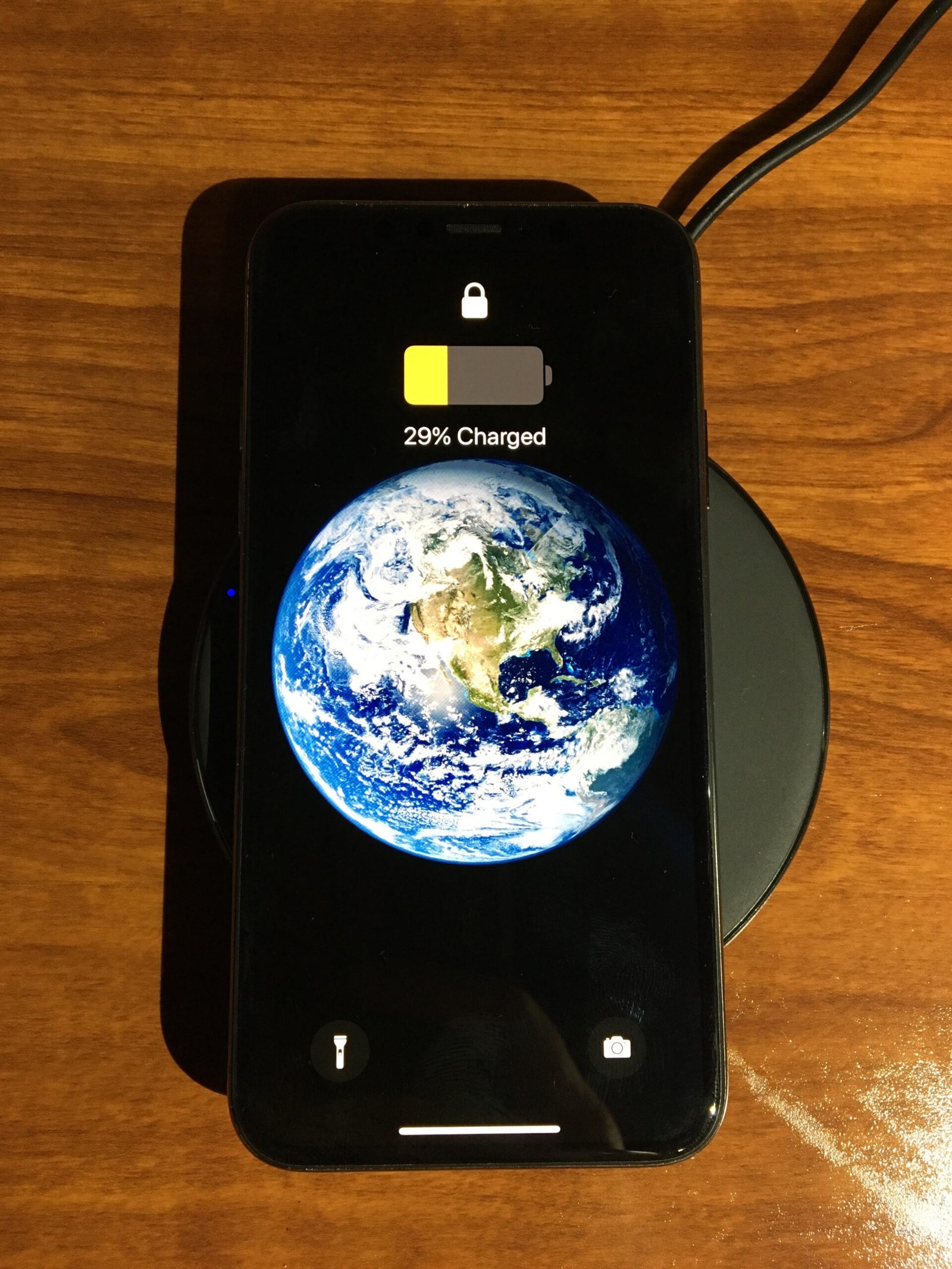
Festival environments are brutal on phone batteries. Between constantly checking the schedule, trying to coordinate with friends through spotty service, taking photos and videos, and using GPS to navigate, your battery drains at an alarming rate. Recording concerts is energy-intensive, especially for 3+ hours, so bring a charger! Not only can you record for longer, but you can also have that peace of mind that you can still call and text when needed! Public transportation can be hit or miss sometimes, so having access to Uber is great! If you don’t want to lug around a charging cable (especially with the lack of outlets at a festival), a power bank is small and efficient! Make sure your portable charger is fully charged before you leave for the festival each day. Some festivals offer charging stations, but they often come with long waits and fees. Take a screenshot of the schedule, and make it your phones lock screen. This way, you just have to check your screen instead of accessing your data or WiFi. This simple trick saves both battery life and data while keeping essential information at your fingertips.
Food and Drink Costs Will Shock You

Festival food and beverage prices are significantly higher than what you’d pay anywhere else. Vendors know they have a captive audience, and they price accordingly. Expect to pay premium prices for basic items like water bottles, simple meals, and snacks. Some festivals are cashless, which means you’ll have a wristband that you can load money to and use in place of cash or credit cards. For other festivals, you’ll want to bring money with you. Make sure that you store your money in a safe place and be sure to spread it out over the course of the festival. Spending all your dough on the first day means you’ll have to rough it out the rest of your time there. Budget more than you think you’ll need, because you’ll likely spend more than anticipated. Some festivals allow you to bring in sealed snacks and drinks, which can save you a significant amount of money. Check the festival’s rules beforehand to see what’s permitted. Even bringing in a few granola bars or trail mix can help you avoid spending money every time hunger strikes between sets.
Noise Levels Can Actually Damage Your Hearing
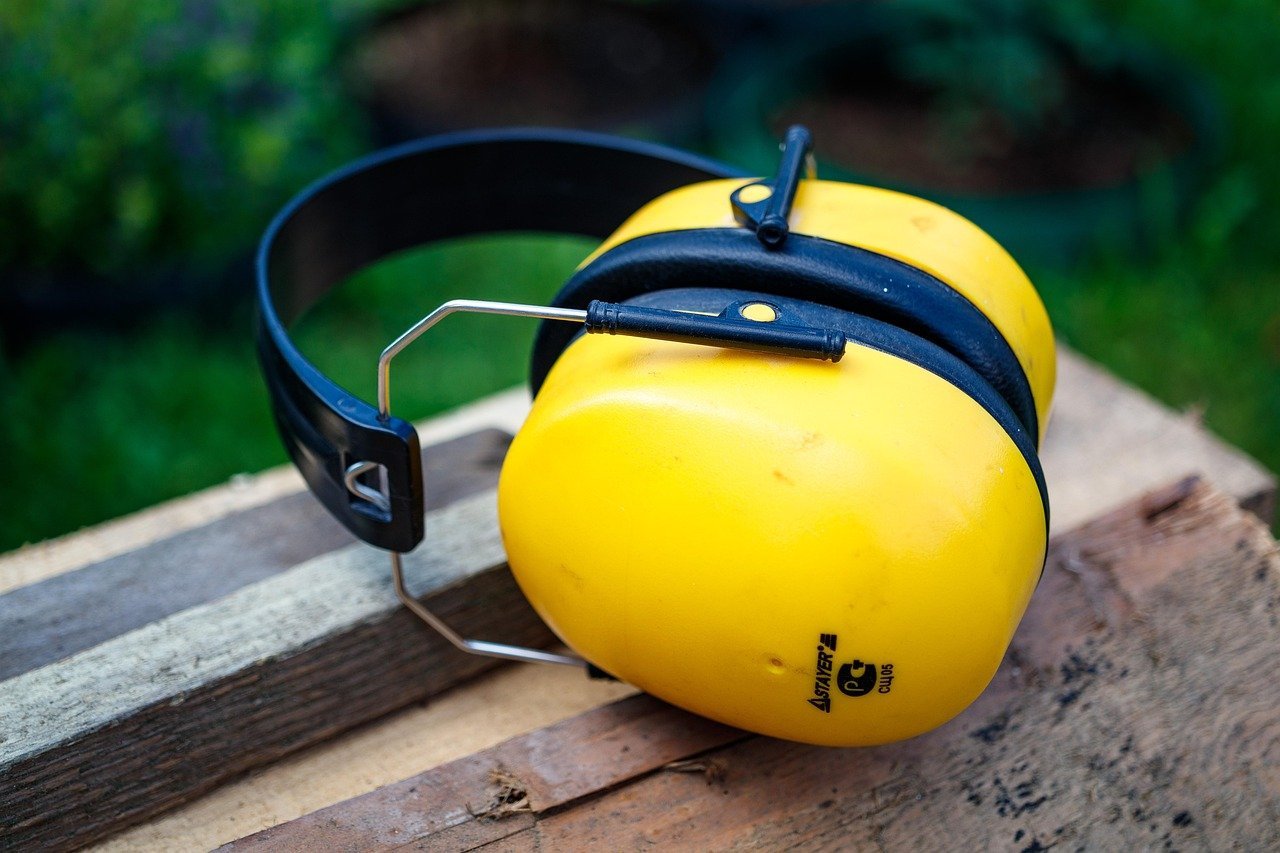
Keeping your ears safe is vital. Noise levels at music festivals can reach 120 dB (the same level as a power saw), which can damage your hearing. Wearing noise-reducing earplugs can enhance your experience and protect your ears at the same time. It might sound counterintuitive to wear earplugs to a music festival, but high-fidelity earplugs are designed to reduce volume without sacrificing sound quality. Depending on your proximity to the mainstage (or its powerful speakers), it’s easy to wind up with ringing in your ears or possible hearing loss when listening to extremely loud live music. That’s why the discreet DownBeats High-Fidelity Earplugs are essential festival gear every concert-goer should own. They can lower volumes by up to 18 decibels without compromising sound quality. With these amazing earplugs, you still hear every beat, lyric, and drop, just at a safer level. You’ll still hear everything perfectly, just at a volume that won’t leave you with ringing ears for days afterward. Many experienced festival-goers swear by them, and once you try them, you’ll understand why. Permanent hearing damage is not worth sacrificing for one weekend of fun.
Theft and Crime Do Happen at Festivals
Music festivals are also hotbeds of criminal activity. Attendees are faced with the prospect of falling victim to theft, drugs, violence, and sexual crimes. Statistics out of the UK, which hosts a number of notable music festivals, show that 1 in 500 festival goers are the victim of crime, including a 1 in 640 chance of being pickpocketed. Keep your valuables secure at all times, and only bring what you absolutely need. Festivals are no place for valuable items. Even phones can be easily broken or stolen if you leave them at your campsite. Consider using a money belt or a secure cross-body bag that stays close to your body. Keep your bag zipped and in front of you in crowded areas where pickpockets operate most effectively. If you’re camping, lock anything valuable in your car rather than leaving it in your tent. According to a 2022 survey of 450 festivalgoers by Durham Law School: 34% of female respondents reported being sexually harassed or assaulted at a festival in the previous few years. Stay with your group, watch out for each other, and don’t hesitate to report suspicious behavior to security personnel.
You Need to Plan Your Schedule Strategically
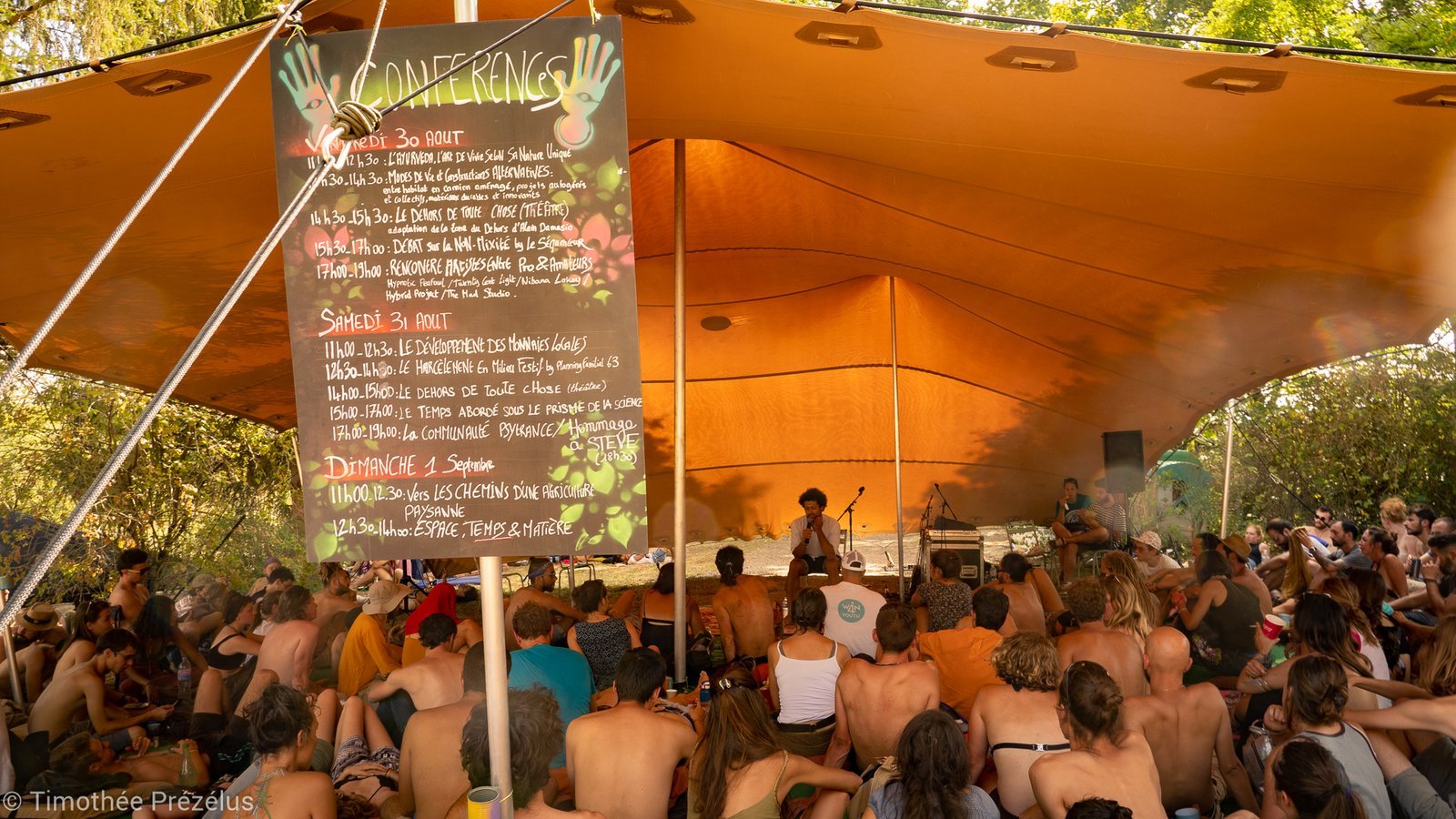
This is a very important strategy, as some festivals will have multiple stages even if it’s just a one-day tour. Usually, they’ll post a schedule of what time the bands are playing as well as where. With that being said, PLAN ACCORDINGLY. Most festivals feature overlapping sets across multiple stages, which means you’ll need to make tough choices about which artists to see. Try making a “must-see” list, a “would be nice to see” list, and a few breaks for food, merch, and hydration. Avoid trying to catch every act because festival fatigue is real. Build in buffer time for walking between stages, which can take longer than expected when you’re navigating through massive crowds. Download the festival app if one exists, as it often includes real-time updates about schedule changes or delays. Some festivals experience weather-related postponements or artist cancellations that require last-minute adjustments to your carefully planned itinerary. Flexibility is key. Sometimes the most memorable moments happen at sets you stumbled upon randomly rather than those you meticulously planned.
Sleep Will Be Minimal and Uncomfortable
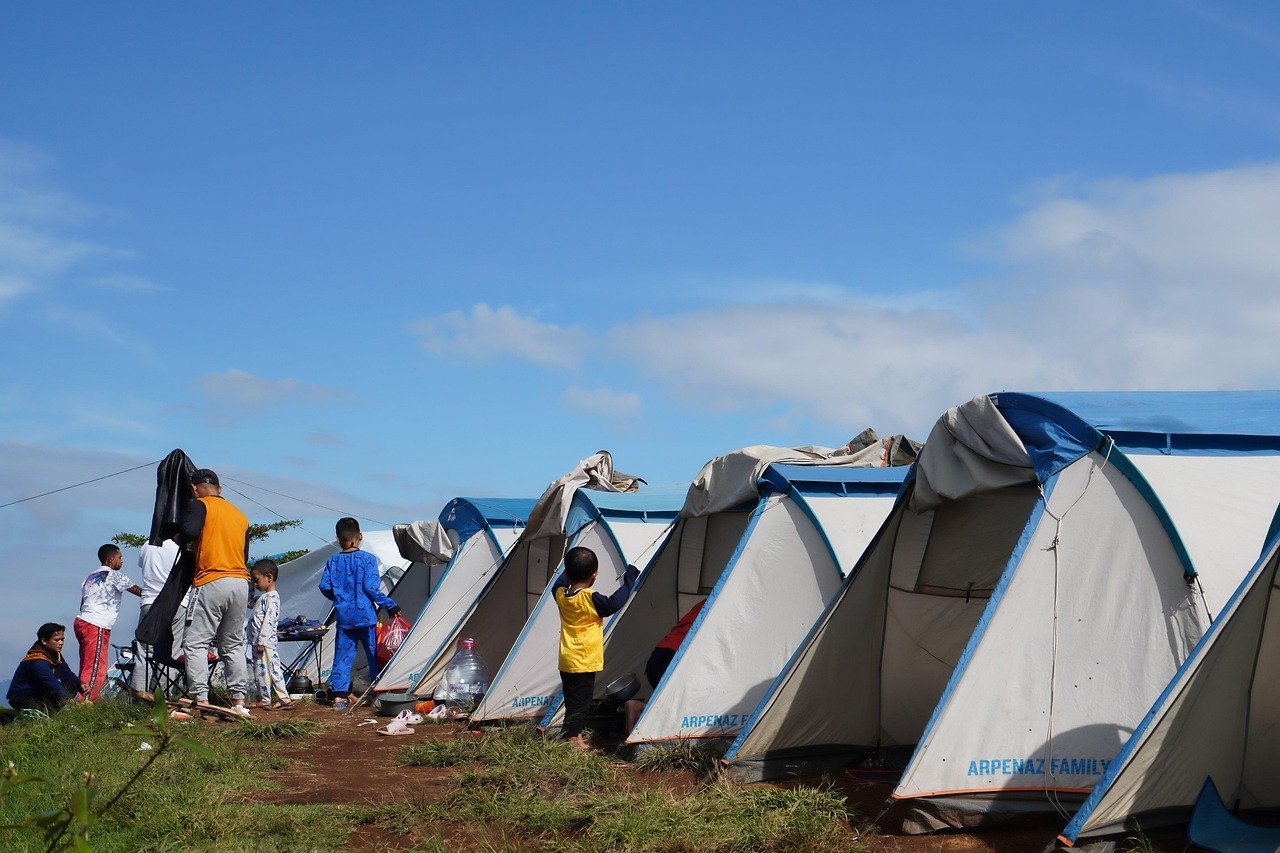
You’ll find that sleep can be difficult to come by at a music festival. Everyone sleeps at different times, and your tent isn’t soundproof. Take a look at your schedule to find times when there isn’t much going on and use that time to catch a quick nap. Make sure you listen to your body; it’s worth missing a lesser-known artist to ensure you can make it to the big headliners. Camping at festivals means dealing with noise at all hours, uncomfortable sleeping surfaces, and temperatures that swing dramatically between day and night. Your neighbors might be partying loudly at 3 AM while you’re trying to rest up for the next day. Bring earplugs specifically for sleeping, an eye mask to block out early morning light, and extra padding or an air mattress to make your sleeping situation more bearable. Accept that you’re probably not going to get quality sleep, and plan accordingly. Some people find it helpful to arrive a day early to set up camp and get one decent night’s sleep before the chaos begins. Don’t expect to function on the same amount of rest you normally need.
Festival Fashion Is About Function First
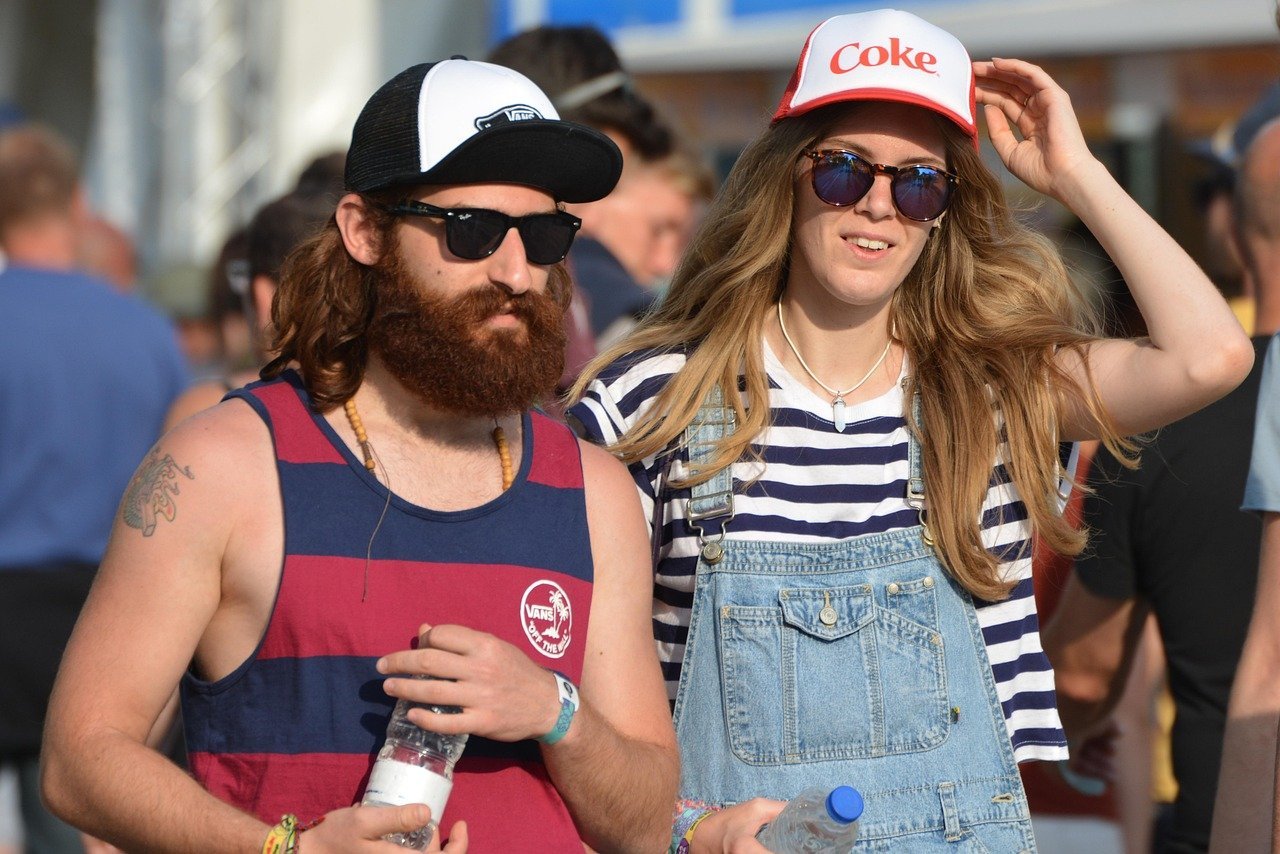
Comfort is the name of the game when you’re going to be walking around and standing for large parts of the day and going into the night. So, as you’re planning what to wear to a music festival, don’t just consider style. Think about clothing that’s going to be: … Bathing suits, shorts, skirts, T-shirts, and tank tops are all great choices. So are comfy tennis shoes or flip flops. While festivals are known for creative and expressive fashion, prioritizing comfort and practicality will serve you much better than trying to look perfect. Closed-toe shoes offer better protection than sandals, especially in crowded areas where feet get stepped on regularly. Don’t forget to tie a lightweight sweater or hoodie around your waist, so you can easily cover up when it gets chilly. That’ll take you comfortably from day to night wear. Consider the terrain you’ll be walking on, too. Muddy fields, hot pavement, and uneven ground all require appropriate footwear. Your Instagram-worthy outfit won’t matter much if you’re miserable and covered in blisters halfway through the first day. Choose breathable fabrics that dry quickly if they get wet from sweat or rain.
Medical Emergencies Are More Common Than You’d Think
The median patient presentation rates and transport to hospital rates were 12.01 and 0.57 per 1000 visitors, respectively. Medical tents at festivals see a steady stream of attendees dealing with everything from minor cuts and blisters to serious heat-related illnesses and substance-related emergencies. “The fatalities that Lollapalooza has seen over the years have been from people being alone, passing out without anyone to help them seek medical attention when necessary,” says Dr. Chiampas. “There’s strength in numbers.” Never go to a festival alone, or if you do, make friends and stick with them. If you have an underlying medical condition, such as asthma, allergies or diabetes, be sure to bring the resources and medications you need with you, plus backups. Medical staff are there to help, not to get you in trouble, so don’t hesitate to seek assistance if you or someone around you needs it. Recognizing the signs of heat exhaustion, dehydration, or other emergencies can literally save lives. Stay aware of how your body feels throughout the day.
There’s More to Experience Beyond the Music
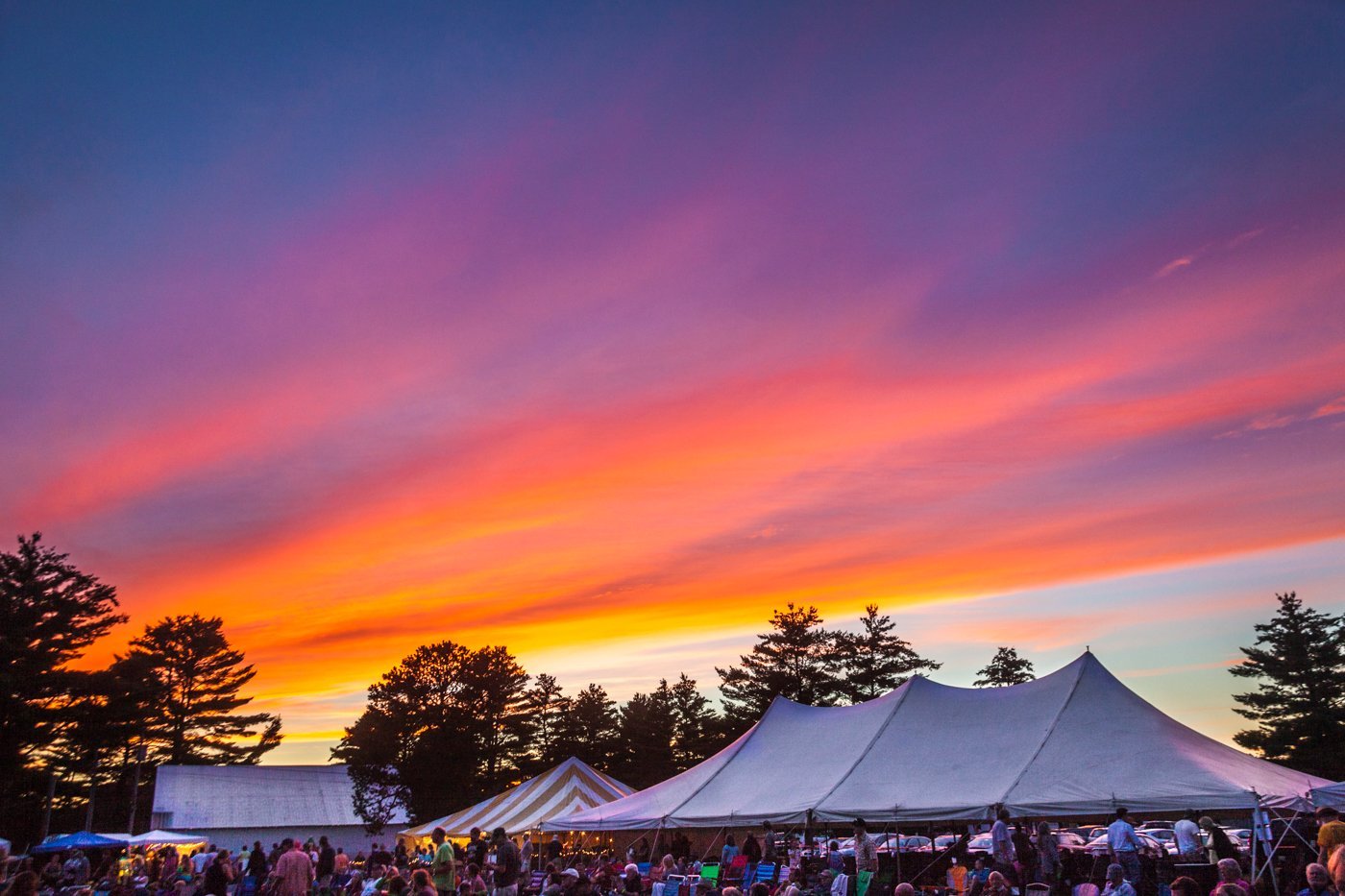
In addition to enjoying live music performances, festivals often offer interactive activities, workshops, and art installations to engage attendees and enhance the festival experience. Take some time to explore these additional attractions and participate in any activities or workshops that pique your interest. From yoga and meditation sessions to art installations and immersive experiences, there’s something for everyone to enjoy beyond the music stages. Many first-timers make the mistake of focusing solely on the musical lineup while ignoring the broader festival experience. Walking around and discovering unexpected art, participating in workshops, or just observing the creative energy around you can be just as memorable as seeing your favorite band perform. Engage with fellow festival-goers and embrace the sense of community and camaraderie that festivals foster – you never know who you might meet or what connections you will make. Some of the best festival stories come from spontaneous interactions and discoveries rather than meticulously planned moments. Allow yourself time to wander and explore rather than rushing frantically from one stage to another. These unexpected experiences often become the highlights people remember most vividly years later.
Research Your Specific Festival Thoroughly

One music festival can be very different from the next. We’re talking about a BIG variety in practically everything, like acts, locations, how established and well-run music festivals are, who attends them, and more. Taking a little time to look into the ones you’re thinking of going to will help you avoid ending up at an event with music (and folks) that just aren’t your jam. Each festival has its own unique culture, rules, and atmosphere. What works at one event might be completely inappropriate at another. Check the festival’s official website for details about prohibited items, camping regulations, entry procedures, and any special policies they enforce. Umbrellas might be disallowed (ponchos are preferred for rain). Laser Pointers and Disruptive Items – Laser pens, air horns, vuvuzelas, and megaphones often make the no-go list, as they can annoy or even harm others. Pets – Unless your event is explicitly pet-friendly or a service animal is in question, it’s best to have attendees leave their furry friends at home. Make your policy on animals clear. Every festival will have its own specific restrictions, so use past experience and venue rules to build a thorough list. Look at similar events’ lists for inspiration. For example, the All Points East festival in London publishes a detailed bag policy and banned items list each year. Their 2025 guide informed attendees that bags larger than roughly A4 paper size were not allowed. Knowing these details beforehand saves you the frustration of having items confiscated at the entrance.
Your first music festival will be a learning experience no matter how much you prepare. Things will go wrong, plans will change, and unexpected challenges will arise. That’s all part of the adventure. The key is being prepared for the basics so you can handle whatever else comes your way with a sense of humor and flexibility. Stay safe, look out for your friends, and remember that the goal is to create incredible memories while experiencing live music in a way that simply can’t be replicated anywhere else. Did you come away with knowledge you didn’t expect? What festival fact surprised you most?

Christian Wiedeck, all the way from Germany, loves music festivals, especially in the USA. His articles bring the excitement of these events to readers worldwide.
For any feedback please reach out to info@festivalinside.com
