

For any feedback please reach out to info@festivalinside.com
Think back to that first heartbreak, the road trip with friends that changed everything, or the quiet nights wrestling with who you really are. Albums have this uncanny power to glue themselves to those moments, turning songs into emotional time capsules. They don’t just play in the background; they score our triumphs, our stumbles, our wild joys.
We’ve all got that one record that hits replay in our heads during life’s big turns. These albums? Folks swear by them as the ultimate companions through it all. Let’s dive into why they stick so deep.[1][2]
The Beatles – Sgt. Pepper’s Lonely Hearts Club Band
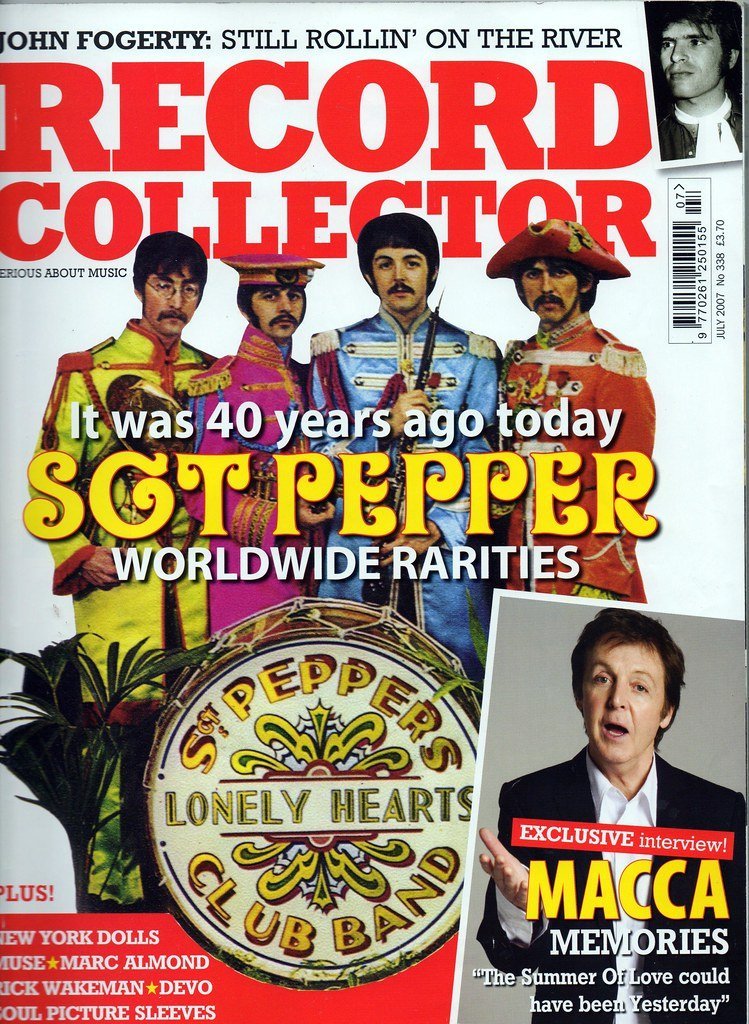
This 1967 masterpiece flipped the script on what an album could be, blending psychedelia, orchestral swells, and raw experimentation into a sonic adventure. Tracks like “A Day in the Life” capture the chaos of daily existence, making listeners feel seen in their own messy journeys. It pushed boundaries, proving music could mirror the mind’s wildest wanderings.
Culturally, it marked the Summer of Love, soundtracking a generation’s quest for peace amid turmoil. Families still pass it down, tying grandparents’ hippie days to kids’ first listens. Honestly, it’s the album that whispers, “You’re not alone in this trip called life.”[3]
Pink Floyd – The Dark Side of the Moon
Released in 1973, this prog rock epic tackles time, madness, and mortality with haunting precision, from the ticking clocks of “Time” to the cash register chaos in “Money.” Its seamless flow creates a meditative trance, perfect for late-night soul-searching. The musicianship shines, layering synths and guitars into something profoundly immersive.
It resonated as a cultural touchstone for the disillusioned ’70s crowd, syncing mysteriously with movies like The Wizard of Oz for trippy communal experiences. Even today, it scores personal crises, reminding us life’s pressures are universal. Here’s the thing: it feels like staring into your own reflection.[4]
Nirvana – Nevermind
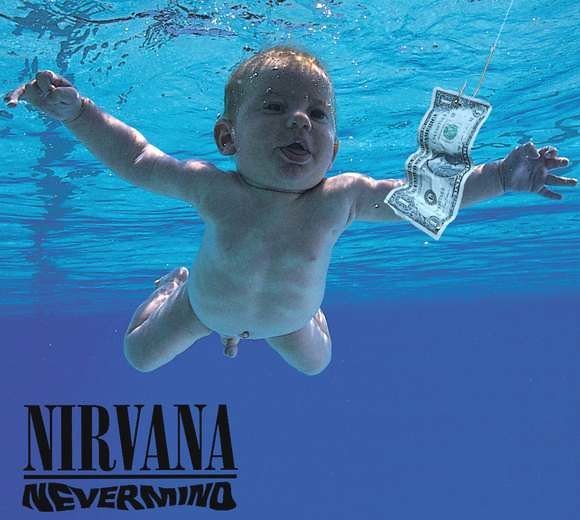
Kurt Cobain’s raw howl on 1991’s Nevermind shattered pop gloss, thrusting grunge into the spotlight with “Smells Like Teen Spirit” as its defiant anthem. The album’s sludgy riffs and vulnerable lyrics captured youthful rage and alienation perfectly. It stripped music back to basics, influencing countless bands to embrace imperfection.
Culturally, it defined the ’90s angst, bridging underground scenes to mainstream airwaves and sparking a shift away from hair metal excess. Teens worldwide blasted it during identity crises, making it a badge of rebellion. I know it sounds intense, but it turned personal pain into shared catharsis.[1]
Fleetwood Mac – Rumours
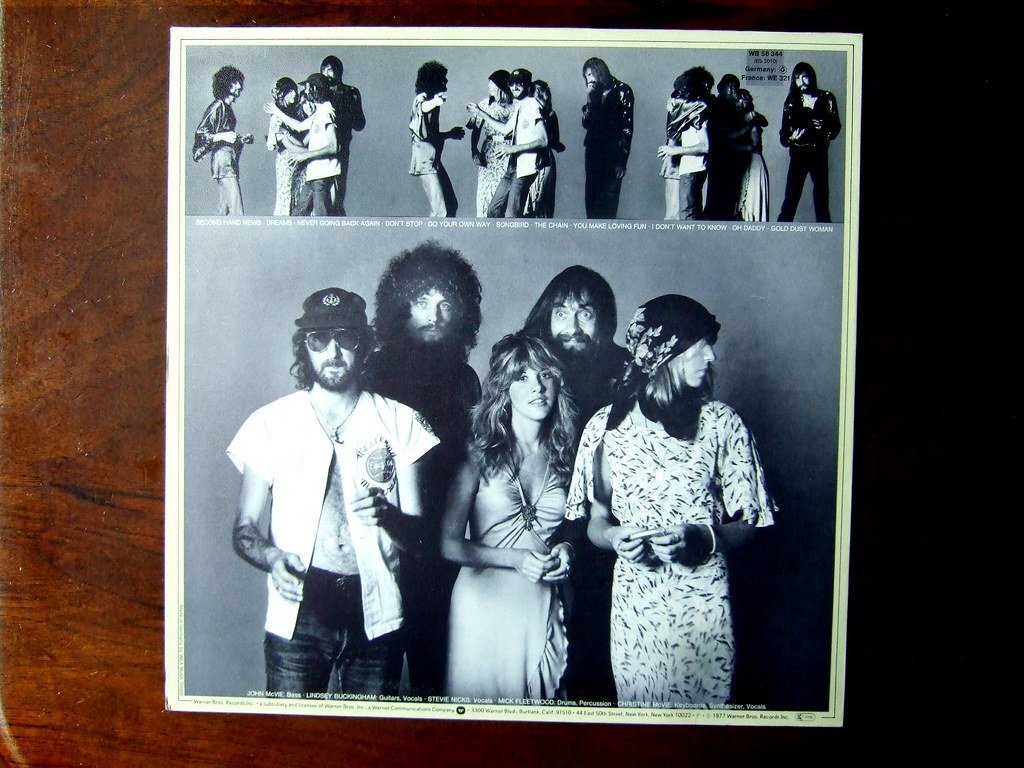
In 1977, amid band breakups and addictions, Rumours delivered pop perfection with “Go Your Own Way” and “Dreams,” blending harmonies that ache with infectious hooks. The emotional honesty in every track makes it a masterclass in turning turmoil into timeless tunes. Stevie Nicks’ mysticism added a layer of magic to the heartbreak.
It mirrored the free-love era’s fallout, becoming the go-to for divorce playlists and first loves gone wrong. Its sales and staying power prove how it captures human messiness across decades. Let’s be real, who hasn’t sung along during their own drama?
Michael Jackson – Thriller
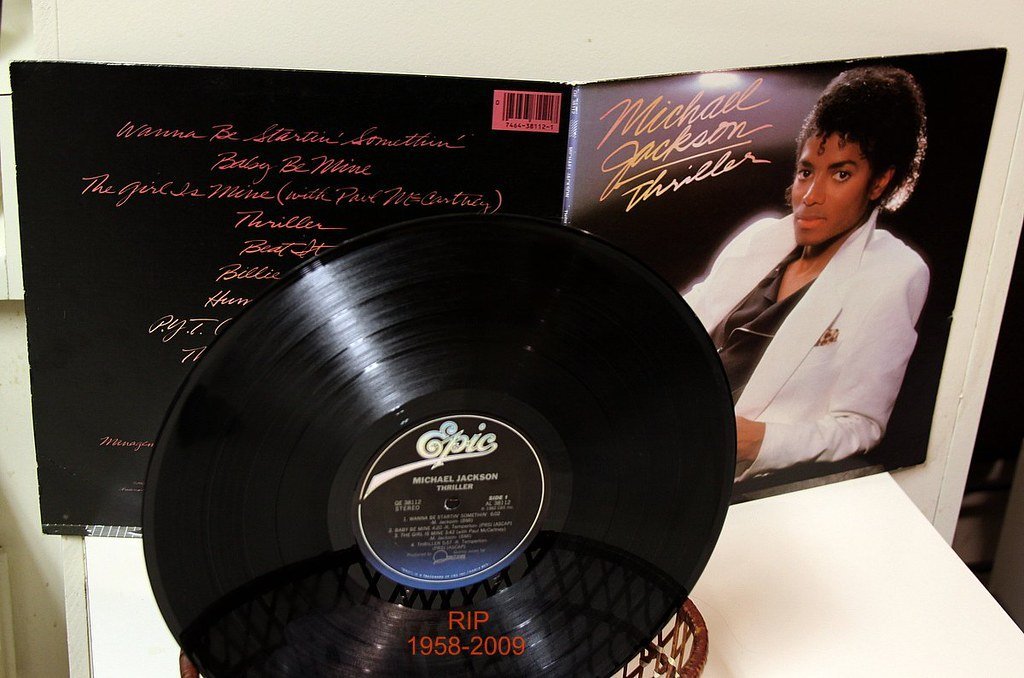
The 1982 juggernaut redefined pop with Quincy Jones’ production wizardry, from the spine-chilling “Thriller” to the funky “Billie Jean.” It fused genres effortlessly, showcasing Jackson’s unmatched charisma and dance-floor dominance. This album didn’t just hit charts; it rewired global music.
Culturally, it united generations through MTV’s breakthrough videos, becoming childhood nostalgia for billions. Parties, proms, even funerals nod to its beats. It proved one record could bridge worlds, leaving an indelible mark on joy and spectacle.
Stevie Wonder – Songs in the Key of Life
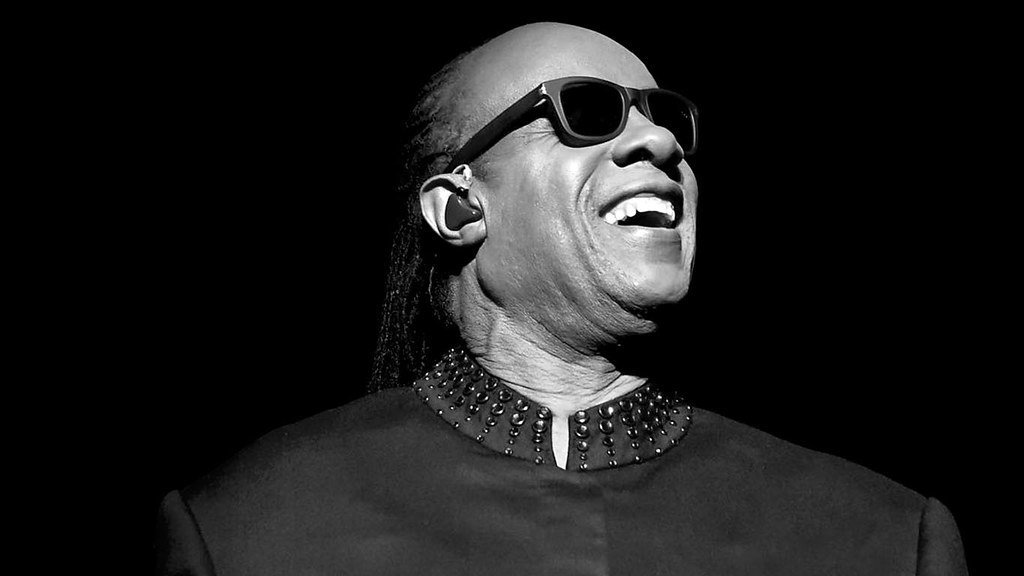
This 1976 double album sprawls across soul, funk, and jazz, with “Sir Duke” celebrating music’s power and “Isn’t She Lovely” bursting with pure fatherly love. Wonder’s genius shines in its joyful depth, tackling love, loss, and black pride. It’s a life-affirming explosion of sound.
It captured post-civil rights hope, influencing everyone from hip-hop to R&B. Families bond over it at gatherings, tying milestones to its warmth. In 2026, it still feels like a hug from the universe.[5]
Eagles – Hotel California
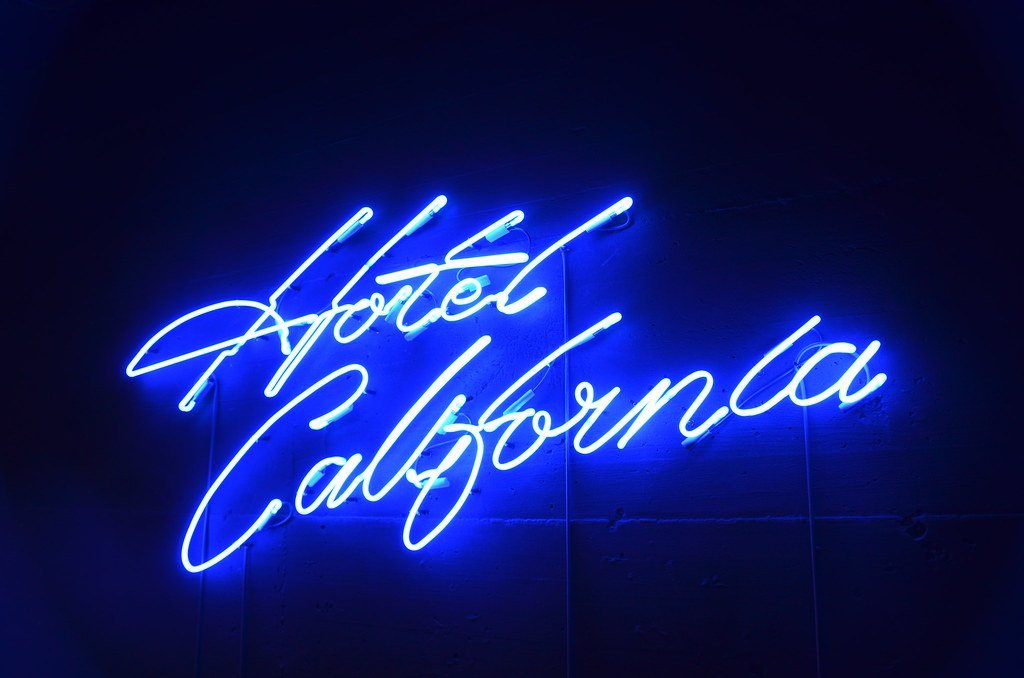
1976’s Hotel California weaves West Coast rock with cryptic tales of excess in “Hotel California” and “Life in the Fast Lane.” The guitar solos linger like desert winds, evoking freedom’s double edge. It balances melody and mystery flawlessly.
As a ’70s emblem, it soundtracks road trips and midlife reflections on chasing dreams. Its lore endures, debated in bars worldwide. Yet it whispers a warning amid the glamour, hitting harder with age.
Alanis Morissette – Jagged Little Pill

1995’s fury-fueled alt-rock rant, led by “You Oughta Know,” unleashes therapy-session screams over jagged riffs. Morissette’s vulnerability made rage relatable, blending punk energy with pop accessibility. It was a gut-punch to polished ’90s radio.
For Gen X and beyond, it defined post-teen disillusionment, empowering breakups and self-discovery. Karaoke nights owe it big time. Still, it proves unfiltered truth cuts deepest.
Music as the Ultimate Memory Keeper
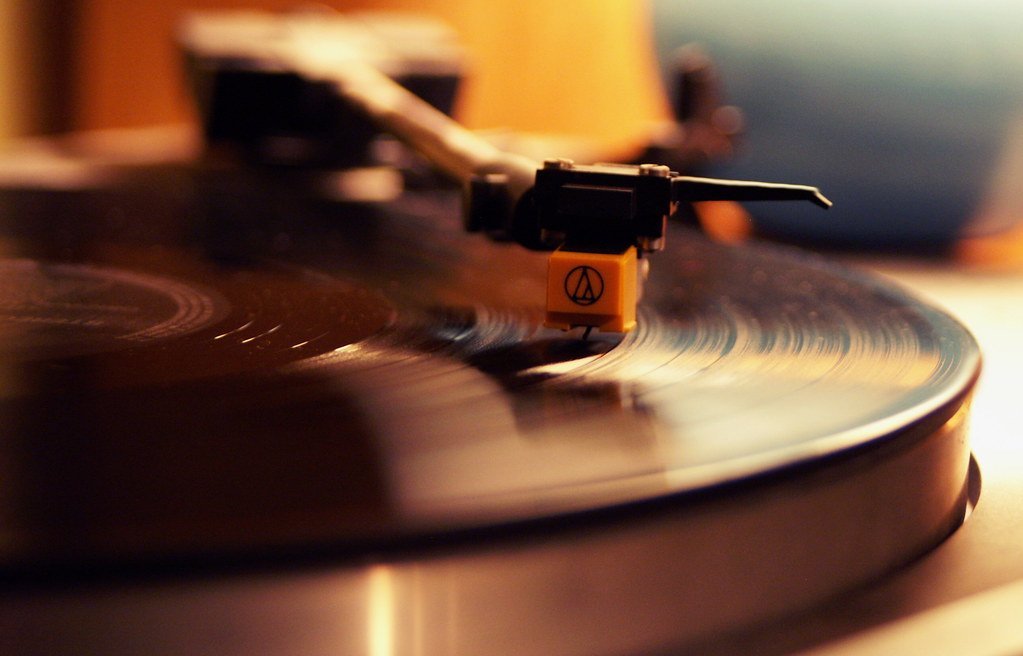
These albums don’t just entertain; they etch themselves into our timelines, pulling us back to first kisses, lost jobs, or quiet victories with a single chord. They evolve with us, revealing new layers years later. Music turns fleeting feelings into forever.
What album scores your story? Drop it in the comments, and let’s swap those life-defining spins.

Christian Wiedeck, all the way from Germany, loves music festivals, especially in the USA. His articles bring the excitement of these events to readers worldwide.
For any feedback please reach out to info@festivalinside.com
