

Not every state can say it fundamentally altered the way Americans live. Illinois can. The state didn’t just participate in the nation’s evolution; it pushed it forward, often without fanfare but with lasting impact. From the physical structures that reach into the sky to the networks that kept goods and people flowing, from the music that shaped urban culture to the movies that turned cities into cinematic icons, Illinois quietly architected the American experience.
So many of the systems we now take for granted started right in the middle of the country. Let’s be real, Illinois holds a kind of invisible authority over what America became. It’s not always obvious at first. The state doesn’t shout about its role the way coastal cities do. Yet its fingerprints are everywhere, defining how America moves, sounds, builds, and even sees itself reflected on a movie screen.
The Modern Skyscraper Was Born Here
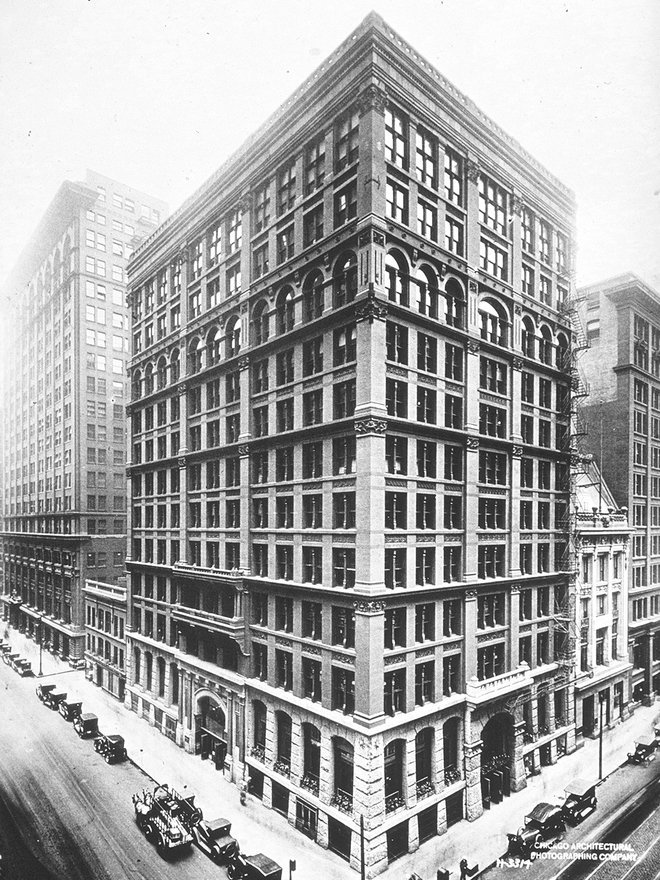
Chicago gave the world its first tall building supported by a fireproof structural steel frame, and it’s widely considered the world’s first skyscraper. The Home Insurance Building, built in 1885, went down in history as the world’s first modern skyscraper. Before this, architects were limited by the weight of brick and masonry walls.
Steel was not only lighter than brick but could carry more weight, allowing lighter masonry walls to be hung from the steel frame so the structure could be much higher without collapsing under its own weight. It’s hard to overstate how revolutionary this was. Jenney’s innovation not only met the demands of urban density but also changed the trajectory of architectural design across the globe. Chicago didn’t just build up because it could; it reimagined what a city could look like. The steel frame revolutionized buildings, allowing for more space, larger windows for greater natural light and ventilation.
Honestly, the skyline of nearly every major city today owes a debt to what happened in Chicago. That vertical ambition, that sense of possibility reaching skyward, began on the corner of LaSalle and Adams Streets.
America’s Transportation Heartbeat Started Here
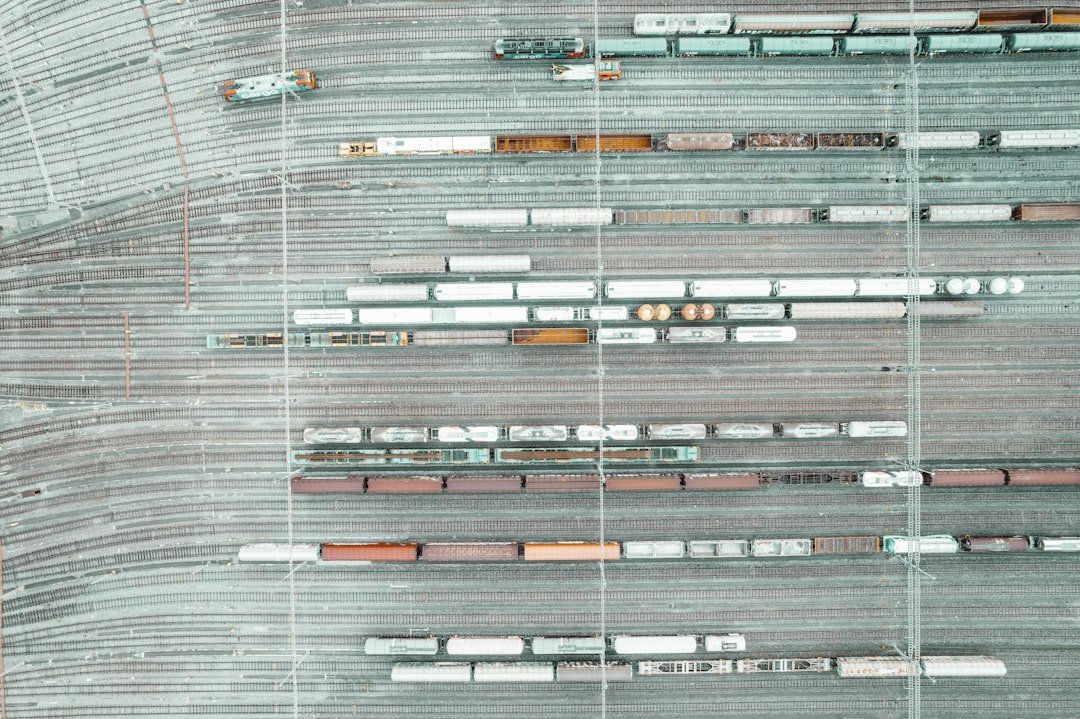
Chicago was the primary reason so many railroads originally entered Illinois, and no other state features such a wide variety of liveries, operations, and history. Illinois once was and still is the rail hub of the nation, and in 1920 it had more than 12,000 miles of railroad tracks. Picture the map of America as a living organism. Illinois is the heart. Railroads radiated outward from Chicago in every direction, connecting East and West, North and South.
Chicago’s role as a rail hub was solidified during the Civil War when it served as a critical transportation center for moving troops and supplies, and by the late 19th century Chicago had earned its reputation as the Railroad Capital of the World. That wasn’t a marketing slogan. It was fact. The systems perfected there became blueprints for efficiency nationwide. The Illinois Central Railroad connected Chicago with New Orleans and Mobile, linking the Great Lakes to the Gulf of Mexico.
If America moves goods efficiently today, it’s because Illinois showed everyone how. The city became a natural meeting point, and logistics networks that still define commerce took shape in its rail yards and freight terminals.
Iconic American Movie Scenes Were Defined Here
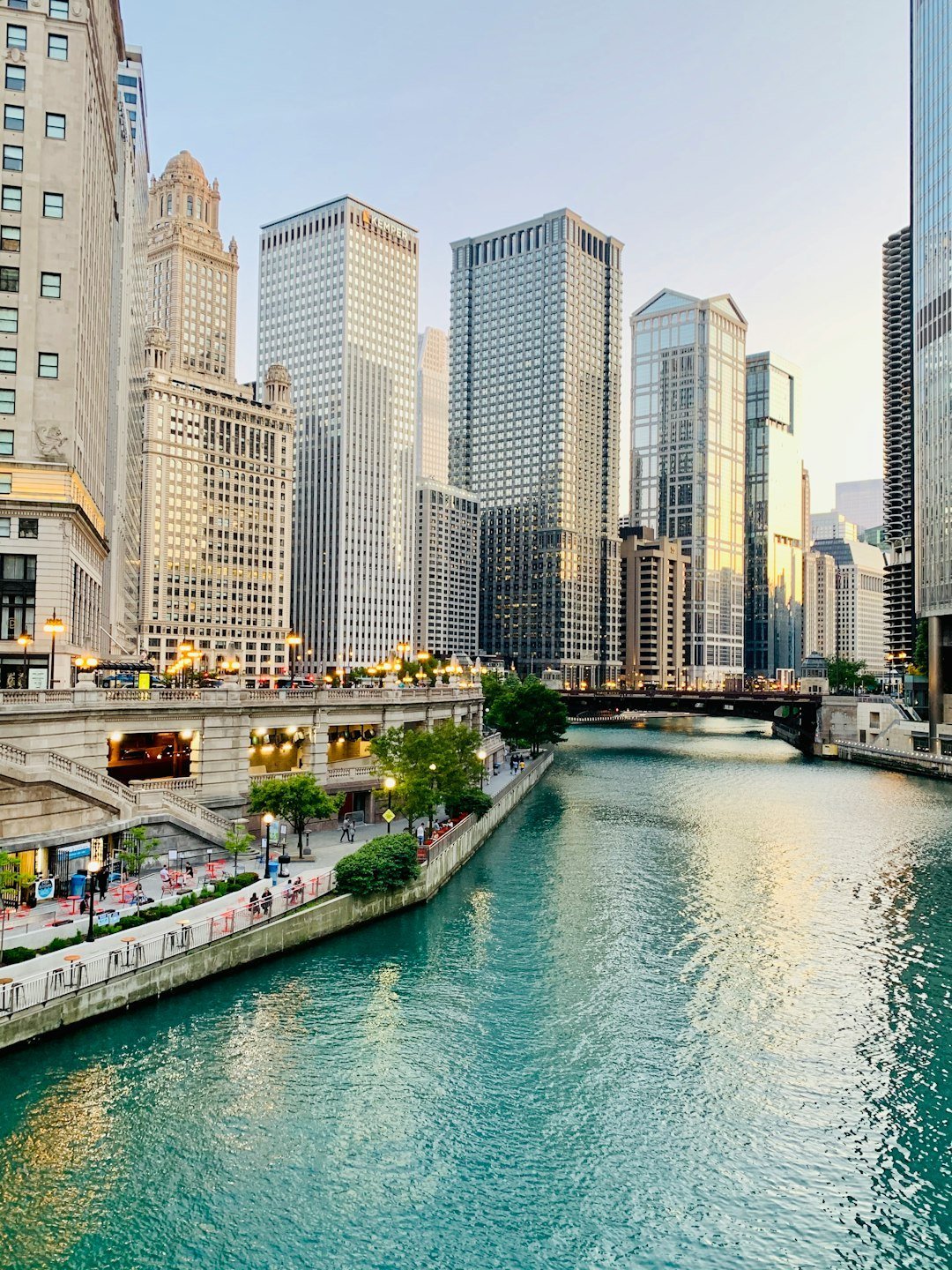
Chicago didn’t just host film shoots. It became a character itself, a symbol of grit, ambition, and urban energy. From gritty dramas to big-budget blockbusters, Chicago’s streets have hosted an impressive array of cinematic stories. Chicago serves as the face of Gotham in a multitude of movies, including The Dark Knight and The Batman. Think about that for a second. When Hollywood needed a city that embodied strength and urban complexity, they turned to Chicago again and again.
John Hughes wrote and directed Ferris Bueller’s Day Off as a classic love letter to Chicago and to the kid in all of us who just wants some time to goof off. The Blues Brothers tore through its streets. Brian De Palma’s The Untouchables featured a famous Union Station shootout as an homage to Eisenstein’s Battleship Potemkin. Home Alone made suburban Chicago feel like the whole world.
These weren’t just backdrops. The architecture, the bridges, the lakefront, the L trains all contributed to how America imagined itself visually. Chicago captures the eye of directors looking for urban energy and architectural grandeur. It’s the city that Hollywood uses when it needs authenticity mixed with drama.
The Sound of Urban America Took Shape Here
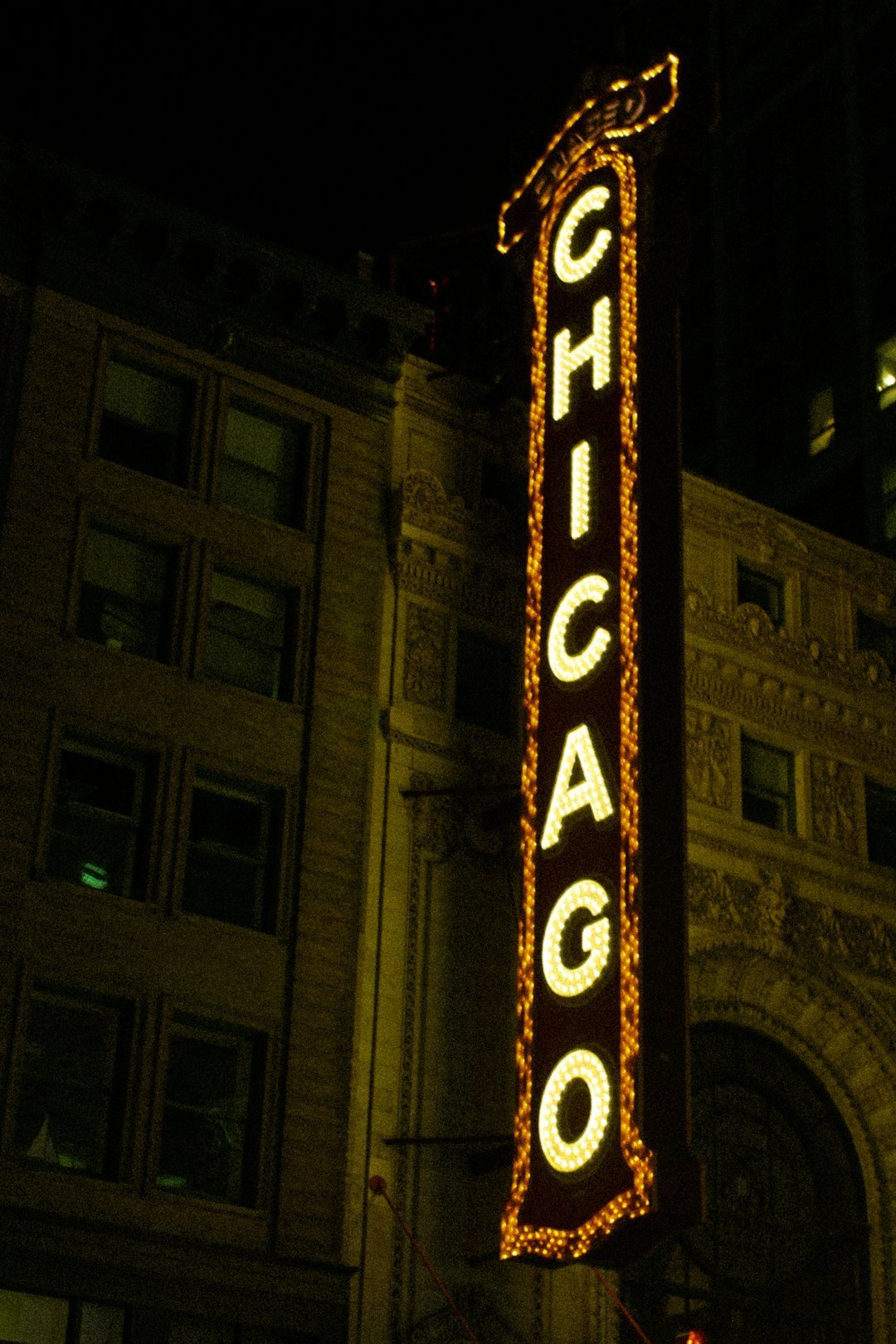
In the 1920s, the clubs, lounges, and theaters that lined State Street on Chicago’s South Side jumped with the uptempo sound of jazz music, and this fusion of African and European musical traditions flourished in Chicago, turning it into the jazz capital of the world. Muddy Waters, often acknowledged as the father of Chicago blues, migrated to Chicago in 1943 and developed a distinct style of Chicago blues which hit its peak around the late 1940s and early 1950s.
Chicago blues reached an international audience by the late 1950s and early 1960s, directly influencing not only early rock and roll musicians such as Chuck Berry and Bo Diddley but also reaching across the Atlantic to influence British blues and early hard rock acts such as Eric Clapton, the Rolling Stones, and Led Zeppelin. Let that sink in. The Rolling Stones named themselves after a Muddy Waters song. Legends like Muddy Waters, Howlin’ Wolf, and Willie Dixon crafted the soundtrack of the city at venues like the Checkerboard Lounge and Maxwell Street Market, and the music crafted by these artists went on to provide fundamental elements of genres like soul and rock and roll.
Chicago Blues was a significant factor in the creation of rock and roll, as the use of electric guitars and sounds would lead to future musicians creating a new music genre. Without Chicago, the sound of modern popular music would collapse like a house of cards. I know it sounds like hyperbole. It’s not.
The True ‘Middle of America’ Identity Started Here

Illinois sits at the crossroads. Not just geographically, though that’s true. It became the cultural and economic bridge between coasts, between farmland and factory, between tradition and innovation. It blended industry with culture, ambition with pragmatism.
Bruce Iglauer, founder of Alligator Records, stated that Chicago blues is the music of the industrial city and has an industrial sense about it. That mix of grit and aspiration is what makes Illinois feel unmistakably American. It never felt the need to choose between being urban or rural, between building or creating. It did both at once, constantly.
The state became a model for what the rest of the country could be. Hard work, innovation, creativity, and forward momentum all intersecting in one place. It was a laboratory for the American identity, testing ideas that would ripple outward. Chicago blues artists did much more than play and record their songs; they altered the trajectory of popular music, and their collective influence is so fundamental that if you removed it, the music we all love today would collapse like a Jenga tower.
When America Needed to Build Upward, Move Faster, and See Itself Reflected Honestly

The Home Insurance Building’s legacy remains intact as an architectural trailblazer in Chicago and around the world. Illinois didn’t wait for permission. It didn’t ask if skyscrapers were possible or if a city in the middle of the country could become a global rail hub. It just did it.
The emergence of these early skyscrapers led to the widespread adoption of the Chicago skeleton design and inspired tall buildings worldwide. The ripple effects continue to this day. Every time someone rides an elevator in a modern office tower, they’re benefiting from something that started in Chicago. Every time a freight train crosses the country, it’s following patterns laid down in Illinois rail yards.
The music crafted by Chicago blues artists went on to provide fundamental elements of genres like soul and rock and roll, and today the Chicago blues scene still looms large in the city’s music scene and continues to influence popular music. The movies that defined how we see American cities were often filmed on its streets. Illinois created infrastructure, both physical and cultural, that America built itself on top of.
What do you think? Did you realize just how much of modern America started right there in the heartland?

Besides founding Festivaltopia, Luca is the co founder of trib, an art and fashion collectiv you find on several regional events and online. Also he is part of the management board at HORiZONTE, a group travel provider in Germany.
