


There’s something almost mythical about the way certain places shape an entire nation’s identity. Florida isn’t just a state with palm trees and beaches. It’s where America learned to dream differently. Where impossible became routine. Where we started reaching for the stars, building dreams into reality, and telling ourselves that reinvention is not just possible but expected.
Let’s be real, most people think of Florida as vacation central or retirement land. That’s not wrong, but it’s wildly incomplete. What actually happened here redefined entire industries, changed how the federal government thinks about nature, and gave birth to a cultural mindset that now defines modern American life.
Where America Reached for the Moon and Beyond
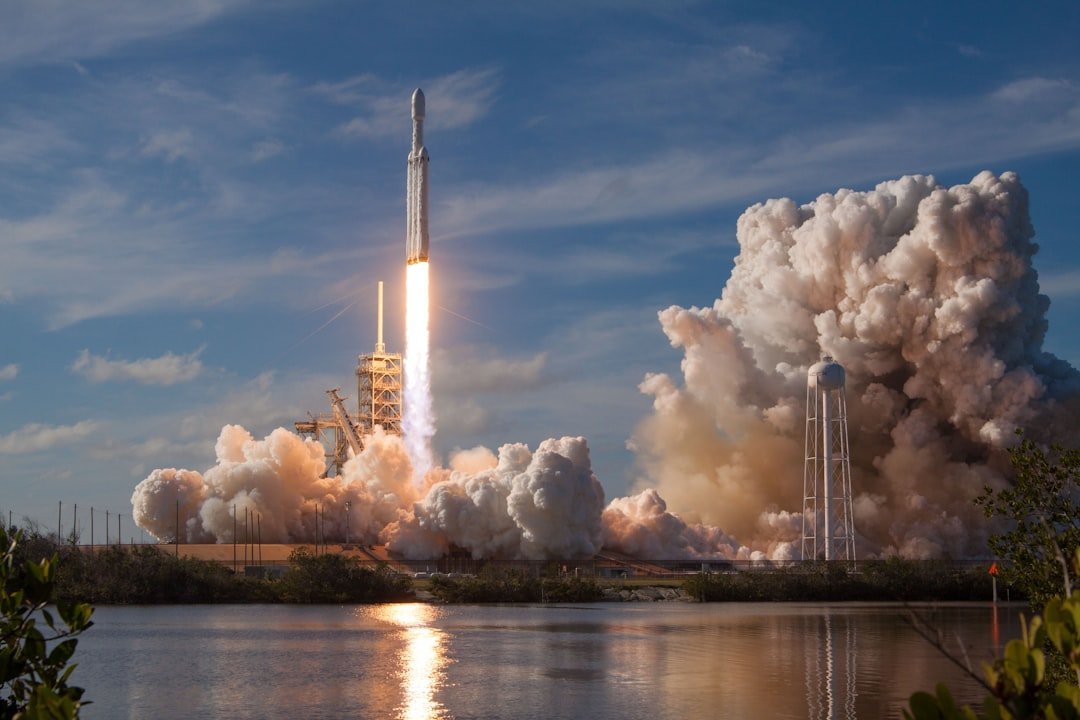
Picture this. Every single era of American space exploration launched from Florida soil. Every one. From Project Mercury to Artemis, Kennedy Space Center has played a vital role as NASA’s spaceport for the past six decades.
It is home to the launch pads that have sent astronauts into orbit since 1961, and honestly, the numbers are staggering. When Neil Armstrong took that first step on the moon in July 1969? He started his journey here. The Space Shuttle era, every mission? Florida. The Space Coast ended 2025 with a record 109 launches, and 2026 could see a similar number as all three companies ramp up plans plus NASA launches the Space Launch System rocket on Artemis II.
Think about what that really means. When humanity decided to go beyond Earth, when we collectively said we’re not bound by gravity anymore, it started on a patch of swampland on Florida’s east coast. The United States established NASA in July 1958 and continued to use Cape Canaveral as its primary launch site, due to its location on the Atlantic Ocean and its ideal latitude when considering the rotation of the globe in reaching orbital velocity.
The Birthplace of Modern Vacation Culture
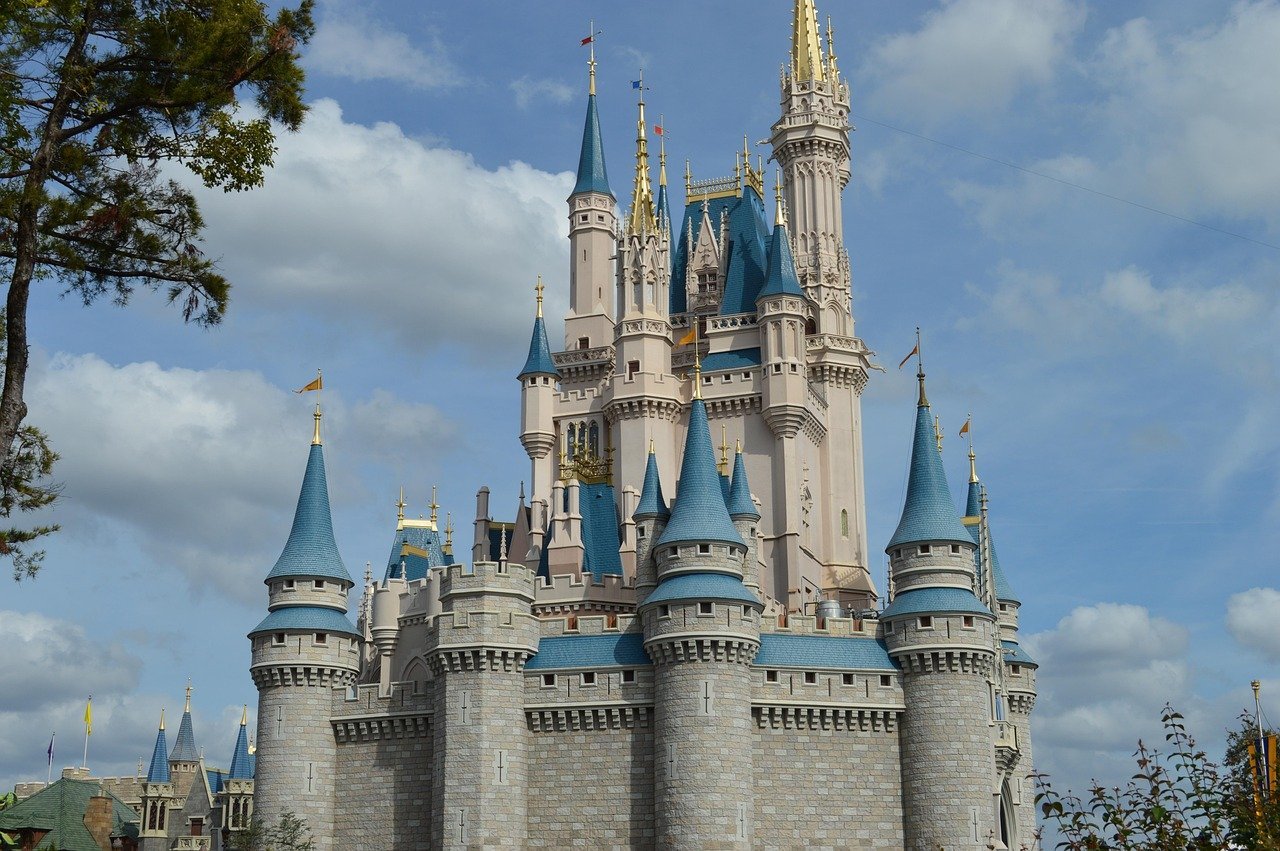
Here’s where it gets interesting. Florida didn’t just host theme parks. It invented the entire concept of large-scale entertainment tourism as we know it today. Opened on October 1, 1971, Walt Disney World is operated by Disney Experiences and is one of the most iconic and pioneering entertainment resort complexes in the world, a cornerstone in popular entertainment.
When Walt Disney chose Orlando over other locations, he wasn’t just building another amusement park. Inspired by the success of his theme park Disneyland in Anaheim, California, Disney wanted to develop his original idea more fully by creating an expansive vacation destination on America’s east coast, attracted by Florida’s temperate climate and already established tourist trade. The result? With four theme parks, two water parks, and numerous resort hotels, Disney World welcomed over 58 million visitors in 2019, making it the most visited theme park resort globally.
The systems, the multi-day vacation model, the idea that an entire family could immerse themselves in a fantasy world for a week? That blueprint was written in Central Florida. Today those concepts are copied worldwide, from Asia to Europe to South America.
Hollywood’s Favorite Backdrop
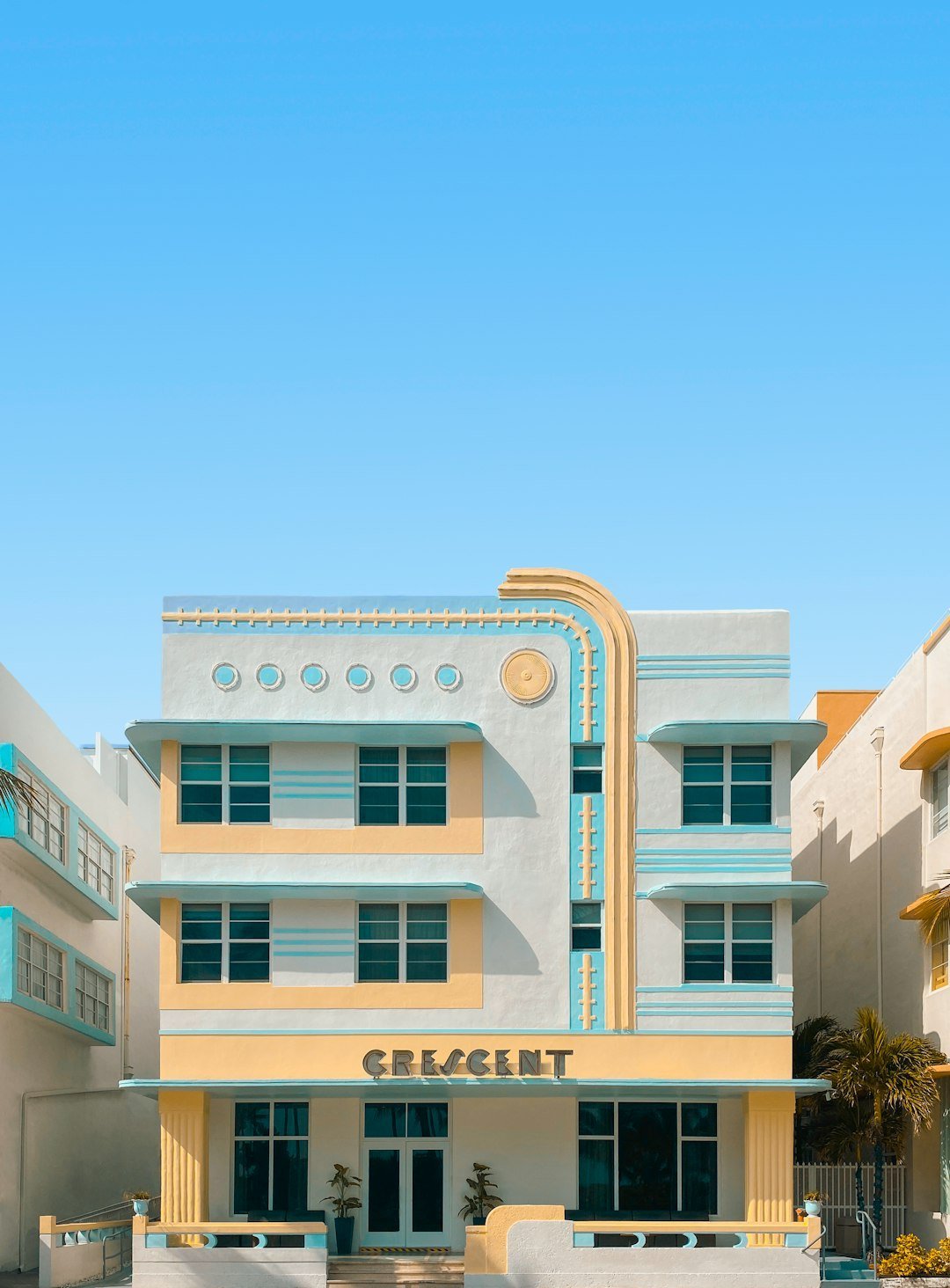
Florida’s visual identity became America’s visual identity in ways most people don’t even realize. Miami’s Art Deco district, neon-soaked streets, endless coastline? They didn’t just appear in movies and TV shows. They defined entire genres.
The iconic Art Deco district has served as the backdrop for countless films and television shows, including the stylish crime drama ‘Miami Vice.’ Those pastel buildings and ocean views became synonymous with 1980s American cool. Kalem Studios opened a permanent studio in Jacksonville in 1908, the first film studio to do so, and by doing so, became the first studio to film year-round.
From action blockbusters to comedies to dramas, Florida locations appeared again and again. James Cameron’s action blockbuster True Lies filmed spectacular sequences in the Keys, with the Seven Mile Bridge becoming the setting for dramatic helicopter rescues. The state’s diverse landscapes could double for almost anywhere, making it invaluable to filmmakers.
Where Starting Over Became an American Ideal
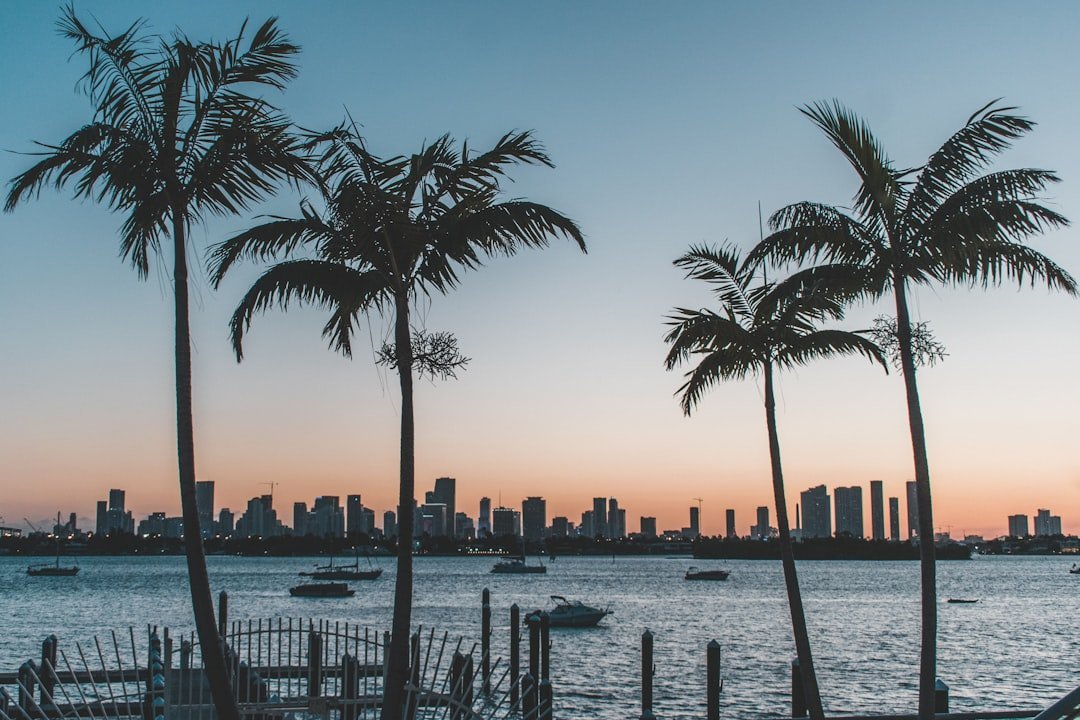
This might be the most fascinating part. Florida normalized something radical: the idea that you can just start over. New career, new identity, new life chapter. No questions asked.
Retirement to Florida is a phenomenon beginning in the 1950s in which retirees have disproportionately chosen to move to the state, promoted by year-round warmer climate, absence of a state income tax, recreational opportunities, and the development of an abundance of retirement communities. It wasn’t just about escaping winter, though that helped. It was permission to reinvent yourself.
After World War II, Florida was transformed as the development of air conditioning and the Interstate highway system encouraged migration by residents of the North and Midwest, with low tax rates and warm climate making Florida the destination for many retirees. Entire communities sprang up built around this concept of life’s second or third act.
That mindset spread far beyond retirees. The idea that geographic relocation equals personal transformation? That you’re not stuck with the life you were born into? Florida practically wrote the manual on that very American belief.
Environmental Conservation That Changed National Policy
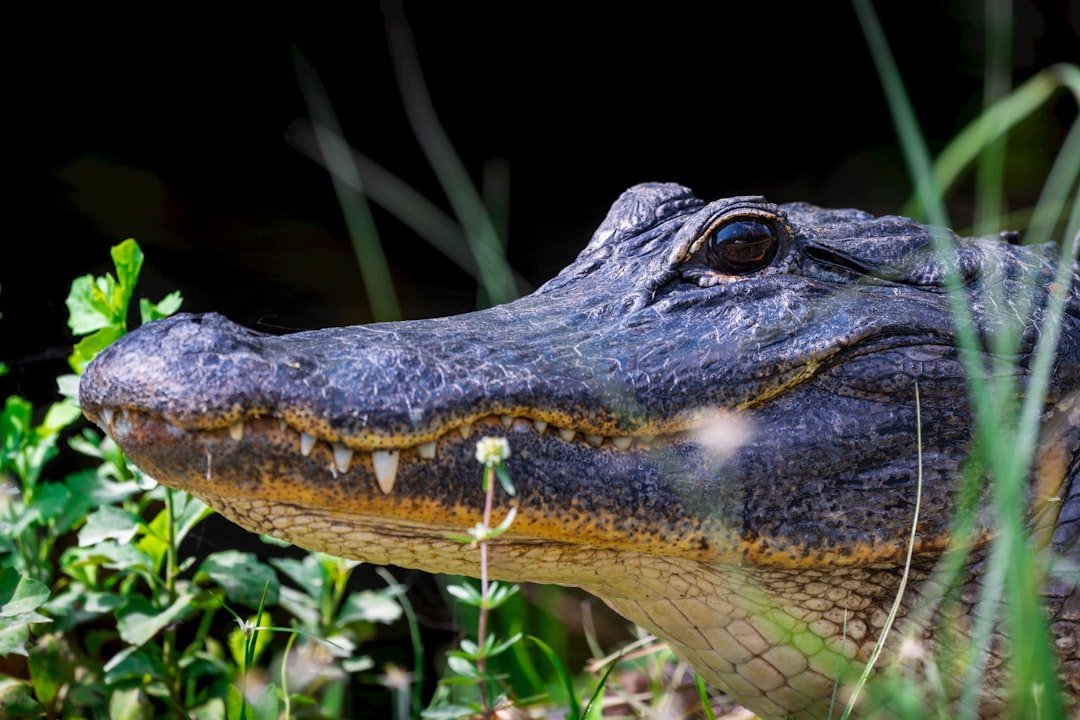
Something extraordinary happened when people started paying attention to the Everglades. What began as a local Florida issue became a template for how America thinks about ecosystem preservation on a massive scale.
Environmental protection became a national priority in the 1970s, with Time magazine declaring it the Issue of the Year in January 1971, and when South Florida experienced a severe drought from 1970 to 1975, media attention focused on the Everglades. Suddenly, protecting wetlands wasn’t just about saving some swamp. It was about water management, species preservation, and understanding how ecosystems function.
Governor Reubin Askew implemented the Land Conservation Act in 1972, allowing the state to use voter-approved bonds to purchase land considered environmentally unique and irreplaceable, and since then, Florida has purchased more land for public use than any other state. That was groundbreaking policy.
The lessons learned from Everglades restoration efforts influenced national environmental legislation and shaped how the federal government approaches conservation everywhere. Congress authorized the Comprehensive Everglades Restoration Plan in 2000, the largest hydrological restoration project ever undertaken in the United States, aimed at restoring natural hydrology, improving water quality, and reviving ecosystem function. The scale was unprecedented, and it forced policymakers to think bigger about environmental protection.
Why This All Matters Now
Looking at Florida’s influence, what becomes clear is that this wasn’t accidental. Geography played a role, sure. But so did timing, vision, and a willingness to bet big on the future.
When America needed to prove it could compete in the Space Race, Florida provided the launchpad. When families wanted escape and entertainment on an unprecedented scale, Florida built it. When filmmakers needed authentic American backdrops, Florida offered them. When people needed permission to start fresh, Florida welcomed them. When the nation grappled with environmental responsibility, Florida became the testing ground.
Each of these movements created ripple effects that extended far beyond state borders. The space industry spawned technologies we use daily. Theme park innovations changed global tourism. The reinvention culture reshaped how Americans think about retirement and second chances. Environmental policies born from Everglades protection influenced conservation efforts nationwide.
The Legacy That Keeps Building
What makes Florida’s story particularly compelling is that it’s ongoing. The state isn’t resting on past achievements. Space launches continue at record pace. Theme parks keep innovating. People still flock there seeking transformation. Environmental restoration work progresses.
Florida proved that a place can be more than geography. It can be an idea, a laboratory, a starting point for national movements. It showed that when vision meets opportunity, the results can reshape how an entire country thinks about what’s possible. Pretty remarkable for a peninsula that was mostly swampland and citrus groves not that long ago.
Did you expect one state to have fingerprints on so many defining American experiences?

Besides founding Festivaltopia, Luca is the co founder of trib, an art and fashion collectiv you find on several regional events and online. Also he is part of the management board at HORiZONTE, a group travel provider in Germany.
