
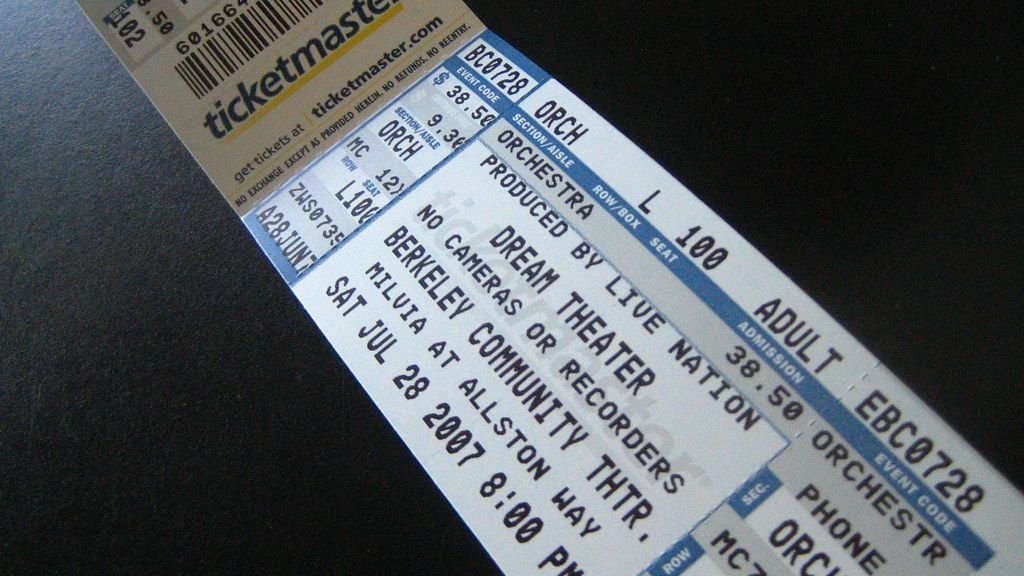
There was a time when going to a concert started days before the show. Long before anyone refreshed a browser tab in a panic, buying a ticket was a whole ritual in itself. Something about the process made the music feel earned. You had to work for it a little, and that made the payoff feel different.
This is not a simple nostalgia piece, though. It’s an honest look at fifteen specific things that made the pre-digital concert experience something genuinely distinct from what it is today, right as the legal and cultural conversation around ticketing has never been louder. Let’s dig in.
1. The Record Store Was Your Gateway
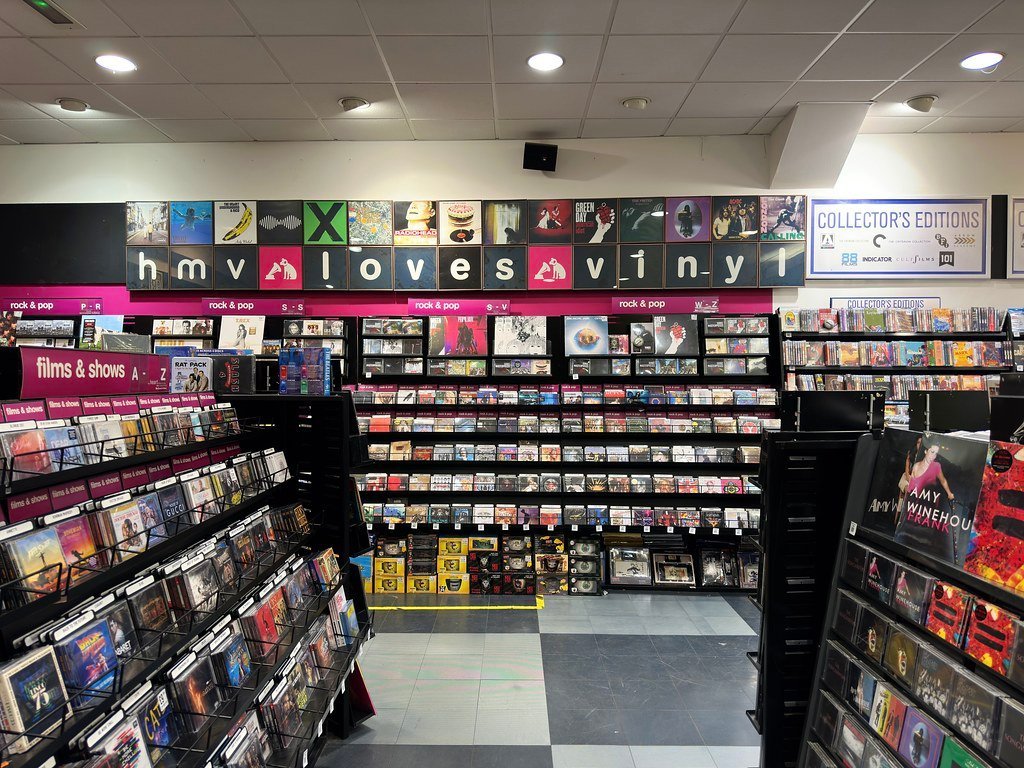
In the years before the internet reshaped everything, concert tickets were sold in record shops, over the phone, and sometimes through travel agencies. That meant going into a place that already smelled like vinyl, where the guy behind the counter actually knew who was playing where and when. Throughout the 1960s and 1970s, independent record stores began popping up all over the world, and these stores often had a strong sense of community and served as a gathering place for music fans. Buying a ticket at a record store wasn’t just a transaction. It was the first moment the show became real.
2. Standing in a Queue Was Part of the Ritual
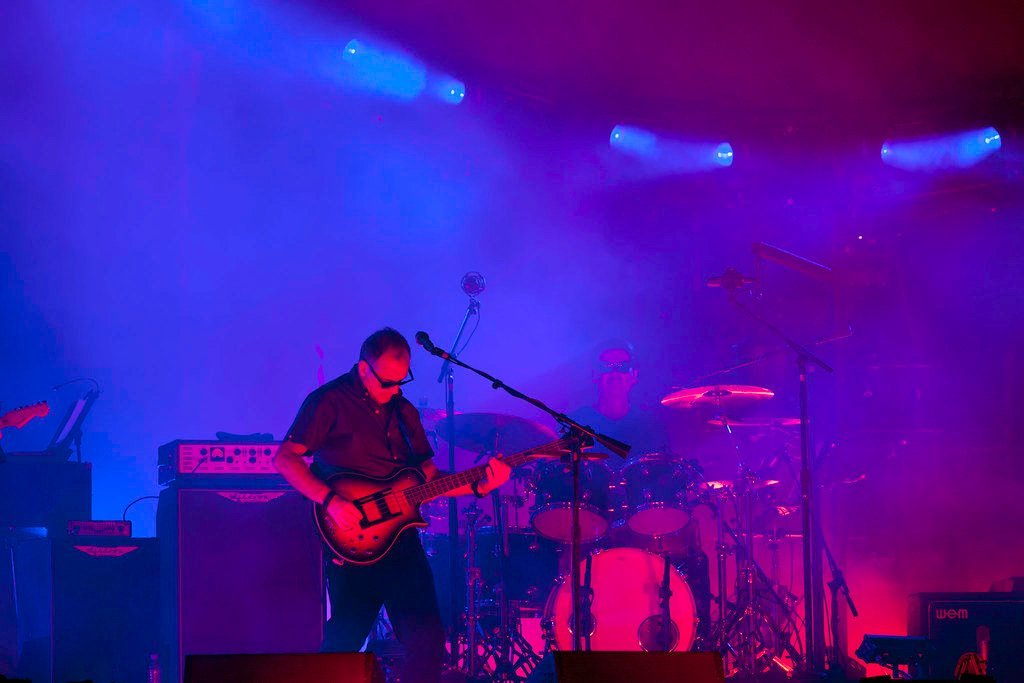
Fans would queue outside local ticket offices for major shows, sometimes getting up at five in the morning to hold their place in line. That sounds exhausting by today’s standards. But here’s the thing: the queue was social. You talked to strangers who loved the same band. You found out what songs everyone hoped to hear. Ticket vendors played a crucial role in the pre-internet era, and fans would often have to wait in line for hours to purchase tickets. That shared wait built an anticipation that no countdown timer on a website has ever replicated.
3. The Handsome Hard Ticket Was Its Own Object
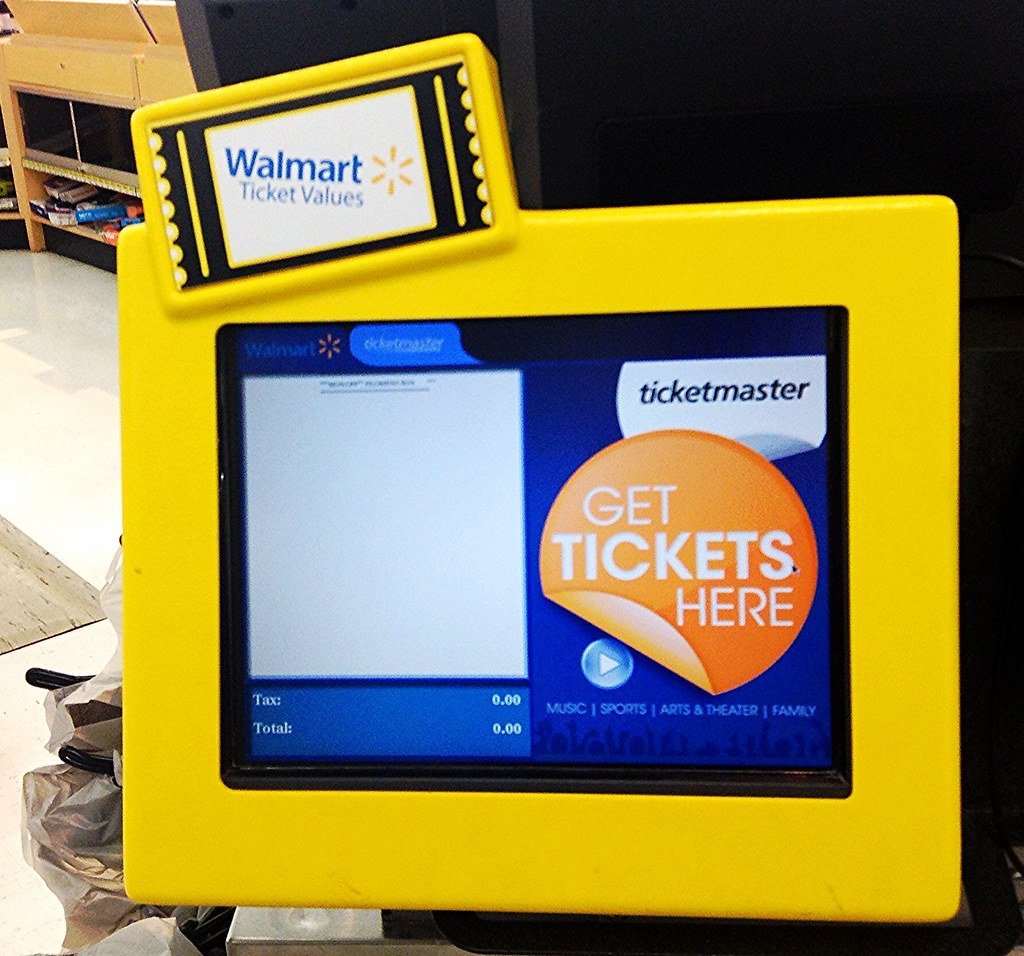
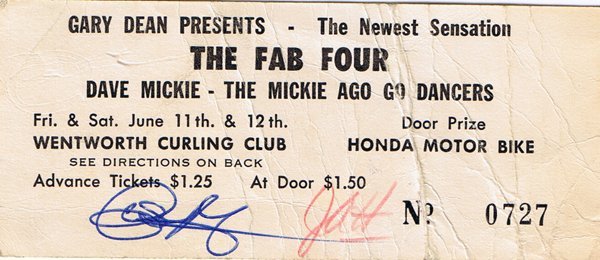
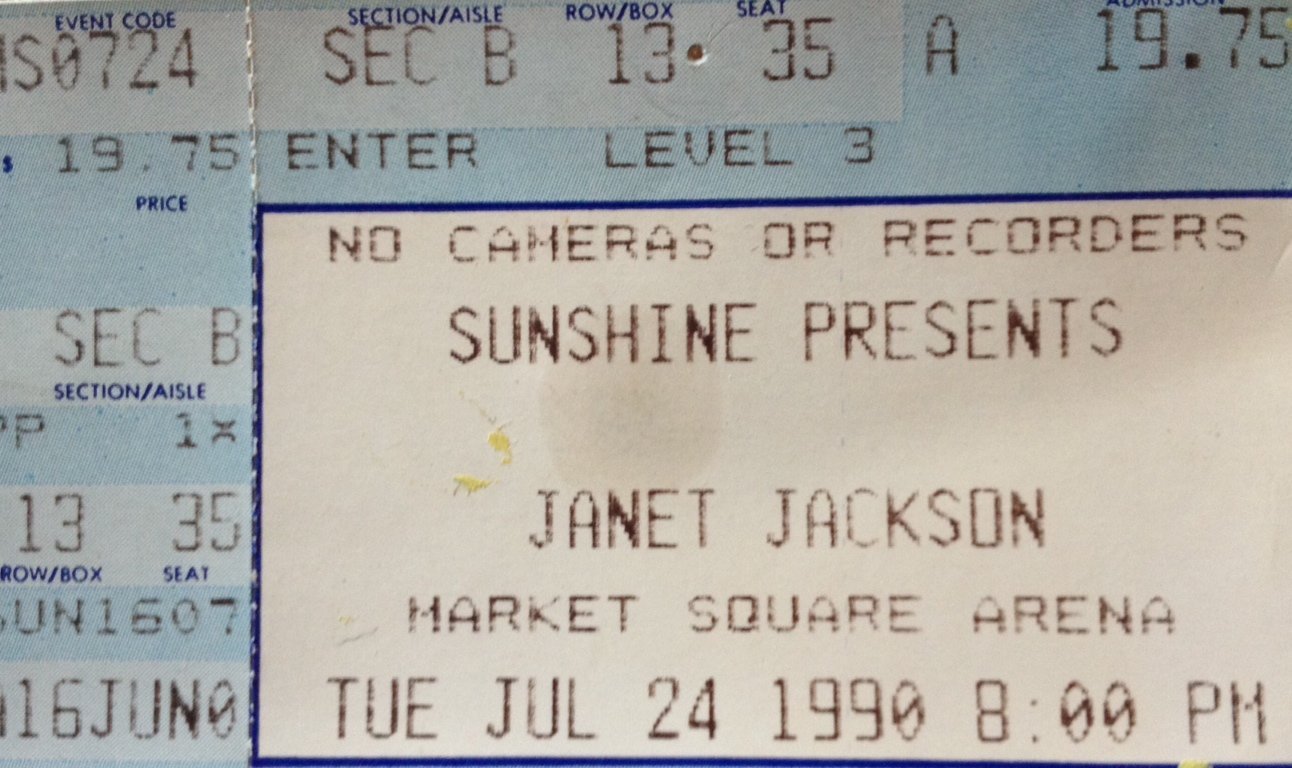
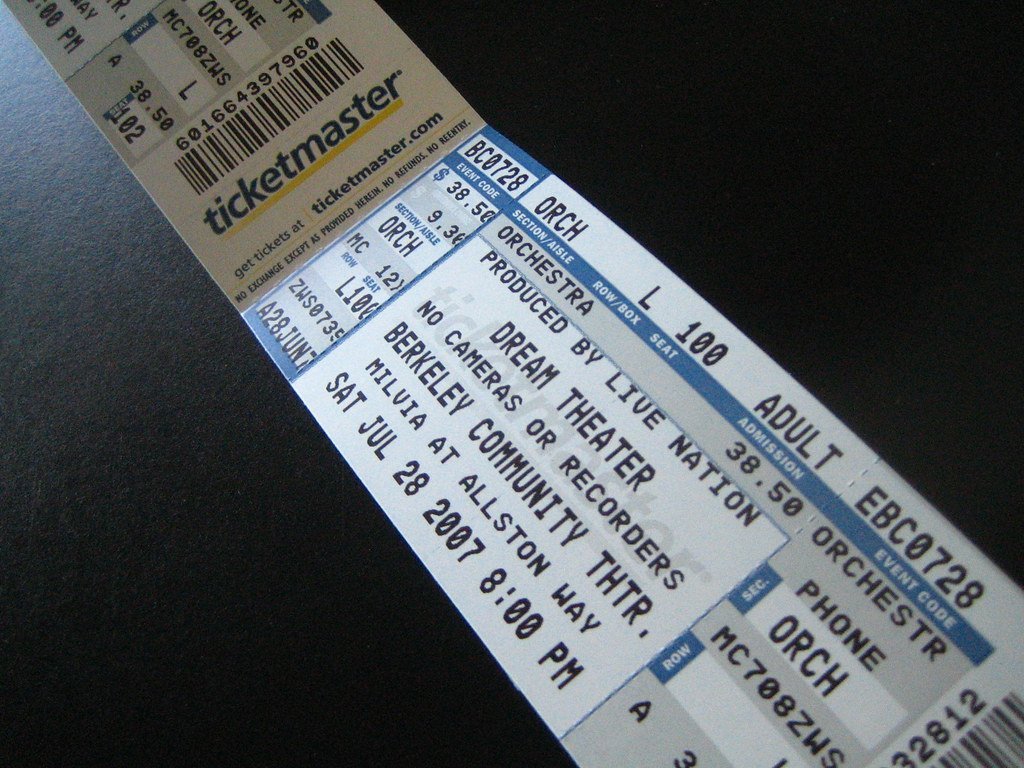
The ticket was not just a utility – it was art. The beginning of the end for the beautiful “hard ticket” came in the 1980s with the rise of Ticketmaster, which centralized the printing process, replacing unique, colorful tickets designed by the venue with the standardized “thermal ticket” featuring blocky computer font. Honestly, that shift sounds minor until you hold one of those old tickets. They had weight and personality. For nearly a century, the ticket stub was more than just a permission slip to enter a building; it was a receipt for a memory – proof that you were there.
4. The Stub You Kept Forever
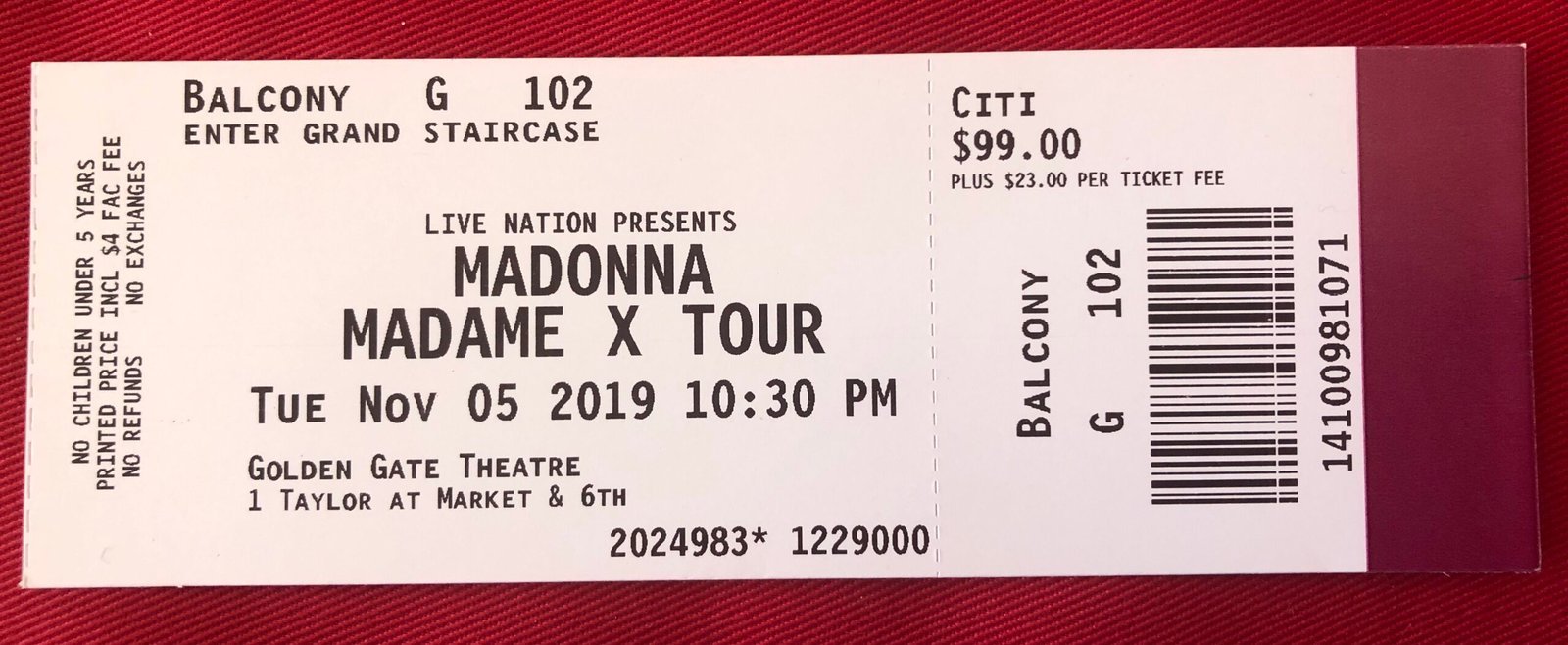
Fans who kept old ticket stubs discovered they had become a commodity, with certain concerts turning legendary and those tickets becoming music memorabilia that increased in value over time. People taped them into journals, pinned them to bedroom walls, slid them under the glass of picture frames alongside photographs. Older tickets from the 1960s and 1970s showed natural signs of wear, and those from concerts featuring original band members – like The Who with Keith Moon or Led Zeppelin with John Bonham – became especially valued by collectors. A phone notification in your email does none of that.
5. Phoning In Was an Adventure
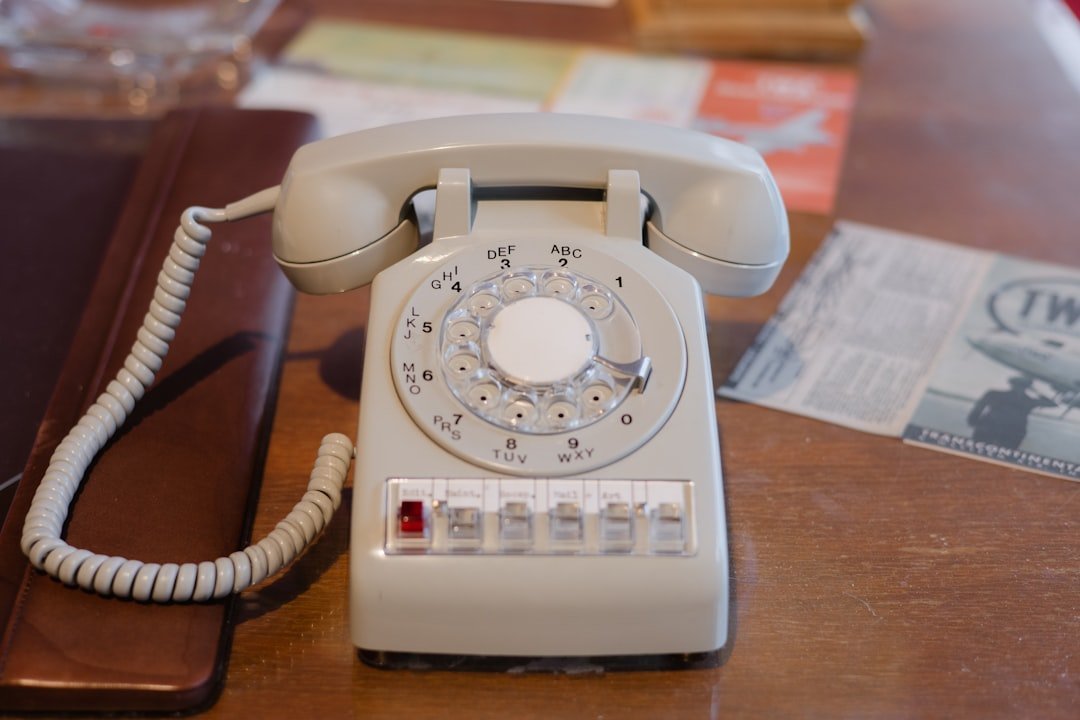
You would ring and it would be engaged, hang up, then ring again – on repeat – before eventually giving up. There was something almost athletic about it. You recruited friends. One person went to the record store, another stayed on the phone. If the tickets went on sale at 9 a.m., one friend joined the record shop queue and one stayed on the phone to maximize success. It required coordination and a bit of luck, which made actually scoring tickets feel like a genuine victory.
6. The Power of Local Promoters
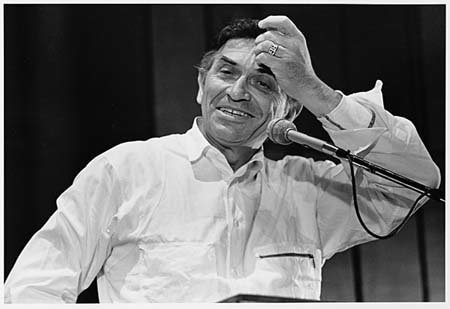
Until 1970, the business of presenting concerts was largely in the hands of regional promoters working in clubs and theaters. These were people embedded in their cities, often passionate fans themselves, who built relationships with venues and understood what their local audiences actually wanted to hear. Legendary concert promoter Bill Graham, for instance, took control of the Winterland Arena in 1966 and promoted acts that were too big for smaller nearby venues like the Fillmore Auditorium and Avalon Ballroom. The local promoter was a curator as much as a businessman. That role has largely been consolidated out of existence.
7. Intimate Venues with Their Own Personality
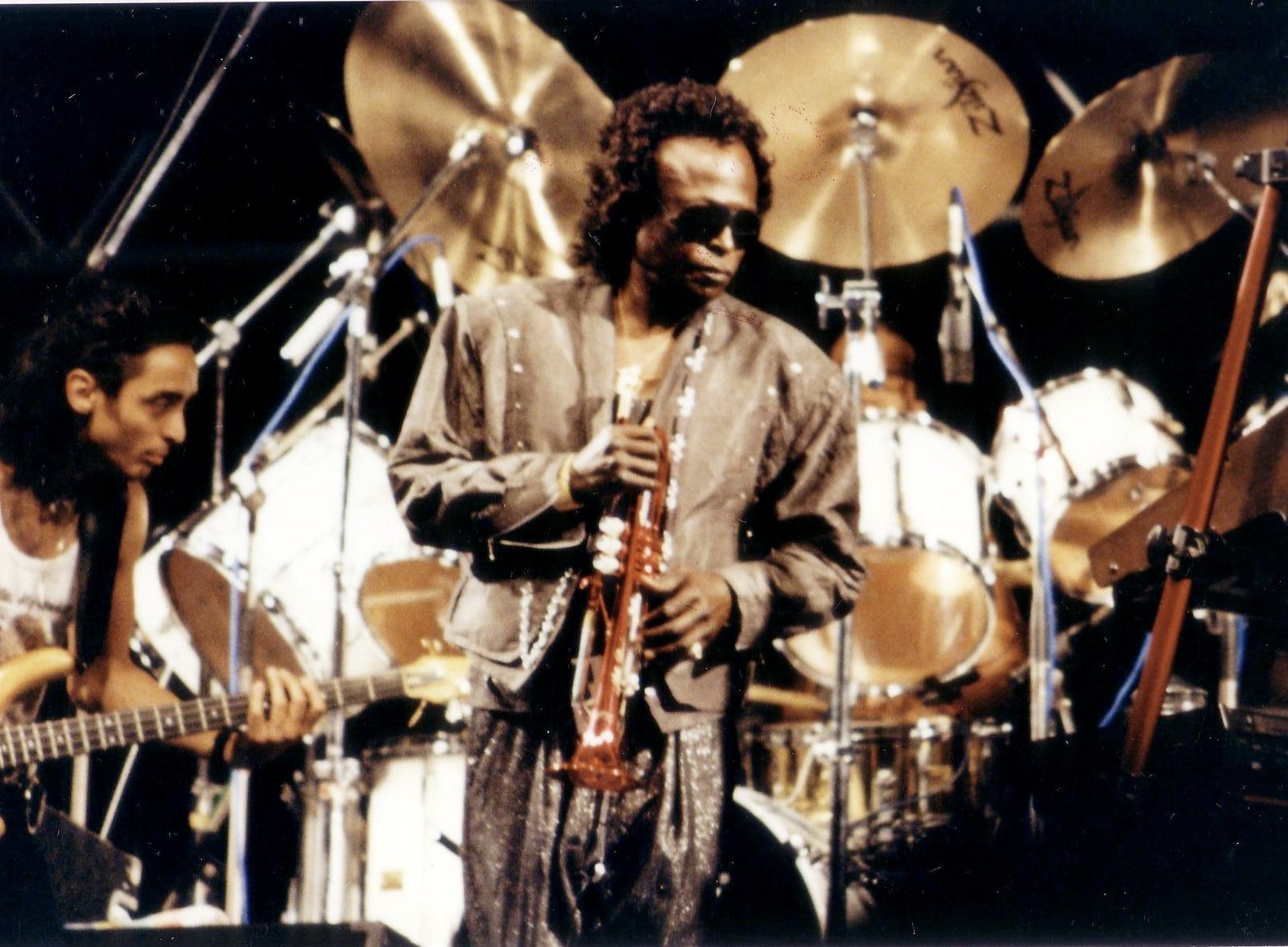
Promoters like Bill Graham frequently booked unusual pairings on the same bill – one night you might see Miles Davis and the Grateful Dead, or Joe Cocker and Van Morrison. Smaller venues made those surprises feel intimate in a way that a stadium simply cannot. For music, these intimate settings meant audiences could see some of the day’s top acts just feet away. I think there’s something almost irreplaceable about that proximity. When you can see the sweat on a guitarist’s face, the music lands differently in your chest.
8. The Cash-Only Merch Table
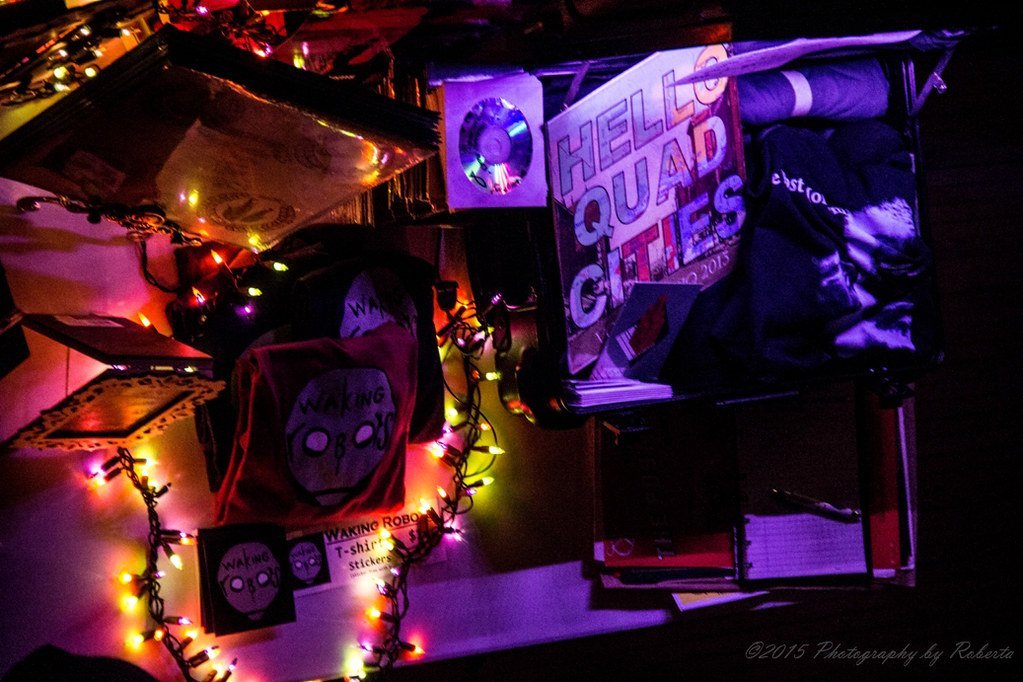
There was no app, no credit card reader, no digital queue for band merchandise. You showed up with cash, you stood in line, and you bought a T-shirt from someone who was probably in a band themselves. The whole exchange was fast, direct, and completely human. Rock concert memorabilia sold at vendor stands served as mementos of the concert and sometimes became collectibles years later. There was something deeply satisfying about walking out with a slightly overpriced shirt that smelled faintly of the venue’s fog machine. You had proof, in fabric, that you were there.
9. The Newspaper Listings Were Your Discovery Engine

There were adverts for gigs in the back of the Sunday papers with phone numbers, and fans would call those numbers to try to get tickets. Music weeklies like NME and Melody Maker served the same function. Listings in those publications in the 1990s meant you phoned up and hoped for the best. The discovery of a show felt accidental and lucky in the best possible way. You stumbled on a listing while reading something else entirely, and suddenly you had plans for next Friday night.
10. Mailing a Check for Festival Tickets
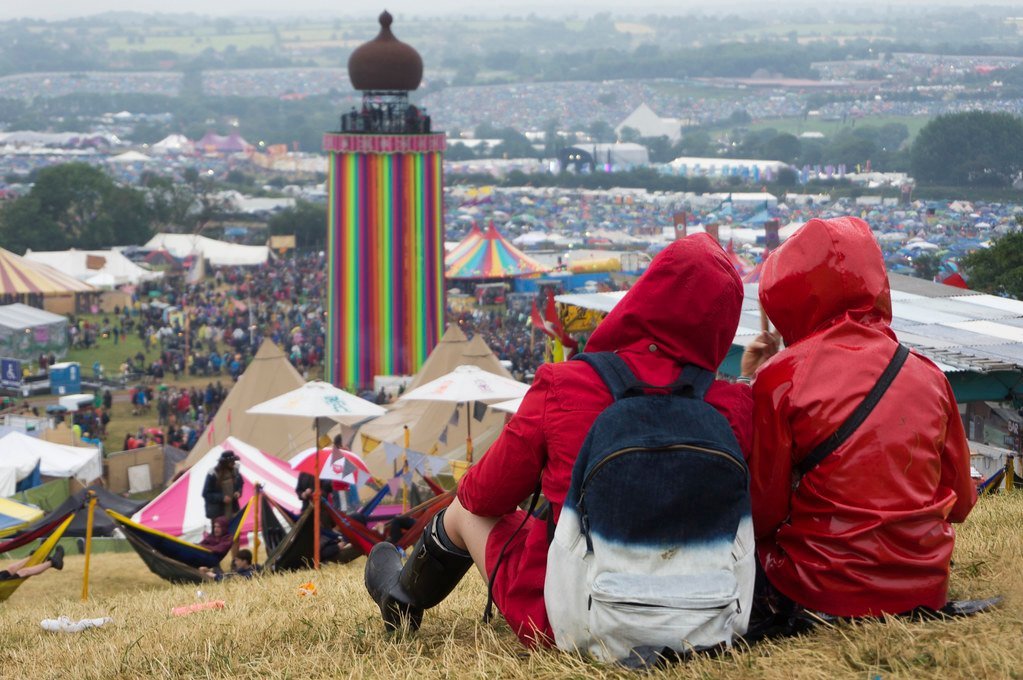
Glastonbury tickets in the late 1980s could be purchased by sending a cheque by post, and tickets were then posted back. Think about that for a moment. You wrote a check, mailed it, and waited. Sometimes weeks passed before the envelope arrived. Physical tickets for Glastonbury could still be purchased from HMV until around 2000, before the festival moved online. The wait was almost unbearable. It also meant the moment that envelope landed on your doormat was genuinely thrilling, a kind of anticipation that digital confirmations land in your inbox cannot begin to manufacture.
11. The Fan Club Advantage
If you were a member of a fan club, you often got first access to tickets. This was organic, low-tech loyalty. Artists rewarded their most dedicated followers not through an algorithm but through a mailing list and a paper newsletter. It was imperfect and slow, but it felt personal. The relationship between fan and artist had a warmth that no presale code dropped into a mass email quite manages to recreate. Being a real, card-carrying fan club member meant something tangible in terms of access.
12. Ticket Prices That Felt Human
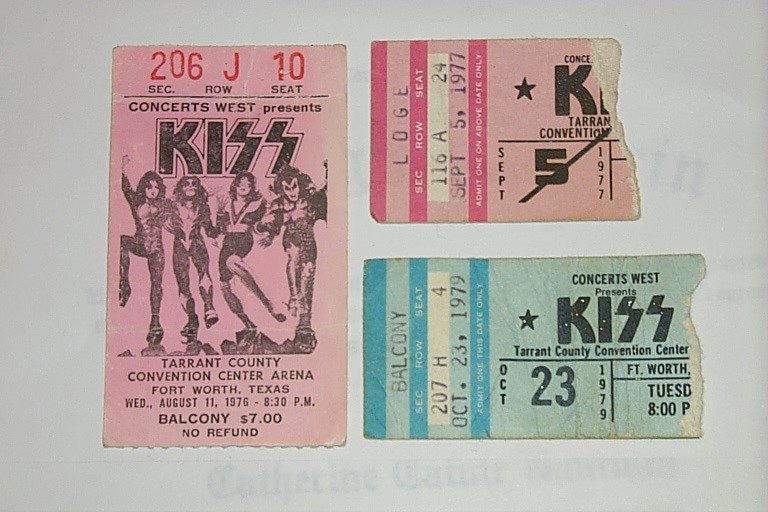
In the pre-internet era, concert tickets were typically purchased as paper tickets, with each ticket costing around ten to twenty dollars, usually purchased in person at the venue or through a ticket vendor. It’s hard to say exactly where the tipping point was, but the economics of live music shifted considerably after consolidation accelerated through the concert industry. As the performance level at concerts grew, so did ticket prices, and concerts became a more and more lucrative enterprise for artists. The DOJ, as recently as 2024, alleged in its lawsuit that market consolidation has resulted in consumers paying inflated fees, with 40 state attorneys general agreeing enough to sign on.
13. The Rise of the Corporate Ticketer
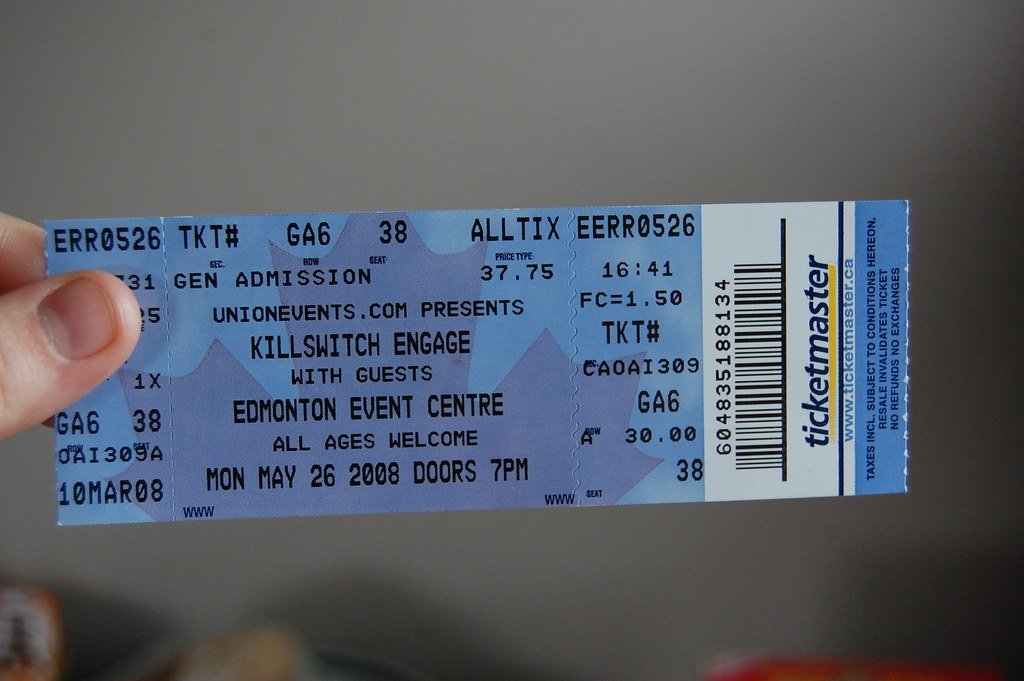
The beginning of the end for unique, venue-designed tickets came in the 1980s with the rise of Ticketmaster, which centralized the printing process and replaced distinct, colorful tickets with standardized thermal strips in blocky computer font. That standardization signaled a broader shift. The antitrust lawsuit currently working through the courts, brought by the U.S. Department of Justice following the Taylor Swift–Ticketmaster controversy in 2022, alleges that Live Nation has a monopoly on the live event sector. The suit was filed in May 2024, and as reported by Rolling Stone, it reflects what many in the industry describe as years of accumulating frustration.
14. What the Numbers Actually Show
Live Nation controls over 80 percent of the U.S.’s major concert venue primary ticketing, has exclusive arrangements with 265 concert venues, and manages more than 400 big-name artists. Those figures, taken from the DOJ’s complaint, are striking. Plaintiffs in the landmark Sherman Act case allege that Live Nation-Ticketmaster uses its monopoly power in primary ticketing services for major venues, concert promotion, and venue management to stifle competition, harming consumers, rival concert promoters, and artists. As reported by ProMarket in December 2025, the case was still very much alive heading into 2026, with Live Nation’s motion for summary judgment filed in November 2025 and widely seen as unlikely to succeed.
15. Where Things Stand Right Now
A New York federal judge declined to entirely throw out the Justice Department’s monopoly antitrust case against Live Nation, teeing up the civil enforcement case to stand trial before a jury in Manhattan federal court, after Live Nation had asked the court to toss out the sprawling antitrust lawsuit joined by 40 state attorneys general. According to the American Prospect, reporting in February 2026, the Trump Justice Department was described as being on the verge of settling the case before trial, a development that drew significant public criticism. As one former club promoter put it, ticketing reform is “one of the few truly bipartisan issues left, because working-class people, fans, and voters across the country are suffering from this monopoly regardless of political party.” The era of buying a ticket at your favorite record store and sliding the stub into your wallet may be gone. Whether anything replaces the warmth and simplicity of it remains very much an open question.
What’s your most vivid memory of buying tickets the old way? Tell us in the comments.

- 33 Lyrics That Were Secretly Codes (Wait Until #12) - March 25, 2026
- 45 Iconic Songs Everyone Has Been Singing Wrong For Decades - March 25, 2026
- The 18 Biggest Music Scandals of the 2000s - March 10, 2026

