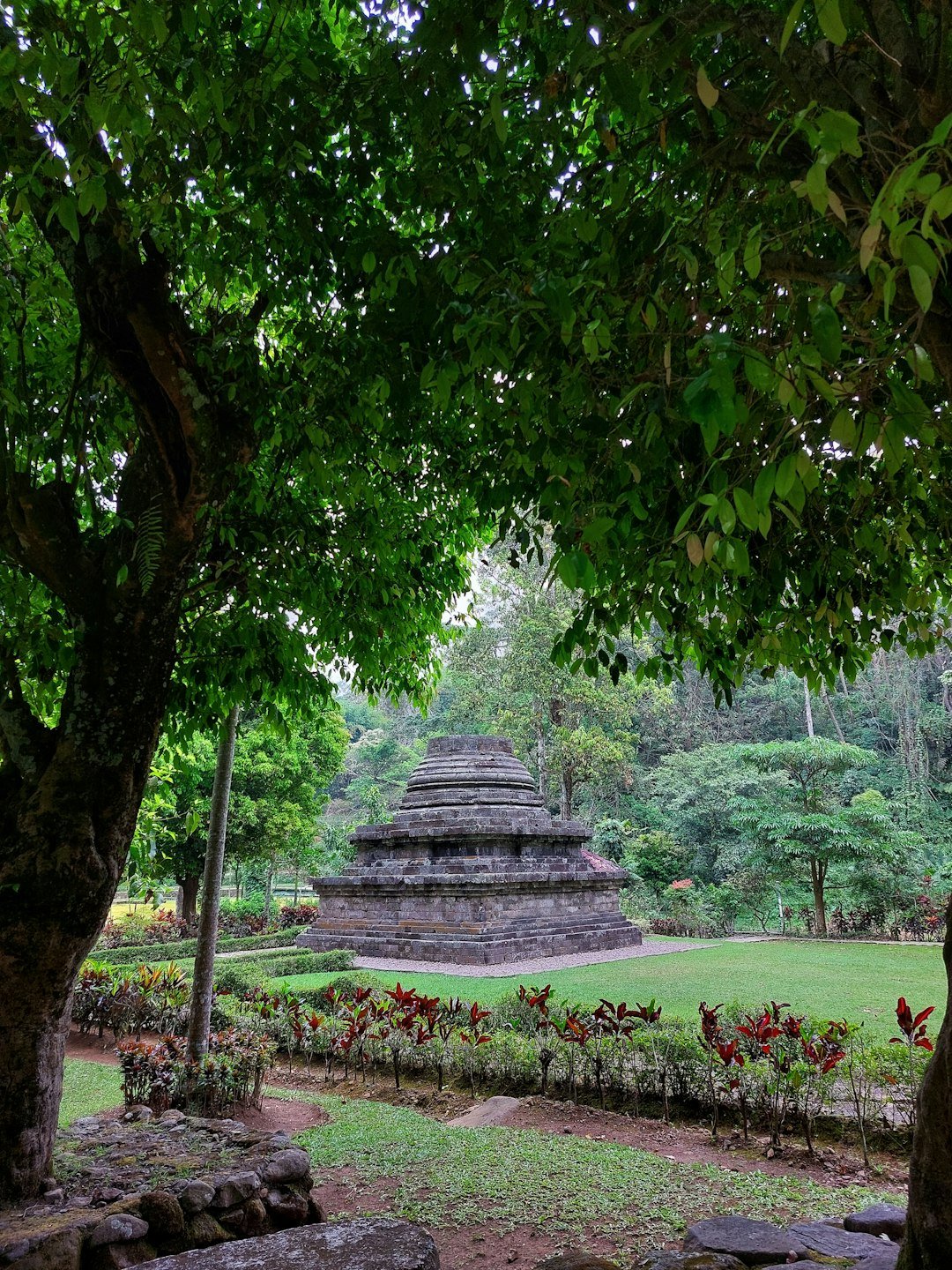

Ancient Echoes in Traditional Ensembles (Image Credits: Unsplash)
Indonesia – An archipelago nation shaped by centuries of conflict and triumph, where rhythms and melodies preserve stories of bravery and unity.
Ancient Echoes in Traditional Ensembles
In the shadow of volcanic peaks on Java and Bali, gamelan orchestras have long served as more than mere entertainment; they embodied the valor of ancient kingdoms. These intricate ensembles, featuring metallophones, gongs, and drums, accompanied royal ceremonies and battle preparations during the Hindu-Buddhist era. Warriors drew strength from the resonant tones, which symbolized cosmic order and the unyielding spirit of the land. Historical accounts reveal how gamelan music unified communities during invasions, fostering a sense of collective heroism that transcended individual feats.
Across Sumatra and the outer islands, similar traditions emerged, blending indigenous chants with later Islamic influences. Instruments like the sasando from West Timor and the angklung from West Java carried tales of resistance against colonial powers. These sounds, passed down through generations, highlighted the heroism of everyday people who defended their customs against foreign domination. Today, such music continues to evoke the pride of those who stood firm, reminding listeners of Indonesia’s deep-rooted cultural fortitude.
Patriotic Voices of the Revolution
The fight for independence in the mid-20th century amplified music’s role as a weapon of inspiration, with composers channeling national fervor into anthems that rallied the masses. Wage Rudolf Supratman composed “Indonesia Raya” in 1928, a stirring march first recorded in a modest Batavia studio, which became the unofficial anthem during the 1945 revolution. This piece captured the era’s defiant energy, sung by freedom fighters amid clashes with Dutch forces. Similarly, Ismail Marzuki, born in 1914, crafted songs like “Rayuan Pulau Kelapa” that evoked the archipelago’s natural beauty intertwined with calls for sovereignty.
Cornel Simanjuntak, a Batak musician from the 1920s onward, infused his works with themes of perseverance, drawing from his people’s warrior heritage. His compositions, often performed at political gatherings, underscored the heroism of diverse ethnic groups uniting against oppression. These songs not only boosted morale during the 1945-1949 struggle but also laid the foundation for a shared national identity. Their enduring popularity in schools and ceremonies testifies to music’s power in immortalizing heroic narratives.
Cultural Rituals and Symbols of Defiance
Beyond melodies, Indonesia’s cultural practices wove heroism into the fabric of daily life, from dances that reenacted legendary battles to tattoos marking personal triumphs. In the Mentawai Islands, traditional ink designs signified rites of passage and resistance to colonial suppression, with patterns evoking ancestral warriors who protected sacred lands. Balinese and Javanese dances, such as the barong, dramatized epic struggles between good and evil, performed during festivals to honor historical defenders. These rituals reinforced communal bonds, turning cultural expression into a subtle form of rebellion.
Islamic influences added layers, as seen in the qasidah songs of Aceh, which commemorated ulama leaders who resisted Dutch incursions in the late 19th century. In West Sumatra, the randai theater combined music, dance, and storytelling to recount Minangkabau heroes’ exploits. Such traditions persisted through turbulent times, including the Padri War, preserving a heroic ethos amid change. They illustrate how culture served as a quiet arsenal, empowering communities to reclaim their history.
Contemporary Revivals and Global Reach
In recent years, Indonesia’s heroic musical heritage has found new life through innovative fusions and international stages. Gamelan-inspired compositions appear in modern films and concerts, bridging past valor with present creativity. Collaborations, such as those between Kuching and Indonesian artists, explore shared Austronesian roots, highlighting cross-border heroism in cultural preservation. Events like the debut of Candlelight concerts in Jakarta illuminate classical pieces with local twists, drawing crowds to reflect on national stories.
Young musicians revive patriotic tunes on digital platforms, ensuring figures like Titiek Puspa, who passed in 2025 after decades of composing anthems, remain icons. These efforts extend Indonesia’s influence, with gamelan influencing global composers and dances inspiring international troupes. The blend sustains the heroic narrative, adapting ancient resilience to contemporary challenges like environmental advocacy.
- “Indonesia Raya” by W.R. Supratman: The independence anthem symbolizing unity.
- “Rayuan Pulau Kelapa” by Ismail Marzuki: A tribute to the nation’s islands and spirit.
- “Halo-Halo Bandung” by Ismail Marzuki: Celebrating revolutionary fervor in the city of Bandung.
- Songs by Cornel Simanjuntak: Emphasizing ethnic pride and struggle.
- Traditional gamelan pieces: Representing ancient warrior ethos.
Key Takeaways
- Indonesia’s music, from gamelan to patriotic anthems, has historically unified people during times of adversity.
- Cultural rituals like dances and tattoos encode stories of resistance, preserving heroic identities across generations.
- Modern revivals ensure these traditions evolve, connecting past heroism to global audiences today.
Indonesia’s heroic history pulses through its music and culture, a testament to a people’s enduring courage. As these traditions continue to inspire, they invite reflection on how art shapes national destiny. What aspects of Indonesia’s cultural heritage resonate most with you? Share in the comments.