

For any feedback please reach out to info@festivalinside.com
All Quiet on the Western Front – The Testament of Broken Dreams
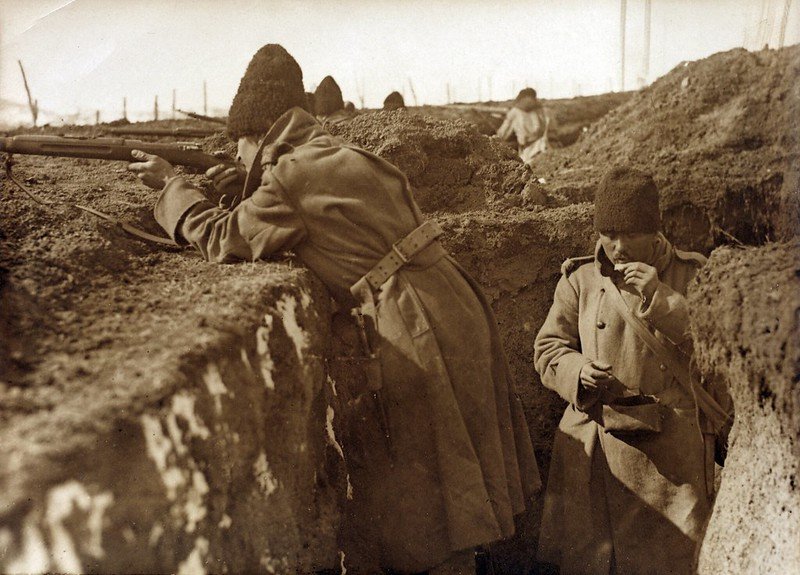
Picture this: you’re nineteen years old, fired up with patriotic speeches and dreams of glory, marching off to war with your best friends by your side. The book describes the German soldiers’ extreme physical and mental trauma during the war as well as the detachment from civilian life felt by many upon returning home from the war. It is billed by some as “the greatest war novel of all time”. Erich Maria Remarque’s masterpiece follows young Paul Bäumer as he discovers that war isn’t parades and medals, it’s mud, blood, and watching your friends die in trenches that smell like death. The book hits you like a punch to the gut because Remarque doesn’t sugarcoat anything. He shows you how war destroys not just bodies, but souls. When Paul visits home on leave, he can’t connect with anyone anymore because they simply can’t understand what he’s been through. With All Quiet on the Western Front, Remarque emerged as an eloquent spokesman for a generation that had been, in his own words, “destroyed by war, even though it might have escaped its shells”.
The Red Badge of Courage – When Fear Becomes Truth
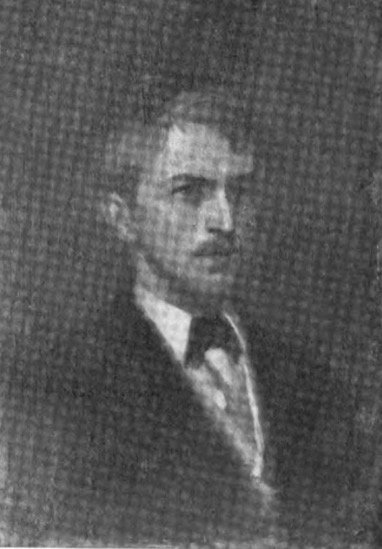
Here’s something wild: Stephen Crane wrote one of the most realistic war novels ever penned without ever setting foot on a battlefield. Although Crane was born after the war, and had not at the time experienced battle first-hand, the novel is known for its realism and naturalism. The story follows Henry Fleming, a young Union soldier who runs away during his first battle, consumed with shame and desperate for a “red badge of courage” – a wound that would prove his bravery. What makes this book so powerful is how it strips away all the romantic notions about war and shows you the raw terror inside a soldier’s mind. Also notable for its use of what Crane called a “psychological portrayal of fear”, the novel’s allegorical and symbolic qualities are often debated by critics. Crane understood something that many veterans couldn’t put into words: that courage isn’t the absence of fear, it’s what you do despite being terrified. While trying to explain his ability to write about battle realistically, Crane stated: “Of course, I have never been in a battle, but I believe that I got my sense of the rage of conflict on the football field, or else fighting is a hereditary instinct, and I wrote intuitively”.
Born on the Fourth of July – The Patriot’s Awakening
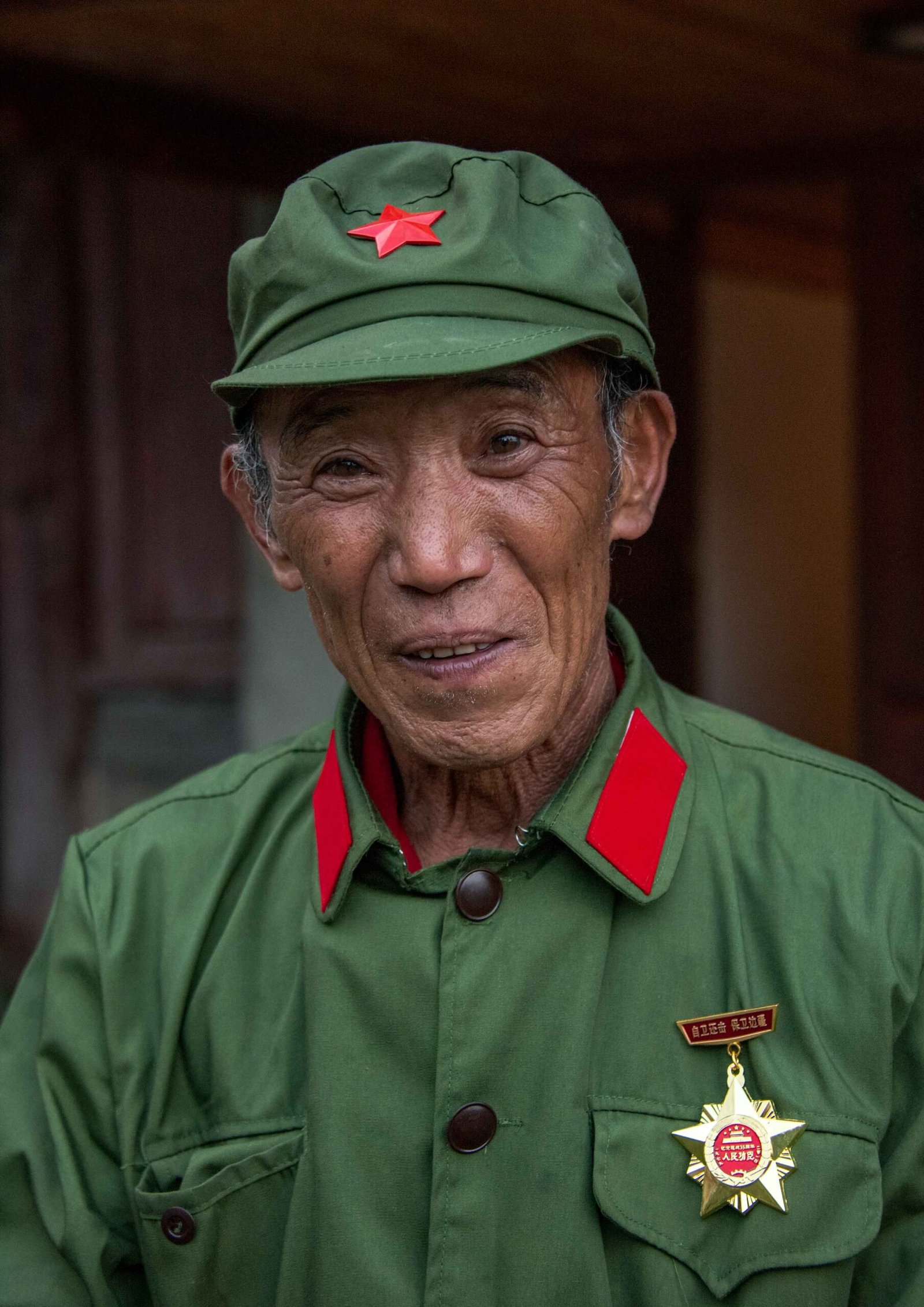
Ron Kovic had it all figured out when he was eighteen. Ron Kovic (born July 4, 1946, Ladysmith, Wisconsin, U.S.) is a Vietnam War veteran, activist, and author who became a leading antiwar figure in the 1970s. Kovic had been wounded and paralyzed during his service in the war. Born on the Fourth of July, raised by patriotic Catholic parents, he was the kind of All-American kid who believed everything his government told him about duty, honor, and serving your country. Two tours in Vietnam later, he came home paralyzed from the chest down, disillusioned, and angry as hell. Born on the Fourth of July was written in Santa Monica, California, during the fall of 1974 in exactly one month, three weeks and two days. It tells the story of Kovic’s life growing up in Massapequa, New York, joining the United States Marine Corps right out of high school, going to Vietnam for two tours of duty, getting shot, finding himself paralyzed and in need of a wheelchair, and eventually starting a new life as a peace activist. This memoir doesn’t just tell you about war; it shows you how war follows you home, into hospital rooms where you’re treated like garbage, into a society that wants to forget you exist. Kovic’s transformation from gung-ho Marine to anti-war activist will shake you to your core. That same year Kovic published his memoir, Born on the Fourth of July, which tells the story of his transformation from a patriotic soldier to an antiwar activist. A deeply personal and searingly honest book, it begins with an epigraph that Kovic also recited at the start of his speech at the Democratic National Convention.
Slaughterhouse-Five – When Time Comes Unstuck
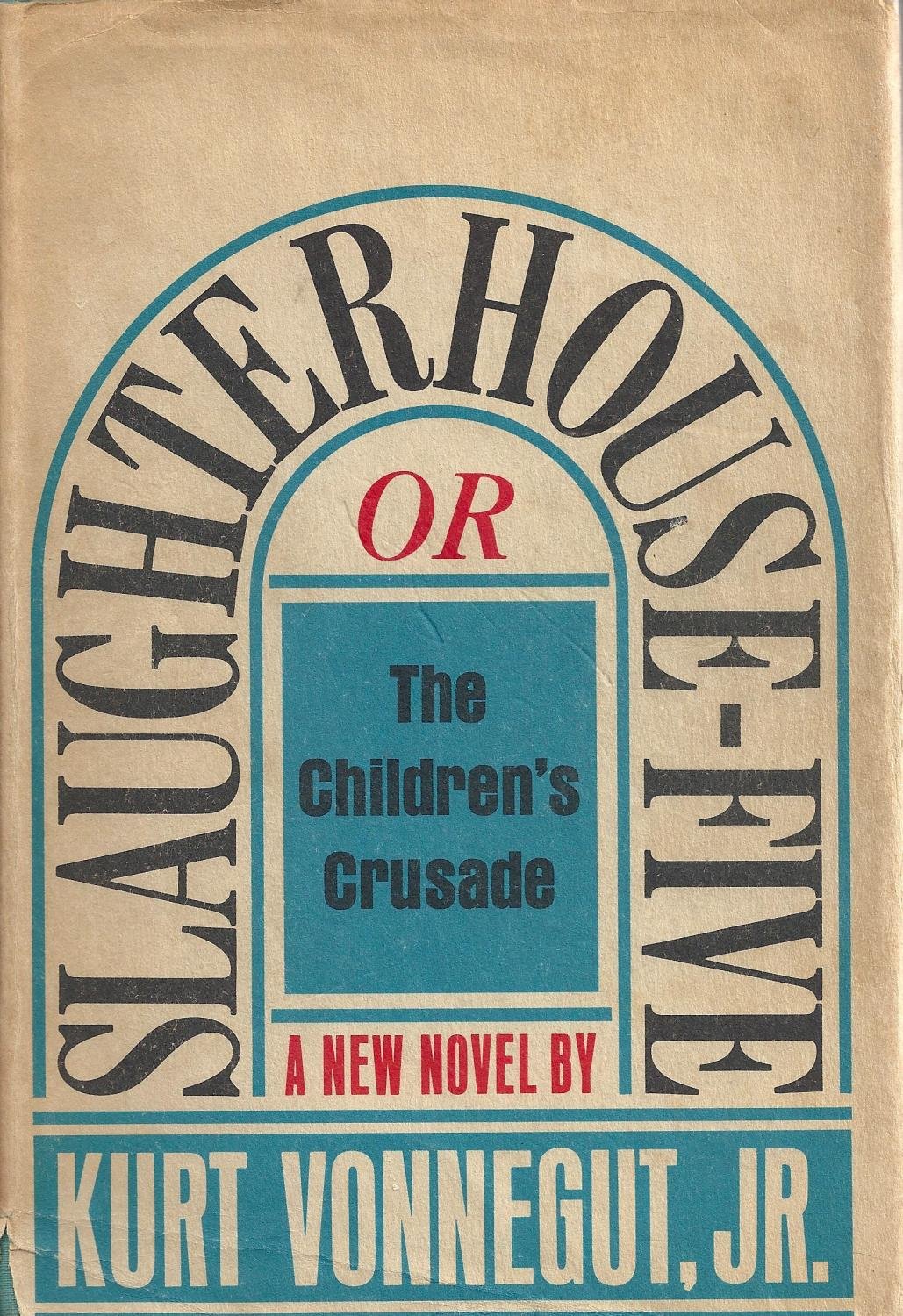
Slaughterhouse 5 is one of the world’s great anti-war books. Centring on the infamous fire-bombing of Dresden in the Second World War, Billy Pilgrim’s odyssey through time reflects the journey of our own fractured lives as we search for meaning in what we are afraid to know. Kurt Vonnegut’s semi-autobiographical masterpiece follows Billy Pilgrim, a soldier who becomes “unstuck in time” after surviving the Dresden bombing. The book jumps between Billy’s experiences as a prisoner of war, his postwar life, and his alleged abduction by aliens. It might sound crazy, but that’s exactly the point. Vonnegut understood that sometimes the only way to deal with the absolute insanity of war is through dark humor and science fiction. The famous phrase “So it goes” appears after every mention of death, creating a haunting rhythm that shows how war makes death seem routine and inevitable. This isn’t just a war novel; it’s a meditation on fate, free will, and how we cope with trauma that’s too big to process.
Catch-22 – The Logic of Madness
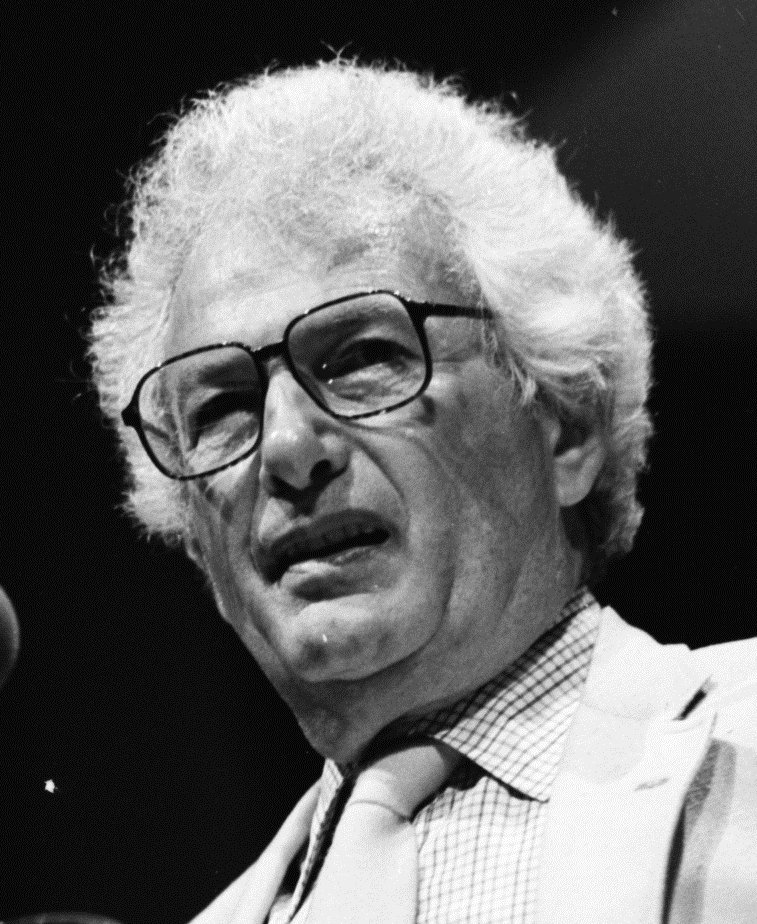
With its razor-sharp wit and absurdist humor, Catch-22 turned a phrase into a cultural phenomenon—forever defining the paradox of wartime logic. Heller’s satirical take on World War II follows Captain John Yossarian, who is caught in a bureaucratic nightmare where survival depends on insanity. Darkly humorous and wildly intelligent, this book remains a must-read. Joseph Heller created something entirely new with this novel: a war story that’s hilariously funny and deeply disturbing at the same time. The title refers to a military regulation that says a pilot can be excused from dangerous missions if he’s declared mentally unfit, but if he asks to be excused, that proves he’s mentally fit and has to keep flying. It’s the perfect example of the insane logic that governs military bureaucracy. Yossarian just wants to survive, but he’s trapped in a system that seems designed to kill him. The book shows how war isn’t just about combat; it’s about being ground down by institutions that treat human beings as expendable resources. Heller’s genius lies in making you laugh at situations that should make you cry.
The Things They Carried – The Weight of Memory
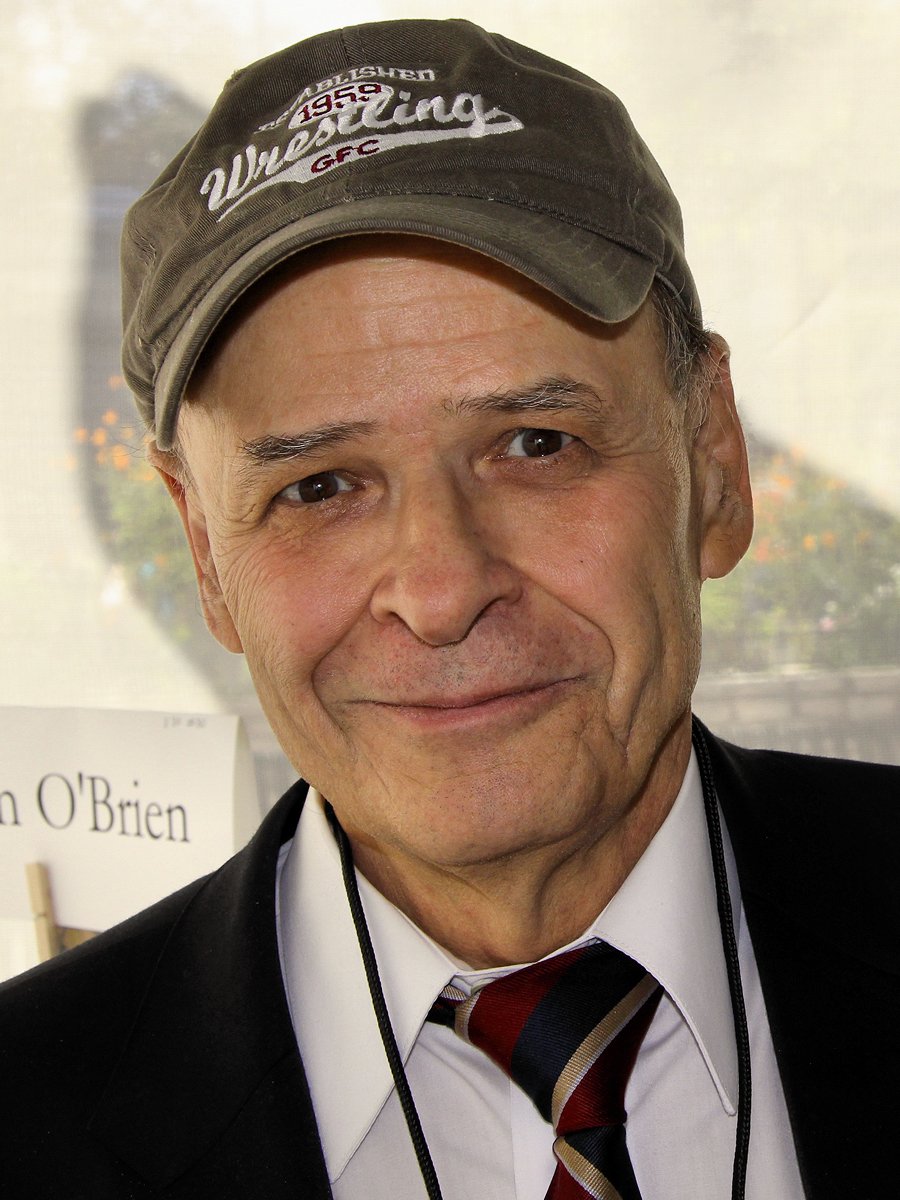
Tim O’Brien’s collection of interconnected stories about Vietnam isn’t quite fiction and isn’t quite memoir, which makes it perfect for capturing the slippery nature of war memories. The book starts with a literal list of what soldiers carried: weapons, ammunition, personal items, but then expands to include the emotional and psychological burdens they bear. O’Brien understands that truth in war stories isn’t about facts; it’s about conveying the feeling of what happened. He writes about soldiers who died and then brings them back to life in later stories, showing how the dead continue to live in the memories of the survivors. The famous line “A true war story is never moral” challenges everything we think we know about how war stories should work. O’Brien shows us that sometimes you have to lie to tell the truth, especially when the truth is too strange or terrible for people to believe. His writing captures the way guilt, grief, and trauma can become as heavy as any physical load.
For Whom the Bell Tolls – Love in the Time of Revolution
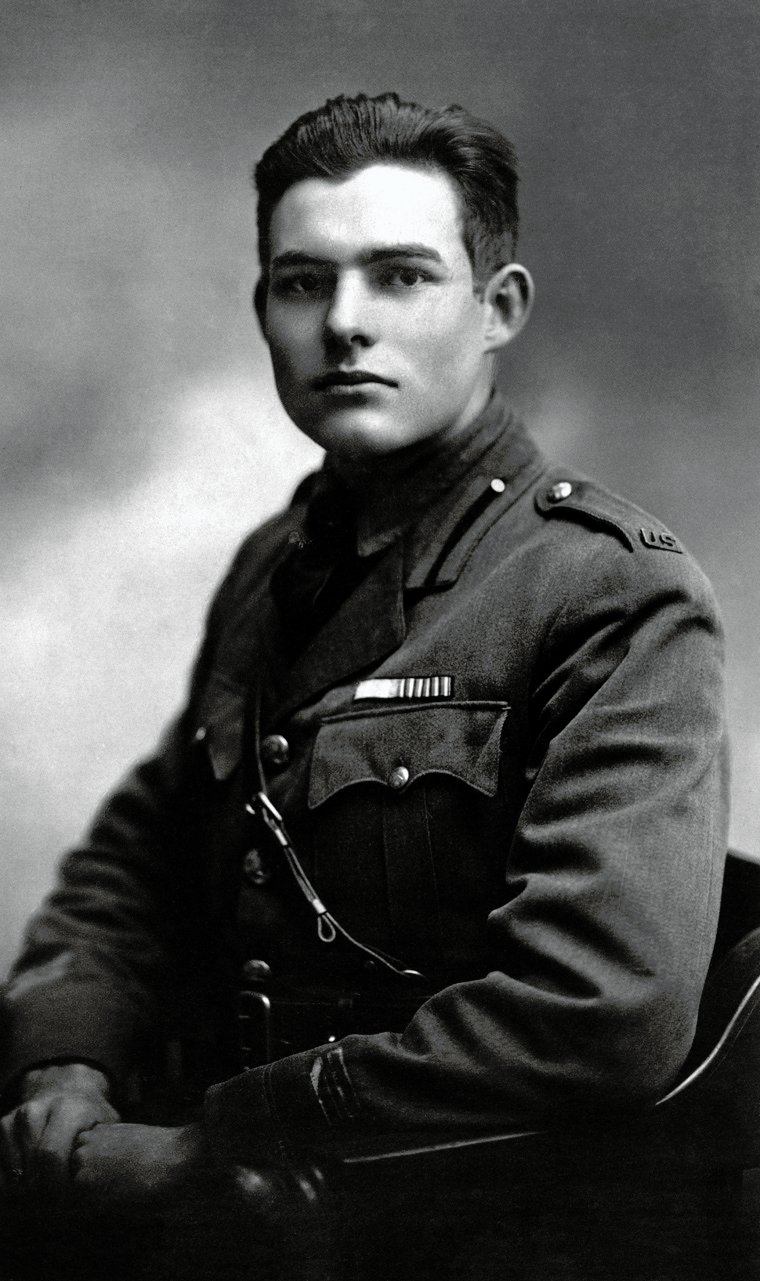
Set during the Spanish Civil War, Hemingway’s novel follows an American fighting alongside guerrilla forces. It’s a gripping story of duty, sacrifice, and fleeting romance in wartime. Hemingway’s sparse, powerful prose makes this one of the most emotionally impactful military historical fiction books ever written. Ernest Hemingway knew war firsthand, and it shows in every page of this masterpiece. Robert Jordan, an American fighting with Spanish guerrillas against the fascists, knows he’s probably going to die, but he’s found something worth dying for. The story takes place over just three days, but Hemingway packs a lifetime of meaning into that short span. The romance between Jordan and Maria isn’t just a love story; it’s about finding beauty and connection in the face of certain death. Hemingway’s famous iceberg theory is on full display here: most of the emotion stays beneath the surface, but you feel its power in every understated sentence. The book’s title comes from John Donne’s meditation that “any man’s death diminishes me,” and Hemingway shows how individual acts of heroism and sacrifice ripple outward to affect everyone.
Johnny Got His Gun – The Silent Scream
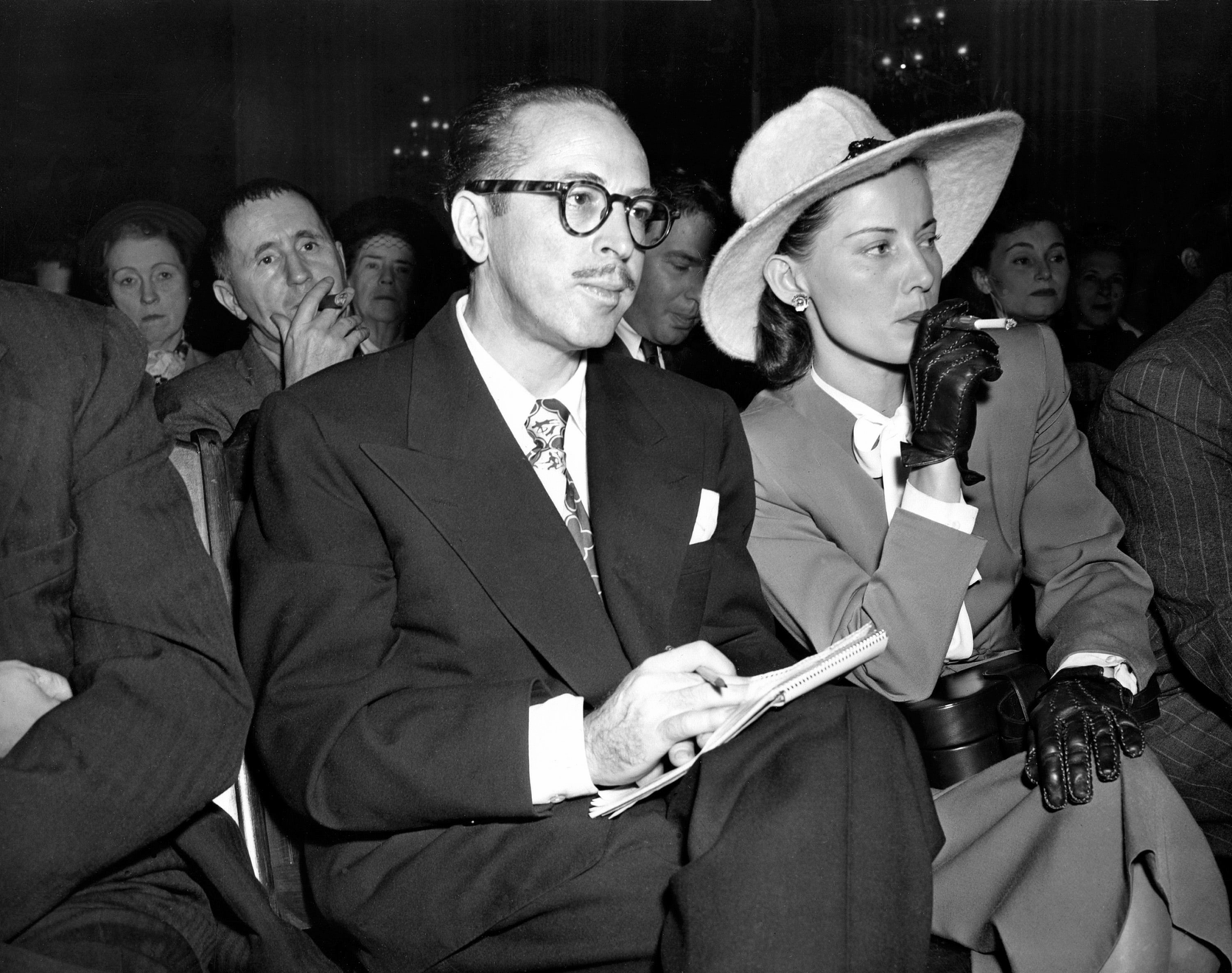
Dalton Trumbo wrote what might be the most disturbing anti-war novel ever created. Joe Bonham is a World War I soldier who loses his arms, legs, eyes, ears, mouth, and nose to an artillery shell but remains conscious and aware, trapped inside what’s left of his body. The military keeps him alive as a medical curiosity, but he can’t communicate with the outside world. The horror isn’t just physical; it’s existential. Joe is literally silenced, unable to tell anyone about the true cost of war. Trumbo wrote this after visiting wounded veterans who had been forgotten by the public, and his anger burns through every page. The book was banned during World War II because it was considered too demoralizing to the war effort. Joe’s desperate attempts to communicate by tapping Morse code with his head against his pillow will haunt you long after you finish reading. This isn’t just a war novel; it’s a scream of rage against everyone who sends young people to die for causes they don’t understand.
Storm of Steel – The Warrior’s Truth
Ernst Jünger’s memoir of World War I offers something rare: a perspective from someone who actually loved combat. Unlike most war writers who emphasize the horror and futility of battle, Jünger writes about war as a transcendent experience that reveals fundamental truths about human nature. He was wounded multiple times and kept going back for more, describing the rush of adrenaline and the strange beauty he found in the midst of destruction. This might sound disturbing, but Jünger’s honesty is what makes the book so powerful. He doesn’t try to make war seem noble or justify it politically; he simply describes what it felt like to be in the trenches with unflinching precision. His prose has a hypnotic quality that draws you into his world of steel and fire. The book raises uncomfortable questions about the human capacity for violence and whether some people are simply born for war. Jünger lived to be 102, and his long life gave him plenty of time to reflect on his experiences, but he never renounced his belief that war had shown him something essential about existence.
The Naked and the Dead – America’s Brutal Awakening
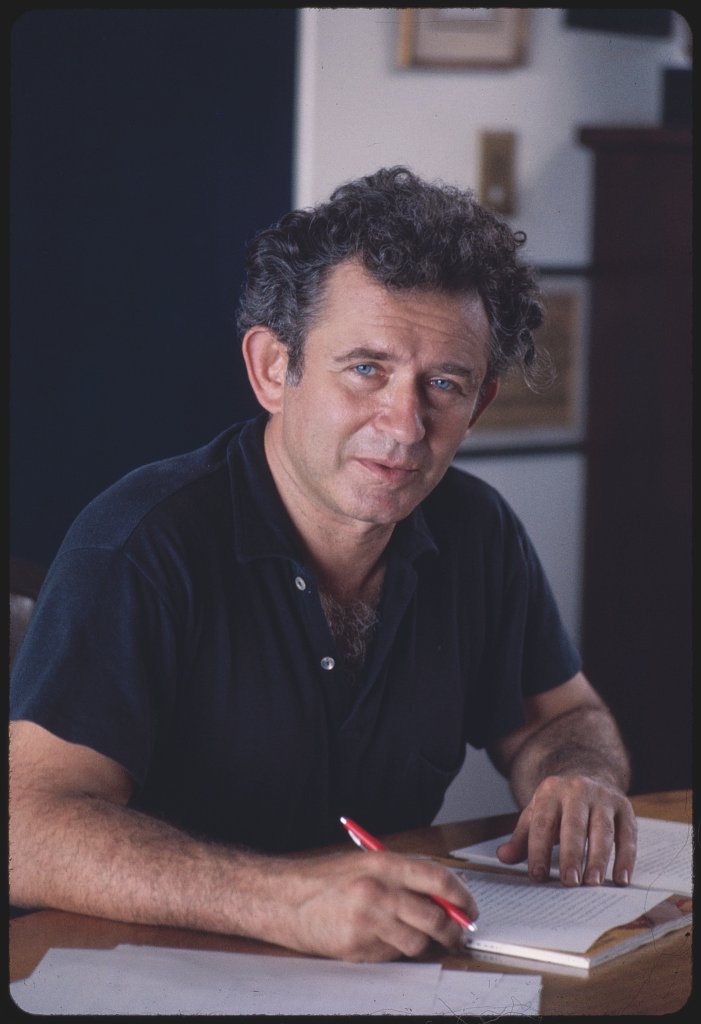
Norman Mailer was only 25 when he wrote this epic novel about American soldiers fighting in the Pacific during World War II, but he understood something that many older writers missed: that war reveals the fault lines in American society. The book follows a diverse group of soldiers on a fictional island, showing how class, race, and regional differences affect their relationships and their chances of survival. Mailer doesn’t romanticize the “Greatest Generation”; instead, he shows how ordinary Americans behave when stripped of civilization’s veneer. The dialogue is raw and authentic, full of the casual racism and brutal honesty of men who might die at any moment. What makes the book special is how Mailer weaves individual character studies into a larger portrait of American democracy under extreme stress. The soldiers aren’t heroes; they’re complex, flawed human beings trying to survive in impossible circumstances. The book was controversial when it was published because it showed American soldiers as something other than noble warriors, but that’s exactly what made it groundbreaking. Mailer understood that the truth about war isn’t always flattering, but it’s always necessary.
A Farewell to Arms – When Love Meets War
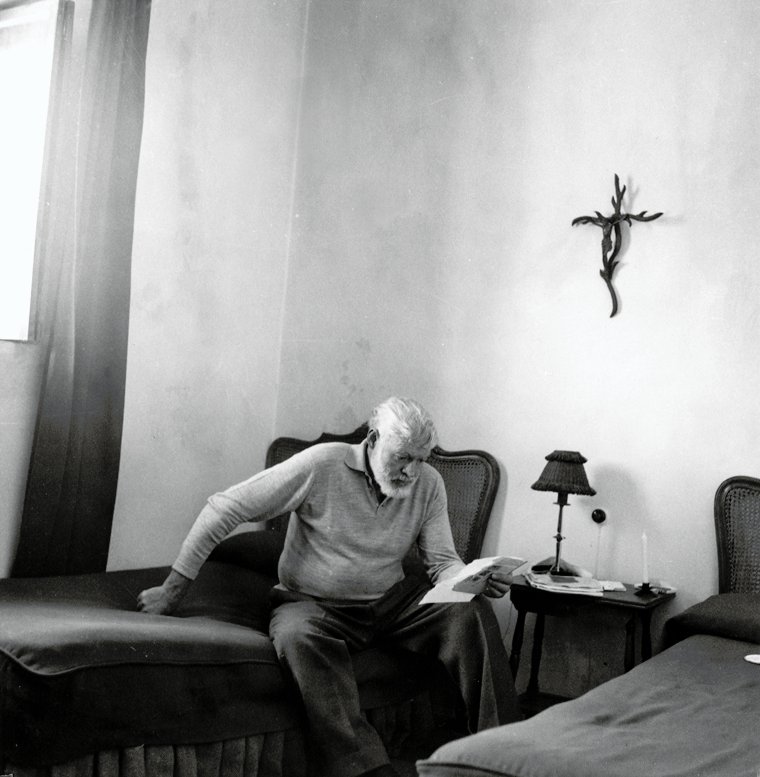
Hemingway’s semi-autobiographical novel about World War I combines a love story with a war story and somehow manages to make both more powerful. Frederic Henry, an American ambulance driver in Italy, falls in love with Catherine Barkley, a British nurse. Their romance develops against the backdrop of military disaster, and both the love and the war end in tragedy. What makes this book extraordinary is how Hemingway shows the connection between personal loss and historical catastrophe. The famous ending, where Frederic walks away into the rain after Catherine dies, captures something essential about how war destroys not just soldiers but everyone it touches. Hemingway wrote from his own experience as an ambulance driver who was wounded in Italy, and his understated prose style perfectly captures the numbness that comes after too much trauma. The book’s title comes from a Christopher Marlowe poem about lovers saying goodbye, and that sense of farewell permeates every page. This isn’t just about one couple’s tragic romance; it’s about an entire world saying goodbye to innocence.
War changes everything it touches, including the people who write about it and the people who read those writings. These ten books don’t just tell war stories; they force us to confront uncomfortable truths about human nature, national identity, and the price of conflict. Some were written by veterans, others by people who never saw combat, but all of them understand that war’s real battlefield is often inside the human heart. They remind us that behind every statistic, every casualty report, every political justification for conflict, there are individual human beings trying to make sense of experiences that often make no sense at all. What makes these books endure isn’t their politics or their historical accuracy, but their ability to show us something true about what it means to be human under the most extreme circumstances. War may be hell, but these writers found ways to transform that hell into art that helps us understand ourselves and our world a little better. How many books can claim to do something that important?

Christian Wiedeck, all the way from Germany, loves music festivals, especially in the USA. His articles bring the excitement of these events to readers worldwide.
For any feedback please reach out to info@festivalinside.com
