
The Boy Reporter Who Changed Everything

Picture this: it’s 1929, and a young Belgian cartoonist named Hergé creates a character that would eventually sell over 200 million books worldwide. Tintin wasn’t just another comic strip hero – he was something completely different. With his distinctive blonde quiff and loyal fox terrier Snowy by his side, this intrepid reporter took readers on adventures that spanned continents and decades. What made Tintin special wasn’t just the exotic locations or thrilling plots, but Hergé’s meticulous attention to detail and willingness to tackle complex political themes. The series has been translated into more than 70 languages, proving that great storytelling transcends cultural boundaries. Even today, Tintin remains a masterclass in visual narrative, influencing countless artists and writers around the globe.
The Lovable Loser Who Won Our Hearts

Charles M. Schulz created something magical when he introduced Charlie Brown to newspaper readers in 1950. Here was a kid who embodied every insecurity, every disappointment, every small victory that makes us human. Charlie Brown’s baseball team never won a game, the Little Red-Haired Girl never noticed him, and that football Lucy held always got pulled away at the last second. Yet somehow, this chronicle of gentle failures became one of the most beloved comic strips in history. Schulz understood that comedy often comes from pain, and that readers connect more deeply with characters who struggle than those who always succeed. The Peanuts gang taught us that it’s okay to feel sad, anxious, or confused – emotions that were rarely explored in children’s entertainment before Schulz came along.
The Cat Who Made Mondays Famous

Jim Davis struck comedy gold in 1978 with a simple concept: what if cats could talk, and what if they were just as lazy and sarcastic as we suspected? Garfield became the voice of everyone who’s ever hit the snooze button one too many times or declared their undying hatred for Monday mornings. The orange tabby’s obsession with lasagna and disdain for exercise resonated with readers worldwide, turning him into one of the most syndicated comic strips ever. Davis’s genius lay in making Garfield relatable without being mean-spirited – the cat was selfish and lazy, but never cruel. This balance helped Garfield transcend cultural boundaries, appearing in newspapers across dozens of countries and spawning an entertainment empire that includes TV shows, movies, and merchandise worth billions.
The Sponge Who Conquered the Internet

When marine biologist Stephen Hillenburg created SpongeBob SquarePants in 1999, he probably never imagined his yellow kitchen sponge would become the internet’s favorite meme generator. SpongeBob’s relentless optimism and childlike wonder initially appealed to kids, but something unexpected happened – adults started watching too. The show’s absurd humor, memorable catchphrases, and surprisingly sophisticated writing attracted viewers of all ages. SpongeBob’s enthusiasm for his job at the Krusty Krab, his friendship with the grumpy Patrick Star, and his ability to find joy in the smallest things struck a chord with audiences worldwide. Today, SpongeBob memes dominate social media, proving that good comedy is timeless and that sometimes the most innocent characters make the biggest cultural impact.
The Tiny Warrior With Infinite Strength

René Goscinny and Albert Uderzo created something uniquely European when they introduced Asterix the Gaul in 1959. This wasn’t just another adventure comic – it was a celebration of cultural identity wrapped in clever humor and historical satire. Asterix and his best friend Obelix, powered by magic potion from the druid Getafix, represented the underdog spirit that resonates across cultures. The series brilliantly used ancient Gaul’s resistance to Roman occupation as a metaphor for preserving local culture against overwhelming outside forces. Each adventure took readers to different corners of the ancient world, from Britain to Egypt, always with sharp wit and visual puns that worked in multiple languages. The fact that Asterix remains hugely popular across Europe decades later proves that stories about standing up to bullies never go out of style.
The Boy and His Tiger Who Redefined Comics

Bill Watterson’s Calvin and Hobbes, which debuted in 1985, achieved something remarkable – it made newspaper comics intellectually respectable again. Calvin wasn’t your typical cartoon kid; he was a six-year-old philosopher whose imagination transformed his stuffed tiger into a living, breathing best friend. Their conversations tackled everything from the nature of reality to the meaning of friendship, often with more depth than most adult literature. Watterson’s beautiful artwork brought Calvin’s fantasies to life, whether he was exploring alien planets, traveling through time, or simply sledding down a snowy hill. The strip’s ten-year run left readers wanting more, but Watterson’s decision to end it at its peak only added to its legendary status. Calvin and Hobbes proved that comics could be both entertaining and profound, influencing a generation of artists and writers.
The Robot Cat From the Future

Fujiko F. Fujio’s Doraemon, created in 1969, became something extraordinary – a character beloved by literally billions of people, primarily across Asia. This blue robotic cat from the 22nd century, sent back in time to help a struggling boy named Nobita, captured hearts with his endless supply of futuristic gadgets and good intentions. Doraemon’s four-dimensional pocket could produce solutions to almost any problem, from the “Anywhere Door” that could transport you instantly to the “Memory Bread” that helped with studying. The series brilliantly combined science fiction concepts with everyday childhood struggles, making complex ideas accessible to young readers. In Japan, Doraemon isn’t just a cartoon character – he’s a cultural ambassador, representing the country’s technological optimism and belief in helping others. The character’s popularity across Asia demonstrates how universal themes of friendship and problem-solving transcend cultural boundaries.
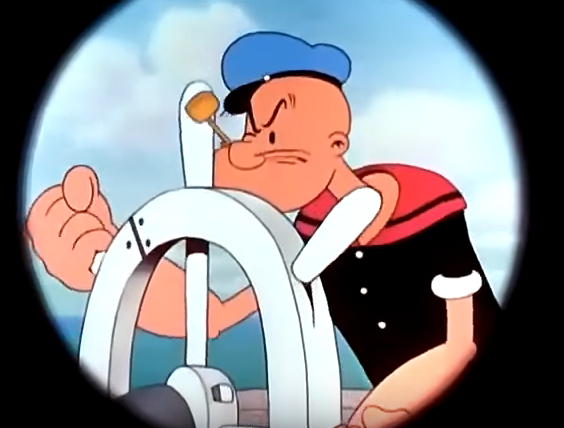
The Sailor Who Made Spinach Cool

Elzie Crisler Segar probably never expected his 1929 creation to influence an entire generation’s eating habits, but that’s exactly what happened with Popeye the Sailor Man. Originally appearing in the Thimble Theatre comic strip, Popeye quickly became the star thanks to his unique combination of toughness and moral clarity. His famous spinach-powered transformations weren’t just entertaining – they actually increased spinach consumption among American children during the Great Depression and World War II. Popeye represented the common man’s hero, someone who wasn’t born with superpowers but found strength through good choices and determination. His distinctive mumbling speech pattern and sailor’s vocabulary became instantly recognizable worldwide. The character’s success in transitioning from comics to cartoons to live-action films proved that great characters can thrive across different media formats.
The Rabbit Who Redefined Cool

When Bugs Bunny made his official debut in 1940’s “A Wild Hare,” Warner Bros. had no idea they’d created the most iconic cartoon character in American animation history. Bugs wasn’t just another talking animal – he was the embodiment of quick wit, unflappable confidence, and street-smart intelligence. His ability to outsmart opponents through clever schemes rather than brute force made him a different kind of hero, one who relied on his brain rather than his brawn. The famous “What’s up, Doc?” catchphrase became part of American vernacular, while his carrot-chomping, wise-cracking personality influenced countless other characters. Bugs proved that cartoon characters could be sophisticated and subversive, often turning the tables on authority figures and bullies through sheer cleverness. His lasting appeal lies in that perfect balance of mischief and morality – he might play tricks, but he’s always fighting on the right side.
The Magic Behind Their Lasting Appeal

What transforms a simple drawing into a beloved global icon that spans generations? These characters succeeded because they tapped into something universal – fears, dreams, and emotions that connect all humans regardless of culture or era. Whether it’s Charlie Brown’s insecurities, Garfield’s laziness, or SpongeBob’s optimism, each character represents a piece of ourselves that we recognize and relate to. Their creators understood that the best fictional characters aren’t perfect heroes, but flawed individuals who struggle with the same problems we all face. They gave us permission to laugh at our own weaknesses while showing us that those very flaws often make us more lovable, not less. In a world that often feels divided, these characters remind us of our shared humanity and the simple joys that bring us together.
Did you expect that a simple comic strip could change how an entire generation viewed Monday mornings?