


We love a good quote. There is something deeply satisfying about distilling a big, complicated truth into one punchy sentence. We paste them on mugs, share them online, and sometimes carve them into plaques as though they were sacred scripture. But here’s the thing: a surprising number of the most beloved quotes in history were never said by the person we credit them to.
Commonly misattributed quotations abound now more than ever, and aphorisms, maxims, and inspirational sayings often become associated with public figures or well-known writers who never said or wrote them. It is a strange, almost poetic irony: the words travel faster than the truth behind them. They get polished, trimmed, and slapped onto a famous face until nobody questions the source anymore. The gap between who actually said something and who gets the credit can span entire centuries. Let’s dive in.
“Insanity Is Doing the Same Thing Over and Over and Expecting Different Results” – Not Albert Einstein
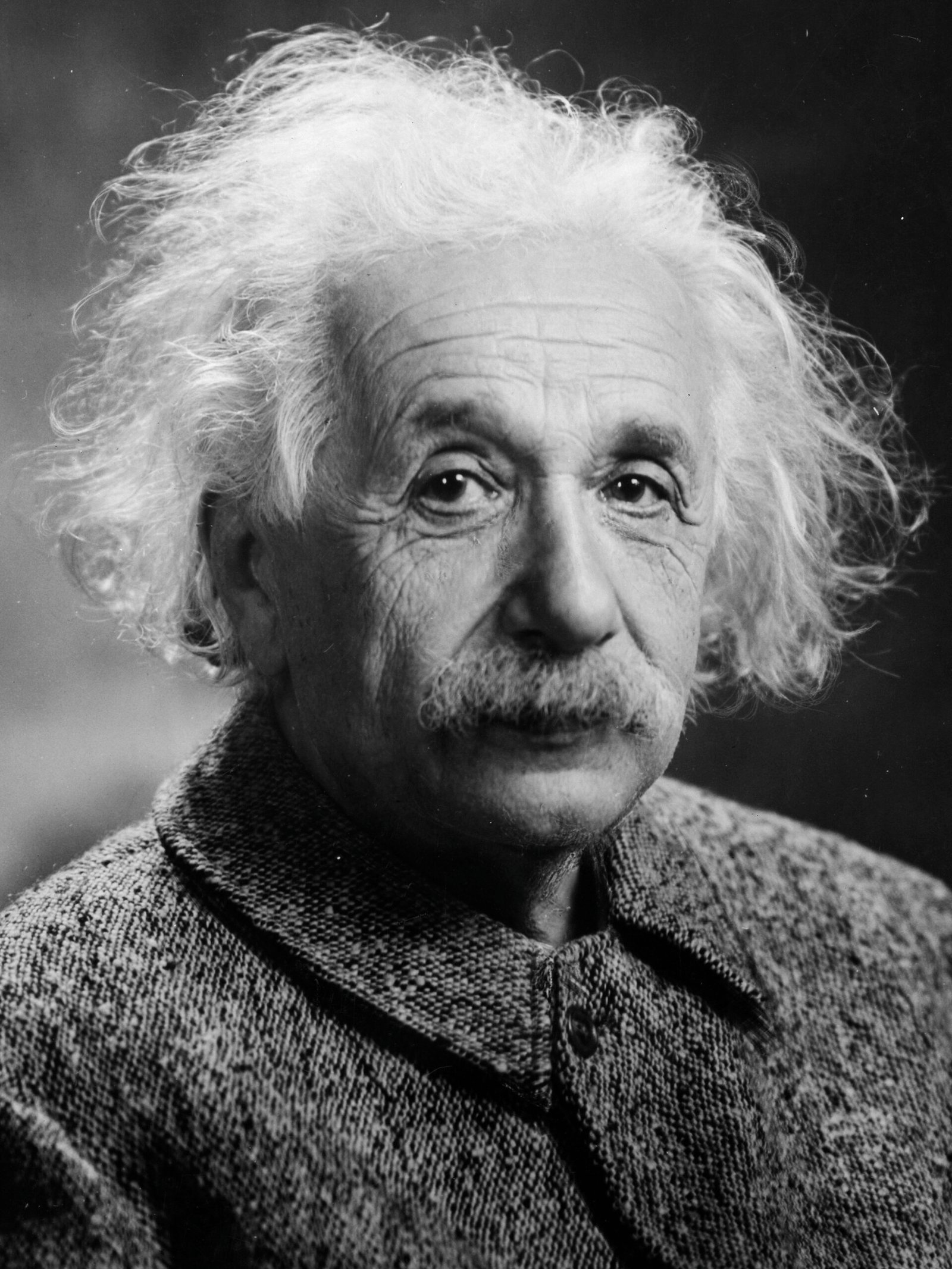
Here is a quote that practically every productivity guru, life coach, and self-help book has leaned on at some point. We all picture Einstein, wild-haired and brilliant, delivering this gem about human folly. It feels right. It sounds like him. There is just one problem.
There is no evidence that Einstein said or wrote those words at all. The earliest evidence for this quote comes from a 1981 newspaper article reporting on an Al-Anon meeting, which is more than a quarter century after the acclaimed physicist’s death. American journalist Michael Becker traced the origins of this quote back to a mystery novelist named Rita Mae Brown, who mentioned in her novel “Sudden Death” that the quote belonged to a character named Jane Fulton: “Insanity is doing the same thing over and over again, but expecting different results.”
So the quote was literally invented for a fictional character in a novel, then wandered loose into the world, shed its fictional skin, and somehow acquired one of the most famous faces in scientific history. Famous figures like Albert Einstein often become “quotation magnets,” attracting misattributions due to their historical significance. The real tragedy? The actual observation is solid and worth repeating. It just deserves its real author.
“Let Them Eat Cake” – Not Marie Antoinette
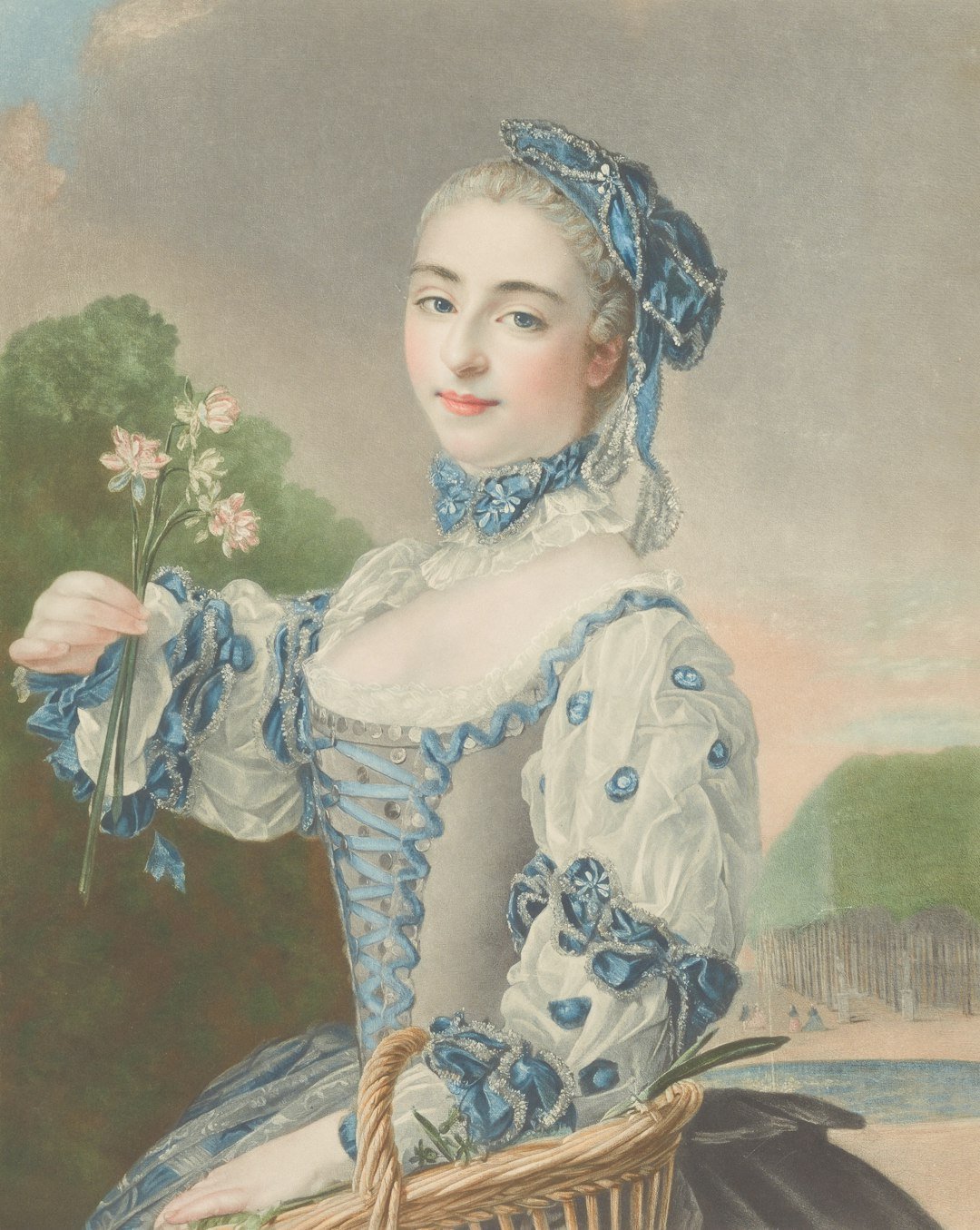
If there is one quote that has defined how an entire era is remembered, this is probably it. Marie Antoinette, out-of-touch French queen, allegedly dismisses the starving masses with breezy indifference. It is the perfect villain line. Vivid. Damning. Almost theatrical.
This iconic quote, which is a mistranslation of the original French “Qu’ils mangent de la brioche” (or “Let them eat brioche”), is often seen as emblematic of the insensitivity of the ruling class. Yet it was never actually said by Marie Antoinette. Enlightenment philosopher Jean-Jacques Rousseau quoted this famous phrase in one of his pieces and attributed it to an unidentified princess. In fact, Marie Antoinette had not even been born yet when Rousseau wrote it down.
Historians have noted this inconsistency for decades, and yet the attribution sticks like glue. The quote stuck to her anyway, becoming one of history’s most persistent misattributed quotes. Honestly, it is a perfect example of how history gets written: someone needs a villain, a phrase materializes from somewhere else, and a reputation is cemented forever. The poor woman may have been many things, but she did not say that.
“Well-Behaved Women Seldom Make History” – Not Marilyn Monroe
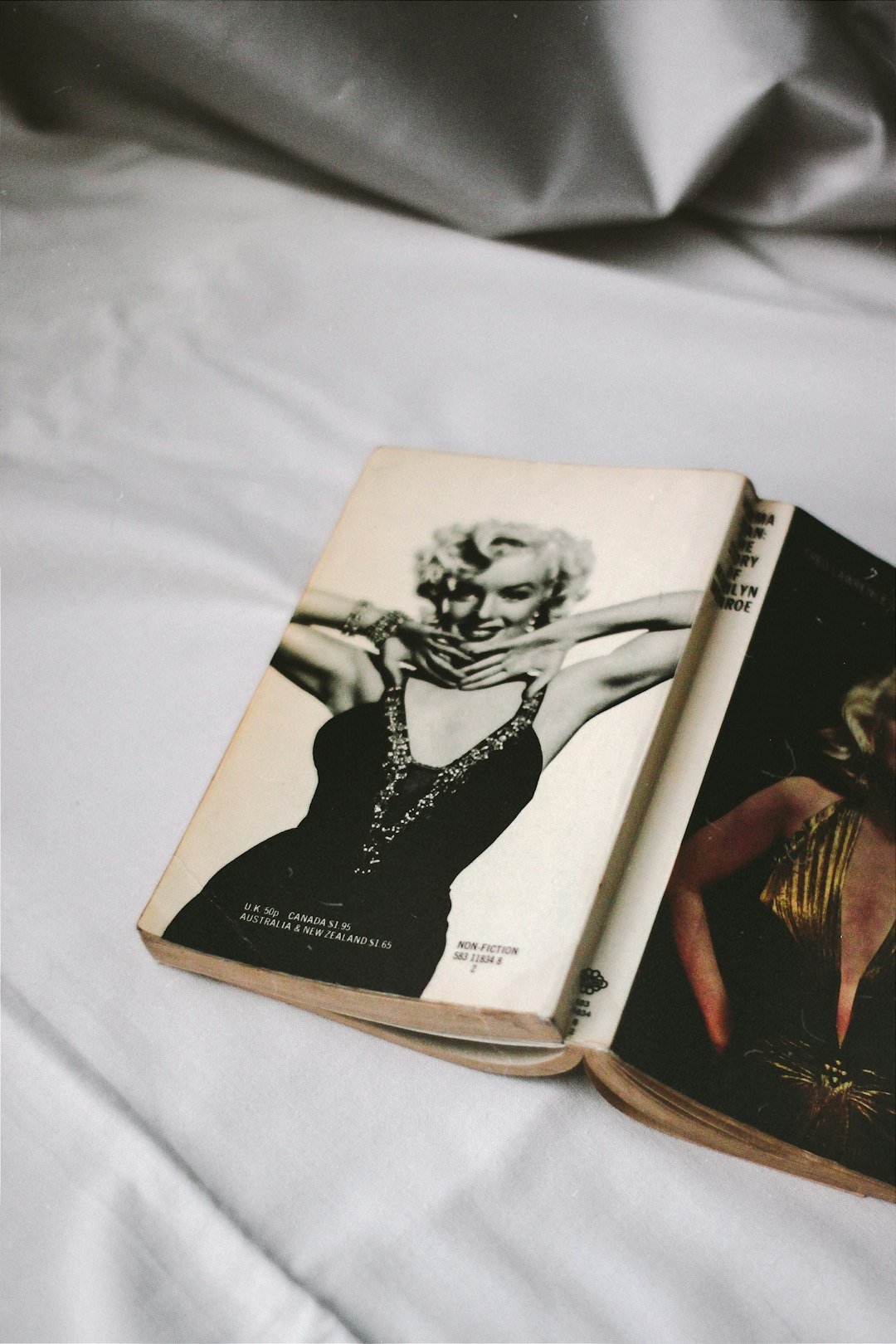
You have seen this one on T-shirts, coffee mugs, bumper stickers, and motivational posters everywhere. It gets handed to Marilyn Monroe often enough that people simply accept it. Sometimes Eleanor Roosevelt gets the credit. Neither is correct.
This empowering quote gets misattributed to Marilyn Monroe and Eleanor Roosevelt all the time, but neither of them said it. The real author is historian Laurel Thatcher Ulrich, who wrote it in a 1976 academic article about Puritan funeral services. Ulrich’s scholarly observation about how history remembers bold women got transformed into a feminist rallying cry.
What makes this story richer is that the quote’s original meaning was quite different from how people use it today. In its original iteration, Ulrich meant the quote to indicate that well-behaved women were not studied by historians, not to encourage contemporary women to rebel or be less “well-behaved.” The phrase entered pop culture in 1995 when journalist Kay Mills used it in her book, and since then it has been found on T-shirts, mugs, bumper stickers, magnets, and tote bags. A Harvard historian studying Puritan funeral sermons accidentally launched a feminist slogan. I think that is genuinely extraordinary.
“Survival of the Fittest” – Not Charles Darwin
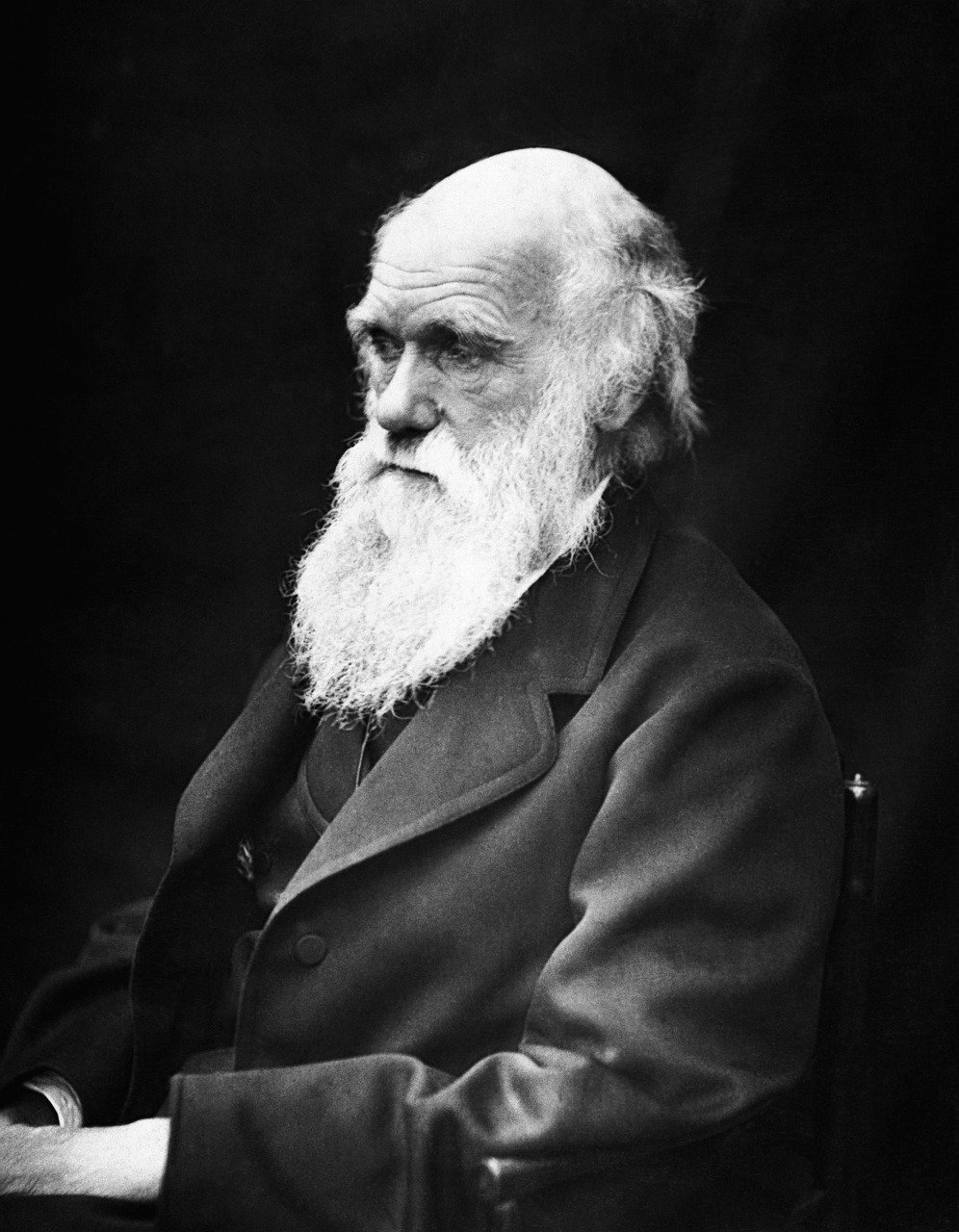
This one is particularly fascinating because the misattribution is not entirely a mistake. Darwin did use this phrase. He just did not invent it. There is a big difference between using a phrase and coining it, and that distinction has been blurred for over 150 years.
The phrase “survival of the fittest” is often incorrectly attributed to Darwin. In fact, it was coined by the philosopher Herbert Spencer in response to reading “On the Origin of Species,” five years after the first edition was published. Spencer first used the phrase in his “Principles of Biology” of 1864, in which he drew parallels between his economic theories and Darwin’s biological ones.
Darwin later incorporated Spencer’s phrase into his own fifth edition of “On the Origin of Species,” which is precisely how the confusion spread. Darwin did not even consider the process of evolution as “survival of the fittest” in the most literal sense; he regarded it as survival of the “fitter,” because the struggle for existence is relative and not absolute. By “fittest,” Darwin actually meant “better adapted for the immediate, local environment,” not the common modern meaning of “in the best physical shape.” So not only is the phrase misattributed, the meaning most people attach to it is also subtly wrong.
“Be the Change You Wish to See in the World” – Not Quite Gandhi
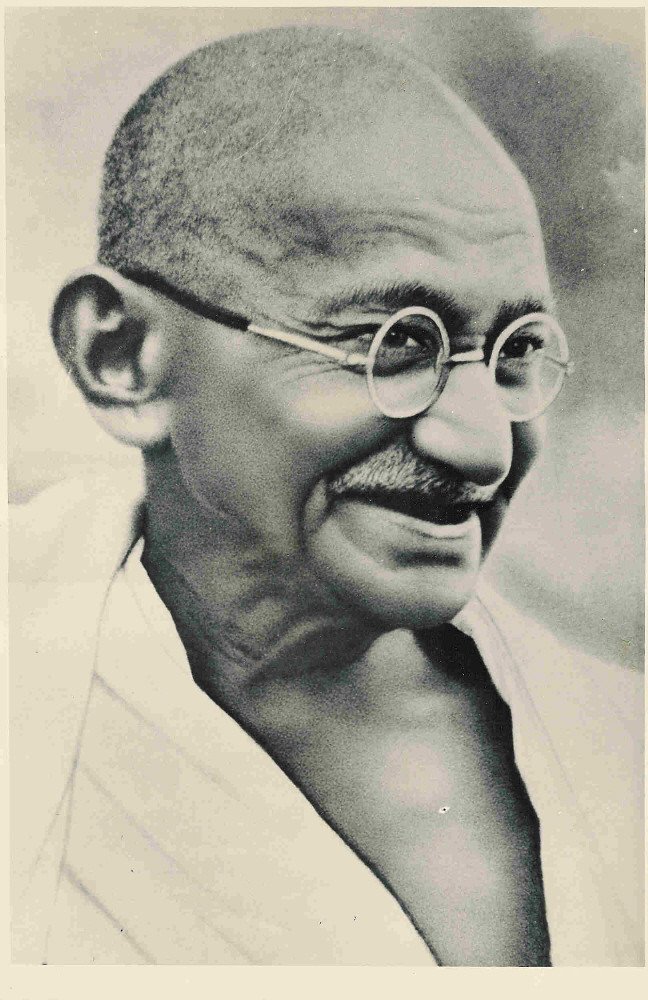
This one is tricky. It is not that Gandhi never said anything like this. It is that the short, polished version we share everywhere is a dramatic simplification of something far more nuanced. Sorry, but Gandhi never said “Be the change you want to see in the world” in that exact form.
According to Brian Morton, the director of the graduate program in fiction at Sarah Lawrence College, Gandhi’s actual words were massaged into a pithy platitude. What he actually said was: “If we could change ourselves, the tendencies in the world would also change. As a man changes his own nature, so does the attitude of the world change toward him. We need not wait to see what others do.”
That is a meaningful difference. Gandhi’s original words acknowledge that change is interconnected, almost ecological. The bumper-sticker version makes it sound like a purely personal project with no external dimensions. The simplification changed the philosophy. No definitive example of Gandhi using the condensed exact line has been found, and a close version appears in writing about Gandhi, which may be how the attribution caught on. Still a good idea. Just a different idea.
“The Ends Justify the Means” – Not Machiavelli

Few figures in history have been assigned a reputation as consistently unfair as Niccolò Machiavelli. Mention his name and people immediately think of cold-blooded political ruthlessness. So it makes sense that the most ruthless-sounding quote in the political playbook would land in his lap.
Niccolò Machiavelli never said “The ends justify the means,” even though that famous quote is very often attributed to him. He was certainly a prolific thinker and writer, so there is no shortage of quotes you can rightly attribute to the Italian philosopher. But “the ends justify the means” is not one of them, and the quote as it stands is not found in any of his works. The actual, closely related quote traces back to the Roman poet Ovid, where the Latin phrase “Exitus acta probat” translates to “the outcome justifies the means.”
So the sentiment is ancient, the phrase is borrowed, and Machiavelli simply became the most convenient face to put on it. His actual political writings are subtler and more complex than this single brutal line suggests. One can hardly blame the public for misattributing this quote to the Italian political philosopher, as his support for pragmatic politics made the association feel natural. Still, centuries of reputation have been built on words he never wrote.
“Blood, Sweat, and Tears” – Not Quite Churchill
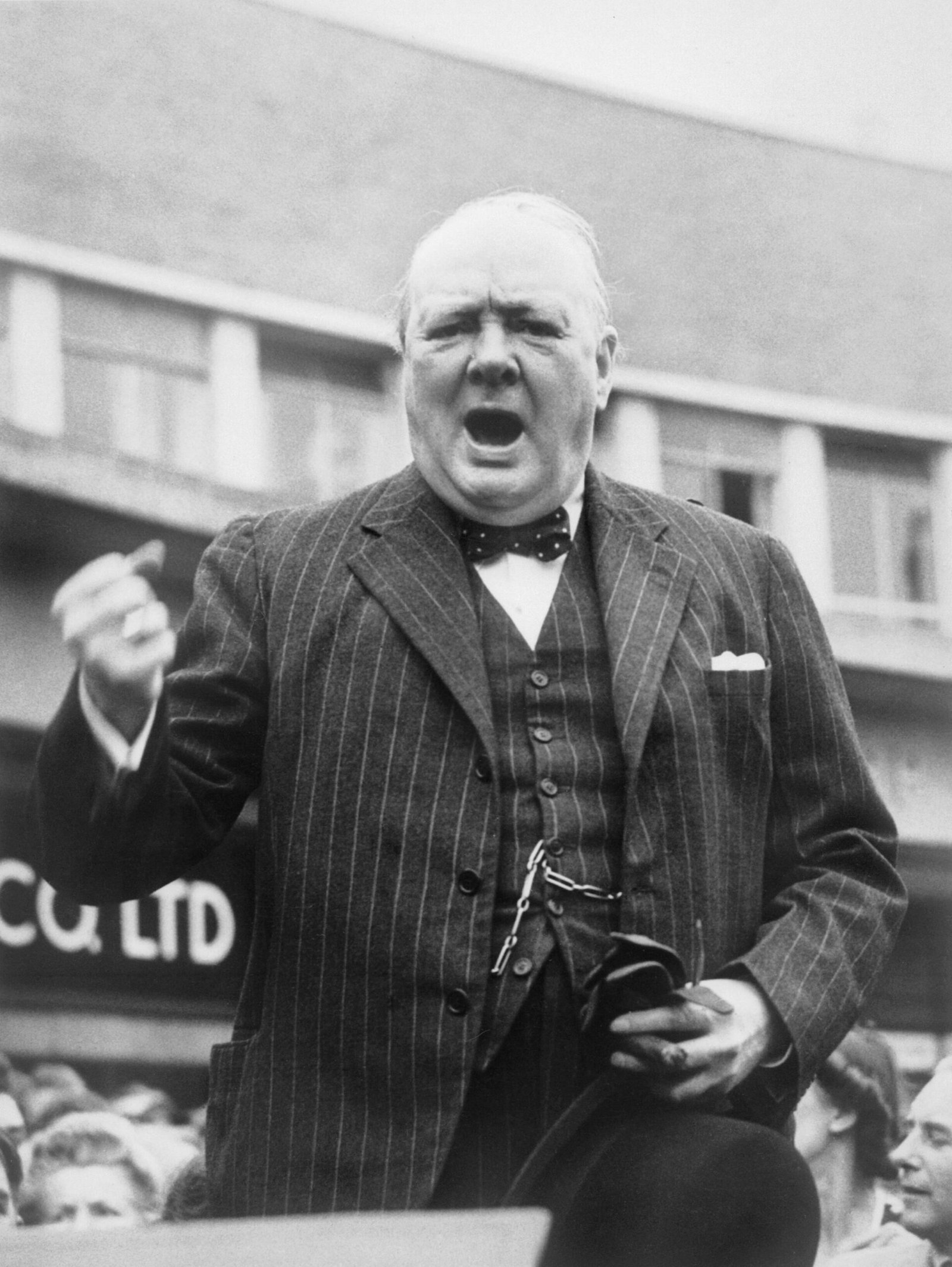
Winston Churchill’s wartime rhetoric is the stuff of legend. The speeches, the gravitas, the bulldog delivery. So when people recall him rallying Britain with the phrase “blood, sweat, and tears,” it all sounds exactly right. Except Churchill’s actual words were considerably different.
Churchill did say “I have nothing to offer but blood, toil, tears, and sweat,” but that is much less catchy than the “blood, sweat, and tears” that caught on. The word “toil” quietly vanished, the order got shuffled, and the result was a sleeker, more memorable phrase that somehow became the official version. History actually happened as “blood, toil, tears, and sweat,” not “blood, sweat, and tears,” which is a minor difference, perhaps, but a major change from the quote we all know so well.
It is a reminder that even verified quotes from verified speakers get quietly edited by collective memory. We smooth out the rough edges, we drop inconvenient words, and we end up with something that sounds better but means something slightly different. Much more commonly, misattributions result from honest mistakes: writers, orators, or party guests share a quote they love or feel fits the moment, but in the process, misremember some important detail. Churchill is not misattributed here so much as misquoted, and the distinction matters.
“Better to Remain Silent and Be Thought a Fool…” – Not Mark Twain
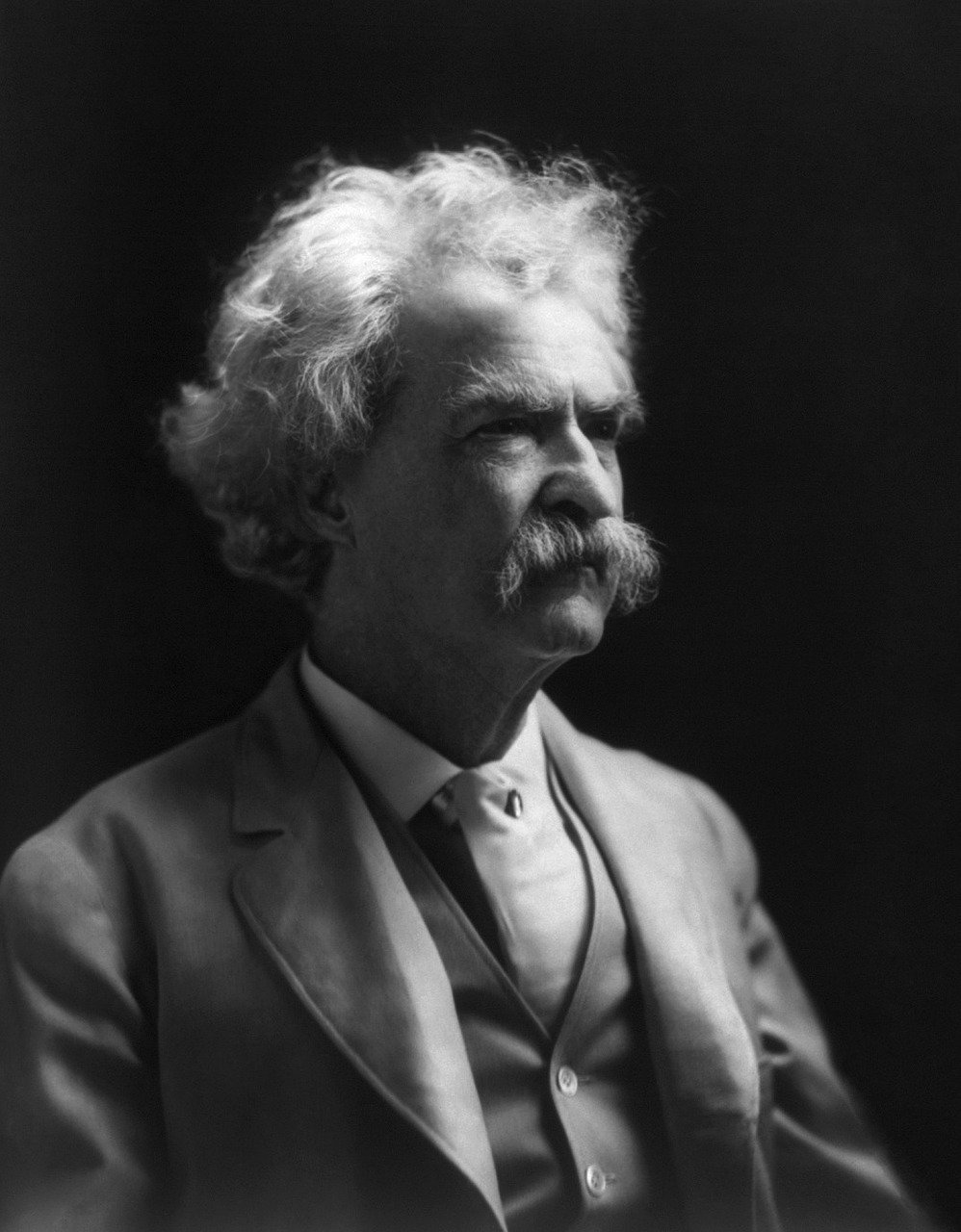
Ah, Mark Twain. The man has become something of a cultural catch-all for witty American wisdom. If a quote is sharp, slightly cynical, and doesn’t have an obvious author, someone will eventually pin it on Twain. This one is a prime example.
The quote “Better to remain silent and be thought a fool than to speak and to remove all doubt” is commonly attributed to Mark Twain, but the actual source appears to be Maurice Switzer. This phrase has been attributed to many different people over the years, including Abraham Lincoln and Confucius. Twain in particular is famous for misquoted sayings, with credit for countless phrases he never actually said. It was author Maurice Switzer who wrote this in 1907.
Mark Twain gets blamed for this one a lot, even though the earliest appearances were not tied to him. Researchers have found the quip circulating earlier with shifting attributions before Twain’s name became the favorite. There is something almost comical about a quote warning against speaking foolishly being itself a product of foolish misattribution. The irony practically writes itself.
Conclusion: What Cultural Memory Chooses to Remember

There is a pattern here that goes well beyond simple error or laziness. Misattributed quotes are frequently attributed to the wrong person, and a more famous person very often gets the credit for a quote. We are drawn to certain names because they feel like they should have said it. Einstein feels like the right person to talk about insanity. Churchill feels right for blood and struggle. Gandhi feels right for personal change. The famous name adds authority, weight, and emotional resonance.
Viral misquotes are often the results of honest blunders, such as paraphrases mistaken for direct quotes or confusion between similar names. There is rarely malice at work. More often it is a kind of cultural wishful thinking: we want our heroes to have said the most perfect things, so we give them the best lines even when they did not write them. The reality is that who said the quote in question does not always matter as much as its plausibility and our ability to make it ours and use it when the occasion arises.
Yet accuracy matters too. The original authors, whether they were a Puritan scholar writing about funeral sermons or a novelist inventing a character’s throwaway line, deserve their credit. Behind every famous misattribution is a real person whose words traveled far, wide, and anonymously. The next time you reach for a quote, it might be worth pausing for just a moment. Who really said that? You might be surprised by the answer.
What quote do you think most deserves to have its real author restored to the spotlight? Drop your thoughts in the comments.

Besides founding Festivaltopia, Luca is the co founder of trib, an art and fashion collectiv you find on several regional events and online. Also he is part of the management board at HORiZONTE, a group travel provider in Germany.
