
Trump’s Renewed Push Ignites Controversy (Image Credits: Flickr)
Davos, Switzerland – President Donald Trump’s unyielding pursuit of Greenland has cast a long shadow over the World Economic Forum, transforming what was meant to be a gathering of global leaders into a high-stakes arena for transatlantic diplomacy.
Trump’s Renewed Push Ignites Controversy
President Trump escalated his rhetoric on Greenland just days before his scheduled arrival at the annual Davos summit. In a series of posts on his social media platform, he criticized European leaders, including pointed remarks toward the United Kingdom and shared what appeared to be private communications from officials. This barrage came after Denmark firmly rejected any notion of transferring control of the Arctic territory to the United States. Trump’s insistence that Greenland is essential for national security and the free world has reignited debates from his first term.
The president’s comments did not stop at public statements. Reports indicated that in private discussions with Danish Prime Minister Mette Frederiksen, Trump adopted a firm and aggressive tone, leaving European counterparts taken aback. Such direct confrontations have prompted concerns about the stability of longstanding alliances. As Trump prepared to depart for Switzerland, he told reporters at the White House that the extent of his resolve on the issue remained to be seen, adding an air of unpredictability to the proceedings.
Europe’s Unified Response to the Pressure
European leaders wasted no time in pushing back against Trump’s overtures. A joint statement from key figures emphasized that decisions regarding Greenland rest solely with Denmark and its people, underscoring a commitment to sovereignty. French President Emmanuel Macron, speaking at the forum, warned of a potential shift toward a “world without rules,” highlighting the broader implications for international norms. NATO Secretary General Mark Rutte attempted to broker calm through a personal message to Trump, expressing a desire to find a collaborative path forward.
The backlash extended to concrete actions. Sources revealed that the European Parliament considered suspending approval of a recently agreed-upon U.S. trade deal, signaling a possible escalation in economic tensions. This move reflected growing frustration across the continent, where Trump’s threats to withdraw U.S. support from NATO and redeploy troops were viewed as particularly provocative. Amid these developments, pledges for increased Arctic defense funding emerged as a direct counter to perceived American overreach.
Logistical Hurdles and Summit Dynamics
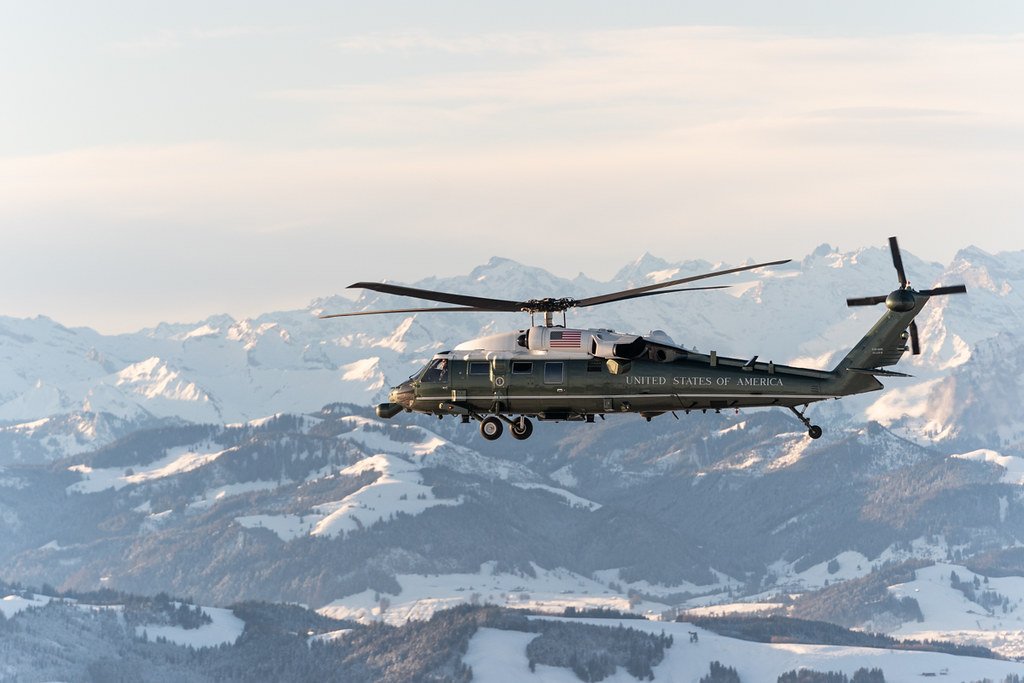
Trump’s journey to Davos hit an unexpected snag when Air Force One encountered a minor electrical issue, forcing the plane to turn back shortly after takeoff. This delay, though brief, amplified the sense of urgency surrounding his participation. Organizers and attendees alike prepared for what many described as an emergency diplomatic effort, with side meetings focused on de-escalation. The forum, typically a venue for economic discussions, now grappled with geopolitical flashpoints.
Despite the setback, Trump’s team confirmed his eventual arrival, where he planned to engage directly with counterparts. Treasury Secretary Scott Bessent’s early appearances on the sidelines underscored U.S. priorities, blending trade talks with security concerns. The incident served as a metaphor for the broader disruptions caused by the Greenland dispute, drawing attention away from other agenda items.
Key Events Leading to the Standoff
The controversy traces back to Trump’s longstanding interest in acquiring Greenland, which he first voiced during his initial presidency. Recent private warnings to EU leaders about potential NATO repercussions if the territory is not made available marked a sharper turn.
- Early January: Trump holds tough talks with Danish officials, demanding a sale of Greenland.
- Mid-January: Social media posts reveal private messages, irking European allies.
- Late January: Europe boosts Arctic defense budget by €4.2 billion in response.
- Ongoing: Threats of U.S. troop withdrawals from Europe heighten NATO anxieties.
- Pre-Davos: Trade deal ratification faces suspension amid rising tensions.
Key Takeaways
- Trump’s Greenland fixation risks fracturing NATO unity and transatlantic trust.
- European leaders prioritize sovereignty, with defensive measures already in motion.
- Davos offers a critical window for dialogue, but outcomes remain uncertain.
As the Davos discussions unfold, the Greenland issue stands as a litmus test for U.S.-Europe relations in an era of shifting global power. The coming days could either mend fences or deepen divides, with implications rippling far beyond the Swiss Alps. What implications do you see for international alliances? Share your thoughts in the comments below.