Picture this: manicured greens stretching beneath towering live oak trees, golfers perfecting their swings, and just feet below the seventh hole, the unmarked graves of enslaved people who toiled on that very land generations ago. It’s a jarring contrast that has turned one Florida golf course into the center of a heated debate about history, money, and who decides what happens to sacred ground.
Less than a mile from Florida’s state Capitol building, the Capital City Country Club sits on land that carries a dark legacy. What’s happening there now has ignited fierce pushback from residents who say the city is choosing profit over respect for the dead.
The Vote That Divided a City

The Tallahassee City Commission voted 3 to 2 on Wednesday to sell the publicly owned 178-acre golf course to the politically connected country club for $1.255 million. Mayor John Dailey, Commissioners Williams-Cox and Richardson voted for the sale. Commissioners Matlow and Porter voted against. The decision came after a tense meeting where over two dozen residents voiced their opposition.
Let’s be real, this wasn’t just about a real estate transaction. The deal has reopened painful wounds from Tallahassee’s segregated past and reignited concerns from local activists, who questioned the city’s yearslong delay in building a commemorative site to preserve and protect the unmarked graves, more than four years after the commission voted to do so.
What Lies Beneath the Greens
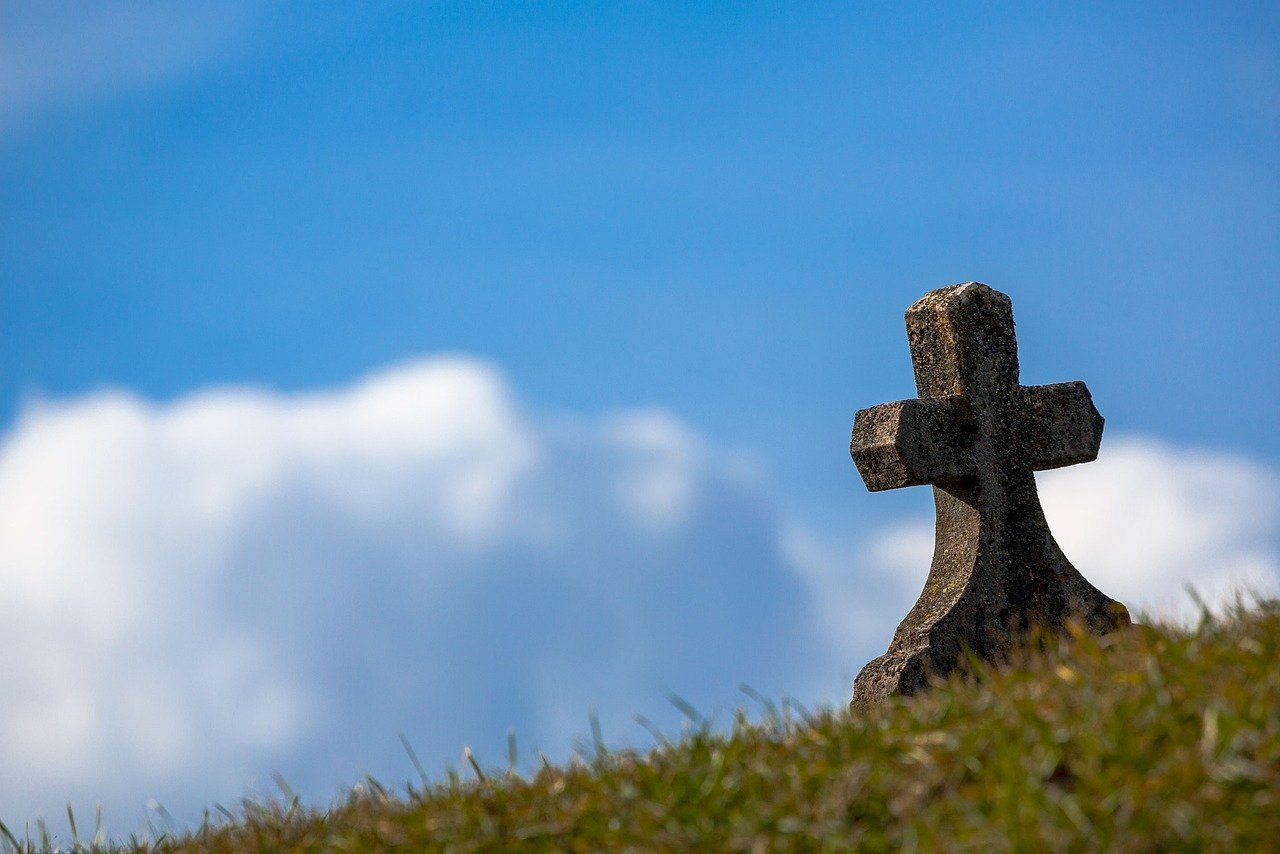
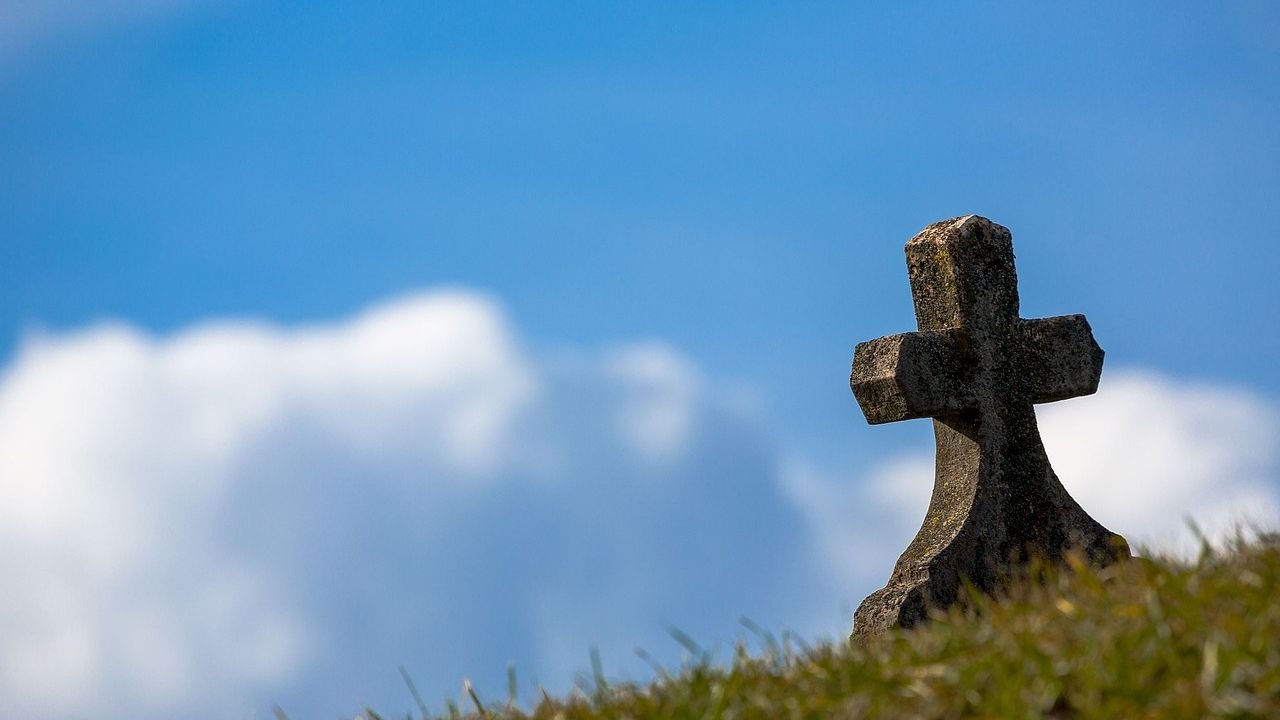
Archaeologists with the National Park Service identified what they believe to be 23 unmarked graves and 14 possible graves near the 7th hole of the golf course back in 2019. The evidence of Florida’s slave-holding past lies just beneath the surface, in the form of the long-lost burial grounds of enslaved people who lived and died on the plantation that once sprawled with cotton there.
Think about that for a moment. While players line up their putts, they’re literally walking over the final resting places of people who were never given proper headstones or recognition. In Leon County, there are only a handful of known slave burial sites – despite the scores of plantations that once dominated the area, which was the epicenter of Florida’s slavery economy.
Years of Broken Promises

Here’s where it gets frustrating. More than four years after the Tallahassee City Commission approved plans to create a commemorative site to preserve and protect the unmarked graves at the golf course, no such memorial has been built. At the time of the October commission meeting, literally nothing had been done. Only after renewed public pressure did the city rush to install a historic marker and clear some paths.
City administrators have attributed the delay to negotiations around enacting the agreement, as well as damaging tornadoes that hit the area in 2024. Critics weren’t buying it, pointing out that tornadoes came years after the initial promise was made.
A History Steeped in Segregation
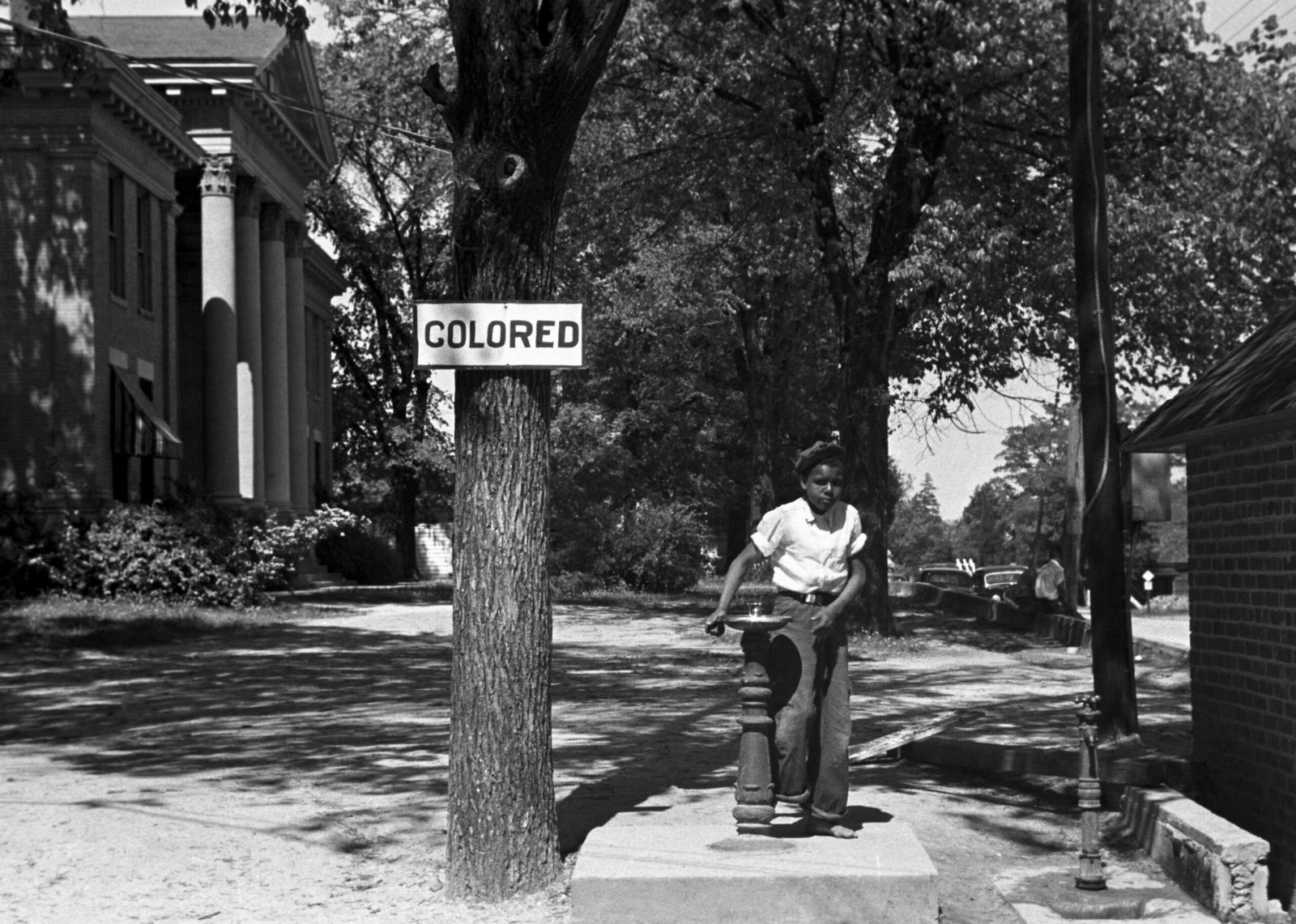
The golf course itself carries a troubling past. The lease has been in place since 1956, when the club reverted to private ownership, allowing it to sidestep a U.S. Supreme Court ruling that banned the segregation of public parks and recreational facilities. For nearly seven decades, the club has paid the city just one dollar per year in rent.
Among the club’s former members was a judge whose nomination to the nation’s highest court failed after he faced questions about whether he helped privatize the club to avoid integration. The country club’s membership has historically included some of the most powerful people in Florida’s capital.
Voices of Opposition
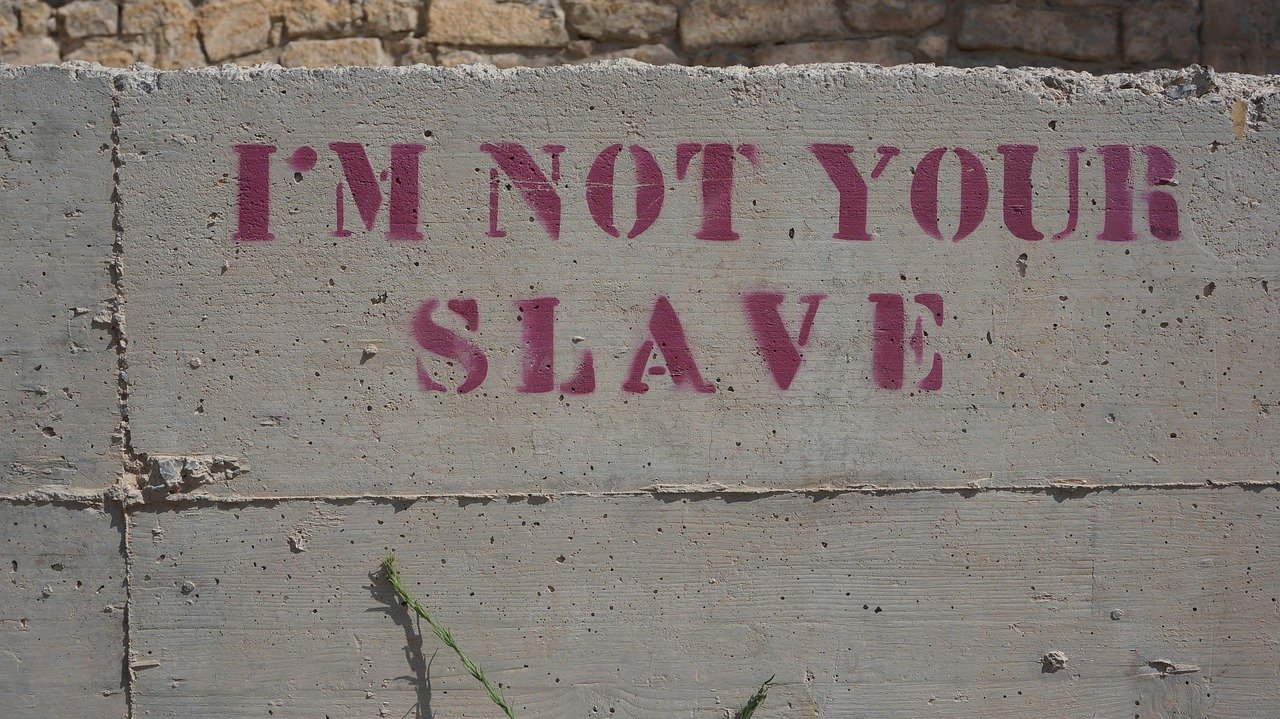
The emotional testimony at the commission meeting was striking. Local activist Delaitre Hollinger, whose ancestors were enslaved in Leon County, captured the pain many felt. She led efforts to memorialize the rediscovered graves and didn’t hold back her anger at the city’s decision.
Justin Jordan, a student at Florida A&M University, a public historically Black university in the city, explained his opposition with raw honesty. His testimony highlighted a reality that many descendants of enslaved people face: not knowing where their ancestors are buried, not even knowing their names.
A resident opposed to the sale, Jeff Blair, said the “stealthy nature, fast pace and rushing forward with the sale of the golf course with virtually no transparency, community engagement, public vetting or advanced notification strongly suggests ulterior motives.” Some opponents were even barred from bringing signs or notes into the meeting, adding another layer of controversy to an already contentious session.
The Price Tag Problem

The sale amount itself raised eyebrows. The property was appraised at $1,150,000. The second appraisal valued the property at $1,255,000. For prime real estate less than a mile from the state Capitol, many residents questioned whether the city was essentially giving away valuable public land.
One option was to operate the club as a municipal golf course, but the city would lose more than $3 million a year, according to city staff. The country club claimed it needed to own the property outright to secure financing for improvements, since lenders wouldn’t work with renters.
Terms of the Deal

Under the terms of the deal, the live oak tree-lined property – prime real estate less than a mile from the Florida’s Capitol building – must remain an 18-hole golf course and not be developed. The sale includes deed restrictions aimed at preserving the cemetery and ensuring continued golf operations.
About $98,000 of the proceeds of the sale will fund the city’s construction of the commemorative site for the burial grounds, with public access to the memorial guaranteed, on the condition that residents don’t “interfere with any active golf game.” The club also committed to hosting Florida A&M University’s golf team for practices and competitions, which the school’s board endorsed.
Political Connections Raise Questions
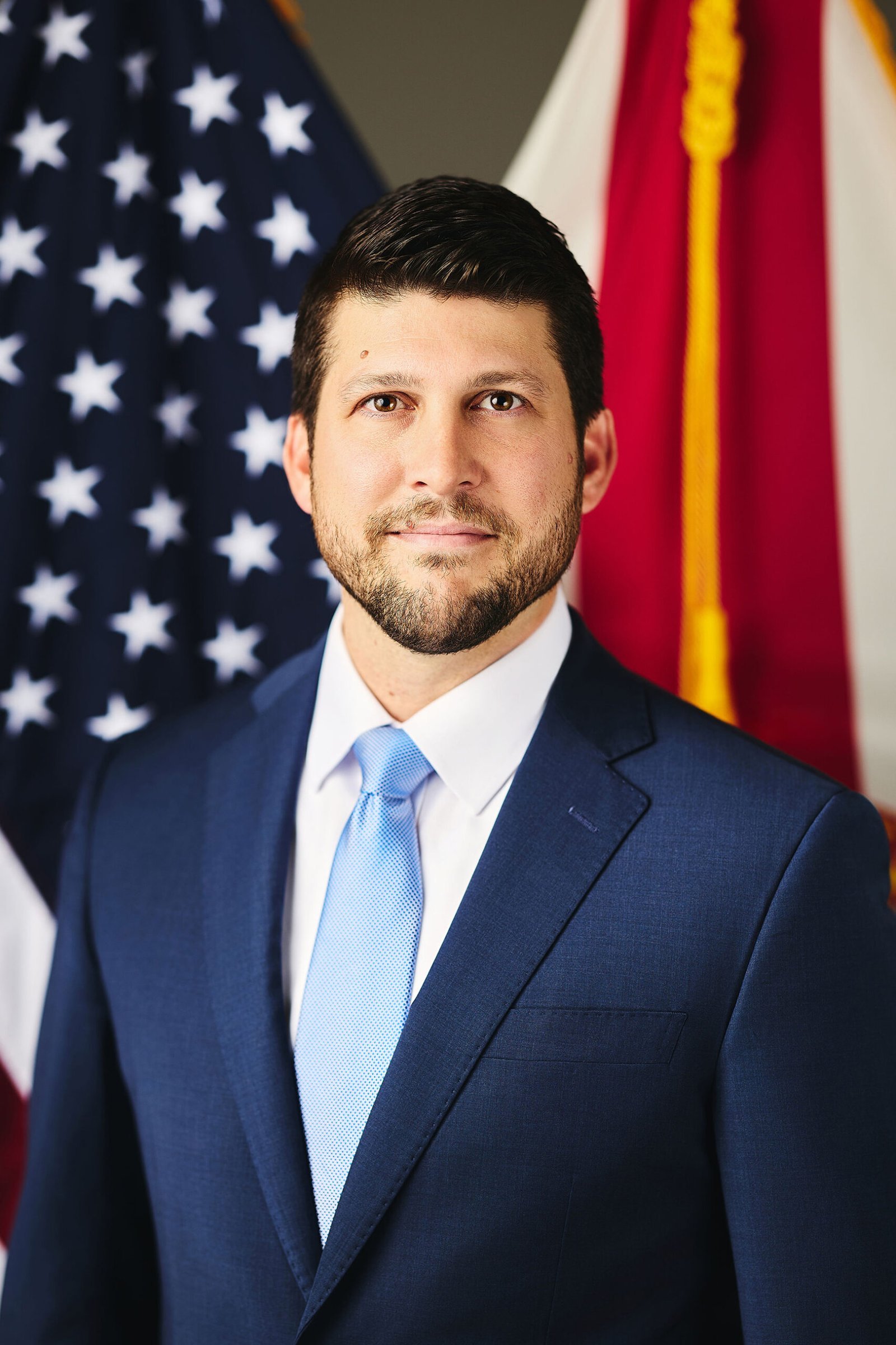
The country club, which according to a 2023 tax filing listed Florida Attorney General James Uthmeier as its vice president, has long played host to power players in the city. This detail didn’t go unnoticed by dissenting commissioners.
Commissioner Jeremy Matlow, who voted against the sale, didn’t mince words about his concerns. Matlow referenced the club’s “heavy hitters” and “attorney generals” with “connections with President Trump” in his concerns around privatizing the land. He even suggested alternative financing arrangements that would keep the land in public hands.
Commissioners Defend Their Votes

Not everyone saw the sale as a betrayal. Interestingly, the deal won support from both Black members of the commission. Commissioner Dianne Williams-Cox spoke of moving beyond the city’s past and reinvesting the revenue back into public services.
Williams-Cox argued that dwelling on the past wouldn’t serve the community. She emphasized that the commission was committed to addressing the graves and memorial, pushing back against what she called misinformation about the delays. The majority supporting the sale framed it as a pragmatic decision that would generate revenue for city services while ensuring the graves would finally be protected with deed restrictions.
A Broader National Crisis
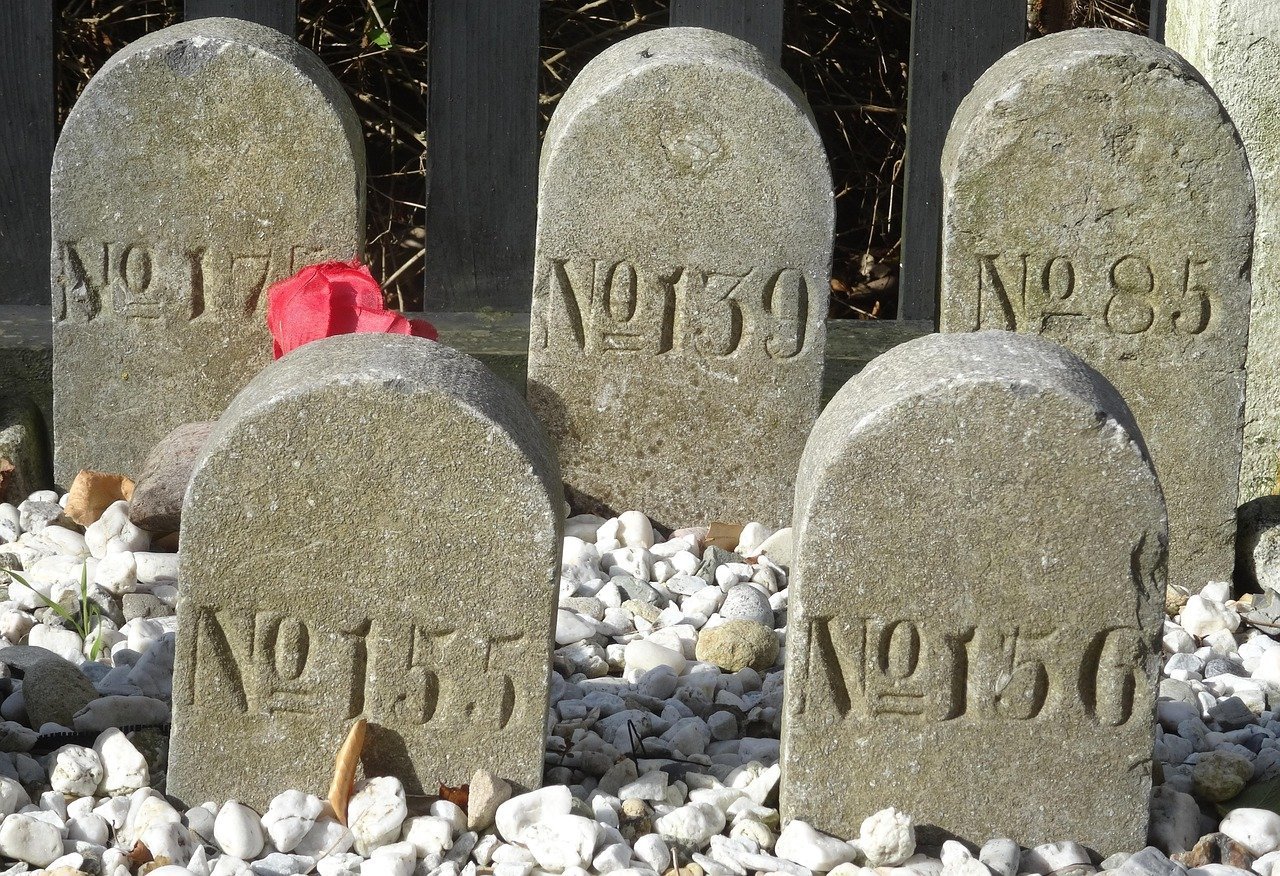
Across the country, many thousands of unmarked and forgotten cemeteries of enslaved people are at risk of being lost, as descendants and volunteers fight development and indifference. What’s happening in Tallahassee isn’t unique. It’s part of a much larger reckoning with how America treats the burial grounds of enslaved people.
These sites represent more than just historical artifacts. They’re the only physical connection many African Americans have to ancestors whose stories were deliberately erased, whose names were never recorded, whose humanity was denied in life and often in death as well. When land changes hands or gets developed, those connections risk being severed forever.
What Happens Next
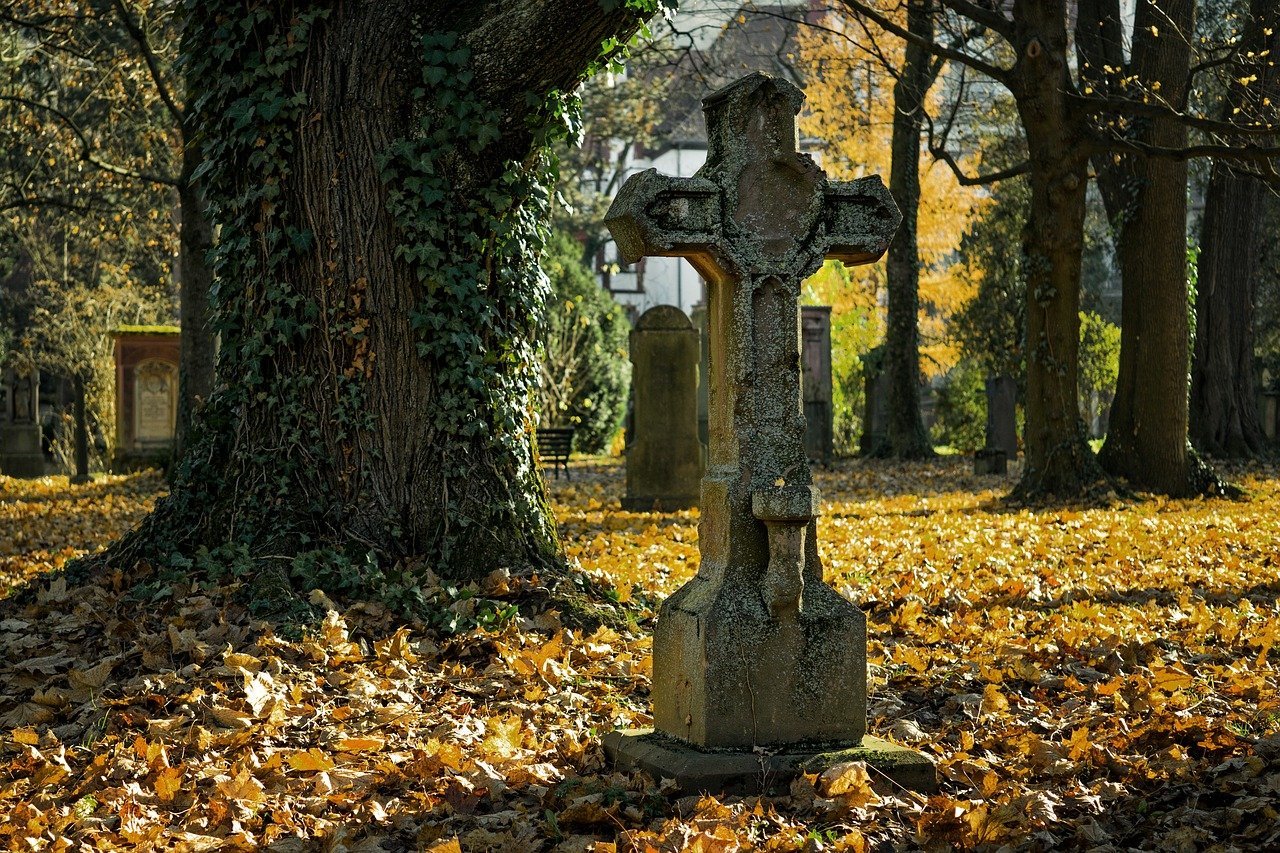
The sale is now moving forward, with construction on the memorial reportedly set to begin soon. The city has installed a historic marker near the burial grounds, though it was placed mere days before the December vote. Golfers continue to play their rounds on the rolling hills above the graves.
According to the city, the cemetery remains under City authority, preservation, and protection, even with the sale. Whether those protections will hold up in practice remains to be seen. For many in Tallahassee’s Black community, the damage has already been done.
The Bottom Line

The decision to sell this golf course reflects tensions that communities across America continue to grapple with. How do we balance economic considerations with honoring painful history? Who gets to decide what happens to sacred spaces? Can we truly protect the past while moving forward?
The debate in Tallahassee shows these aren’t easy questions with simple answers. The commissioners who voted yes genuinely believed they were making a responsible financial decision with adequate safeguards. Those who voted no, along with dozens of residents, saw it as selling out history for a bargain price.
What makes this story particularly striking is the symbolism. A golf course that was privatized to avoid racial integration is now being sold to that same club, with enslaved people’s graves still beneath its fairways. Some will see pragmatic compromise. Others will see history repeating itself, with Black voices once again marginalized in decisions about their ancestors’ final resting places. Where do you stand on this complicated issue?