

For any feedback please reach out to info@festivalinside.com
Picture flipping through a dusty vinyl collection, each sleeve a portal to a world long faded. These classic albums do more than spin tunes; they capture the raw pulse of their era, from the haze of rebellion to the thrill of discovery. They’re like time capsules sealed in song, holding the dreams, fears, and vibes that defined generations.
Let’s dive into some landmark records that stand as vivid snapshots of cultural shifts. You’ll see how the music intertwined with the madness of the moment, forever preserving those echoes.
Sgt. Pepper’s Lonely Hearts Club Band by The Beatles (1967)
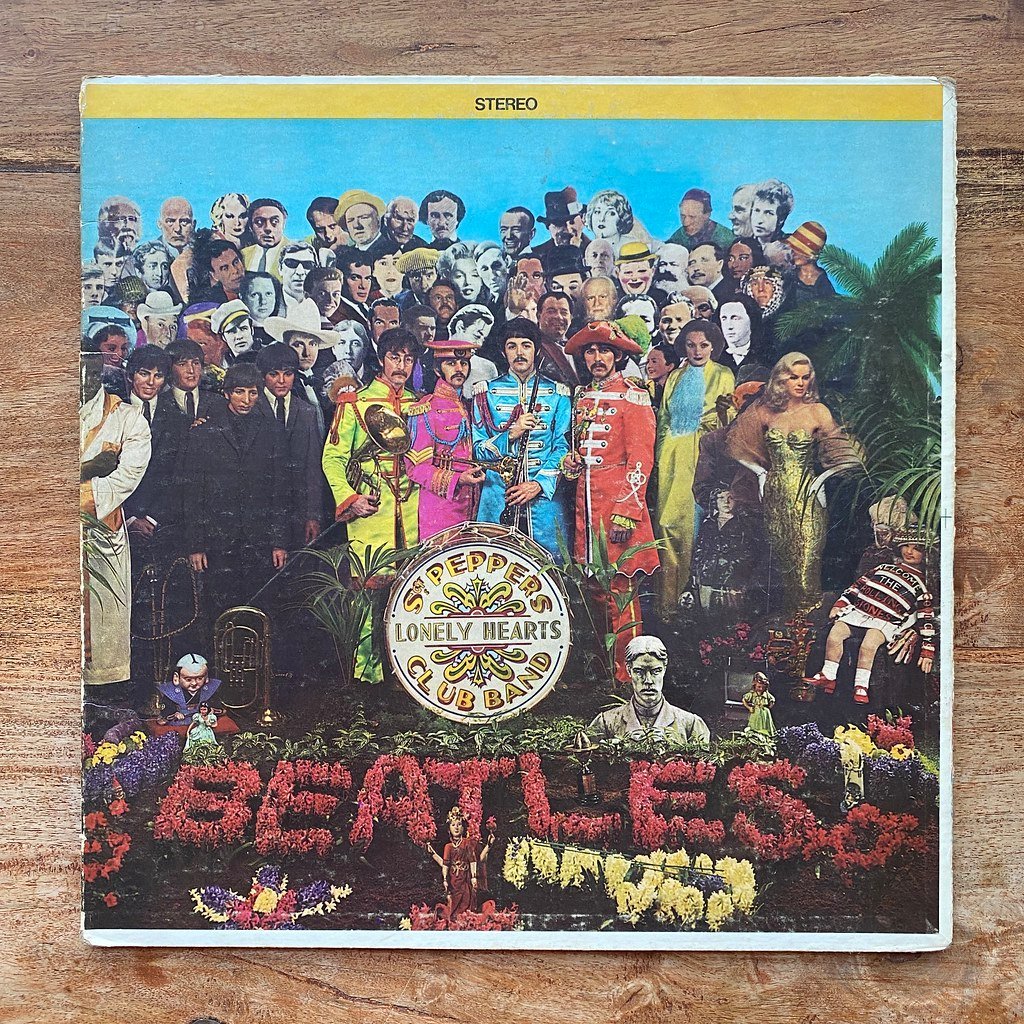
The mid-1960s buzzed with psychedelic experimentation as the Summer of Love dawned on the horizon. The Beatles, fresh off touring exhaustion, holed up in Abbey Road studios to craft something revolutionary amid flower power and anti-war protests. This album arrived like a colorful explosion, mirroring the era’s craving for mind-expanding art.
Conceptually bold, it wove seamless transitions between tracks, using tape loops and orchestral swells for a studio-as-instrument feel. Songs like “A Day in the Life” layered everyday chaos with symphonic grandeur, pushing pop into avant-garde territory. Honestly, it feels like eavesdropping on a generation’s collective trip.
Pet Sounds by The Beach Boys (1966)
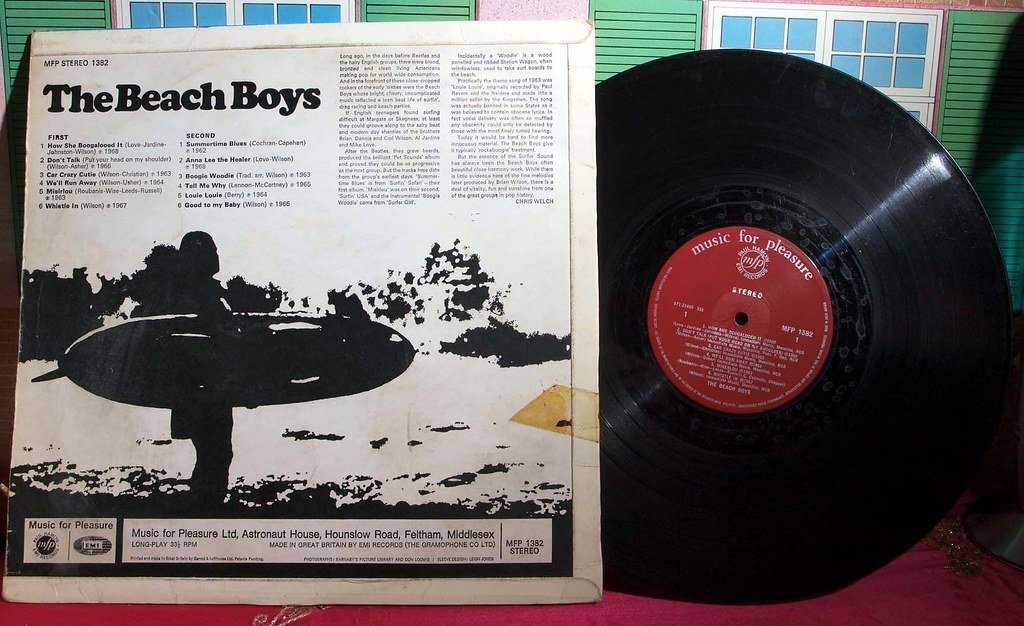
California’s sunny surf scene was cracking under the weight of adult complexities by 1966, with Brian Wilson grappling personal demons amid the Vietnam draft looming large. The album emerged from Wilson’s obsessive home studio sessions, reflecting a shift from beach anthems to introspective maturity. It bottled the bittersweet transition from youth’s innocence to life’s harsher realities.
Wilson’s innovations shone in intricate harmonies and exotic instrumentation, like the theremin wails and bicycle bells on “God Only Knows.” He treated the studio like a canvas, multi-tracking vocals to celestial heights and composing with classical sophistication. I think it’s the sound of sunshine cracking open to reveal deeper shadows.
What’s Going On by Marvin Gaye (1971)
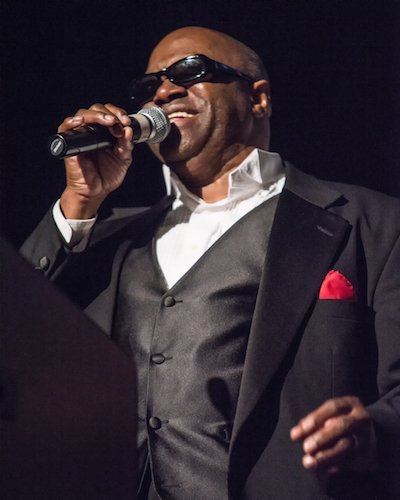
Urban America simmered with unrest in the early 1970s, from Motown’s assembly-line polish to the scars of civil rights battles and Vietnam’s body count. Gaye, haunted by his brother’s war trauma, broke free to pen a soulful plea amid police brutality and ecological warnings. This record captured the soul-searching urgency of a divided nation yearning for unity.
Musically, it fused jazz improvisation with gospel fervor, letting horns breathe and congas groove unbound. Tracks flowed like a continuous conversation, with Gaye’s multi-tracked voices debating hope against despair. Here’s the thing: it turned Motown’s formula on its head, proving soul could tackle the world’s weight.
The Dark Side of the Moon by Pink Floyd (1973)

The counterculture’s highs were fading into disillusionment by the early 1970s, with economic woes and Watergate eroding trust in the system. Pink Floyd channeled existential dread through themes of time, madness, and mortality, born from Syd Barrett’s tragic decline. It echoed the era’s paranoia, like a soundtrack to staring into the abyss.
They pioneered quadrophonic soundscapes, syncing synthesizers, clocks, and heartbeats into hypnotic immersion. “Money’s” odd-time riff and cash-register effects satirized greed with biting precision. To me, it’s prog rock’s pinnacle, where technology amplified the human unraveling.
Rumours by Fleetwood Mac (1977)
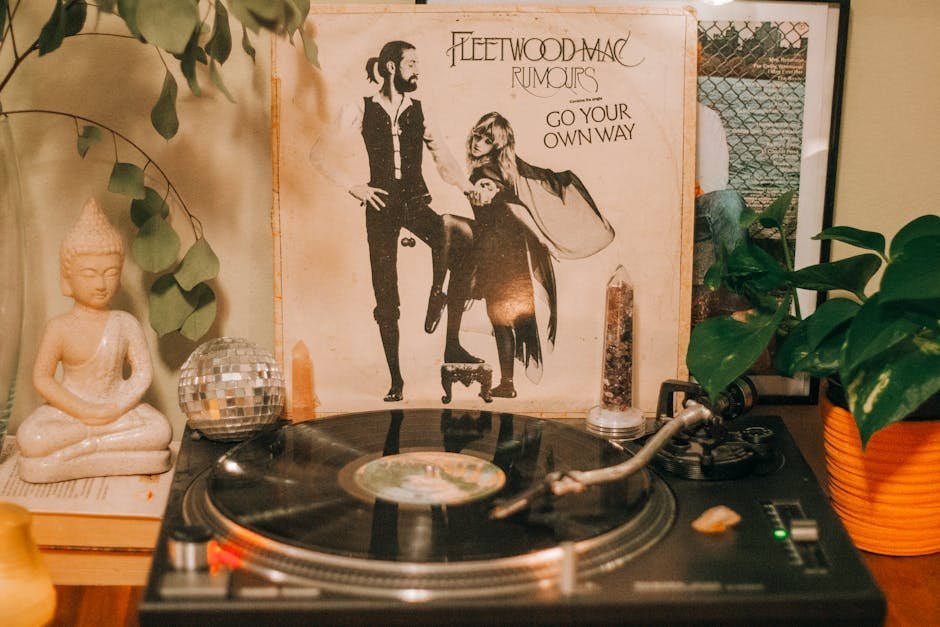
Disco fever gripped the late 1970s, but Fleetwood Mac’s imploding relationships amid cocaine haze and breakups fueled raw emotional honesty. Stevie Nicks and Lindsey Buckingham’s split, plus John and Christine McVie’s divorce, poured into every track during grueling San Francisco sessions. The album mirrored personal turmoil against a backdrop of hedonistic excess.
Pop perfection met confessional lyrics, with Buckingham’s intricate guitar lines dancing over Nicks’ ethereal wails. “Go Your Own Way” blended buoyant hooks with heartbreak’s sting, while rhythms pulsed like a racing pulse. Let’s be real, it turned band drama into timeless catharsis.
Nevermind by Nirvana (1991)
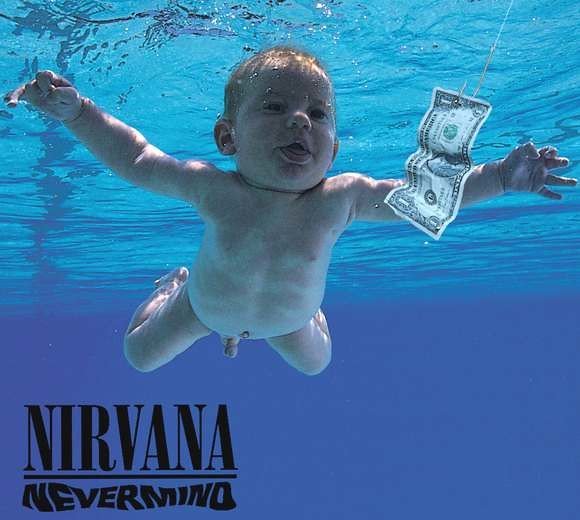
Grunge erupted from Seattle’s rainy gloom in the early 1990s, slaughtering hair metal’s excess as Generation X wrestled recession and irony. Kurt Cobain’s raw anguish, scribbled amid heroin struggles, captured youth’s alienation in a post-Cold War void. This album crashed the mainstream, signaling punk’s vengeful return.
Cobain’s detuned guitars and Butch Vig’s wall-of-sound drums birthed a sludgy fury, blending melody with abrasion. “Smells Like Teen Spirit” weaponized quiet-loud dynamics into an anthem of apathy. It still hits like a gut punch, proving rage could top charts.
Echoes That Endure: Music as Historical Memory
These albums linger not just for their sounds, but as living archives of joy, strife, and reinvention. They remind us how melodies can outlast the moments that birthed them, whispering lessons across decades. In 2026, spinning them feels like communing with ghosts of resilience.
What vanished era calls to you through your favorite record? Share in the comments, and let’s keep those echoes alive.

Christian Wiedeck, all the way from Germany, loves music festivals, especially in the USA. His articles bring the excitement of these events to readers worldwide.
For any feedback please reach out to info@festivalinside.com
