

- J. Cole’s ‘The Fall-Off’ Fuels Perseverance in Hip-Hop’s Next Generation - February 26, 2026
- J. Cole Ends Decade-Long Chase for Billboard Vinyl Albums No. 1 - February 26, 2026
- 5 Ambitious 21st-Century Ideas That Crashed and Burned - February 26, 2026

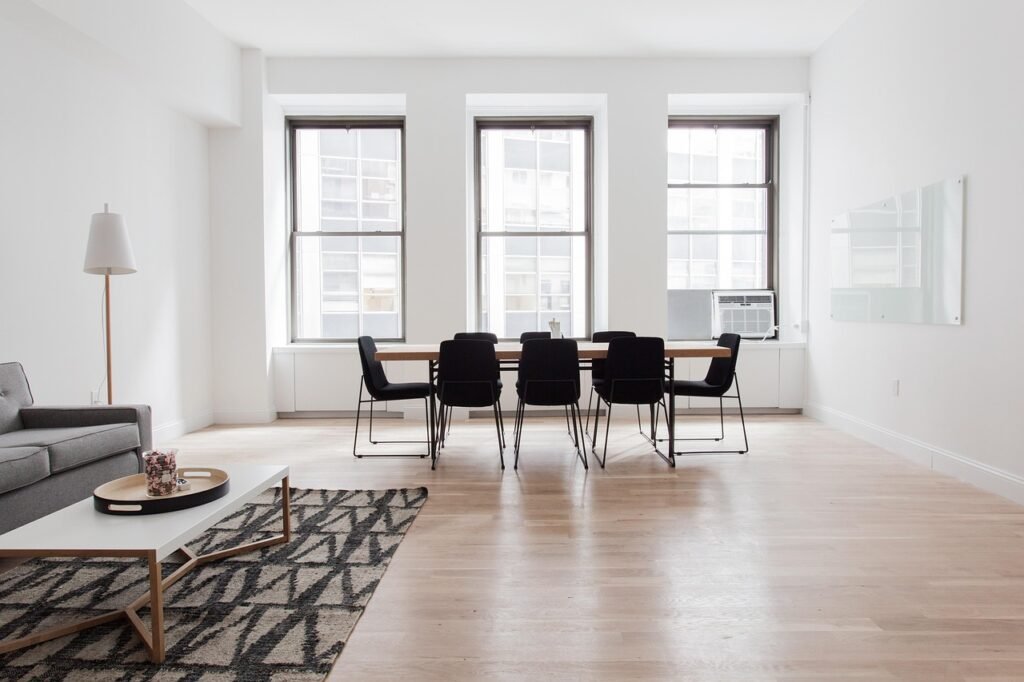
Embracing Natural Light Sources (Image Credits: Pixabay)
A well-lit room transforms everyday spaces into inviting havens, boosting mood and functionality without major renovations.
Embracing Natural Light Sources
One of the most effective approaches begins with maximizing sunlight, which enters homes through windows and doors. Homeowners often overlook simple maintenance that can amplify this natural resource. Cleaning windows regularly removes dust and grime, allowing more rays to penetrate interiors. Sheer curtains or blinds filter harsh light while preserving brightness throughout the day.
Strategic placement of furniture avoids blocking light paths from entry points. For instance, positioning seating away from windows ensures even distribution. In rooms with limited windows, adding a skylight or light tube offers a subtle upgrade. These methods not only illuminate spaces but also connect interiors to the outdoors, creating a sense of openness.
Reflecting Light with Smart Surfaces
Mirrors serve as powerful tools in light enhancement, bouncing illumination around corners that might otherwise remain dim. Placing a large mirror opposite a window captures and redirects sunlight effectively. Glossy finishes on walls or furniture further aid this reflection, turning matte surfaces into light amplifiers.
Light-colored paints in whites, creams, or pastels bounce light rather than absorb it, making rooms feel larger and airier. Fabric choices matter too; opt for sheer or light-toned upholstery on sofas and chairs. These adjustments require minimal effort yet yield noticeable changes in ambiance. Experimenting with metallic accents, like silver frames, adds a modern touch while contributing to the reflective quality.
Layering Artificial Lighting Options
Artificial sources fill gaps when natural light fades, and layering them creates depth and versatility. Start with overhead fixtures for general illumination, then add task lights like desk lamps for focused areas. Dimmers allow control over intensity, adapting to different times of day or activities.
Wall sconces or floor lamps positioned strategically eliminate shadows in reading nooks or hallways. LED bulbs provide energy-efficient brightness with options for warm or cool tones to suit moods. Integrating smart bulbs enables remote adjustments via apps, enhancing convenience. This multi-tiered setup ensures no corner feels overlooked, promoting a balanced glow.
Incorporating Decorative and Functional Elements
Beyond basics, decorative items can subtly boost light flow. Indoor plants with glossy leaves reflect light while adding life to sterile spaces. Hanging shelves or artwork with minimal obstruction keeps pathways clear for illumination.
To compare options, consider these common upgrades:
| Method | Cost Level | Impact |
|---|---|---|
| Mirrors | Low | High reflection |
| LED Lamps | Medium | Versatile control |
| Light Paint | Low | Broad coverage |
Such elements blend aesthetics with practicality, ensuring lighting feels integrated rather than added on.
Advanced Tips for Lasting Brightness
For deeper transformations, rearrange layouts to prioritize light entry. Removing heavy drapes in favor of lighter alternatives invites more daylight. In basements or north-facing rooms, full-spectrum bulbs mimic sunlight closely.
Here are eight key strategies to implement:
- Clean windows weekly for unobstructed views.
- Install mirrors across from light sources.
- Paint walls in light, reflective hues.
- Use sheer fabrics for window treatments.
- Layer lamps at varying heights.
- Opt for glossy furniture finishes.
- Add plants to diffuse and reflect light.
- Incorporate dimmable overhead fixtures.
These steps build upon each other, creating a cohesive lighting plan tailored to any home.
Key Takeaways
- Prioritize natural light through maintenance and placement.
- Reflect and amplify with colors and mirrors.
- Layer artificial options for flexibility and mood control.
Implementing even a few of these strategies can revitalize dim rooms into vibrant areas that energize daily life. What changes have you made to brighten your space? Share your experiences in the comments below.

Besides founding Festivaltopia, Fritz is the managing director of Europe’s largest manufacturer of mobile stages Kultour and has a lot of experience in the event industry, loves music and likes to go to festivals.
