

1. Radio DJs

Radio DJs held the power to make or break a song back then. They spun tracks on air, sharing stories about the artists and urging listeners to check out full albums. Nighttime shows often introduced obscure gems that you’d scramble to jot down.[1] Fans rushed to stores the next day, hoping to find that one tune. Those moments built real excitement around new music.
2. FM and College Radio Stations
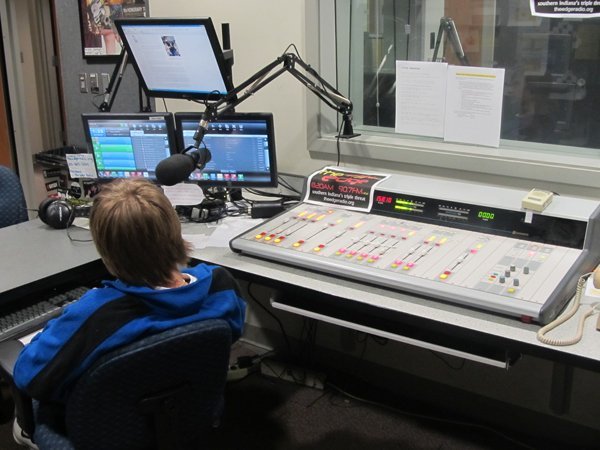
FM stations offered clearer sound and deeper dives into genres like rock or jazz. College radio took risks with indie acts that commercial stations ignored. Listeners tuned in religiously for fresh sounds from up-and-coming bands.[3] Stations like WNEW-FM broke huge artists in the 1960s. It felt personal, like a secret shared over the airwaves.
3. Record Store Listening Stations
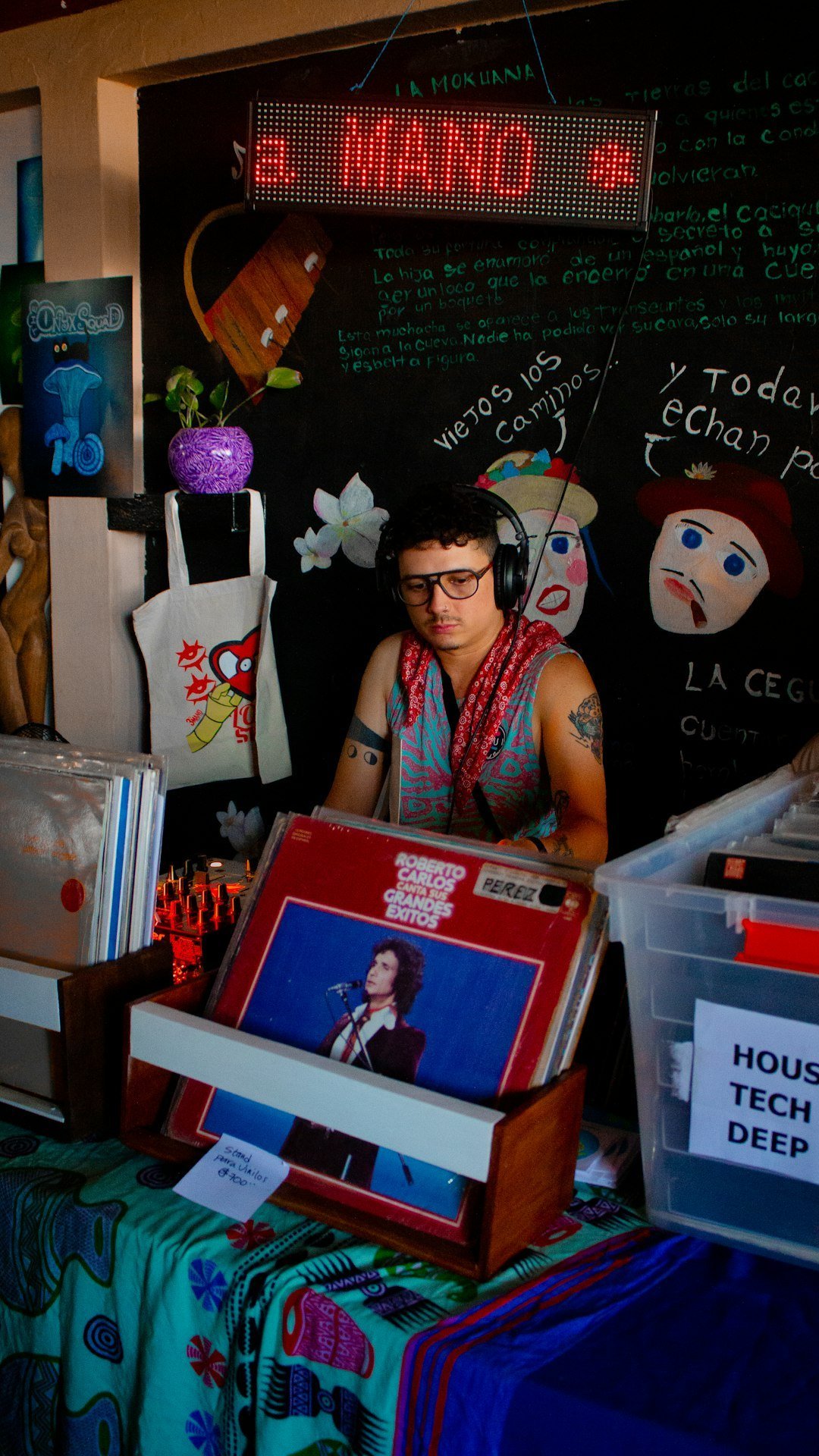
Record stores had booths where you could preview albums before buying. You’d slip on headphones, drop a quarter, and get a sample that hooked you instantly. Staff often recommended hidden treasures based on your tastes. This hands-on trial made discovering music an adventure right there in the shop.
4. Digging Through Record Store Bins
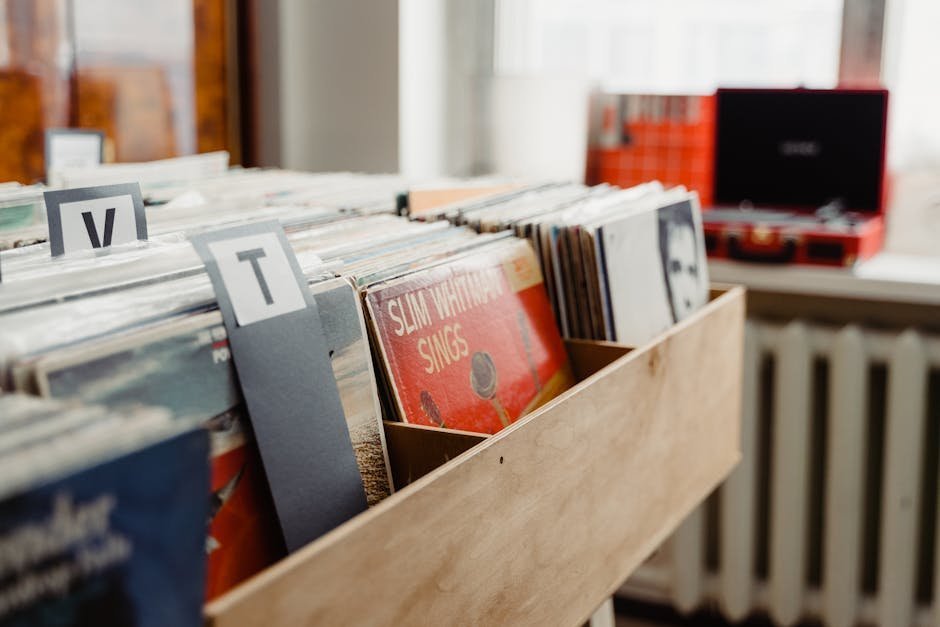
Hours melted away flipping through used vinyl bins at local shops. A cool album cover or unfamiliar label caught your eye, tempting a blind buy. You never knew if it’d be gold or a miss, but that’s what made it thrilling.[3] Many lifelong favorites started as dusty finds.
5. Mixtapes from Friends
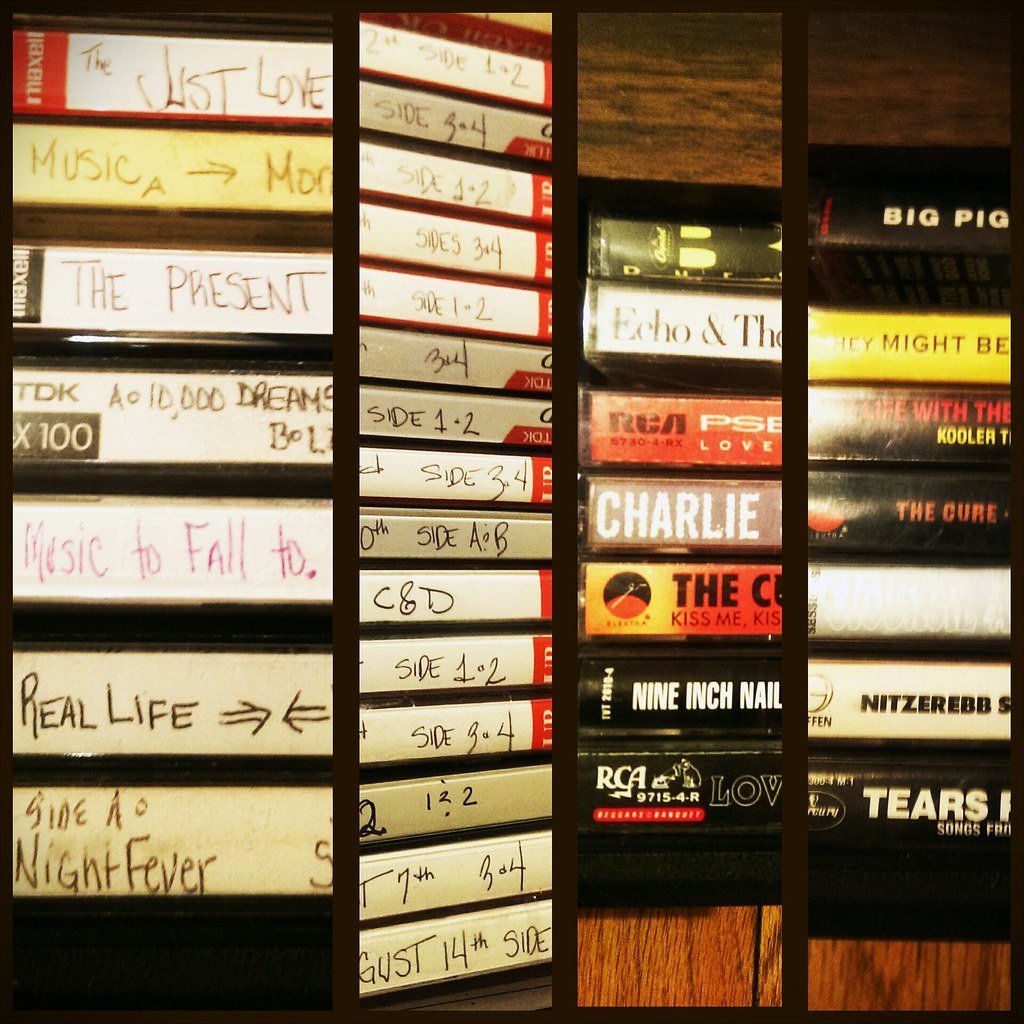
Friends crafted personalized cassettes packed with their latest obsessions. You’d pop it into your Walkman and uncover track after track of pure discovery. Notes on the case listed band names for further hunts. Sharing like this spread music virally long before algorithms.
6. Word-of-Mouth Recommendations

Conversations at school or parties sparked the best finds. Someone raved about a band, and suddenly everyone needed to hear it. This human curation felt genuine and urgent. No playlist could match that personal push.
7. Music Magazines and Reviews
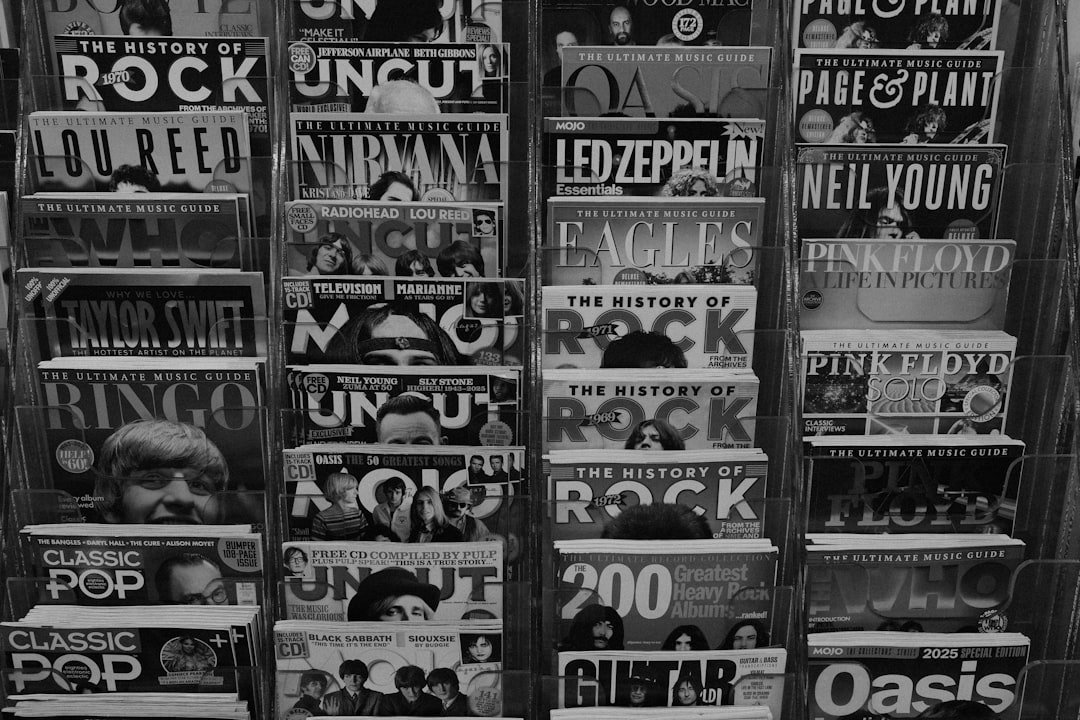
Magazines like Rolling Stone or Spin dished out glowing reviews and charts. You’d pore over pages, circling albums to track down. Critics shaped tastes with their passionate breakdowns.[3] Print was the ultimate tastemaker.
8. MTV Premieres
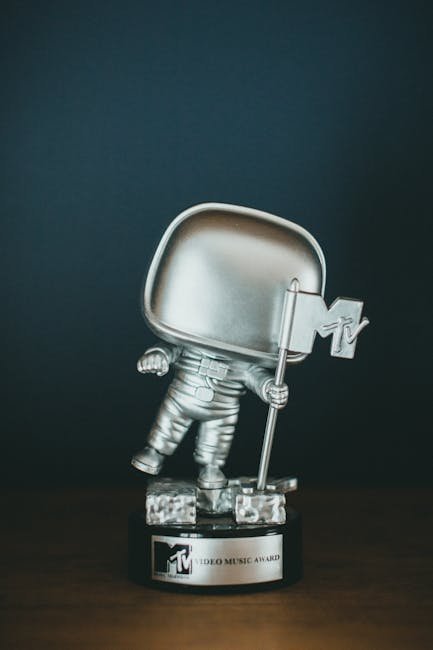
MTV launched videos that exploded songs overnight. Premieres had everyone glued to the TV, racing to stores post-broadcast. Visuals made music unforgettable, as Billboard noted in early surveys.[4] It turned passive viewing into active hunting.
9. Album Covers and Artwork
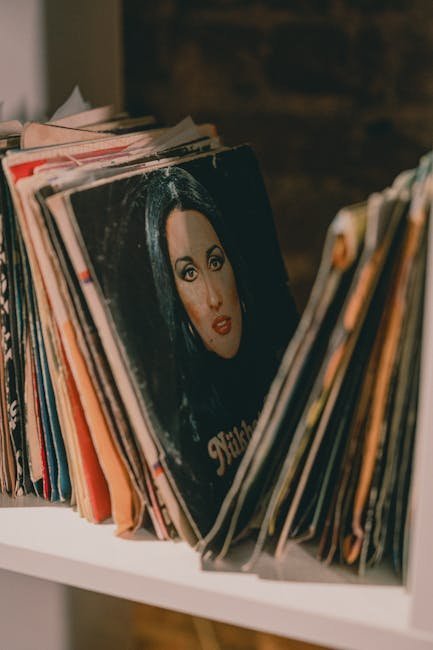
Striking cover art jumped out from shelves, promising something special. Band names or titles intrigued enough for a gamble. Inside, liner notes revealed more bands to chase.[3] Packaging sold the mystery.
10. Compilation Albums
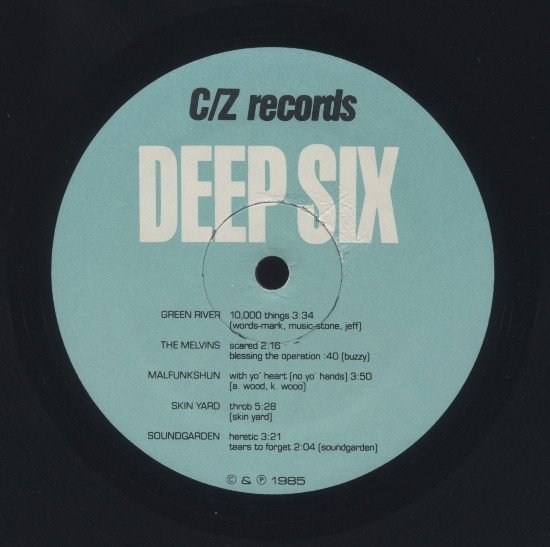
VA comps gathered tracks from one label or scene, introducing multiple acts at once. Spotting a favorite artist on the list justified the purchase. It was efficient discovery in one sleeve.[3] Perfect for branching out.
11. Record Label Exploration
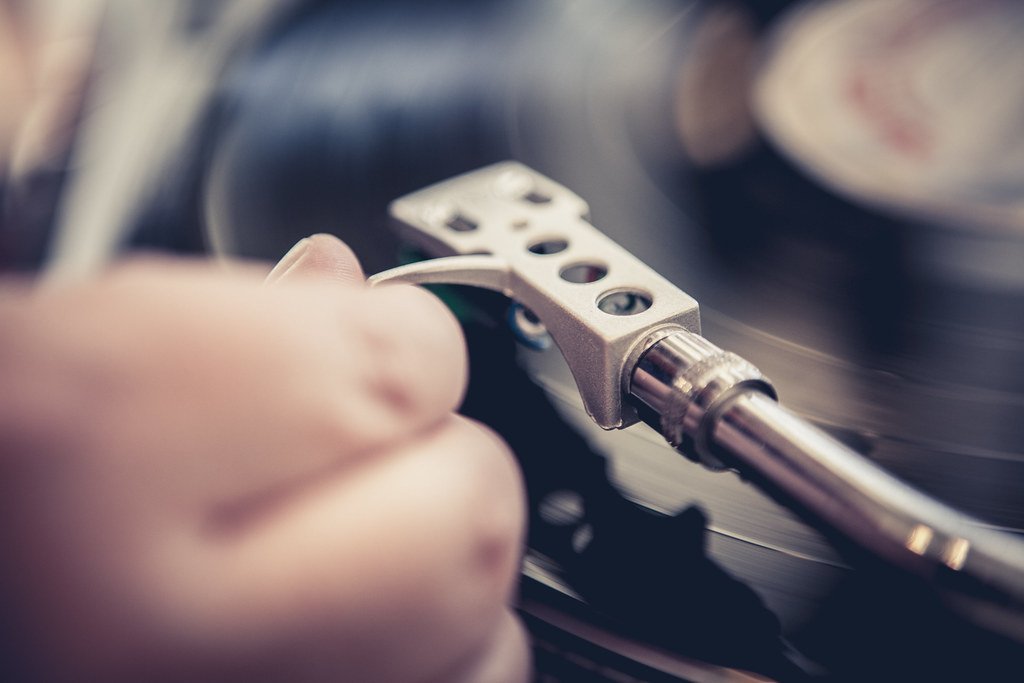
Finding a killer album led straight to that label’s catalog. Imprints like Dischord signaled punk gold or Sub Pop grunge vibes. Loyalty to labels guaranteed quality surprises.[3] Curators before playlists.
12. Friends’ Car Stereos
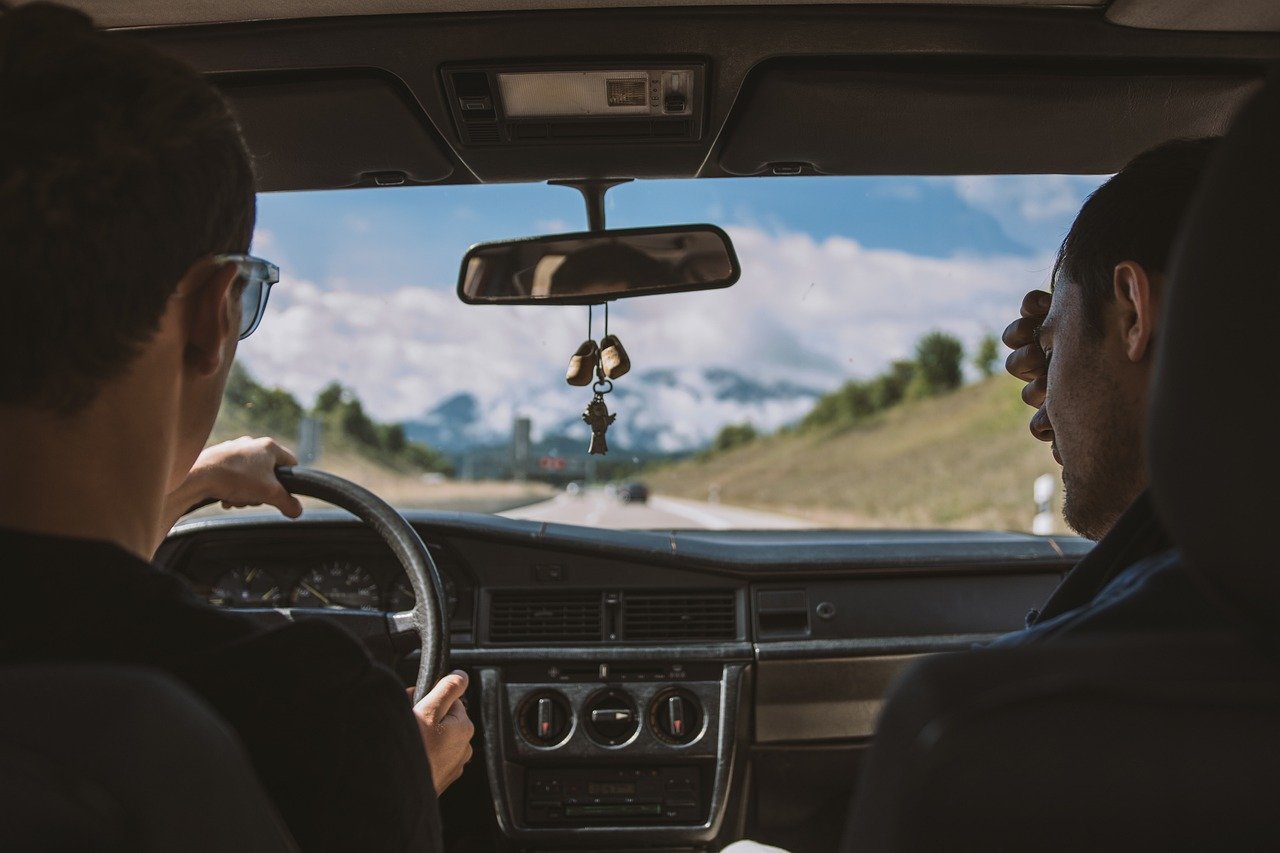
Rides with buddies blasted new tapes from their collections. Blasting volume turned passengers into instant converts. Those road trips birthed shared anthems.[3] Social listening at its rawest.
13. Nightclub DJ Sets
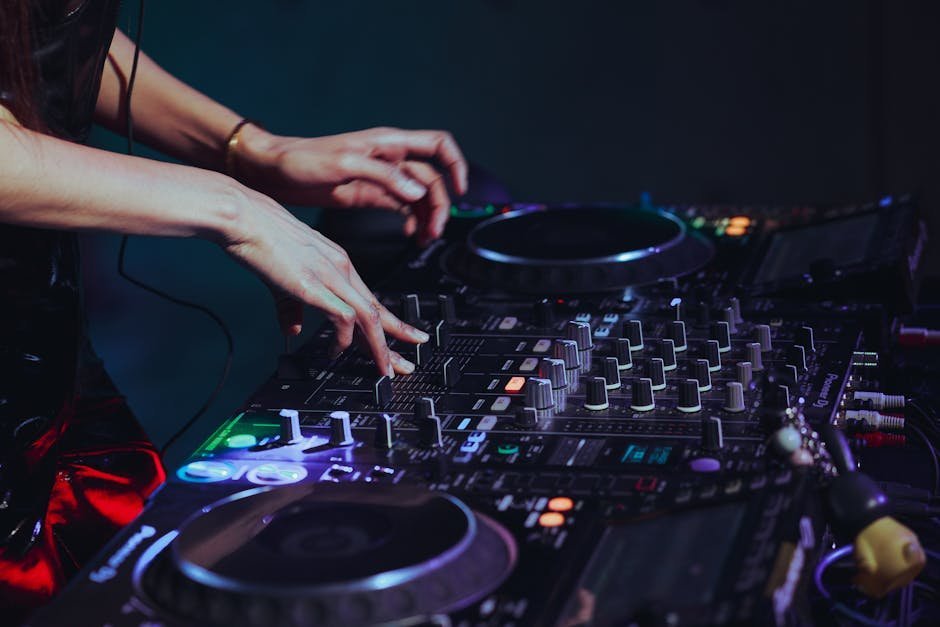
Club DJs mixed rare grooves that floors demanded. Hearing a drop you’d never caught on radio meant begging for the name. Sweat and bass fueled the hunt afterward.[3] Dancefloors were discovery labs.
14. Live Concerts and Open Mics
Opening acts at shows stole the night, hooking crowds for future gigs. Local scenes buzzed with unsigned talent waiting to break. Nothing beat that live spark.
15. Billboard Charts
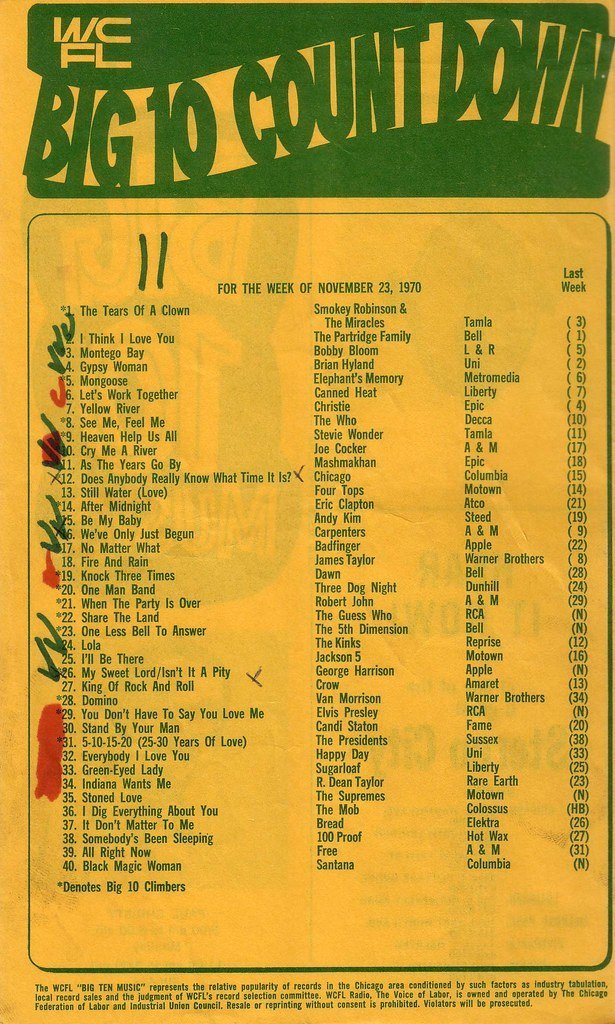
Weekly charts in magazines tracked climbers to watch. Radio mirrored them, but print let you plan buys ahead. It guided masses to hits reliably.[5] The pulse of popularity.
CEO-Co-Founder
