


Holi (India) – The Festival of Colors
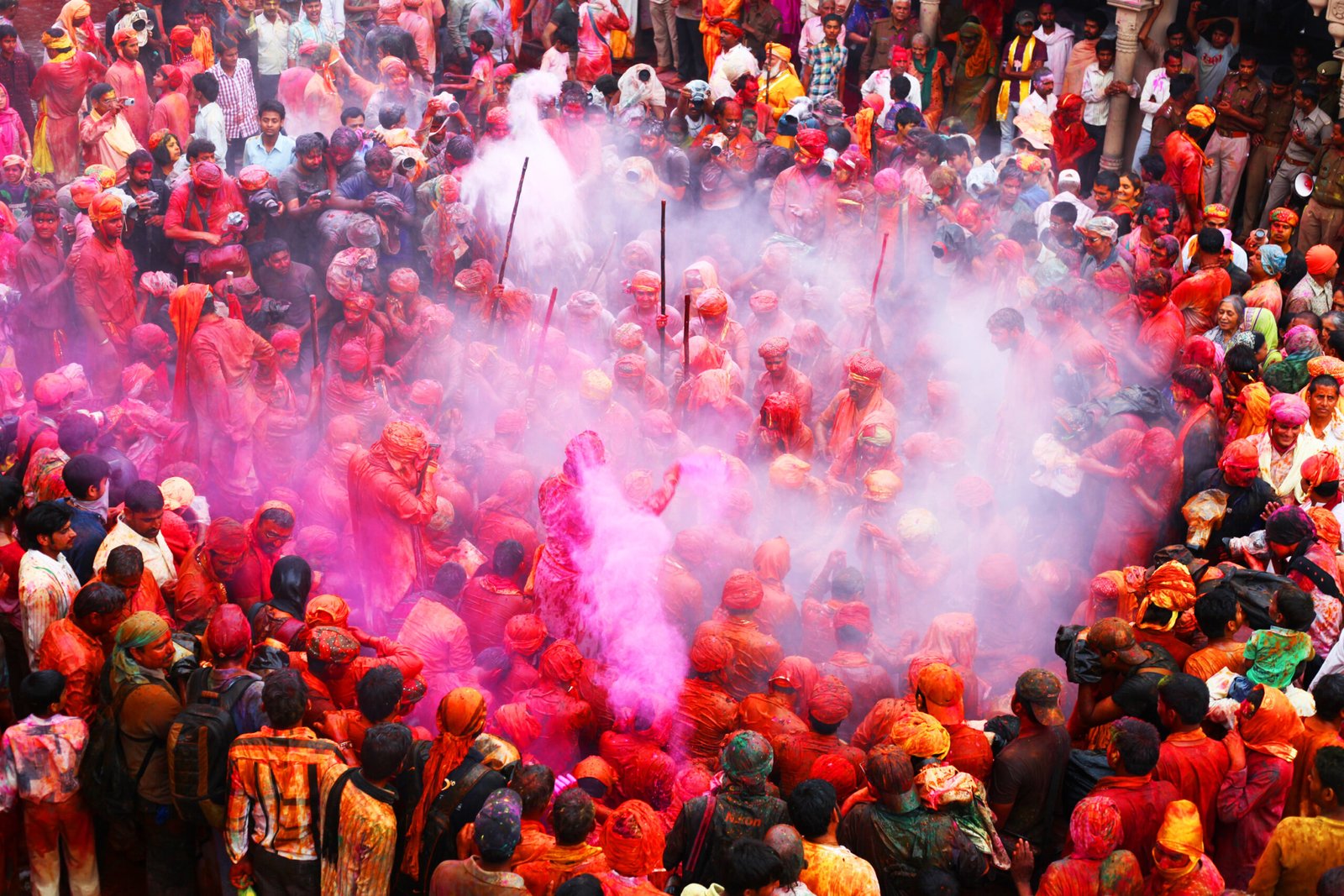
Every March, India erupts in a kaleidoscope of vibrant colors that would make a rainbow jealous. Millions of people in South Asia are celebrating Holi, the Hindu festival of colors, by smearing each other with brightly colored powder, dancing to festive music and feasting on traditional sweets prepared for the occasion. Picture this: streets that look like someone spilled a giant box of chalk, but instead of being a mess, it’s pure magic.
It is one of the three major festivals in India and is renowned for its vibrancy and liveliness. The festival’s roots run deep in Hindu mythology, celebrating the victory of good over evil while welcoming spring’s arrival. During the festival, people of all ages and genders in India go crazy by throwing powdered dye, which covers everything in a surreal and colorful splendor. The more colors you have on your body, the more blessings you will receive in the new year.
Carnival (Brazil) – The World’s Biggest Party
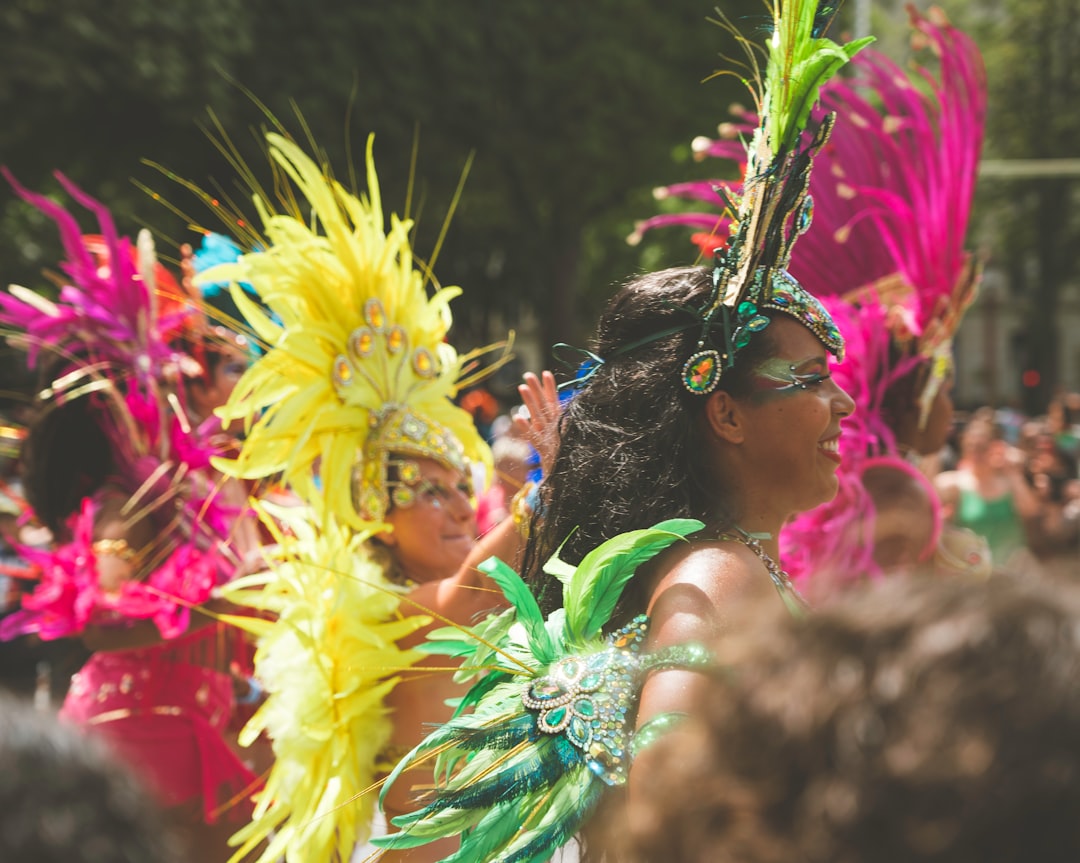
If you think your local New Year’s Eve party gets wild, wait until you experience Rio’s Carnival. Brazil braces for a monumental Carnival 2025, with over 53 million participants expected nationwide, an 8% increase from last year, according to the Ministry of Tourism. The city expects eight million attendees this year, with an economic impact estimated at 5.5 billion reais ($1 billion). That’s enough people to fill New York City and then some!
The Carnival in Rio de Janeiro (Portuguese: Carnaval do Rio de Janeiro) is a festival held every year before Lent; it is considered the biggest celebration of Carnival in the world, with two million people per day on the streets. The sambadrome becomes the epicenter of this madness, where elaborate floats and costumes tell stories through dance and music. Rio de Janeiro’s carnival alone drew 6 million people in 2018, with 1.5 million being travelers from inside and outside Brazil. Rio’s carnival is the largest in the world according to Guinness World Records.
Dia de los Muertos (Mexico) – Celebrating the Departed
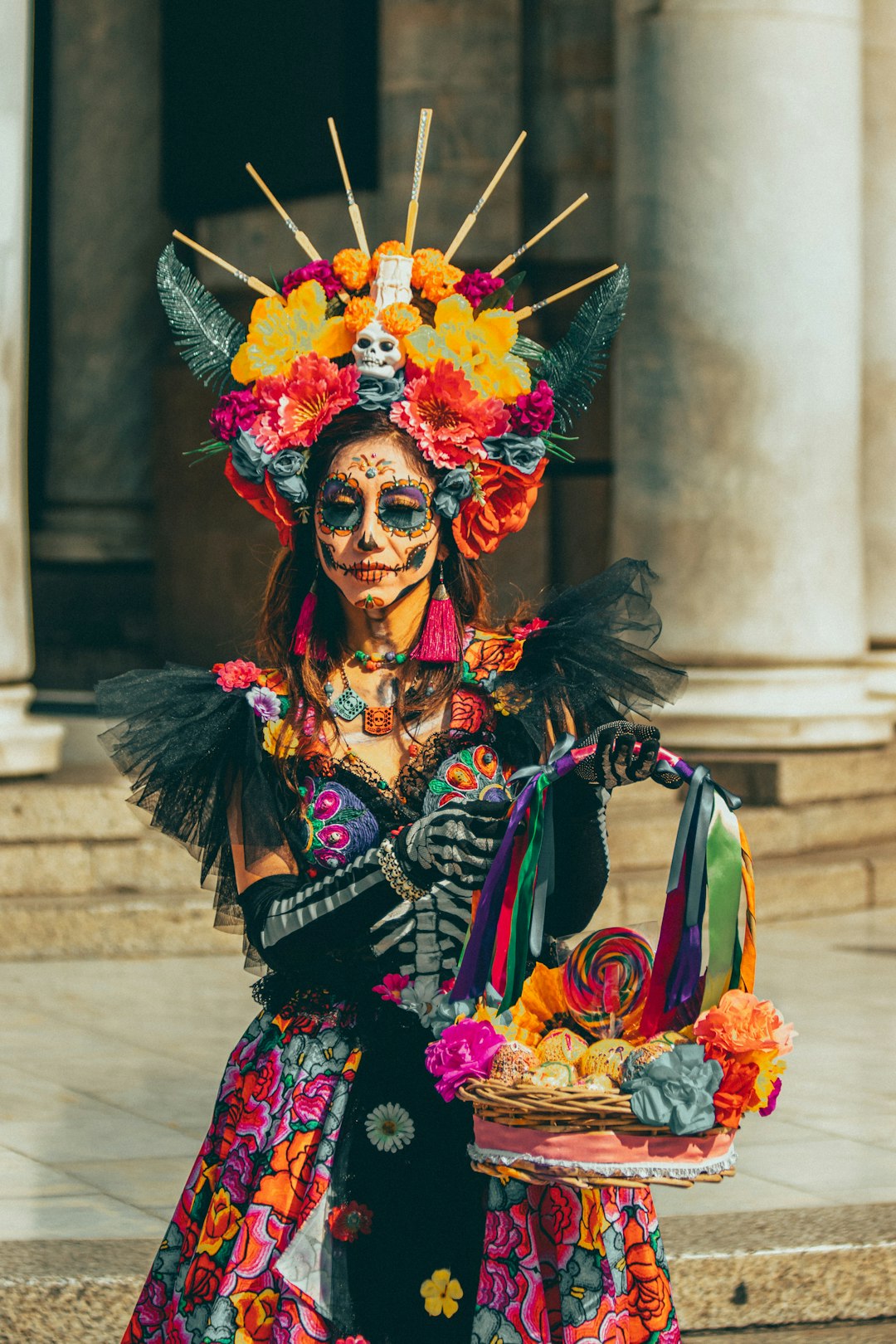
Death might seem like a somber topic, but Mexico flips that script completely during Dia de los Muertos. November 1st and 2nd transform into vibrant celebrations where families honor deceased loved ones with colorful altars, marigold flowers, and intricate sugar skulls. Think of it as the ultimate family reunion, except some guests happen to be spirits.
Far from being a Mexican Halloween, this UNESCO-recognized tradition dates back thousands of years to indigenous Aztec customs. Families create elaborate ofrendas (altars) decorated with photos, favorite foods, and personal items of the departed. The belief is that spirits return to enjoy these offerings, making death not an ending but a continuation of family bonds. The sweet aroma of pan de muerto and the sight of painted faces create an atmosphere that’s both mystical and joyful.
Yi Peng Lantern Festival (Thailand) – A Sky Full of Wishes
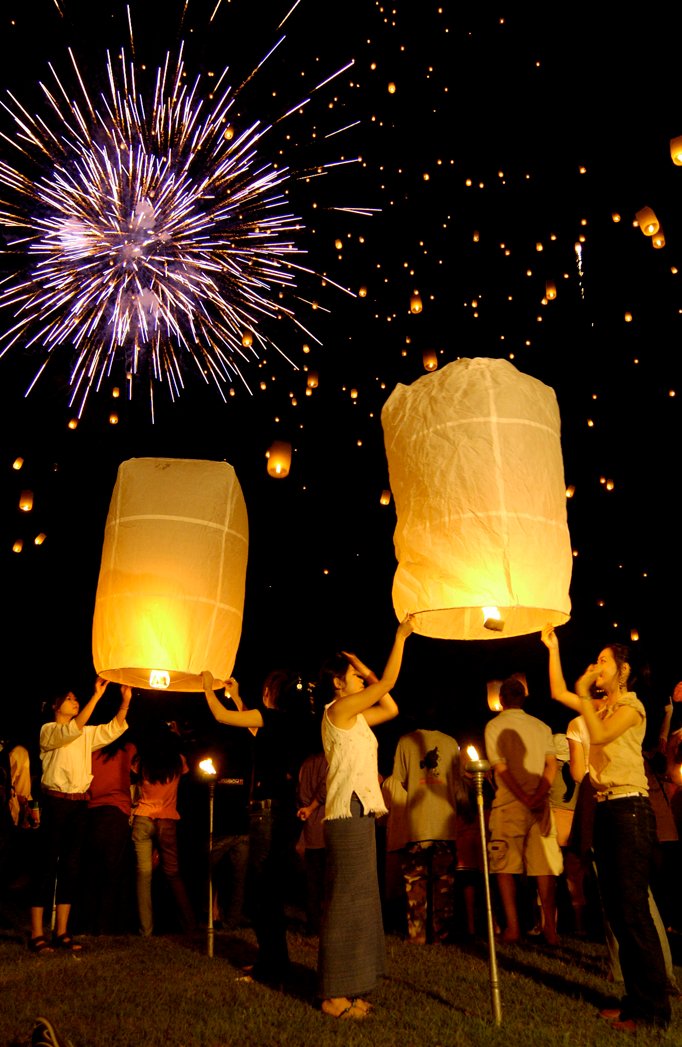
Imagine thousands of glowing lanterns floating into the night sky like earthbound stars seeking their celestial home. That’s the breathtaking spectacle of Yi Peng in Chiang Mai, where this ancient Lanna Buddhist tradition creates one of the world’s most Instagram-worthy moments. But it’s so much more than just pretty pictures.
Each lantern carries wishes, dreams, and prayers as it rises into the darkness. The sight of thousands of these khom loi (sky lanterns) ascending simultaneously feels like witnessing magic in real life. Participants write their hopes on the lantern’s surface before releasing it, believing that as it floats higher, their wishes travel to the heavens. The festival coincides with the full moon of the twelfth lunar month, adding an extra layer of spiritual significance to this already mesmerizing event.
La Tomatina (Spain) – The World’s Biggest Food Fight

Ever wanted to throw food without getting in trouble? Welcome to Buñol, Spain, where every August, the streets turn into a giant tomato battlefield during La Tomatina. This is food fighting elevated to an art form, where overripe tomatoes become ammunition in the world’s messiest (and most fun) battle.
What started as a spontaneous food fight among teenagers in 1945 has evolved into a festival that attracts thousands of participants from around the world. The rules are simple: only tomatoes can be thrown, you must squish them before launching to avoid injury, and when the second rocket sounds, the battle stops. For one glorious hour, the entire town becomes a red, pulpy paradise where strangers become friends through shared tomato-flinging chaos.
Oktoberfest (Germany) – The Ultimate Beer Celebration
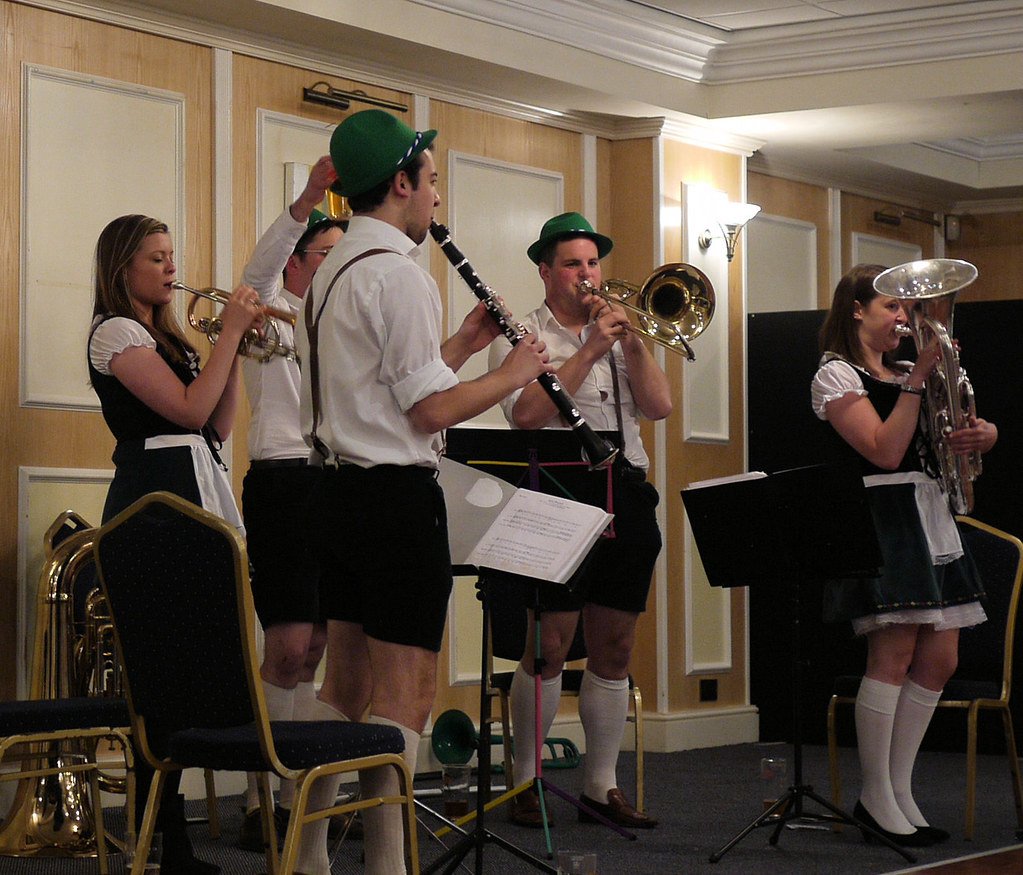
Hold onto your lederhosen because Munich’s Oktoberfest isn’t just a beer festival – it’s a cultural phenomenon that transforms the Bavarian capital into the world’s largest party zone. In 2024, there were around 6.7 million visitors to Munich’s Oktoberfest celebration. In 2024, there were around 6.7 million visitors to Munich’s Oktoberfest celebration. That’s more people than the entire population of Switzerland gathering for one epic celebration!
Beer is Oktoberfest’s top seller, with over 7 million liters sold this year. The visitors drank 7 million liters of beer in 2024, slightly less than the 7.4 million liters consumed in 2023. But it’s not just about the beer – traditional Bavarian music, authentic cuisine, and carnival rides create an atmosphere that’s part beer hall, part cultural immersion, and entirely unforgettable. With more than six million guests a year, the Oktoberfest is the largest public festival in the world.
Songkran (Thailand) – The Water Festival
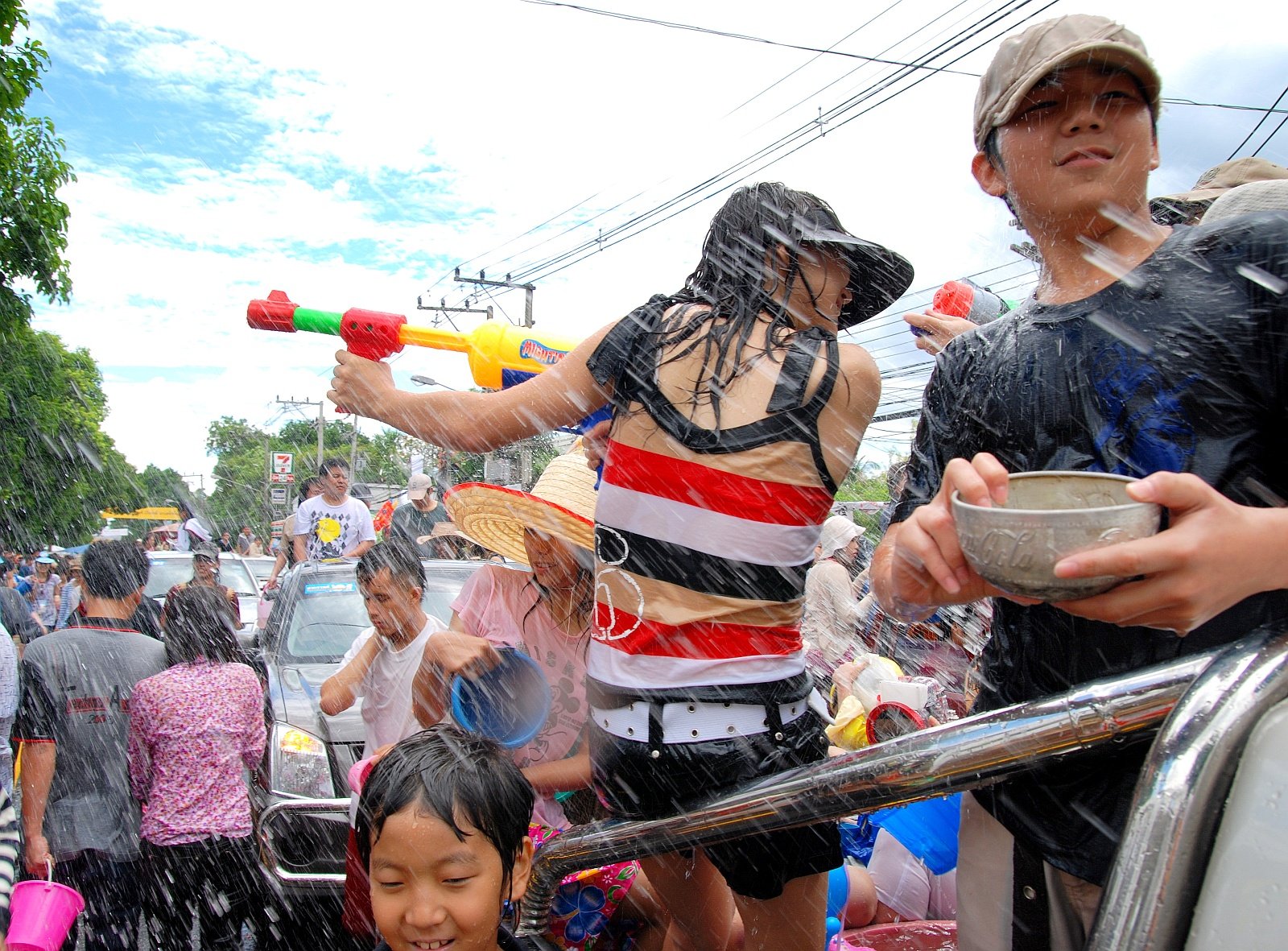
April in Thailand means one thing: you’re going to get soaked, and you’re going to love every minute of it. Songkran, Thailand’s New Year celebration, transforms the entire country into the world’s largest water fight zone. Streets become splash zones where water guns, buckets, and elephant squirt trunks become weapons of mass refreshment.
What begins as a traditional Buddhist ritual of gently pouring water over Buddha statues and elderly relatives’ hands evolves into a nationwide aquatic free-for-all. The water symbolizes purification and the washing away of bad luck from the previous year. Tourists quickly learn that resistance is futile – embrace the wetness, pack your waterproof phone case, and prepare for the most refreshing New Year’s celebration on the planet.
Burning Man (USA) – Art, Self-Expression & Dust
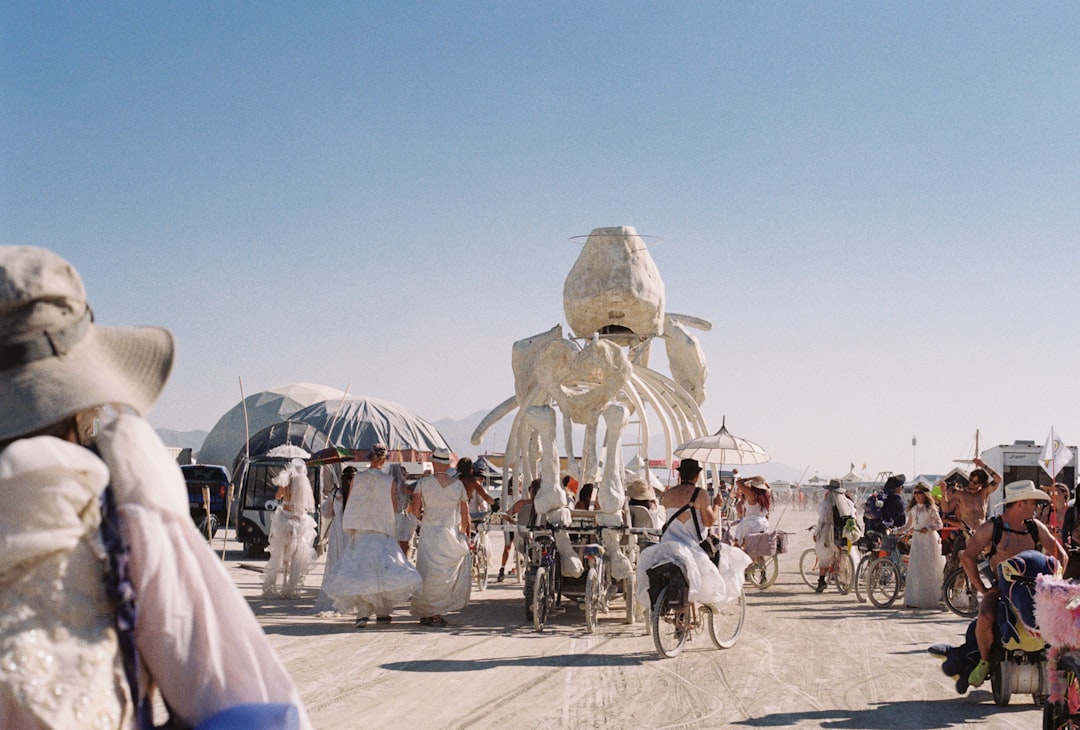
In Nevada’s Black Rock Desert, where temperatures can fry an egg on the playa surface, thousands gather each August to create Black Rock City – a temporary metropolis dedicated to radical self-expression and community. Burning Man isn’t just a festival; it’s a social experiment wrapped in art installations and covered in desert dust.
The event operates on principles of gifting, decommodification, and radical inclusion, creating a cash-free society where participants (called “Burners”) share resources and create massive art installations. The festival culminates with the burning of a giant wooden effigy known as “The Man,” but the real magic happens in the connections formed and the art created. Everything from massive dragon sculptures that breathe fire to intimate musical performances can emerge from the desert dust.
Up Helly Aa (Scotland) – A Viking Fire Festival
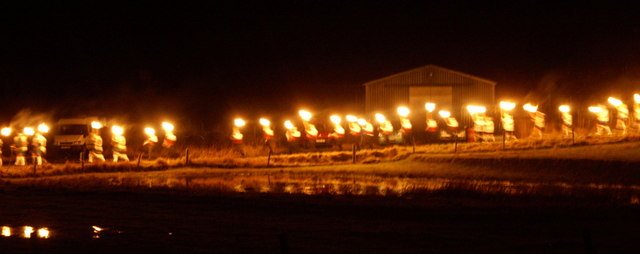
January in Scotland’s Shetland Islands brings a festival that would make Vikings proud: Up Helly Aa, where fire, costumes, and Nordic heritage collide in spectacular fashion. This isn’t your average torchlight parade – it’s a full-scale recreation of Viking traditions that culminates with the burning of a specially constructed longship.
The festival begins with the “Jarl Squad” – elaborately costumed participants led by the Guizer Jarl (chief Viking) – parading through Lerwick with flaming torches. As night falls, hundreds of torch-bearers surround a meticulously crafted Viking galley before hurling their flames onto the ship. The sight of the burning vessel against the winter sky creates an unforgettable spectacle that connects modern Shetlanders to their Norse ancestors.
Hanami (Japan) – Cherry Blossom Viewing
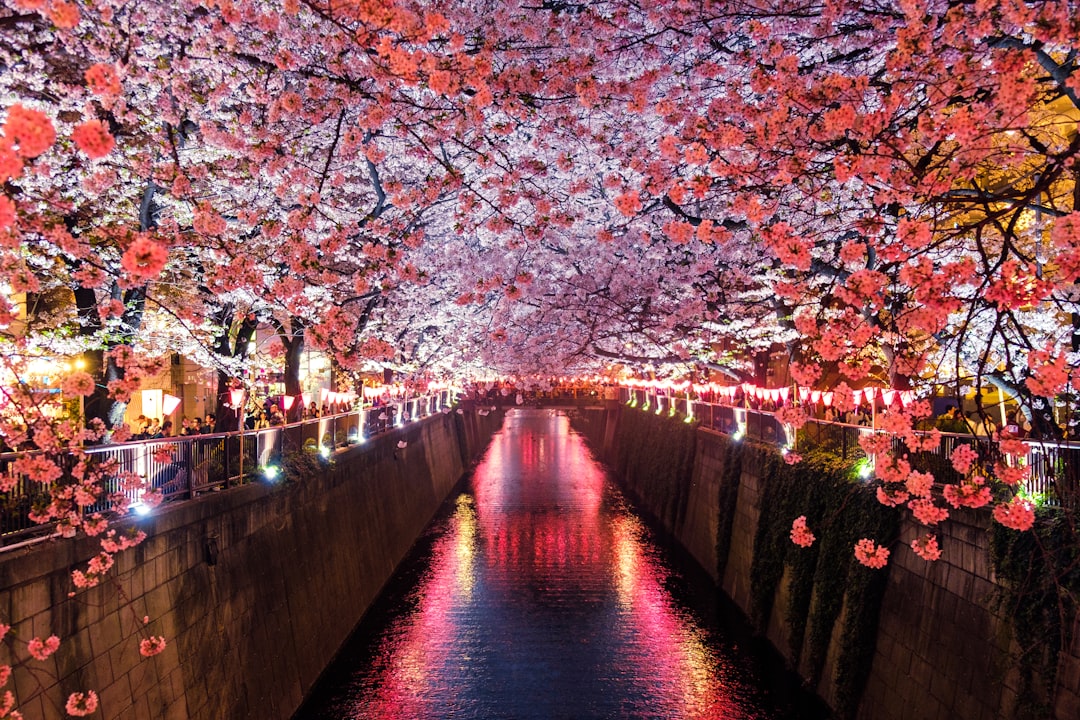
Spring in Japan brings a phenomenon that stops the entire nation in its tracks: cherry blossom season. Hanami, literally meaning “flower viewing,” transforms parks across the country into pink wonderlands where families and friends gather for picnics under blooming sakura trees. It’s nature’s own festival, and Japan has perfected the art of celebrating it.
The fleeting beauty of cherry blossoms – they bloom for only about two weeks – makes hanami particularly poignant. Weather reports include “sakura forecasts” tracking the blooming front as it moves across the country. Office workers reserve spots under prime trees, families spread blue tarps for elaborate picnics, and sake flows as freely as the falling petals. The tradition reflects the Japanese concept of mono no aware – the bittersweet awareness of the impermanence of all things.
Day of the Vow (South Africa) – A Cultural Pilgrimage
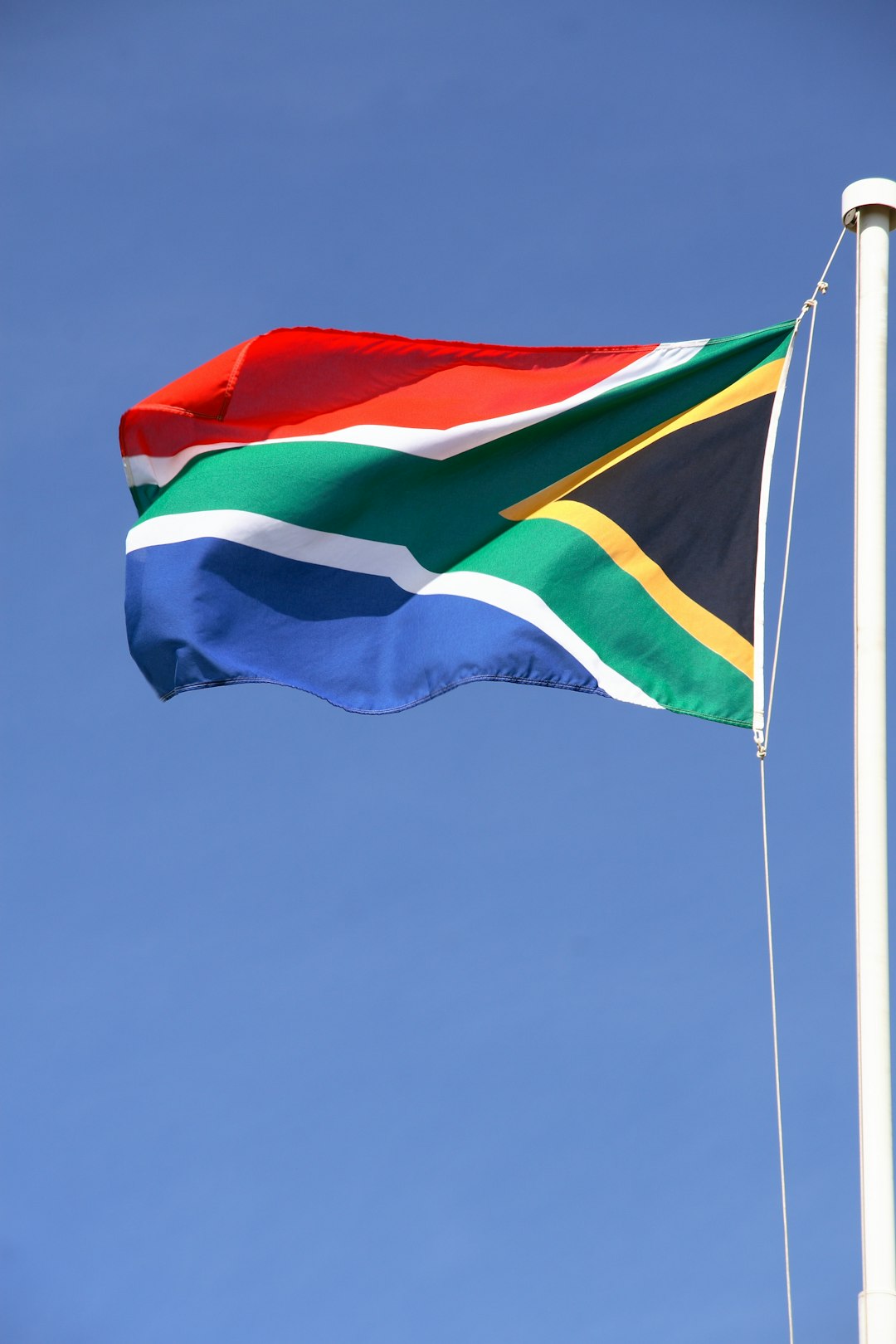
December 16th in South Africa carries deep historical significance as the Day of the Vow, commemorating the Battle of Blood River in 1838. This day sees Afrikaners gathering across the country for ceremonies that blend religious observance with cultural remembrance. Traditional wagons, period costumes, and historical reenactments create a living museum of South African heritage.
The festival serves multiple purposes: honoring ancestors, preserving cultural traditions, and educating younger generations about their heritage. Communities organize ox-wagon treks, traditional braais (barbecues), and cultural performances featuring Afrikaans music and dance. While the day carries complex historical weight, modern celebrations often focus on unity and understanding between different South African communities.
Inti Raymi (Peru) – The Festival of the Sun
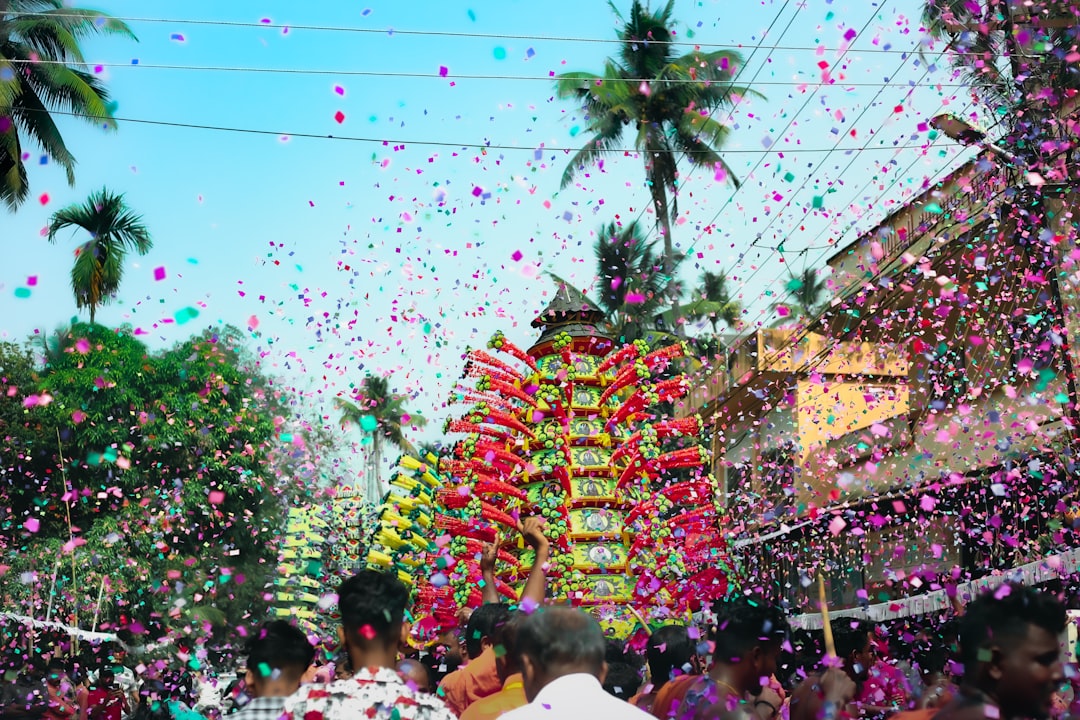
High in the Andes, Cusco transforms each June solstice into a spectacular homage to the sun god Inti during the Festival of the Sun. This ancient Inca celebration, once the most important ceremony in the empire, has been revived as a colorful spectacle that brings pre-Columbian traditions to life in dramatic fashion.
The festival begins at Qorikancha, the ancient temple of the sun, before moving to the impressive fortress of Sacsayhuamán overlooking Cusco. Hundreds of actors in elaborate period costumes recreate ancient rituals, including offerings to Pachamama (Mother Earth) and the dramatic sacrifice of a llama (now simulated). The ceremony is conducted entirely in Quechua, the ancient language of the Incas, creating an authentic connection to Peru’s pre-Columbian heritage.
Mardi Gras (USA) – New Orleans’ Wildest Party
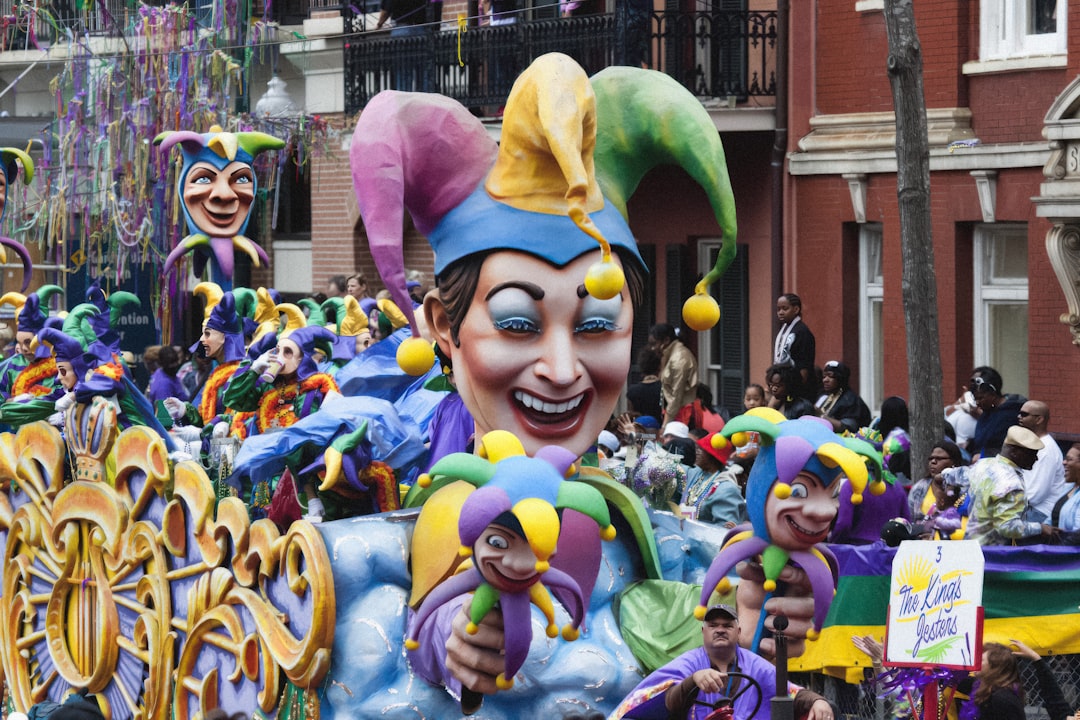
Fat Tuesday in New Orleans isn’t just a day – it’s the culmination of weeks of revelry that transforms the Crescent City into America’s most unapologetic party destination. Mardi Gras combines French colonial traditions, African influences, and pure New Orleans magic into a celebration that defies conventional description.
The famous beads thrown from elaborate floats are just the tip of the iceberg. Each krewe (parade organization) tells stories through their themed floats, while jazz bands provide the soundtrack to this moveable feast. King cakes, hurricanes, and po’boys fuel the festivities, while the phrase “Laissez les bons temps rouler” (let the good times roll) becomes the city’s unofficial motto. From the historic French Quarter to the Garden District, every neighborhood adds its own flavor to this pre-Lenten celebration that makes ordinary Tuesdays seem incredibly boring.
The beauty of these 13 festivals lies not just in their individual splendor, but in what they reveal about human nature. Whether we’re throwing tomatoes in Spain, releasing lanterns in Thailand, or dancing through powder-covered streets in India, we’re all seeking the same thing: connection, joy, and moments that make ordinary life extraordinary. Each festival offers a window into different cultures while celebrating our shared humanity through the universal language of celebration. Have you ever wondered which of these incredible festivals would capture your heart?
CEO-Co-Founder
