
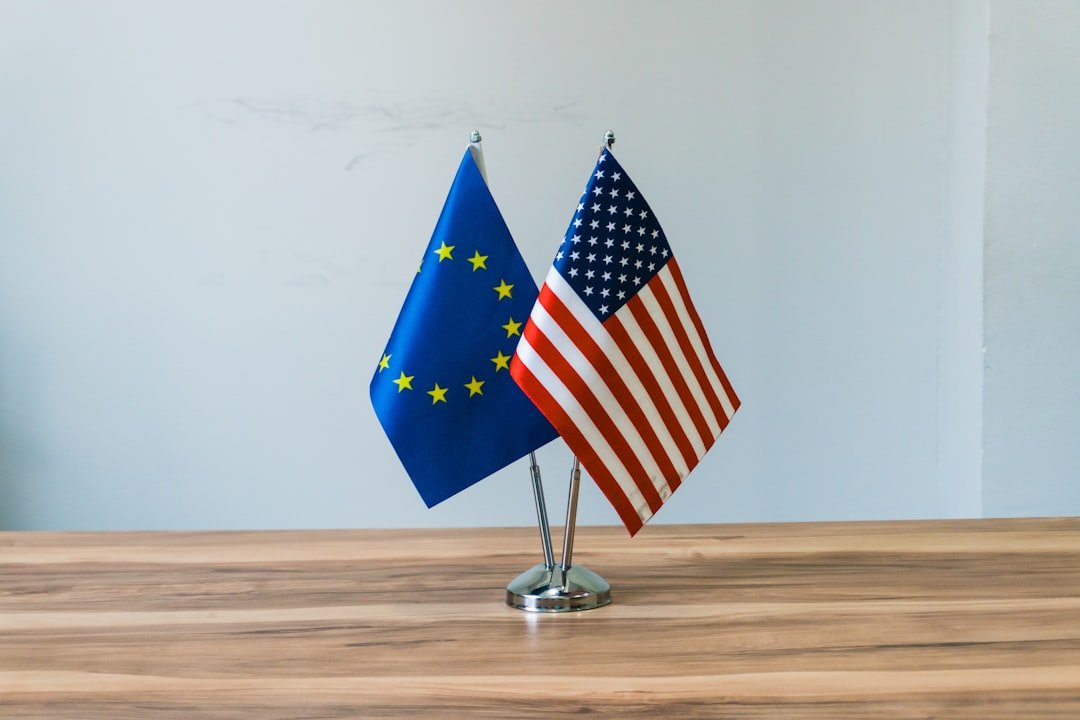

A Sweeping Review Leads to Bold Action (Image Credits: Unsplash)
Washington – The Trump administration took a decisive step on January 7, 2026, by withdrawing the United States from 66 international organizations, signaling a deeper commitment to national interests over multilateral engagements.
A Sweeping Review Leads to Bold Action
The decision stemmed from an extensive review of U.S. participation in global bodies, initiated under Executive Order 14199. President Donald J. Trump signed a presidential memorandum directing the exits, targeting entities deemed wasteful, ineffective, or contrary to American priorities. This move built on earlier efforts to trim international spending, such as cuts to U.N. budgets and the cancellation of specific grants.
Administration officials highlighted the financial burden these organizations imposed on U.S. taxpayers. For instance, the withdrawal from the U.N. Framework Convention on Climate Change (UNFCCC) and the Intergovernmental Panel on Climate Change (IPCC) aimed to redirect resources toward domestic energy independence. Similarly, exits from bodies like the U.N. Entity for Gender Equality and the Empowerment of Women (UN Women) and the U.N. Population Fund (UNFPA) reflected a rejection of programs viewed as promoting divisive agendas.
The review process identified organizations across various sectors, from climate initiatives to labor standards and migration policies. Trump described the action as a victory for efficiency, noting potential savings in the hundreds of millions of dollars annually. This built on prior reductions, including a $570 million cut to the U.N.’s 2026 budget that eliminated nearly 2,900 jobs.
Targeting U.N.-Affiliated Bodies
Most of the organizations affected were linked to the United Nations, including commissions, advisory panels, and specialized agencies. The list encompassed groups focused on climate action, such as the UNFCCC, which underpins global climate negotiations, and the IPCC, responsible for scientific assessments on climate change. Labor-related entities, like those promoting worker empowerment in regions outside the U.S., also faced cuts.
Other targets included the Global Counter-Terrorism Forum and the Partnership for Atlantic Cooperation, alongside initiatives on migration and diversity. The administration criticized these as catering to “woke” priorities that prioritized international equity over American sovereignty. For example, programs funding gender equity in foreign workplaces or environmental grants through USAID were among those terminated, saving an estimated $237 million in one prior round of cuts.
- U.N. Framework Convention on Climate Change (UNFCCC): Establishes international climate talks.
- Intergovernmental Panel on Climate Change (IPCC): Provides climate science reports.
- U.N. Women: Advances gender equality globally.
- U.N. Population Fund (UNFPA): Supports reproductive health and family planning.
- International Solar Alliance: Promotes solar energy cooperation.
Broader Implications for International Relations
The withdrawals marked a further retreat from global cooperation, echoing the administration’s “America First” doctrine. Critics argued that leaving bodies like the UNFCCC could hinder collective efforts on pressing issues such as climate change and pandemics. Experts expressed concern over the potential fragmentation of international norms, with one analysis describing the move as an “embarrassing” setback for U.S. leadership.
Supporters, however, praised the action as a necessary pruning of inefficient bureaucracies. The State Department emphasized that ongoing reviews would continue, potentially leading to more exits. This approach aligned with previous steps, like rescinding $5 billion in USAID spending on climate and diversity programs.
| Organization Type | Examples | Focus Areas |
|---|---|---|
| Climate | UNFCCC, IPCC | Emissions reductions, scientific assessments |
| Labor & Diversity | UN Women, UNFPA | Gender equity, worker rights abroad |
| Other | Global Counter-Terrorism Forum | Security cooperation, migration |
Reactions from Around the World
International responses varied, with allies expressing dismay over the U.S. pullback. European leaders highlighted risks to joint initiatives on climate and trade. In contrast, some domestic voices celebrated the move as a reclaiming of autonomy from what they called overreaching global institutions.
The U.N. itself acknowledged the budget pressures but stressed the value of multilateralism. Posts on social media platforms reflected divided opinions, with some users hailing the savings and others warning of isolation. The administration maintained that stronger bilateral ties would replace multilateral commitments where needed.
Key Takeaways
- The U.S. withdrawal targets primarily U.N.-linked groups on climate, labor, and diversity, aiming for cost savings and policy alignment.
- Potential annual savings exceed hundreds of millions, building on prior U.N. budget cuts.
- Global reactions underscore tensions between national sovereignty and international collaboration.
As the U.S. charts this independent course, the long-term effects on global dynamics remain uncertain, prompting questions about the future of American influence abroad. What implications do these changes hold for international stability? Share your views in the comments below.