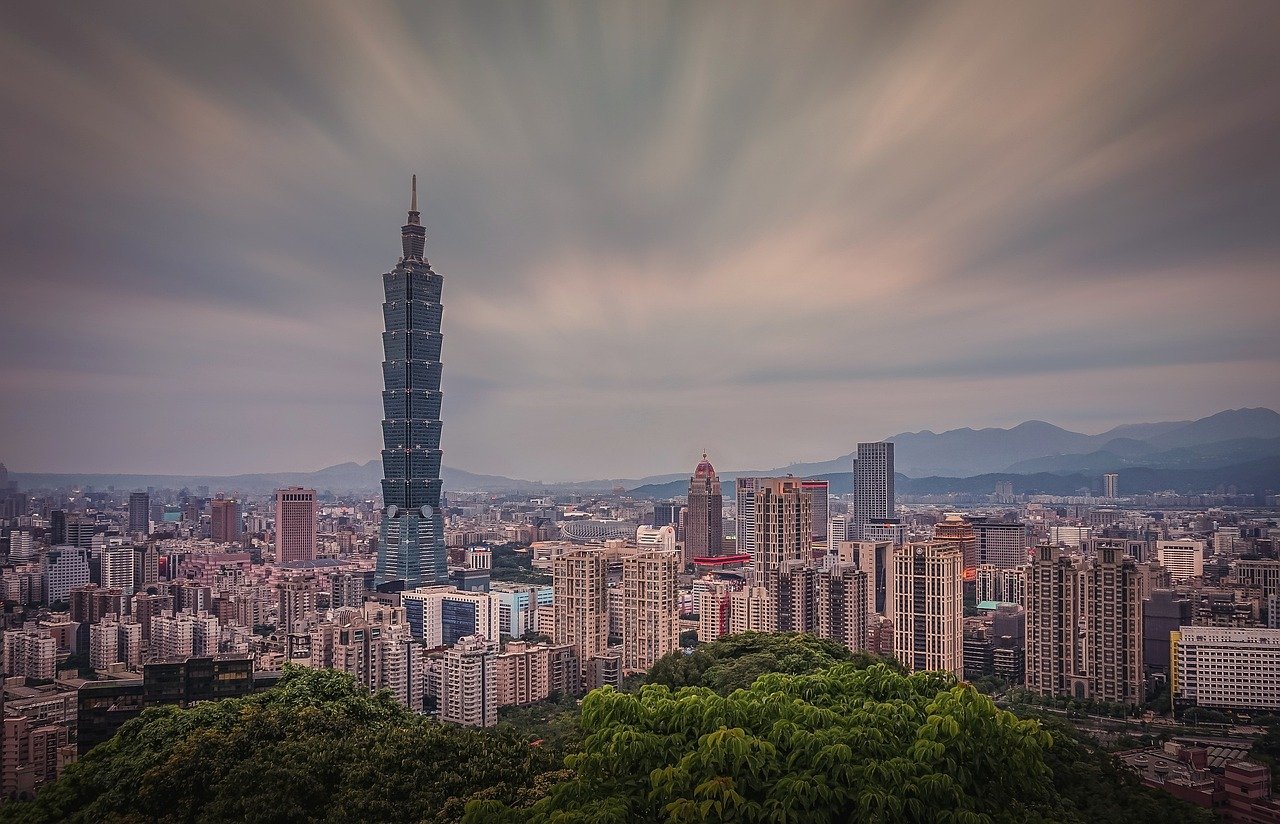

A 91-Minute Test of Precision and Nerve (Image Credits: Pixabay)
Taipei, Taiwan – American climber Alex Honnold scaled the 1,667-foot Taipei 101 skyscraper without ropes or protective gear on Sunday, completing a feat broadcast live to a global audience.[1][2]
A 91-Minute Test of Precision and Nerve
Honnold began his ascent early Sunday morning after a 24-hour rain delay pushed back the original schedule.[1] He targeted one corner of the 101-floor tower, relying on small L-shaped outcroppings for footholds and bare hands to haul over protruding ornamental features. The climber navigated 64 challenging middle floors known as the “bamboo boxes,” each segment demanding eight floors of steep, overhanging effort before brief balcony rests.
This urban climb differed sharply from rugged rock faces. Steel and glass offered no natural cracks or forgiveness, testing endurance through repetitive motions. Honnold reached the spire in one hour and 31 minutes, waving triumphantly as cheers rose from below.[1][2]
Legacy of the Free Solo Pioneer
Honnold first captured worldwide attention with his 2017 ropeless climb of Yosemite’s El Capitan, a 3,000-foot granite wall immortalized in the Oscar-winning documentary Free Solo. Now 40, he brought that same focus to Taipei 101, the 11th-tallest building globally. His preparation emphasized mental sharpness and physical conditioning over weeks of restraint.
Unlike remote wilderness exploits, this event unfolded amid city bustle. Honnold later reflected on the initial self-consciousness from onlookers but noted how the crowd’s support turned intense into festive. “They’re all wishing me well,” he said.[1]
Live Broadcast Adds Unprecedented Stakes
Netflix streamed the climb under “Skyscraper Live,” introducing a 10-second delay for safety. Viewers watched Honnold interact with fans on the 89th floor through windows, undeterred by the distractions. Taiwan’s Vice-President Hsiao Bi-khim admitted the tension: “I would probably feel sick, too, barely able to watch.”[2]
Street crowds gathered, phones raised, erupting in applause at the summit. Honnold paused atop the windy spire, balancing carefully before exclaiming, “What a view! It’s incredible!” The exposure sparked debate on broadcasting such risks, yet highlighted climbing’s meditative joy.[3]
Surpassing Urban Climbing Milestones
Honnold shattered precedents set by French climber Alain Robert, who scaled Taipei 101 in 2004 with ropes and a harness over four hours. This marked the first free solo of the structure and the highest such urban ascent ever.[1][2] Key challenges included:
- Repetitive overhangs on bamboo box sections.
- Windy conditions at the pinnacle.
- Urban heat and spectator proximity.
- Smooth surfaces lacking rock’s texture.
| Climber | Year | Time | Gear |
|---|---|---|---|
| Alex Honnold | 2026 | 1h 31m | None |
| Alain Robert | 2004 | 4h | Ropes/Harness |
Reflections on Risk and Reward
Honnold celebrated simply with “Sick,” underscoring his grounded approach post-feat. He plans no major comedown, eyeing family time before routine training resumes. This climb blends extreme sport with urban spectacle, proving human limits stretch even in steel jungles.
Key Takeaways
- First free solo of a 1,667-foot skyscraper.
- Live Netflix event redefined climbing visibility.
- Mental focus trumped physical strain.
Honnold’s Taipei triumph invites awe at calculated audacity. What boundaries will climbers test next? Share your thoughts in the comments.