
Literary history holds plenty of surprises for anyone who assumes that great books win instant praise. Many novels now counted among the finest ever written met with indifference, harsh reviews, or poor sales when they first appeared. Their journeys from rejection to reverence show how tastes shift and how fresh eyes can uncover depths that earlier readers missed.
1. Moby-Dick by Herman Melville
Critics in 1851 found the book sprawling and uneven. Sales stayed low for decades, and many readers set it aside after a few chapters. The long passages on whaling struck them as unnecessary digressions that slowed the story to a crawl.
Over time readers came to value those same sections for their rich detail and philosophical weight. The novel earned fresh attention in the early twentieth century when scholars highlighted its exploration of obsession and the human struggle against nature. Today it stands as a cornerstone of American literature taught in classrooms around the world.
2. Wuthering Heights by Emily Brontë
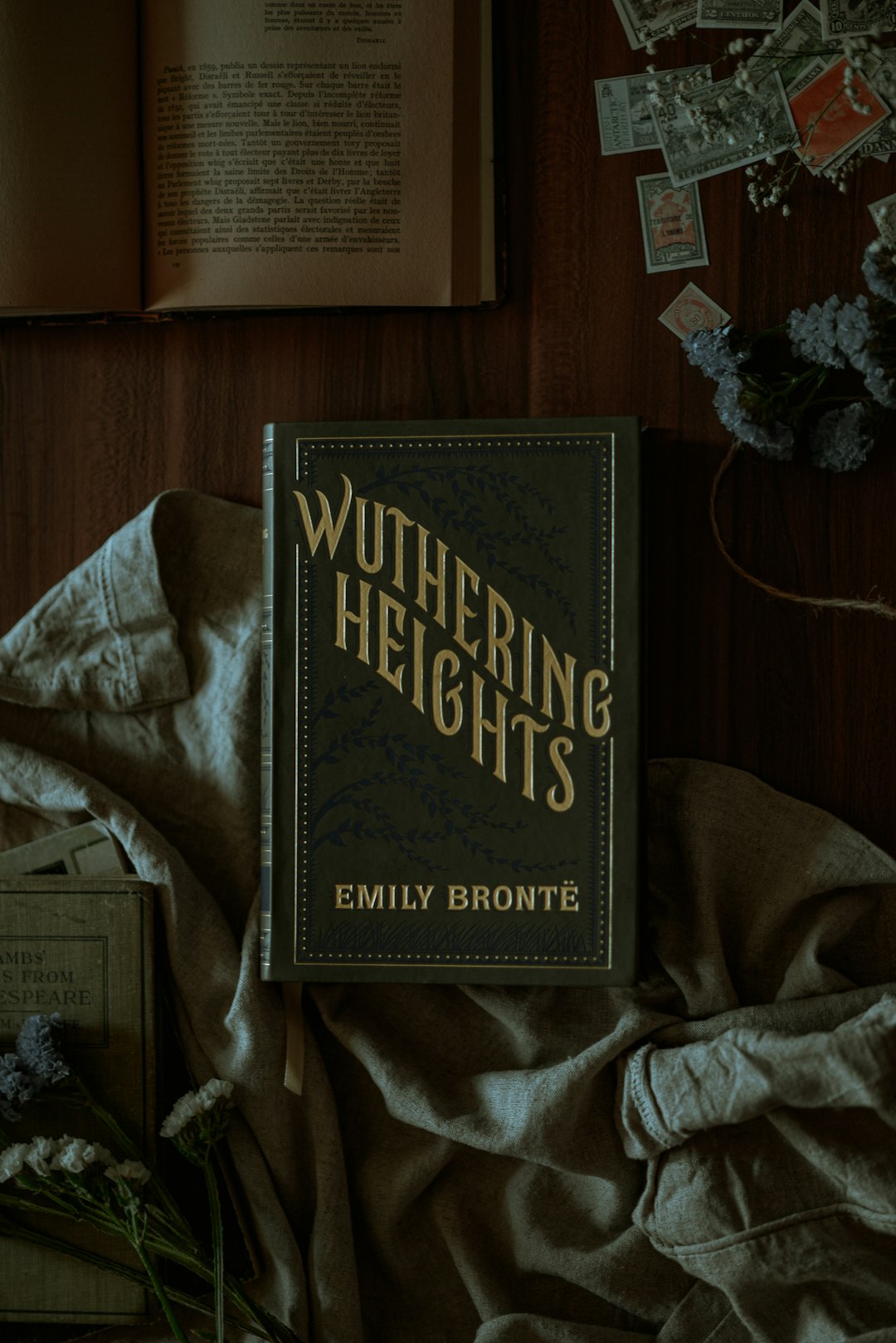
Reviewers in 1847 called the story violent and morally unsettling. They objected to its raw emotions and the lack of a clear heroic figure. The book sold modestly and soon went out of print for a time.
Later generations discovered its power in the intense portrayal of passion and revenge across generations. Its unconventional structure and vivid Yorkshire setting gained appreciation as readers grew more open to psychological depth. The novel now ranks among the most studied works of Victorian fiction.
3. The Great Gatsby by F. Scott Fitzgerald
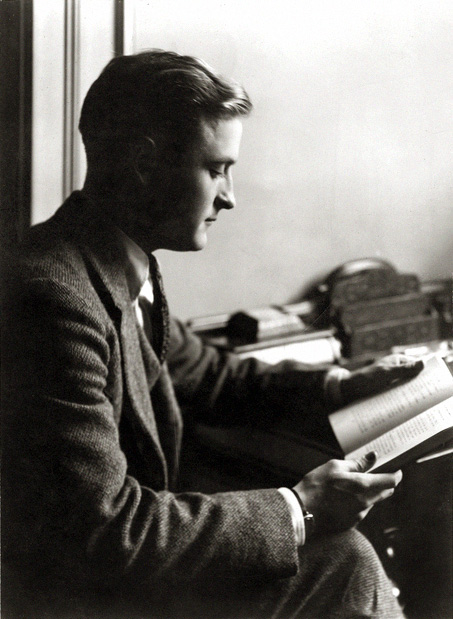
When it appeared in 1925 the novel received mixed notices and sold only a few thousand copies in its first year. Some critics found the characters shallow and the plot slight. Fitzgerald himself expressed disappointment at the lukewarm response.
Decades later the book’s concise style and sharp look at the American Dream drew widespread admiration. Its themes of longing and social ambition resonated strongly after the Great Depression and World War II. It now appears on nearly every list of essential twentieth-century novels.
4. Brave New World by Aldous Huxley
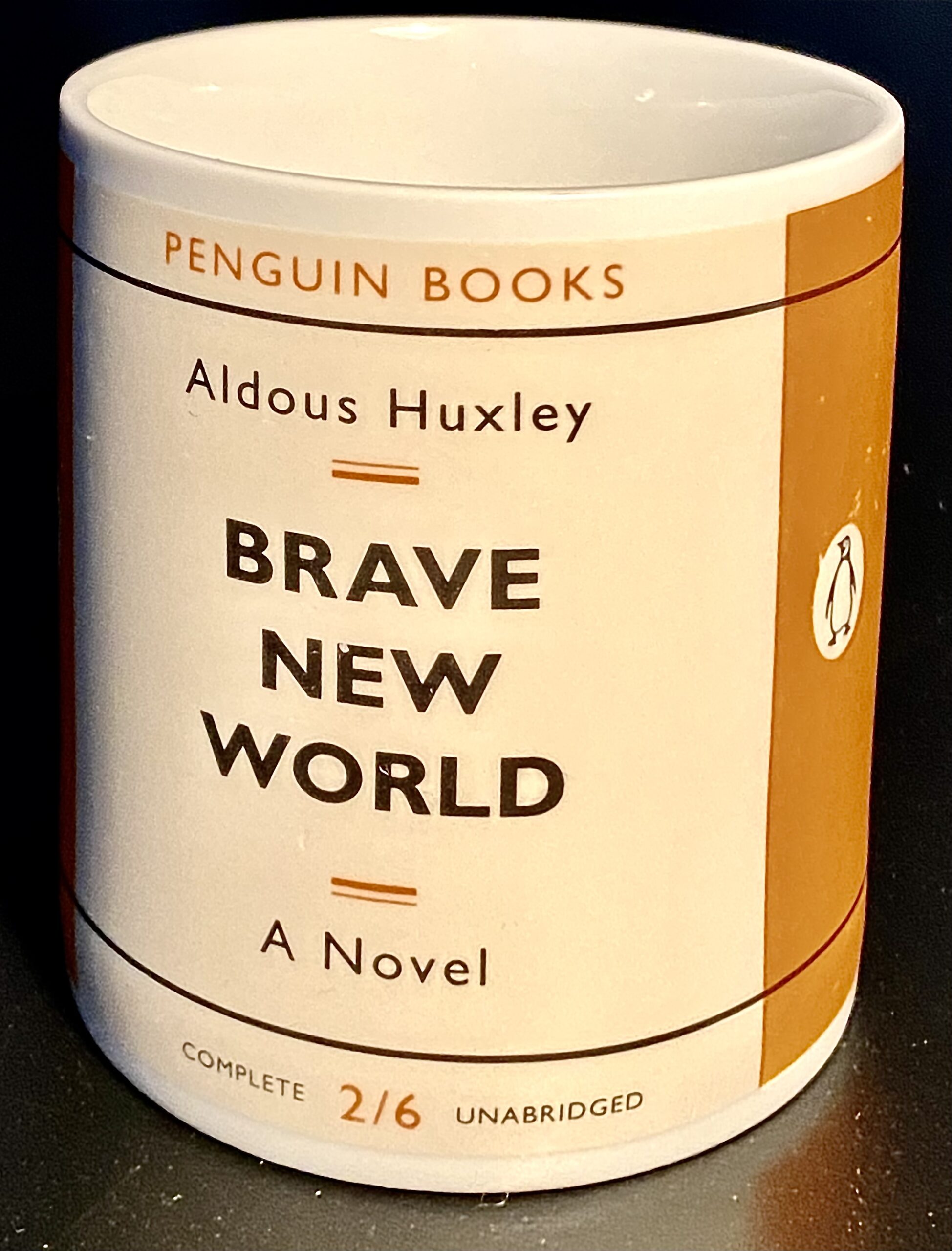
Readers in 1932 reacted with discomfort to the novel’s vision of a controlled future. Critics labeled it pessimistic and overly cynical about science and progress. Sales remained modest for several years.
Subsequent events made the warnings about technology and conformity feel increasingly relevant. The book’s inventive language and layered satire earned steady respect among scholars and general readers alike. It continues to influence discussions about society and individual freedom.
5. Animal Farm by George Orwell
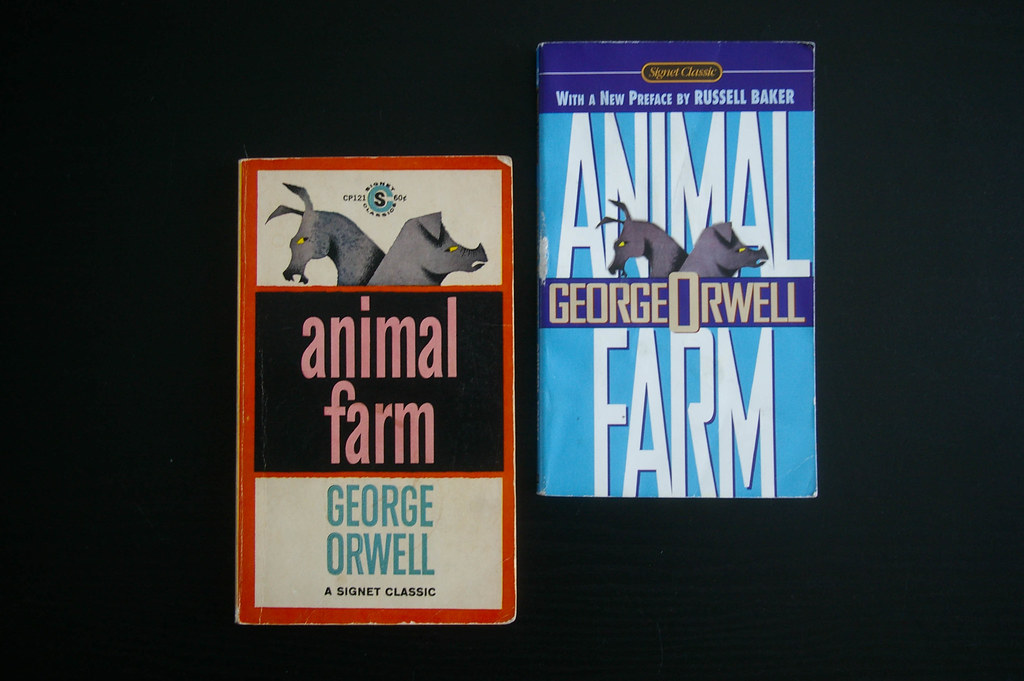
Publishers initially hesitated over the 1945 novella because of its pointed political allegory. Some early readers saw it as too simple or too narrowly aimed at one ideology. It took time for the story to reach a broad audience.
Its clear fable form and sharp critique of power eventually won over critics and the public. The book’s lessons about corruption and propaganda proved durable across different eras. It remains a standard text in schools and a frequent reference in political writing.
6. Lord of the Flies by William Golding
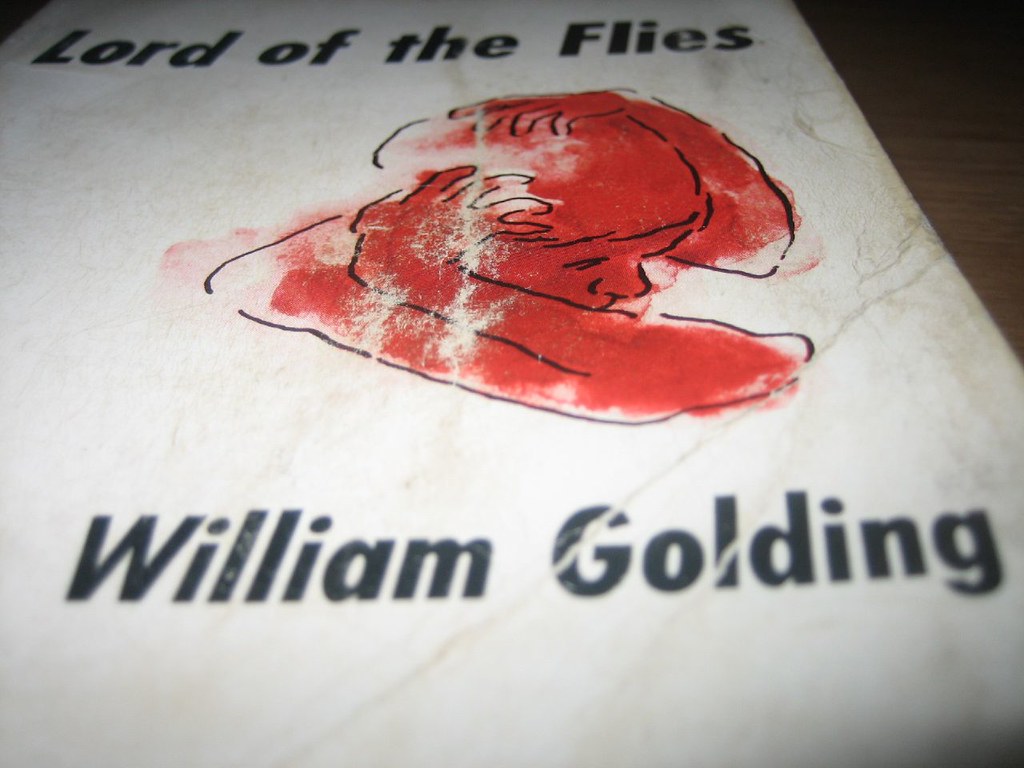
More than twenty publishers turned down the manuscript before it appeared in 1954. Early reviews described the tale of stranded boys as unpleasant and lacking hope. Initial sales were modest.
Readers later recognized the novel’s stark examination of civilization and human nature. Its compact narrative and memorable symbols gained traction in classrooms during the 1960s. The story now stands as a classic study of order and chaos.
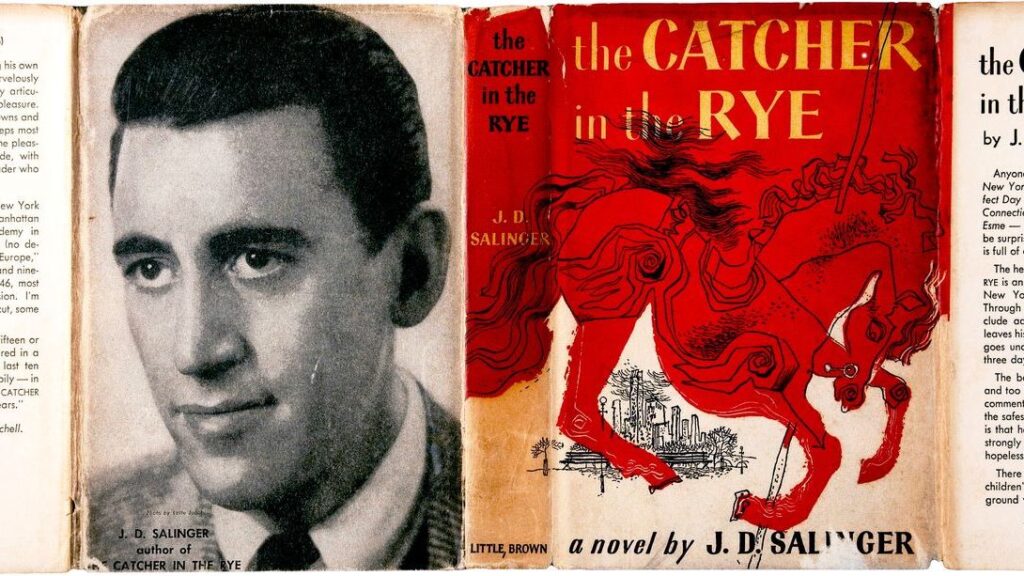
7. The Catcher in the Rye by J.D. Salinger
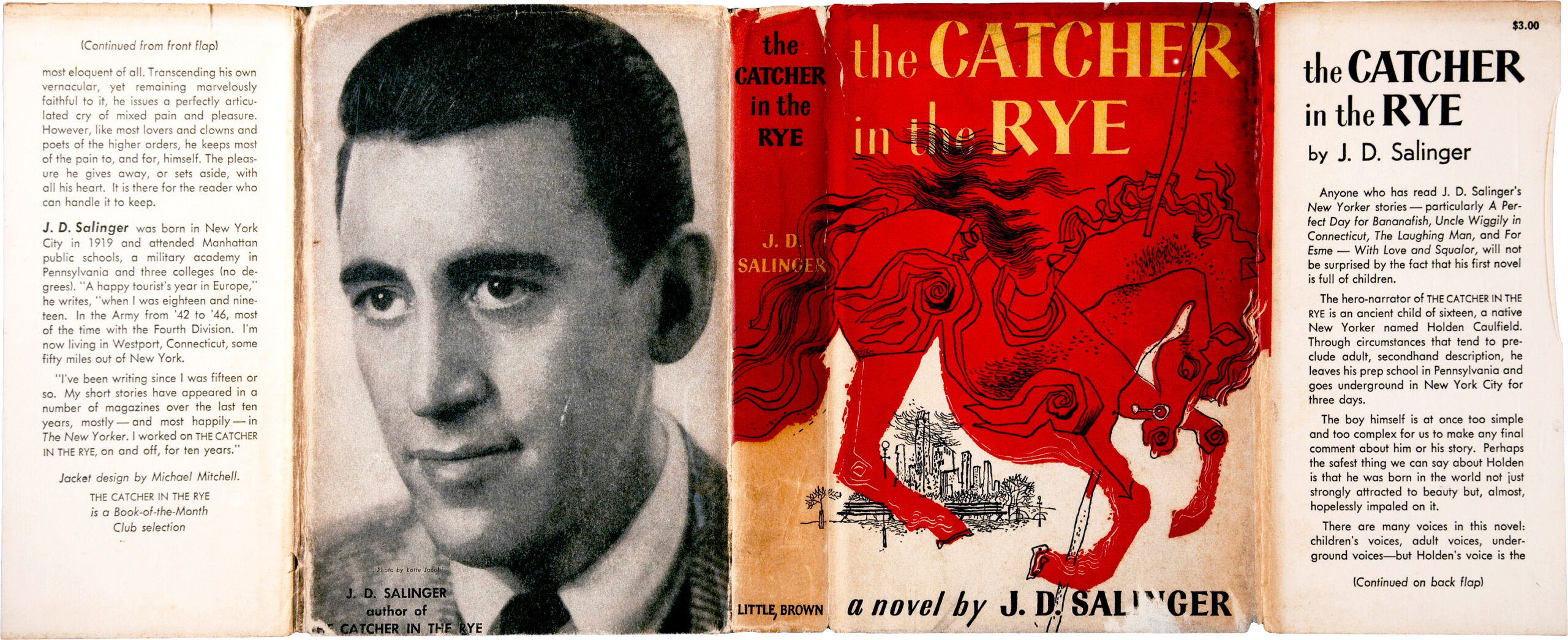
Some reviewers in 1951 found the teenage narrator’s voice irritating and the language coarse. Others worried the book offered no clear moral guidance. It sold steadily but drew divided opinions at first.
Over the years the novel’s honest portrait of adolescent confusion and alienation struck a chord with successive generations. Its distinctive voice and themes of authenticity became widely admired. The book now holds a permanent place in discussions of modern American fiction.
8. On the Road by Jack Kerouac
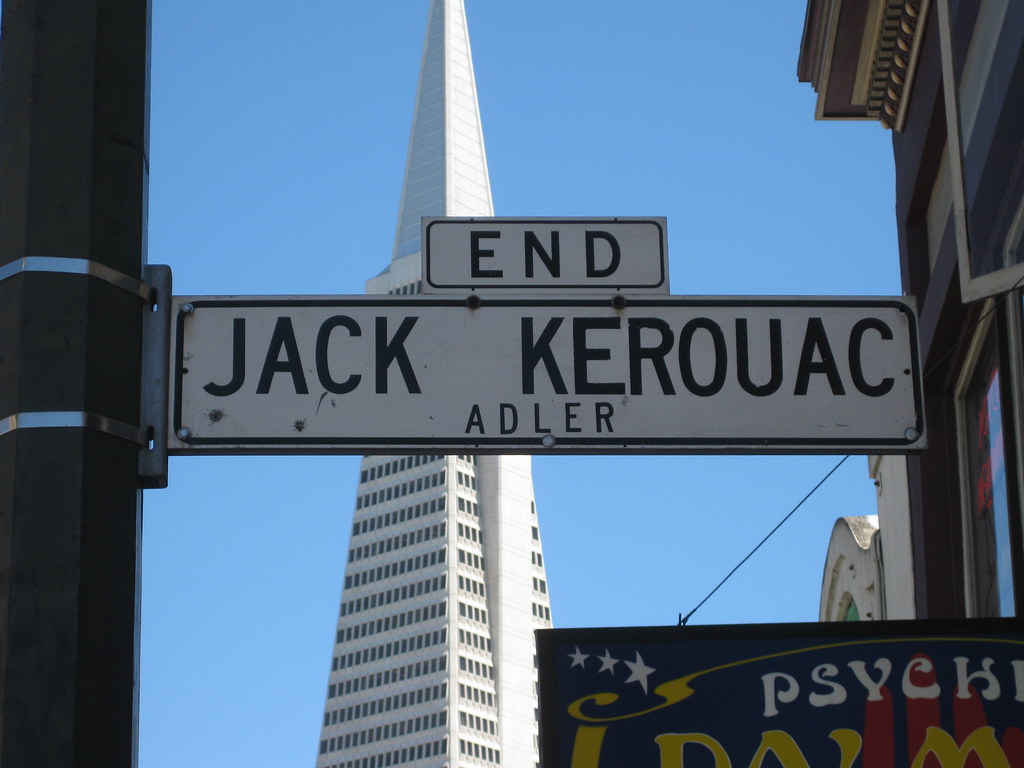
Critics in 1957 dismissed the novel as formless and self-indulgent. Many saw the spontaneous prose style as undisciplined rambling. The book sold well among younger readers yet faced skepticism from established literary circles.
Its energetic depiction of freedom and discovery later earned recognition as a defining voice of the Beat generation. Scholars came to appreciate the careful revisions behind the apparent spontaneity. The novel remains a touchstone for writing about travel and personal quest.
9. The Lord of the Rings by J.R.R. Tolkien
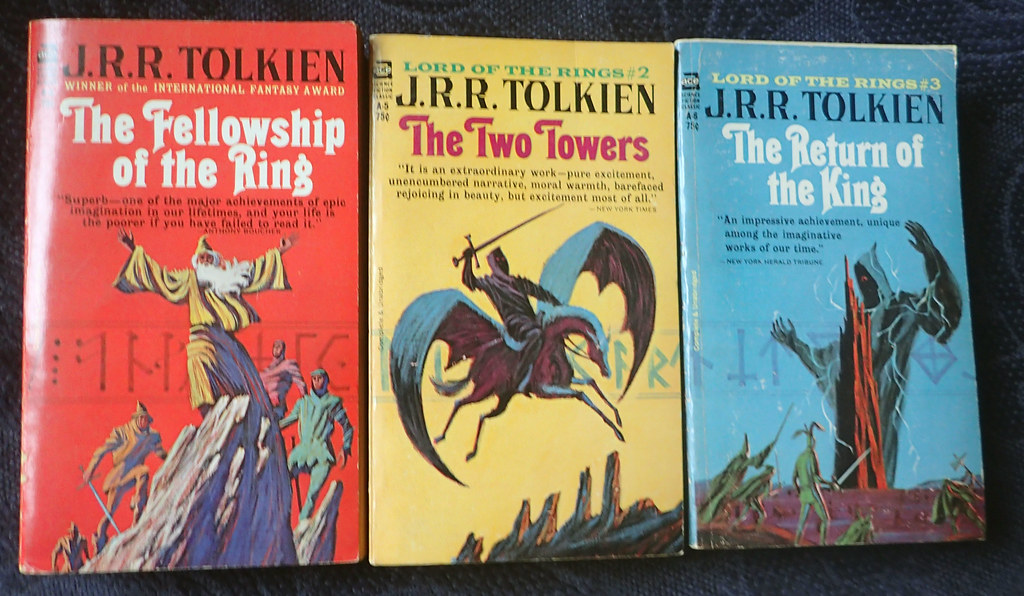
Early reviews in the 1950s often called the trilogy overly long and lacking literary seriousness. Some critics viewed the fantasy elements as childish or escapist. Sales grew slowly at first.
Readers gradually embraced the depth of its world-building and the moral questions it raises. Academic interest rose in the 1960s and 1970s as fantasy gained wider acceptance. The work now ranks among the most influential books of the twentieth century.
10. The Grapes of Wrath by John Steinbeck

Upon release in 1939 the novel faced accusations of exaggeration and political bias. Some reviewers objected to its sympathetic portrayal of migrant workers. It drew both praise and sharp attacks in the press.
Its vivid characters and unflinching look at economic hardship gained lasting respect. The book’s epic scope and social conscience came to define an era in American literature. It continues to be read for its powerful storytelling and historical insight.
These examples remind us that literary reputations can shift dramatically as new readers bring different questions and experiences to the same pages. What once seemed flawed or irrelevant often reveals its strength only after time has passed. The process shows how patience and changing perspectives keep great stories alive.

- 12 Classic TV Shows With Shocking Behind-the-Scenes Dramas You Never Knew - September 10, 2026
- 10 Novels That Were Initially Dismissed, Only to Become Timeless Masterpieces - September 10, 2026
- The ’80s Were a Wild Ride of Style and Sound That Changed Everything - September 10, 2026

