
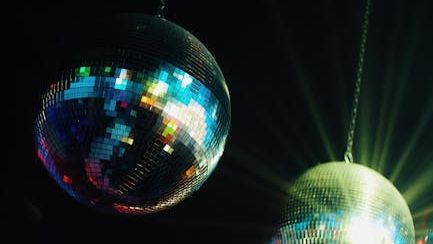
The 1980s brought sweeping changes to how people experienced music, dressed for the day, watched television, spent evenings out, and expressed their identities as young adults. These shifts arrived through new technologies, bold creative choices, and a growing sense that entertainment could reach wider audiences than ever before.
From the first music videos on cable to the rise of larger than life personalities on screen, the decade set patterns that still shape daily life in subtle ways. Its energy came from a mix of excess and innovation that felt fresh at the time and continues to echo forward.
MTV Turns Music into Visual Stories
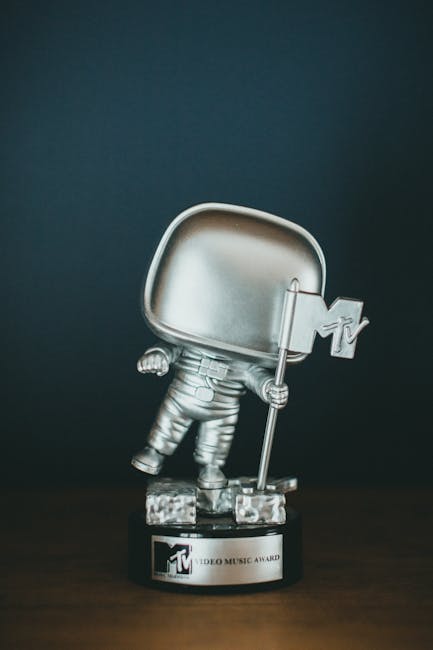
MTV launched in 1981 and quickly made music videos a required part of any hit song. Artists began crafting short films that matched their sound, turning simple tracks into full productions with costumes, sets, and choreography. This format gave viewers a new way to connect with performers beyond radio play alone.
The network became culturally important because it reached millions of households at once and created shared moments around new releases. It also opened doors for performers who understood image as much as melody. Later decades saw this approach expand into streaming platforms where visual content still drives discovery and fan engagement today.
Shoulder Pads and Neon Define Everyday Fashion
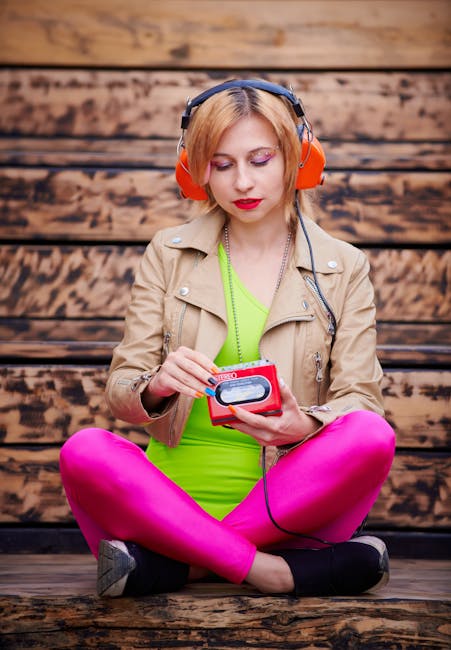
Clothing in the 1980s featured wide shoulders, bright colors, and layered accessories that stood out in offices and on streets. Designers drew from both corporate ambition and street energy, mixing tailored pieces with flashy details like leg warmers or oversized jewelry. These choices reflected a time when people wanted to project confidence through what they wore.
The style gained importance as it crossed from runways into mainstream stores, making bold looks accessible to more people. It influenced later decades by encouraging designers to revisit volume and color in collections from the 2000s onward. Elements like statement sleeves and metallic accents still appear in current trends as reminders of that playful approach.
Synth Pop and Electronic Beats Reshape Sound
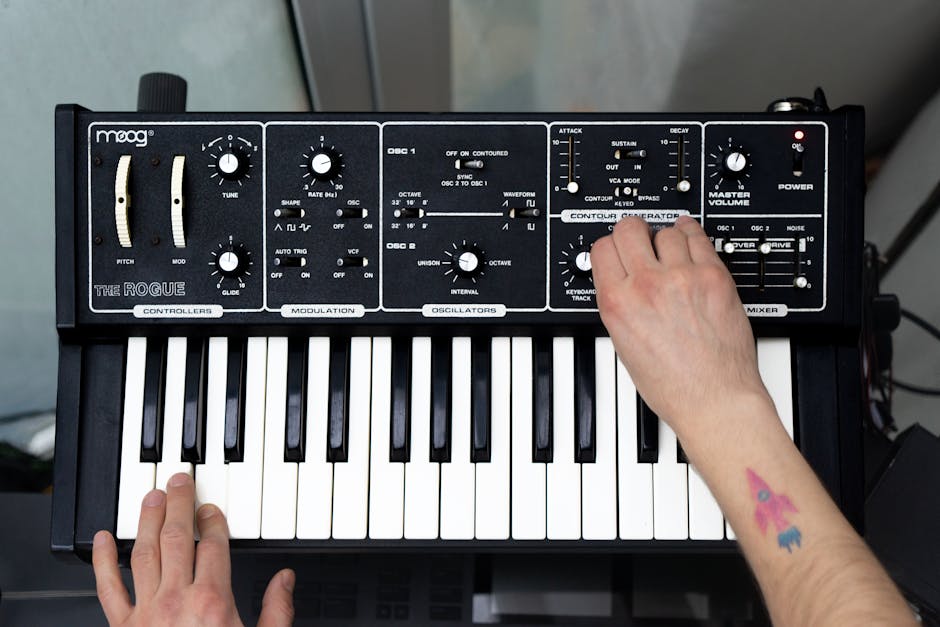
Synthesizers moved from experimental tools to the center of pop and rock recordings during the decade. Bands layered electronic textures over driving rhythms, creating tracks that felt both futuristic and danceable. This sound spread through radio and clubs, reaching listeners who had not followed earlier electronic experiments.
It became culturally important because it lowered barriers for new artists and gave established acts fresh material to explore. The influence carried into the 1990s with electronic dance music and later into modern production where digital instruments remain standard. Many current hits still use similar layered synth lines as a foundation.
Nightlife Expands with Themed Clubs and Late Nights
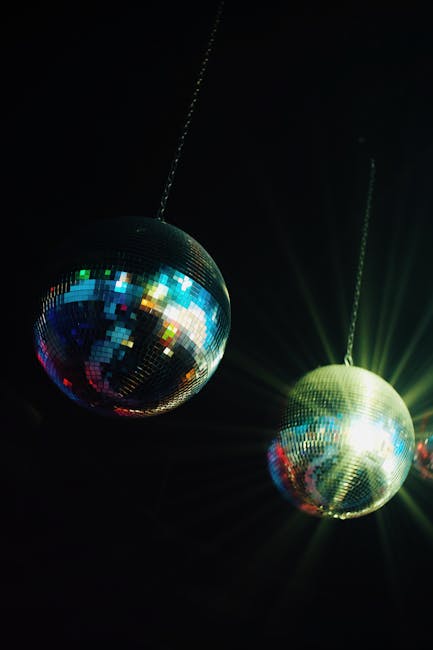
Clubs in the 1980s added themed rooms, elaborate lighting, and extended hours that turned evenings into events. Venues mixed music from different genres and attracted crowds looking for both dancing and social connection. This scene grew because disposable income and urban living supported longer nights out.
The importance came from how these spaces mixed people from varied backgrounds and helped launch new music styles. Later decades adopted the idea of immersive club experiences, with modern venues using similar lighting and multi room setups. The emphasis on atmosphere over simple dancing persists in today’s nightlife design.
Television Delivers Larger Than Life Drama
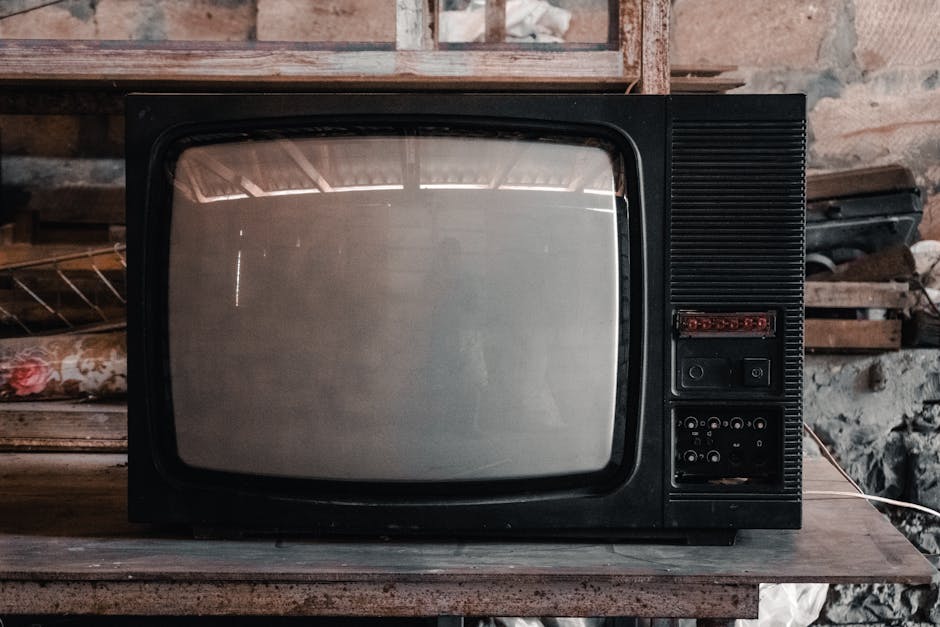
Shows like soap operas and crime series filled prime time with wealthy characters, dramatic plots, and stylish settings. Weekly episodes built ongoing stories that kept viewers returning, while music and fashion from the screen spilled into real life. These programs reached broad audiences through network broadcasts.
The format mattered because it turned television into a shared cultural reference point for families and friends. It shaped later decades by establishing the template for serialized storytelling that streaming services now refine. Many current series still use cliffhangers and ensemble casts first popularized in that era.
Youth Culture Embraces Breakdancing and Personal Style
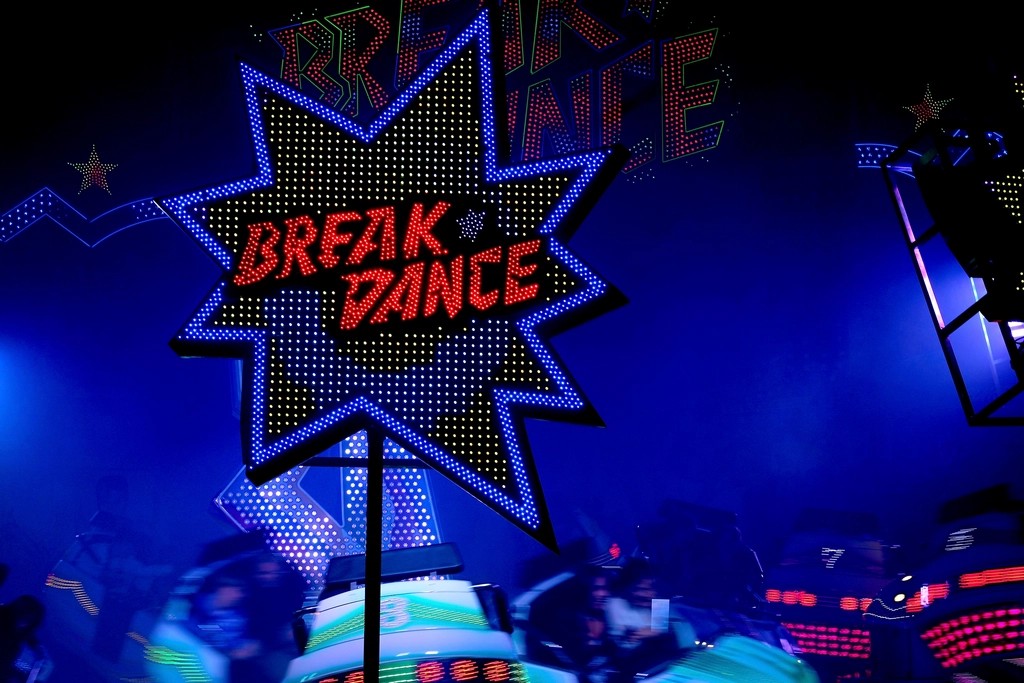
Young people in the 1980s adopted breakdancing, graffiti, and customized clothing as ways to stand out in cities and suburbs. These expressions mixed influences from hip hop, punk, and pop, creating visible groups that shared ideas through performance and appearance. The movements spread through parks, schools, and early video recordings.
They gained cultural weight by giving voice to a generation navigating economic changes and new media. The influence shows up in later decades through streetwear brands and dance competitions that trace roots back to those early forms. Elements like freestyle movement and graphic art remain part of youth expression worldwide.
The Enduring Pull of an Unforgettable Decade
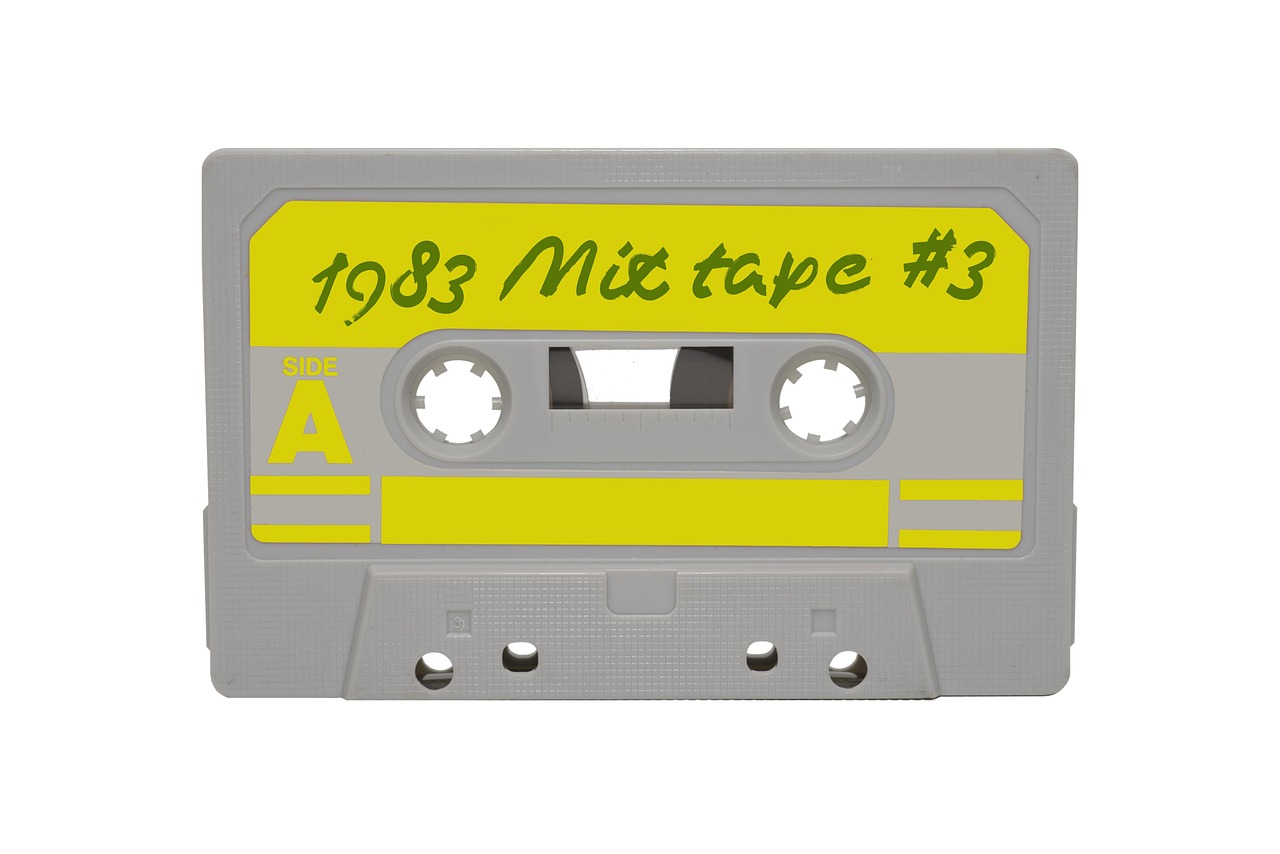
Elements from the 1980s continue to appear in music production, clothing lines, and entertainment formats because they captured a moment of rapid change that still feels relevant. The decade showed how technology and creativity could combine to reach new audiences quickly.
Its lasting effect lies in the way it encouraged people to experiment with sound, image, and social spaces without waiting for permission. That spirit of bold reinvention keeps resurfacing in fresh forms today.

- 12 Classic TV Shows With Shocking Behind-the-Scenes Dramas You Never Knew - September 10, 2026
- 10 Novels That Were Initially Dismissed, Only to Become Timeless Masterpieces - September 10, 2026
- The ’80s Were a Wild Ride of Style and Sound That Changed Everything - September 10, 2026

