
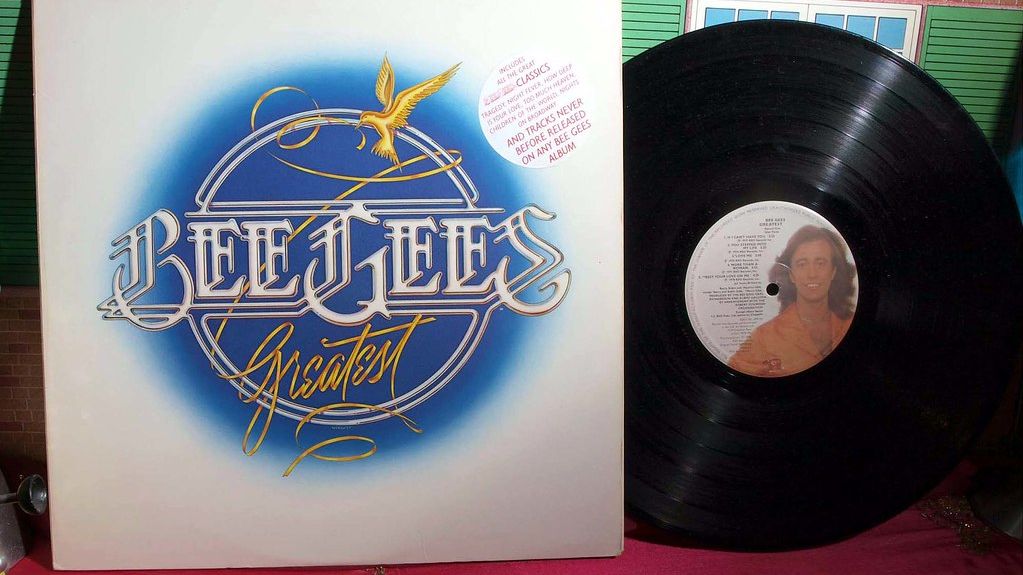
Some movie soundtracks manage to break free from the stories they support. They capture a moment in time so completely that listeners return to them years later without ever thinking about the original picture. In a handful of cases the music has gone on to shape cultural memory far more than the film itself ever did.
The Graduate
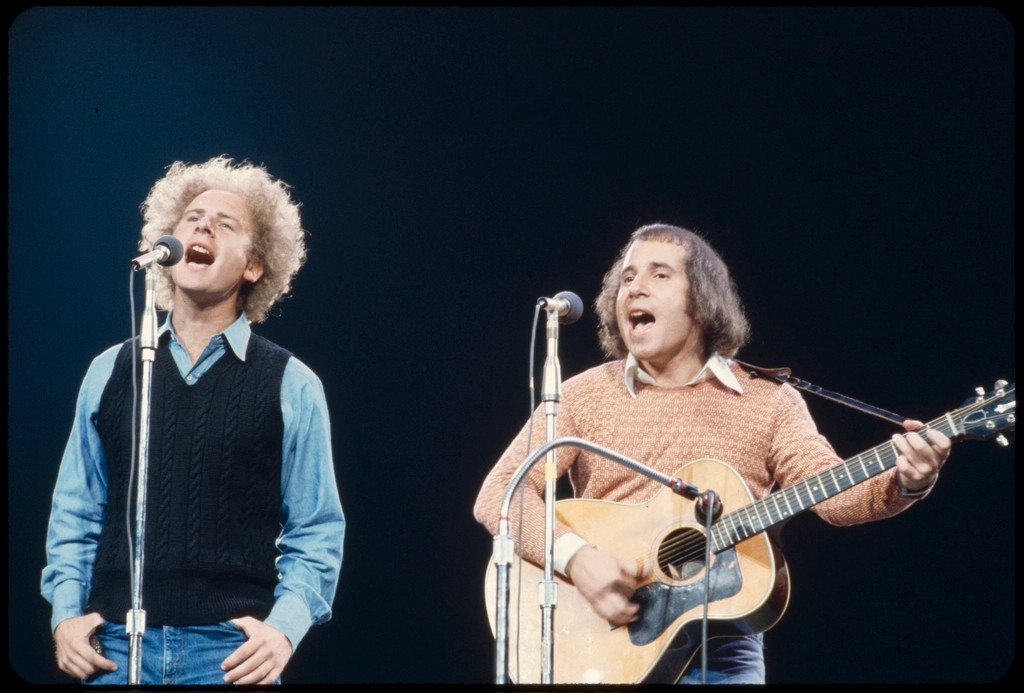
Simon and Garfunkel supplied the soundtrack for this 1967 coming of age story. Their acoustic tracks, especially the hit single Mrs. Robinson, turned the film into a generational touchstone. The gentle folk arrangements contrasted with the quiet unease of the plot and gave the movie an instant identity.
Yet the songs quickly outlived the narrative. Radio play kept the album on charts long after theaters moved on. Today most people recognize the music first and recall the film only as the vehicle that introduced it.
Easy Rider
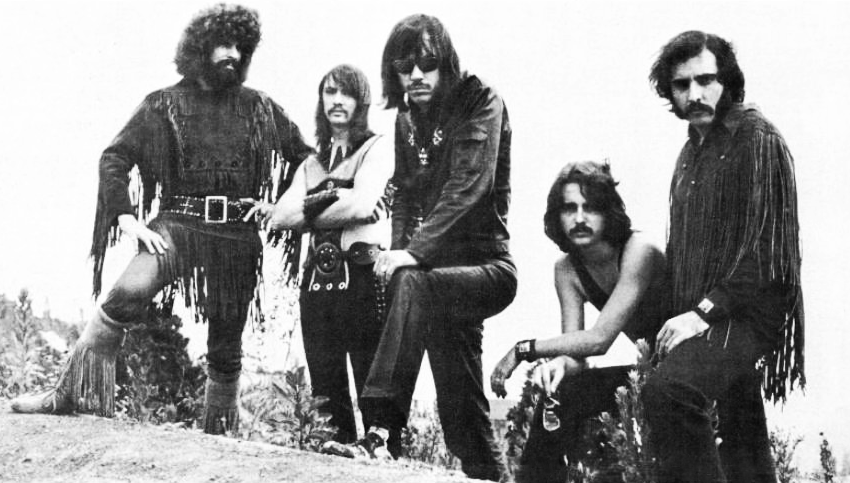
The 1969 road movie relied on a loose collection of rock songs rather than a traditional score. Tracks by Steppenwolf, The Byrds, and Jimi Hendrix defined the counterculture vibe of the era. The soundtrack album became a bestseller on its own merits.
Viewers often remember the film through its music more than its dialogue or ending. The songs turned the picture into a cultural document of late sixties freedom. Without that playlist the story would have faded faster into obscurity.
Shaft
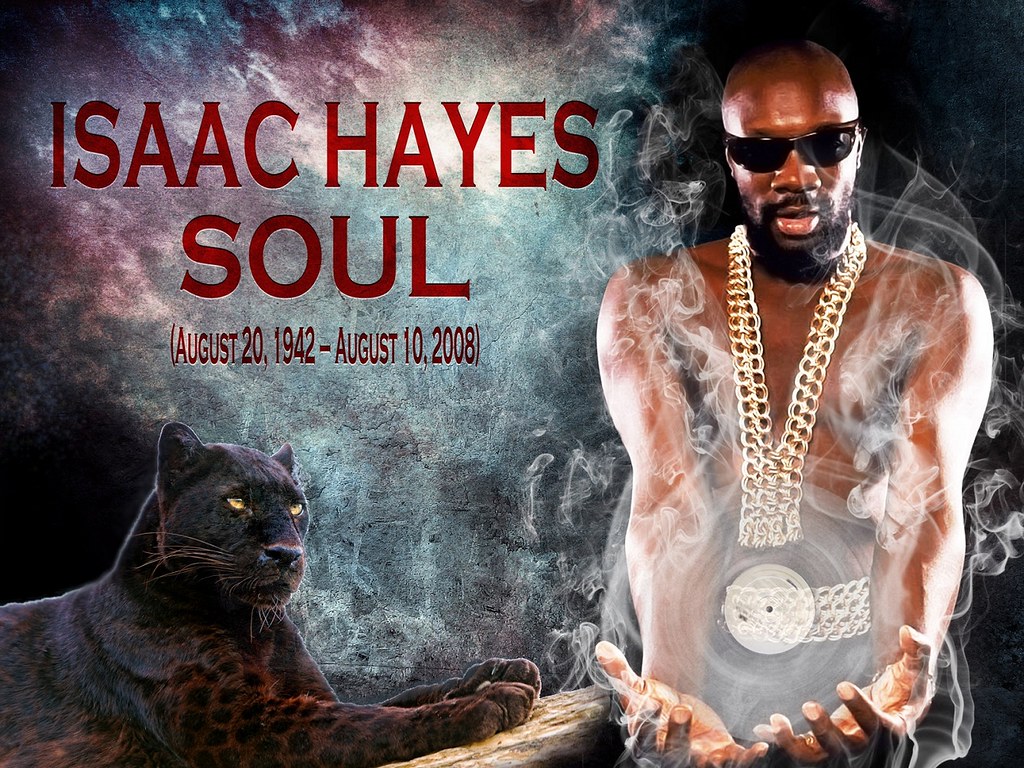
Isaac Hayes created the score for the 1971 blaxploitation classic. His funky title track and lush orchestral cues set a new standard for urban action films. The album earned both commercial success and critical praise.
Hayes music introduced many audiences to the film long before they saw it. The theme song became a radio staple that outlasted the movie run. People still associate the sound with seventies cool more than with the specific plot points.
Super Fly
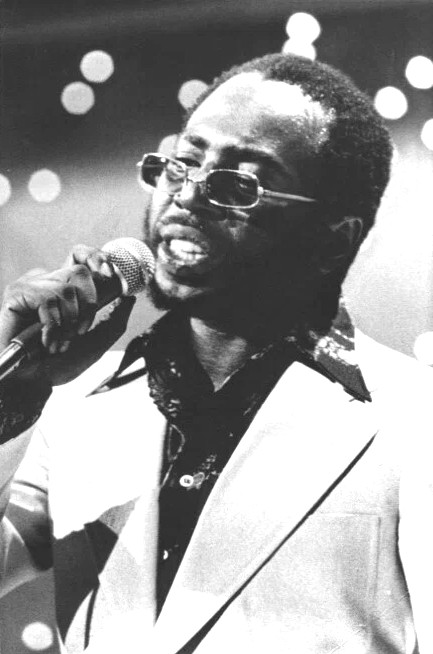
Curtis Mayfield wrote and performed the entire soundtrack for this 1972 crime drama. His socially conscious lyrics added depth that the film itself only hinted at. The album reached number one on the charts and stayed there for weeks.
Listeners bought the record for the music and discovered the movie afterward. Mayfield songs turned the picture into a footnote for many fans. The soundtrack stands today as a landmark soul album independent of its cinematic origins.
American Graffiti

George Lucas filled his 1973 nostalgia piece with dozens of fifties and early sixties hits. The nonstop radio soundtrack recreated the era more vividly than any set design could. The double album sold millions and introduced younger listeners to classic rock and roll.
Many viewers left the theater humming songs rather than discussing characters. The music became the main reason people revisited the film on home video. Without those tracks the story would feel far less alive.
Saturday Night Fever
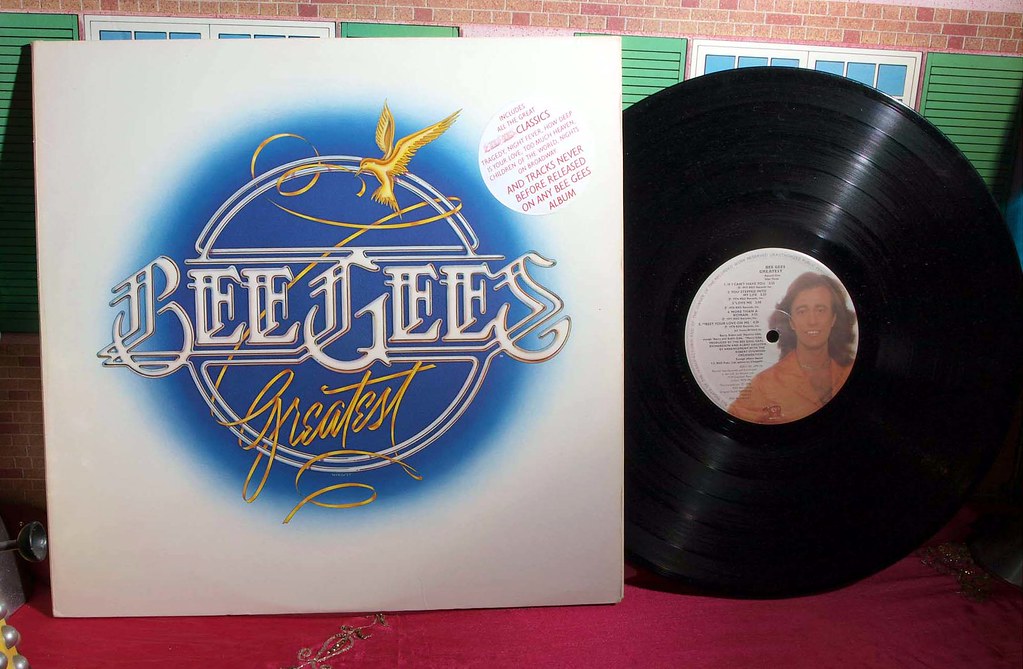
The Bee Gees dominated the 1977 disco drama with a string of chart topping singles. Their falsetto driven tracks defined the entire disco movement for a global audience. The soundtrack album became one of the best selling records of all time.
People bought the album to dance at home and only later connected it to the movie. John Travolta dancing in a white suit remains tied to the music more than to any dramatic scene. The songs turned the film into a cultural footnote for an entire generation.
Grease
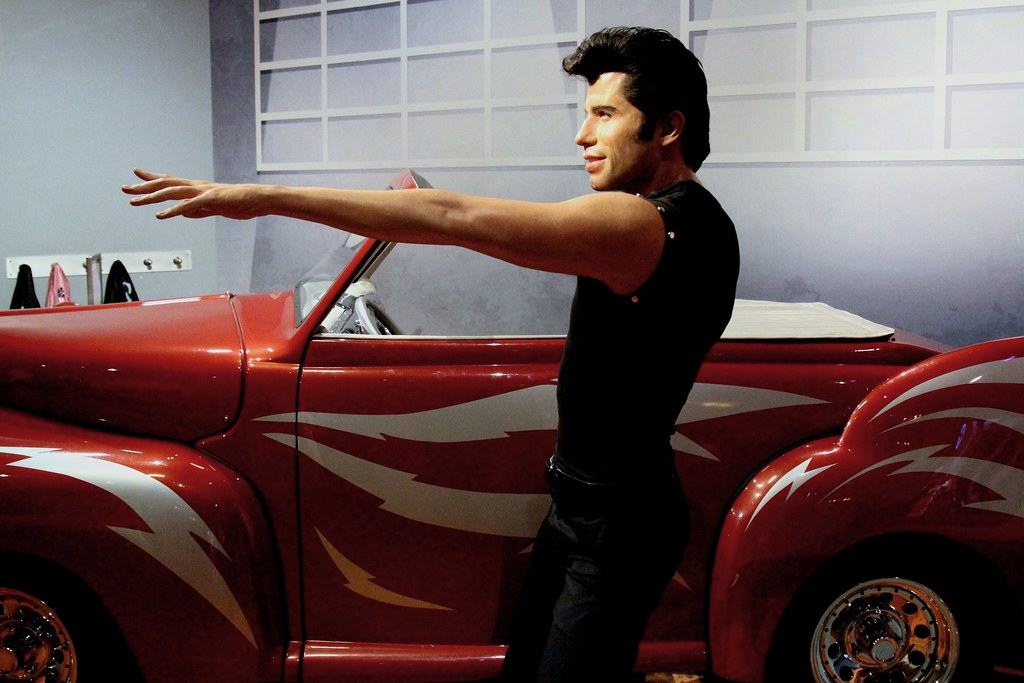
The 1978 musical adaptation leaned on a mix of original songs and fifties style numbers. Olivia Newton John and John Travolta turned several tracks into massive pop hits. The soundtrack album stayed on the charts for over a year.
School dances and sing alongs kept the music alive long after the movie left theaters. Audiences often remember the film as a collection of catchy tunes rather than a coherent story. The songs continue to appear in commercials and karaoke nights decades later.
Pulp Fiction
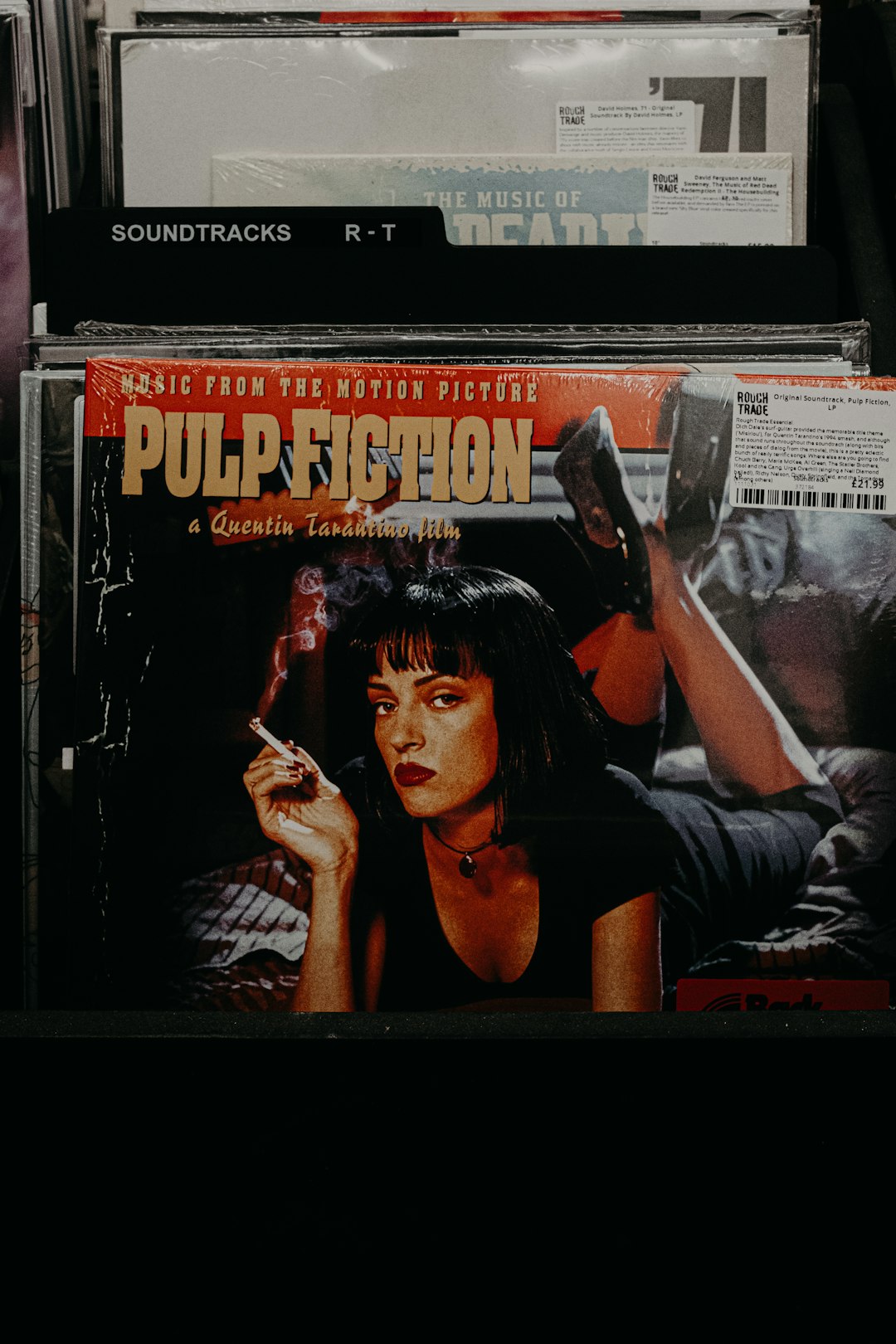
Quentin Tarantino curated a playlist of surf rock, soul, and classic pop for his 1994 crime film. The eclectic mix gave each scene an unmistakable flavor. The soundtrack album introduced many listeners to forgotten tracks from the sixties and seventies.
Viewers frequently cite the music as the element that made the movie memorable. The songs have appeared in countless other media while the film itself remains a cult favorite. The soundtrack essentially became its own cultural phenomenon.
Trainspotting

The 1996 British drama used a sharp selection of nineties alternative and electronic tracks. Songs by Iggy Pop, Blur, and Underworld captured the raw energy of the story. The album introduced international audiences to several British acts at once.
Many fans bought the record before they ever rented the movie. The music turned the film into a gateway for a particular sound of the era. Today the soundtrack feels more timeless than the specific narrative it accompanied.
O Brother, Where Art Thou?
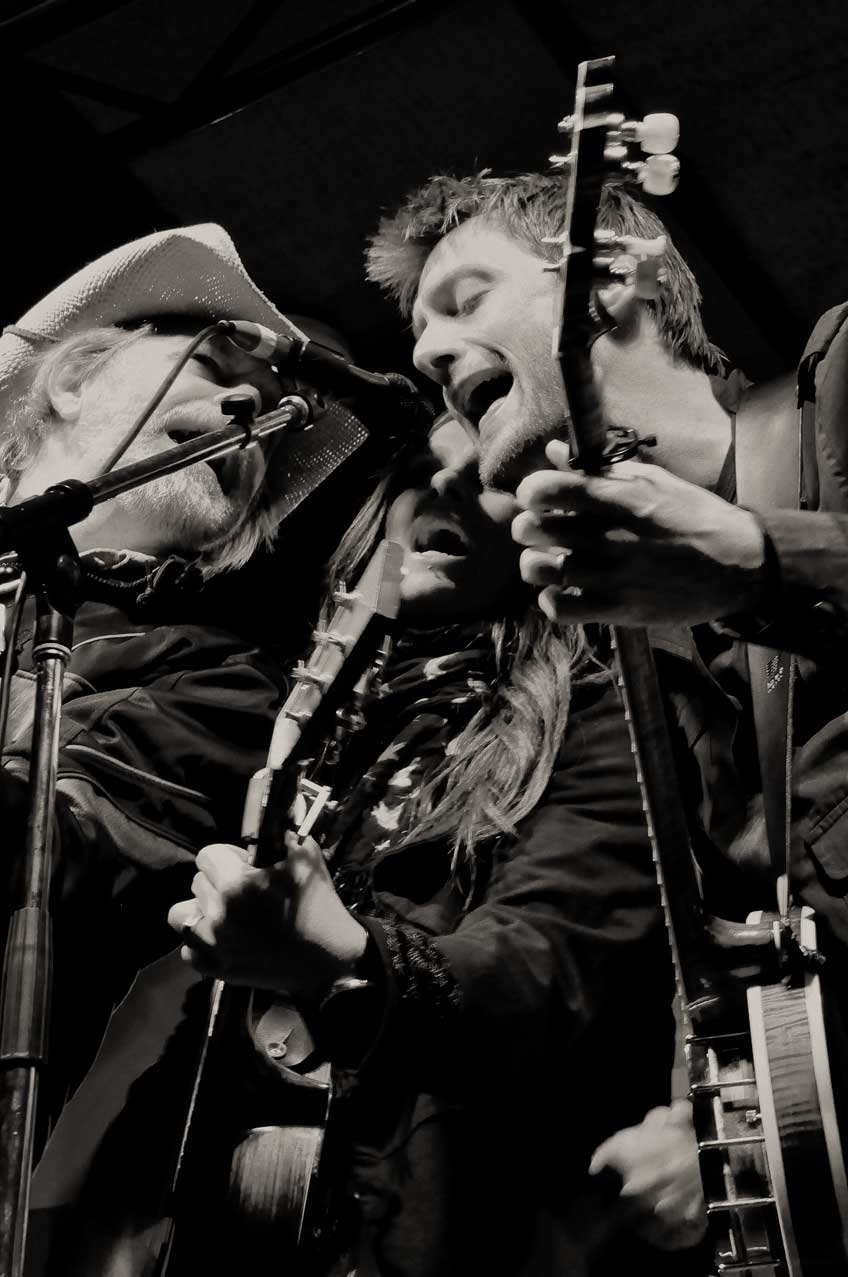
The Coen brothers filled their 2000 comedy with traditional bluegrass and folk recordings. The soundtrack album revived interest in old time music across the country. It won multiple Grammy awards and sold millions of copies.
Audiences often discovered the film through the music rather than the other way around. The songs gave the picture a lasting identity that the plot alone could not sustain. The album remains a staple in Americana collections long after the movie has been forgotten by casual viewers.
Almost Famous
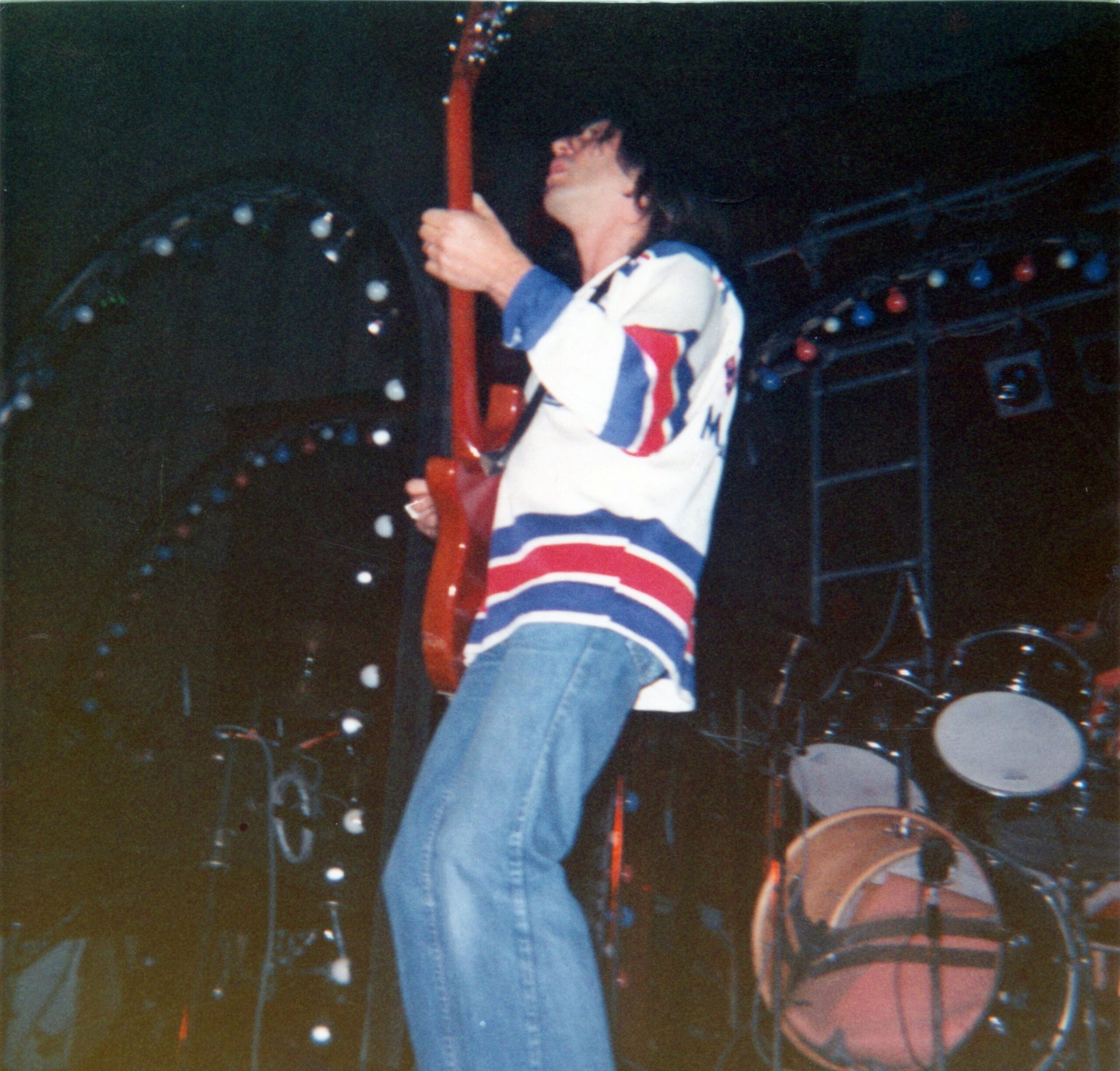
Cameron Crowe assembled a collection of seventies rock classics for his 2000 coming of age story. Tracks by Led Zeppelin, Elton John, and The Who anchored the emotional beats. The soundtrack album became a favorite for anyone who grew up with classic rock radio.
Listeners often treat the record as a stand alone playlist rather than a film companion. The music helped the movie feel authentic but also outlived its theatrical run. Many people remember the songs more clearly than specific scenes.
Guardians of the Galaxy
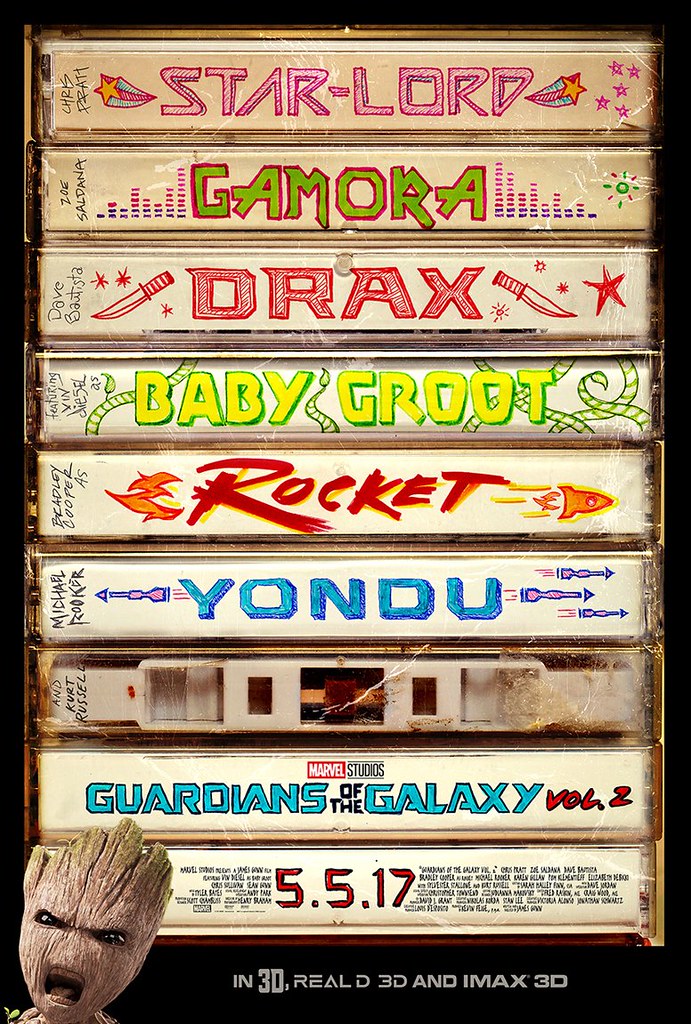
The 2014 superhero film leaned on a mixtape of seventies and eighties hits. Songs by David Bowie, Queen, and The Jackson 5 gave the story its retro heart. The soundtrack album topped charts and spawned a sequel album as well.
Viewers left theaters humming the opening track more often than quoting dialogue. The music turned the movie into a gateway for younger audiences to discover older pop songs. The playlist has since become a cultural shorthand for the film itself.
The Big Chill
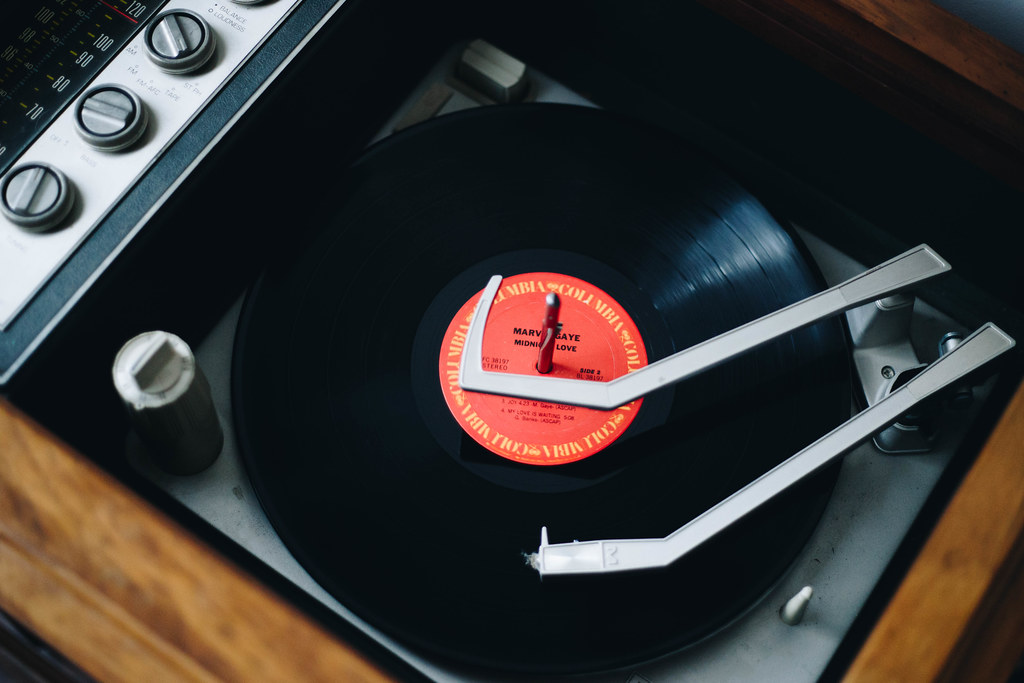
The 1983 ensemble drama used a steady stream of sixties soul and rock hits. Tracks by Marvin Gaye, The Temptations, and Smokey Robinson set the tone for every reunion scene. The soundtrack album sold steadily for years after release.
Many viewers associate the film with its music more than its conversations about lost ideals. The songs turned the picture into a nostalgic time capsule. Audiences still reach for the album when they want that particular era of soul without watching the movie again.
Dirty Dancing
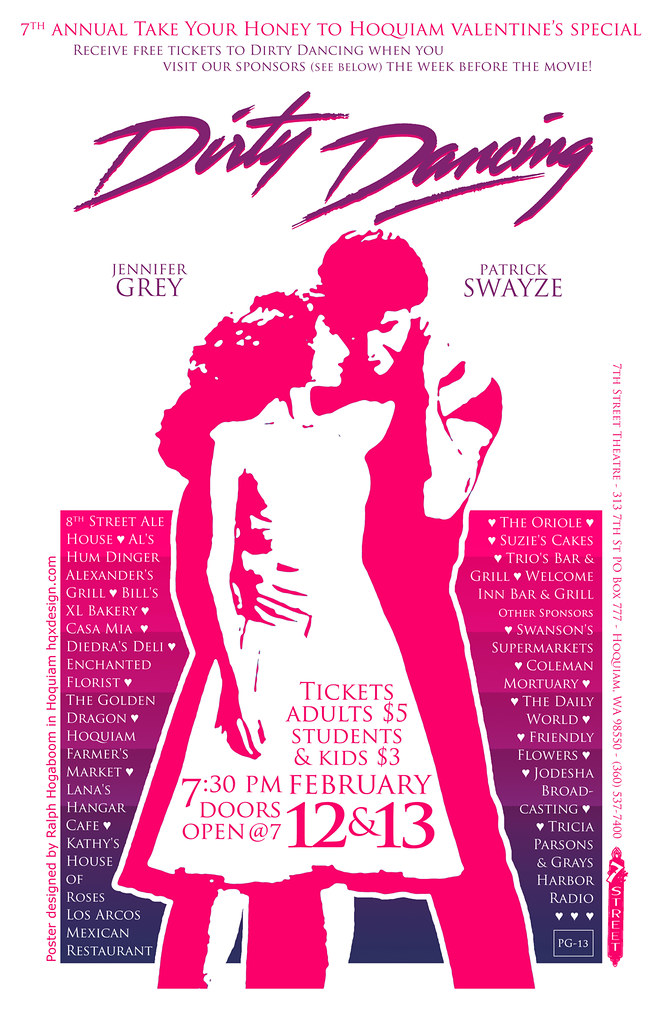
The 1987 romance featured a blend of pop, rock, and Latin influenced tracks. Bill Medley and Jennifer Warnes delivered the signature ballad that dominated radio. The soundtrack album became one of the decade biggest sellers.
People bought the record to relive the dance sequences at home. The music kept the film alive in popular culture long after its initial run. Today the songs feel inseparable from the story yet function perfectly on their own.
Forrest Gump
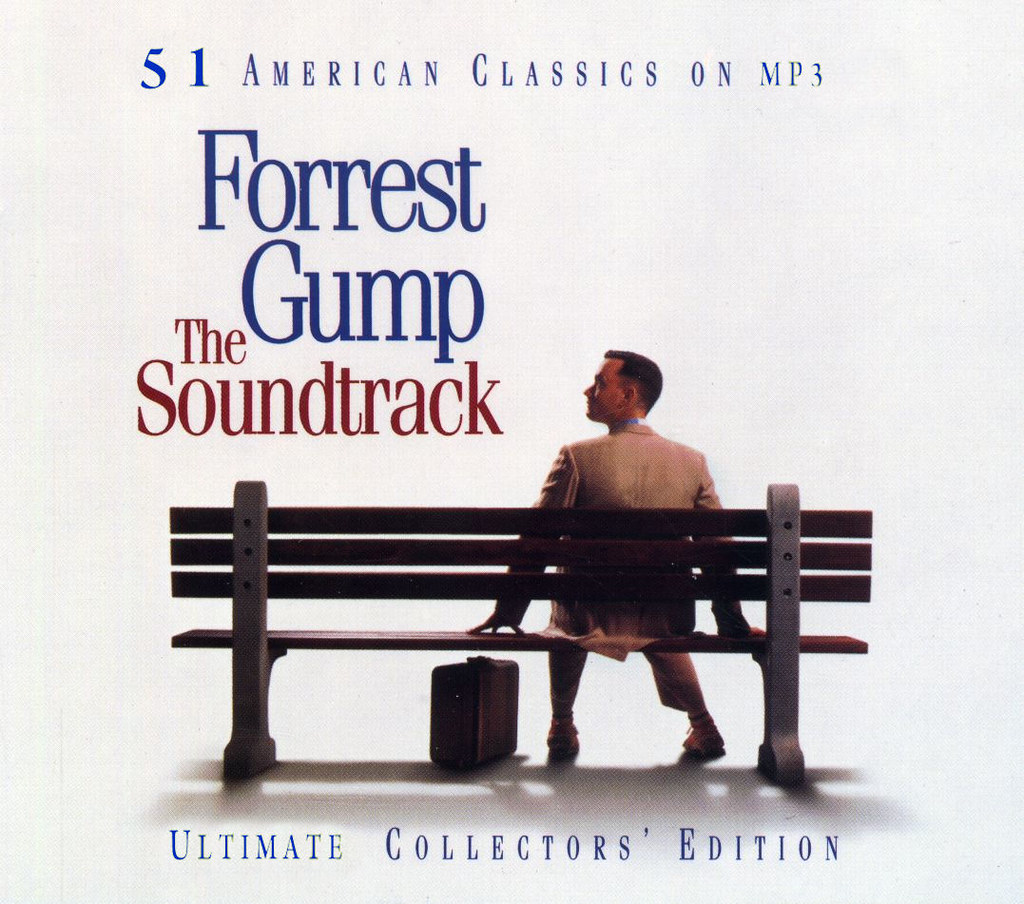
The 1994 epic used a sweeping collection of hits spanning three decades. Songs by Elvis Presley, The Beatles, and Bob Dylan marked each era of the title character life. The double album introduced younger listeners to a broad swath of American pop history.
Many viewers remember the film as a parade of familiar tracks rather than a single narrative. The music gave the story emotional weight that lingered after the credits. The soundtrack continues to serve as an easy entry point into classic rock for new generations.
Music has always had the power to outlast the images it accompanies. These fifteen soundtracks prove that a well chosen song or score can become the lasting memory of an entire film. In the end the melodies keep playing long after the stories have faded.

- 12 Classic TV Shows With Shocking Behind-the-Scenes Dramas You Never Knew - September 10, 2026
- 10 Novels That Were Initially Dismissed, Only to Become Timeless Masterpieces - September 10, 2026
- The ’80s Were a Wild Ride of Style and Sound That Changed Everything - September 10, 2026

