

- 10 Country Music Chartbusters With Dramatic Backstories You Won’t Believe - September 9, 2026
- 15 Classic Movie Endings That Left Audiences Absolutely Speechless for Decades - September 9, 2026
- The Most Dramatic Feuds in Classic Rock History That Shook the Music World - September 9, 2026
Some movie endings hit with such force that viewers left theaters in stunned silence. Those moments turned ordinary screenings into shared experiences that people discussed for years afterward.
The best ones work because they upend expectations without feeling cheap. They reward close attention while leaving room for fresh discoveries on later viewings.
1. Citizen Kane (1941)
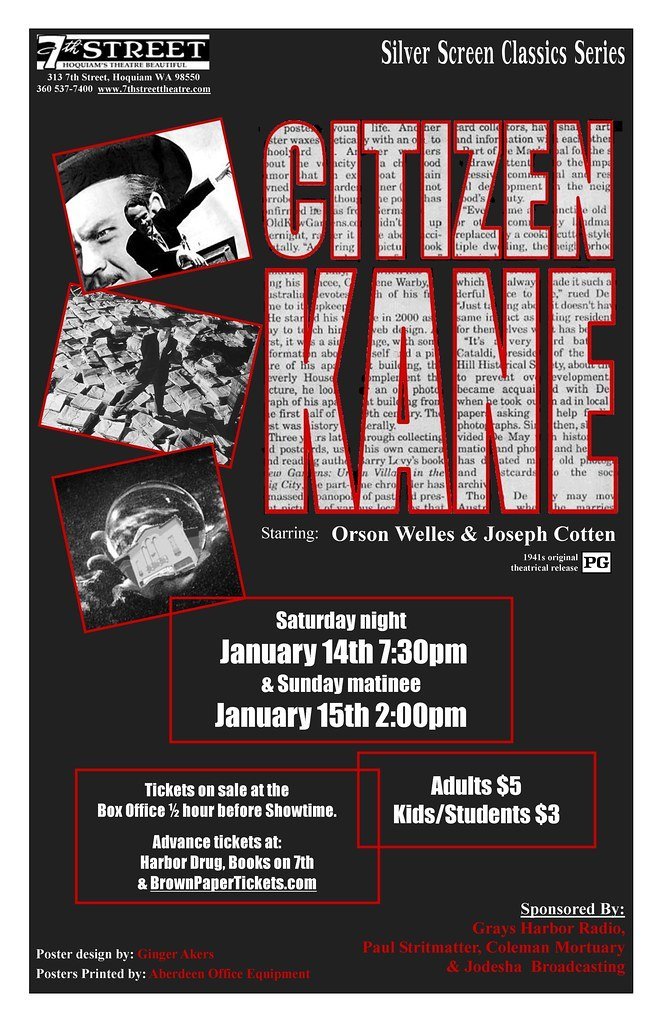
The final reveal of the sled named Rosebud reframes the entire story of a powerful man’s life. What seemed like a grand mystery about wealth and ambition collapses into something far more personal and ordinary. Audiences in 1941 walked out realizing the film had been about loss all along rather than success.
That twist still lands because it strips away the glamour without warning. Viewers today notice how the ending quietly questions what any of us truly leave behind. The simple object at the center keeps the film feeling intimate no matter how many times it is watched.
2. Psycho (1960)
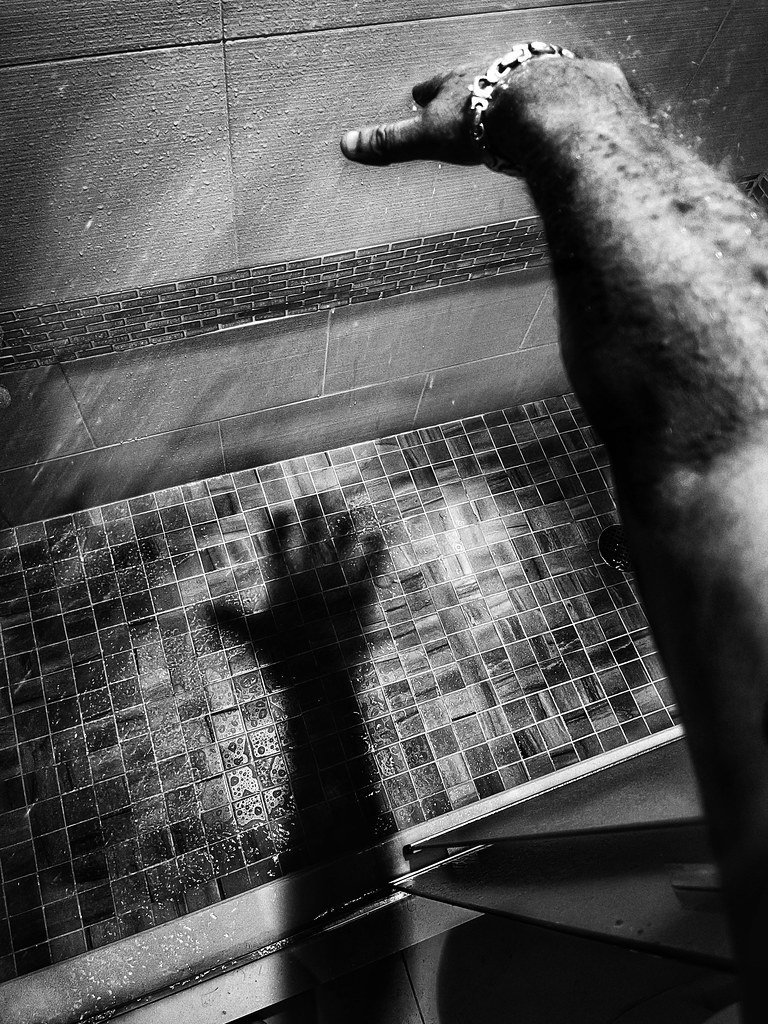
The shower scene sets up one kind of horror, yet the closing basement discovery delivers something entirely different. Norman Bates dressed as his mother turns the story from a thriller into a study of fractured minds. Theatergoers in 1960 had rarely seen a film pull such a complete reversal in its final minutes.
The ending continues to unsettle because it refuses to offer comfort or explanation. Modern audiences still feel the chill when the rocking chair scene plays out. Its influence on later suspense films shows how one quiet reveal can redefine an entire genre.
3. Rosemary’s Baby (1968)
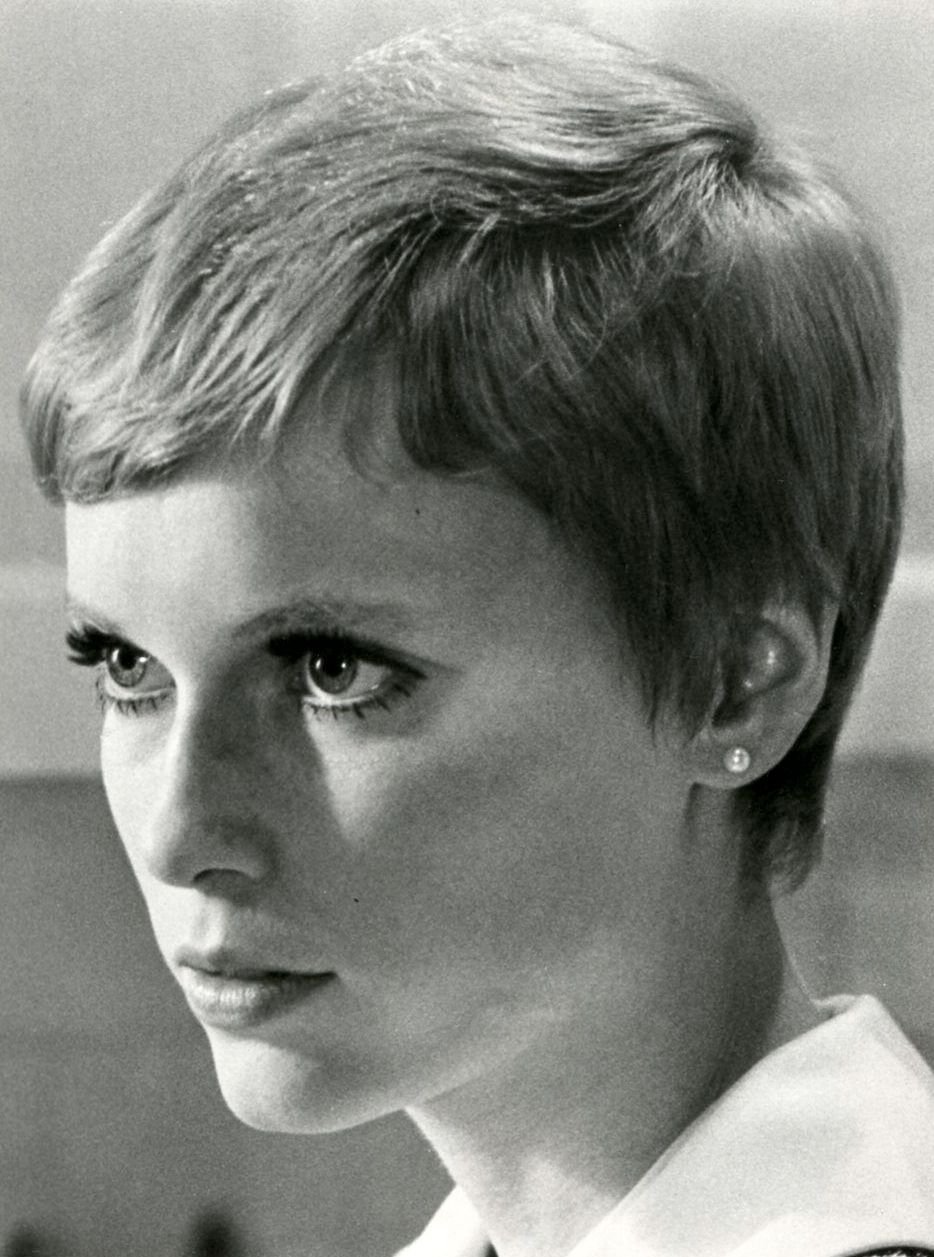
Rosemary’s acceptance of her child at the very end flips the expected triumph of good over evil. The film builds dread through everyday suspicions, then lands on a moment of quiet surrender. Viewers at the time left theaters unsure whether they had watched a victory or a defeat.
That ambiguity keeps the movie alive today. Audiences now appreciate how the ending trusts viewers to sit with discomfort rather than demand resolution. The final image lingers because it mirrors real fears about trust and control in ordinary life.
4. Planet of the Apes (1968)
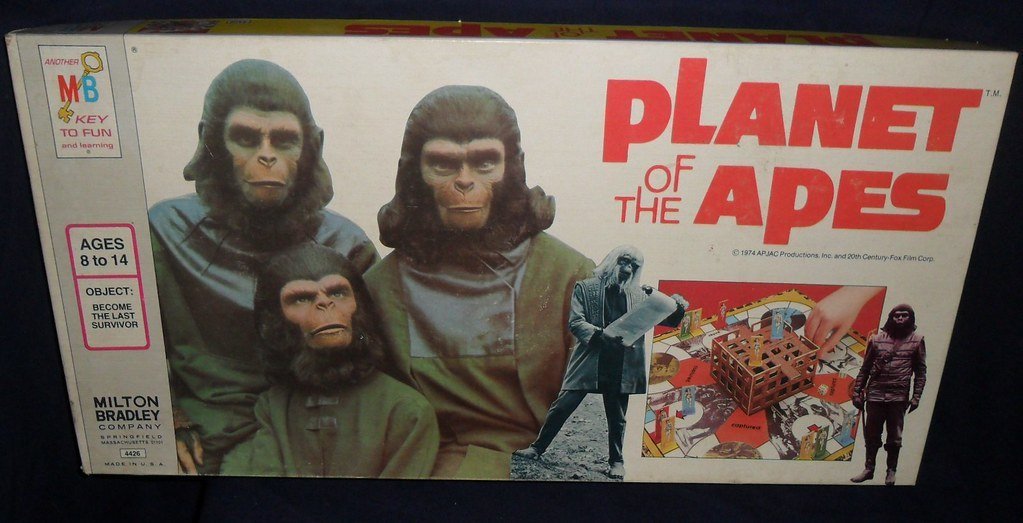
The sight of the Statue of Liberty half buried in sand reveals the planet was Earth all along. What began as an adventure on an alien world becomes a warning about humanity’s future. Crowds in 1968 gasped at the sudden shift from escape to inescapable reality.
The ending holds up because it turns the whole journey into a mirror. Today’s viewers recognize the environmental and political echoes that feel even sharper now. A single visual still delivers the same jolt without needing extra dialogue.
5. 2001: A Space Odyssey (1968)

The star child sequence replaces clear answers with a cosmic rebirth that defies easy summary. After hours of precise science and mystery, the film ends on pure visual poetry. Audiences in 1968 often sat in silence, unsure what they had just witnessed.
That open ending still rewards attention because it invites personal interpretation rather than forcing one. Modern screenings show how the sequence continues to spark debate about evolution and technology. Its restraint keeps it timeless instead of dated.
6. Chinatown (1974)
The final line about forgetting the past lands after a cascade of corruption and loss. The hero cannot change the outcome no matter how hard he tries. Viewers in the seventies left feeling the weight of a system that protects the powerful.
The ending remains effective because it rejects the usual heroic payoff. Audiences today see the same patterns of influence and cover ups in current events. Its bleak honesty gives the film lasting power beyond its period setting.
7. The Empire Strikes Back (1980)
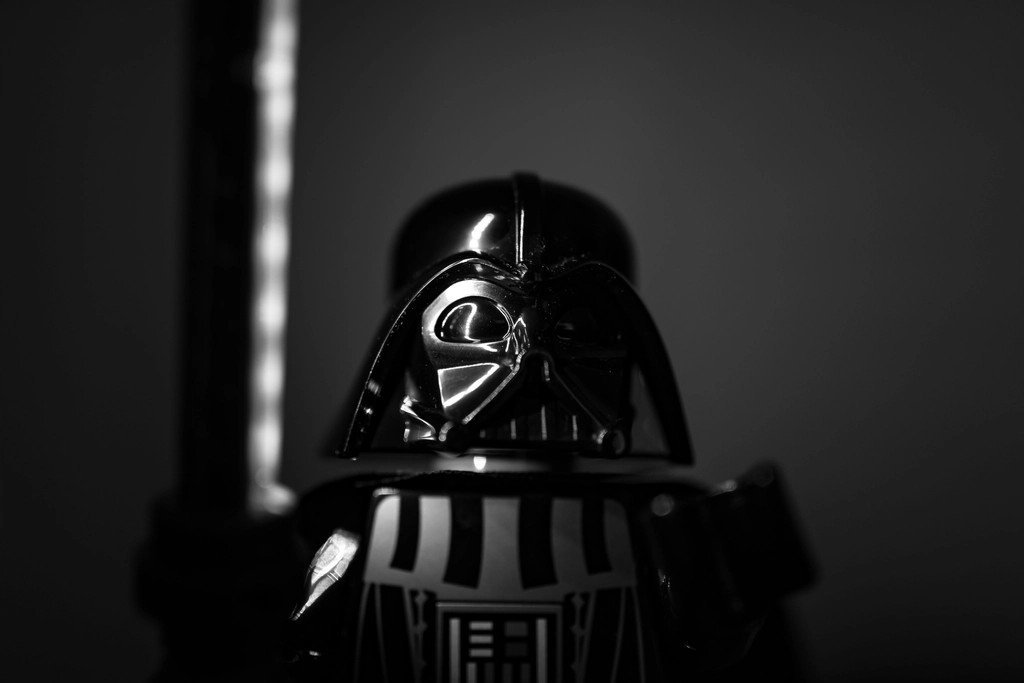
The revelation that Darth Vader is Luke’s father upends the hero’s journey in one sentence. What felt like a clear battle between good and evil suddenly grows far more complicated. Audiences in 1980 left theaters arguing over whether the line could possibly be true.
The moment still works because it deepens every relationship that follows. Viewers now appreciate how the ending turns a sequel into the emotional core of the saga. Its impact comes from earned surprise rather than cheap shock.
8. The Shining (1980)
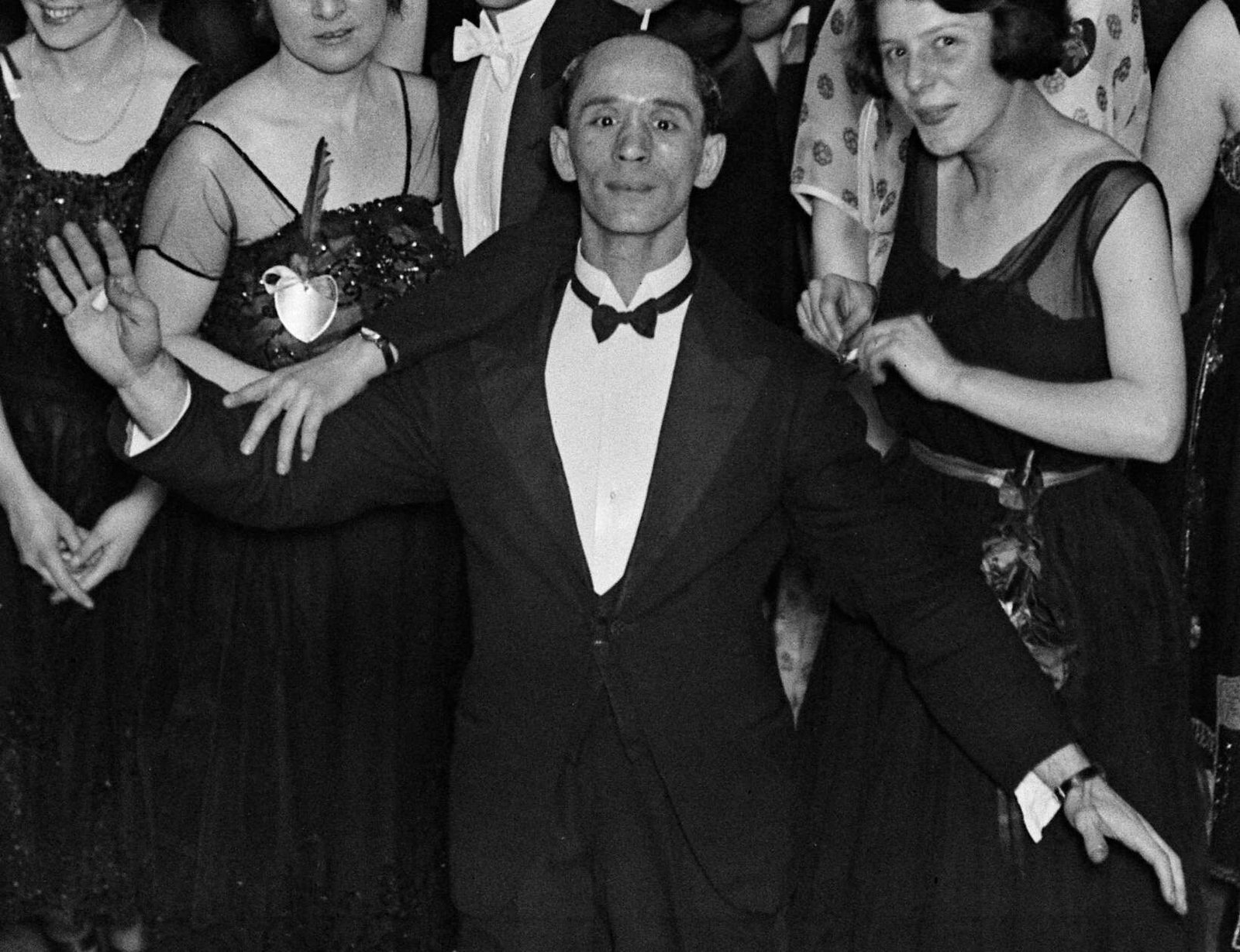
The final photograph of Jack Torrance in a 1921 ballroom photo suggests he has always been part of the hotel. After a descent into madness, the film offers no escape or redemption. Viewers at the time often replayed the ending in their minds for days.
That image continues to haunt because it blurs the line between past and present. Modern audiences find new layers in the hotel’s history each time they watch. The ending’s quiet dread never needs loud effects to stay unsettling.
9. Blade Runner (1982)
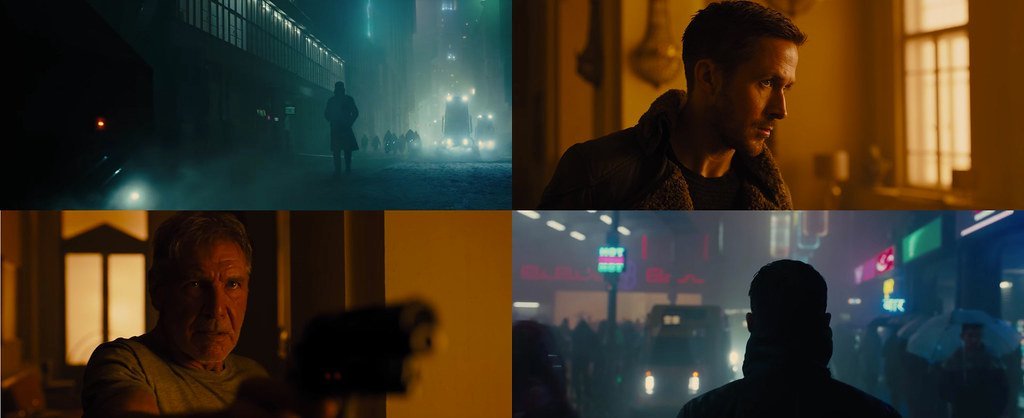
The origami unicorn at the close hints that Deckard himself may be a replicant. After a story about what makes someone human, the film leaves the question open. Audiences in the early eighties debated the meaning long after leaving the theater.
The ending endures because it trusts viewers to decide for themselves. Today’s screenings highlight how the ambiguity mirrors real questions about memory and identity. Its subtlety rewards repeat viewings without ever feeling forced.
10. The Usual Suspects (1995)

The reveal that Verbal Kint is Keyser Soze rewrites every scene that came before. A story told through flashbacks collapses into a single act of invention. Viewers in 1995 often stayed in their seats to process how thoroughly they had been misled.
The twist still succeeds because it plays fair with the clues while hiding the truth in plain sight. Modern audiences enjoy spotting the details on second watches. Its structure influenced countless later films that try to pull off similar surprises.
11. Se7en (1995)
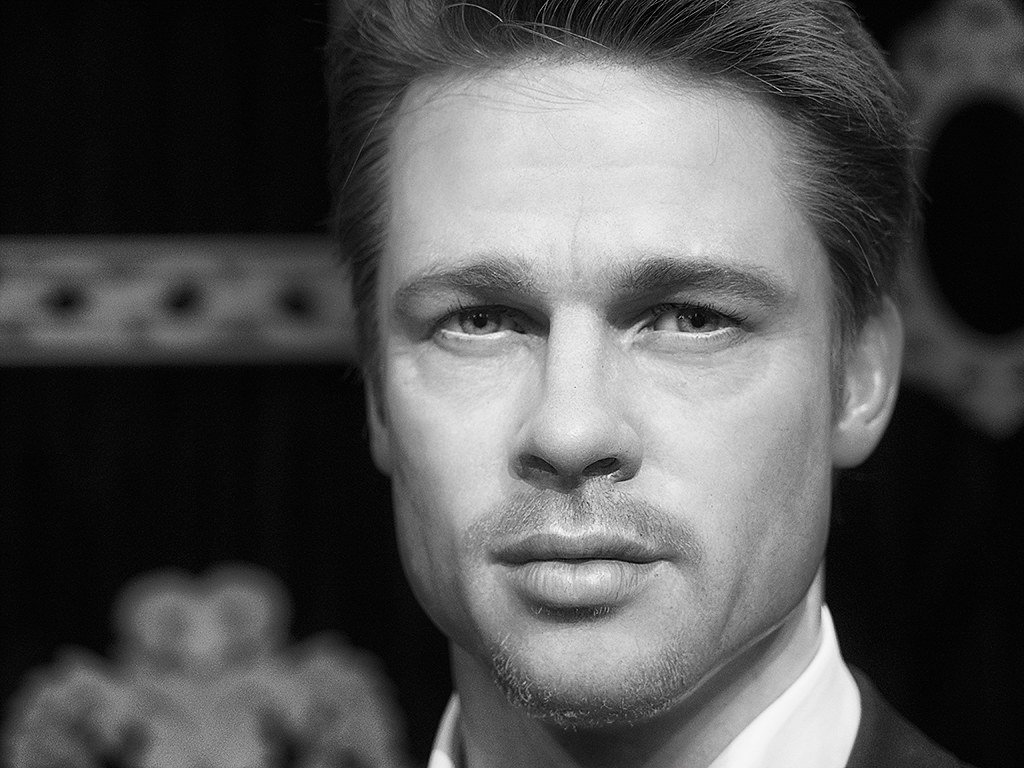
The box containing the victim’s head forces the surviving detective to confront the killer’s final lesson. What seemed like a standard pursuit ends with a choice that destroys any sense of victory. Audiences in 1995 left theaters shaken by the moral weight of the moment.
The ending holds because it refuses to let justice feel satisfying. Viewers today recognize how the film questions whether evil can ever be fully stopped. Its restraint makes the horror feel personal rather than sensational.
12. The Sixth Sense (1999)
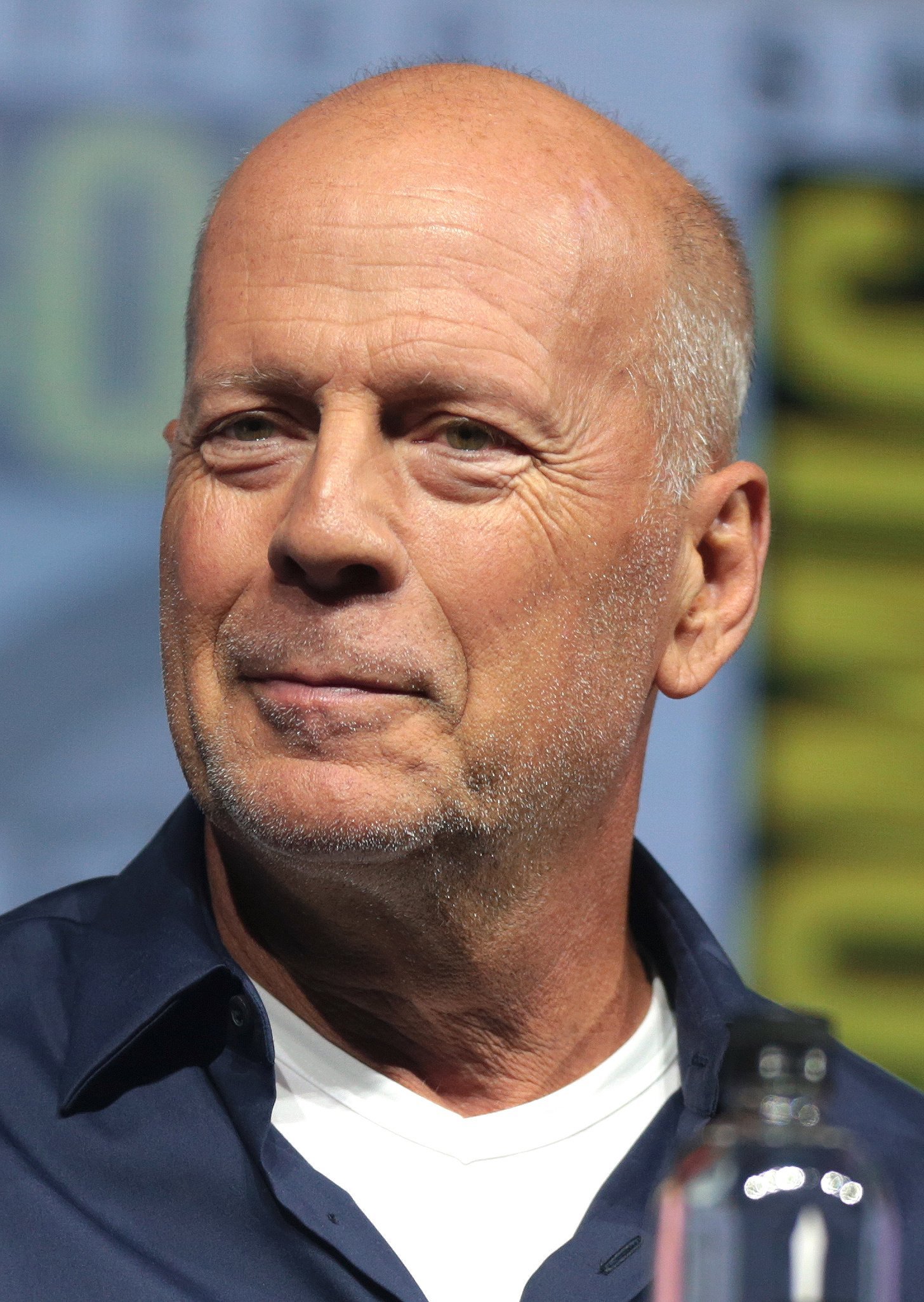
The realization that the therapist has been dead the entire time reframes every interaction. A story about helping a boy who sees ghosts becomes one about the therapist’s own unfinished business. Viewers in 1999 often gasped and immediately wanted to watch again.
The twist continues to work because it is planted so carefully from the start. Modern audiences still feel the emotional payoff when the clues click into place. Its clean execution keeps it a benchmark for later mystery films.
13. Fight Club (1999)
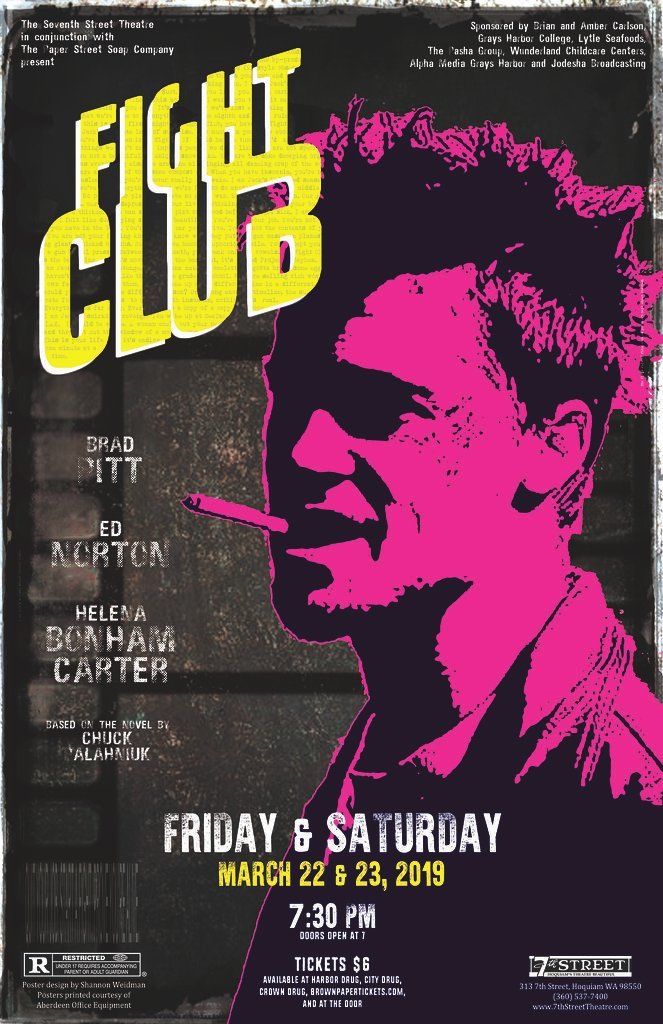
The narrator’s discovery that he and Tyler Durden are the same person turns the entire rebellion inward. What began as an anti consumer manifesto ends with a personal identity crisis. Audiences in 1999 left theaters questioning how much of the story had been real.
The ending remains sharp because it undercuts the very movement it seemed to celebrate. Viewers today see fresh relevance in its look at fractured selves and media influence. Its final image of the collapsing buildings still sparks conversation.
14. Memento (2000)
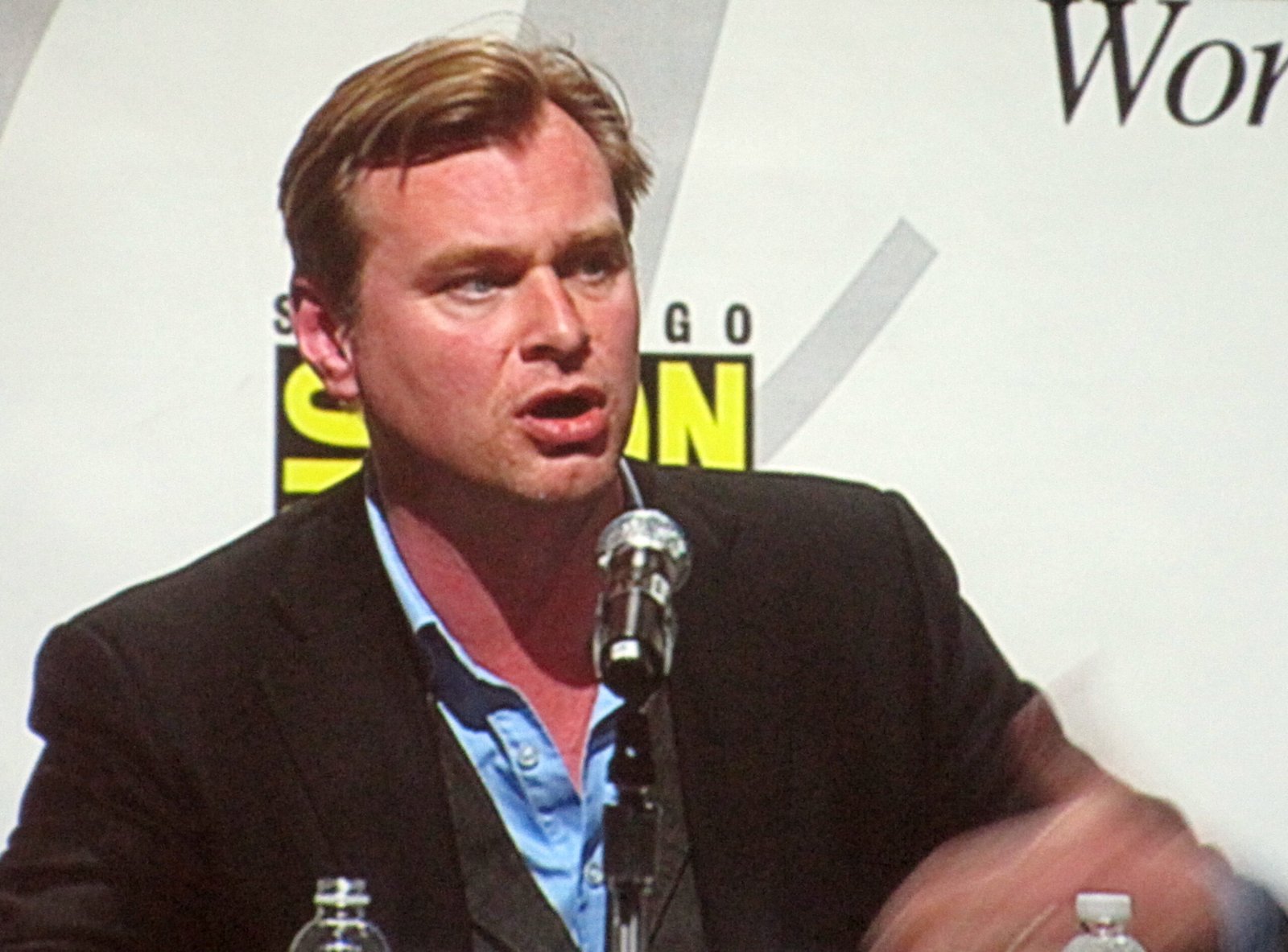
The closing revelation about the protagonist’s own role in his wife’s death arrives through reversed chronology. A tale of revenge becomes one of self deception. Viewers in 2000 often left needing to map the timeline to understand what they had seen.
The structure still engages because it mirrors the character’s confusion in real time. Modern audiences appreciate how the ending rewards careful attention without ever feeling like a trick. Its puzzle like quality invites repeated viewings.
15. The Prestige (2006)
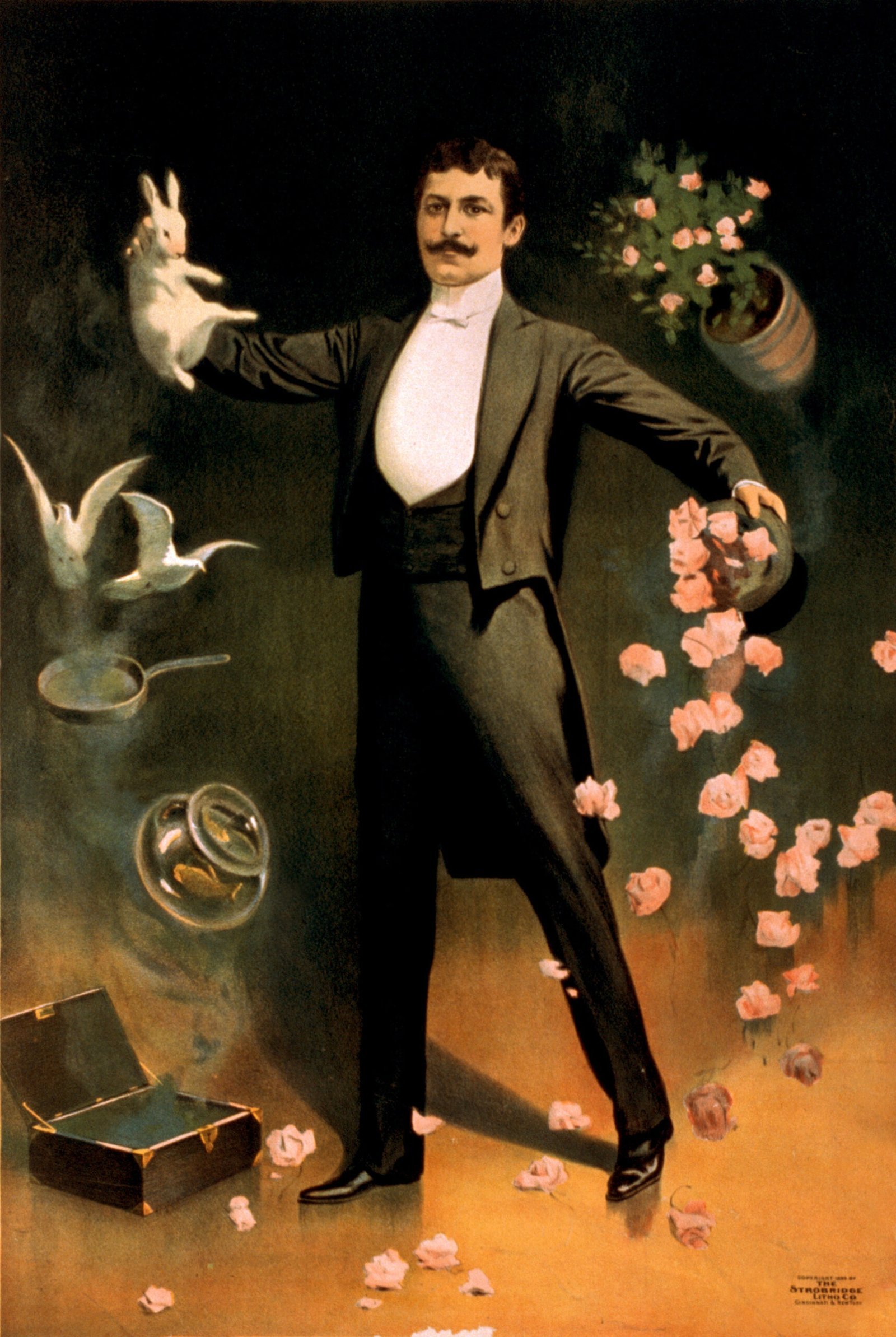
The final twist about the two brothers and their shared secret redefines every sacrifice shown earlier. A story of rivalry ends with the realization that one man has lived as two. Audiences at the time often sat in silence as the pieces fell into place.
The ending lasts because it balances spectacle with genuine emotional cost. Viewers today notice how the film questions the price of obsession. Its layered reveals continue to reward close attention long after the initial shock fades.
These endings prove that a single scene can echo for generations when it earns its surprise. They remind us that the best stories do not simply end but continue to unfold in the minds of those who watch them.

Besides founding Festivaltopia, Luca is the co founder of trib, an art and fashion collectiv you find on several regional events and online. Also he is part of the management board at HORiZONTE, a group travel provider in Germany.
